Project Hail Mary
Andy Weir
Mentioned 1 week ago
Selects: The First Road Trip
If you've ever wanted to know about champagne, satanism, the Stonewall Uprising, chaos theory, LSD, El Nino, true crime and Rosa Parks, then look no further. Josh and Chuck have you covered.
Recently mentioned
Andy Weir
Mentioned 1 week ago
Selects: The First Road Trip
Stephen King
Mentioned 1 week ago
Selects: The First Road Trip
John Steinbeck
Mentioned 2 weeks ago
Kola: The World’s Deepest Hole
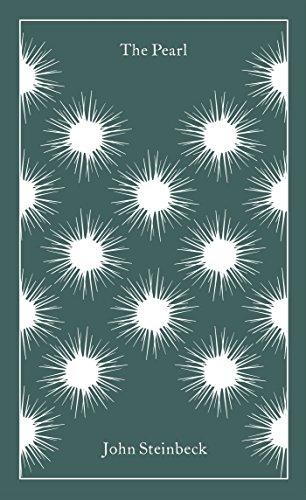
STEINBECK JOHN
Mentioned 2 weeks ago
Kola: The World’s Deepest Hole
Bethany McLean
Mentioned 3 weeks ago
Selects: How Enron Fooled the World
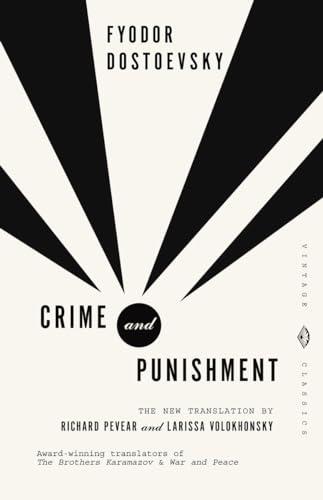
Fyodor Dostoevsky
Mentioned 3 weeks ago
Short Stuff: Why does it feel good to be scared?
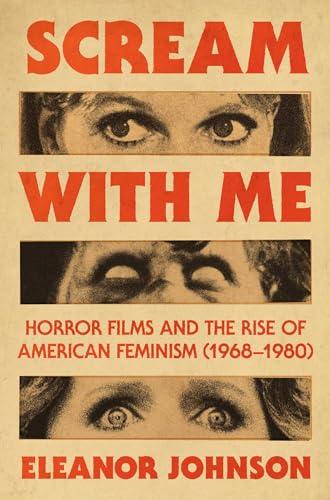
Eleanor Johnson
Mentioned 3 weeks ago
Short Stuff: Why does it feel good to be scared?
John Kennedy Toole
Mentioned 4 weeks ago
Some Interesting Curses
Mordecai RICHLER
Mentioned 4 weeks ago
Some Interesting Curses
Michael Crichton
Mentioned 1 month ago
The Stuff You Should Know Doin’ Science Playlist: How Chaos Theory Changed the Universe
Naomi Oreskes
Mentioned 1 month ago
How Global Warming Works
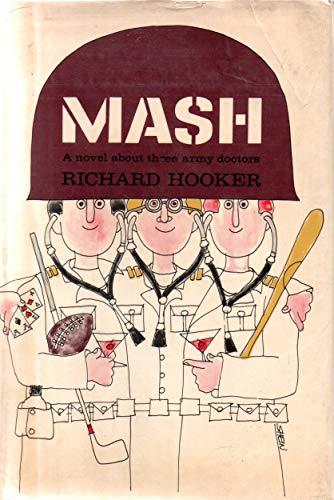
Richard Hooker
Mentioned 1 month ago
M*A*S*H: The Story of the 4077th
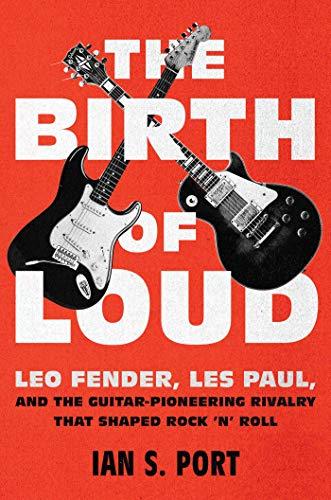
Leo Fender, Les Paul, and the Guitar-Pioneering Rivalry That Shaped Rock 'n' Roll
It was mentioned as a great book about Leo Fender and Les Paul and their rivalry, and was highly recommended, especially for guitar players.
There's not a colon on the cover, but it's implied.
— Episode: Les Paul & Leo Fender Part I
It was mentioned as a great book about Leo Fender and Les Paul and their rivalry, and was highly recommended, especially for guitar players.
There's not a colon on the cover, but it's implied.
The Birth of Loud, Leo Fender, Les Paul, and the guitar pioneering rivalry that shaped rock and roll. And this was from Ian Port in 2019.
And it is a, if you're a guitar player, just get the book. You've probably already read it, but if you hadn't, get it because it's great.
It was mentioned as a great book that provided a lot of the research and inspiration for the episode, and highly recommended for guitar players.
There's not a colon on the cover, but it's implied.
The Birth of Loud, Leo Fender, Les Paul, and the guitar pioneering rivalry that shaped rock and roll. And this was from Ian Port in 2019.
And it is a, if you're a guitar player, just get the book. You've probably already read it, but if you hadn't, get it because it's great.
It was described as a great book for guitar players, detailing the guitar pioneering rivalry between Leo Fender and Les Paul, which helped shape rock and roll music in 2019.
The Birth of Loud, Leo Fender, Les Paul, and the guitar pioneering rivalry that shaped rock and roll. And this was from Ian Port in 2019.
And it is a, if you're a guitar player, just get the book. You've probably already read it, but if you hadn't, get it because it's great.
Hats off to him.
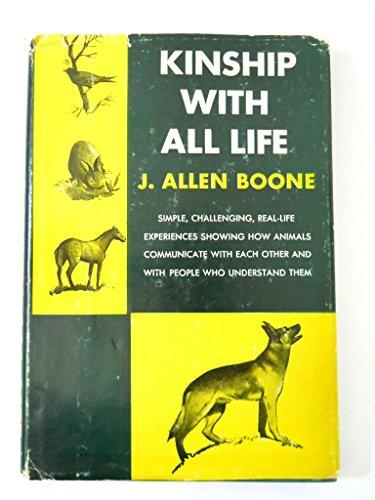
It was described as the pet psychic's bible, and detailed his relationship with a Hollywood dog named Strongheart, which he became telepathically and intuitively linked to.
there's this guy who wrote a book. His name is J. Allen Boone, and he wrote a book called Kinship with All Life, and it apparently is the pet psychic's Bible, and it's kind of his rel...
— Episode: Selects: How Pet Psychics Work
It was described as the pet psychic's bible, and detailed his relationship with a Hollywood dog named Strongheart, which he became telepathically and intuitively linked to.
there's this guy who wrote a book. His name is J. Allen Boone, and he wrote a book called Kinship with All Life, and it apparently is the pet psychic's Bible, and it's kind of his relationship with this German shepherd named Strongheart,
which was a Hollywood dog that he cared for starting in I think the 1930s and who he became telepathically linked with, intuitively linked to.
and basically J. Allen Boone wrote this book on how to communicate with animals,
It was described as the pet psychic's bible, and was written about the author's telepathic relationship with his Hollywood dog, Strongheart, starting in the 1930s.
there's this guy who wrote a book. His name is J. Allen Boone, and he wrote a book called Kinship with All Life, and it apparently is the pet psychic's Bible, and it's kind of his relationship with this German shepherd named Strongheart,
which was a Hollywood dog that he cared for starting in I think the 1930s and who he became telepathically linked with, intuitively linked to.
and in it he mentions that all things are connected by this thing called the primal cause.
It was described as the pet psychic's bible, and discussed Boone's telepathic connection with his Hollywood dog, Strongheart, from the 1930s, along with his concept of a 'primal cause' that connects all living things.
there's this guy who wrote a book. His name is J. Allen Boone, and he wrote a book called Kinship with All Life, and it apparently is the pet psychic's Bible,
and it's kind of his relationship with this German shepherd named Strongheart, which was a Hollywood dog that he cared for starting in I think the 1930s and who he became telepathically linked with, intuitively linked to.
and basically J. Allen Boone wrote this book on how to communicate with animals, and in it he mentions that all things are connected by this thing called the primal cause.
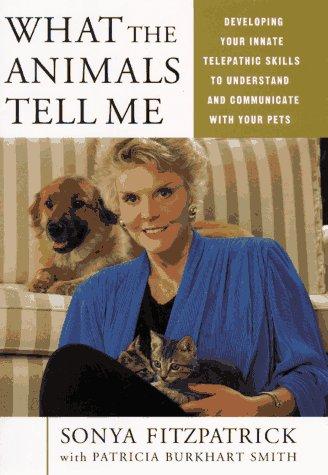
Developing Your Innate Telepathic Skills
It was mentioned while discussing a story about a turtle that ate a fish it was given as a pet, which the author believed the turtle did intentionally to trick her.
she wrote a book called What the Animals Tell Me.
— Episode: Selects: How Pet Psychics Work
It was mentioned while discussing a story about a turtle that ate a fish it was given as a pet, which the author believed the turtle did intentionally to trick her.
she wrote a book called What the Animals Tell Me.
It was mentioned in the context of a story about a turtle that ate a fish that Sonja Fitzpatrick had introduced to its tank, despite the turtle having previously expressed a desire for a fish friend.
she wrote a book called What the Animals Tell Me.
And she told a story about a turtle that she was communicating with.
And the turtle said, well, I knew that if I asked you for a fish to eat, you wouldn't give it to me.
It was mentioned during a discussion of contradictions in the field, where Fitzpatrick's claims about animal communication were contrasted with those of another author. The anecdote of the turtle who tricked her was shared as an example.
Supposedly, according to Sonja Fitzpatrick from the Pet Psychic Show, animals are very gossipy and they like to tell one another all your secrets.
And she told a story. She wrote a book called What the Animals Tell Me.
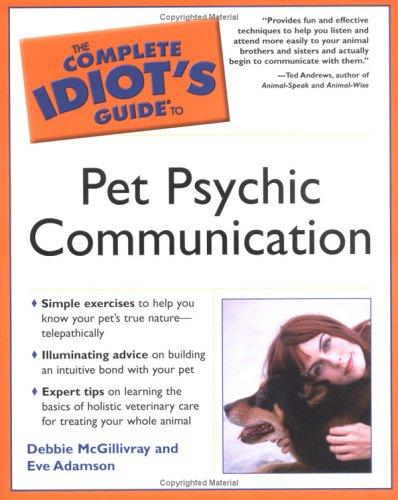
The book's author was mentioned as someone who believes that animals are loyal and innocent, and would never lie or betray trust.
Debbie McGillivray, she wrote The Complete Idiot's Guide to Pet Psychic Communication.
— Episode: Selects: How Pet Psychics Work
The book's author was mentioned as someone who believes that animals are loyal and innocent, and would never lie or betray trust.
Debbie McGillivray, she wrote The Complete Idiot's Guide to Pet Psychic Communication.
The book was referenced in contrast to Sonja Fitzpatrick's work, with Debbie McGillivray's book suggesting that animals are loyal and innocent, which contradicted Sonja Fitzpatrick's belief that animals can be gossipy and lie.
Debbie McGillivray, she wrote The Complete Idiot's Guide to Pet Psychic Communication.
She's the one that said, no, no, no, animals are loyal. They're innocent. They would never rat you out. They would never lie to you like that or embarrass you.
It was mentioned during a discussion about differing views within the pet psychic field. McGillivray's belief that animals are loyal and innocent, and wouldn't betray their owners, contrasted with other psychics' ideas.
Debbie McGillivray, she wrote The Complete Idiot's Guide to Pet Psychic Communication.
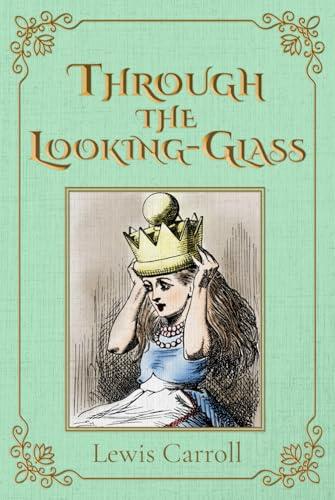
The 1871 Classic Edition with Original Illustrations
It was published in 1871 and featured a chapter dedicated to Humpty Dumpty, solidifying his image as an egg in popular culture, with illustrations by John Tenniel depicting him as an egg with clothes and limbs.
And Lewis Carroll comes in through Alice, I'm sorry, through the looking glass in 1871, one of the more spectacularly seemingly drug-fueled tomes to ever be written.
— Episode: Short Stuff: Humpty Dumpty
It was published in 1871 and featured a chapter dedicated to Humpty Dumpty, solidifying his image as an egg in popular culture, with illustrations by John Tenniel depicting him as an egg with clothes and limbs.
And Lewis Carroll comes in through Alice, I'm sorry, through the looking glass in 1871, one of the more spectacularly seemingly drug-fueled tomes to ever be written.
And the Eggman has a chapter in this dedicated to him wherein Alice says she clearly saw that it was Humpty Dumpty himself. It can't be anybody else. I'm as certain of it as if his name were written all over his face.
And so like that was the whole thing where like you and me and everybody else breathing today thinks of Humpty Dumpty as an egg thanks to that book, thanks to that chapter on him, thanks to the fact that he was just out and out at egg.
That's where like the idea of Humpty Dumpty that we have today finds its roots almost, you know, visually and through our imagination from that book.
Published in 1871, it features a chapter dedicated to Humpty Dumpty, cementing his image as an egg-like creature with a human-like appearance in popular culture, thanks to the book's illustrations and narrative.
And Lewis Carroll comes in through Alice, I'm sorry, through the looking glass in 1871, one of the more spectacularly seemingly drug-fueled tomes to ever be written.
And the Eggman has a chapter in this dedicated to him wherein Alice says she clearly saw that it was Humpty Dumpty himself. It can't be anybody else. I'm as certain of it as if his name were written all over his face.
And so like that was the whole thing where like you and me and everybody else breathing today thinks of Humpty Dumpty as an egg thanks to that book, thanks to that chapter on him, thanks to the fact that he was just out and out at egg.
That's the first time it was like, look, it's definitely an egg. Let's just cut to the chase. Face it.
It was mentioned as the 1871 book that solidified Humpty Dumpty's image as an egg, with a chapter featuring Alice and a depiction of him as an egg-like being.
And then Lewis Carroll comes in through Alice, I'm sorry, through the looking glass in 1871, one of the more spectacularly seemingly drug-fueled tomes to ever be written.
And the Eggman has a chapter in this dedicated to him wherein Alice says she clearly saw that it was Humpty Dumpty himself.
It can't be anybody else. I'm as certain of it as if his name were written all over his face.
And so like that was the whole thing where like you and me and everybody else breathing today thinks of Humpty Dumpty as an egg thanks to that book, thanks to that chapter on him, thanks to the fact that he was just out and out at egg.
That's the first time it was like, look, it's definitely an egg. Let's just cut to the chase. Face it.
It was mentioned as a famous essay stemming from Thoreau's experience of being jailed for refusing to pay taxes to fund the Mexican-American War, where he contemplated the nature of government and individual conscience.
And he has a really great quote here that kind of hits home to me. And anyone who thinks they might can change things or can't. Let every man make known what kind of government would command his respe...
— Episode: How Transcendentalism Works
It was mentioned as a famous essay stemming from Thoreau's experience of being jailed for refusing to pay taxes to fund the Mexican-American War, where he contemplated the nature of government and individual conscience.
And he has a really great quote here that kind of hits home to me. And anyone who thinks they might can change things or can't. Let every man make known what kind of government would command his respect. And that will be one step toward obtaining it.
It said that Thoreau believed, it is not a man's duty as a matter of course to devote himself to the eradication of any, even the most enormous wrong.
He may still properly have other concerns to engage him, but it is his duty at least to wash his hands of it and not give it practically as support.
It was mentioned as an essay that grew out of Thoreau's experience being jailed for refusing to pay taxes that supported slavery. Key quotes from the essay were shared.
And anyone who thinks they can change things or can't, let every man make known what kind of government would command his respect, and that will be one step toward obtaining it.
It is not a man's duty, as a matter of course, to devote himself to the eradication of any, even the most enormous wrong. He may still properly have other concerns to engage him, but it is his duty at least to wash his hands of it and not give it practically as support.
It was mentioned that this essay stemmed from Thoreau's experience of being jailed for refusing to pay taxes that funded slavery and the Mexican-American War. It was mentioned that he had a quote about the type of government that would command his respect.
Let every man make known what kind of government would command his respect. And that will be one step toward obtaining it.
It is not a man's duty as a matter of course to devote himself to the eradication of any, even the most enormous wrong.

The book, co-written with John Reid, was mentioned as a manual used by law enforcement and likely many Hollywood writers, explaining interrogation techniques in detail.
He wrote a manual in 1962 with a Northwestern law professor named Fred Inbaugh called Criminal Interrogation and Confessions.
— Episode: Selects: How Police Interrogation Works
The book, co-written with John Reid, was mentioned as a manual used by law enforcement and likely many Hollywood writers, explaining interrogation techniques in detail.
He wrote a manual in 1962 with a Northwestern law professor named Fred Inbaugh called Criminal Interrogation and Confessions.
The book, co-written with John Reid, was mentioned as a manual containing interrogation techniques that were used to teach and train law enforcement, and it was mentioned to be in many writers' collections.
I imagine every writer in Hollywood has a copy of that on their shelf.
It was mentioned as a book written in 1962 by Fred Inbau and John Reid, discussing criminal interrogation techniques, including the Reid technique, and was described as a book likely owned by many Hollywood writers due to its influence on interrogation portrayals in movies and TV shows.
So once they bring you in the room, the room itself, and this is all from Reid's manual. He wrote a manual in 1962 with a Northwestern law professor named Fred Inbaugh called Criminal Interrogation and Confessions.
I imagine every writer in Hollywood has a copy of that on their shelf.

Challenging the Conventional Wisdom on Diet, Weight Control, and Disease
It was discussed as a book that detailed how much of what the FDA and USDA had recommended was incorrect, and how it came to be that way, particularly about the role of fat in the diet.
There's one great book in particular called Good Calories, Bad Calories by Gary Taubes. Basically tells the story of how a lot of what the FDA and USDA recommends is wrong and how it...
— Episode: Selects: How Mars Works
It was discussed as a book that detailed how much of what the FDA and USDA had recommended was incorrect, and how it came to be that way, particularly about the role of fat in the diet.
There's one great book in particular called Good Calories, Bad Calories by Gary Taubes. Basically tells the story of how a lot of what the FDA and USDA recommends is wrong and how it got that way.
It was discussed as a book that explains how much of what the FDA and USDA recommends is incorrect, and how it arrived at that conclusion.
There's one great book in particular called Good Calories, Bad Calories by Gary Taubes. Basically tells the story of how a lot of what the FDA and USDA recommends is wrong and how it got that way.
It was discussed as a book that details how much of what the FDA and USDA recommends regarding diet is incorrect and how that came to be.
There's one great book in particular called Good Calories, Bad Calories by Gary Taubes.
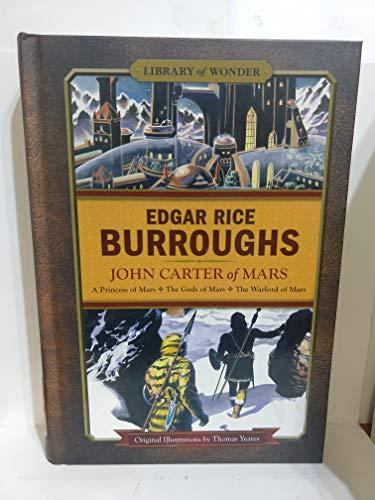
A Princess of Mars, The Gods of Mars, The Warlord of Mars (Library of Wonder)
It was mentioned as an example of science fiction about Mars which was mentioned as an inspiration for a lot of other works about the planet.
And that's when I talked about War of the Worlds and Edgar Rice Burroughs, the Princess of Mars.
— Episode: Selects: How Mars Works
It was mentioned as an example of science fiction about Mars which was mentioned as an inspiration for a lot of other works about the planet.
And that's when I talked about War of the Worlds and Edgar Rice Burroughs, the Princess of Mars.
It was mentioned as an example of early science fiction heavily influenced by the idea of Mars having civilizations, stemming from Percival Lowell's book.
And that's when I talked about War of the Worlds and Edgar Rice Burroughs, the Princess of Mars.
It was mentioned as a book that was part of the initial wave of Mars-based science fiction, as the Red Planet has always fascinated humanity.
And that's when I talked about War of the Worlds and Edgar Rice Burroughs, the Princess of Mars.
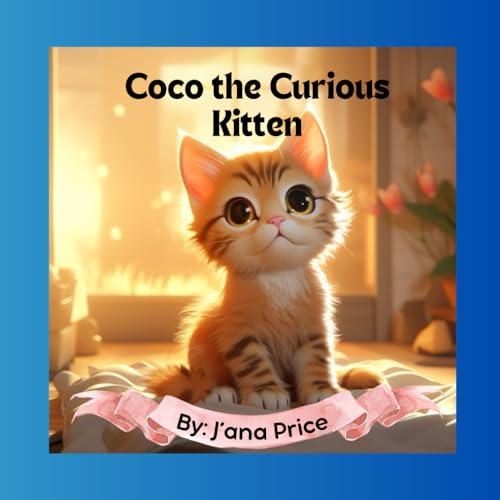
It was mentioned by Josh Clark as a book potentially written by Dr. Penny Patterson about Coco, though no details about its content were discussed.
I think Penny Patterson wrote a book called Coco's Kitten.
— Episode: SYSK Live: Koko, the Gorilla Who Talked
It was mentioned by Josh Clark as a book potentially written by Dr. Penny Patterson about Coco, though no details about its content were discussed.
I think Penny Patterson wrote a book called Coco's Kitten.
It was mentioned by Josh Clark as a book written by Penny Patterson, presumably about Coco the Gorilla, however, no details of the book's content were shared.
I think Penny Patterson wrote a book called Coco's Kitten.
Penny Patterson, Coco's primary caretaker, is believed to have written a book about Coco's life and, in particular, her relationship with her kitten, All Ball.
I think Penny Patterson wrote a book called Coco's Kitten.
It was a 45-page essay that presented the idea that any child could be a prodigy, and that parents were failing to foster genius in their children. It was not well-received.
and then also at the same time his father delivered a lecture that became a book really kind of 45 page essay called Philistine and Genius and it was basically where he lays out this...
— Episode: The Sad Story of William James Sidis
It was a 45-page essay that presented the idea that any child could be a prodigy, and that parents were failing to foster genius in their children. It was not well-received.
and then also at the same time his father delivered a lecture that became a book really kind of 45 page essay called Philistine and Genius and it was basically where he lays out this idea that any kid can be a prodigy and ultimately we're doing our children a disservice by being lazy and you know just living with the status quo and not producing geniuses because we're just not up to the task
It was a 45-page essay written by his father where he argued that any child could be a prodigy if nurtured and encouraged, causing controversy and criticism.
and then also at the same time his father delivered a lecture that became a book really kind of 45 page essay called Philistine and Genius and it was basically where he lays out this idea that any kid can be a prodigy and ultimately we're doing our children a disservice by being lazy and you know just living with the status quo and not producing geniuses because we're just not up to the task
It was a 45-page essay published as a book that argued that any child could be a prodigy if raised with curiosity and provided constant learning opportunities.
and then also at the same time his father delivered a lecture that became a book really kind of 45 page essay called Philistine and Genius and it was basically where he lays out this idea that any kid can be a prodigy and ultimately we're doing our children a disservice by being lazy and you know just living with the status quo and not producing geniuses because we're just not up to the task and that was not very well received either
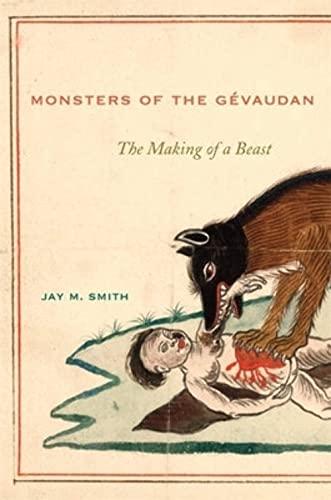
The Making of a Beast
It was mentioned as a book written by a historian, J.M. Smith, that argued that the beast was a wolf, and its story brought France together during a difficult time. The title annoyed one of the podcast hosts due to its colon.
There's a book written by a man named J.M. Smith, historian, and it's called, and this one really annoys me because it's such a great title, did not need this colon. It should just be called Monsters...
— Episode: Short Stuff: Beast of Gevaudan
It was mentioned as a book written by a historian, J.M. Smith, that argued that the beast was a wolf, and its story brought France together during a difficult time. The title annoyed one of the podcast hosts due to its colon.
There's a book written by a man named J.M. Smith, historian, and it's called, and this one really annoys me because it's such a great title, did not need this colon. It should just be called Monsters of the Jevudan. Full stop.
But it's called Monsters of the Jevudan: The Making of a Beast.
I don't know why that colon annoys me more than others.
It's a better follow up subtitle than, you know, let's have a sandwich or something.
At least it's pertinent to the main title.
It was discussed as one of the first international news stories, and the author's book title was mentioned as annoying because of the colon in the subtitle. It was also argued that a group of wolves were the culprits of the attacks, not a single beast.
There's a book written by a man named J.M. Smith, historian, and it's called, and this one really annoys me because it's such a great title, did not need this colon. It should just be called Monsters of the Jevudan. Full stop.
But it's called Monsters of the Jevudan: The Making of a Beast.
I don't know why that colon annoys me more than others.
It's better. It's a better follow up subtitle than, you know, let's have a sandwich or something.
At least it's pertinent to the main title.
It was discussed as one of the first international news stories, and the author is a historian who argued that there were social factors that led people to believe in a monster, though the likely culprit was a wolf.
There's a book written by a man named J.M. Smith, historian, and it's called, and this one really annoys me because it's such a great title, did not need this colon. It should just be called Monsters of the Jevudan. Full stop.
But it's called Monsters of the Jevudan: The Making of a Beast.
I don't know why that colon annoys me more than others.
Back then, apparently, this author argues there were certain social factors at play where France was not in the best way as a country, as a nation after the war that they had.
And they sort of rallied around this story and came together a little bit.
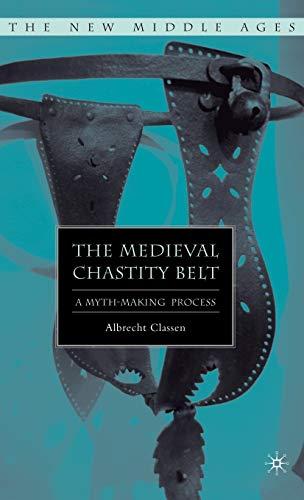
A Myth-Making Process (The New Middle Ages)
It was written by Albrecht Klassen and discussed how chastity belts were likely a misconception or a joke that has persisted over time, possibly originating in a satirical context.
a guy actually wrote a book on this. His name was Albrecht Klassen and he wrote The Medieval Chastity Belt, colon, a myth-making process.
— Episode: Short Stuff: Chastity Belts
It was written by Albrecht Klassen and discussed how chastity belts were likely a misconception or a joke that has persisted over time, possibly originating in a satirical context.
a guy actually wrote a book on this. His name was Albrecht Klassen and he wrote The Medieval Chastity Belt, colon, a myth-making process.
So this is the book that Albrecht Klassen wrote. And basically he's like, listen, poets wrote about it. You know, there were artists who made these things. But it's basically, it seems to be just a big sort of practical joke or maybe the equivalent of like an editorial cartoon or something in its origin.
It was discussed as a book that explored the origins of chastity belts, ultimately concluding that they were likely a product of misunderstanding or a joke, rather than a widely used medieval device.
a guy actually wrote a book on this. His name was Albrecht Klassen and he wrote The Medieval Chastity Belt, colon, a myth-making process.
So this is the book that Albrecht Klassen wrote. And basically he's like, listen, poets wrote about it. You know, there were artists who made these things. But it's basically, it seems to be just a big sort of practical joke or maybe the equivalent of like an editorial cartoon or something in its origin.
It was discussed as a book that debunked the common belief that chastity belts were widely used during the medieval period, suggesting it was more of a myth or a joke.
A guy actually wrote a book on this. His name was Albrecht Klassen and he wrote The Medieval Chastity Belt, colon, a myth-making process.
So this is the book that Albrecht Klassen wrote. And basically he's like, listen, poets wrote about it. You know, there were artists who made these things. But it's basically, it seems to be just a big sort of practical joke or maybe the equivalent of like an editorial cartoon or something in its origin.
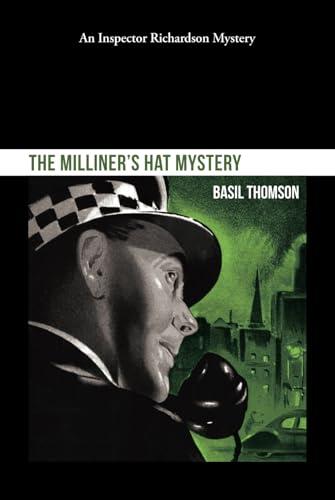
It was mentioned as the source of the initial idea for Operation Mincemeat, using a dead body as a ploy to mislead the Nazis regarding the Allied invasion.
The following suggestion is used in a book by Basil Thompson, colon, a corpse dressed as an airman with dispatches in his pockets could be dropped on the coast, supposedly from a parachute that had fa...
— Episode: Selects: Operation Mincemeat: How A Corp...
It was mentioned as the source of the initial idea for Operation Mincemeat, using a dead body as a ploy to mislead the Nazis regarding the Allied invasion.
The following suggestion is used in a book by Basil Thompson, colon, a corpse dressed as an airman with dispatches in his pockets could be dropped on the coast, supposedly from a parachute that had failed.
It was mentioned as the source of the initial idea for Operation Mincemeat, involving a corpse dressed as an airman with false documents.
The following suggestion is used in a book by Basil Thompson, colon, a corpse dressed as an airman with dispatches in his pockets could be dropped on the coast, supposedly from a parachute that had failed.
It was mentioned as the source of inspiration for Operation Mincemeat, where the concept of a planted corpse with false documents was first explored.
The following suggestion is used in a book by Basil Thompson: a corpse dressed as an airman with dispatches in his pockets could be dropped on the coast, supposedly from a parachute that had failed.
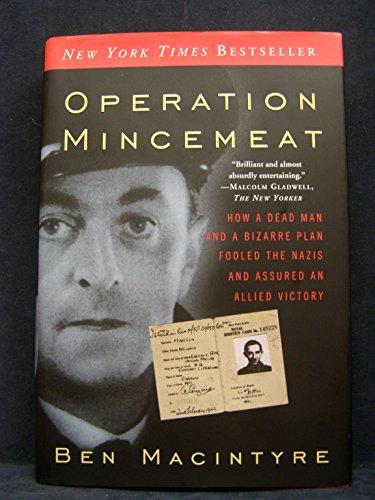
How a Dead Man and a Bizarre Plan Fooled the Nazis and Assured an Allied Victory
It was recommended as a well-cited book about Operation Mincemeat, published in 2010, and mentioned as a potential source for some of the information presented in the podcast.
There's a book called Operation Mincemeat by a guy named Brett McIntyre.
— Episode: Selects: Operation Mincemeat: How A Corp...
It was recommended as a well-cited book about Operation Mincemeat, published in 2010, and mentioned as a potential source for some of the information presented in the podcast.
There's a book called Operation Mincemeat by a guy named Brett McIntyre.
It was mentioned as a well-cited book about Operation Mincemeat, which was discussed in the podcast episode.
There's a book called Operation Mincemeat by a guy named Brett McIntyre.
It was mentioned as a well-cited book on the topic, possibly providing more detail and analysis of the events surrounding Operation Mincemeat.
There's a book called Operation Mincemeat by a guy named Brett McIntyre. That came out in 2010.
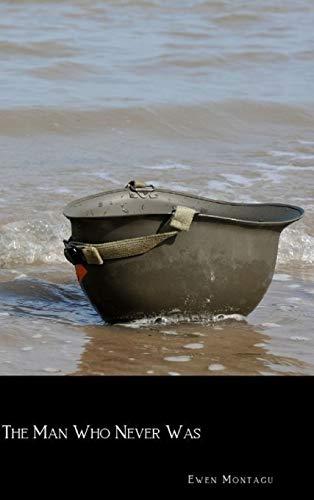
It was mentioned as a book written by Ewan Montague, one of the key figures in Operation Mincemeat, which explored not only the operation but also the broader field of deception strategies.
And then there's The Man Who Never Was, which was written by Ewan Montague, which is not just about Operation Mincemeat, but also about basically how to carry out deception plans.
— Episode: Selects: Operation Mincemeat: How A Corp...
It was mentioned as a book written by Ewan Montague, one of the key figures in Operation Mincemeat, which explored not only the operation but also the broader field of deception strategies.
And then there's The Man Who Never Was, which was written by Ewan Montague, which is not just about Operation Mincemeat, but also about basically how to carry out deception plans.
The man who was never there?
The Man Who Never Was.
It was mentioned as a book written by Ewan Montague, one of the architects of Operation Mincemeat, concerning deception plans and the operation itself.
And then there's The Man Who Never Was, which was written by Ewan Montague, which is not just about Operation Mincemeat, but also about basically how to carry out deception plans.
It was mentioned as a book written by one of the key figures involved in Operation Mincemeat, providing first-hand insights and details into the planning and execution of the operation.
And then there's The Man Who Never Was, which was written by Ewan Montague, which is not just about Operation Mincemeat, but also about basically how to carry out deception plans.
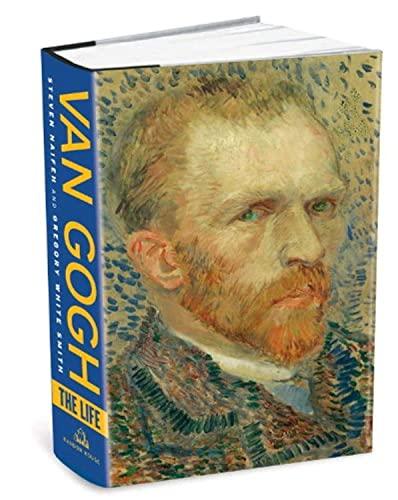
The Life
It was mentioned in relation to the theory of Van Gogh's death, suggesting he may have been accidentally killed by two local youths, not having committed suicide as is commonly believed.
In 2011, there was a book written called Van Gogh, colon, The Life. Written by Stephen, I'm going to say MIFA. Okay. And Gregory White Smith.
— Episode: Seven - No, Wait, Five - Mysteries of th...
It was mentioned in relation to the theory of Van Gogh's death, suggesting he may have been accidentally killed by two local youths, not having committed suicide as is commonly believed.
In 2011, there was a book written called Van Gogh, colon, The Life. Written by Stephen, I'm going to say MIFA. Okay. And Gregory White Smith.
It was mentioned in 2011, and it introduced the theory that Vincent van Gogh was possibly killed accidentally by two young men, rather than committing suicide.
In 2011, there was a book written called Van Gogh, colon, The Life. Written by Stephen, I'm going to say MIFA. Okay. And Gregory White Smith.
It was published in 2011 and introduced the theory that Vincent van Gogh was possibly killed accidentally by two young men, rather than committing suicide.
In 2011, there was a book written called Van Gogh, colon, The Life. Written by Stephen, I'm going to say MIFA. Okay. And Gregory White Smith.
And it seems like they sort of launched this idea, or at least really put it in the public forefront that he was actually killed almost certainly accidentally by one of two boys, a younger gentleman that he was hanging out with that day.
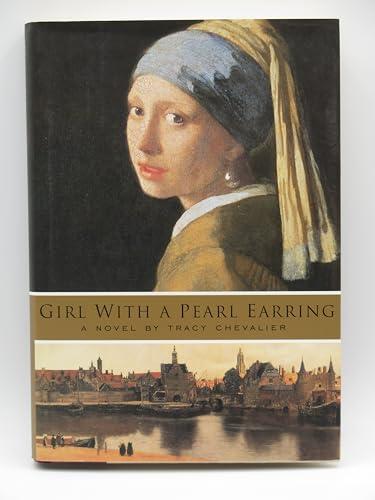
It was mentioned as a 1999 novel that was later adapted into a 2003 film starring Scarlett Johansson. The hosts talked about the book and movie being historical fiction, not based on facts.
But there was a 1999 novel from Tracey Chevalier, The Girl with the Pearl Earring, and then the 2000 film adaptation starring Scarlett Johansson, who was perfectly cast. She looks quite a bit like The...
— Episode: Seven - No, Wait, Five - Mysteries of th...
It was mentioned as a 1999 novel that was later adapted into a 2003 film starring Scarlett Johansson. The hosts talked about the book and movie being historical fiction, not based on facts.
But there was a 1999 novel from Tracey Chevalier, The Girl with the Pearl Earring, and then the 2000 film adaptation starring Scarlett Johansson, who was perfectly cast. She looks quite a bit like The Girl with the Pearl Earring.
It was a 1999 novel that was adapted into a 2003 film starring Scarlett Johansson, which explored a fictionalized version of the story behind Vermeer's painting.
But there was a 1999 novel from Tracey Chevalier, The Girl with the Pearl Earring, and then the 2000 film adaptation starring Scarlett Johansson, who was perfectly cast.
It was a 1999 novel that was later adapted into a film in 2000 starring Scarlett Johansson, which was a work of historical fiction, not a factual account of Vermeer's life.
But there was a 1999 novel from Tracey Chevalier, The Girl with the Pearl Earring,
and then the 2000 film adaptation starring Scarlett Johansson, who was perfectly cast. She looks quite a bit like The Girl with the Pearl Earring.
But this was historical fiction.
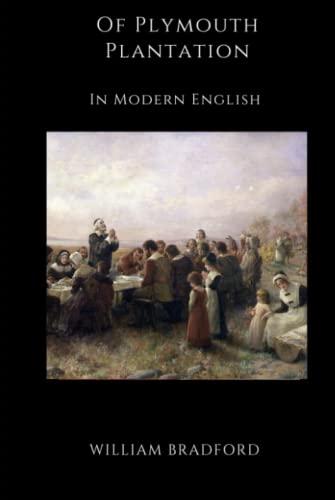
In Modern English
It was William Bradford's own journal that he used to record the history of Plymouth Plantation, which included his biased account of John Billington and his trial.
In addition to what is it? Mort's what? Mort's Retort. Not Mort's Retort. I was kidding. Mort's Relation.
— Episode: Selects: Who was America's first murdere...
It was William Bradford's own journal that he used to record the history of Plymouth Plantation, which included his biased account of John Billington and his trial.
In addition to what is it? Mort's what? Mort's Retort. Not Mort's Retort. I was kidding. Mort's Relation.
The other probably largest cited firsthand account Of Plymouth Plantation is called Of Plymouth Plantation.
It's Bradford's own journal.
So he literally wrote the history for Plymouth.
And of course, he's going to paint it in his he's going to paint himself and his fellows in the best light.
It was a journal written by William Bradford, the governor of Plymouth Plantation, and became a major source of information on the early days of the colony, often presenting a biased perspective.
In addition to what is it? Mort's what? Mort's Retort. Not Mort's Retort. I was kidding. Mort's Relation.
The other probably largest cited firsthand account Of Plymouth Plantation is called Of Plymouth Plantation.
It's Bradford's own journal.
So he literally wrote the history for Plymouth.
It was mentioned as one of the primary sources of information about Plymouth Colony, written by the governor himself, and it was discussed as potentially biased.
In addition to Mort's Relation, the other probably largest cited firsthand account Of Plymouth Plantation is called Of Plymouth Plantation.
It's Bradford's own journal.
So he literally wrote the history for Plymouth.
And of course, he's going to paint it in his he's going to paint himself and his fellows in the best light.
And that's what we go on.
Note: The book recommendations on this page are discovered automatically from podcast transcripts, and may be incorrect or incomplete.
Podcast Name