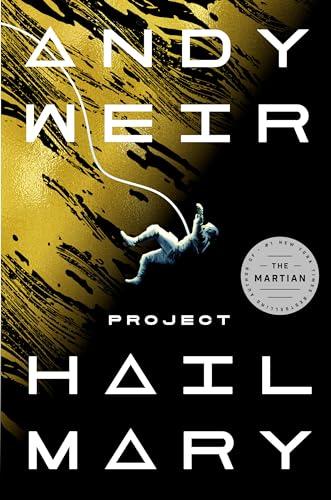
Project Hail Mary
Andy Weir
Mentioned 1 week ago
Selects: The First Road Trip
If you've ever wanted to know about champagne, satanism, the Stonewall Uprising, chaos theory, LSD, El Nino, true crime and Rosa Parks, then look no further. Josh and Chuck have you covered.
Recently mentioned
Andy Weir
Mentioned 1 week ago
Selects: The First Road Trip
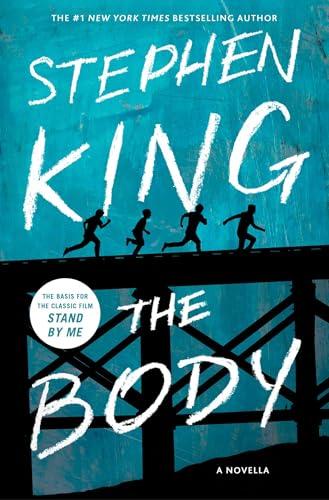
Stephen King
Mentioned 1 week ago
Selects: The First Road Trip
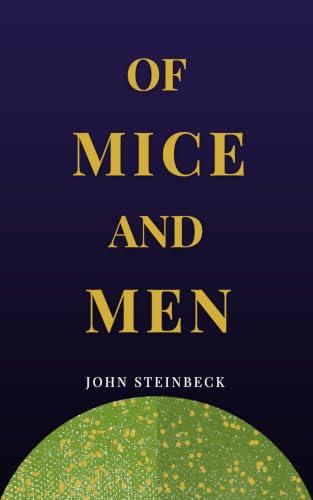
John Steinbeck
Mentioned 2 weeks ago
Kola: The World’s Deepest Hole
STEINBECK JOHN
Mentioned 2 weeks ago
Kola: The World’s Deepest Hole
Bethany McLean
Mentioned 3 weeks ago
Selects: How Enron Fooled the World

Fyodor Dostoevsky
Mentioned 3 weeks ago
Short Stuff: Why does it feel good to be scared?
Eleanor Johnson
Mentioned 3 weeks ago
Short Stuff: Why does it feel good to be scared?
John Kennedy Toole
Mentioned 4 weeks ago
Some Interesting Curses
Mordecai RICHLER
Mentioned 4 weeks ago
Some Interesting Curses
Michael Crichton
Mentioned 1 month ago
The Stuff You Should Know Doin’ Science Playlist: How Chaos Theory Changed the Universe
Naomi Oreskes
Mentioned 1 month ago
How Global Warming Works
Richard Hooker
Mentioned 1 month ago
M*A*S*H: The Story of the 4077th
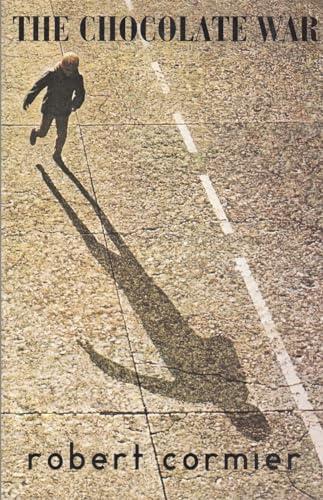
It was mentioned as a book that had been banned multiple times, and one of the hosts had read it.
Or The Chocolate War? I think I read that one.
— Episode: SYSK Selects: How Book Banning Works
It was mentioned as a book that had been banned multiple times, and one of the hosts had read it.
Or The Chocolate War? I think I read that one.
It was discussed as a challenged book, and one of the hosts recalled reading it in the past.
Or The Chocolate War?
I think I read that one.
Great books. Banned many times.
It was mentioned as a book that had been banned numerous times. The hosts mentioned the book as a possible read from childhood.
Or The Chocolate War? I think I read that one.
Banned many times.
Cited as another frequently banned book.
Robert Cormier or Cormier. Did you ever read I Am the Cheese when you were growing up? Nope. Or The Chocolate War? I think I read that one. Great books. Banned many times.
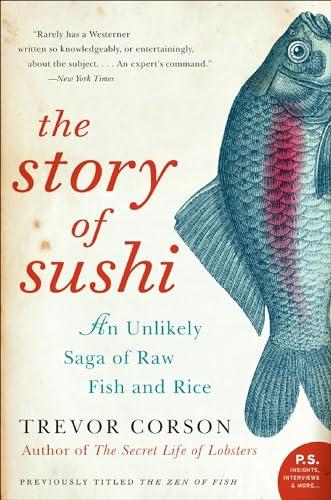
An Unlikely Saga of Raw Fish and Rice
It was mentioned as a source for some surprising facts about sushi, including how miso is used in Japan and that American sushi is often packed tighter with rice.
I got one more thing from the book The Story of Sushi by Trevor Corson.
— Episode: SYSK Selects: How Sushi Works
It was mentioned as a source for some surprising facts about sushi, including how miso is used in Japan and that American sushi is often packed tighter with rice.
I got one more thing from the book The Story of Sushi by Trevor Corson.
They said in Japan, they eat miso at the end of the meal to aid digestion instead of an appetizer.
American chefs have probably never eaten a proper nigiri because sushi chefs pack it too tightly on purpose because Americans like it that way.
Apparently it's looser in Japan.
He said that the knives used by sushi chefs are direct descendants of samurai swords.
It was mentioned as a source of some interesting and surprising sushi facts, including the way American chefs pack nigiri and the prevalence of bluefin tuna in the sushi industry.
I got one more thing from the book The Story of Sushi by Trevor Corson. Just some surprising sushi facts.
They said in Japan, they eat miso at the end of the meal to aid digestion instead of an appetizer.
American chefs have probably never eaten a proper nigiri because sushi chefs pack it too tightly on purpose because Americans like it that way.
Apparently it's looser in Japan. It's not enough rice.
he said that the knives used by sushi chefs are direct descendants of samurai swords. AKA katana.
It was mentioned as a source of information about sushi, including facts about the digestion-aiding properties of miso and the origin of sushi chef's knives.
I got one more thing from the book The Story of Sushi by Trevor Corson.
They said in Japan, they eat miso at the end of the meal to aid digestion instead of an appetizer.
American chefs have probably never eaten a proper nigiri because sushi chefs pack it too tightly on purpose because Americans like it that way.
Apparently it's looser in Japan.
his final little fact, he said that the knives used by sushi chefs are direct descendants of samurai swords.
It was mentioned at the end of the podcast as a source of some surprising sushi facts, including how miso is used to aid digestion in Japan and that American sushi chefs often pack nigiri tighter than their Japanese counterparts.
I got one more thing from the book The Story of Sushi by Trevor Corson.
They said in Japan, they eat miso at the end of the meal to aid digestion instead of an appetizer.
American chefs have probably never eaten a proper nigiri because sushi chefs pack it too tightly on purpose because Americans like it that way.
Apparently it's looser in Japan.
he said that the knives used by sushi chefs are direct descendants of samurai swords. AKA katana.
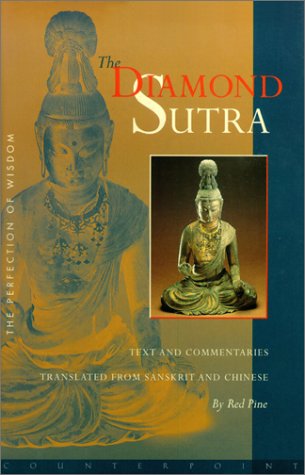
The Perfection of Wisdom
It was the first known printed book, dating back to 868 CE, printed using wood carvings for each page, which was a challenging but effective method.
And I think as far back as 971, no 868 CE, which is a while ago, more than a thousand years, about 1100 plus, The Diamond Sutra, which is a Buddhist text, was the first known printed...
— Episode: Printing press? Big deal!
It was the first known printed book, dating back to 868 CE, printed using wood carvings for each page, which was a challenging but effective method.
And I think as far back as 971, no 868 CE, which is a while ago, more than a thousand years, about 1100 plus, The Diamond Sutra, which is a Buddhist text, was the first known printed book.
It was the first known printed book, dating back to 868 CE, and was printed using wood carvings for each page, which had to be carved in negative.
And I think as far back as 971, no 868 CE, which is a while ago, more than a thousand years, about 1100 plus, The Diamond Sutra, which is a Buddhist text, was the first known printed book.
It was the first known printed book, created in 868 CE, and featured pages carved in negative as woodcuts, a very difficult but useful process.
And I think as far back as 971, no 868 CE, which is a while ago, more than a thousand years, about 1100 plus, The Diamond Sutra, which is a Buddhist text, was the first known printed book.
It was the first known printed book, dating back to 868 CE, printed using wood carving for each page, with the text carved in negative to avoid reverse printing.
And I think as far back as 971, no 868 CE, which is a while ago, more than a thousand years, about 1100 plus, The Diamond Sutra, which is a Buddhist text, was the first known printed book.
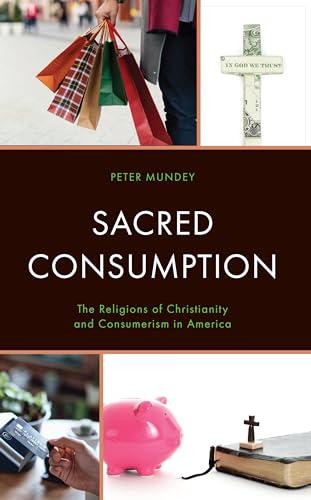
The Religions of Christianity and Consumerism in America
It was mentioned as a book that was being read by one of the hosts, and described the Jim Crow era as a blemish on American history.
I'm reading this Consumerism in America book and it's at this point now is really just this blemish on American history.
— Episode: SYSK Selects: How White-collar Crime Wor...
It was mentioned as a book that was being read by one of the hosts, and described the Jim Crow era as a blemish on American history.
I'm reading this Consumerism in America book and it's at this point now is really just this blemish on American history.
I hate reading this stuff. I mean like slavery wasn't bad enough.
It was mentioned as a book that discussed the Jim Crow era in American history, which was considered a blemish.
I'm reading this 'Consumerism in America' book and it's at this point now is really just this blemish on American history.
It was briefly mentioned as a book the speaker was reading, which discussed the negative impact of price discrimination and Jim Crow era practices on American history.
I'm reading this Consumerism in America book and it's at this point now is really just this blemish on American history.
I hate reading this stuff. I mean like slavery wasn't bad enough.
It was mentioned as a book that was being read by Josh Clark, and he was displeased at the era of Jim Crow, in the context of price discrimination.
I'm reading this Consumerism in America book and it's at this point now is really just this blemish on American history.
I hate reading this stuff. I mean like slavery wasn't bad enough.
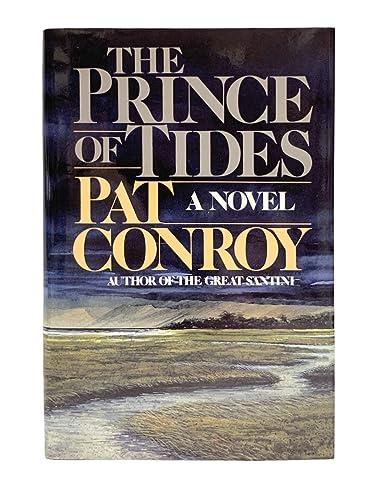
A Novel
The Prince of Tides was mentioned in relation to coastal wetlands and tidal marshes, particularly in the context of the character 'Loewenstein' or possibly 'Bobby Jim'.
And one of the ones that really come to mind, if you're thinking coastal wetlands, you're thinking marshlands and you're thinking tidal marshlands probably, especially if you're a Pat Conroy fan.
— Episode: Wetlands! Wetlands! Wetlands!
The Prince of Tides was mentioned in relation to coastal wetlands and tidal marshes, particularly in the context of the character 'Loewenstein' or possibly 'Bobby Jim'.
And one of the ones that really come to mind, if you're thinking coastal wetlands, you're thinking marshlands and you're thinking tidal marshlands probably, especially if you're a Pat Conroy fan.
Was it in The Prince of Tides?
They obviously, it's because they're tidal, they're going to come in and out with the high and low tide. And like you said, they're generally saltwater.
The hosts alluded to it while discussing coastal wetlands, mentioning a character's name repeatedly whispered in the book, but couldn't remember if it was 'Bobby Jim' or 'Loewenstein'.
And one of the ones that really come to mind, if you're thinking coastal wetlands, you're thinking marshlands and you're thinking tidal marshlands probably, especially if you're a Pat Conroy fan.
Was it in The Prince of Tides?
Tidal marshes, yes, Prince of Tides.
It was mentioned in passing, as the hosts discussed tidal marshes, and they briefly referenced a character's name that was frequently repeated in the book.
And one of the ones that really come to mind, if you're thinking coastal wetlands, you're thinking marshlands and you're thinking tidal marshlands probably, especially if you're a Pat Conroy fan.
Was it in The Prince of Tides?
They mentioned the novel while discussing tidal marshes, noting it as a reference for a Pat Conroy fan.
One of the ones that really comes to mind, if you're thinking coastal wetlands, you're thinking marshlands, and you're thinking tidal marshlands, probably, especially if you're a Pat Conroy fan.
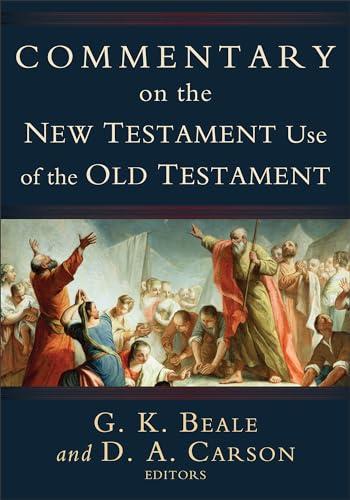
(A Comprehensive Bible Commentary on Old Testament Quotations, Allusions & Echoes That Appear from Matthew through Revelation)
It was mentioned in the context of the phrase 'take it with a grain of salt', though the exact meaning of its use in 1647 remains unclear, but is thought to relate to something being difficult to hear or accept.
But we still aren't sure what he meant by that.
— Episode: Short Stuff: More Phrase Origins
It was mentioned in the context of the phrase 'take it with a grain of salt', though the exact meaning of its use in 1647 remains unclear, but is thought to relate to something being difficult to hear or accept.
But we still aren't sure what he meant by that.
I think what John Trapp who has a great name by the way what he was saying is that this the following is very difficult to to hear or it's hard information to swallow Aka poisonous.
So it's a guess but man, oh man it is a good guess.
It was mentioned in passing as a book that contained the phrase 'take it with a grain of salt', but the exact meaning in that context was unclear.
And he said this is to be taken with a grain of salt
But we still aren't sure what he meant by that
It was mentioned as a source for the origin of the phrase 'take it with a grain of salt', although the exact meaning was unclear. It was used in 1647 and suggested the information was difficult to hear or swallow.
And he said this is to be taken with a grain of salt
It was mentioned as a source in which the phrase 'take it with a grain of salt' was used, although the exact meaning in context was uncertain and debated.
In 1647, John Trapp used it in a book called the commentary on old and New Testament's, and he said this is to be taken with a grain of salt.
But we still aren't sure what he meant by that.
Bill Gates recently read this book, which provides insights into global healthcare systems, highlighting the strengths and weaknesses, including the US system's challenges and opportunities for improvement.
Any particular books that you've enjoyed most? You know, I was just reading Zeke Emanuel has one about which is the best health system in the world that does a good job of talking about the strengths...
— Episode: Short Stuff: The Return of Bill Gates!
Bill Gates recently read this book, which provides insights into global healthcare systems, highlighting the strengths and weaknesses, including the US system's challenges and opportunities for improvement.
Any particular books that you've enjoyed most? You know, I was just reading Zeke Emanuel has one about which is the best health system in the world that does a good job of talking about the strengths and weaknesses, you know, where the U.S. has a lot of weaknesses, but has, you know, big chance to get better.
Bill Gates recently read it and discussed its strengths and weaknesses, especially regarding the US healthcare system's areas for improvement.
I was just reading Zeke Emanuel has one about which is the best health system in the world that does a good job of talking about the strengths and weaknesses, where the US has a lot of weaknesses, but has big chance to get better.
Bill Gates was reading this book about health systems around the world, noting its analysis of the strengths and weaknesses of US healthcare.
I was just reading Zeke Emanuel has one about which is the best health system in the world that does a good job of talking about the strengths and weaknesses, where the US has a lot of weaknesses, but has big chance to get better.
Empire and Absolutism, 1516-1598; Volume 2
It was mentioned as a source providing a description of Charles II's jaw and his inability to chew due to its unusual protrusion, also mentioning his habit of swallowing food whole.
He has a ravenous stomach and swallows all he eats whole for his nether jaw stands so much out that his two rows of teeth cannot meet to compensate which he has a prodigious wide throat so that a gizz...
— Episode: Short Stuff: Habsburg Jaw
It was mentioned as a source providing a description of Charles II's jaw and his inability to chew due to its unusual protrusion, also mentioning his habit of swallowing food whole.
He has a ravenous stomach and swallows all he eats whole for his nether jaw stands so much out that his two rows of teeth cannot meet to compensate which he has a prodigious wide throat so that a gizzard or liver of a hen passes down whole in his weak stomach not being able to digest it, he voids in the same manner.
It was mentioned as a source that discussed Charles II's jaw, explaining how his teeth were so misaligned due to his Habsburg jaw that he couldn't chew his food and had to swallow it whole.
He has a ravenous stomach and swallows all he eats whole for his nether jaw stands so much out that his two rows of teeth cannot meet to compensate which he has a prodigious wide throat so that a gizzard or liver of a hen passes down whole in his weak stomach not being able to digest it, he voids in the same manner.
It was mentioned as a source detailing Charles II's inability to chew due to his prominent lower jaw, and that he swallowed his food whole, even chicken gizzards.
He has a ravenous stomach and swallows all he eats whole for his nether jaw stands so much out that his two rows of teeth cannot meet to compensate which he has a prodigious wide throat so that a gizzard or liver of a hen passes down whole in his weak stomach not being able to digest it, he voids in the same manner.
It was mentioned as a source detailing the struggles of Charles II of Spain due to his pronounced Habsburg jaw, including his inability to chew and needing to swallow food whole.
He has a ravenous stomach and swallows all he eats whole for his nether jaw stands so much out that his two rows of teeth cannot meet to compensate which he has a prodigious wide throat so that a gizzard or liver of a hen passes down whole in his weak stomach not being able to digest it, he voids in the same manner.
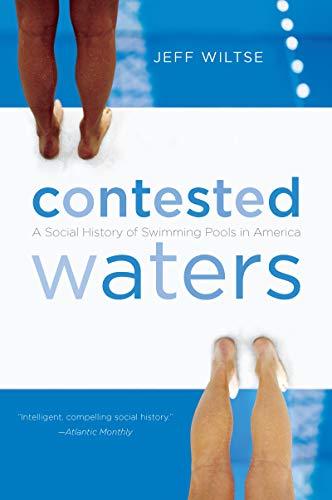
A Social History of Swimming Pools in America
It was mentioned as a book that explores the social history of swimming pools in America, particularly how racial discrimination and segregation affected access to swimming and swimming lessons.
And there's a professor in Montana named Jeff Wilst who wrote Contested Waters, colon, a social history of swimming pools in America.
— Episode: Selects: How Drowning Works
It was mentioned as a book that explores the social history of swimming pools in America, particularly how racial discrimination and segregation affected access to swimming and swimming lessons.
And there's a professor in Montana named Jeff Wilst who wrote Contested Waters, colon, a social history of swimming pools in America.
It was mentioned as a book about the social history of swimming pools in America, which discussed the impact of segregation and discrimination on the swimming abilities of African Americans.
And there's a professor in Montana named Jeff Wilst who wrote Contested Waters, colon, a social history of swimming pools in America.
This book was mentioned in relation to the racial disparities in drowning rates, explaining the historical context of segregation and its impact on swimming lessons and access to pools for African American communities.
and there's a professor in Montana named Jeff Wilst who wrote Contested Waters: colon a social history of swimming pools in America and it all makes perfect sense because of discrimination and segregation when swimming pools and recreational swimming and sports swimming started to come around these black families couldn't go to the pools so they didn't take swim lessons they didn't learn how to swim
The book, mentioned by Josh Clark, discussed the social history of swimming pools in America and how racial discrimination and segregation impacted access to swimming lessons and contributed to racial disparities in drowning rates.
there's a professor in Montana named Jeff Wilst who wrote Contested Waters: colon a social history of swimming pools in America and it all makes perfect sense because of discrimination and segregation when swimming pools and recreational swimming and sports swimming started to come around these black families couldn't go to the pools so they didn't take swim lessons they didn't learn how to swim
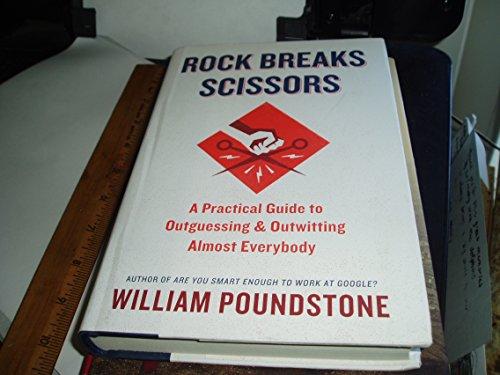
A Practical Guide to Outguessing and Outwitting Almost Everybody
It was mentioned as a book written by William Poundstone, that provided advice on outsmarting multiple choice tests, with strategies including the longest answer being correct and ignoring conventional wisdom.
It's called Rock Breaks Scissors Colon, a practical guide to outguessing and outwitting almost everybody.
— Episode: SYSK Selects: All We Know About Guessing
It was mentioned as a book written by William Poundstone, that provided advice on outsmarting multiple choice tests, with strategies including the longest answer being correct and ignoring conventional wisdom.
It's called Rock Breaks Scissors Colon, a practical guide to outguessing and outwitting almost everybody.
It was mentioned as a book that offered advice on how to outguess and outwit almost everybody, specifically in the context of multiple-choice tests.
It's called Rock Breaks Scissors Colon, a practical guide to outguessing and outwitting almost everybody.
It was mentioned as a book that provides techniques for outsmarting multiple choice tests, particularly on standardized tests like the SAT and ACT, was discussed, as well as advice on how to improve your odds of guessing correctly.
It's called Rock Breaks Scissors: A practical guide to outguessing and outwitting almost everybody.
It was mentioned as a book about outsmarting and outguessing others, with a focus on practical guidance on how to do it. It was also the source of some advice that was discussed in the podcast episode.
Rock Breaks Scissors: A practical guide to outguessing and outwitting almost everybody.
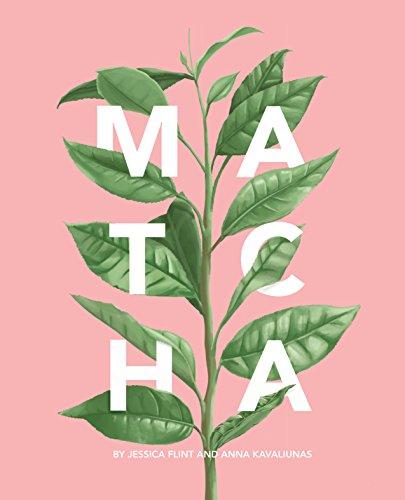
A Lifestyle Guide
Matcha's popularity was discussed, and this book was mentioned as being co-authored by a health coach, with the Kermit the Frog color mentioned as a key reason for its Instagrammability and link to Gwyneth Paltrow's influence.
The Kermit the Frog color just made it so Instagrammable.
— Episode: Matcha: That Ain't Just Tea
Matcha's popularity was discussed, and this book was mentioned as being co-authored by a health coach, with the Kermit the Frog color mentioned as a key reason for its Instagrammability and link to Gwyneth Paltrow's influence.
The Kermit the Frog color just made it so Instagrammable.
A health coach, Anna Cavalineas, co-authored a book about matcha, and her memorable quote about the colour of the beverage highlighted its Instagram-friendly appeal and Gwyneth Paltrow's role in popularizing it.
She says this. The Kermit the Frog color just made it so Instagrammable.
It was mentioned in the context of the popularity of matcha and its Instagrammable kermit the frog color. The book's co-author is a health coach.
The Kermit the Frog color just made it so Instagrammable.
It was mentioned as being co-authored by a health coach and the Kermit the Frog color of matcha was deemed Instagrammable, which Goop may be responsible for.
She says this. The Kermit the Frog color just made it so Instagrammable.
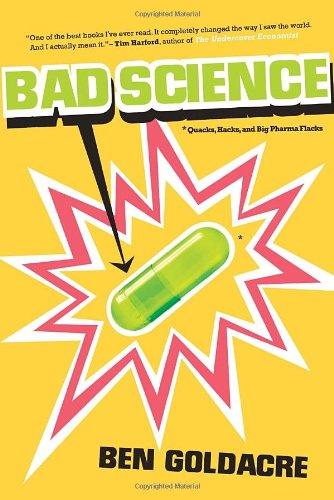
Quacks, Hacks, and Big Pharma Flacks
It was mentioned as a resource for those seeking reliable science reporting, though the specific outlet where it is published was not recalled.
Another guy named Ben Goldacre has something called Bad Science. I don't remember what outlet he's with.
— Episode: SYSK Selects: Research tips from SYSK
It was mentioned as a resource for those seeking reliable science reporting, though the specific outlet where it is published was not recalled.
Another guy named Ben Goldacre has something called Bad Science. I don't remember what outlet he's with.
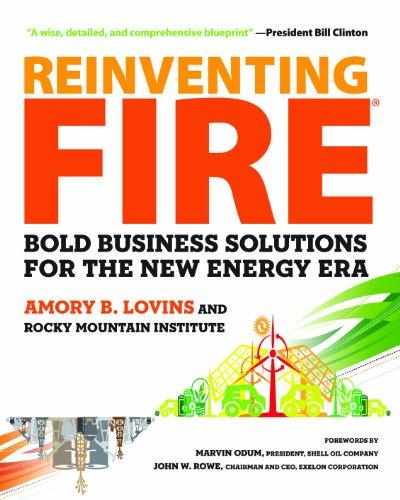
Bold Business Solutions for the New Energy Era
The book 'Reinventing Fire' was mentioned as being sent to the podcast hosts by the Rocky Mountain Institute, and is about bold business solutions for the new energy era, with a focus on green energy.
Mark Silberg of the Rocky Mountain Institute sent us a book called Reinventing Fire.
— Episode: SYSK Selects: Research tips from SYSK
The book 'Reinventing Fire' was mentioned as being sent to the podcast hosts by the Rocky Mountain Institute, and is about bold business solutions for the new energy era, with a focus on green energy.
Mark Silberg of the Rocky Mountain Institute sent us a book called Reinventing Fire.
I think it's Reinventing Fire, colon, Bold Business Solutions for the New Energy Era.
The book 'Reinventing Fire' was sent as a gift to the podcast and discussed briefly, as it focuses on green energy and solutions related to the new energy era.
Mark Silberg of the Rocky Mountain Institute sent us a book called Reinventing Fire. Oh, yeah. They're great out there, man. They know what they're talking about. And I think it's Reinventing Fire, colon, Bold Business Solutions for the New Energy Era.
It was a book sent to the podcasters by the Rocky Mountain Institute, which focuses on green energy and other energy sectors. The podcasters indicated it's a good resource for understanding energy issues.
Mark Silberg of the Rocky Mountain Institute sent us a book called Reinventing Fire.
Oh, yeah. They're great out there, man. They know what they're talking about. And I think it's Reinventing Fire, colon, Bold Business Solutions for the New Energy Era.
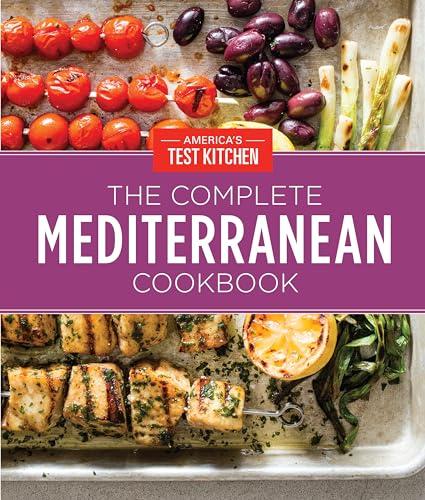
500 Vibrant, Kitchen-Tested Recipes for Living and Eating Well Every Day
Dr. Ansel Keys and his wife Margaret published several best-selling cookbooks related to the Mediterranean diet, which they promoted as a healthier lifestyle.
They published a number of high volume selling books about the Mediterranean diet these cookbooks and sometimes like the very first one was only what like two years after they started doing this study...
— Episode: The War on Fat: The Seven Countries Stud...
Dr. Ansel Keys and his wife Margaret published several best-selling cookbooks related to the Mediterranean diet, which they promoted as a healthier lifestyle.
They published a number of high volume selling books about the Mediterranean diet these cookbooks and sometimes like the very first one was only what like two years after they started doing this study.
A number of books were published about the Mediterranean diet, which was discussed at length in the podcast, and were based on the seven countries study.
They published a number of high volume selling books about the Mediterranean diet these cookbooks and sometimes like the very first one was only what like two years after they started doing this study.
Yeah, they wrote it together, but the the thing that was radical about it was that it he said hey those fruits and vegetables and all that make those the main like make the meat your side dish like flip it over and you're gonna like live a lot longer than you are just by eating a big steak and some creamed spinach on the side
A number of books about the Mediterranean Diet were published by Dr. Ansel Keys and his wife, often shortly after his study began. It was one of the main dietary recommendations that came out of the Seven Countries Study.
They published a number of high volume selling books about the Mediterranean diet these cookbooks and sometimes like the very first one was only what like two years after they started doing this study.
Yeah, they wrote it together, but the the thing that was radical about it was that it he said hey those fruits and vegetables and all that make those the main like make the meat your side dish like flip it over and you're gonna like live a lot longer than you are just by eating a big steak and some creamed spinach on the side
It was discussed that Dr. Ansel Keys and his wife Margaret published a number of cookbooks related to the Mediterranean Diet, some just two years after the Seven Countries Study began.
Published and this is I'm not gonna We'll just let this speak for itself They published a number of high volume selling books about the Mediterranean diet these cookbooks and
he said hey those fruits and vegetables and all that make those the main like make the meat your side dish like flip it
He didn't do that. He said you need to be eating olive oil by the gallon full just inject it daily

A Firsthand Account of One Teenager's Experience with Bipolar Disorder (Adolescent Mental Health Initiative)
It was mentioned as having early examples of remote viewing sessions that were thought to be promising and was considered a good title for the topic.
Named dr. Russell Targ who was one of the researchers and he wrote a book called mine race Which great title for something like this?
— Episode: How Project Star Gate Worked
It was mentioned as having early examples of remote viewing sessions that were thought to be promising and was considered a good title for the topic.
Named dr. Russell Targ who was one of the researchers and he wrote a book called mine race Which great title for something like this?
It was mentioned as a book written by Russell Targ, one of the researchers in the early days of Project Stargate, containing early examples of sessions that he considered promising.
Named dr. Russell Targ who was one of the researchers and he wrote a book called mine race Which great title for something like this?
It was mentioned that Russell Targ wrote a book called Mind Race, which contained early examples of remote viewing sessions that appeared promising. It was suggested that it might be related to the New Age movement of the time.
Named dr. Russell Targ who was one of the researchers and he wrote a book called mine race Which great title for something like this?
It was mentioned as a book written by one of the researchers involved in early remote viewing experiments, with early examples of sessions that were considered promising.
Named dr. Russell Targ who was one of the researchers and he wrote a book called mine race Which great title for something like this?


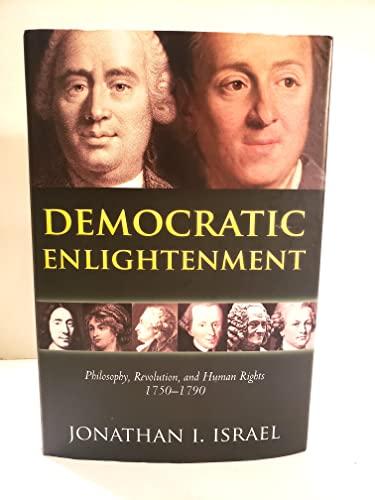
Philosophy, Revolution, and Human Rights, 1750-1790
It was mentioned as a multi-volume book series written by Jonathan Israel that delves into the Enlightenment era, with a focus on Baruch Spinoza's influence and suggesting that the traditional understanding of the Enlightenment might have been a diluted version.
There's a dude named Jonathan Israel who just came out with, I think this third volume of a three volume set on the enlightenment.
— Episode: SYSK Selects: How The Enlightenment Work...
It was mentioned as a multi-volume book series written by Jonathan Israel that delves into the Enlightenment era, with a focus on Baruch Spinoza's influence and suggesting that the traditional understanding of the Enlightenment might have been a diluted version.
There's a dude named Jonathan Israel who just came out with, I think this third volume of a three volume set on the enlightenment.
where he basically says, forget the philosophes. You got to look at Baruch Spinoza, who was a Dutch philosopher from I think the 17th century.
He was the one who came up with the enlightenment ideas. And had we followed his enlightenment ideas, there wouldn't have been any governments now or there wouldn't be any religion whatsoever.
He came up with the real revolutionary enlightenment and what we got, what we think of as the enlightenment was a watered down moderate version that was changed.
It was mentioned as a three-volume set on the enlightenment, covering several thousand pages, but the speaker thought it was a watered-down, moderate version of the enlightenment.
There's a dude named Jonathan Israel who just came out with, I think this third volume of a three volume set on the enlightenment.
And he wrote literally several thousand pages of it.
And it's considered an obscure text.
He basically says, forget the philosophes. You got to look at Baruch Spinoza, who was a Dutch philosopher from I think the 17th century.
He was the one who came up with the enlightenment ideas. And had we followed his enlightenment ideas, there wouldn't have been any governments now or there wouldn't be any religion whatsoever.
It was mentioned as a multi-volume work covering the Enlightenment, which was said to be very thorough and detailed, possibly spanning several thousand pages.
There's a dude named Jonathan Israel who just came out with, I think this third volume of a three volume set on the enlightenment. And he wrote literally several thousand pages of it.
And it's considered an obscure text.
He probably doesn't even think that he covered it in full.
No, I'll bet he doesn't. Although he's fourth volume coming soon.
Democratic Enlightenment, I think. He's the one who wrote that several thousand page trilogy.
This multi-volume work by Jonathan Israel was mentioned as being thousands of pages long and exploring the Enlightenment in depth. It was mentioned that he believed Spinoza was the true originator of Enlightenment thought, not the Philosophes.
There's a dude named Jonathan Israel who just came out with, I think this third volume of a three volume set on the enlightenment.
And he wrote literally several thousand pages of it.
And it's considered an obscure text.
He probably doesn't even think that he covered it in full.
where he basically says, forget the philosophes. You got to look at Baruch Spinoza, who was a Dutch philosopher from I think the 17th century.
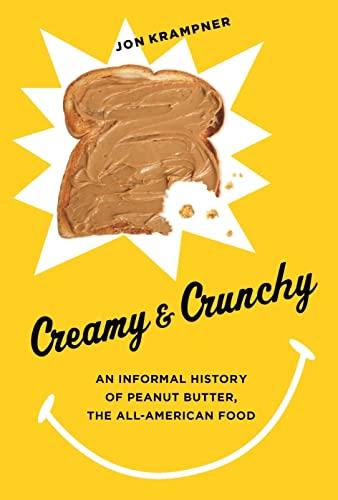
An Informal History of Peanut Butter, the All-American Food (Arts and Traditions of the Table
It was mentioned in relation to hydrogenation being a turning point for peanut butter, potentially as significant as its initial invention.
There's this guy named John Krampner, and he wrote a book called Creamy and Crunchy, all about peanut butter.
— Episode: How Peanut Butter Works
It was mentioned in relation to hydrogenation being a turning point for peanut butter, potentially as significant as its initial invention.
There's this guy named John Krampner, and he wrote a book called Creamy and Crunchy, all about peanut butter.
It was mentioned in relation to the turning point for peanut butter, particularly focusing on the introduction of hydrogenation as a key element in its evolution.
And he basically points to that as saying like that was the turning point for peanut butter, maybe even tied for first with its invention, was the introduction of hydrogenation
It was discussed as a book about peanut butter, specifically focusing on the turning point of hydrogenation in peanut butter production.
There's this guy named John Krampner, and he wrote a book called Creamy and Crunchy, all about peanut butter.
It was mentioned as a book that discusses peanut butter, specifically its history and the significant role of hydrogenation in the evolution of the product.
And he basically points to that as saying like that was the turning point for peanut butter, maybe even tied for first with its invention, was the introduction of hydrogenation, which takes oils that are liquid at room temperature and adds hydrogen and a catalyst, usually like powdered nickel.
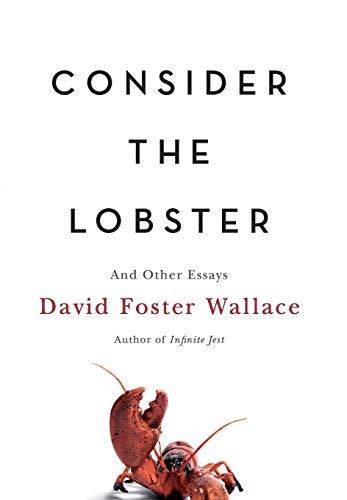
And Other Essays
It was referenced during a discussion of how lobster, similar to peanuts, was once considered a food for the poor.
Have you ever read Consider the Lobster that.
— Episode: How Peanut Butter Works
It was referenced during a discussion of how lobster, similar to peanuts, was once considered a food for the poor.
Have you ever read Consider the Lobster that.
Oh, sure. Sure. Yeah. He wrote this really great magazine article once called Consider the Lobster. It's good.
It was briefly mentioned as an example of a food once considered fit only for the poor, similar to how peanuts were viewed in the past, specifically in the context of the lobster's historical perception.
He wrote this really great magazine article once called Consider the Lobster. It's good. But in it, he explains that it used to be considered a food fit only for the poor, basically.
It was mentioned in the context of how lobster was once considered a food only for the poor, similar to how peanuts were viewed.
Have you ever read Consider the Lobster that...
Oh, sure. Sure. Yeah. He wrote this really great magazine article once called Consider the Lobster.
It was discussed as a magazine article that compared the changing perception of lobsters, once considered food for the poor, similar to the journey of peanuts.
He wrote this really great magazine article once called Consider the Lobster. It's good. But in it, he explains that it used to be considered a food fit only for the poor, basically.
Note: The book recommendations on this page are discovered automatically from podcast transcripts, and may be incorrect or incomplete.
Podcast Name