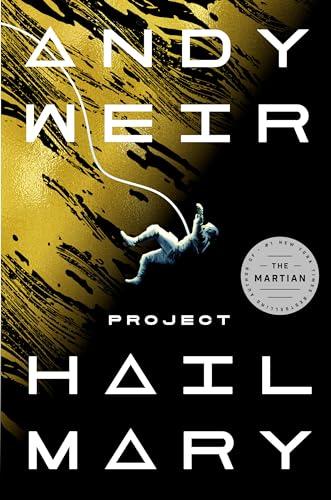
Project Hail Mary
Andy Weir
Mentioned 1 week ago
Selects: The First Road Trip

If you've ever wanted to know about champagne, satanism, the Stonewall Uprising, chaos theory, LSD, El Nino, true crime and Rosa Parks, then look no further. Josh and Chuck have you covered.
Recently mentioned
Andy Weir
Mentioned 1 week ago
Selects: The First Road Trip
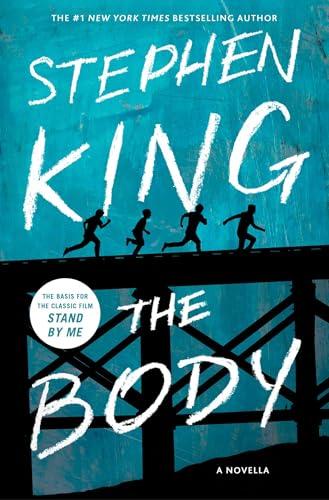
Stephen King
Mentioned 1 week ago
Selects: The First Road Trip
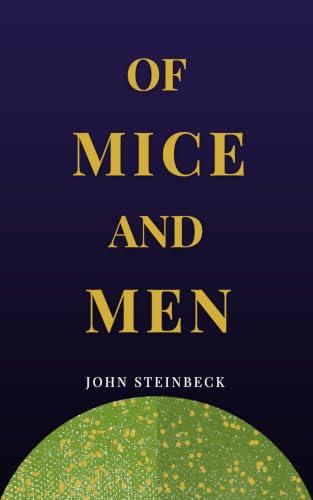
John Steinbeck
Mentioned 2 weeks ago
Kola: The World’s Deepest Hole

STEINBECK JOHN
Mentioned 2 weeks ago
Kola: The World’s Deepest Hole
Bethany McLean
Mentioned 3 weeks ago
Selects: How Enron Fooled the World
Fyodor Dostoevsky
Mentioned 4 weeks ago
Short Stuff: Why does it feel good to be scared?
Eleanor Johnson
Mentioned 4 weeks ago
Short Stuff: Why does it feel good to be scared?
John Kennedy Toole
Mentioned 4 weeks ago
Some Interesting Curses
Mordecai RICHLER
Mentioned 4 weeks ago
Some Interesting Curses
Michael Crichton
Mentioned 1 month ago
The Stuff You Should Know Doin’ Science Playlist: How Chaos Theory Changed the Universe
Naomi Oreskes
Mentioned 1 month ago
How Global Warming Works
Richard Hooker
Mentioned 1 month ago
M*A*S*H: The Story of the 4077th
Text & Notes
It offered a satirical view of Plymouth Colony and described John Billington as a beloved figure, contrasting with Bradford's negative depiction.
Yeah, Thomas Morton in the New English Canaan said that he was a beloved dude.
— Episode: Selects: Who was America's first murdere...
It offered a satirical view of Plymouth Colony and described John Billington as a beloved figure, contrasting with Bradford's negative depiction.
Yeah, Thomas Morton in the New English Canaan said that he was a beloved dude.
He was beloved by many.
Basically, if you were a stranger, you'd probably like Billington.
He sounded like kind of a fun guy to be honest.
I know he's the first murderer, but he was a rabble rouser.
It was written by Thomas Morton, and contained a satirical view of Plymouth Colony, including a positive depiction of John Billington, who is generally considered the first murderer in America.
Basically, if you were a stranger, you'd probably like Billington.
He sounded like kind of a fun guy to be honest.
It was discussed as another source for the history of Plymouth Colony, with a more satirical take, and mentioned that Billington was well-liked by many.
Yeah, Thomas Morton in the New English Canaan said that he was a beloved dude.
He was beloved by many.
Basically, if you were a stranger, you'd probably like Billington.

OR DEPHLOGISTICATED NITROUS AIR, AND ITS RESPIRATION
Humphrey Davy wrote a 580-page book about nitrous oxide after conducting experiments with himself and others, outlining the gas's effects on humans and animals.
Humphrey Davy wrote a 580 page scientific treatise on nitrous oxide and its effects on humans and animals.
— Episode: Selects: How Nitrous Oxide Works
Humphrey Davy wrote a 580-page book about nitrous oxide after conducting experiments with himself and others, outlining the gas's effects on humans and animals.
Humphrey Davy wrote a 580 page scientific treatise on nitrous oxide and its effects on humans and animals.
Researches chemical and philosophical chiefly concerning nitrous oxide or deflogisticated nitrous air and its respiration was the name of it.
He says that as nitrous oxide appears capable of destroying physical pain, it may probably be used with advantage during surgical operations in which no great effusion of blood takes place.
Humphrey Davy's 580-page book on nitrous oxide was published in 1800, and it was mentioned that he suggested it could be used for surgical operations in situations where there was not a large amount of bleeding.
as nitrous oxide appears capable of destroying physical pain, it may probably be used with advantage during surgical operations in which no great effusion of blood takes place.
Oh, excellent airbag!
Davey has actually invented a new pleasure for which language has no name.
Humphrey Davy wrote a 580 page book about nitrous oxide in 1800 after his own experiments with the substance, primarily focusing on its effects on humans and animals.
Humphrey Davy wrote a 580 page scientific treatise on nitrous oxide and its effects on humans and animals.
Researches chemical and philosophical chiefly concerning nitrous oxide or deflogisticated nitrous air and its respiration was the name of it.
He says that as nitrous oxide appears capable of destroying physical pain, it may probably be used with advantage during surgical operations in which no great effusion of blood takes place.
A listener sent the hosts a copy of her child's book, 'Copperlight,' along with some real copper lights, which is fossilized poop.
Lori Gesch for the copy of her kid's book, Copperlight, a really crappy story.
— Episode: Selects: How Nitrous Oxide Works
A listener sent the hosts a copy of her child's book, 'Copperlight,' along with some real copper lights, which is fossilized poop.
Lori Gesch for the copy of her kid's book, Copperlight, a really crappy story.
A listener sent a copy of a children's book titled 'Copperlight', which was described as having a 'crappy story' during the thank you portion of the podcast.
Lori Gesch for the copy of her kid's book, Copperlight, a really crappy story.
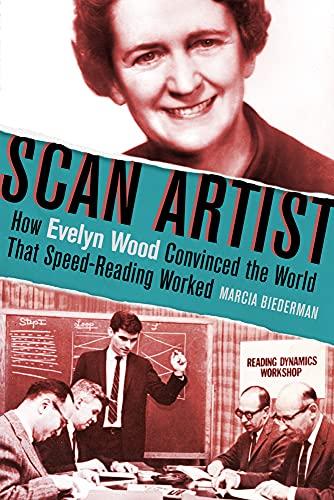
How Evelyn Wood Convinced the World That Speed-Reading Worked
It was mentioned as a book that discussed the criticisms and techniques of Evelyn Wood's speed reading method, including the finger pacing technique and the flawed comprehension tests.
There were some other there's a woman named Marcia Biederman who wrote Scan Artist colon how Evelyn would convince the world that speed reading worked.
— Episode: Short Stuff: Speed Reading
It was mentioned as a book that discussed the criticisms and techniques of Evelyn Wood's speed reading method, including the finger pacing technique and the flawed comprehension tests.
There were some other there's a woman named Marcia Biederman who wrote Scan Artist colon how Evelyn would convince the world that speed reading worked.
It was a book that was critical of Evelyn Wood's speed reading program, particularly regarding finger pacing and the effectiveness of her techniques.
There were some other there's a woman named Marcia Biederman who wrote Scan Artist colon how Evelyn would convince the world that speed reading worked.
It was mentioned as a book that criticized Evelyn Wood's speed reading technique, specifically the finger pacing method, and how she marketed it.
There were some other there's a woman named Marcia Biederman who wrote Scan Artist colon how Evelyn would convince the world that speed reading worked.
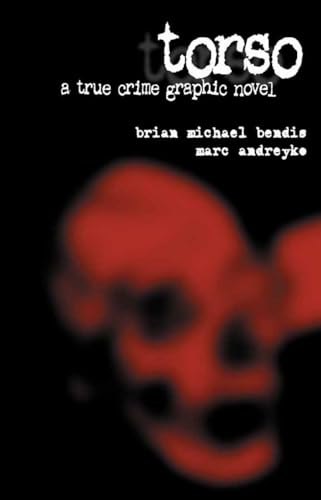
It was mentioned as a graphic novel or possibly a series that was about the Cleveland Torso Murders and could potentially be a good basis for a movie.
I didn't see, I haven't read it, but there's a graphic novel and maybe it's a series called Torso that is about all this. And I'm guessing that would probably be a pretty good basis f...
— Episode: The Cleveland Torso Murders
It was mentioned as a graphic novel or possibly a series that was about the Cleveland Torso Murders and could potentially be a good basis for a movie.
I didn't see, I haven't read it, but there's a graphic novel and maybe it's a series called Torso that is about all this. And I'm guessing that would probably be a pretty good basis for the movie.
It was mentioned as a graphic novel or series about the Cleveland Torso Murders, which the hosts felt was a strong foundation for a movie.
I didn't see, I haven't read it, but there's a graphic novel and maybe it's a series called Torso that is about all this. And I'm guessing that would probably be a pretty good basis for the movie.
It was mentioned as a graphic novel or series possibly about the Cleveland Torso Murders, which the hosts felt would be a good basis for a movie adaptation.
I didn't see, I haven't read it, but there's a graphic novel and maybe it's a series called Torso that is about all this. And I'm guessing that would probably be a pretty good basis for the movie.

It was recommended as an article in the New Yorker from 2008, which inspired Werner Herzog's documentary on cave art.
There's an article that I can recommend that actually is what inspired Werner Herzog to make his documentary called First Impressions.
— Episode: Selects: How Cave Dwellers Work
It was recommended as an article in the New Yorker from 2008, which inspired Werner Herzog's documentary on cave art.
There's an article that I can recommend that actually is what inspired Werner Herzog to make his documentary called First Impressions.
It was mentioned as an article in the New Yorker, which was the inspiration for Werner Herzog's documentary 'Cave of Forgotten Dreams', and discussed two differing camps of cave art experts.
There's an article that I can recommend that actually is what inspired Werner Herzog to make his documentary called First Impressions.
It was in the New Yorker in 2008 by Judith Thurman, and it's super awesome. And she basically says there's a couple of camps when it comes to cave art experts.
It was recommended as an article that inspired Werner Herzog's documentary, and it discussed the theories and evidence surrounding cave art.
There's an article that I can recommend that actually is what inspired Werner Herzog to make his documentary called First Impressions.
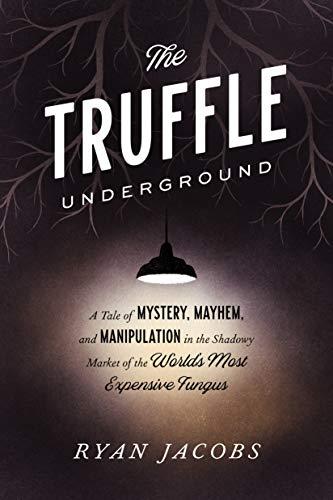
A Tale of Mystery, Mayhem, and Manipulation in the Shadowy Market of the World's Most Expensive Fungus
It was mentioned as a book based on an Atlantic article about the illegal truffle market, detailing the dangers and criminal activity surrounding it.
The Truffle Underground, colon, A Tale of Mystery, Mayhem and Manipulation in the shadowy market of the world's most expensive fungus.
— Episode: Truffles: Underground Treasures
It was mentioned as a book based on an Atlantic article about the illegal truffle market, detailing the dangers and criminal activity surrounding it.
The Truffle Underground, colon, A Tale of Mystery, Mayhem and Manipulation in the shadowy market of the world's most expensive fungus.
whether it's poisoning truffle dogs or blowing up someone's car or heisting and robbing people of their truffle take.
Or selling fraudulent fake stuff.
That's how one thing they would do is try and cram dirt into crevices to make them heavier.
Trying to sell diseased, like wormed out truffles and stuff like that.
It was mentioned as a book about the illegal and shady side of the truffle market, covering everything from truffle dog poisonings to car bombings.
The Truffle Underground, colon, A Tale of Mystery, Mayhem and Manipulation in the shadowy market of the world's most expensive fungus.
It was discussed in the context of the illegal truffle market and its criminal elements, like poisoning truffle dogs, car bombings, and truffle theft.
He called his friend in the UK, he was like, hey, is there a story here? And he was like, not really. He said, but if you really want a crime story, look at truffles.
So this guy looked at the truffle, underground truffle market and wrote this article that turned into a book called The Truffle Underground, colon, A Tale of Mystery, Mayhem and Manipulation in the shadowy market of the world's most expensive fungus.
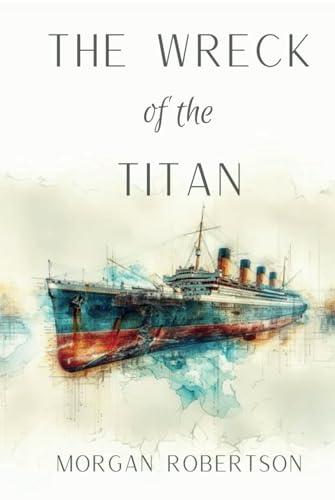
It was discussed as a book written 14 years prior to the Titanic sinking, with striking similarities in its plot, including a large ship called the Titan that hits an iceberg in the North Atlantic and sinks.
We could not talk about the Titanic without talking about Futility, the 1898 book that was written by a guy named Morgan Robertson.
— Episode: How the Titanic Worked: Part Two
It was discussed as a book written 14 years prior to the Titanic sinking, with striking similarities in its plot, including a large ship called the Titan that hits an iceberg in the North Atlantic and sinks.
We could not talk about the Titanic without talking about Futility, the 1898 book that was written by a guy named Morgan Robertson.
And it's about the biggest ship ever built, the Titan, that is headed from Liverpool to New York to Liverpool when it encounters an iceberg in the North Atlantic and sinks.
And like the description of the Titan almost matches the Titanic, even though it was built 14 or it was written 14 years before.
The book, published in 1898, was discussed in relation to the Titanic due to the striking similarities between the fictional ship, the Titan, and the real-life Titanic, including the ship's size, route, and fate.
We could not talk about the Titanic without talking about Futility, the 1898 book that was written by a guy named Morgan Robertson.
And it's about the biggest ship ever built, the Titan, that is headed from Liverpool to New York to Liverpool when it encounters an iceberg in the North Atlantic and sinks.
And like the description of the Titan almost matches the Titanic, even though it was built 14 or it was written 14 years before.
It was mentioned as a book published in 1898, about a large ship called the Titan, sinking in the North Atlantic after hitting an iceberg, which eerily foreshadowed the Titanic disaster.
We could not talk about the Titanic without talking about Futility, the 1898 book that was written by a guy named Morgan Robertson.
And it's about the biggest ship ever built, the Titan, that is headed from Liverpool to New York to Liverpool when it encounters an iceberg in the North Atlantic and sinks.
And like the description of the Titan almost matches the Titanic, even though it was built 14 or it was written 14 years before.
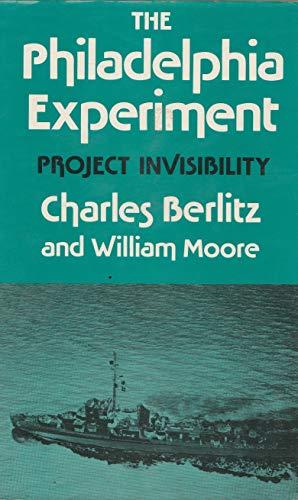
Project Invisibility
It was a book mentioned as contributing to the Philadelphia Experiment's lasting fame as it was printed in newspapers as a factual account in 1979, further proliferating the false narrative.
You know what else helped it get legs? There was a book in 1979 and it was called The Philadelphia Experiment, colon, Project Invisibility.
— Episode: Selects: What was the Philadelphia Exper...
It was a book mentioned as contributing to the Philadelphia Experiment's lasting fame as it was printed in newspapers as a factual account in 1979, further proliferating the false narrative.
You know what else helped it get legs? There was a book in 1979 and it was called The Philadelphia Experiment, colon, Project Invisibility.
And it was reprinted in excerpts in papers around the country as fact or nonfiction in 1979.
It was mentioned as a book published in 1979 and reprinted in excerpts as fact. It was said to not help the case as the Philadelphia Experiment was likely a hoax.
You know what else helped it get legs? There was a book in 1979 and it was called 'The Philadelphia Experiment: Project Invisibility'.
And it was reprinted in excerpts in papers around the country as fact or nonfiction in 1979.
Does not help.
Doesn't help things, you know?
It was mentioned as a book published in 1979, which was reprinted in newspapers and contributed to the spread of the Philadelphia Experiment story.
You know what else helped it get legs? There was a book in 1979 and it was called The Philadelphia Experiment, colon, Project Invisibility.
And it was reprinted in excerpts in papers around the country as fact or nonfiction in 1979.
The Man, the Band, and the Song that Inspired Generations
It was described as one of the seminal books on karaoke, providing much of the information shared in the podcast from a certain point.
Dave, one of our great writers, helped us put this together, and he got a lot of this stuff from this point forward from a book by a man named Brian Raftery called Don't Stop Believin'
— Episode: Karaoke: Tuesday Night Fever
It was described as one of the seminal books on karaoke, providing much of the information shared in the podcast from a certain point.
Dave, one of our great writers, helped us put this together, and he got a lot of this stuff from this point forward from a book by a man named Brian Raftery called Don't Stop Believin' How Karaoke Conquered the World and Changed My Life. And I think this is kind of one of the seminal books on karaoke.
It was described as a seminal book on the topic of karaoke, and was the source of much of the information presented in the later parts of the podcast.
Dave, one of our great writers, helped us put this together, and he got a lot of this stuff from this point forward from a book by a man named Brian Raftery called Don't Stop Believin' How Karaoke Conquered the World and Changed My Life.
And I think this is kind of one of the seminal books on karaoke.
It was considered a seminal book on the history and impact of karaoke, and was referenced in a section of the podcast discussing the spread of karaoke to the West.
Dave, one of our great writers, helped us put this together, and he got a lot of this stuff from this point forward from a book by a man named Brian Raftery called Don't Stop Believin' How Karaoke Conquered the World and Changed My Life. And I think this is kind of one of the seminal books on karaoke.
That's the impression I have as well.
It was discussed as a book about dragons across cultures, suggesting a theory that humans' fear of snakes, cats, and eagles evolved into the dragon myth.
And there's a book called An Instinct for Dragons written by an anthropologist named David E. Jones about dragons and dragons throughout cultures and across cultures.
— Episode: Dragons: As Real as Mermaids
It was discussed as a book about dragons across cultures, suggesting a theory that humans' fear of snakes, cats, and eagles evolved into the dragon myth.
And there's a book called An Instinct for Dragons written by an anthropologist named David E. Jones about dragons and dragons throughout cultures and across cultures.
It was discussed as a book that explores the theory that humans evolved with a fear of three predators, which became the basis of dragon mythology across cultures.
And there's a book called An Instinct for Dragons written by an anthropologist named David E. Jones about dragons and dragons throughout cultures and across cultures.
It was noted that this book featured a dragon shortly after its appearance in 'The Fairy Queen', suggesting the increasing popularity of the dragon in literature.
And then it shows up after that a little while later in Marie Catherine Dole Noyes' The Green Serpent.
— Episode: Dragons: As Real as Mermaids
It was noted that this book featured a dragon shortly after its appearance in 'The Fairy Queen', suggesting the increasing popularity of the dragon in literature.
And then it shows up after that a little while later in Marie Catherine Dole Noyes' The Green Serpent.
It was mentioned as a book that featured a dragon, appearing shortly after The Fairy Queen.
And then it shows up after that a little while later in Marie Catherine Dole Noyes' The Green Serpent.
It was mentioned as a book that featured dragons, coming after the first mention of a dragon in Spenser's The Fairy Queen.
And then it shows up after that a little while later in Marie Catherine Dole Noyes' The Green Serpent.
Tales for an Accelerated Culture
It was mentioned as a significant book that defined a generation and its culture, with the author appearing at the Mall of America's opening in 1992, observing the enthusiasm and 'country fair face' of visitors.
Douglas Copeland... Wow, this really would work so much better if you guys knew what Generation X was. Yeah, we wrote it.
— Episode: Selects: Live From San Francisco: How Ma...
It was mentioned as a significant book that defined a generation and its culture, with the author appearing at the Mall of America's opening in 1992, observing the enthusiasm and 'country fair face' of visitors.
Douglas Copeland... Wow, this really would work so much better if you guys knew what Generation X was. Yeah, we wrote it.
And he said that everybody was walking by with what he called country fair face, where they were like Google-eyed and eating ice cream. Couldn't believe this mall. It was the most amazing thing they'd ever seen.
It was said to have set the tone for the whole 'Generation X' era, and the author was present at the Mall of America opening in 1992.
Douglas Copeland, I don't know if any of you have read Generation X. It's a really great book, but he basically coined the name.
And he was actually at the opening of Mall of America on August 11th, 1992. And he was up there on stage with the local radio affiliate.
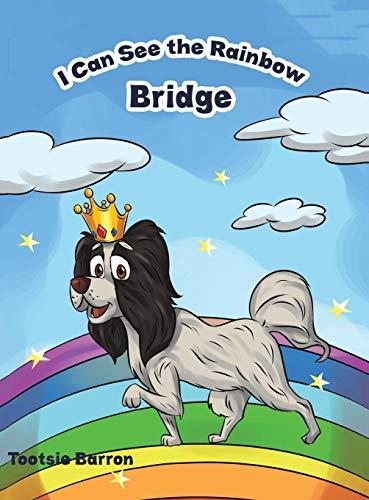
It was described as having a strange and slightly insane cover and was about the Rainbow Bridge and suicide, which the hosts disagreed with.
And there's, in that supernatural camp, there's an author named Paul Owens who wrote The Baron of Rainbow Bridge.
— Episode: Short Stuff: Dog Suicide Bridge
It was described as having a strange and slightly insane cover and was about the Rainbow Bridge and suicide, which the hosts disagreed with.
And there's, in that supernatural camp, there's an author named Paul Owens who wrote The Baron of Rainbow Bridge.
And from what I can tell, Owens' book basically says, and also you have to see the cover of this thing, it's adorable, but also like insane. Like he photoshopped dogs jumping like in midair and made it look like they're jumping off the bridge.
And for some reason, Vladimir Putin is dressed like a stage musician in the background. It's a very odd cover of a book.
But from what I can surmise, Paul Owens' thing is he's kind of mashed up the Rainbow Bridge thing with, which is I guess what pets follow into the afterlife, with like real life and somehow suicide.
Like I guess he thinks like the dogs are actually purposely taking their lives. And like you said at the outset, that's just not, that's a human thing. That's exclusively human.
It was described as having a strange cover with a photoshopped image of dogs jumping and Vladimir Putin in the background. The book's content seems to combine the Rainbow Bridge concept with the idea of dog suicide.
And then there's, in that supernatural camp, there's an author named Paul Owens who wrote The Baron of Rainbow Bridge.
And from what I can tell, Owens' book basically says, and also you have to see the cover of this thing, it's adorable, but also like insane. Like he photoshopped dogs jumping like in midair and made it look like they're jumping off the bridge.
And for some reason, Vladimir Putin is dressed like a stage musician in the background.
So doesn't that guy look like Putin?
But from what I can surmise, Paul Owens' thing is he's kind of mashed up the Rainbow Bridge thing with, which is I guess what pets follow into the afterlife, with like real life and somehow suicide.
It was described as having a bizarre cover with a photoshopped image of dogs jumping and Vladimir Putin dressed as a musician. It suggested that the dogs were purposely taking their own lives, which is a human trait.
And there's, in that supernatural camp, there's an author named Paul Owens who wrote The Baron of Rainbow Bridge.
And from what I can tell, Owens' book basically says, and also you have to see the cover of this thing, it's adorable, but also like insane. Like he photoshopped dogs jumping like in midair and made it look like they're jumping off the bridge.
And for some reason, Vladimir Putin is dressed like a stage musician in the background. It's a very odd cover of a book.
But from what I can surmise, Paul Owens' thing is he's kind of mashed up the Rainbow Bridge thing with, which is I guess what pets follow into the afterlife, with like real life and somehow suicide.
Like I guess he thinks like the dogs are actually purposely taking their lives. And like you said at the outset, that's just not, that's a human thing. That's exclusively human.
Bruce Lee and the Dawn of Martial Arts in America
It was mentioned as a book that focused on a specific fight in Bruce Lee's life, a fight that was thoroughly researched and discussed by its author.
There was another guy named Charles Russo who wrote a book called Striking Distance. He spent a decade on that book and he interviewed 100 people just for that fight alone.
— Episode: How Bruce Lee Worked
It was mentioned as a book that focused on a specific fight in Bruce Lee's life, a fight that was thoroughly researched and discussed by its author.
There was another guy named Charles Russo who wrote a book called Striking Distance. He spent a decade on that book and he interviewed 100 people just for that fight alone.
It was mentioned as a book that took a decade to write and included 100 interviews about a legendary Bruce Lee fight.
There was another guy named Charles Russo who wrote a book called Striking Distance.
It was said that Charles Russo spent a decade writing this book, interviewing 100 people, specifically about one legendary Bruce Lee fight.
There was another guy named Charles Russo who wrote a book called Striking Distance.
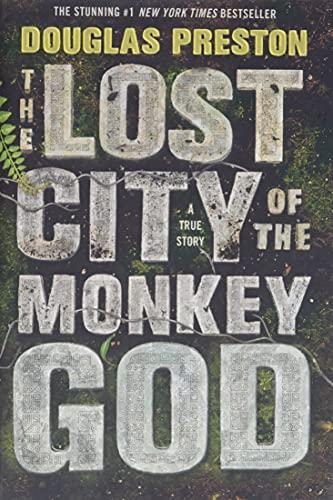
A True Story
It was discussed in relation to LIDAR technology, which was mentioned as being used to map jungle ruins, and the book's connection to the Forrest Fenn treasure was also noted.
It might have been, it's used most famously for mapping dense jungle ruins. Like, I was reading about it in this book called The Lost City of the Monkey God by Douglas Preston, which...
— Episode: What Will Farming 4.0 Look Like?
It was discussed in relation to LIDAR technology, which was mentioned as being used to map jungle ruins, and the book's connection to the Forrest Fenn treasure was also noted.
It might have been, it's used most famously for mapping dense jungle ruins. Like, I was reading about it in this book called The Lost City of the Monkey God by Douglas Preston, which I actually heard about in researching our episode on the Fen treasure because Douglas Preston was the friend of Forrest Fen who vouched for having seen the treasure in person before.
It was discussed in relation to LIDAR technology for mapping dense jungle ruins, which was relevant to the topic of using technology in farming.
It might have been, it's used most famously for mapping dense jungle ruins. Like, I was reading about it in this book called The Lost City of the Monkey God by Douglas Preston, which I actually heard about in researching our episode on the Fen treasure because Douglas Preston was the friend of Forrest Fen who vouched for having seen the treasure in person before.
It was discussed in relation to LIDAR technology, which is used to map dense jungle ruins, specifically being used to map the lost city mentioned in the book's title.
I was reading about it in this book called The Lost City of the Monkey God by Douglas Preston, which I actually heard about in researching our episode on the Fen treasure because Douglas Preston was the friend of Forrest Fen who vouched for having seen the treasure in person before.
But he talks a lot about LIDAR being used to map these ruins that have been overgrown by jungle that you normally would never be able to see overhead.
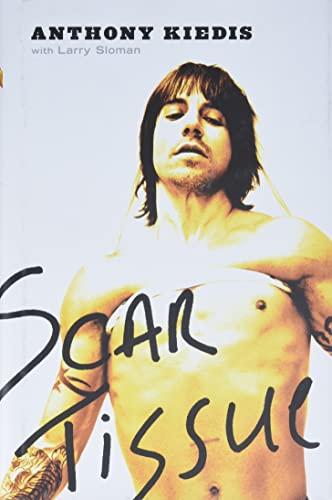
Chuck mentioned reading Anthony Kiedis's autobiography, focusing on the rock star's experiences with drugs and personal troubles.
I actually read his biography.
— Episode: Selects: How Chili Peppers Work
Chuck mentioned reading Anthony Kiedis's autobiography, focusing on the rock star's experiences with drugs and personal troubles.
I actually read his biography.
I guess it was an autobiography. Anthony Kiedis.
And the Kiedis one is good, man. That guy, he had troubles.
Just bad drug troubles and woman troubles over and over and over. But he's good now.
Anthony Kiedis's autobiography was mentioned as being read by one of the hosts, who was going through a phase of reading music autobiographies, primarily from rock stars.
I actually read his biography. I guess it was an autobiography. Anthony Kiedis.
And the Kiedis one is good, man. That guy, he had troubles.
One of the podcast hosts mentioned reading Anthony Kiedis's autobiography, specifically for rock star stories, and it was deemed a good read.
I actually read his biography.
I guess it was an autobiography. Anthony Kiedis.
And the Kiedis one is good, man.
That guy, he had troubles.
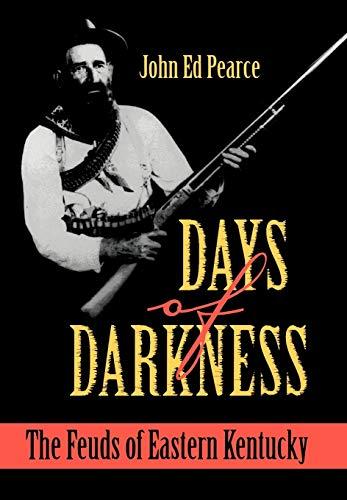
The Feuds of Eastern Kentucky
It was referenced during the discussion of the feud's escalating violence, describing the incident where Bill Staten Jr. was killed and the McCoys' sons escaped.
So I got, I think, the description of that incident from a really great book by a guy named John Ed Pierce. It's Days of Darkness, colon, so you know it's legitimate, The Feuds of Eas...
— Episode: Selects: What Was the Deal With the Hatf...
It was referenced during the discussion of the feud's escalating violence, describing the incident where Bill Staten Jr. was killed and the McCoys' sons escaped.
So I got, I think, the description of that incident from a really great book by a guy named John Ed Pierce. It's Days of Darkness, colon, so you know it's legitimate, The Feuds of Eastern Kentucky.
The book was referenced when discussing the incident where Bill Staten Jr. was killed, adding context and detail to the event, particularly the brutality of the aftermath.
So I got, I think, the description of that incident from a really great book by a guy named John Ed Pierce. It's Days of Darkness, colon, so you know it's legitimate, The Feuds of Eastern Kentucky.
It was cited as a source for information about the feud, specifically an event where Paris and Sam McCoy shot and killed Bill Staten Jr. after he shot Paris in the hip, as well as other events in the feud.
So I got, I think, the description of that incident from a really great book by a guy named John Ed Pierce.
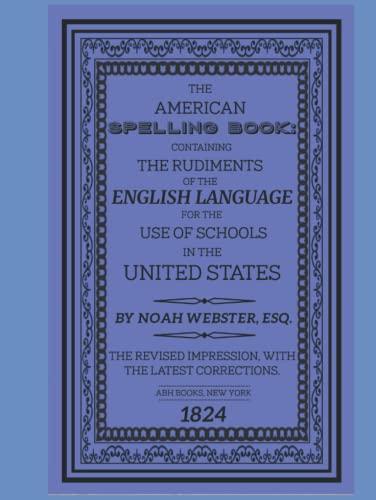
It was a highly successful book, also known as the blue-backed speller, that contributed to standardizing American English for educators and sold millions of copies by 1883.
And pre-dictionary, which we'll get to after the break, he wrote something called The American Spelling Book, which was also referred to as the blue-backed speller.
— Episode: Short Stuff: Is It Theater or Theatre?
It was a highly successful book, also known as the blue-backed speller, that contributed to standardizing American English for educators and sold millions of copies by 1883.
And pre-dictionary, which we'll get to after the break, he wrote something called The American Spelling Book, which was also referred to as the blue-backed speller.
I guess it had a blue cover on the back is the only thing I can think of. Or it was referring to a character who had a blue back in the book.
But it helped standardize American English for teachers.
It was a very successful book also known as the 'blue-backed speller', which helped standardize American English for teachers before his dictionary.
And pre-dictionary, which we'll get to after the break, he wrote something called The American Spelling Book, which was also referred to as the blue-backed speller.
It sold about 100 million copies by 1883, which is just astounding.
It was a very successful book, selling 100 million copies in 100 years, and was also known as the blue-backed speller.
And pre-dictionary, which we'll get to after the break, he wrote something called The American Spelling Book, which was also referred to as the blue-backed speller.
I guess it had a blue cover on the back is the only thing I can think of. Or it was referring to a character who had a blue back in the book.
But it helped standardize American English for teachers.
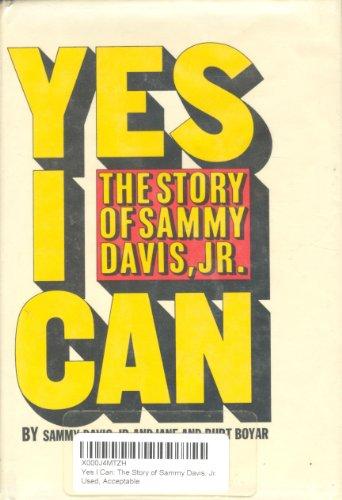
The Story of Sammy Davis, Jr.
Sammy Davis Jr.'s book, 'Yes I Can', was briefly mentioned in the context of Frank Sinatra's influence on other artists, relating it to the concept of needing approval from higher-ups for creative control.
Sammy Davis's Book yes, I can uh-huh and he says what they should have called it is Yes I Can as long as Frank says it's okay because Frank called the shots for all those guys
— Episode: Selects: How Auto-Tune Works
Sammy Davis Jr.'s book, 'Yes I Can', was briefly mentioned in the context of Frank Sinatra's influence on other artists, relating it to the concept of needing approval from higher-ups for creative control.
Sammy Davis's Book yes, I can uh-huh and he says what they should have called it is Yes I Can as long as Frank says it's okay because Frank called the shots for all those guys
It was mentioned as a book that Sammy Davis Jr. should have titled his book instead of "Yes I Can." The book title was discussed as a conversation about Frank Sinatra calling the shots for other singers.
Yes I Can uh-huh and he says what they should have called it is Yes I Can as long as Frank says it's okay because Frank called the shots for all those guys
It was mentioned as Sammy Davis Jr.'s first memoir or autobiography, with a humorous reference to a scene in 'Spinal Tap' about the book's title.
So Sammy Davis Jr. wrote a bunch of memoirs and autobiographies over the years, and one of them is a very great spinal tap joke. I know you still haven't seen it, right?
I think his first one was called Yes I Can.
And there's a great scene in Spinal Tap when Bruno Kirby as a limo driver is talking about it and he said something about Yes I Can. He said, although the real title should have been Yes I Can if Frank says it's okay because Frank called the shots for all those guys.
Note: The book recommendations on this page are discovered automatically from podcast transcripts, and may be incorrect or incomplete.
Podcast Name