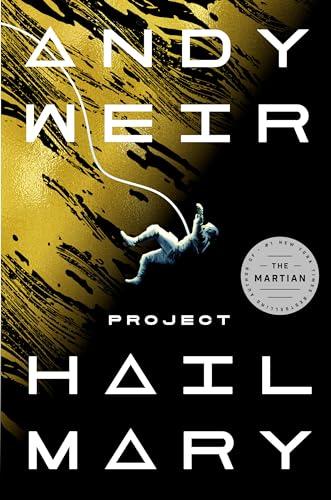
Project Hail Mary
Andy Weir
Mentioned 1 week ago
Selects: The First Road Trip
If you've ever wanted to know about champagne, satanism, the Stonewall Uprising, chaos theory, LSD, El Nino, true crime and Rosa Parks, then look no further. Josh and Chuck have you covered.
Recently mentioned
Andy Weir
Mentioned 1 week ago
Selects: The First Road Trip
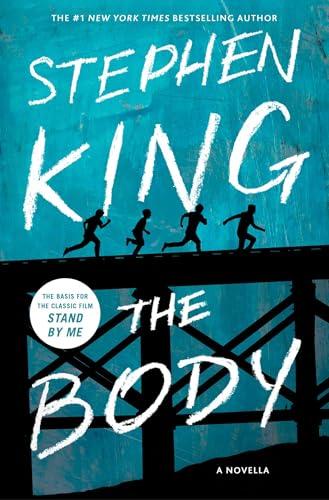
Stephen King
Mentioned 1 week ago
Selects: The First Road Trip
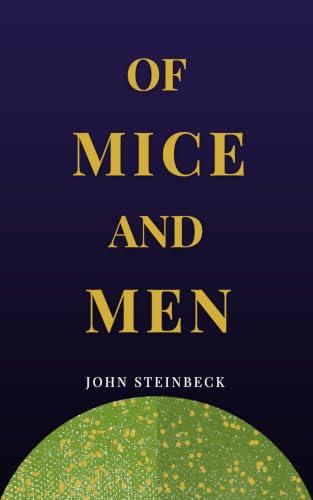
John Steinbeck
Mentioned 2 weeks ago
Kola: The World’s Deepest Hole
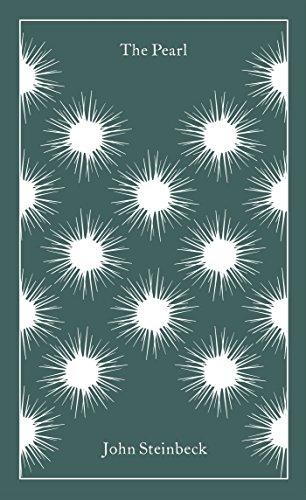
STEINBECK JOHN
Mentioned 2 weeks ago
Kola: The World’s Deepest Hole
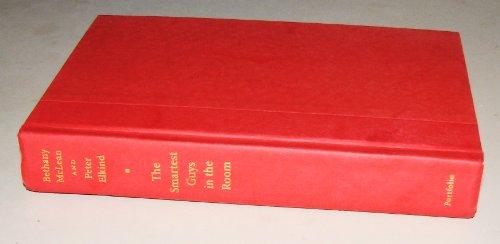
Bethany McLean
Mentioned 3 weeks ago
Selects: How Enron Fooled the World
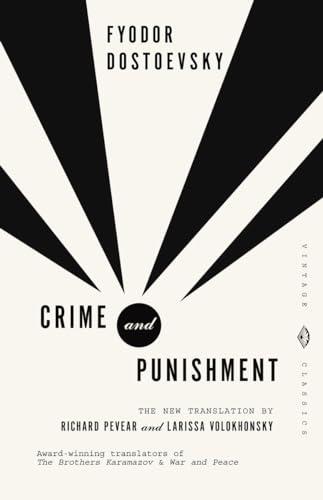
Fyodor Dostoevsky
Mentioned 4 weeks ago
Short Stuff: Why does it feel good to be scared?
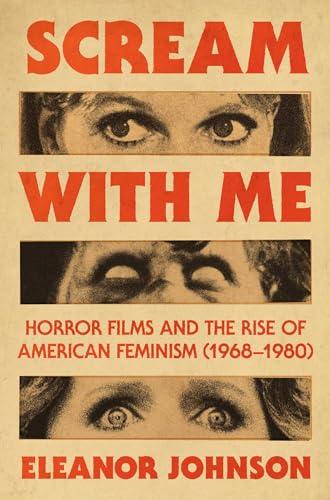
Eleanor Johnson
Mentioned 4 weeks ago
Short Stuff: Why does it feel good to be scared?
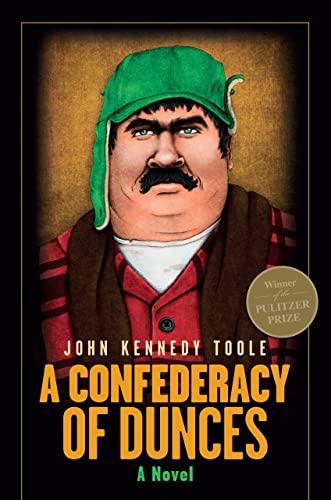
John Kennedy Toole
Mentioned 4 weeks ago
Some Interesting Curses
Mordecai RICHLER
Mentioned 4 weeks ago
Some Interesting Curses
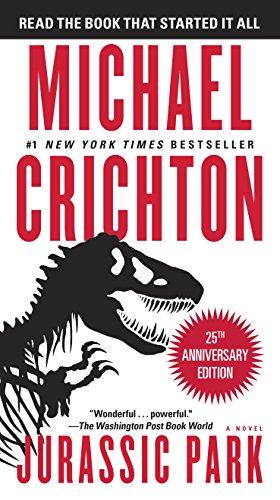
Michael Crichton
Mentioned 1 month ago
The Stuff You Should Know Doin’ Science Playlist: How Chaos Theory Changed the Universe
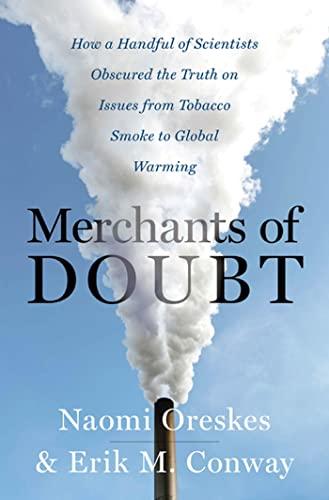
Naomi Oreskes
Mentioned 1 month ago
How Global Warming Works
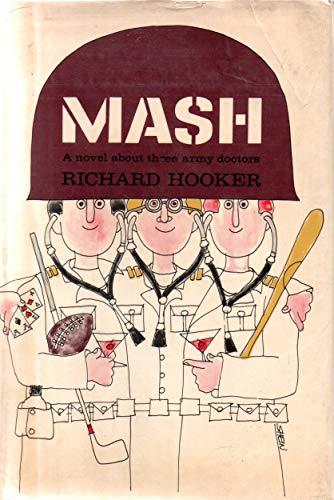
Richard Hooker
Mentioned 1 month ago
M*A*S*H: The Story of the 4077th
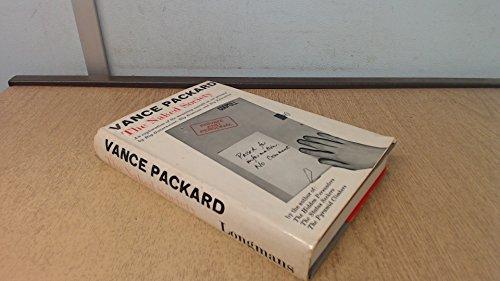
It was mentioned as an essay by Vance Packard that touched on consumer privacy concerns in the context of technology, indicating a forward-thinking perspective.
There was one called, an essay called The Naked Society, which had to do in the 1960s, I think about consumer privacy. Yeah, from technology.
— Episode: Selects: Planned Obsolescence: Engine of...
It was mentioned as an essay by Vance Packard that touched on consumer privacy concerns in the context of technology, indicating a forward-thinking perspective.
There was one called, an essay called The Naked Society, which had to do in the 1960s, I think about consumer privacy. Yeah, from technology.
It was described as an essay from the 1960s that explored the topic of consumer privacy in the context of technology, highlighting Packard's forward-thinking perspective.
There was one called, an essay called The Naked Society, which had to do in the 1960s, I think about consumer privacy. Yeah, from technology.
It was briefly discussed as a book by Vance Packard concerning consumer privacy in the 1960s.
which had to do in the 1960s. I think about consumer privacy
It was mentioned as one of Vance Packard's books, and focused on consumer privacy during the 1960s, suggesting that he was quite forward-thinking for his time.
He's like the arch enemy of Edward Bernays. I imagine Those one called an essay called The Naked Society, which had to do in the 1960s. I think about consumer privacy
It was mentioned as one of Vance Packard's writings, focusing on consumer privacy concerns during the 1960s, highlighting his forward-thinking perspective.
He's like the arch enemy of Edward Bernays. I imagine. Those one called an essay called The Naked Society, which had to do in the 1960s. I think about consumer privacy
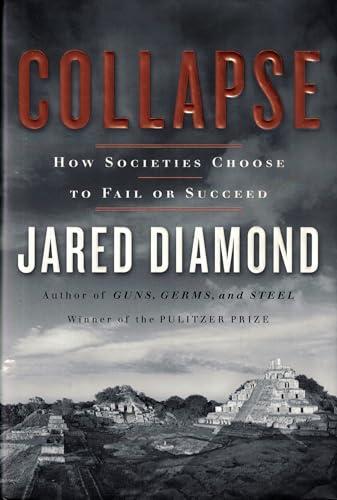
How Societies Choose to Fail or Succeed
It was mentioned alongside 'Guns, Germs, and Steel' as one of Jared Diamond's notable works, highlighting his focus on societal collapse and factors that influence it.
He wrote Collapse.
— Episode: Selects: How Animal Domestication Works
It was mentioned alongside 'Guns, Germs, and Steel' as one of Jared Diamond's notable works, highlighting his focus on societal collapse and factors that influence it.
He wrote Collapse.
It was mentioned as another well-known book by Jared Diamond, alongside 'Guns, Germs, and Steel', exploring societal collapses throughout history.
He wrote Collapse.
It was mentioned as one of Jared Diamond's notable works, following 'Guns, Germs, and Steel'. It was discussed alongside his other publications and his contributions to the field.
He wrote Collapse.
It was mentioned as one of Jared Diamond's books, along with 'Guns, Germs, and Steel', and was considered required reading by one of the hosts.
The guy who wrote Collapse and Guns, Germs and Steel and stuff.
It was mentioned as required reading and was discussed in the context of population growth and carrying capacity, being linked to Jared Diamond's essay on the worst mistake in human history.
The worst mistake in the history of the human race.
Right by Jared Diamond. Awesome stuff.
By Jared Diamond. The guy who wrote Collapse and Guns, Germs and Steel and stuff.
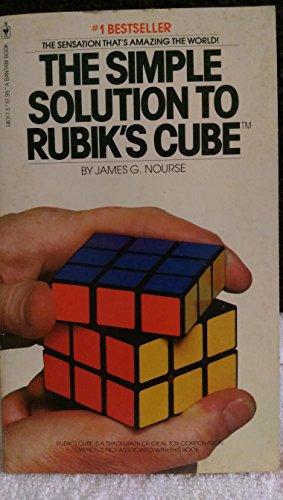
It was mentioned as the number one bestselling book of 1981, selling 6.7 million copies, and is still the fastest-selling book in Bantam Books' history, demonstrating the global craze for the Rubik's Cube.
I owned the classic, The Simple Solution to the Rubik's Cube by James G. Norse.
— Episode: Selects: The Rubik's Cube Episode
It was mentioned as the number one bestselling book of 1981, selling 6.7 million copies, and is still the fastest-selling book in Bantam Books' history, demonstrating the global craze for the Rubik's Cube.
I owned the classic, The Simple Solution to the Rubik's Cube by James G. Norse.
He sold 6.7 million books, and it is still the fasting-selling book in the history of Bantam Books.
Out of all the books that year, that was the number one.
It was discussed as the number one best-selling book of 1981, a testament to the global Rubik's Cube craze, with over 6.7 million copies sold and a record-breaking sales figure for Bantam Books.
I owned the classic, The Simple Solution to the Rubik's Cube by James G. Norse.
He sold 6.7 million books, and it is still the fasting-selling book in the history of Bantam Books.
Out of all the books that year, that was the number one.
It was the number one best-selling book of 1981 and the fastest-selling book in the history of Bantam books, highlighting the craze around Rubik's Cubes.
In 82 there were five books about solving it on the New York Times bestseller list one of which I owned I owned The classic the simple solution to the Rubik's cube by James G. Norse cute
This book was the number one best-selling book of 1981 period he sold 6.7 million books and it is still the fasting selling book in the history of Bantam books.
It was the number one best-selling book of 1981, which highlighted the global craze surrounding the Rubik's Cube and its solutions.
In 82 there were five books about solving it on the New York Times bestseller list one of which I owned I owned The classic the simple solution to the Rubik's cube by James G. Norse cute
This book was the number one best-selling book of 1981 period he sold 6.7 million books and it is still the fasting selling book in the history of Bantam books.
It was the number one best-selling book of 1981, and was discussed as a testament to the Rubik's Cube craze, selling over 6.7 million copies and becoming the fastest-selling book in Bantam Books' history.
In 82 there were five books about solving it on the New York Times bestseller list one of which I owned I owned The classic the simple solution to the Rubik's cube by James G. Norse cute He was a chemistry student at Stanford and get this dude
This book was the number one best-selling book of 1981 period he sold 6.7 million books and it is still the fasting selling book in the history of Bantam books.
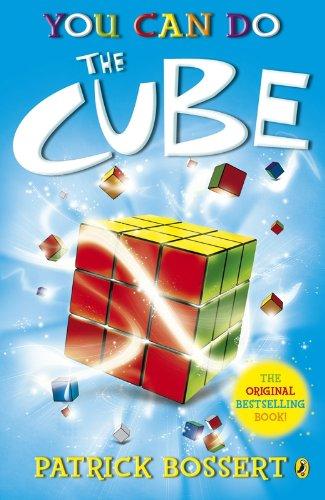
It was one of the Rubik's Cube solution books that reached the New York Times Bestseller List, and is notable for being written by a 12-year-old, showcasing the widespread appeal of the puzzle.
And one of those books was written by a 12-year-old named Patrick Bossert called You Can Do The Cube, which is pretty adorable if you think about it.
— Episode: Selects: The Rubik's Cube Episode
It was one of the Rubik's Cube solution books that reached the New York Times Bestseller List, and is notable for being written by a 12-year-old, showcasing the widespread appeal of the puzzle.
And one of those books was written by a 12-year-old named Patrick Bossert called You Can Do The Cube, which is pretty adorable if you think about it.
It was briefly mentioned as one of the books on the New York Times Bestseller List about solving the Rubik's Cube, written by a 12-year-old.
And one of those books was written by a 12-year-old named Patrick Bossert called You Can Do The Cube, which is pretty adorable if you think about it.
One of the books about solving the Rubik's Cube that was on the New York Times bestseller list in 1982, and was notably written by a 12-year-old.
One of those books was written by a 12 year old named Patrick Bossert called You Can Do The Cube
It was one of the Rubik's Cube solution books that was on the New York Times bestseller list in 1982, and was written by a 12-year-old boy.
One of those books was written by a 12 year old named Patrick Bossert called You Can Do The Cube
It was mentioned as one of the Rubik's Cube solution books that was on the New York Times Bestseller list, and written by a 12-year-old, making it quite a notable accomplishment.
One of those books was written by a 12 year old named Patrick Bossert called You Can Do The Cube
A Novel
It was mentioned in passing as the title of one of John Hodgman's books, while discussing the long-running 'Vacationland' slogan on Maine's license plates since 1936.
It started in 1936 in the great state of Maine, vacation land. Also the title of our friend John Hodgman's book, one of them.
— Episode: How License Plates Work
It was mentioned in passing as the title of one of John Hodgman's books, while discussing the long-running 'Vacationland' slogan on Maine's license plates since 1936.
It started in 1936 in the great state of Maine, vacation land. Also the title of our friend John Hodgman's book, one of them.
It was mentioned as the title of one of John Hodgman's books, related to the long-standing 'Vacationland' slogan on Maine's license plates since 1936.
It started in 1936 in the great state of Maine, vacation land. Also the title of our friend John Hodgman's book, one of them.
It was mentioned as a previous book, with a humorous tone, where the author was making up facts or jokes. The author said he wanted to move on from that type of writing.
Did you not read Vacationland my previous book?
Yeah, this is my fifth book, but the first three obviously, or perhaps not so obviously, were compendiums, were compendiums of fake trivia of fake facts.
It was mentioned as a previous book, and it was said that the book, 'Medallion Status' is different from his previous three, which were compendiums of fake facts and trivia.
did you not read Vacationland my previous book
the first three obviously or perhaps not so obviously were compendiums were compendiums of fake trivia of fake facts and loved it yeah I loved I loved making them although by the third when I was like I cannot come up with a Zeppelin joke anymore like this is not what I want to be doing anymore
It was mentioned as a previous book of his, which dealt with his life in Maine, in a humorous and anecdotal way, contrasting with his other fact-based books.
did you not read Vacationland my previous book
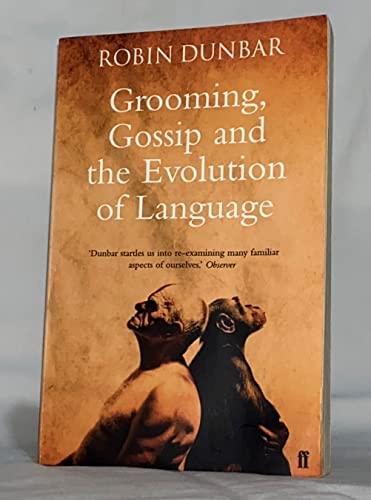
It was discussed that Dunbar believed language evolved from primates grooming each other and that gossip was the primary reason for language development, as a more efficient way to bond with others.
Robin Dunbar wrote a book called Grooming Gossip and the Evolution of Language.
— Episode: Selects: How Gossip Works
It was discussed that Dunbar believed language evolved from primates grooming each other and that gossip was the primary reason for language development, as a more efficient way to bond with others.
Robin Dunbar wrote a book called Grooming Gossip and the Evolution of Language.
He says that gossip is the whole reason that we have language. And it evolved from primates grooming each other.
He says basically it was a more efficient way to service your allies rather than grooming one another.
It was suggested that language evolved from primates grooming each other, as a more efficient way to form social bonds through vocal communication, rather than physical grooming.
Robin Dunbar wrote a book called Grooming Gossip and the Evolution of Language.
He says that gossip is the whole reason that we have language. And it evolved from primates grooming each other.
He says basically it was a more efficient way to service your allies rather than grooming one another.
And so you would vocal groom, is what he called it.
It was mentioned during listener mail as a book that a listener had recently finished reading, wherein Robin Dunbar argues that language evolved from a need to maintain social relationships.
Just yesterday guys I was finished reading a book Robin Dunbar wrote called Grooming, Gossip and the Evolution of Language.
Her argument is that language evolved out of a need to keep up social relationships with group members.
It was discussed in the context of language evolution, with the idea that language developed as a way to maintain social relationships within larger groups, having replaced grooming.
Just yesterday guys I was finished reading a book Robin Dunbar wrote called Grooming, Gossip and the Evolution of Language.
Her argument is that language evolved out of a need to keep up social relationships with group members.
Put it in its most basic form over time our brains evolved to be larger which made our average group size increase at the same time.
Once our group size became large enough today our average group size is about 150, we didn't have enough time in the day to groom one-on-one with that many group members to keep up our social bonds with them so we evolved language so we could use language as a way to verbally groom with more members at a time to keep the group strong.
It was my understanding that our brains have actually decreased in size over the last like 20,000 years.
It was mentioned as a recently finished read in a listener email. The book details the author's theory that language evolved to allow large groups to maintain social relationships.
Just yesterday guys I was finished reading a book Robin Dunbar wrote called Grooming, Gossip and the Evolution of Language. Her argument is that language evolved out of a need to keep up social relationships with group members.
6 Ways We Kill Innovation (Without Even Trying)
It was mentioned that Roger Arnold, a suspect in the Tylenol murders, had a handbook on methods of killing people in his possession, leading investigators to consider him a more viable suspect.
He has a book, a handbook rather, on methods of killing people. How to kill people A to Z.
— Episode: Selects: The Tylenol Murders, Part II
It was mentioned that Roger Arnold, a suspect in the Tylenol murders, had a handbook on methods of killing people in his possession, leading investigators to consider him a more viable suspect.
He has a book, a handbook rather, on methods of killing people. How to kill people A to Z.
Roger Arnold, a suspect in the Tylenol murders, was found to have a handbook on killing people in his possession, which was mentioned as a suspicious detail.
He has a book, a handbook rather on methods of killing people. How to kill people, A to Z. I don't know if that's the title, but it's a good one.
Roger Arnold, an early suspect in the Tylenol murders, was found to have a handbook on killing people, along with several unregistered guns and admitted to possessing cyanide prior to the murders, though he claimed to have disposed of it.
He has a book, a handbook rather on methods of killing people. How to kill people, A to Z.
Roger Arnold, a suspect in the Tylenol murders, was found to have a book on killing people in his possession, which contributed to the initial suspicion around him.
He has a book, a handbook rather on methods of killing people. How to kill people, A to Z. I don't know if that's the title, but it's a good one.
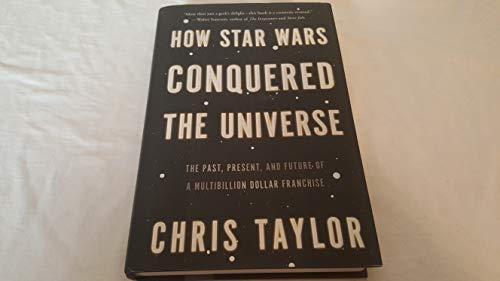
The Past, Present, and Future of a Multibillion Dollar Franchise
It was mentioned as a book with a chapter about the Star Wars Holiday Special, and was a source for the podcast hosts' information on the topic.
There's a book called How Star Wars Conquered the Universe that has a very interesting chapter about this
— Episode: SYSK Selects: The Star Wars Holiday Spec...
It was mentioned as a book with a chapter about the Star Wars Holiday Special, and was a source for the podcast hosts' information on the topic.
There's a book called How Star Wars Conquered the Universe that has a very interesting chapter about this
They mentioned the book contained a very interesting chapter about the Star Wars Holiday Special.
There's a book called How Star Wars Conquered the Universe that has a very interesting chapter about this.
![Sapiens [Tenth Anniversary Edition]: A Brief History of Humankind Cover](https://media.podcastbookpicks.com/books/563.jpg)
A Brief History of Humankind
It was recommended by Joe Randazzo and explores the thesis that human cooperation, fueled by belief in imagined concepts like government and money, is the reason humans haven't destroyed themselves.
He just recommended a book which I'm really interested in that. I wanted to tell you about okay, because it sounds like it's right up here 1491 alley, okay called sapiens. All right a brief history of...
— Episode: SYSK Selects: How The Moonwalk Works
It was recommended by Joe Randazzo and explores the thesis that human cooperation, fueled by belief in imagined concepts like government and money, is the reason humans haven't destroyed themselves.
He just recommended a book which I'm really interested in that. I wanted to tell you about okay, because it sounds like it's right up here 1491 alley, okay called sapiens. All right a brief history of humankind.
It has a pretty remarkable thesis which is that humans can Humans didn't kill each other off Because they can cooperate in large numbers Because we have a ability a unique ability animals don't have to believe in things that exist only in our imagination huh, like government and money and God right and he said all of these things allow us to cooperate Like we talked about in our money episode.
He said it was amazing So and thank you for relating that.
It was recommended by Joe Randazzo, and it has a thesis about humans' ability to cooperate because of beliefs in things that only exist in our imaginations, like money and God.
He just recommended a book which I'm really interested in that. I wanted to tell you about okay, because it sounds like it's right up here 1491 alley, okay called "Sapiens". All right a brief history of humankind.
It has a pretty remarkable thesis which is that humans can Humans didn't kill each other off Because they can cooperate in large numbers Because we have a ability a unique ability animals don't have to believe in things that exist only in our imagination huh, like government and money and God right and he said all of these things allow us to cooperate Like we talked about in our money episode.
He said it was amazing.
Joe Randazzo recommended 'Sapiens: A Brief History of Humankind' to Chuck, and it was discussed as having a remarkable thesis about human cooperation based on shared beliefs.
He just recommended a book which I'm really interested in that. I wanted to tell you about okay, because it sounds like it's right up here 1491 alley, okay called sapiens. All right a brief history of humankind Oh, that sounds neat by Yuval Noah Harari love that guy and the
It has a pretty remarkable thesis which is that humans can Humans didn't kill each other off Because they can cooperate in large numbers Because we have a ability a unique ability animals don't have to believe in things that exist only in our imagination huh, like
It was recommended by Joe Randazzo with a thesis regarding human cooperation based on shared belief in fictional concepts like government, money, and God.
He just recommended a book which I'm really interested in that. I wanted to tell you about okay, because it sounds like it's right up here 1491 alley, okay called "Sapiens".
All right a brief history of humankind Oh, that sounds neat by Yuval Noah Harari love that guy and the
It has a pretty remarkable thesis which is that humans can Humans didn't kill each other off Because they can cooperate in large numbers Because we have a ability a unique ability animals don't have to believe in things that exist only in our imagination huh, like
Government and money and God right and he said all of these things allow us to cooperate Like we talked about in our money episode. Yeah, it's like money has that paper has no value We just all agreed so it's essentially fiction right the whole concept of money, right?
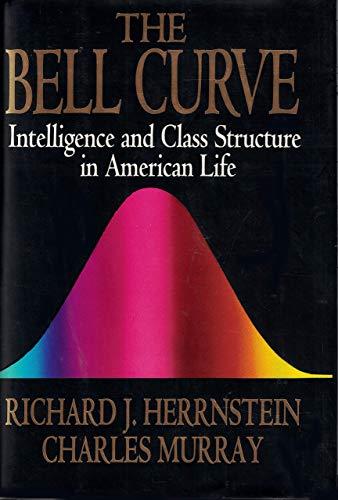
Intelligence and Class Structure in American Life
It was mentioned as a book often cited as evidence for white supremacy, which is largely considered pseudoscience.
You cited the conservative economist Charles Murray and his justifications for introducing UBI to the American economy. I'm sure you didn't realize this, but Murray is a particular favorite of white s...
— Episode: The Legends of Lost Nazi Gold
It was mentioned as a book often cited as evidence for white supremacy, which is largely considered pseudoscience.
You cited the conservative economist Charles Murray and his justifications for introducing UBI to the American economy. I'm sure you didn't realize this, but Murray is a particular favorite of white supremacists for his views on genetics and their contribution to social inequality between whites and people of color.
He has a book called The Bell Curve that is often cited as data proven evidence for white supremacy. It's also largely been debunked as pseudoscience.
It was mentioned as a book often cited by white supremacists for its views on genetics and social inequality, though it has largely been debunked as pseudo-science.
you cited the conservative economist Charles Murray and his justifications for introducing UBI to the American economy... Murray is a particular favorite of white supremacists for his views on genetics and their contribution to social inequality between whites and people of color.
It was mentioned as a source that has been cited as evidence for white supremacy, but also widely debunked as pseudoscience.
You cited the conservative economist Charles Murray and his justifications for introducing UBI to the American economy...Murray is a particular favorite of white supremacists for his views on genetics and their contribution to social inequality between whites and people of color.
He has a book called The Bell Curve that is often cited as data proven evidence for white supremacy. It's also largely been debunked as pseudoscience.
It was mentioned as a book that is often cited as evidence for white supremacy, though it has been largely debunked as pseudoscience.
You cited the conservative economist Charles Murray and his justifications for introducing UBI to the American economy. I'm sure you didn't realize this, but Murray is a particular favorite of white supremacists for his views on genetics and their contribution to social inequality between whites and people of color.
He has a book called The Bell Curve that is often cited as data proven evidence for white supremacy. It's also largely been debunked as pseudoscience.
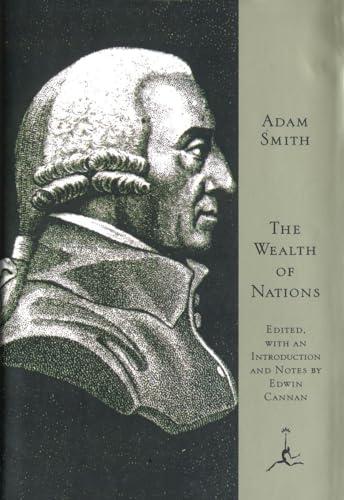
It was described as a book written by Adam Smith in 1776 that advocated for minimal government interference in economic and financial matters, emphasizing the concept of an invisible hand guiding market principles.
Scottish man in 1976 wrote his Wealth of Nations, which basically said the government should not interfere with matters of finance and economics.
— Episode: SYSK Selects: How The Enlightenment Work...
It was described as a book written by Adam Smith in 1776 that advocated for minimal government interference in economic and financial matters, emphasizing the concept of an invisible hand guiding market principles.
Scottish man in 1976 wrote his Wealth of Nations, which basically said the government should not interfere with matters of finance and economics.
It was mentioned in the context of the enlightenment's influence on economic thought, arguing that the government should not interfere with finance and economics.
Scottish man in 1976 wrote his Wealth of Nations, which basically said the government should not interfere with matters of finance and economics.
It was written by Adam Smith in 1776 and discussed the idea that the government shouldn't interfere with financial and economic matters, advocating for the invisible hand to guide economic principles.
Scottish man in 1976 wrote his Wealth of Nations, which basically said the government should not interfere with matters of finance and economics.
There should be the invisible hand guiding all these principles.
Adam Smith's book, published in 1776, was mentioned in the context of economic changes during the Enlightenment, arguing for minimal government intervention in finance and economics and the idea of the 'invisible hand'.
Scottish man in 1976 wrote his Wealth of Nations, which basically said the government should not interfere with matters of finance and economics.
There should be the invisible hand guiding all these principles.
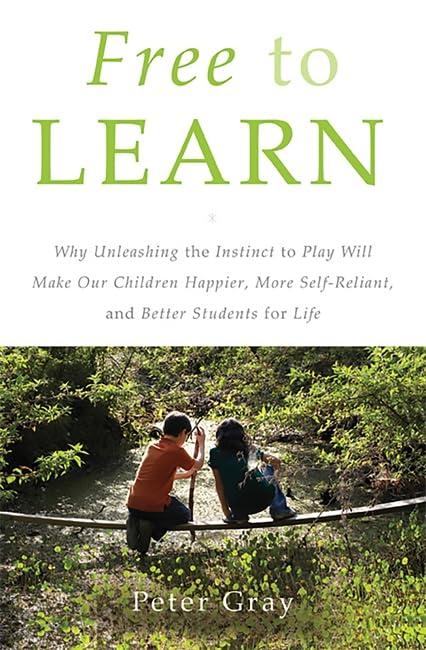
Why Unleashing the Instinct to Play Will Make Our Children Happier, More Self-Reliant, and Better Students for Life
It was discussed as a book that supports the free-range parenting approach, suggesting that children's education historically and naturally involves unstructured play with peers.
There's another guy named Peter Gray. He's a developmental psychologist, he has a book called 'Free to Learn' and founded a non-profit I believe with uh, yeah, Scanzoni called 'Let Gr...
— Episode: How Free Range Parenting Works
It was discussed as a book that supports the free-range parenting approach, suggesting that children's education historically and naturally involves unstructured play with peers.
There's another guy named Peter Gray. He's a developmental psychologist, he has a book called 'Free to Learn' and founded a non-profit I believe with uh, yeah, Scanzoni called 'Let Grow'.
He basically says that you know if you look back through human evolution children, but their education was through play with their peers.
It was discussed as a book that promotes the idea that children's education was historically and naturally through play with their peers, contrasting with modern over-scheduling.
He has a book called 'Free to Learn' and founded a nonprofit I believe with uh, yeah, Scanaszi called 'Let Grow'. Little play on words there.
He basically says that you know if you look back through human evolution Children But Their education was through play with their peers.
And if you look at um societies and cultures in the world today that um I mean, how would you classify these cultures? Uh traditional societies?
Maybe but they say that that children of these cultures that still play and explore freely Um, if they're left to do that they will do so into their teen years
Um like that is their natural instinct is to be among their peers Free playing right and so like I think one of the problems that helicopter parents have with the idea of play is that like it's It's a waste of time the kid could be learning like cello or um, you know doing math flash cards are Like creating a better foundation for a better future for themselves And that if they're not doing that they're falling behind And so what Peter Gray and some of his ilk are saying is like no no no play Helps develop a child in ways that no other Thing you could possibly come up with their supervisor get them to do can Because this is what we've done all this time And this is how we built society is letting little kids play and figure things out on their own
Peter Gray, a developmental psychologist, was noted as having written *Free to Learn*, a book that supports the idea that unsupervised play is essential for children's development.
There's another guy named Peter Gray. He's a developmental psychologist. He has a book called Free to Learn and founded a nonprofit, I believe, with, yeah, Skenezi called Let Grow.
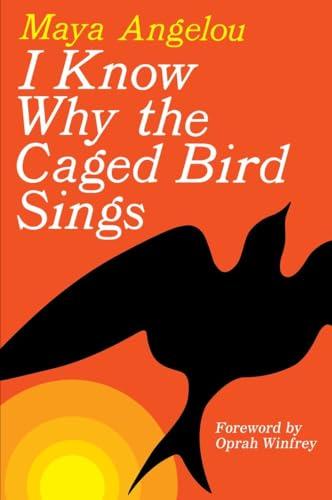
It was briefly mentioned as a book that was banned in Alabama because it was said to encourage bitterness toward white people.
Maya Angelou. Can't have any of that.
— Episode: SYSK Selects: How Book Banning Works
It was briefly mentioned as a book that was banned in Alabama because it was said to encourage bitterness toward white people.
Maya Angelou. Can't have any of that.
The Alabama State Textbook Committee said that I Know Why the Caged Bird Sings encourages bitterness toward white people.
It was discussed as a challenged book in Alabama due to its perceived promotion of bitterness towards white people.
Maya Angelou.
Can't have any of that.
Yeah, the Alabama State Textbook Committee said that I Know Why the Caged Bird Sings encourages bitterness toward white people.
It was mentioned as a book that was banned by the Alabama State Textbook Committee, with the stated reason being that it encourages bitterness toward white people.
Maya Angelou. Can't have any of that. Yeah, the Alabama State Textbook Committee said that I Know Why the Caged Bird Sings encourages bitterness toward white people.
Mentioned as a challenged book for allegedly encouraging bitterness toward white people.
The Alabama State Textbook Committee said that I Know Why the Caged Bird Sings encourages bitterness toward white people.
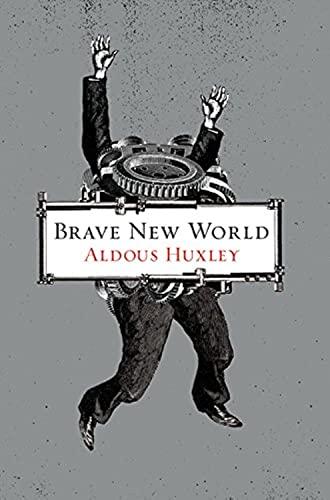
It was mentioned as one of the most challenged books of the previous year, due to issues of insensitivity, nudity, and racism.
Brave New World by Huxley, insensitivity, nudity, racism,
— Episode: SYSK Selects: How Book Banning Works
It was mentioned as one of the most challenged books of the previous year, due to issues of insensitivity, nudity, and racism.
Brave New World by Huxley, insensitivity, nudity, racism,
It was included in the list of most challenged books of the previous year due to elements of insensitivity, nudity and racism.
Brave New World by Huxley, insensitivity, nudity, racism,
It was listed as one of the 10 most challenged books of the previous year, due to reasons such as insensitivity, nudity, and racism.
Brave New World by Huxley, insensitivity, nudity, racism,
Listed among the most challenged books, noted for themes of insensitivity, nudity, and racism.
Brave New World by Huxley, insensitivity, nudity, racism, To Kill a Mockingbird, like we mentioned, Harper Lee's classic because of offensive language and racism.
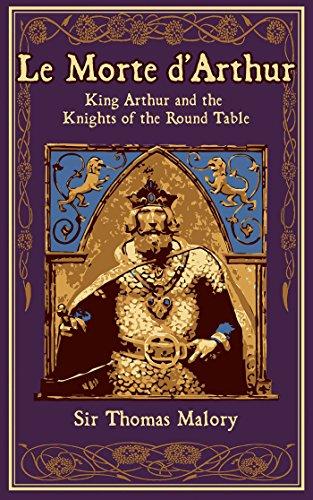
King Arthur and the Knights of the Round Table (Leather-bound Classics)
One of the speakers recalled reading it in college, describing the language as a modernized middle English that was tough to read, but it was also the basis for the film 'Excalibur'.
And the big one that I'm going to talk about is Thomas Malory's Le Morte d'Arthur, The Death of Arthur.
— Episode: SYSK Distraction Playlist: Was there a r...
One of the speakers recalled reading it in college, describing the language as a modernized middle English that was tough to read, but it was also the basis for the film 'Excalibur'.
And the big one that I'm going to talk about is Thomas Malory's Le Morte d'Arthur, The Death of Arthur.
And I remember reading it and I was like, oh, my God, I'm going to die. I'm going to die.
And it turns out I could because that was that movie was specifically based on the death of Arthur.
One of the speakers recalled reading it in college and found it challenging but acknowledged its significance in shaping the Arthurian legend.
And the big one that I'm going to talk about is Thomas Malory's Le Morte d'Arthur, The Death of Arthur. And I read this in college.
And it was tough. It was sort of like a bit of a modernized middle English. Yeah. It wasn't quite Chaucer. Wasn't that tough. But it was still a tough read.
One of the speakers recalled reading this book in college, describing it as a difficult read due to the language and its focus on the Christian elements of the Arthurian legend.
And the big one that I'm going to talk about is Thomas Malory's Le Morte d'Arthur, The Death of Arthur. And I read this in college.
It was sort of like a bit of a modernized middle English. Yeah. It wasn't quite Chaucer. Wasn't that tough. But it was still a tough read.
And I remember thinking at the time, can I just watch Excalibur?
And he he he also kind of took the the focus off of the Celtic pagan mythology and really focused it onto the Christian mythology.
It was described as a tough read, even in a modernized version of Middle English, and that the movie *Excalibur* was based on it.
the big one that most of our modern stories are based on is Thomas Maleries Limorte, Dorther, the death of Arthur and I read this in college. Oh yeah and it was tough.
And it turns out it could because that was that movie was specifically based on the death of Arthur.
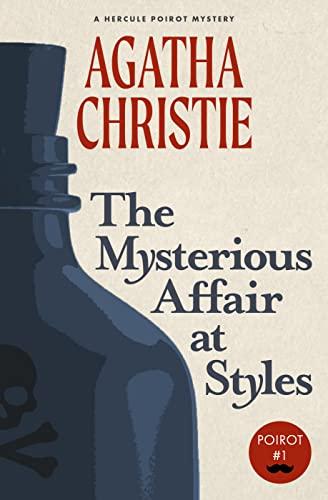
A Hercule Poirot Mystery (Warbler Classics Annotated Edition)
One of Agatha Christie's first published works, it was said to be a great read that sucks you right in from the start. It also introduced the world to the detective Hercule Poirot.
I started reading The Mysterious Affair at Styles, which I think was her first published work, um, last night. And it's just great. She just sucks you right in.
— Episode: Agatha Christie: Queen of the Murder Mys...
One of Agatha Christie's first published works, it was said to be a great read that sucks you right in from the start. It also introduced the world to the detective Hercule Poirot.
I started reading The Mysterious Affair at Styles, which I think was her first published work, um, last night. And it's just great. She just sucks you right in.
And it was her first serious work that wasn't published immediately. It wasn't published until 1920.
And this is the one that introduced the world to her chief detective for a lot of those novels, uh, Mr. Poirot, like we mentioned.
it, it pulls you right into this little country, English estate and all of the people on it. And you realize just after a couple of pages that you're already invested in them, which is pretty amazing.
It was described as a truly remarkable first published book that was able to quickly engage the reader, introducing the well-known detective, Hercule Poirot.
I started reading The Mysterious Affair at Styles, which I think was her first published work, um, last night. And it's just great. She just sucks you right in.
And this is the one that introduced the world to her chief detective for a lot of those novels, uh, Mr. Poirot, like we mentioned.
Um, in that it, it pulls you right into this little country, English estate and all of the people on it. And you realize just after a couple of pages that you're already invested in them, which is pretty amazing.
It was mentioned as Agatha Christie's first published work, and was praised for its ability to quickly draw readers into the story and characters.
I started reading The Mysterious Affair at Styles, which I think was her first published work, um, last night. And it's just great. She just sucks you right in.
in between the time she wrote snow upon the desert and The Mysterious Affair at Styles, which would be her first published book, I believe she, um, wedged a lot of life in there
And it was published until 1920. Um, and I think even after it was published, it wasn't an immediate catapult to success for her, but it was a, it was a remarkable first book to be published.
And this is the one that introduced the world to her chief detective for a lot of those novels, uh, Mr. Poirot, like we mentioned.
Josh Clark began reading this book, which is Agatha Christie's first published work, and mentioned being immediately drawn into the story and its characters.
I started reading The Mysterious Affair at Styles, which I think was her first published work, um, last night. And it's just great. She just sucks you right in.
it's a really interesting book just right out of the gate. Um, in that it, it pulls you right into this little country, English estate and all of the people on it. And you realize just after a couple of pages that you're already invested in them, which is pretty amazing.
And this is like not her first book, but it was her first serious work that wasn't published immediately.
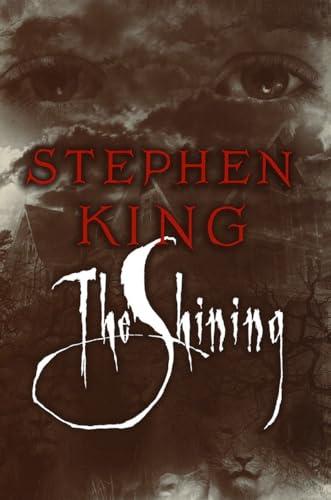
Chuck Bryant suggested it as a possible starting point for Josh Clark to read Stephen King's works, but cautioned that it might be too different from the Kubrick film.
Probably not because you're so used to Kubrick's "Shining".
— Episode: SYSK Selects: How The Moonwalk Works
Chuck Bryant suggested it as a possible starting point for Josh Clark to read Stephen King's works, but cautioned that it might be too different from the Kubrick film.
Probably not because you're so used to Kubrick's "Shining".
The Shining was suggested as a Stephen King book to read, but it was mentioned that it may not be a good starting point due to the Kubrick adaptation.
So what's the The Shining is probably the one I should read
The Stanley Hotel, where Brado was moved, was the inspiration for Stephen King's book, 'The Shining', after his family's vacation there.
That Stanley Hotel, the same one that inspired The Shining when Stephen King and his family vacationed there.
It was suggested as a good starting point for reading Stephen King, but it was also cautioned that it might not be as good as the film by Kubrick.
So what's the The Shining is probably the one I should read
Probably not because you're so used to Kubrick's shining.

Why the Clustering of Like-Minded America Is Tearing Us Apart
It was discussed as a book that uses the idea of 'red' and 'blue' states as shorthand for lifestyle, not just political leanings, which was described as a good point.
And one of these writers in here, what's his name, Bill Bishop, he's from Texas. He wrote a book called The Big Sort.
— Episode: What's the deal with swing states?
It was discussed as a book that uses the idea of 'red' and 'blue' states as shorthand for lifestyle, not just political leanings, which was described as a good point.
And one of these writers in here, what's his name, Bill Bishop, he's from Texas. He wrote a book called The Big Sort.
It was discussed as a book that highlighted how political leanings have become shorthand for a certain lifestyle, influencing how people identify and perceive others based on their state or community.
And one of these writers in here, what's his name, Bill Bishop, he's from Texas. He wrote a book called The Big Sort. And he kind of makes a really good point that it's become a shorthand of not just a leaning of a state, but sort of a lifestyle.
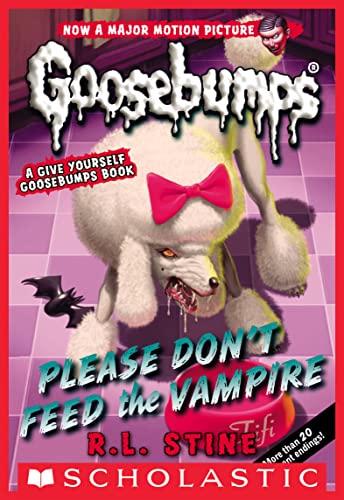
It was mentioned as a series of books written by R.L. Stine, who is like a Stephen King for kids, and one of the hosts worked on a TV show based on the books.
R.L. Stine, who is sort of like a Stephen King for kids.
— Episode: SYSK Selects: How Book Banning Works
It was mentioned as a series of books written by R.L. Stine, who is like a Stephen King for kids, and one of the hosts worked on a TV show based on the books.
R.L. Stine, who is sort of like a Stephen King for kids.
Yeah, Goosebumps.
Yeah, and I think I actually worked on one of his little TV shows, The Nightmare Room.
It was discussed as a book series written by R.L. Stine, who also created the TV show Nightmare Room, and challenged due to being scary and perhaps satanic.
R.L. Stine, who is sort of like a Stephen King for kids.
Yeah, Goosebumps.
Yeah, and I think I actually worked on one of his little TV shows, The Nightmare Room.
Oh really?
Oh man, they were scary with the most ghastly illustrations you've ever seen. They're awesome.
And are those banned just because they're scary and ghoulish?
I guess so.
No, it's probably satanic too.
The books were mentioned as being possibly banned because of their scary and ghoulish nature and, perhaps, satanic themes.
R.L. Stine, who is sort of like a Stephen King for kids. Yeah, Goosebumps.
And are those banned just because they're scary and ghoulish? I guess so. No, it's probably satanic too.
Cited as a frequently banned series due to its scary content.
R.L. Stine, who is sort of like a Stephen King for kids. Yeah, Goosebumps.
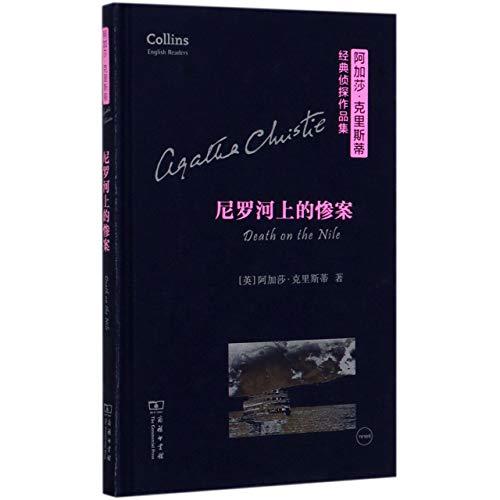
This book was written during Agatha Christie's period of archeological digs and travels in the Middle East, which contributed to her international stardom.
Books like Murder in Mesopotamia and Death on the Nile and Murder on the Orient Express were all written during this period.
— Episode: Agatha Christie: Queen of the Murder Mys...
This book was written during Agatha Christie's period of archeological digs and travels in the Middle East, which contributed to her international stardom.
Books like Murder in Mesopotamia and Death on the Nile and Murder on the Orient Express were all written during this period.
It was mentioned as one of Agatha Christie's famous books, set in a more exotic locale, which helped catapult her into international stardom.
And then somewhere else I saw 103. So let's go with that. So let's talk about this Cozy Mystery or just mystery novels in general.
Um, that really catapulted her into superstardom, international superstardom too. Yeah.
Books like Murder in Mesopotamia and Death on the Nile and Murder on the Orient Express were all written during this period.
This book, set in Egypt, was mentioned as a novel that helped propel Agatha Christie to international fame.
Murder in Mesopotamia and Death on the Nile and Murder on the Orient Express were all written during this period.
Josh Clark mentioned that this book, along with others like Murder in Mesopotamia and Murder on the Orient Express, were written during Agatha Christie's period of international superstardom during the 1930s.
Books like Murder in Mesopotamia and Death on the Nile and Murder on the Orient Express were all written during this period.
And this is what really catapulted her into international superstardom as an author.
Note: The book recommendations on this page are discovered automatically from podcast transcripts, and may be incorrect or incomplete.
Podcast Name