
Podcast
Stuff You Should Know
Humphrey Davy wrote a 580-page book about nitrous oxide after conducting experiments with himself and others, outlining the gas's effects on humans and animals.
Humphrey Davy wrote a 580 page scientific treatise on nitrous oxide and its effects on humans and animals.
— Episode: Selects: How Nitrous Oxide Works
Episode: Selects: How Nitrous Oxide Works
Humphrey Davy wrote a 580-page book about nitrous oxide after conducting experiments with himself and others, outlining the gas's effects on humans and animals.
Humphrey Davy wrote a 580 page scientific treatise on nitrous oxide and its effects on humans and animals.
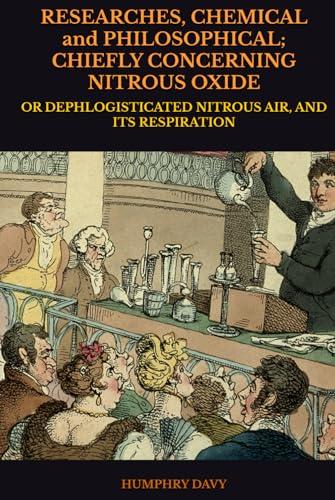
Researches chemical and philosophical chiefly concerning nitrous oxide or deflogisticated nitrous air and its respiration was the name of it.
He says that as nitrous oxide appears capable of destroying physical pain, it may probably be used with advantage during surgical operations in which no great effusion of blood takes place.
Episode: Selects: How Nitrous Oxide Works
Humphrey Davy's 580-page book on nitrous oxide was published in 1800, and it was mentioned that he suggested it could be used for surgical operations in situations where there was not a large amount of bleeding.
as nitrous oxide appears capable of destroying physical pain, it may probably be used with advantage during surgical operations in which no great effusion of blood takes place.
Oh, excellent airbag!
Davey has actually invented a new pleasure for which language has no name.
Episode: Selects: How Nitrous Oxide Works
Humphrey Davy wrote a 580 page book about nitrous oxide in 1800 after his own experiments with the substance, primarily focusing on its effects on humans and animals.
Humphrey Davy wrote a 580 page scientific treatise on nitrous oxide and its effects on humans and animals.
Researches chemical and philosophical chiefly concerning nitrous oxide or deflogisticated nitrous air and its respiration was the name of it.
He says that as nitrous oxide appears capable of destroying physical pain, it may probably be used with advantage during surgical operations in which no great effusion of blood takes place.