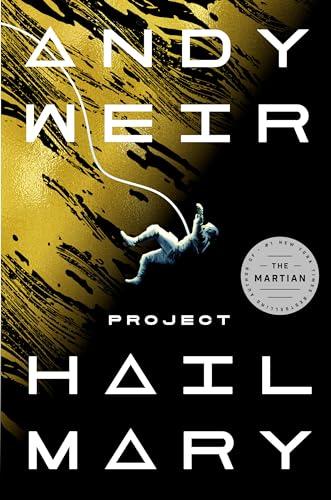
Project Hail Mary
Andy Weir
Mentioned 1 week ago
Selects: The First Road Trip
If you've ever wanted to know about champagne, satanism, the Stonewall Uprising, chaos theory, LSD, El Nino, true crime and Rosa Parks, then look no further. Josh and Chuck have you covered.
Recently mentioned
Andy Weir
Mentioned 1 week ago
Selects: The First Road Trip
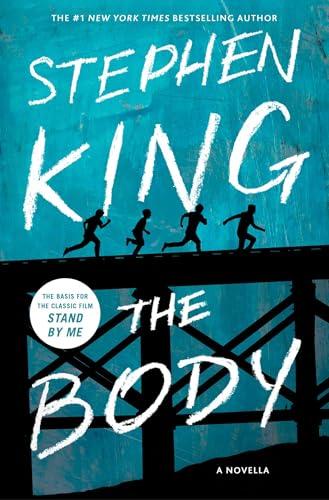
Stephen King
Mentioned 1 week ago
Selects: The First Road Trip
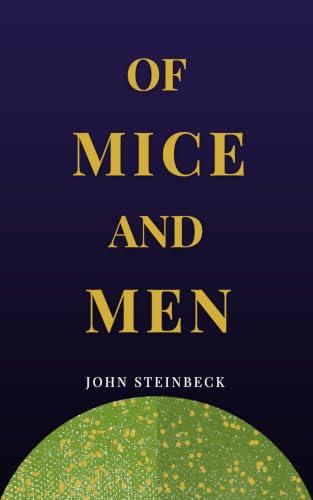
John Steinbeck
Mentioned 2 weeks ago
Kola: The World’s Deepest Hole

STEINBECK JOHN
Mentioned 2 weeks ago
Kola: The World’s Deepest Hole
Bethany McLean
Mentioned 3 weeks ago
Selects: How Enron Fooled the World

Fyodor Dostoevsky
Mentioned 3 weeks ago
Short Stuff: Why does it feel good to be scared?
Eleanor Johnson
Mentioned 3 weeks ago
Short Stuff: Why does it feel good to be scared?
John Kennedy Toole
Mentioned 4 weeks ago
Some Interesting Curses
Mordecai RICHLER
Mentioned 4 weeks ago
Some Interesting Curses
Michael Crichton
Mentioned 1 month ago
The Stuff You Should Know Doin’ Science Playlist: How Chaos Theory Changed the Universe
Naomi Oreskes
Mentioned 1 month ago
How Global Warming Works
Richard Hooker
Mentioned 1 month ago
M*A*S*H: The Story of the 4077th
It was mentioned as a satirical novel co-written by Mark Twain, published in 1873, which followed a poor farmer who moved to the city during the second industrial revolution, only to be taken advantage of by corrupt individuals.
And the only reason we're going to talk about Mark Twain for a moment is because in 1873 he co-wrote a novel, a satire called The Gilded Age, a tale of today where it followed a poor country farmer wh...
— Episode: Robber Barons!
It was mentioned as a satirical novel co-written by Mark Twain, published in 1873, which followed a poor farmer who moved to the city during the second industrial revolution, only to be taken advantage of by corrupt individuals.
And the only reason we're going to talk about Mark Twain for a moment is because in 1873 he co-wrote a novel, a satire called The Gilded Age, a tale of today where it followed a poor country farmer who is sort of I mean, does he move to the city trying to get in on the second industrial revolution?
It's exactly that kind of migration that you're talking about just a few minutes ago. And it didn't work out so well, right? I don't know. I've never read the book.
But from what I can tell, no, it didn't work out very well because he is taken advantage of by all manner of bad people like crooked politicians and crooked businessmen and is basically run through the ringer from what I can tell.
But I've also seen that that wasn't it wasn't exactly the best piece of writing Mark Twain's ever come up with.
It was a satirical novel co-written by Mark Twain that followed a poor farmer who moves to the city during the Second Industrial Revolution and faces exploitation by dishonest politicians and businessmen, though it was not considered Mark Twain's best work.
In 1873 he co-wrote a novel, a satire called The Gilded Age, a tale of today where it followed a poor country farmer who is sort of I mean, does he move to the city trying to get in on the second industrial revolution?
Yeah, totally.
It's exactly that kind of migration that you're talking about just a few minutes ago.
And it didn't work out so well, right?
But from what I can tell, no, it didn't work out very well because he is taken advantage of by all manner of bad people like crooked politicians and crooked businessmen and is basically run through the ringer from what I can tell.
It was co-written by Mark Twain in 1873 and was described as a satire that followed a farmer who moves to the city during the second industrial revolution, where he was taken advantage of by crooked politicians and businessmen.
And the only reason we're going to talk about Mark Twain for a moment is because in 1873 he co-wrote a novel, a satire called The Gilded Age, a tale of today where it followed a poor country farmer who is sort of I mean, does he move to the city trying to get in on the second industrial revolution?
It's exactly that kind of migration that you're talking about just a few minutes ago. And it didn't work out so well, right?
But from what I can tell, no, it didn't work out very well because he is taken advantage of by all manner of bad people like crooked politicians and crooked businessmen and is basically run through the ringer from what I can tell.
But I've also seen that that wasn't it wasn't exactly the best piece of writing Mark Twain's ever come up with.
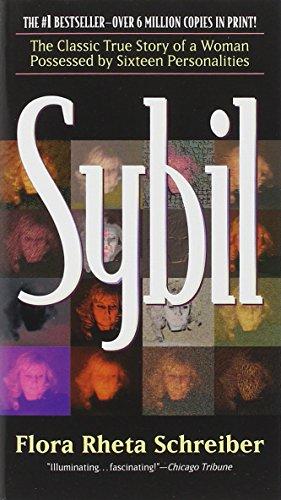
It was mentioned as the book that blew the multiple personality disorder caseload wide open in the 70s. It was written about Shirley Mason, whose psychiatrist, Cornelia Wilbur, kept her identity secret for years.
And then about 15 years later you had Sybil and Sybil was the one that blew this thing wide open.
— Episode: SYSK Selects: How Dissociative Identity...
It was mentioned as the book that blew the multiple personality disorder caseload wide open in the 70s. It was written about Shirley Mason, whose psychiatrist, Cornelia Wilbur, kept her identity secret for years.
And then about 15 years later you had Sybil and Sybil was the one that blew this thing wide open.
Sybil the book came out written by... Flora Rita Schreiber about her treatment with psychiatrist Cornelia Wilbur.
Yeah to protect her her identity. But eventually the name came out right.
I remember my mom reading the book it was all the rage in the 70s.
Yeah it was huge. Huge.
It was about Shirley Mason's experiences with multiple personalities and her treatment by Dr. Cornelia Wilbur, becoming very popular and influential and the basis of a film.
And then about 15 years later you had Sybil and Sybil was the one that blew this thing wide open.
Sally Field.
It just happened I guess to arrive at a time when America was really ready to undergo or be party to psychological exploitation like big time.
And in 1973 is when Sybil the book came out written by. Oh let's see Flora Rita Schreiber about her treatment with psychiatrist Cornelia Wilbur.
Yeah. And she was actually an artist a painter and like taught painting too I think but they found 103 paintings in her basement after she died and she only signed the ones that she felt like she the host had painted like she wouldn't sign the ones that an altar had painted.
Published in 1973, it detailed the treatment of Shirley Mason, who had 16 personalities, by psychiatrist Cornelia Wilbur. It was a bestseller and became a popular movie, further popularizing the topic of multiple personality disorder.
And then about 15 years later you had Sybil and Sybil was the one that blew this thing wide open.
And in 1973 is when Sybil the book came out written by... Flora Rita Schreiber about her treatment with psychiatrist Cornelia Wilbur.
Yeah. And she was actually an artist a painter and like taught painting too I think but they found 103 paintings in her basement after she died and she only signed the ones that she felt like she the host had painted like she wouldn't sign the ones that an altar had painted.
So many of them are unsigned but it's when you look at it it's really like they're all different. Like some are like real as some are abstract some are impressionistic.
So Sybil's a smash hit it's based on the wave the first wave that was brought about by All About Eve and the public is just fully aware of multiple personality disorders like these two are like the cream of the crop.
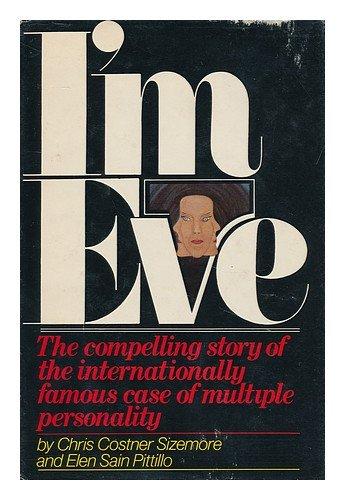
It was written by Chris Costner Sizemore, the subject of 'The Three Faces of Eve,' to refute the claims made in the book, and to state that she had not been cured.
But they wrote a book really quickly that exploded on the scene.
— Episode: SYSK Selects: How Dissociative Identity...
It was written by Chris Costner Sizemore, the subject of 'The Three Faces of Eve,' to refute the claims made in the book, and to state that she had not been cured.
But they wrote a book really quickly that exploded on the scene.
And she came out and wrote a book called I'm Eve and said dude this guy's a total fraud.
Like yes I do have multiple personalities.
Right. But they didn't cure me. No.
He he shot me up a sodium penethol and like just used the power of suggestion. And he's just a huckster basically.
It was written by the original patient, Chris Costner Sizemore, from the book 'The Three Faces of Eve', and disputed the claims made about her treatment and cure, particularly by Corbett Thigpen.
But they wrote a book really quickly that exploded on the scene. Super popular made them a ton of money.
There was a big blockbuster movie. It was just it took over.
And she came out and wrote a book called I'm Eve and said dude this guy's a total fraud.
Like yes I do have multiple personalities.
Right. But they didn't cure me.
Written by Chris Costner Sizemore, the subject of 'The Three Faces of Eve', it challenged the narrative that she was cured and that the doctors acted in good faith. The book contradicted the narrative presented in 'The Three Faces of Eve'.
But she came out and wrote a book called I'm Eve and said dude this guy's a total fraud.
Like yes I do have multiple personalities. Right. But they didn't cure me. No.
Yeah. Like this guy kept insisting I was cured. It didn't work. He he shot me up a sodium penethol and like just used the power of suggestion.
And he's just a huckster basically. He was after the story.
The Journey, The Stories
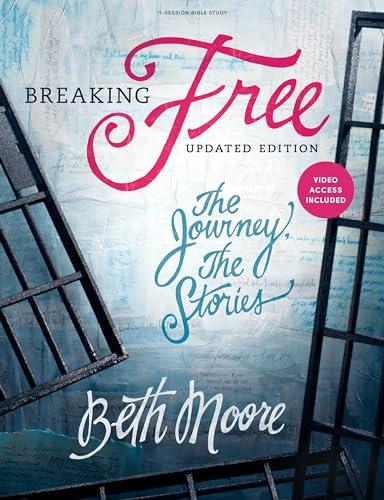
Herschel Walker wrote this book about his experience with dissociative identity disorder. He detailed losing memories, including of winning the Heisman trophy and putting a gun to his wife's head.
He suffers from DID and he wrote a book called Breaking Free and he has no memory of winning the Heisman Trophy.
— Episode: SYSK Selects: How Dissociative Identity...
Herschel Walker wrote this book about his experience with dissociative identity disorder. He detailed losing memories, including of winning the Heisman trophy and putting a gun to his wife's head.
He suffers from DID and he wrote a book called Breaking Free and he has no memory of winning the Heisman Trophy.
He has no memory of putting a gun to his wife's head something that's happened in his life.
No memory of any of these things and he says he has as many as 12 alters and his wife I don't know if they're still together. I don't think so but his wife of many years thinks like it all makes sense now.
Like when she finally he came out with this and he just came out a few years ago.
Wow. She was like well this totally makes sense because I saw very different people through the course of our marriage out of nowhere that made no sense.
It was written by the former American football player, who detailed his experiences with dissociative identity disorder and how it explained some of his past actions and behaviour.
He suffers from DID and he wrote a book called Breaking Free and he has no memory of winning the Heisman Trophy.
Oh no.
He has no memory of putting a gun to his wife's head something that's happened in his life.
No memory of any of these things and he says he has as many as 12 alters and his wife I don't know if they're still together.
I don't think so but his wife of many years thinks like it all makes sense now.
Herschel Walker wrote about his experience with dissociative identity disorder and the impact it had on his life. He detailed memory loss of significant events, including winning the Heisman Trophy, and the presence of multiple alters.
He suffers from DID and he wrote a book called Breaking Free and he has no memory of winning the Heisman Trophy.
He has no memory of putting a gun to his wife's head something that's happened in his life.
No memory of any of these things and he says he has as many as 12 alters and his wife I don't know if they're still together.
Like when she finally he came out with this and he just came out a few years ago. Wow. She was like well this totally makes sense because I saw very different people through the course of our marriage out of nowhere that made no sense.
The Life and Inebriated Times of Richard Burton, Richard Harris, Peter O'Toole, and Oliver Reed
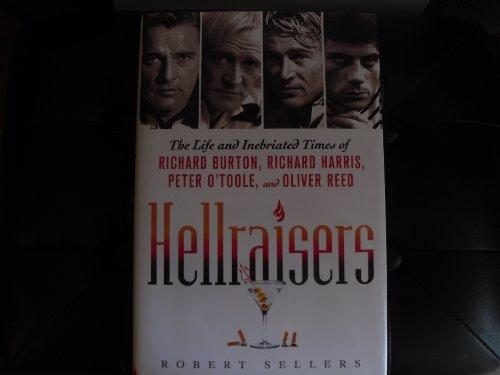
The backstory of Pinhead, a Cenobite in hell, was discussed. It was said that his descent into hell was due to his disillusionment with World War I, leading him to lose faith in the meaning of life.
He's a really interesting guy.
— Episode: How COVID-19 Works
The backstory of Pinhead, a Cenobite in hell, was discussed. It was said that his descent into hell was due to his disillusionment with World War I, leading him to lose faith in the meaning of life.
He's a really interesting guy.
The whole reason he got into, you know, being a Cenobite in hell was, um, he was disillusioned by the chaos of World War I and lost like all, all faith in any meaning to life.
So he started to, he just ditched this world for hell instead.
Oh yeah. There's a bunch of it. It's kind of been built up over the course of some of Clive Barker's novels.
The movies have contributed to it. Some other people have kind of contributed to it. And there's like this robust kind of mythos around that guy.
The backstory of Pinhead from the Hellraiser movies was discussed, mentioning that his descent into Cenobite was driven by disillusionment after World War I.
He's a really interesting guy.
The whole reason he got into, you know, being a Cenobite in hell was, um, he was disillusioned by the chaos of World War I and lost like all, all faith in any meaning to life.
Oh yeah. There's a bunch of it. It's kind of been built up over the course of some of Clive Barker's novels.
The book's main character, Pinhead, was discussed in some detail, particularly the backstory of how he became a Cenobite and his disillusionment with World War I.
He's a really interesting guy.
The whole reason he got into, you know, being a Cenobite in hell was, um, he was disillusioned by the chaos of World War I and lost like all, all faith in any meaning to life. So he started to, he just ditched this world for hell instead.
Oh yeah. There's a bunch of it. It's kind of been built up over the course of some of Clive Barker's novels.
The movies have contributed to it. Some other people have kind of contributed to it.
And there's like this robust kind of mythos around that guy. It's really interesting stuff.
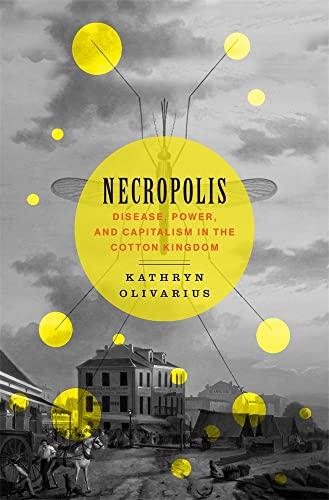
Disease, Power, and Capitalism in the Cotton Kingdom
It was described as a great book about death in London throughout history, and was recommended for providing insights into burial practices during the plague.
I read a great book on death in London through the ages that talked about it that was called Necropolis. I highly recommend it.
— Episode: SYSK Selects: Virus Talk with Josh and C...
It was described as a great book about death in London throughout history, and was recommended for providing insights into burial practices during the plague.
I read a great book on death in London through the ages that talked about it that was called Necropolis. I highly recommend it.
It was described as a great book about death in London throughout history, with a focus on burial practices and the plague.
I read a great book on death in London through the ages that talked about it that was called Necropolis. I highly recommend it.
It was recommended as a great read about death in London throughout history, specifically discussing how burial practices changed due to the plague.
I read a great book on death in London through the ages that talked about it that was called Necropolis. I highly recommend it.
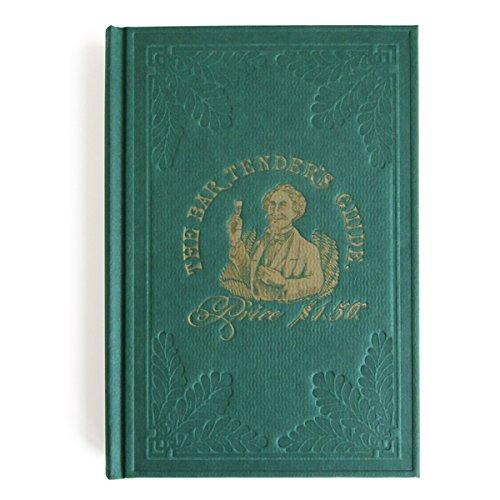
How to Mix Drinks
It was discussed as the first bartender's guide ever published, in 1862, and was said to encapsulate everything about cocktails and bars at that time. It was considered a very important book, which was referenced in the podcast.
It's called The Bartender's Guide or How to Mix Drinks or The Bon Vivant's Companion.
— Episode: SYSK Distraction Playlist: SYSK Live: Ho...
It was discussed as the first bartender's guide ever published, in 1862, and was said to encapsulate everything about cocktails and bars at that time. It was considered a very important book, which was referenced in the podcast.
It's called The Bartender's Guide or How to Mix Drinks or The Bon Vivant's Companion.
Especially when you're like wearing diamonds on both hands and rats on your shoulders. It's the Bon Vivant's Companion.
And he tossed Dale DeGroff a book, a very important book. What book? The Bombay Boss Companion. Yes. From 1862.
Everything came full circle.
If you ever pick up a copy of the Balm of the Invalids Companion and try and read this thing, it doesn't translate that great to today's proportions.
It was discussed as the first bartender's guide ever published in 1862. It was highlighted as being influential for bringing craftsmanship and pride to bartending.
It's called The Bartender's Guide or How to Mix Drinks or The Bon Vivant's Companion.
Especially when you're like wearing diamonds on both hands and rats on your shoulders. It's the Bon Vivant's Companion.
And he tossed Dale DeGroff a book, a very important book. What book? The Bombay Boss Companion. Yes. From 1862.
Everything came full circle.
If you ever pick up a copy of the Balm of the Invalids Companion and try and read this thing, it doesn't translate that great to today's proportions.
It was considered the first bartender's guide ever published and was mentioned as a key source of information that brought back the craft of bartending in the late 20th century.
It's called The Bartender's Guide or How to Mix Drinks or The Bon Vivant's Companion.
I like the Bon Vivant's Companion. That's the best.
Everything came full circle. Yeah. And Dale DeGroff was like, this is amazing. We can bring craftsmanship back into bartending.
And he tossed Dale DeGroff a book, a very important book. What book? The Bombay Boss Companion.
Yeah. And that's what they did. And the bar was saved.
The book by Martin Fogg, 'Terraforming: Engineering Planetary Environments', was mentioned as outlining the steps required to make Mars habitable, focusing on its planetary rotation and the need to manage atmospheric pressure and nitrogen levels.
And there's a guy named Martin Fogg who wrote a book called Terraforming, Engineering Planetary Environments.
— Episode: SYSK Distraction Playlist: How Terraform...
The book by Martin Fogg, 'Terraforming: Engineering Planetary Environments', was mentioned as outlining the steps required to make Mars habitable, focusing on its planetary rotation and the need to manage atmospheric pressure and nitrogen levels.
And there's a guy named Martin Fogg who wrote a book called Terraforming, Engineering Planetary Environments.
The book by Martin Fogg outlined the steps involved in terraforming Mars, emphasizing its suitability due to its rotation and the presence of necessary elements like CO2, although it lacks nitrogen.
And there's a guy named Martin Fogg who wrote a book called Terraforming, Engineering Planetary Environments.
And he basically laid out what you have to do to get Mars going.
And again, Mars is the easiest one to do because it has that planetary rotation already.
It was mentioned as a book that outlined the steps needed to terraform Mars, highlighting the planet's suitability due to its rotation.
And there's a guy named Martin Fogg who wrote a book called Terraforming, Engineering Planetary Environments.
And he basically laid out what you have to do to get Mars going.
And again, Mars is the easiest one to do because it has that planetary rotation already.

It was mentioned in passing after the discussion of Malory's 'Le Morte d'Arthur' and described as the work of a 'creepy-looking dude' but a great poet.
And after Mallory, you have Alfred Lord Tennyson, who wrote The Idols of the King.
— Episode: SYSK Distraction Playlist: Was there a r...
It was mentioned in passing after the discussion of Malory's 'Le Morte d'Arthur' and described as the work of a 'creepy-looking dude' but a great poet.
And after Mallory, you have Alfred Lord Tennyson, who wrote The Idols of the King.
Yeah. That creepy looking dude. And great poet. Yeah. But scary looking.
It was mentioned in the context of other works that contributed to the Arthurian legend, along with a description of the author's appearance.
So after Mallory, you have Alfred Lord Tennyson, who wrote The Idols of the King.
Yeah. That creepy looking dude. And great poet. Yeah. But scary looking.
It was mentioned as a book by Alfred Lord Tennyson, who was described as a poet, and whose name was liked by one of the podcast speakers.
So after Mallory, you have Alfred Lord Tennyson, who wrote The Idols of the King.
Yeah. That creepy looking dude. And great poet. Yeah. But scary looking.
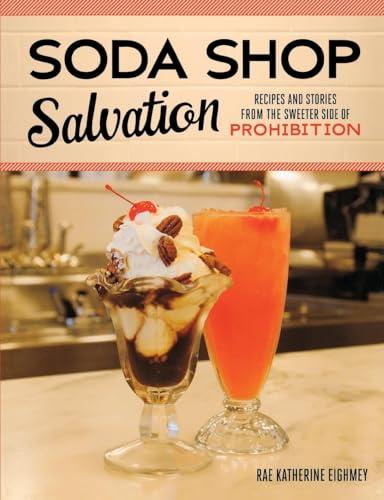
Recipes and Stories from the Sweeter Side of Prohibition
It was mentioned as a book that argued that some positive things came out of the Prohibition era, in that it led to a rise in family dining and a boom in soda shops.
And there's a lady that there's this woman that wrote a book called Soda Shop Salvation named Ray Catherine Igeme or I-may.
— Episode: SYSK Distraction Playlist: The Amazing H...
It was mentioned as a book that argued that some positive things came out of the Prohibition era, in that it led to a rise in family dining and a boom in soda shops.
And there's a lady that there's this woman that wrote a book called Soda Shop Salvation named Ray Catherine Igeme or I-may.
The book was discussed as arguing that the soda shop culture that grew during prohibition had positive effects on family dynamics and dining habits, leading to a reset in American culture.
And there's a lady that there's this woman that wrote a book called Soda Shop Salvation named Ray Catherine Igeme or I-may.
And she kind of makes a case for the good that came out of Prohibition, which was pre-Prohibition.
She said the USA needed a reset was how she put it.
It was mentioned as a book that argued that the rise of the soda fountain and the temperance movement, along with prohibition, led to a change in American culture and family dining, with a more inclusive atmosphere.
And there's a lady that there's this woman that wrote a book called Soda Shop Salvation named Ray Catherine Igeme or I-may.
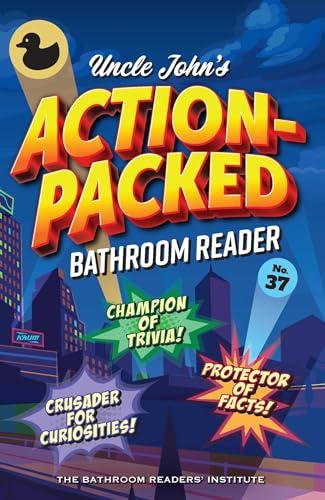
It was mentioned as a book that could potentially keep someone occupied on the toilet long enough for a bidet's air dryer to function.
An Uncle John's bathroom reader. That would do it.
— Episode: Bidets: Now More Than Ever
It was mentioned as a book that could potentially keep someone occupied on the toilet long enough for a bidet's air dryer to function.
An Uncle John's bathroom reader. That would do it.
It was mentioned as a book that might be long enough to read while using a bidet with a dryer that takes a long time. It was briefly discussed in the context of how to pass the time when using a bidet.
An Uncle John's bathroom reader. That would do it.
The podcast hosts briefly mentioned a possible source where they heard about Elvis's anger towards drug dealers, and it may have been from an Uncle John's Bathroom Reader book.
I've heard before and I don't remember where I read it may have been the uncle John's bathroom reader that he used to get so worked up about the idea of drug dealers in Memphis down the street that his he'd want to go out and shoot him and his and he'd be wasted on drugs at the time and his entourage would have to like calm him down and keep him keep the guns away from him keep him just in his house to keep him from going out in exacting vigilante justice of the local Memphis street drug dealers around town.
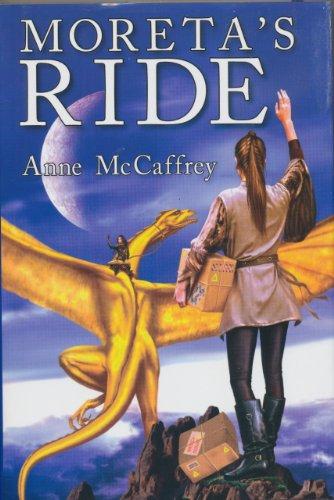
Dragonriders of Pern (Pern
It was written by Harry Seeley, who incorrectly proposed that birds descended from pterosaurs, a hypothesis that was later disproven.
There was a an anatomy professor named Samuel Thomas von summering and in the 1800s he incorrectly suggested that these were bats another paleontologist named Harry Seeley even wrote a book called dra...
— Episode: Selects: Pterosaurs: Not Flying Dinosaur...
It was written by Harry Seeley, who incorrectly proposed that birds descended from pterosaurs, a hypothesis that was later disproven.
There was a an anatomy professor named Samuel Thomas von summering and in the 1800s he incorrectly suggested that these were bats another paleontologist named Harry Seeley even wrote a book called dragons of the sky in which he said birds were the descendants of these
It was mentioned that Harry Seeley wrote a book where he incorrectly asserted that birds were descended from pterosaurs, based on the appearance of their wings.
Another paleontologist named Harry Sealy even wrote a book called Dragons of the Sky. In which he said birds were the descendants of these.
It was mentioned that Harry Seeley incorrectly suggested in his book that birds were descendants of pterosaurs, a common misconception at the time.
Another paleontologist named Harry Sealy even wrote a book called Dragons of the Sky in which he said birds were the descendants of these.
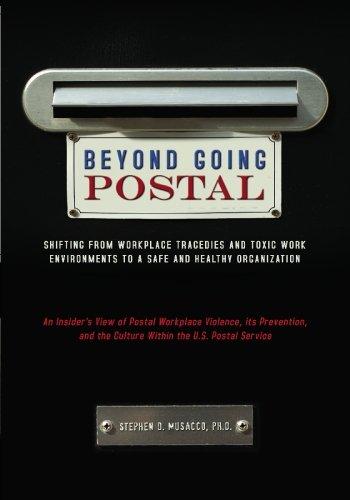
Shifting from Workplace Tragedies and Toxic Work Environments to a Safe and Healthy Organization
It was written by a 34-year veteran of the USPS who acted as a workplace improvement analyst. He argued against the Califano report, stating that 'going postal' was a real phenomenon, not a myth.
He is a 34 year veteran or was at the time of the USPS worked. It says here nearly every capacity.
— Episode: Why Postal Employees Go Postal
It was written by a 34-year veteran of the USPS who acted as a workplace improvement analyst. He argued against the Califano report, stating that 'going postal' was a real phenomenon, not a myth.
He is a 34 year veteran or was at the time of the USPS worked. It says here nearly every capacity.
He was a workplace improvement analyst.
He saw this Califano report as a whitewash.
He said, and he used their own statistics, but he also used his own personal experience anecdotal from his own point of view and the research he did as that workplace improvement analyst.
So that was one thing, was he just basically said, like, yes, going postal is real. And here's the stats that prove it. Yeah. And here's why.
It was written by a 34-year veteran of the USPS who believed that the Califano report on 'going postal' was a whitewash, and he used his own experience and research to dispute it.
He is a 34 year veteran or was at the time of the USPS worked. It says here nearly every capacity. I think he had a lot of jobs at the postal service and he wrote a book called Beyond Going Postal.
And he saw this Califano report as a whitewash.
I mean, he said, and he used their own statistics, but he also used his own personal experience anecdotal from his own point of view and the research he did as that workplace improvement analyst.
It was mentioned that Tipper Gore wrote a book about her concerns regarding the influence of media on children, particularly those related to explicit lyrics, MTV, and Ozzy Osbourne, which she found frightening.
and in it she talks about how not only was she worried and afraid for her kids but she was afraid herself about just these images that she was seeing on MTV an Ozzy Osbourne crawling out of a swamp as...
— Episode: Was the PMRC censorship in disguise?
It was mentioned that Tipper Gore wrote a book about her concerns regarding the influence of media on children, particularly those related to explicit lyrics, MTV, and Ozzy Osbourne, which she found frightening.
and in it she talks about how not only was she worried and afraid for her kids but she was afraid herself about just these images that she was seeing on MTV an Ozzy Osbourne crawling out of a swamp as a swamp beast and instead of laughing at that like everyone else on the planet it scared her.
Tipper Gore detailed her anxieties about media content, particularly MTV and Ozzy Osbourne, in this book, written after her daughter's exposure to a Prince song with mature lyrics.
she talks about how not only was she worried and afraid for her kids but she was afraid herself about just these images that she was seeing on MTV an Ozzy Osbourne crawling out of a swamp as a swamp beast and instead of laughing at that like everyone else on the planet it scared her.
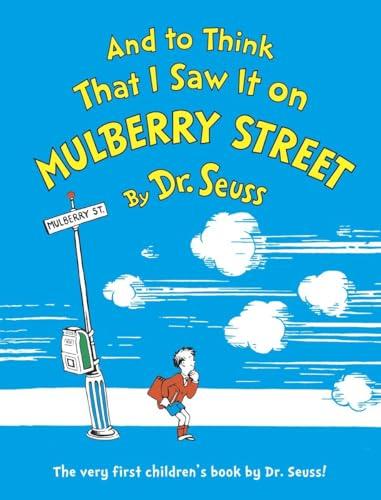
It was mentioned as his first book that made him known as a children's book writer. It was initially titled 'a story no one can beat', and then was published with a different title. It was said that had he been walking on the other side of the street he may have never become a children's author.
And this book got published and that was the one where he first made his name as a children's book writer you're right.
— Episode: Dr. Seuss: The Good, the Bad and the Ugl...
It was mentioned as his first book that made him known as a children's book writer. It was initially titled 'a story no one can beat', and then was published with a different title. It was said that had he been walking on the other side of the street he may have never become a children's author.
And this book got published and that was the one where he first made his name as a children's book writer you're right.
had he been walking on the other side of the street that day he may have never become a children's author.
it was about a kid named Marco who sees a horse and cart on his street and as he's retelling it it just becomes this bigger and bigger and more like bizarre and grand thing that he saw.
it had the word Chinaman in there it was worse than Chinaman and he he changed that to Chinese person right like in the publication of the book for future printings right
It was initially titled 'And This Is a Story No One Can Beat' before being published. It was mentioned as a book where he first established his name in children's books, which he initially got into due to a chance encounter with an old friend.
He created a children's book on that anapestic tetrameter called and this is a story no one can beat that was later changed and published in 1937 as And to Think That I Saw It on Mulberry Street
He his friend from Dartmouth was a new children's book editor at Vanguard you said.
And it was so new that he was looking for material and Dr. Seuss happened to be walking around with the manuscript on him and just happened to be down there and they ran into each other
and this book got published and that was the one where he first made his name as a children's book writer you're right.
It's about a kid named Marco who sees a horse and cart on his street and as he's retelling it it just becomes this bigger and bigger and more like bizarre and grand thing that he saw.
It was his first published children's book and was initially titled 'And This Is a Story No One Can Beat'. It was about a boy's retelling of an event which becomes increasingly bizarre.
He created a children's book on that anapestic tetrameter called and this is a story no one can beat that was later changed and published in 1937 as And to Think That I Saw It on Mulberry Street
it's about a kid named Marco who sees a horse and cart on his street and as he's retelling it it just becomes this bigger and bigger and more like bizarre and grand thing that he saw.
an earlier version of and I end to think I saw it on Mulberry Street yeah it had the word Chinaman in there it was worse than Chinaman and he he changed that to Chinese person right
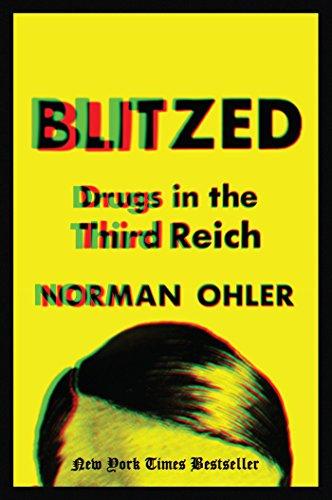
Drugs in the Third Reich
It was described as an exhaustive read, and was discussed in detail regarding its claims of drug use impacting the Third Reich and its eventual downfall.
It was a big deal when it came out just I think in 2017 if I'm not mistaken.
— Episode: Were Nazis Drug-Fueled Crankheads?
It was described as an exhaustive read, and was discussed in detail regarding its claims of drug use impacting the Third Reich and its eventual downfall.
It was a big deal when it came out just I think in 2017 if I'm not mistaken.
Yeah, and we're endorsing that book as a good read.
It's pretty exhaustive.
He's basically saying drugs drove the Third Reich initially.
And then just like anybody becoming strung out on a drug it led to the deterioration and ultimately downfall of the Third Reich.
It was discussed as a well-researched book that explored the theory that drug use significantly influenced the Third Reich's rise and fall, although some claims were considered speculative.
It was a big deal when it came out just I think in 2017 if I'm not mistaken.
Yeah, and we're endorsing that book as a good read.
It was a big, big thing to say.
He seems to be the first author to really say yeah the Nazis did a lot of drugs and this was the result.
That's certainly how Ohler characterizes the whole thing
It was described as an exhaustive read that detailed the extensive use of drugs by the Nazis, suggesting they were a major contributor to the Third Reich's rise and fall.
It was a big deal when it came out just I think in 2017 if I'm not mistaken.
Yeah, and we're endorsing that book as a good read.
It's pretty exhaustive.
He's basically saying drugs drove the Third Reich initially. And then just like anybody becoming strung out on a drug it led to the deterioration and ultimately downfall of the Third Reich.
And he's not the first person to say yeah the Nazis did a lot of drugs. He seems to be the first author to really say yeah the Nazis did a lot of drugs and this was the result.
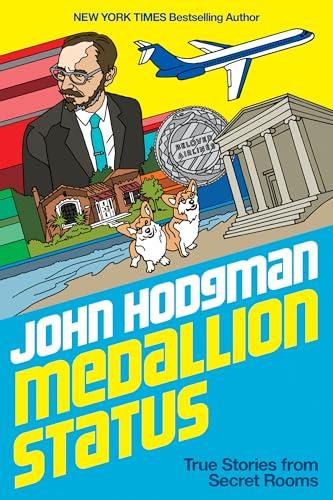
True Stories from Secret Rooms
It was described as a good read that was fun and engaging. It was said to be filled with stories from secret rooms, and the podcasters had pre-ordered it.
Medallion Status, true stories from secret rooms that you can pre-order now.
— Episode: Guardian Angels: Behind the Red Beret
It was described as a good read that was fun and engaging. It was said to be filled with stories from secret rooms, and the podcasters had pre-ordered it.
Medallion Status, true stories from secret rooms that you can pre-order now.
It's a good read. It's fun to read. It kind of sucks you in. It's great.
It's available for pre-order yeah and audiobook also all available uh on October 15th and depending on when you hear this you may either order or pre-order it at bit.ly/medallionstatus all one word all capital letters and I'll take you to your anywhere you buy books including indie bound if you want to connect with your local that's great event shop and 2 L's in medallion these days right 2 L's in medallion did I spell it wrong in my mind no we're on my book no is that one of the typos you found in this advanced readers copy
This is my fifth book congratulations Medallion Status do out October 15th and hardcover I believe you in hardcover also electronic printing I have pre-ordered it's available for pre-order yeah
The book makes it sound like you're adjusting rather well.
It was described as a good, engaging read, filled with stories from secret rooms and anecdotes. It was mentioned as being available for pre-order in hardcover and audiobook formats.
Medallion Status, true stories from secret rooms that you can pre-order now.
It's a good read. It's fun to read. It kind of sucks you in. It's great.
do out October 15th and hardcover I believe you in hardcover also electronic printing I have pre-ordered it's available for pre-order yeah and audiobook also all available uh on October 15th
bit.ly/MedallionStatus all one word all capital letters and I'll take you to your anywhere you buy books including indie bound if you want to connect with your local that's great event shop
2 L's in medallion these days right 2 L's in medallion did I spell it wrong in my mind no we're on my book
It was described as a good and fun read, with anecdotes from the author's life and a focus on nostalgia, which he has previously described as toxic.
Medallion Status, true stories from secret rooms that you can pre-order now.
It's a good read. It's fun to read. It kind of sucks you in. It's great.
It is dripping with nostalgia and one of the things you're kind of famous for on our podcast these days is for considering nostalgia to be utterly toxic.
do out October 15th and hardcover I believe you in hardcover also electronic printing
bit.ly/MedallionStatus all one word all capital letters

It was mentioned as his last book that was published while he was alive and it's also his top-selling book. It is often given as a graduation gift. The speakers noted that it was a surprisingly good and insightful book, even for a Dr. Seuss book.
his last book that he wrote and published while he was alive was oh the places you'll go right which I had no idea was published in 1990 did you I didn't know anything about it
— Episode: Dr. Seuss: The Good, the Bad and the Ugl...
It was mentioned as his last book that was published while he was alive and it's also his top-selling book. It is often given as a graduation gift. The speakers noted that it was a surprisingly good and insightful book, even for a Dr. Seuss book.
his last book that he wrote and published while he was alive was oh the places you'll go right which I had no idea was published in 1990 did you I didn't know anything about it
it's also his top selling book so some of these other books have been around for decades longer than all the places you'll go but all the places you'll go is this top selling book because it's given to grads every spring there's a new batch of graduates yeah who get all the places you'll go as a gift
like 10 million copies have been sold because it's about like your future from what a way to yeah just like doing things and taking risks and like trying stuff and you can do it and it'll be hard and you're gonna run into problems but you know you're you're a good person and you're going to make good choices
I'm like this is an amazing even for Seuss it's an amazing book like an article I read said that somebody somebody said like you can tell that he knew this was the last book that that was going to be published while he was alive that he wanted this to be his his swan song
It was Dr. Seuss's last book published while he was still alive, and it has become his best-selling book. It is often given as a graduation gift and is about taking risks, facing challenges, and having a positive outlook on the future.
his last book that he wrote and published while he was alive was oh the places you'll go right which I had no idea was published in 1990 did you I didn't know anything about it
so it was not it was his last book that was published while he's alive it's also his top selling book so some of these other books have been around for decades longer than all
the places you'll go but all the places you'll go is this top selling book because it's given to grads every spring there's a new batch of graduates yeah who get all the places you'll go as a gift
and like 10 million copies have been sold because it's about like your future from what a way to yeah just like doing things and taking risks and like trying stuff and you can do it and it'll
be hard and you're gonna run into problems but you know you're you're a good person and you're going to make good choices and I have a story about this oh yeah so last night um I was
It was his final book published during his lifetime and his top-selling book, serving as a message of hope and encouragement for graduates.
his last book that he wrote and published while he was alive was oh the places you'll go right
it's also his top selling book so some of these other books have been around for decades longer than all the places you'll go but all the places you'll go is this top selling book because it's given to grads every spring
and like 10 million copies have been sold because it's about like your future from what a way to yeah just like doing things and taking risks and like trying stuff and you can do it and it'll be hard and you're gonna run into problems but you know you're you're a good person and you're going to make good choices
I was like just out of nowhere I was like did you know that oh the places you'll go was only published in 1990 but it's Dr. Seuss's greatest selling book
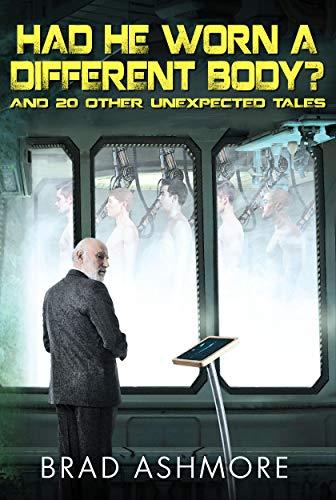
It was a gift to the show, and it was described as a book of short, weird fiction. Josh recalled the title from when it was previously mentioned.
big thanks to brad ashmore for sending us his book of short weird fiction had he worn a different body
— Episode: Olive Oil: Mother Nature's Gift
It was a gift to the show, and it was described as a book of short, weird fiction. Josh recalled the title from when it was previously mentioned.
big thanks to brad ashmore for sending us his book of short weird fiction had he worn a different body
ooh i remember that one
The hosts were gifted this book of short, weird fiction by Brad Ashmore, a listener.
Big thanks to Brad Ashmore for sending us his book of short weird fiction, Had He Worn a Different Body.
It was a book of short weird fiction that was sent to the hosts as a gift.
big thanks to Brad Ashmore for sending us his book of short weird fiction Had He Worn a Different Body.
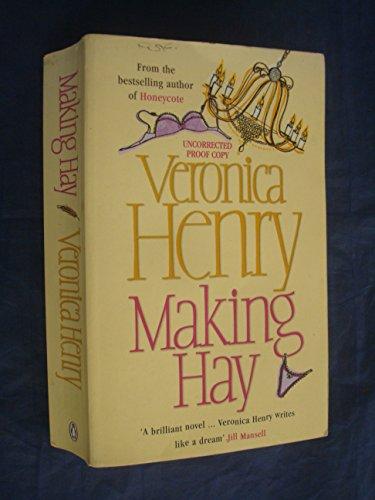
It was mentioned in passing as a comic novel about post-World War I upper-class society, where the term 'vomitorium' was used in a single line, which was the first documented instance outside of its use as a passageway.
He wrote a comic novel called Antique Hay. It was about post-World War I decadent like upper class society.
— Episode: Short Stuff: Vomitoria
It was mentioned in passing as a comic novel about post-World War I upper-class society, where the term 'vomitorium' was used in a single line, which was the first documented instance outside of its use as a passageway.
He wrote a comic novel called Antique Hay. It was about post-World War I decadent like upper class society.
he just basically mentioned like a goth coming into a vomitorium.
from the line I saw it didn't even really seem to be like he was talking about the goth was going to come throw up or anything like that.
But that was the first instance they could find if somebody using it not in the way that Macrobius was using it as that portal thingy.
So they think that he was the first one to say this or put it down and pen to paper and you have to give him a break because he just injected a tremendous amount of LSD into his own eye before he started writing this right?
It was mentioned in passing as a comic novel that alluded to a vomitorium, but the context did not explicitly suggest it was for purging after a meal.
he wrote a comic novel called Antique Hay. It was about post-World War I decadent like upper class society.
he just basically mentioned like a goth coming into a vomitorium.
from the line I saw it didn't even really seem to be like he was talking about the goth was going to come throw up or anything like that.
It was mentioned in passing as the first instance of the term 'vomitorium' being used outside of its original meaning as a passageway, though not necessarily in the context of vomiting.
he just mentions that in passing in a single line he wrote a comic novel called Antique Hay.
he just basically mentioned like a goth coming into a vomitorium.
from the line I saw it didn't even really seem to be like he was talking about the goth was going to come throw up or anything like that.
Note: The book recommendations on this page are discovered automatically from podcast transcripts, and may be incorrect or incomplete.
Podcast Name