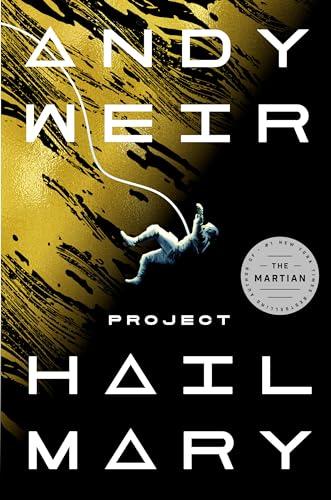
Project Hail Mary
Andy Weir
Mentioned 1 week ago
Selects: The First Road Trip
If you've ever wanted to know about champagne, satanism, the Stonewall Uprising, chaos theory, LSD, El Nino, true crime and Rosa Parks, then look no further. Josh and Chuck have you covered.
Recently mentioned
Andy Weir
Mentioned 1 week ago
Selects: The First Road Trip
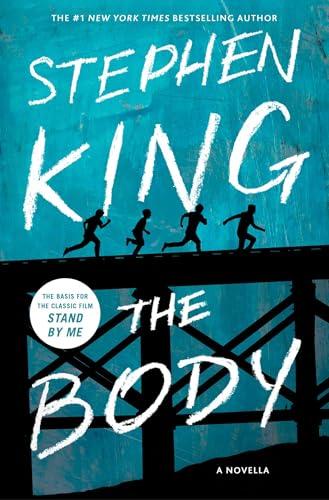
Stephen King
Mentioned 1 week ago
Selects: The First Road Trip
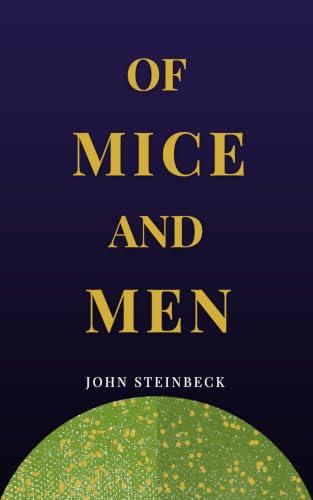
John Steinbeck
Mentioned 2 weeks ago
Kola: The World’s Deepest Hole

STEINBECK JOHN
Mentioned 2 weeks ago
Kola: The World’s Deepest Hole
Bethany McLean
Mentioned 3 weeks ago
Selects: How Enron Fooled the World

Fyodor Dostoevsky
Mentioned 3 weeks ago
Short Stuff: Why does it feel good to be scared?
Eleanor Johnson
Mentioned 3 weeks ago
Short Stuff: Why does it feel good to be scared?
John Kennedy Toole
Mentioned 4 weeks ago
Some Interesting Curses

Mordecai RICHLER
Mentioned 4 weeks ago
Some Interesting Curses
Michael Crichton
Mentioned 1 month ago
The Stuff You Should Know Doin’ Science Playlist: How Chaos Theory Changed the Universe
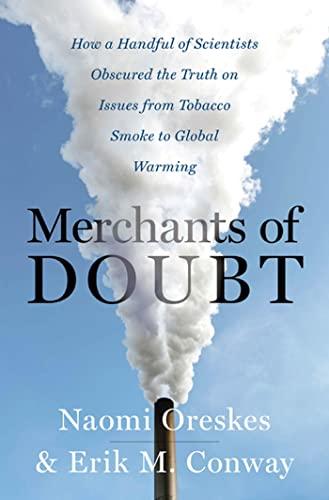
Naomi Oreskes
Mentioned 1 month ago
How Global Warming Works
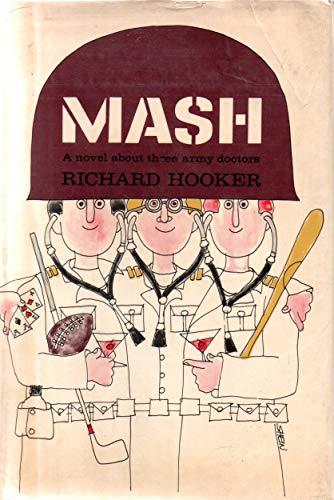
Richard Hooker
Mentioned 1 month ago
M*A*S*H: The Story of the 4077th
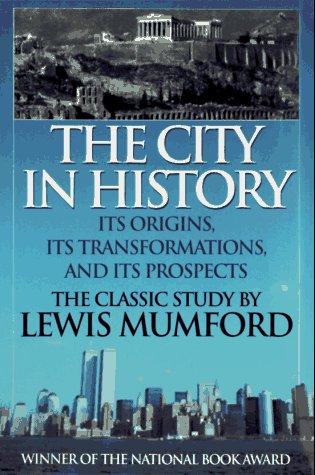
Its Origins, Its Transformations, and Its Prospects
It was mentioned as a source for the misconception that vomitoria were used for purging after overeating. The authors felt that he should have known better, as a historian, than to make such an inaccurate claim.
He was a historian, he was a critic, he should have known better.
— Episode: Short Stuff: Vomitoria
It was mentioned as a source for the misconception that vomitoria were used for purging after overeating. The authors felt that he should have known better, as a historian, than to make such an inaccurate claim.
He was a historian, he was a critic, he should have known better.
He did not do his research apparently had been reading Al Dewey's Huxley and just basically cited it as fact in one of his books, The City and History.
And he full on defined it as where you overeat and you go and make yourself throw up.
And he just made that up.
He has zero excuse Lewis Mumford does.
It was mentioned as a source for the false claim that vomitoria were used for purging after large meals in ancient Rome. Lewis Mumford is criticised for not doing proper research on the topic.
He did not do his research apparently had been reading Al Dewey's Huxley and just basically cited it as fact in one of his books, The City and History.
And he full on defined it as where you overeat and you go and make yourself throw up.
And he just made that up.
It was cited as an example of the misconception that vomitoria were places for ancient Romans to induce vomiting after meals, which the author claimed as fact despite it not being true.
he should have known better. He did not do his research apparently had been reading Al Dewey's Huxley and just basically cited it as fact in one of his books, The City and History.
And he full on defined it as where you overeat and you go and make yourself throw up.
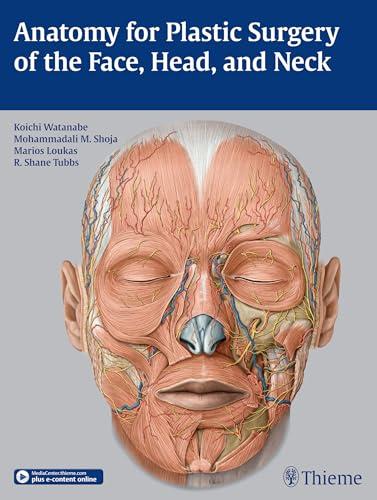
It was written by Harold Gillies, and was described as showing how far plastic surgery had come during WWI, but also its limitations at the time.
He ended up writing a book called A Plastic Surgery of the Face.
— Episode: What were war masks?
It was written by Harold Gillies, and was described as showing how far plastic surgery had come during WWI, but also its limitations at the time.
He ended up writing a book called A Plastic Surgery of the Face.
And if you look at this book, and this article rightfully points out, it really demonstrates how far they had come and what they were able to do, but also what they weren't able to do at all at the same time.
It was written by Harold Gillies, who discussed the immense increase in patients with horrific facial injuries and how it propelled the field of plastic surgery forward.
He ended up writing a book called A Plastic Surgery of the Face.
And if you look at this book, and this article rightfully points out, it really demonstrates how far they had come and what they were able to do, but also what they weren't able to do at all at the same time.
It was written by Harold Gillies, and highlighted the advancements in plastic surgery during WWI, showcasing what was possible but also the limitations of the time.
And he ended up writing a book called A Plastic Surgery of the Face.
And if you look at this book, and this article rightfully points out, it really demonstrates how far they had come and what they were able to do, but also what they weren't able to do at all at the same time.
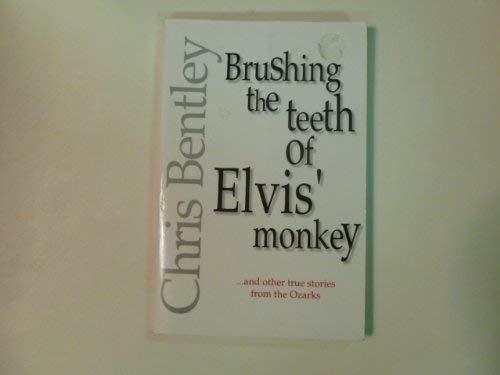
--and other true stories from the Ozarks
The hosts received a copy of the book as a gift from a listener, along with a letter from Nurse Beth.
We got a copy of the book brushing the teeth of Elvis's monkey and a nice letter from Nurse Beth so thank you for that.
— Episode: SYSK Selects: How Grief Works
The hosts received a copy of the book as a gift from a listener, along with a letter from Nurse Beth.
We got a copy of the book brushing the teeth of Elvis's monkey and a nice letter from Nurse Beth so thank you for that.
It was mentioned as a book that was sent to the podcast hosts as a gift, likely from a listener or fan.
We got a copy of the book brushing the teeth of Elvis's monkey and a nice letter from Nurse Beth so thank you for that.
It was mentioned as a book that was sent to the hosts of the podcast as a gift from a fan, Nurse Beth.
We got a copy of the book brushing the teeth of Elvis's monkey and a nice letter from Nurse Beth so thank you for that.
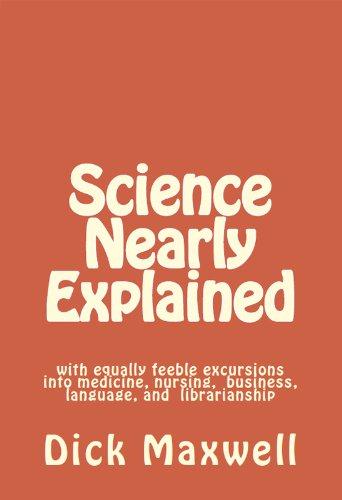
The hosts mentioned this book as a gift from a listener; it's available on Amazon and Kindle.
Science Nearly Explained by Dick Maxwell and that is on Amazon and Kindle
— Episode: SYSK Selects: How Grief Works
The hosts mentioned this book as a gift from a listener; it's available on Amazon and Kindle.
Science Nearly Explained by Dick Maxwell and that is on Amazon and Kindle
The podcast host mentioned that it was available on Amazon and Kindle, which implies it was a published book that was sent to them.
Science Nearly Explained by Dick Maxwell and that is on Amazon and Kindle
It was mentioned as a book that was available on Amazon and Kindle, implying it may have been a paperback or hardcover book.
Science Nearly Explained by Dick Maxwell and that is on Amazon and Kindle
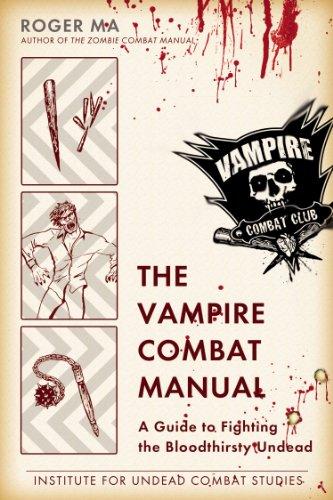
A Guide to Fighting the Bloodthirsty Undead
The hosts received this book as a gift from Roger Ma, who had previously sent them the 'Zombie Combat Manual'.
The Vampire Combat Manual from our buddy Roger Ma who sent us the Zombie Combat Manual and I imagine pretty soon we're going to have a Werewolf Combat Manual
— Episode: SYSK Selects: How Grief Works
The hosts received this book as a gift from Roger Ma, who had previously sent them the 'Zombie Combat Manual'.
The Vampire Combat Manual from our buddy Roger Ma who sent us the Zombie Combat Manual and I imagine pretty soon we're going to have a Werewolf Combat Manual
It was sent as a gift to the podcast along with the Zombie Combat Manual, and the hosts speculated on the possibility of a Werewolf Combat Manual in the future.
The Vampire Combat Manual from our buddy Roger Ma who sent us the Zombie Combat Manual and I imagine pretty soon we're going to have a Werewolf Combat Manual
It was sent as a gift to the podcast hosts by Roger Ma, who previously gifted them the Zombie Combat Manual. It was possibly a paperback or hardcover book.
The Vampire Combat Manual from our buddy Roger Ma who sent us the Zombie Combat Manual
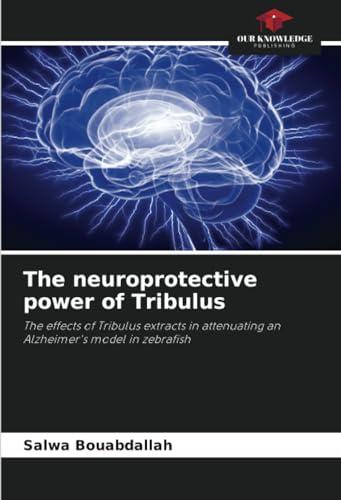
The effects of Tribulus extracts in attenuating an Alzheimer's model in zebrafish
The hosts received this children's book, a graphic novel, as a gift from the Antoniak brothers.
and Trunculus which is a children's book from Sean Antoniak and Matthew Antoniak That's sweet. That was like a graphic novel.
— Episode: SYSK Selects: How Grief Works
The hosts received this children's book, a graphic novel, as a gift from the Antoniak brothers.
and Trunculus which is a children's book from Sean Antoniak and Matthew Antoniak That's sweet. That was like a graphic novel.
The hosts described it as a children's graphic novel that was sent as a gift.
and Trunculus which is a children's book from Sean Antoniak and Matthew Antoniak That's sweet. That was like a graphic novel.
It was sent to the podcast hosts as a gift, likely a children's book with graphics, possibly a paperback or hardcover book.
and Trunculus which is a children's book from Sean Antoniak and Matthew Antoniak
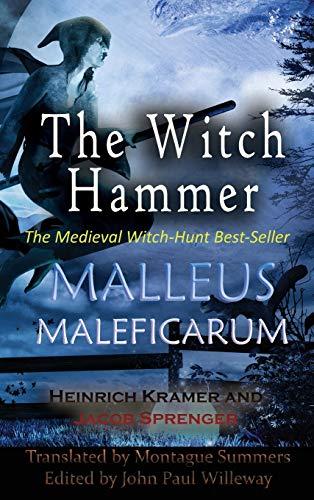
It was mentioned as a book where epilepsy was linked to witchcraft or demonic possession, potentially influencing accusations against individuals in villages.
Right and that witch thing, it was in the Malepheus Malifikarum.
— Episode: How Epilepsy Works
It was mentioned as a book where epilepsy was linked to witchcraft or demonic possession, potentially influencing accusations against individuals in villages.
Right and that witch thing, it was in the Malepheus Malifikarum.
It was mentioned as a 'witch finder's handbook' that associated epilepsy with witchcraft and demonic possession, further contributing to the stigma.
Right and that witch thing, it was in the Malepheus Malifikarum.
The witch finder's handbook.
It was basically in there and either if you had epilepsy you were a witch or you were possessed by a demon or in some cases you could be possessed by like an angel or something like that but more often than not it was like a negative thing, like a negative spirit possessed you or you were under the influence of a witch.
It was mentioned as a witch finder's handbook that included epilepsy as a sign of witchcraft or demonic possession.
Right and that witch thing, it was in the Malepheus Malifikarum.
The witch finder's handbook.
It was basically in there and either if you had epilepsy you were a witch or you were possessed by a demon or in some cases you could be possessed by like an angel or something like that but more often than not it was like a negative thing, like a negative spirit possessed you or you were under the influence of a witch.
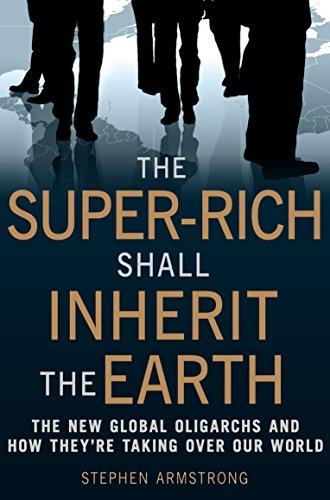
The New Global Oligarachs and How They're Taking Over our World
It was reviewed on the podcast as a book about jellyfish blooms, or the phenomena of large numbers of jellyfish appearing in one place at once.
It's called They're Taking Over.
— Episode: SYSK Selects: Jellyfish - Even Cooler Th...
It was reviewed on the podcast as a book about jellyfish blooms, or the phenomena of large numbers of jellyfish appearing in one place at once.
It's called They're Taking Over.
And it was a New York Review of Books article on it.
Well, it reviewed a book on jellyfish.
It was mentioned as an article that reviewed a book on jellyfish blooms, which are when large numbers of jellyfish appear in a specific area.
It's called They're Taking Over. And it was a New York Review of Books article on it. Well, it reviewed a book on jellyfish.
It was mentioned as an article from the New York Review of Books that reviewed a book about jellyfish blooms, specifically when there are massive numbers of jellyfish in one area.
It's called They're Taking Over.
And it was a New York Review of Books article on it.
Well, it reviewed a book on jellyfish.
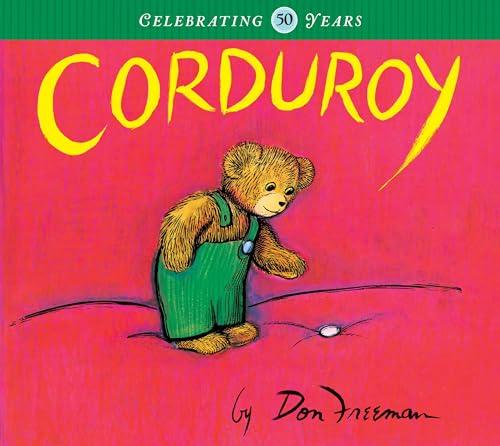
It was mentioned as a children's book that one of the hosts enjoyed as a child, and his mother created corduroy clothing items for a teddy bear based on the book.
I have a pretty great Corduroy the bear history, which was I loved that book a lot as a kid.
— Episode: Short Stuff: Corduroy
It was mentioned as a children's book that one of the hosts enjoyed as a child, and his mother created corduroy clothing items for a teddy bear based on the book.
I have a pretty great Corduroy the bear history, which was I loved that book a lot as a kid.
I was aware of it, but I think it was a little ahead of my time.
I think it was ahead of my time too. I mean, I think it predates me, but I love the story and my mom made, she got a teddy bear that looked kind of like Corduroy and made him little Corduroy overalls and shorts and what was missing a button.
It was mentioned as a children's book that the host enjoyed as a child, and he also recalled his mother making a teddy bear overalls and shorts out of corduroy.
I have a pretty great Corduroy the bear history, which was I loved that book a lot as a kid.
I was aware of it, but I think it was a little ahead of my time.
I think it was ahead of my time too. I mean, I think it predates me, but I love the story and my mom made, she got a teddy bear that looked kind of like Corduroy and made him little Corduroy overalls and shorts and what was missing a button.
It was discussed that one of the hosts had fond memories of the book as a child and how his mother had made a teddy bear clothes for a teddy bear that looked like Corduroy.
I loved that book a lot as a kid.
I was aware of it, but I think it was a little ahead of my time.
I think it was ahead of my time too.

Tools, Tips, Tricks, & Techniques For Group 2 Mechanical Safe Manipulation
It was mentioned as a detailed resource for those interested in learning about how to manipulate safes, particularly regarding safecracking techniques.
And I would also shout out another site that went even deeper, like David Reiss does. And they like really explain how to manipulate safes. It's called Opening Safes by Manipulation by Gail Johnson on...
— Episode: How Safecracking Works
It was mentioned as a detailed resource for those interested in learning about how to manipulate safes, particularly regarding safecracking techniques.
And I would also shout out another site that went even deeper, like David Reiss does. And they like really explain how to manipulate safes. It's called Opening Safes by Manipulation by Gail Johnson on locksmithledger.com.
It was described as a very detailed book about how to manipulate safes, which was mentioned as a resource for those interested in the topic, although it was never explicitly read from or summarized.
And they like really explain how to manipulate safes. It's called Opening Safes by Manipulation by Gail Johnson on locksmithledger.com.
It was described as the most detailed explanation of how to manipulate safes, and was mentioned by name and URL. It was praised for its level of detail.
And I would also shout out another site that went even deeper, like David Reiss does. And they like really explain how to manipulate safes. It's called Opening Safes by Manipulation by Gail Johnson on locksmithledger.com.
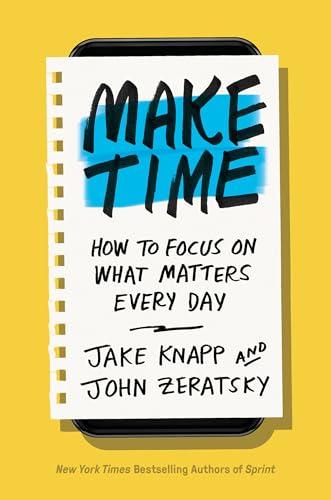
How to Focus on What Matters Every Day
It was mentioned that Steve Taylor wrote a book called Making Time with a theory about how familiarity with life's experiences makes time seem to go faster.
What about this guy Steve Taylor who wrote a book called Making Time.
— Episode: Short Stuff: Why Does Time Speed Up As Y...
It was mentioned that Steve Taylor wrote a book called Making Time with a theory about how familiarity with life's experiences makes time seem to go faster.
What about this guy Steve Taylor who wrote a book called Making Time.
He has a theory that basically because we become more familiar with everything as we go by not only are there fewer experiences new experiences to be had, but the experiences that we have over and over again become so familiar to us they barely even register when they do happen.
It was mentioned that the author believes our familiarity with the world, and the lack of new experiences, leads to time seeming to pass more quickly as we age.
What about this guy Steve Taylor who wrote a book called Making Time.
He has a theory that basically because we become more familiar with everything as we go by not only are there fewer experiences new experiences to be had, but the experiences that we have over and over again become so familiar to us they barely even register when they do happen.
It was mentioned as presenting the theory that as we become more familiar with everything, we process less new information, leading to time seeming to pass more quickly.
What about this guy Steve Taylor who wrote a book called Making Time?
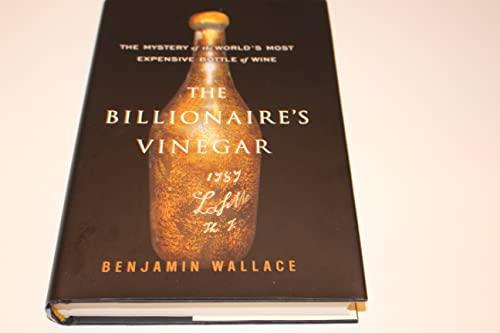
The Mystery of the World's Most Expensive Bottle of Wine
It was mentioned as a book about the Thomas Jefferson wine fraud case, and that it was being adapted into a movie starring Matthew McConaughey.
There's a book called The Billionaire's Vinegar about this, about the Jefferson wines. So interesting. They're making it into a movie with McConaughey of course.
— Episode: SYSK Selects: How Wine Fraud Works
It was mentioned as a book about the Thomas Jefferson wine fraud case, and that it was being adapted into a movie starring Matthew McConaughey.
There's a book called The Billionaire's Vinegar about this, about the Jefferson wines. So interesting. They're making it into a movie with McConaughey of course.
And it was about the famous Jefferson wines.
It was mentioned as a book about the Jefferson wine fraud case, and that it's being made into a film with Matthew McConaughey.
There's a book called The Billionaire's Vinegar about this, about the Jefferson wines. So interesting. They're making it into a movie with McConaughey of course.
It was mentioned as a book about the Jefferson wine fraud case, specifically the Hardy Rodenstock aspect, and is being adapted into a movie with Matthew McConaughey.
There's a book called The Billionaire's Vinegar about this, about the Jefferson wines. So interesting. They're making it into a movie with McConaughey of course.

A novel (Faye's Revenge)
It was discussed in the context of the history of anorexia nervosa, published in 1978, and it explored the enigma of the disorder.
In 1978, there was a very popular book published by Hildebrot Bruch, The Golden Cage, colon, the Enigma of Anorexia Nervosa.
— Episode: How Anorexia and Bulimia Work
It was discussed in the context of the history of anorexia nervosa, published in 1978, and it explored the enigma of the disorder.
In 1978, there was a very popular book published by Hildebrot Bruch, The Golden Cage, colon, the Enigma of Anorexia Nervosa.
She concluded that the reason for anorexia was that teenagers were afraid of becoming teenagers.
It was a popular book published in 1978 that discussed the enigma of anorexia nervosa. It was mentioned alongside Karen Carpenter as a big factor in bringing anorexia to prominence in the US.
In 1978, there was a very popular book published by Hildebrot Bruch, The Golden Cage, colon, the Enigma of Anorexia Nervosa.
It was published in 1978 and discussed anorexia nervosa, which was mentioned as a book relevant to the topic and the history of the eating disorder.
In 1978, there was a very popular book published by Hildebrot Bruch, The Golden Cage, colon, the Enigma of Anorexia Nervosa.
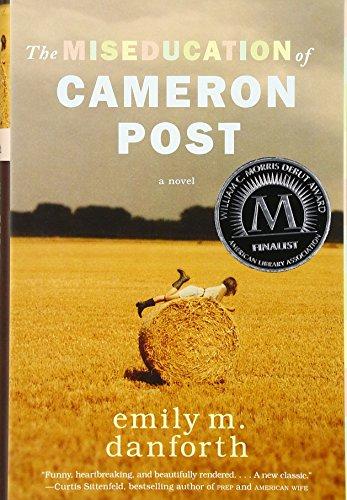
It was mentioned as a 2012 novel that was later adapted into a 2018 film about a girl who undergoes conversion therapy and stars Chloe Grace Moretz.
There's a movie I haven't seen yet called 'The Miseducation of Cameron Post'. It's a 2018 film from the 2012 novel by Emily Danforth.
— Episode: How Conversion Therapy Doesn't Work
It was mentioned as a 2012 novel that was later adapted into a 2018 film about a girl who undergoes conversion therapy and stars Chloe Grace Moretz.
There's a movie I haven't seen yet called 'The Miseducation of Cameron Post'. It's a 2018 film from the 2012 novel by Emily Danforth.
It was mentioned as a 2018 film based on a 2012 novel, that explores a girl undergoing conversion therapy.
There's a movie I haven't seen yet called 'The Miseducation of Cameron Post'. It's a 2018 film from the 2012 novel by Emily Danforth.
It was mentioned as a 2018 film based on a 2012 novel about a girl who is subjected to conversion therapy. It stars Chloe Grace Moretz, who was also briefly discussed.
There's a movie I haven't seen yet called 'The Miseducation of Cameron Post'. It's a 2018 film from the 2012 novel by Emily Danforth.
It's about a girl who undergoes conversion therapy and it's Chloe Grace Moritz. You know her?
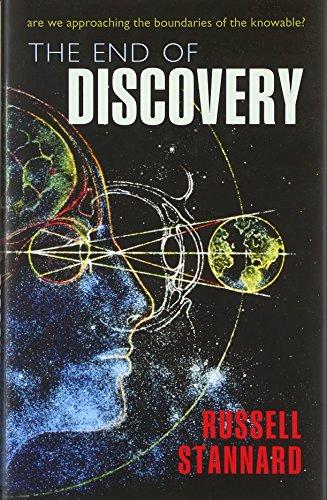
Are We Approaching the Boundaries of the Knowable?
It was discussed that the book suggests that human brains may have limitations in what they can understand and discover, eventually hitting a point where no more discoveries can be made.
And basically he's saying that we're in a transient age of human development, right? Where we're past the point where we figured out you can put a handle on a rock and make it an axe.
— Episode: SYSK Selects: Have all the good ideas al...
It was discussed that the book suggests that human brains may have limitations in what they can understand and discover, eventually hitting a point where no more discoveries can be made.
And basically he's saying that we're in a transient age of human development, right? Where we're past the point where we figured out you can put a handle on a rock and make it an axe.
But we're right before the point where we can no longer make discoveries not because we've understood everything or figured everything out but because we've reached the limits of what is knowable for the human brain.
It was mentioned that the book discusses the idea that humanity may be approaching a point where it can no longer make major scientific discoveries, not due to understanding everything, but rather reaching the limitations of the human brain's capacity to know.
And basically he's saying that we're in a transient age of human development, right? Where we're past the point where we figured out you can put a handle on a rock and make it an axe.
But we're right before the point where we can no longer make discoveries not because we've understood everything or figured everything out but because we've reached the limits of what is knowable for the human brain.
But even that, look at that part of the right hemisphere that developed and allowed us to put the axe handle on. Who's to say that our brain won't, that we won't reach that point where we can't know anything any longer or we can't know everything and then we evolve even further and all of a sudden we're even better at understanding our world.
from the mid-nineteenth century they said that a lot of people in science said you know we've kind of debunked religion and philosophy and all these things with scientific discovery.
But he points out, and I agree, that even if you figure out all the problems of science which will never happen, there's still human life and consciousness and the subjectivity of what goes on inside a person's head. You're never going to solve that's not solvable.
It was discussed as a book that suggests humans have reached the limit of what is knowable by the human brain, implying that there may be no more major discoveries to be made.
And basically he's saying that we're in a transient age of human development, right? Where we're past the point where we figured out you can put a handle on a rock and make it an axe. But we're right before the point where we can no longer make discoveries not because we've understood everything or figured everything out but because we've reached the limits of what is knowable for the human brain.
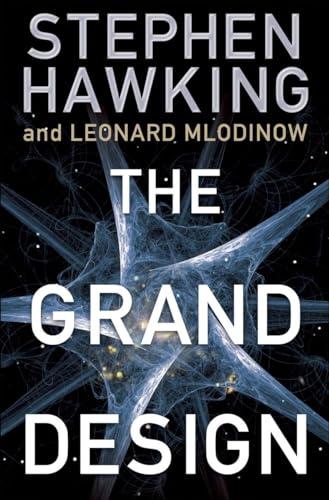
It was mentioned that the book proposes that a 'family of interconnected theories' might better explain the universe, rather than a single 'theory of everything'.
They have a new book called The Grand Design, and they are now saying that, I think scientists used to say, you're going to find the theory of everything. Now they're saying, you know...
— Episode: SYSK Selects: Have all the good ideas al...
It was mentioned that the book proposes that a 'family of interconnected theories' might better explain the universe, rather than a single 'theory of everything'.
They have a new book called The Grand Design, and they are now saying that, I think scientists used to say, you're going to find the theory of everything. Now they're saying, you know what? We're probably not going to find the theory of everything, but it's probably going to be more like what they call, quote,
It was discussed that this book suggests the possibility that a 'theory of everything' might not be achievable, and instead, a 'family of interconnected theories' may better describe the universe under specific conditions, a shift from Hawking's prior support for a single unifying theory.
They have a new book called The Grand Design, and they are now saying that, I think scientists used to say, you're going to find the theory of everything. Now they're saying, you know what? We're probably not going to find the theory of everything, but it's probably going to be more like what they call, quote,
a family of interconnected theories which describe your reality under very specific conditions.
and then marries it with quantum mechanics to explain everything. That's the theory of everything. It's one theory that explains everything, right?
But the thing that really scares a physicist, that will scare any physicist is this. Are those models that we've come up with, are they how the universe actually works or how we look at the universe and see how it works?
It was mentioned as a book by Stephen Hawking and Leonard Mlodinow, suggesting a shift from seeking a theory of everything to a family of interconnected theories to explain the universe under specific conditions.
They have a new book called The Grand Design, and they are now saying that, I think scientists used to say, you're going to find the theory of everything. Now they're saying, you know what? We're probably not going to find the theory of everything, but it's probably going to be more like what they call, quote, a family of interconnected theories which describe your reality under very specific conditions.
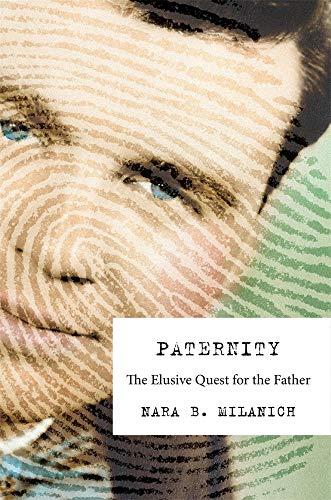
The Elusive Quest for the Father
It was discussed in relation to the history of paternity testing and the various methods tried throughout history, including pseudoscientific ones.
a very smart person named Nera Milonich, who's a history professor at Barnard College, has authored a book called Paternity, colon, The Elusive Quest for the Father, where it really
— Episode: Short Stuff: The History of Paternity Te...
It was discussed in relation to the history of paternity testing and the various methods tried throughout history, including pseudoscientific ones.
a very smart person named Nera Milonich, who's a history professor at Barnard College, has authored a book called Paternity, colon, The Elusive Quest for the Father, where it really
It was discussed as a book about the history of paternity, which covered a lot of pseudoscience and quackery used before genetic testing became available.
a very smart person named Nera Milonich, who's a history professor at Barnard College, has authored a book called Paternity, colon, The Elusive Quest for the Father, where it really, and Dave Ruse, our old pal, wrote this article.
It was discussed as a book that delved into the history of paternity testing, highlighting the various methods used before genetic testing became available.
a very smart person named Nera Milonich, who's a history professor at Barnard College, has authored a book called Paternity, colon, The Elusive Quest for the Father, where it really

It was mentioned as a book from 1927 that, while fictional, helped establish the idea that devil worship could be a real thing in the public imagination, which became a recurring theme throughout the Satanic Panic era.
There was one in 1927 by Herbert Gorman called The place called Dagon which was very influential and radical at the time.
— Episode: SYSK Selects: The 'Satanic Panic' of the...
It was mentioned as a book from 1927 that, while fictional, helped establish the idea that devil worship could be a real thing in the public imagination, which became a recurring theme throughout the Satanic Panic era.
There was one in 1927 by Herbert Gorman called The place called Dagon which was very influential and radical at the time.
Complete fiction of course but that doesn't stop it from establishing former roots that this could be a thing.
What's interesting is you can trace it back to initially that book The place called Dagon which inspired H.P. Lovecraft.
It was mentioned as a 1927 book that was very influential and radical at the time, and established the foundation for the idea that satanism could be a real thing, although it was entirely fiction.
There was one in 1927 by Herbert Gorman called The place called Dagon which was very influential and radical at the time.
Complete fiction of course but that doesn't stop it from establishing former roots that this could be a thing.
What's interesting is you can trace it back to initially that book The place called Dagon which inspired H.P. Lovecraft.
It was mentioned as a 1927 book that was very influential and radical at the time, being completely fictional but laying groundwork for the idea that Satanism could be a real thing.
There was one in 1927 by Herbert Gorman called The place called Dagon which was very influential and radical at the time.
Complete fiction of course but that doesn't stop it from establishing former roots that this could be a thing.
What's interesting is you can trace it back to initially that book The place called Dagon which inspired H.P. Lovecraft.
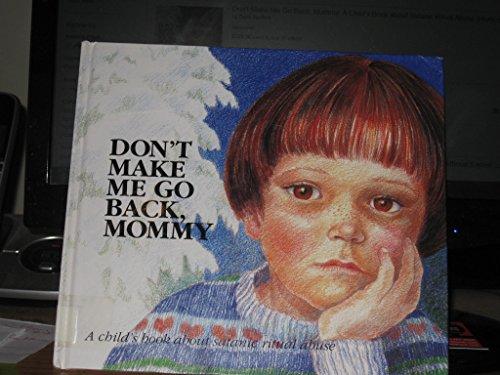
A Child's Book about Satanic Ritual Abuse (Hurts of Childhood Series)
It was a children's picture book about satanic ritual abuse from 1990, which was used in some therapy sessions and potentially to influence children's testimonies in court cases during the Satanic Panic.
There was a book in 1990, a children's picture book called Don't Make Me Go Back, Mommy, Colin, a child's book about satanic ritual abuse.
— Episode: SYSK Selects: The 'Satanic Panic' of the...
It was a children's picture book about satanic ritual abuse from 1990, which was used in some therapy sessions and potentially to influence children's testimonies in court cases during the Satanic Panic.
There was a book in 1990, a children's picture book called Don't Make Me Go Back, Mommy, Colin, a child's book about satanic ritual abuse.
Yeah, to read to your children. Or if you were a therapist to use in therapy.
It was a children's book about satanic ritual abuse, published in 1990. It was used by therapists to help them gain information in therapy sessions about repressed memories.
There was a book in 1990, a children's picture book called Don't Make Me Go Back, Mommy, Colin, a child's book about satanic ritual abuse.
Yeah, to read to your children. Or if you were a therapist to use in therapy.
It was a children's picture book published in 1990 that covered the topic of satanic ritual abuse, likely for the purpose of educating children or using during therapy sessions.
There was a book in 1990, a children's picture book called Don't Make Me Go Back, Mommy, Colin, a child's book about satanic ritual abuse.
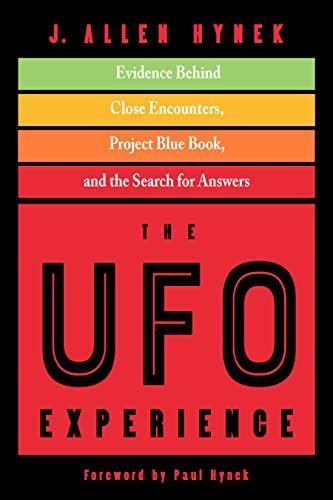
Evidence Behind Close Encounters, Project Blue Book, and the Search for Answers (MUFON)
It was mentioned as a book that Hynek wrote after he switched sides from a skeptic to a believer in UFOs, essentially founding ufology.
He said everything was negative and unyielding in their attitude. Everything had to have an explanation. And I began to resent that even though I basically felt the same way I thought they weren't goi...
— Episode: How Project Blue Book Worked, Pt II
It was mentioned as a book that Hynek wrote after he switched sides from a skeptic to a believer in UFOs, essentially founding ufology.
He said everything was negative and unyielding in their attitude. Everything had to have an explanation. And I began to resent that even though I basically felt the same way I thought they weren't going about it in the right way.
He just completely basically switched sides and said there's a lot of stuff that we can't explain. Here's all these, you know, all this experience that I have investigating these things. Let's go forward and figure this out.
It was discussed as the book that founded ufology, written by a man who had gone from a skeptic to a believer in the field of UFOs, having a change of heart over time.
He said everything was negative and unyielding in their attitude. Everything had to have an explanation. And I began to resent that even though I basically felt the same way I thought they weren't going about it in the right way.
He just completely basically switched sides and said there's a lot of stuff that we can't explain. Here's all these, you know, all this experience that I have investigating these things. Let's go forward and figure this out.
It was mentioned as the book that founded ufology, written by the investigator who eventually changed his perspective from skeptic to believer in the existence of unexplainable phenomena.
He said everything was negative and unyielding in their attitude. Everything had to have an explanation. And I began to resent that even though I basically felt the same way I thought they weren't going about it in the right way.
He just completely basically switched sides and said there's a lot of stuff that we can't explain. Here's all these, you know, all this experience that I have investigating these things. Let's go forward and figure this out.
Note: The book recommendations on this page are discovered automatically from podcast transcripts, and may be incorrect or incomplete.
Podcast Name