Podcast
StarTalk Radio
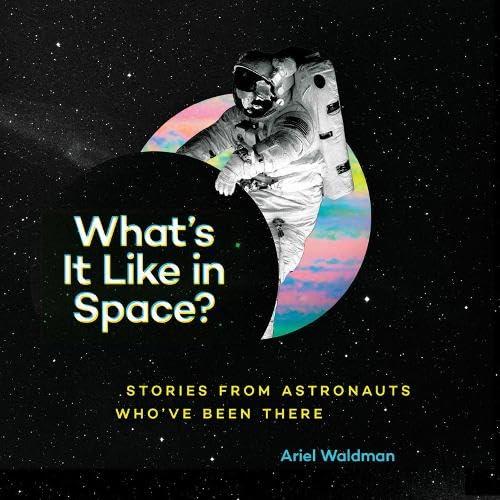
It was written after interviewing a dozen astronauts and researching historical interviews, and explored the varied experiences astronauts had in space, some positive and others more challenging.
And the thing that I loved is that, you know, space exploration is very slowly becoming more accessible but extremely slowly.
— Episode: StarTalk Live! Citizen Science from San...
Episode: StarTalk Live! Citizen Science from San Francisco...
It was written after interviewing a dozen astronauts and researching historical interviews, and explored the varied experiences astronauts had in space, some positive and others more challenging.
And the thing that I loved is that, you know, space exploration is very slowly becoming more accessible but extremely slowly.
And the thing I loved the most was just getting to hear that not everyone has the same sort of experience in space.
Some people are talking about how, you know, they have to work on managing their mood a lot day to day and some people... Managing their mood.
And I think the more we can do that, the more we can really show how space exploration is for everyone and you don't have to fit into a certain mold.
It's the stories that are kind of more embarrassing and awkward and silly and fun but sometimes also awe-inspiring as well.
Episode: StarTalk Live! Citizen Science from San Francisco...
It was a book about space travel, filled with stories told by astronauts during interviews and historical research, demonstrating that experiences in space vary widely.
And what you did is interview a bunch of people who've flown in space, yeah?
So I interviewed a dozen astronauts for the book and then I also researched historical interviews with astronauts.
And the thing that I loved is that, you know, space exploration is very slowly becoming more accessible but extremely slowly.
Yeah, and those are some of the stories that I explore in this book.
It's the stories that are kind of more embarrassing and awkward and silly and fun but sometimes also awe-inspiring as well.
Episode: StarTalk Live! Citizen Science from San Francisco...
It documented astronauts' embarrassing, awkward, and silly stories, as well as awe-inspiring ones, while attempting to avoid both the romanticization and the mundane aspects of space travel.
And the thing that I loved is that, you know, space exploration is very slowly becoming more accessible but extremely slowly.
And the thing I loved the most was just getting to hear that not everyone has the same sort of experience in space.
I mean, you know, I think the mundane stories are just kind of... I mean there's stories about how astronauts give each other privacy and you don't have doorknobs in space or anything like that so you can't really put a sock over a doorknob to say, you know, give me some privacy. I'm getting dressed.
And to me, I wanted to sort of cut past both the romanticism of space and the mundane side of space and go into sort of more the silly stories that you tell when you get back from space and are just hanging out with friends.
Yeah, and those are some of the stories that I explore in this book.
Episode: StarTalk Live! Citizen Science from San Francisco...
It was created to document astronaut stories, including embarrassing, awkward, silly, and fun stories as well as inspiring ones, giving a more realistic view of space travel than the romantic or mundane perspectives alone.
And the thing that I loved is that, you know, space exploration is very slowly becoming more accessible but extremely slowly.
And the thing I loved the most was just getting to hear that not everyone has the same sort of experience in space.
I'm saying that, you know, I talked to people who said, you know, when you're in space for a long time, that's really when you're at home and you're relaxed and it's great.
And then I talked to other people who said, you know, long duration spaceflight, I have to worry about, you know, really focusing on not letting my mood drop and not, you know, getting down and not getting frustrated.
And those are some of the stories that I explore in this book.