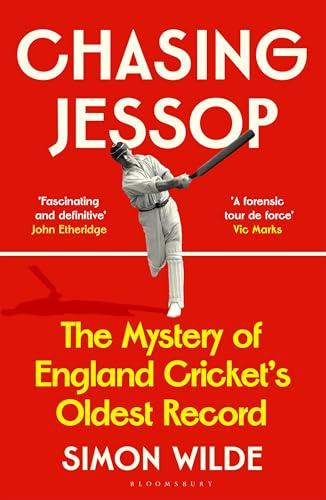
Chasing Jessop
Simon Wilde
Mentioned 7 months ago
The Ashes
History is full of the extraordinary. Each week, we'll transport you back in time to witness history's most incredible moments and remarkable people. New episodes Mondays, or a week early for Noiser+ subscribers. With Noiser+ you'll also get ad-free listening and exclusive content on shows...
Recently mentioned
Simon Wilde
Mentioned 7 months ago
The Ashes
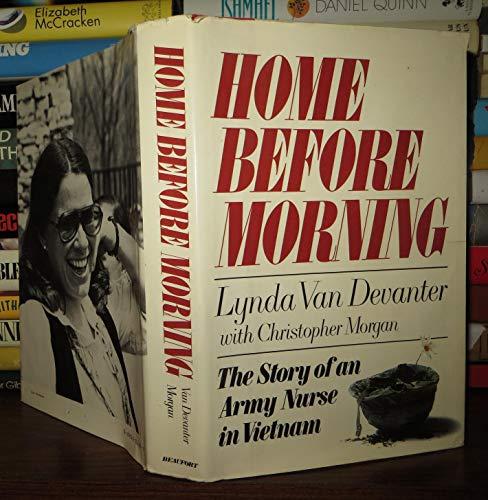
Christopher Van Devanter, Lynn; Morgan
Mentioned 1 year ago
The Vietnam War
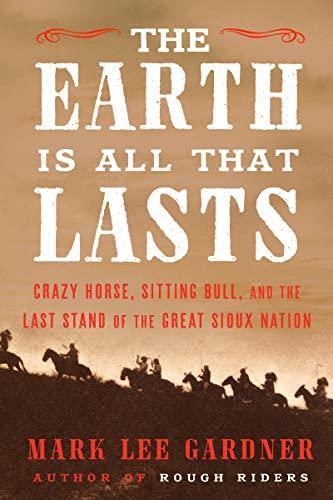
Mark Lee Gardner
Mentioned 1 year ago
Sitting Bull
Tracy Borman
Mentioned 1 year ago
Mary Queen of Scots
Catherine Merridale
Mentioned 1 year ago
The Kremlin
John Sweeney
Mentioned 1 year ago
The Kremlin
Levi Roach
Mentioned 1 year ago
The Normans
Russell Alan Potter
Mentioned 1 year ago
The Northwest Passage
Bryan Ward-Perkins
Mentioned 1 year ago
Constantinople
David Goldblatt
Mentioned 1 year ago
The Modern Olympics
Homer
Mentioned 1 year ago
The Ancient Olympics
Homer
Mentioned 1 year ago
The Ancient Olympics
![[Operation Fortitude] [By: Levine, Joshua] [March, 2012] Cover](https://media.podcastbookpicks.com/books/5693.jpg)
Levine, Joshua] [March, 2012]
The book, Operation Fortitude, the greatest hoax of the Second World War, was mentioned as the author, Joshua Levine, talked about strategic deception. He said that the overall plan was to confuse the enemy on a large scale. It was more complicated and interlinked, and involved tricking the enemy about the entire political and military strategy.
Joshua Levine is the author of Operation Fortitude, the greatest hoax of the Second World War.
— Episode: Introducing: D-Day: The Tide Turns - Epi...
The book, Operation Fortitude, the greatest hoax of the Second World War, was mentioned as the author, Joshua Levine, talked about strategic deception. He said that the overall plan was to confuse the enemy on a large scale. It was more complicated and interlinked, and involved tricking the enemy about the entire political and military strategy.
Joshua Levine is the author of Operation Fortitude, the greatest hoax of the Second World War.
Strategic deception is kind of a step up. Because you're building up this overall plan, which is trying to confuse the enemy on a huge scale.
It's much more complicated, it's much more interlinked, it's much bigger.
You are fooling the enemy about your entire political and military strategy.
John Adams and the Precedents That Forged the Republic
The book discussed the history and significance of Mount Rushmore, especially its status as a sacred site for the Lakota Sioux. It was mentioned by a presidential historian and author.
The Native nations that we are familiar with really started to establish this location as a holy site in the last several millennia.
— Episode: Mount Rushmore
The book discussed the history and significance of Mount Rushmore, especially its status as a sacred site for the Lakota Sioux. It was mentioned by a presidential historian and author.
The Native nations that we are familiar with really started to establish this location as a holy site in the last several millennia.
In 1776, the Lakota people were able to win a definitive victory over the Cheyenne, and they established the Black Hills as one of their holy sites, one of their family territories, and one of the spaces where they commune with their ancestors.
So it really does have enormous emotional significance to them, and it is a place that they fought over valiantly and bravely.
New Edition - Books One & Two
The author, Jonathan Trigg, praised the British for the success of their deception. He described the creation of the US First Army Group, a huge military force that didn't exist, as brilliant.
Jonathan Trigg is the author of D-Day Through German Eyes.
— Episode: Introducing: D-Day: The Tide Turns - Epi...
The author, Jonathan Trigg, praised the British for the success of their deception. He described the creation of the US First Army Group, a huge military force that didn't exist, as brilliant.
Jonathan Trigg is the author of D-Day Through German Eyes.
It was brilliant. Absolutely brilliant.
They created the US First Army Group, this enormous military force that just didn't exist.
The Montgomery Story (King Legacy)
It was King's first book and a memoir of the Montgomery Bus Boycott, which he wrote after delivering his first national address at the Lincoln Memorial.
He also writes his first book, Stride Toward Freedom, a memoir of the Montgomery Bus Boycott.
— Episode: Martin Luther King
It was King's first book and a memoir of the Montgomery Bus Boycott, which he wrote after delivering his first national address at the Lincoln Memorial.
He also writes his first book, Stride Toward Freedom, a memoir of the Montgomery Bus Boycott.
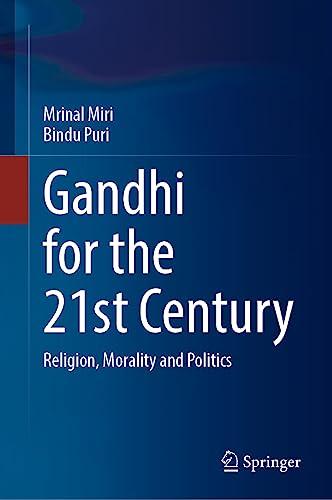
Religion, Morality and Politics
The author, Bindu Puri, is a professor of contemporary Indian philosophy at Jawahalal Nehru University, New Delhi. He discussed how Gandhi, as a young man, felt compelled to lie about eating meat, and how the guilt he felt about this was a significant factor in his later commitment to nonviolence.
He takes up with a boy who convinces him that the English are strong because they eat meat and that's why they have been able to colonize the Indians. So he went to a lonely spot by the river and in s...
— Episode: Mahatma Gandhi
The author, Bindu Puri, is a professor of contemporary Indian philosophy at Jawahalal Nehru University, New Delhi. He discussed how Gandhi, as a young man, felt compelled to lie about eating meat, and how the guilt he felt about this was a significant factor in his later commitment to nonviolence.
He takes up with a boy who convinces him that the English are strong because they eat meat and that's why they have been able to colonize the Indians. So he went to a lonely spot by the river and in secret he had meat. But he couldn't relish it, he had horrible nightmares.
What he found unbearable was the lying to his parents because there was a lot of lying involved. So he wrote a letter to his father and his father on receiving the letter cried.
And when he cried he felt that he learned the first lesson in non-violence. What's that lesson? That love converts and transforms. And therefore his father's weeping transformed him more than any shouting that the father might have done.
All the struggles that he had with desire, with lust are recorded most minutely by him. This kind of a lust had a deep impact on his psyche and the impact you can kind of see happened because of some incident that took place and this was the death of his father.
His father was sick and though he used to look after his father a lot on one occasion his uncle came to relieve him and he went to his wife. He later on really regretted it that I could have been holding the hand of my father when my father passed.
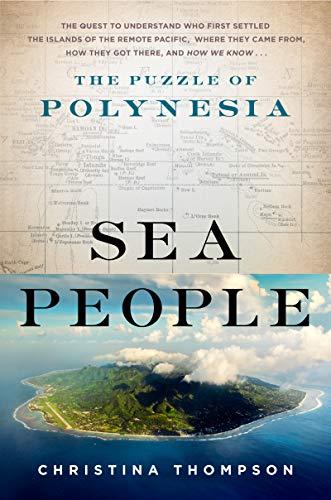
The Puzzle of Polynesia
It was said that the book's author is Dr. Christina Thompson, editor of the Harvard Review and author of the book Sea People, The Puzzle of Polynesia.
Dr. Christina Thompson is editor of the Harvard Review and author of the book Sea People, The Puzzle of Polynesia.
— Episode: Polynesian Exploration
It was said that the book's author is Dr. Christina Thompson, editor of the Harvard Review and author of the book Sea People, The Puzzle of Polynesia.
Dr. Christina Thompson is editor of the Harvard Review and author of the book Sea People, The Puzzle of Polynesia.
This book followed Casino Royale and its release came a year after.
A year after Casino Royale comes Live and Let Die
— Episode: Ian Fleming
This book followed Casino Royale and its release came a year after.
A year after Casino Royale comes Live and Let Die
This book was the only one of Fleming's Bond novels set in the UK.
which itself is followed by Moonraker the only of Fleming's Bond novels to be set in the UK.
— Episode: Ian Fleming
This book was the only one of Fleming's Bond novels set in the UK.
which itself is followed by Moonraker the only of Fleming's Bond novels to be set in the UK.
Also they all had, apart from one actually which is Moonraker they were all based in part or entirely in very glamorous locations
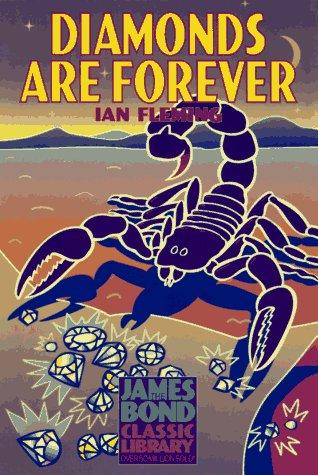
This book was released in 1956, by which time Fleming's home had become a popular retreat for the wealthy and well-connected.
Diamonds Are Forever comes in 1956 by which time the Fleming's home at Golden Eye is a popular retreat for the powerful and the well-connected.
— Episode: Ian Fleming
This book was released in 1956, by which time Fleming's home had become a popular retreat for the wealthy and well-connected.
Diamonds Are Forever comes in 1956 by which time the Fleming's home at Golden Eye is a popular retreat for the powerful and the well-connected.
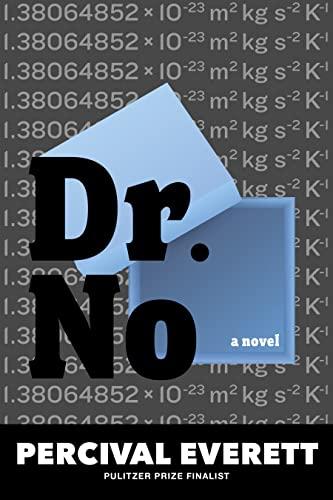
A Novel
This book received more criticism than the previous ones and one reviewer called it the nastiest book they had ever read.
It is his next book, Doctor No, that receives greater criticism.
— Episode: Ian Fleming
This book received more criticism than the previous ones and one reviewer called it the nastiest book they had ever read.
It is his next book, Doctor No, that receives greater criticism.
One review is headlined Sex, Snobbery and Sadism and its author describes Doctor No as the nastiest book I have ever read Bond's sexual aggression and social snobbery and Fleming's recounting of acts of violence are all critiqued.
Other reviewers express similar sentiments but by his own admission Fleming never set out to create a paragon of virtue and he's been a critic of the book Fleming never set out to create a paragon of virtue Fleming was always very open about the fact that Bond shouldn't really be a hero and he didn't write him to be a hero he was meant to be and always has been a deeply flawed character.
Meanwhile, two film producers, Albert R. Broccoli, known as Cubby and Harry Saltzman begin work on bringing Doctor No to cinema screens
Bond has already appeared in an unremarkable television dramatization back in 1954 but this is a project of an entirely different order
Fleming has the suave English actor David Niven in mind for the lead but in the end it goes to a lesser known Scotsman, one Sean Connery
The movie adaptation of Doctor No is released in 1962 and does brisk business at the box office
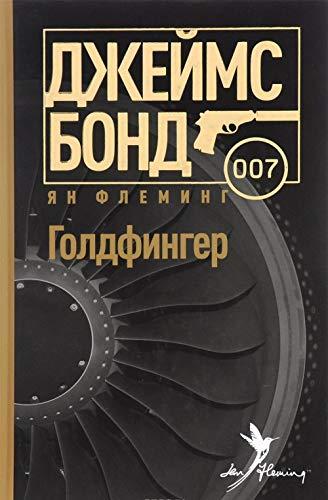
This book was already with publishers when the controversy over Doctor No arose.
His next book, Goldfinger, is already with the publishers by the time of the Doctor No Pylon
— Episode: Ian Fleming
This book was already with publishers when the controversy over Doctor No arose.
His next book, Goldfinger, is already with the publishers by the time of the Doctor No Pylon
This book was a collection of short stories, adapted from outlines for a television series that never happened.
but rather than start a new novel Fleming now adapts a collection of outlines for a television series that never happened into a book of short stories entitled For Your Eyes Only
— Episode: Ian Fleming
This book was a collection of short stories, adapted from outlines for a television series that never happened.
but rather than start a new novel Fleming now adapts a collection of outlines for a television series that never happened into a book of short stories entitled For Your Eyes Only
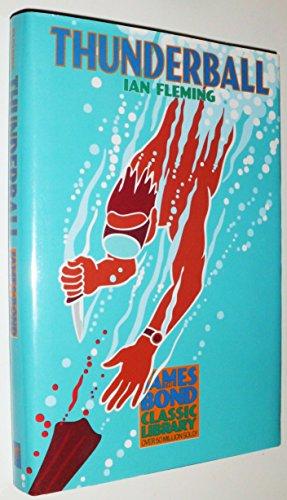
This book was published in 1961, but a major event that year sent James Bond into the stratosphere. President John F. Kennedy mentioned From Russia with Love as one of his favourite books.
Keeping up the book a year schedule in 1961 Thunderball is published but it is another event this year that sends James Bond into the stratosphere
— Episode: Ian Fleming
This book was published in 1961, but a major event that year sent James Bond into the stratosphere. President John F. Kennedy mentioned From Russia with Love as one of his favourite books.
Keeping up the book a year schedule in 1961 Thunderball is published but it is another event this year that sends James Bond into the stratosphere
The dispute is eventually settled out of court
The following year is marked by more ill health including a bout of pleurisy contracted when he's caught in a downpour during a round of golf
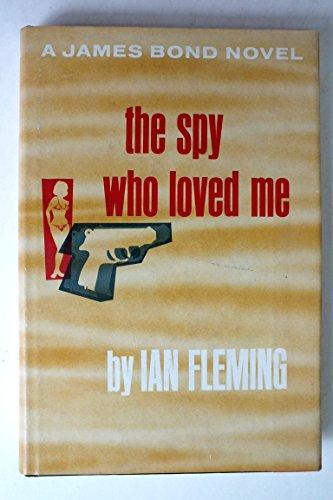
This book was not an instant hit and was banned in several countries.
but Fleming's latest Bond novel The SPY WHO LOVED ME is not the instant hit he hopes for Using the innovation of a female lead narrator its explicit content and attitudes to consent a...
— Episode: Ian Fleming
This book was not an instant hit and was banned in several countries.
but Fleming's latest Bond novel The SPY WHO LOVED ME is not the instant hit he hopes for Using the innovation of a female lead narrator its explicit content and attitudes to consent are unsettling and it's banned in several countries
A James Bond Novel
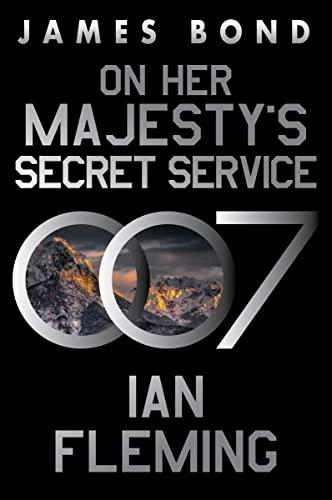
This book was published in 1963 and was more traditionally structured than the previous one, though Fleming was suffering from ill health and a legal battle at this time.
He follows it in 1963 with the more traditionally structured On Her Majesty's Secret Service
— Episode: Ian Fleming
This book was published in 1963 and was more traditionally structured than the previous one, though Fleming was suffering from ill health and a legal battle at this time.
He follows it in 1963 with the more traditionally structured On Her Majesty's Secret Service
A New History of the Aztecs
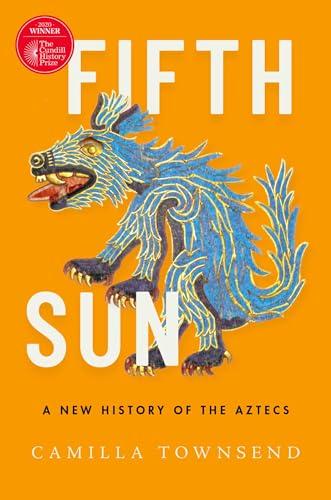
Camilla Townsend, author of "Fifth Sun", was interviewed, discussing the Aztecs and their migration from their ancestral homeland, referred to as "Aztec", which was likely a mythical place. She explained that the Aztecs were among the last major groups of migrants to arrive in central Mexico from the southwestern United States.
Camilla Townsend is the author of Fifth Sun, a new history of the Aztecs.
— Episode: The Aztecs
Camilla Townsend, author of "Fifth Sun", was interviewed, discussing the Aztecs and their migration from their ancestral homeland, referred to as "Aztec", which was likely a mythical place. She explained that the Aztecs were among the last major groups of migrants to arrive in central Mexico from the southwestern United States.
Camilla Townsend is the author of Fifth Sun, a new history of the Aztecs.
Aztecs referred to their ancient homeland, the place that they had migrated from as Aztec, probably it was a mythical place because they had in fact stopped in their migrations and their wanderings of the city of places. If there was one place more than another that had inspired the notion of Aztec, we don't know where it was.
They came down as part of a wave of multiple migrations coming down from the north, from northern Mexico and in fact from what is today the southwestern part of the United States.
There were periods of warfare and drought that drove people out, so pull factors towards central Mexico. That is, central Mexico had been a wealthy land full of farmers and people building pyramids for centuries. There were prior great high cultures there so they had quite a reputation. So when there were problems in the north, warfare, drought often people thought let's go down to the fabled land of the south and the Aztecs or the Mexica were probably the last major group of migrants to arrive in central Mexico from what is today the southwestern United States.
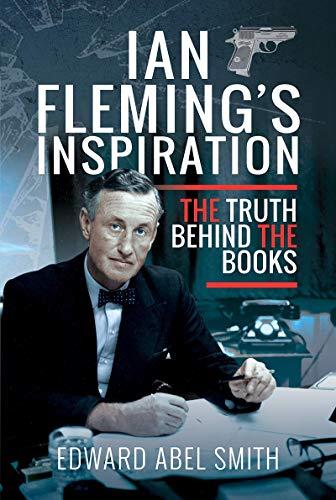
The Truth Behind the Books
This book explores the inspirations behind Ian Fleming's writing and his character.
Edward Abel Smith is author of Ian Fleming's Inspirations, The Truth Behind the Books.
— Episode: Ian Fleming
This book explores the inspirations behind Ian Fleming's writing and his character.
Edward Abel Smith is author of Ian Fleming's Inspirations, The Truth Behind the Books.
He was very homesick. He despised the rules, didn't get on particularly well with any of the teachers, and also was badly bullied by the other children.
How to ditch the rules of religion & discover unrestricted freedom (7 Days to a Life of Limitless Prayer Bundle)
This book details the lives of fourteen individuals who experienced the Battle of the Somme.
Historian Alex Churchill is director of the Great War Group and the author of several books on the war including Som, 141 days, 14 lives and the forthcoming Ring of Fire, a new people's history of the...
— Episode: The Battle of the Somme
This book details the lives of fourteen individuals who experienced the Battle of the Somme.
Historian Alex Churchill is director of the Great War Group and the author of several books on the war including Som, 141 days, 14 lives and the forthcoming Ring of Fire, a new people's history of the world at war, 1914.
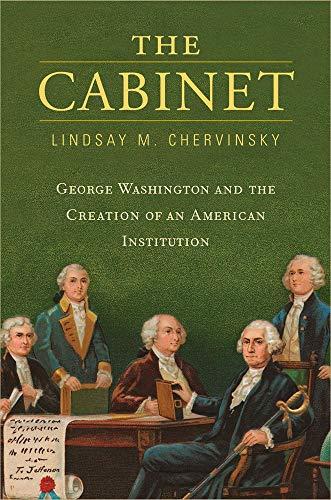
George Washington and the Creation of an American Institution
The book tells the story of George Washington and his creation of the American Cabinet, a vital part of US government.
Dr. Lindsay M. Chavinsky is a presidential historian and author of The Cabinet, George Washington and the creation of an American institution.
— Episode: The Founding Fathers of the US
The book tells the story of George Washington and his creation of the American Cabinet, a vital part of US government.
Dr. Lindsay M. Chavinsky is a presidential historian and author of The Cabinet, George Washington and the creation of an American institution.
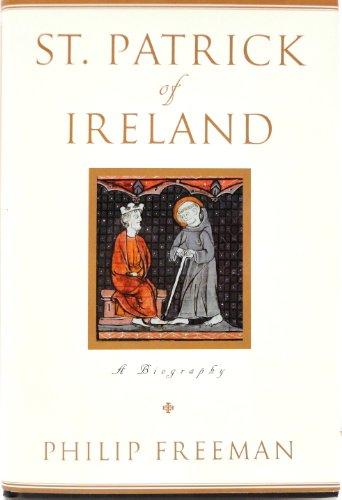
A Biography
The book was mentioned as a biographical resource about St. Patrick, providing insights into his life and works. The author, Philip Freeman, was described as a professor of history at Pepperdine University.
We are so lucky when it comes to St. Patrick we have two documents that he actually wrote himself.
— Episode: St Patrick (Repeat)
The book was mentioned as a biographical resource about St. Patrick, providing insights into his life and works. The author, Philip Freeman, was described as a professor of history at Pepperdine University.
We are so lucky when it comes to St. Patrick we have two documents that he actually wrote himself.
We have two letters that have survived the centuries. This is very rare from this early medieval or period of late antiquity but we have first of all a letter to the soldiers of Caroticus is his first letter.
But then we have a longer letter which is called his confession, his confesio in Latin which is a little bit misleading because it's not a confession in the modern sense.
It's much more of a declaration of his life and his work and his intense.
Of course whenever you have people writing about themselves you have to look at it a little closely. We all tend to be sometimes a little bit dishonest and we try to paint the best picture of ourself but the letters are actually interesting in that aspect too.
Note: The book recommendations on this page are discovered automatically from podcast transcripts, and may be incorrect or incomplete.
Podcast Name