Podcast
On Being with Krista Tippett
Described as a love letter to the next generation, it explores the need for a moral revolution to shift the focus from profit to humanity and the earth, advocating for systemic change from the ground up. It was discussed in relation to moral imagination and practices to build a better world.
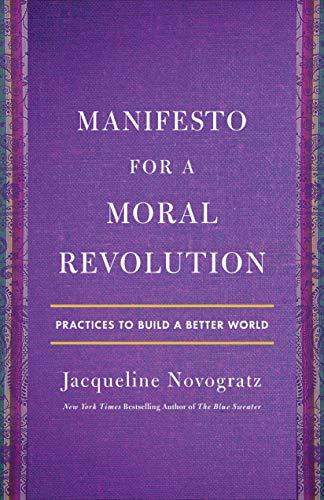
This is at the heart of her book, Manifesto for a Moral Revolution, Practices to Build a Better World.
— Episode: Jacqueline Novogratz — Towards a Moral R...
Episode: Jacqueline Novogratz — Towards a Moral Revolution
Described as a love letter to the next generation, it explores the need for a moral revolution to shift the focus from profit to humanity and the earth, advocating for systemic change from the ground up. It was discussed in relation to moral imagination and practices to build a better world.
This is at the heart of her book, Manifesto for a Moral Revolution, Practices to Build a Better World.
And you talk about you left Rwanda in 1989 for Palo Alto to go to Stanford Business School. The Berlin Wall falls that year, the Soviet Union disintegrates, it's the end of history. I mean, you are a banker and you're remaking banking and capitalism has won.
When I say we need a moral revolution, it's really one that is not dictated from above. But it's a reframe of the system, because we have had a system that has put profit at the center. And what we need to do is shift that to put humanity and the earth at the center.
Jacqueline has described her recent book, Manifesto for a Moral Revolution, as a love letter to the next generation, including young Acumen fellows around the world.
Episode: Jacqueline Novogratz — Towards a Moral Revolution
Described by the author as a love letter to the next generation, it focuses on practices to build a better world and the need for a moral revolution, not dictated from above, but from individuals changing their ways. It was discussed as a response to the inadequacy of simplistic approaches to complex moral questions.
This is at the heart of her book, Manifesto for a Moral Revolution, Practices to Build a Better World.
And so when I say we need a moral revolution, it's really one that is not dictated from above. But it's a reframe of the system, because we have had a system that has put profit at the center. And what we need to do is shift that to put humanity and the earth at the center.
When I think back to that time, and it was really within the course of a month that the Berlin Wall fell and then Jobs got on the stage and said, technology will reshape the world. And both forces did, capitalism and technology did reshape the world and did lift a billion people out of extreme poverty. And at the same time, both forces have left us more unequal, more divided, more divisive, and facing long term, not long term, short term climate catastrophe.
So you've written this book, Manifesto for a Moral Revolution.
Jacqueline has described her recent book, Manifesto for a Moral Revolution, as a love letter to the next generation, including young Acumen fellows around the world.
Episode: [Unedited] Jacqueline Novogratz with Krista Tippet...
It was described as a love letter to the next generation, focusing on moral imagination, revolution, and courage; it explores the complicated road to hard-edged hope, made of patience, kindness, resilience, and grit.
Hard-edged hope made of patience and kindness, resilience and grit.
Investment as a means, not an end, daring to go where markets have failed and aid has fallen short. It makes capital work for us, not control us.
the question is not really how to make people better off, but what does it mean to be a whole human being?
Episode: [Unedited] Jacqueline Novogratz with Krista Tippet...
It was described as a love letter to the next generation; the book discusses moral imagination, moral revolution, and moral courage, and contains the quote: "Hard-edged hope made of patience and kindness, resilience and grit."
Hard-edged hope made of patience and kindness, resilience and grit.
the question is not really how to make people better off, but what does it mean to be a whole human being?
Investment as a means, not an end, daring to go where markets have failed and aid has fallen short. It makes capital work for us, not control us.