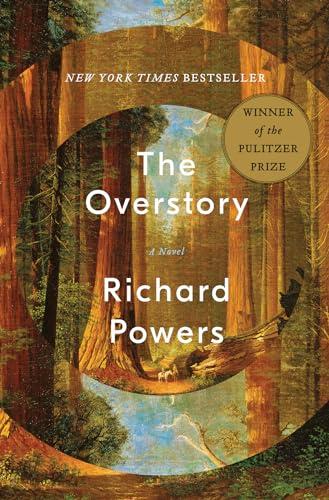
The Overstory
Richard Powers
Mentioned 5 months ago
Weekend Listen: George Saunders Imagines an Oil Exec’s Deathbed
The Big Take from Bloomberg News brings you inside what’s shaping the world's economies with the smartest and most informed business reporters around the world. The context you need on the stories that can move markets. Every afternoon.
Recently mentioned
Richard Powers
Mentioned 5 months ago
Weekend Listen: George Saunders Imagines an Oil Exec’s Deathbed
George Saunders
Mentioned 5 months ago
Weekend Listen: George Saunders Imagines an Oil Exec’s Deathbed
George Saunders
Mentioned 5 months ago
Weekend Listen: George Saunders Imagines an Oil Exec’s Deathbed
Amitav Ghosh
Mentioned 5 months ago
Weekend Listen: George Saunders Imagines an Oil Exec’s Deathbed
George Saunders
Mentioned 5 months ago
Weekend Listen: George Saunders Imagines an Oil Exec’s Deathbed
Michael Lewis
Mentioned 5 months ago
Generic Versions of Weight Loss Drugs Will Upend the Market
Michael Lewis
Mentioned 5 months ago
Generic Versions of Weight Loss Drugs Will Upend the Market
Plato
Mentioned 5 months ago
Weekend Listen: Why the Tech World Is Going Crazy for Claude Code
Lewis Carroll
Mentioned 7 months ago
Wait, Weren’t We Supposed to Have a Recession in 2025?
Lewis Carroll
Mentioned 7 months ago
Wait, Weren’t We Supposed to Have a Recession in 2025?
Mustafa Suleyman
Mentioned 7 months ago
Weekend Listen: The Man Driving Microsoft’s New AI Strategy
Salman Rushdie
Mentioned 7 months ago
Weekend Listen: Salman Rushdie Isn’t Afraid of Free Speech
Inside the Doomsday Machine
The hosts referenced the title as a notable example of Michael Lewis' work that has shaped market narratives, mentioning it alongside Moneyball. Barry Ritholtz and the hosts highlighted its focus on investors who shorted the early‑2000s housing bubble and noted its adaptation into a film by Adam McKay. The discussion was largely descriptive, using the book to illustrate broader points about market influence.
The Big Short is a book that tells the story of investors who bet against the early 2000s housing bubble and made a fortune as the rest of the world was plunged into the Great Recession. It was the basis for the film of the same name directed by Adam McKay.
The Big Short. That's the film the director Adam McKay made based on the Michael Lewis book of the same name.
It's about a group of investors, including Steve Eisman.
The host referenced Michael Lewis as the author of The Big Short, highlighting his relevance to marketfocused discussions.
There's Michael Lewis, author of The Big Short, and Moneyball.
The host mentioned Michael Lewis as the author of The Big Short while listing notable authors.
authors michael lewis author of The Big Short and money ball
Barry Ritholtz identified Michael Lewis as the author of TheBigShort during a brief mention of notable authors.
Sometimes it's authors, Michael Lewis, author of The Big Short, and Moneyball.
It was mentioned that Michael Lewis was the author of The Big Short.
Sometimes it's authors, Michael Lewis, author of The Big Short and Moneyball.
The book was cited as a notable work by Michael Lewis during a discussion of authors and their influential titles.
Authors, Michael Lewis, author of The Big Short, and Moneyball.
It was mentioned as a wellknown book by Michael Lewis during the podcast introduction.
authors, Michael Lewis, author of The Big Short and Moneyball.
Barry Ritholtz identified Michael Lewis as the author of The Big Short while introducing the episode's guests.
authors, Michael Lewis, author of The Big Short, and Moneyball.
The host mentioned Michael Lewis as the author of The Big Short, highlighting his relevance as an author.
Sometimes it's authors, Michael Lewis, author of The Big Short and Moneyball.
The book was mentioned as an example of Michael Lewis's work while discussing notable authors.
Sometimes it's authors, Michael Lewis, author of The Big Short, and Moneyball.
It was cited as a notable work by Michael Lewis during the discussion of authors.
Sometimes it's authors, Michael Lewis, author of The Big Short and Moneyball.
Barry Ritholtz identified Michael Lewis as the author of TheBigShort during the episode.
Sometimes it's authors, Michael Lewis, author of The Big Show. Short and Moneyball.
The book was mentioned as a notable work by Michael Lewis during the discussion of influential authors.
Sometimes it's authors, Michael Lewis, author of The Big Short, and Moneyball.
The host noted Michael Lewis as the author of TheBigShort while listing notable guests, indicating the book's relevance to economic discussions.
Sometimes it's authors, Michael Lewis, author of The Big Short, and Moneyball.
The host noted Michael Lewis as the author of The Big Short during a discussion of notable authors.
Sometimes it's authors, Michael Lewis, author of The Big Short, and Moneyball.
The hosts mentioned the book as an example of Michael Lewis's work while discussing notable authors.
Sometimes it's authors, Michael Lewis, author of The Big Short, and Moneyball.
The host referenced Michael Lewis as the author of TheBigShort, indicating familiarity with the book during the introductions.
Michael Lewis, author of The Big Short, and Moneyball.
Michael Lewis was identified as the author of The Big Short during the episode's introduction to notable authors.
Sometimes it's authors, Michael Lewis, author of The Big Short, and Moneyball.
The host mentioned the book while listing notable authors, indicating it as a recognized work by Michael Lewis.
author of The Big Short
The host mentioned Michael Lewis as the author of The Big Short while listing notable authors.
Sometimes it's authors, Michael Lewis, author of The Big Short, and Moneyball.
Michael Lewis was mentioned as an author whose conversations on the Masters in Business podcast were influential in shaping markets, specifically as the author of this book.
Sometimes it's fund managers like Peter Lynch, Bill Miller, Ray Dalio. Sometimes it's authors, Michael Lewis, author of The Big Short, and Moneyball.
The host mentioned Michael Lewis as the author of TheBigShort while discussing notable authors.
Sometimes it's authors, Michael Lewis, author of The Big Short, and Moneyball.
The host mentioned Michael Lewis as the author of The Big Short while introducing notable figures on the show.
Sometimes it's authors, Michael Lewis, author of The Big Short, and Moneyball.
Michael Lewis was mentioned as the author of TheBigShort during the discussion about notable authors.
Sometimes it's authors, Michael Lewis, author of The Big Short, and Moneyball.
The hosts mentioned TheBigShort as a notable work by Michael Lewis, noting its relevance to market dynamics.
Sometimes it's authors, Michael Lewis, author of The Big Short, and Moneyball.
It was cited as an example of a book whose author moves markets.
sometimes it's authors, Michael Lewis, author of The Big Short, and Moneyball.
The podcast noted that Michael Lewis authored TheBigShort, highlighting his role as a notable business author.
Sometimes it's authors, Michael Lewis, author of The Big Short, and Moneyball.
The title was cited as an example of a wellknown book by Michael Lewis during the Masters in Business segment.
Sometimes it's authors, Michael Lewis, author of The Big Short, and Moneyball.
The hosts mentioned Michael Lewis as the author of TheBigShort while introducing notable authors on the Masters in Business podcast.
Sometimes it's authors, Michael Lewis, author of The Big Short, and Moneyball.
The book was cited as an example of a notable author during a discussion about the Masters in Business podcast guests.
Sometimes it's fund managers like Dick Thaler or Bob Schiller. Sometimes it's authors, Michael Lewis, author of The Big Short and Moneyball.
The host referenced Michael Lewis as the author of The Big Short while discussing notable authors featured on the Masters in Business podcast.
Sometimes it's authors, Michael Lewis, author of The Big Short and Moneyball.
The book was mentioned as a notable work by Michael Lewis while describing authors featured on the podcast.
Sometimes it's authors, Michael Lewis, author of The Big Short and Moneyball.
The book was mentioned as an example of Michael Lewis's work that influences markets, alongside Moneyball.
Sometimes it's authors, Michael Lewis, author of The Big Short and Moneyball.
The host noted that Michael Lewis was the author of The Big Short.
Sometimes it's authors, Michael Lewis, author of The Big Short and Moneyball.
The Art of Winning an Unfair Game
The book was cited as an example of Michael Lewis's market‑shaping work, mentioned alongside The Big Short. Barry Ritholtz referenced it while discussing authors who influence finance, and it was noted in the context of Lewis's broader impact on market conversations. The podcast treated it as a notable illustration of Lewis's influence rather than a specific recommendation.
The host mentioned Moneyball as another notable work by Michael Lewis during a roundup of influential authors.
There's Michael Lewis, author of The Big Short, and Moneyball.
The host referenced Michael Lewis as the author of Moneyball among other wellknown writers.
authors michael lewis author of the big short and money ball
Barry Ritholtz listed Moneyball as another work authored by Michael Lewis in the same brief segment.
Sometimes it's authors, Michael Lewis, author of The Big Short, and Moneyball.
It was noted that Michael Lewis also wrote Moneyball.
Sometimes it's authors, Michael Lewis, author of The Big Short and Moneyball.
The book was mentioned alongside The Big Short as another prominent title by Michael Lewis.
Authors, Michael Lewis, author of The Big Short, and Moneyball.
It was referenced alongside The Big Short as a notable work by Michael Lewis.
authors, Michael Lewis, author of The Big Short and Moneyball.
Barry Ritholtz mentioned Michael Lewis as the author of Moneyball during the introductory remarks.
authors, Michael Lewis, author of The Big Short, and Moneyball.
The host noted that Michael Lewis also wrote Moneyball, referencing him as the author of that book.
Sometimes it's authors, Michael Lewis, author of The Big Short and Moneyball.
The book was cited alongside The Big Short as part of Michael Lewis's notable titles.
Sometimes it's authors, Michael Lewis, author of The Big Short, and Moneyball.
It was cited as a notable work by Michael Lewis during the discussion of authors.
Sometimes it's authors, Michael Lewis, author of The Big Short and Moneyball.
Barry Ritholtz identified Michael Lewis as the author of Moneyball during the episode.
Sometimes it's authors, Michael Lewis, author of The Big Show. Short and Moneyball.
The book was cited alongside The Big Short as an example of Michael Lewis's influential titles.
Sometimes it's authors, Michael Lewis, author of The Big Short, and Moneyball.
The host mentioned Moneyball alongside TheBigShort as notable works by Michael Lewis during the introduction of guests.
Sometimes it's authors, Michael Lewis, author of The Big Short, and Moneyball.
The host referenced Moneyball as another wellknown work by Michael Lewis.
Sometimes it's authors, Michael Lewis, author of The Big Short, and Moneyball.
The hosts referenced the book when naming prominent authors in the conversation.
Sometimes it's authors, Michael Lewis, author of The Big Short, and Moneyball.
The host mentioned Michael Lewis as the author of Moneyball, highlighting the book alongside TheBigShort in the same segment.
Michael Lewis, author of The Big Short, and Moneyball.
Michael Lewis was also cited as the author of Moneyball in the same segment that referenced his other works.
Sometimes it's authors, Michael Lewis, author of The Big Short, and Moneyball.
The host referenced the title as another key work by Michael Lewis during the author spotlight segment.
and Moneyball
Michael Lewis was mentioned as an author whose conversations on the Masters in Business podcast were influential in shaping markets, specifically as the author of this book.
Sometimes it's fund managers like Peter Lynch, Bill Miller, Ray Dalio. Sometimes it's authors, Michael Lewis, author of The Big Short, and Moneyball.
The host referenced Moneyball as another work by Michael Lewis during the author segment.
Sometimes it's authors, Michael Lewis, author of The Big Short, and Moneyball.
The host cited Michael Lewis as the author of Moneyball when highlighting prominent authors during the episode.
Sometimes it's authors, Michael Lewis, author of The Big Short, and Moneyball.
Michael Lewis was referenced as the author of Moneyball alongside his other work.
Sometimes it's authors, Michael Lewis, author of The Big Short, and Moneyball.
The hosts referenced Moneyball as another significant book by Michael Lewis, indicating its influence on discussions of strategy and performance.
Sometimes it's authors, Michael Lewis, author of The Big Short, and Moneyball.
It was mentioned alongside The Big Short as a marketmoving book.
sometimes it's authors, Michael Lewis, author of The Big Short, and Moneyball.
The podcast mentioned Moneyball as another work by Michael Lewis, underscoring his contribution to business literature.
Sometimes it's authors, Michael Lewis, author of The Big Short, and Moneyball.
The title was mentioned alongside The Big Short as another notable work by Michael Lewis in the Masters in Business discussion.
Sometimes it's authors, Michael Lewis, author of The Big Short, and Moneyball.
The hosts listed Moneyball alongside TheBigShort as works by Michael Lewis during the author introduction segment.
Sometimes it's authors, Michael Lewis, author of The Big Short, and Moneyball.
The book was mentioned alongside The Big Short as an example of a notable author's work during the same segment.
Sometimes it's fund managers like Dick Thaler or Bob Schiller. Sometimes it's authors, Michael Lewis, author of The Big Short and Moneyball.
The host referenced Michael Lewis as the author of Moneyball while discussing notable authors featured on the Masters in Business podcast.
Sometimes it's authors, Michael Lewis, author of The Big Short and Moneyball.
The book was cited as another notable title by Michael Lewis in the discussion of authors.
Sometimes it's authors, Michael Lewis, author of The Big Short and Moneyball.
The book was listed alongside The Big Short as an example of author Michael Lewis's market-moving work.
Sometimes it's authors, Michael Lewis, author of The Big Short and Moneyball.
The host noted that Michael Lewis was also the author of Moneyball.
Sometimes it's authors, Michael Lewis, author of The Big Short and Moneyball.
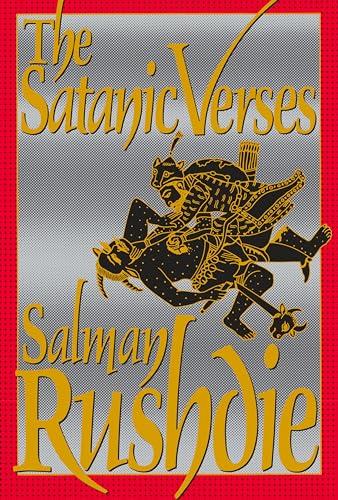
The hosts referenced the book while discussing Rushdie's long‑standing challenges with free speech, noting that he had received death threats over the novel more than three decades ago. They also connected those threats to the stabbing he suffered in 2022. The discussion was informational rather than a recommendation.
The host noted that Rushdie faced death threats over this novel more than three decades earlier.
over 30 years after death threats over his novel, The Satanic Verses.
The host noted that Rushdie had faced death threats for this novel, which preceded the 2022 stabbing attack.
He was stabbed multiple times in an attack that came more than 30 years after death threats over his novel, The Satanic Verses.
Meditations After an Attempted Murder
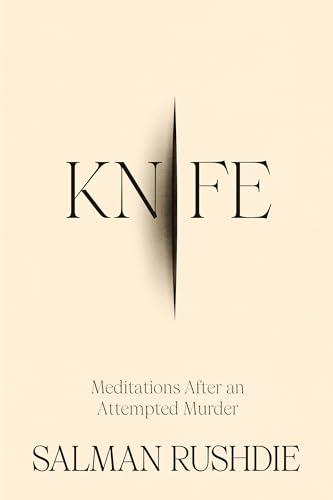
The hosts referenced the book as Rush Rashid's previous memoir that directly addressed the severe injuries he suffered in the attack. They noted that in that work he wrote about the life‑changing impact of the event, using it as context for the current discussion. The mention was factual and neutral, without any explicit endorsement.
The memoir Knife was referenced as Rushdie's previous book that detailed his severe injuries from the attack.
in your last book, Knife, you write about the lifechanging injuries that you've sustained.
Flaubert used to come down from his with these books Knife and the 11th hour.
The host mentioned that Rushdie's previous memoir, Knife, dealt directly with his lifechanging injuries from the attack.
In your last book, Knife, you write about the lifechanging injuries that you've sustained.
A Novel
In the episode, George Saunders praised the book for its skillful depiction of the gradual nature of climate change. He highlighted how the author captured the slow unfolding of environmental impact, making it a standout discussion. The overall sentiment was highly positive.
The speaker noted that Richard Powers did a really great job addressing the gradual nature of climate change in this work.
I think Richard Powers did a really great job in the over story.
The host praised Powers' work for doing a great job handling climaterelated storytelling.
Richard Powers did a really great job in the over story.
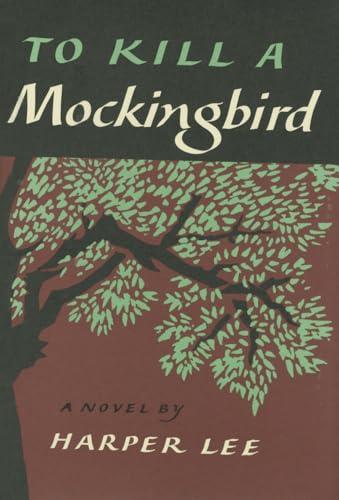
The book was cited in two episodes of the podcast during a discussion of recent US book bans, where it was grouped with other classic titles such as Beloved and Huckleberry Finn. The hosts referred to it as one of the best books ever written, emphasizing its cultural significance despite the controversy. No specific recommendation was made beyond acknowledging its status as a notable work.
Harper Lee's To Kill a Mockingbird was included in the list of banned books discussed in the segment on US book bans.
these are Tony Morrison's Beloved or Huckleberry Finn or To Kill a Mockingbird.
The book was mentioned alongside other classic works subject to recent bans.
These are Tony Morrison's Beloved or Huckleberry Finn or To Kill a Mockingbird, some of the best books ever written.
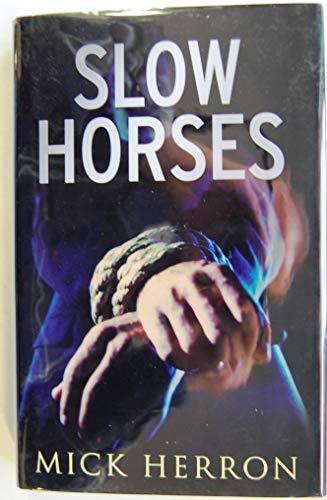
During the episode, the guest praised the author as a brilliant writer, placing him alongside John le Carré and calling the series fantastic. He highlighted the book's quality and its relevance for fans of classic spy fiction. The overall tone was strongly positive and enthusiastic.
The guest said he had never read an Ian Fleming novel, had read John le Carr, and put Mick Herron in the same pantheon as le Carr, calling the Slow Horses book(s) fantastic.
I hadn't read a single Ian Fleming novel. I had read LeCarr. I now put Mick Herron right up there in the Pantheon alongside LeCarr. I think he's a brilliant writer. The Slow Horses books, yeah.
When you went into the service, you will have read John leCarr and presumably Ian Fleming, you know, all of that kind of - the classic things people know.
He said he had finally read the Slow Horses book and placed Mick Herron alongside John le Carr as a top spyfiction writer.
I hadn't read a single Ian Fleming novel. I had read LeCarr. I now put Mick Herron right up there in the Pantheon alongside LeCarr. The Slow Horses books, yeah.
Technology, Power, and the Twenty-first Century's Greatest Dilemma
The book was referenced by the guest as the source of his detailed AI governance proposals, drawing parallels to climate change, financial stability, and arms control. The hosts highlighted how the title outlined three distinct governance regimes, underscoring its relevance to the discussion on AI policy.
The book was referenced as a source where the guest had outlined detailed governance proposals for AI, drawing parallels to climate change, financial stability and arms control.
Because in your book, The Coming Wave, and in a piece you wrote about the same time for Foreign Affairs, you were quite clear on how much governance was needed.
The book was cited as the source of Suleyman's ideas on AI governance, highlighting his calls for financialstabilitystyle oversight and climatechangestyle processes for AI.
In your book, The Coming Wave, and in a piece you wrote about the same time for Foreign Affairs, you were quite clear on how much governance was needed. In fact, you said like you wanted three different kinds of governance regimes modelled on climate change and financial stability and arms control.
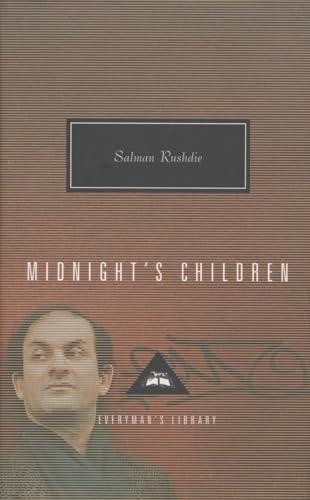
The author discussed the title in two episodes, explaining that he initially set out to write a simple childhood novel before it grew into a sweeping story of India that took over five years to complete and was very well received. He reflected on how the book’s long gestation shaped his writing style and had a major impact on his career. The conversation highlighted the work’s significance and positive reception.
Rushdie explained that he began writing Midnight's Children as a novel about childhood, which later expanded into a sweeping story of India.
when I started writing what became Midnight's Children, I was really thinking, I just want to write a novel about childhood.
When Midnight's Children came out, it was very well received.
Rushdie reflected on writing the novel, its long gestation, and its impact on his career.
When I started writing what became Midnight's Children, I was really thinking, I just want to write a novel about childhood... It took me like over five years to write, because in a way, I was learning how to write it while I was writing it.
The Original Edition With Complete Illustrations
The hosts referenced the book as a metaphor, saying the economy felt like a place where nothing makes sense, similar to Alice's strange world. They noted how Alice's perspective is constantly thrown off, highlighting the chaotic feeling. The discussion was brief and used the story to illustrate their point without recommending it.
The hosts used the story as a metaphor, saying they ended up landing on Alice in Wonderland because the economy felt like a place where nothing makes sense.
I ended landing on Alice in Wonderland. No time to say hello. Goodbye. I'm late. I'm late. Because that is a place where nothing makes sense.
When Alice goes into Wonderland, she follows the rabbit and is in this strange world. Her perspective is always getting thrown off. How very curious. She's big. She's little.
The hosts used Alice in Wonderland as a metaphor for the chaotic and nonsensical state of the 2025 economy, describing it as a place where nothing makes sense and perspectives keep shifting.
What I ended up landing on was Alice in Wonderland. No time to say hello. Goodbye. I'm late. I'm late. I'm late.
When Alice goes into Wonderland, she follows the rabbit and is in this strange world. Her perspective is always getting thrown off. How very curious. She's big. She's little.
It's the thing about the Alice in Wonderland economy. Consumer sentiment is terrible. It's like near the lowest levels it's been in decades.
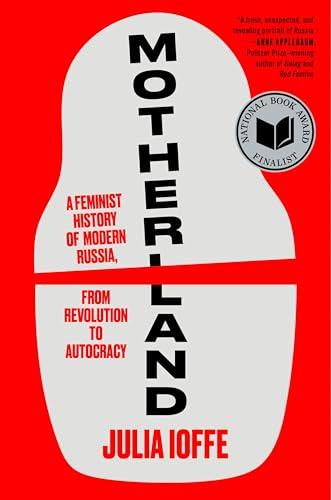
A Feminist History of Modern Russia, from Revolution to Autocracy
The episode highlighted the book as a feminist history of modern Russia that shifts focus from Vladimir Putin to the experiences of Russian women. Host Michelle Hussain introduced it as a deliberate response to the over‑emphasis on Putin, and author Julia Ioffe confirmed she wrote it to make him a peripheral figure. The discussion emphasized that the work offers a broader, gender‑centered narrative of the country’s recent history.
The interview explained that Motherland is Ioffe's new book that tells the story of Russia through its women and was partly written as a response to the constant focus on Vladimir Putin.
And in her new book, Motherland, she is telling the story of Russia through its women.
Is Motherland part of a response to being asked so much about one man, Putin? God, yeah. Absolutely. And what he wants. Yeah. I'm just so sick of talking about him.
I just, on one hand, wanted to write a book where he was a bit player. And this was one of the reasons I wrote the book.
Motherland is, she says, partly a response to Putin, through her desire to show that Russia is much more than one person, let alone one man.
The book explored Russia's history through the lives of its women, presenting a feminist perspective that countered the focus on Vladimir Putin.
Julia Yoffe, political journalist, interpreter of Russia and now author of an epic book on the women of Russia.
And in her new book, Motherland, she is telling the story of Russia through its women.
Is Motherland part of a response to being asked so much about one man, Putin? God, yeah. Absolutely.
I just, on one hand, wanted to write a book where he was a bit player.
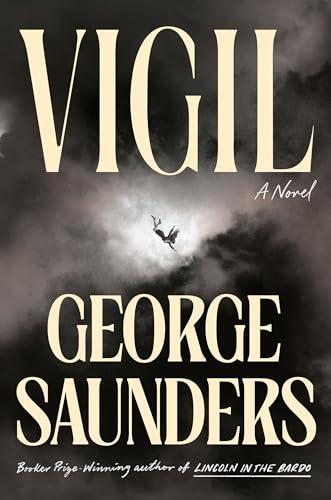
A Novel
The episode introduced the title as George Saunders' new novel that follows an oil executive's final hours, exploring guilt and climate change through a haunting presence. Host Akshay Tarati presented the premise and used it to broaden the conversation toward AI, the importance of literature, and advice for beginner writers. The discussion was positive and highlighted the book's thematic relevance.
The novel explores guilt through the final hours of an oil executive's life, haunted by the ghost of a woman who died in 1976, with climate change serving as a backdrop to his reckoning.
This week, George has a new novel out titled Vigil.
In a nutshell, we find ourselves at the bedside of somebody who I imagine to be kind of a 1998 to 2000 era oil executive. The last night of his life, the last hours of his life.
The first half of my interview focuses largely on visual. And in the second half, we broaden the conversation, hearing George's takes on AI, why literature matters, and even get to talk about games to get writing as a beginner.
The host introduced Vigil as Saunders' new novel about an oil executive on his deathbed.
This week, George has a new novel out titled Vigil.
Essays and criticism, 1981-1991
The book was referenced during a discussion of Rushley's earlier criticism of social trends, noting that it is a 1991 collection of his essays and criticism from the 1980s. The host highlighted its relevance to the conversation but did not offer a strong endorsement.
Rushdie's 1991 collection of essays, Imaginary Homelands, was mentioned while discussing his earlier criticism of social trends.
I was looking at this book, Imaginary homelands, which is your criticism and essays written through the 1980s and first published in 1991.
Rushdie was noted to have warned about growing extremism in this 1991 collection of essays.
I was looking at this book, Imaginary homelands, which is your criticism and essays written through the 1980s and first published in 1991.
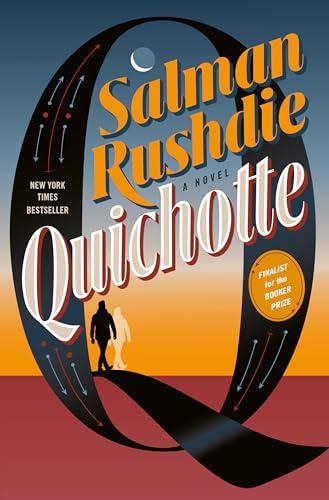
A Novel
During the episode, Salman Rushdie referenced the book while describing a major character’s backstory set in a specific Bombay neighbourhood, using it as an illustration in his discussion of free speech. He mentioned the title in passing rather than recommending it, highlighting its relevance to the topic at hand.
Rushdie referenced his novel Quichotte while describing a character's backstory tied to a Bombay neighbourhood.
there's a, in my novel Quichotte, one of the major characters has a backstory in the same neighbourhood.
Rushdie mentioned his novel Quichotte while discussing how characters from his other works appear in it.
There's a, in my novel Quichotte, one of the major characters has a backstory in the same neighbourhood.
In the episode, the host noted that the author highlighted his drug‑addicted mother and upbringing by a single grandmother, emphasizing his Midwestern roots over his later career as a California venture capitalist. The discussion framed the memoir as a striking illustration of his personal background.
The book was mentioned in relation to J.D. Vance pushing his Midwestern background over his time as a California venture capitalist, discussing his drug-addicted mother and being raised by a single grandmother.
Remember he wrote the book, Hillbilly, L.A.J. about his drug-addicted mother and being raised by the single grandmother was really kind of striking how much he was pushing The Midwestern background over his time as a California venture capitalist.
The EU Deforestation Regulation (EUDR) could impact the cost of books, as it requires companies to trace the origin of their materials and ensure they were not sourced from deforested land.
It could be books, newspapers, plywood. Pretty much anything you might touch on a given day.
— Episode: The Little-Known Green Rule That Could I...
The EU Deforestation Regulation (EUDR) could impact the cost of books, as it requires companies to trace the origin of their materials and ensure they were not sourced from deforested land.
It could be books, newspapers, plywood. Pretty much anything you might touch on a given day.
That is, buyers of all that coffee, chocolate, lipstick, books and car tires.
The hosts referenced Plato's dialogue Phaedrus, noting that the ancient work warned that reliance on writing could make people forget, drawing a parallel to modern worries about AI and memory.
there was a paper that came out that showed that people were, you know, they were forgetting more things or something because they were using chat GPT. But, you know, in Phaedrus, Plato was worried th...
— Episode: Weekend Listen: Why the Tech World Is Go...
The hosts referenced Plato's dialogue Phaedrus, noting that the ancient work warned that reliance on writing could make people forget, drawing a parallel to modern worries about AI and memory.
there was a paper that came out that showed that people were, you know, they were forgetting more things or something because they were using chat GPT. But, you know, in Phaedrus, Plato was worried that people were going to forget things because they started writing things down.
Original Text
The classic novel was listed as another title targeted by book bans.
These are Tony Morrison's Beloved or Huckleberry Finn or To Kill a Mockingbird, some of the best books ever written.
— Episode: Weekend Listen: Salman Rushdie Isn’t Afr...
The classic novel was listed as another title targeted by book bans.
These are Tony Morrison's Beloved or Huckleberry Finn or To Kill a Mockingbird, some of the best books ever written.
Progress and Backlash from 1600 to the Present
In an episode about Emmanuel Macron’s plan to transform Europe, the hosts referenced the book to illustrate Macron’s vision for sweeping structural reforms in France, noting how his ideas were later reflected in policy. The discussion highlighted the book’s analysis of historical revolutions as a backdrop for contemporary political change, but did not offer a strong endorsement.
The book detailed Macron's vision for big structural reforms in France, which he'd later implemented through various policies.
Revolution was also the title of Macron's memoir and in that book and on the campaign trail Macron made the case for big structural reforms for France.
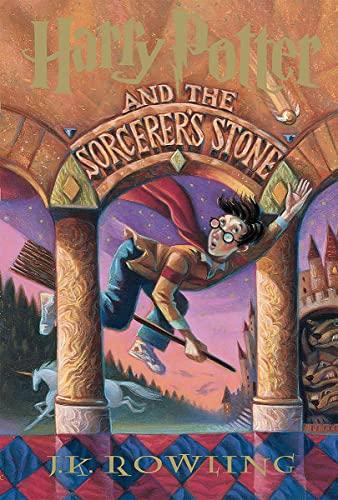
The hosts compared Squid Game to the Harry Potter series, noting the latter's longstanding cultural impact while expressing doubt the former could achieve similar franchise longevity.
Is it fair to say it's kind of like the Harry Potter of South Korea?
— Episode: Netflix’s Big Bet On ‘Squid Game’
The hosts compared Squid Game to the Harry Potter series, noting the latter's longstanding cultural impact while expressing doubt the former could achieve similar franchise longevity.
Is it fair to say it's kind of like the Harry Potter of South Korea?
I'm reluctant to call it the Harry Potter of South Korea because a show about people basically in this competition where they all die just doesn't lend itself naturally, you'd think, to franchises or to exploitation.
Harry Potter has been a cultural touchstone now for 25 years, and it's going to continue to be for the next 25, 50, 75 years.
My kids are going to be reading them.
Note: The book recommendations on this page are discovered automatically from podcast transcripts, and may be incorrect or incomplete.
Podcast Name