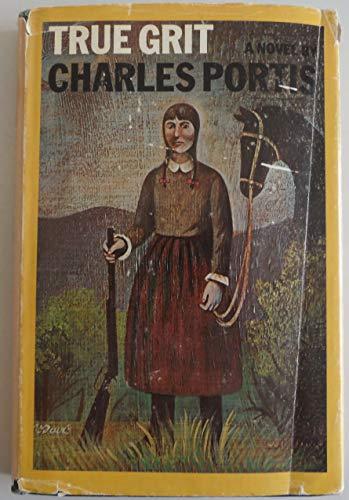
True Grit
Charles Portis
Mentioned 5 months ago
Ep. 833: Game On, Suckers! MeatEater Trivia CCIII
Building on the belief that a deeper understanding of the natural world enriches all of our lives, host Steven Rinella brings an in-depth and relevant look at all outdoor topics including hunting, fishing, nature, conservation, and wild foods. Filled with humor, irreverence, and things that will sur...
Recently mentioned
Charles Portis
Mentioned 5 months ago
Ep. 833: Game On, Suckers! MeatEater Trivia CCIII
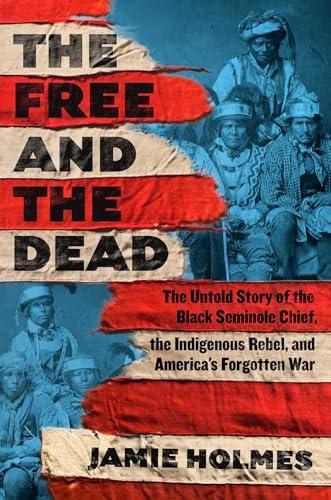
Jamie Holmes
Mentioned 5 months ago
Ep. 832: Osceola, Native American Slavery, and The Seminole Wars
Jamie Holmes
Mentioned 5 months ago
Ep. 832: Osceola, Native American Slavery, and The Seminole Wars
John U. Bacon
Mentioned 5 months ago
Ep. 826: Like Nuts on a Cat
Stanley P. Young
Mentioned 5 months ago
Ep. 826: Like Nuts on a Cat
Clifford Geertz
Mentioned 1 year ago
Ep. 607: MeatEater Radio Live! Whitetail Buck Beds, Deer Sex, and Mauled By a Black Bear
Danielle Prewett
Mentioned 1 year ago
Ep. 604: MeatEater Radio Live! An Alaska Moose Hunt, Utah Wants Your Land, and Buffalo Scapulas
Stephen E. Ambrose
Mentioned 1 year ago
Ep. 597: Game On, Suckers! MeatEater Trivia CXXIX
Steven Rinella
Mentioned 1 year ago
Ep. 594: Game On, Suckers! MeatEater Trivia CXXVIII
Steven Rinella
Mentioned 1 year ago
Ep. 598: MeatEater Radio Live! A Salmon Smokehouse, Killer Jerky, and the 6th Biggest Yukon Moose
Anne Bishop
Mentioned 1 year ago
Ep. 588: Game On, Suckers! MeatEater Trivia CXXVI
Jack Olsen
Mentioned 1 year ago
Ep. 585: Game On, Suckers! MeatEater Trivia CXXV

The Year That Rocked the World
This book was mentioned in the podcast as another work by the author, alongside Cod and Salt.
Also the author of 1968, The Big Oyster, A World Without Fish.
— Episode: Ep. 217: Mark Kurlansky on Saving Salmon
This book was mentioned in the podcast as another work by the author, alongside Cod and Salt.
Also the author of 1968, The Big Oyster, A World Without Fish.
This book was mentioned alongside other works by the author.
Also the author of 1968, The Big Oyster, A World Without Fish.
— Episode: Ep. 217: Mark Kurlansky on Saving Salmon
This book was mentioned alongside other works by the author.
Also the author of 1968, The Big Oyster, A World Without Fish.
A Fish, the Earth, and the History of Their Common Fate
This was described as the author's 33rd book and discussed the centuries-long ongoing collapse of salmon stocks and fisheries worldwide, while also noting the author's empathetic view of commercial fishermen and providing salmon recipes.
We're here today to talk about Mark's new book, Salmon. And about Salmon in general.
— Episode: Ep. 217: Mark Kurlansky on Saving Salmon
This was described as the author's 33rd book and discussed the centuries-long ongoing collapse of salmon stocks and fisheries worldwide, while also noting the author's empathetic view of commercial fishermen and providing salmon recipes.
We're here today to talk about Mark's new book, Salmon. And about Salmon in general.
Your book on Salmon... I don't want to say this. I hope people listen to the whole interview. Because I don't want to start out on a sour note. But your book on Salmon winds up...
You provide a pretty dim view on what the future of these creatures is. And you catalog this centuries-long collapse that's ongoing today. This collapse of Salmon stocks and Salmon fisheries around the world where Salmon can be found.
But I find that right away, as I'm starting to go through your book, I notice that you would now and then speak fondly or empathetically of commercial fishermen. And you even give some recipes and talk about cooking Salmon and eating Salmon.
And I got to wondering, if you were writing a book about the collapse of the elephant, how it seems that you would not put elephant recipes in that book.
This is the author's 33rd book. It details the history of salmon and explores the complex factors contributing to their decline, emphasizing the need for broader environmental change rather than solely focusing on overfishing.
We're here today to talk about Mark's new book, Salmon. And about Salmon in general.
Your book on Salmon... your book on Salmon winds up... You provide a pretty dim view on what the future of these creatures is.
But I find that right away, as I'm starting to go through your book, I notice that you would now and then speak fondly or empathetically of commercial fishermen. And you even give some recipes and talk about cooking Salmon and eating Salmon.
And the intro at the end of the book has a prologue that starts out with a couple biographies or more like character portraits of a couple different commercial Salmon fishermen. And then you end the prologue by remarking how it's remarkable that we still have a commercial fishery for Salmon. And you say that this isn't a book about overfishing.
It was March of this year so yeah it just came out so you finished it probably a year ago maybe more, I don't remember when you got it done did you I'm sure you were happy to have finished a book just because it's like as a writer making a book regardless of the subject and how you might impact that subject it feels good to finish them right to get them out yeah it's actually my 33rd book and my response to finishing it was to start working on my 34th book
It is the author's 33rd book and discusses the centuries-long collapse of salmon stocks and fisheries worldwide. The author also noted that he started work on his 34th book after completing it.
we're here today to talk about Mark's new book, Salmon, and about Salmon in general.
Your book on Salmon, I hate to say, I don't want to say this. I hope people listen to the whole interview because I don't want to start out on a sour note, but your book on Salmon winds up, you provide a pretty dim view on what the future of these creatures is. And you catalog this centuries long collapse that's ongoing today.
It was March of this year.
It's actually my 33rd book and my response to finishing it was to start working on my 34th book.
It was mentioned as a possible alternative source for a quote about people rebelling against information by embracing rumors and myths.
I think it's early in slouching towards Bethlehem. Um, she talks about a way in which people, and this is, she's writing pre internet.
— Episode: Ep. 146: Bigfoot
It was mentioned as a possible alternative source for a quote about people rebelling against information by embracing rumors and myths.
I think it's early in slouching towards Bethlehem. Um, she talks about a way in which people, and this is, she's writing pre internet.
The book, "The White Album," by Joan Didion, was mentioned in the context of discussing the overwhelming amount of information available today and people's tendency to retreat from information and seek simplified narratives.
You know, in Joan Didion's book, she wrote two books about the 60s. One was called The White Album and one was called Slouching Towards Bethlehem.
Referenced alongside "Slouching Towards Bethlehem," it was discussed in the context of how readily available information fuels a desire for hidden narratives, particularly among heavy marijuana users. It was not directly discussed.
This is writer Joan Didion and she has a book called slouching toward Bethlehem or maybe it was she has another book called the white album.
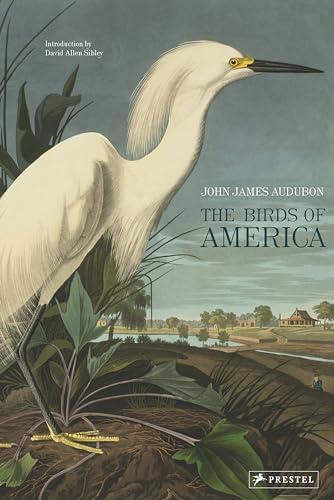
The podcast references Audubon's book, published in 1838, highlighting his detailed descriptions of the abundant wildlife he encountered during a trip to western North Dakota in 1843. His observations provided a vivid account of the sheer number and diversity of animals present at the time.
I mean he says that no one could conceive of the numbers of animals of many different varieties that they were seeing day after day after day from the prow of this steam vessel, the Omega, that was pu...
— Episode: Ep. 033
The podcast references Audubon's book, published in 1838, highlighting his detailed descriptions of the abundant wildlife he encountered during a trip to western North Dakota in 1843. His observations provided a vivid account of the sheer number and diversity of animals present at the time.
I mean he says that no one could conceive of the numbers of animals of many different varieties that they were seeing day after day after day from the prow of this steam vessel, the Omega, that was pushing up to Fort Union.
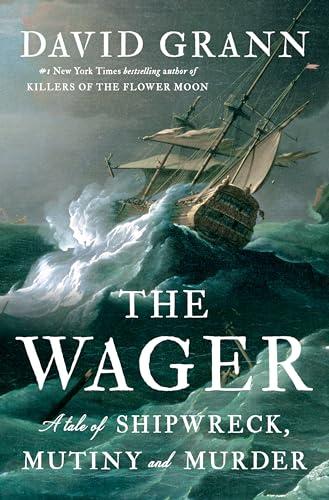
A Tale of Shipwreck, Mutiny and Murder
The author of the book, David Grann, was on the show promoting it.
David Grann was here promoting, he wasn't promoting Killers of the Flower Moon, he was promoting The Wager.
— Episode: Ep 498: Hunting, Singing, and Going Dry...
The author of the book, David Grann, was on the show promoting it.
David Grann was here promoting, he wasn't promoting Killers of the Flower Moon, he was promoting The Wager.
It's a tale of shipwreck, mutiny, and murder, focusing on the voyage of the Wager and its accompanying ships. The book explores themes of survival, leadership, and the way stories are shaped.
David Graham's latest book The Wager, a tale of shipwreck, mutiny and murder.
The author, Cormac McCarthy, was mentioned in relation to the book being read as a hunting book.
You know, we've talked a lot about, you know, how No Cunch for Old Men feels like, you know, it's like, feels like a hunting book for only one reason. When he finds that massacre site, he's blood trai...
— Episode: Ep 498: Hunting, Singing, and Going Dry...
The author, Cormac McCarthy, was mentioned in relation to the book being read as a hunting book.
You know, we've talked a lot about, you know, how No Cunch for Old Men feels like, you know, it's like, feels like a hunting book for only one reason. When he finds that massacre site, he's blood trailing the animal. He completely forgets about the blood trail. Yep.
The author's writing style was compared to that of Cormac McCarthy, noting that McCarthy's writing includes specific details about firearms, similar to the speaker's own style of outdoor writing.
Cormac McCarthy in no crunch for old men does even say like someone had a nine millimeter Parabellum or whatever.
The speakers referenced the book of John, mentioning the story of Jesus resurrecting Lazarus after four days, in relation to the concept of Lazarus species.
This is in the good book. The Book of John I believe
— Episode: Ep. 156: Battle Scars
The speakers referenced the book of John, mentioning the story of Jesus resurrecting Lazarus after four days, in relation to the concept of Lazarus species.
This is in the good book. The Book of John I believe
The book of John was mentioned in relation to the Lazarus effect, referencing the biblical story of Jesus resurrecting Lazarus after four days.
This is in the good book. The Book of John I believe um and in now it gets like lumped into scientific term it's called um Lazarus taxon when something disappears from the archaeological record.
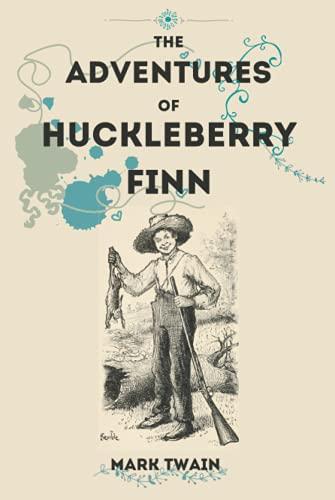
Original Text
The speakers discussed Mark Twain's book, mentioning his beautifully written accounts of working on river boats on the Missouri and Mississippi rivers. His pen name, Mark Twain, is explained to have originated from riverboat depth soundings.
Anyone who's, uh, who's had the pleasure, the joy of reading, uh, Huckleberry Finn, Tom Sawyer, uh, and then all Mark Twain's beautifully written accounts, nonfiction accounts of working on the river...
— Episode: Ep 138: The Life and Times of a Squirrel...
The speakers discussed Mark Twain's book, mentioning his beautifully written accounts of working on river boats on the Missouri and Mississippi rivers. His pen name, Mark Twain, is explained to have originated from riverboat depth soundings.
Anyone who's, uh, who's had the pleasure, the joy of reading, uh, Huckleberry Finn, Tom Sawyer, uh, and then all Mark Twain's beautifully written accounts, nonfiction accounts of working on the river boats on the Missouri and Mississippi.
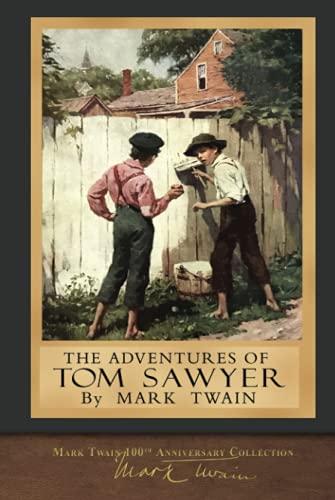
Original Illustrations
The podcast briefly mentioned Tom Sawyer by Mark Twain, connecting it to the speaker's discussion of Mark Twain's life and work on the Mississippi River.
Anyone who's, uh, who's had the pleasure, the joy of reading, uh, Huckleberry Finn, Tom Sawyer, uh, and then all Mark Twain's beautifully written accounts, nonfiction accounts of working on the river...
— Episode: Ep 138: The Life and Times of a Squirrel...
The podcast briefly mentioned Tom Sawyer by Mark Twain, connecting it to the speaker's discussion of Mark Twain's life and work on the Mississippi River.
Anyone who's, uh, who's had the pleasure, the joy of reading, uh, Huckleberry Finn, Tom Sawyer, uh, and then all Mark Twain's beautifully written accounts, nonfiction accounts of working on the river boats on the Missouri and Mississippi.
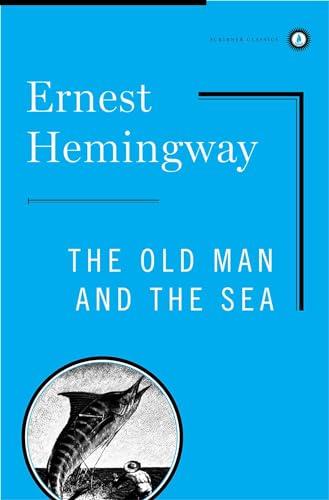
The book was mentioned in the context of a trivia question, specifically regarding the type of fish the main character battles. The contestants discussed the species and family of the fish.
In Ernest Hemingway's, The Old Man and the Sea, what fish does Santiago battle with before losing it to sharks?
— Episode: Ep. 426: Game On, Suckers! MeatEater Tri...
The book was mentioned in the context of a trivia question, specifically regarding the type of fish the main character battles. The contestants discussed the species and family of the fish.
In Ernest Hemingway's, The Old Man and the Sea, what fish does Santiago battle with before losing it to sharks?
In Ernest Hemingway's, The Old Man and the Sea, what fish does Santiago battle with before losing it to sharks?
Hemingway published The Old Man and the Sea in 1952 and was awarded the Pulitzer Prize for it the following year.
My dad read that book aloud to me as a kid. And I really liked it read aloud to me as a kid.
The book was used as an example of a fishing book that is about more than just fishing, comparing its themes to the podcast host's own book idea.
And like with fishing books, like you look at Hemingway's The Old Man and the Sea, right? It's about fishing, but it's not. It's about growing old and tenacity and perseverance and how... and the futility of it all.
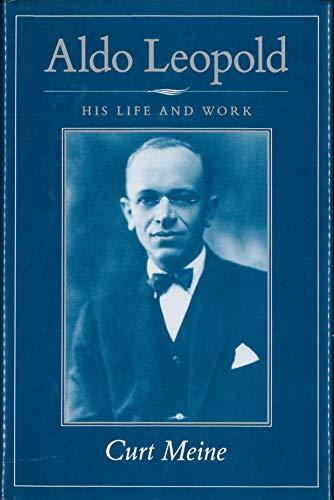
His Life and Work
It was described as a phenomenal biography about Aldo Leopold, and was recommended for people interested in learning more about his life in detail.
A friend, a friend of ours, Kurt Meini wrote a phenomenal biography of Aldo Leopold, Aldo Leopold, his life and work.
— Episode: Ep. 558: An Aldo Leopold Blowout Extrava...
It was described as a phenomenal biography about Aldo Leopold, and was recommended for people interested in learning more about his life in detail.
A friend, a friend of ours, Kurt Meini wrote a phenomenal biography of Aldo Leopold, Aldo Leopold, his life and work.
The podcast discussed Curt Meine's biography of Aldo Leopold, highlighting its comprehensive coverage of Leopold's life and work. It was recommended as essential reading for those deeply interested in Aldo Leopold's life and contributions to conservation.
there's a writer by the name of Kurt Meini who did like the indisputed ultimate Leopold biography.
I believe it's Aldo Leopold, His Life and Work, something along those lines.
don't read that until you read Sand County Almanac.
The Tragic Decline and Improbable Resurrection of the American Buffalo
The speaker referenced a "Buffalo book" when talking about a man who dedicated his life to restoring the species but ultimately died from alcoholism.
In my Buffalo book I talk about a guy, a very pinnacle, like a major player, kind of a major player in Buffalo restoration, the animal recovery of the species.
— Episode: Ep. 551: Old School Methods vs. New-Fang...
The speaker referenced a "Buffalo book" when talking about a man who dedicated his life to restoring the species but ultimately died from alcoholism.
In my Buffalo book I talk about a guy, a very pinnacle, like a major player, kind of a major player in Buffalo restoration, the animal recovery of the species.
The book was mentioned in the context of a trip to Catalina Island to see the American buffalo, which were brought there for a movie.
That's why I went there when I was working on my Buffalo book. I went out there.
The Long Hunters (1761-1775)
They discussed the gift chapter at the end of the episode from this book.
our gift chapter at the end of the episode from MeatEater's American History: The Long Hunters
— Episode: Ep. 512: The Texas Hog Hunt, Live
They discussed the gift chapter at the end of the episode from this book.
our gift chapter at the end of the episode from MeatEater's American History: The Long Hunters
The podcast host Steven Rinella mentioned his book about the "long hunters", a group of early American frontiersmen who explored and hunted in the Appalachian Mountains.
Pre-order MeatEater's American History: The Long Hunters (1761-1775)
Activate Your Full Human Potential
This international bestseller details Wim Hof's method, which combines breathing techniques and cold exposure to enhance physical and mental endurance. The podcast discussed its popularity, widespread use, and the potential dangers associated with it.
His international best-selling book, The Wim Hof Method, has been reprinted in 21 languages.
— Episode: Ep. 452: The Guru Comes Up for Air
This international bestseller details Wim Hof's method, which combines breathing techniques and cold exposure to enhance physical and mental endurance. The podcast discussed its popularity, widespread use, and the potential dangers associated with it.
His international best-selling book, The Wim Hof Method, has been reprinted in 21 languages.
Twentieth Anniversary Edition
The podcast mentioned the book in relation to how different people interpret events, such as a parade, based on their personal experiences and backgrounds. It was used to illustrate how the same experience can have vastly different meanings depending on the individual's history and perspective.
Have you ever read, did you ever read The Unbearable Lightness of Being by Kundera, Milan Kundera?
— Episode: Ep. 230: A Difficult Conversation
The podcast mentioned the book in relation to how different people interpret events, such as a parade, based on their personal experiences and backgrounds. It was used to illustrate how the same experience can have vastly different meanings depending on the individual's history and perspective.
Have you ever read, did you ever read The Unbearable Lightness of Being by Kundera, Milan Kundera?
It has a lot to do with, it's kind of this condemnation of communism. But in The Unbearable Lightness of Being there's a guy and his girlfriend and the writer gets into when a parade goes by.
Like she grew up in communist Czechoslovakia, I think. I think she grew up in communist Czechoslovakia. When she sees a parade, it means something very different. Very different. Very different than when the other person sees a parade.
The book was referenced in a discussion about how different people view the same event, in this case, a parade, and how that relates to the different ways hunters and non-hunters view hunting.
There's a really good book. Have you guys read Milan Kundera's book, The Unbearable Lightness of Being? It's a good book.
How Freezing Water, Extreme Altitude, and Environmental Conditioning Will Renew Our Lost Evolutionary Strength
This New York Times bestseller explored the Wim Hof Method, focusing on its potential benefits and risks. It detailed Carney's personal experiences with Hof's techniques, including cold exposure and breathwork, and its effects on his physical and mental state.
What Doesn't Kill Us. How Freezing Water, Extreme Altitude and Environmental Conditioning Will Renew Our Lost Evolutionary Strength
— Episode: Ep. 452: The Guru Comes Up for Air
This New York Times bestseller explored the Wim Hof Method, focusing on its potential benefits and risks. It detailed Carney's personal experiences with Hof's techniques, including cold exposure and breathwork, and its effects on his physical and mental state.
What Doesn't Kill Us. How Freezing Water, Extreme Altitude and Environmental Conditioning Will Renew Our Lost Evolutionary Strength
This New York Times bestseller details the author's experiences with Wim Hof and his methods, including ice baths and breathing techniques, to enhance physical and mental endurance and improve autoimmune function.
How Freezing Water, Extreme Altitude and Environmental Conditioning Will Renew Our Lost Evolutionary Strength, which was largely about a feller named Wim Hof.
His international bestselling book, The Wim Hof Method has been reprinted in 21 languages.
Obsession, Madness and Death on Diamond Mountain
This book explored the intersection of spiritual seeking and madness, looking into cases of people who underwent intensive spiritual practices and experienced negative mental health consequences. It delves into the potential dangers of unchecked spiritual pursuits and the allure of quick fixes.
But yeah, so I was investigating these charlatan gurus around the world and I was looking in particular about Tibetan Buddhism and like Americans who go to India and Tibet and come back in red robes a...
— Episode: Ep. 452: The Guru Comes Up for Air
This book explored the intersection of spiritual seeking and madness, looking into cases of people who underwent intensive spiritual practices and experienced negative mental health consequences. It delves into the potential dangers of unchecked spiritual pursuits and the allure of quick fixes.
But yeah, so I was investigating these charlatan gurus around the world and I was looking in particular about Tibetan Buddhism and like Americans who go to India and Tibet and come back in red robes and the sort of insanity of themselves as enlightened.
A Novel
A book from which the podcast hosts borrowed the phrase "pull a cork" to describe someone who drinks excessively.
I'll tell you one I stole from Charles Portis who wrote True Grit.
— Episode: Ep. 360: The World Coming to You on a Wi...
A book from which the podcast hosts borrowed the phrase "pull a cork" to describe someone who drinks excessively.
I'll tell you one I stole from Charles Portis who wrote True Grit.
A character in the novel reportedly had an injury and stated something swelled up tighter than Dick's hat band.
Do you know what Charles Portis' novel, True Grit? A guy says... Someone has an injury. I can't remember if he gets bit by a snake. And he says it's swelled up tighter than Dick's hat band.
A Natural and Supernatural History
It's a biography of the coyote, tracing its evolutionary history in North America, its relationship with Indigenous peoples, its interactions with European settlers, and its remarkable adaptation to the modern world.
Coyote America is a biography of the animal, in effect is what it is.
— Episode: Ep. 069: Dr. Dan Flores
It's a biography of the coyote, tracing its evolutionary history in North America, its relationship with Indigenous peoples, its interactions with European settlers, and its remarkable adaptation to the modern world.
Coyote America is a biography of the animal, in effect is what it is.
It's an attempt to write a biography of the coyote from its evolution in North America, which goes back to the beginnings of the canid family 5.3 million years ago, through its long roller coaster-like history in America, including about 10,000 years of time when it was revered as a principal deity by the native people of the American West, everywhere that coyotes were found.
And I do a chapter called Old Man America in the book, which takes on that story and relates, in my own prose, four different, what I think are sort of representative old man coyote stories, which are, if one stops to think about it, this is the oldest literature in North America.
So the story, the coyote's biography continues from that through its first encounters with Europeans in the 19th century, people like Lewis and Clark, Mark Twain, John Charles.
Published in mid-May 2024, this book offers a natural and supernatural history of coyotes in North America, exploring their evolutionary history, adaptation, and complex relationship with humans. The book delves into the fascinating history of the coyote's name, and how it differs between different parts of North America.
And the other book is called Coyote America, a Natural and Supernatural History. And that book comes out about the middle of May.
The book's Coyote America, a Natural and Supernatural History. But I lay out the story in two different places in that book. Why you say coyote and I say coyote.
One of the fascinating consequences of that today is one of the things we've got going on in the Eastern United States is the emergence of an animal called the coy wolf. And it's an intermixture, an interbreeding between coyotes that under persecution by the federal government and state governments over the last 70 or so years have expanded their range out of the West all over North America.
Note: The book recommendations on this page are discovered automatically from podcast transcripts, and may be incorrect or incomplete.
Podcast Name