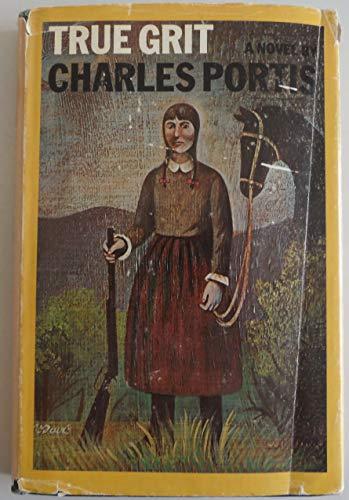
True Grit
Charles Portis
Mentioned 5 months ago
Ep. 833: Game On, Suckers! MeatEater Trivia CCIII
Building on the belief that a deeper understanding of the natural world enriches all of our lives, host Steven Rinella brings an in-depth and relevant look at all outdoor topics including hunting, fishing, nature, conservation, and wild foods. Filled with humor, irreverence, and things that will sur...
Recently mentioned
Charles Portis
Mentioned 5 months ago
Ep. 833: Game On, Suckers! MeatEater Trivia CCIII
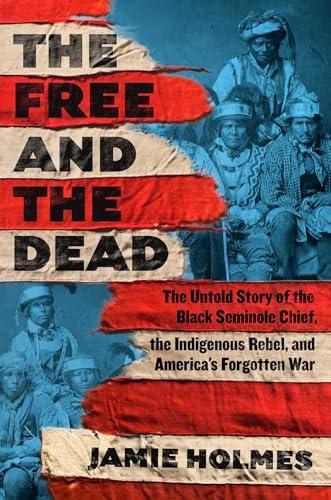
Jamie Holmes
Mentioned 5 months ago
Ep. 832: Osceola, Native American Slavery, and The Seminole Wars
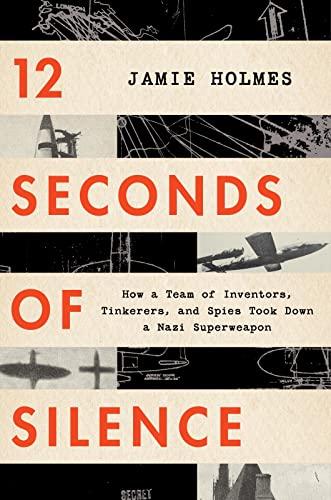
Jamie Holmes
Mentioned 5 months ago
Ep. 832: Osceola, Native American Slavery, and The Seminole Wars
John U. Bacon
Mentioned 5 months ago
Ep. 826: Like Nuts on a Cat
Stanley P. Young
Mentioned 5 months ago
Ep. 826: Like Nuts on a Cat
Clifford Geertz
Mentioned 1 year ago
Ep. 607: MeatEater Radio Live! Whitetail Buck Beds, Deer Sex, and Mauled By a Black Bear
Danielle Prewett
Mentioned 1 year ago
Ep. 604: MeatEater Radio Live! An Alaska Moose Hunt, Utah Wants Your Land, and Buffalo Scapulas
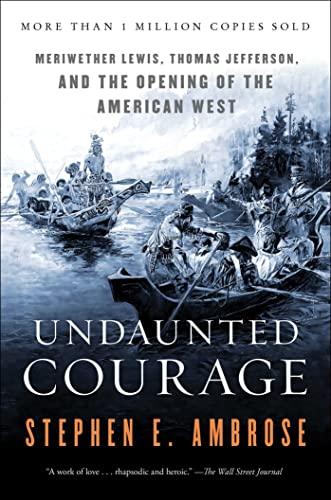
Stephen E. Ambrose
Mentioned 1 year ago
Ep. 597: Game On, Suckers! MeatEater Trivia CXXIX
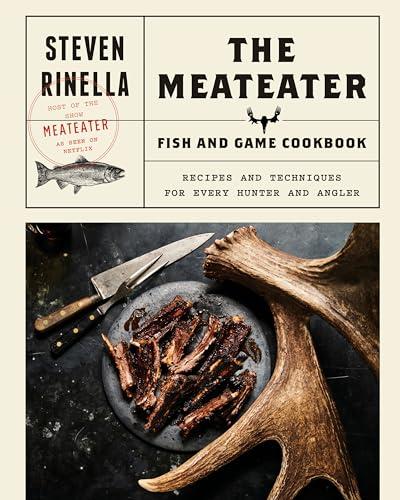
Steven Rinella
Mentioned 1 year ago
Ep. 594: Game On, Suckers! MeatEater Trivia CXXVIII
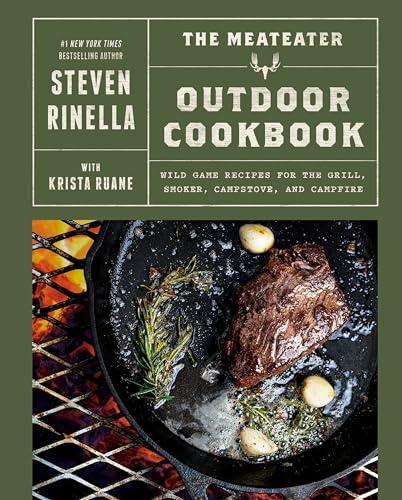
Steven Rinella
Mentioned 1 year ago
Ep. 598: MeatEater Radio Live! A Salmon Smokehouse, Killer Jerky, and the 6th Biggest Yukon Moose
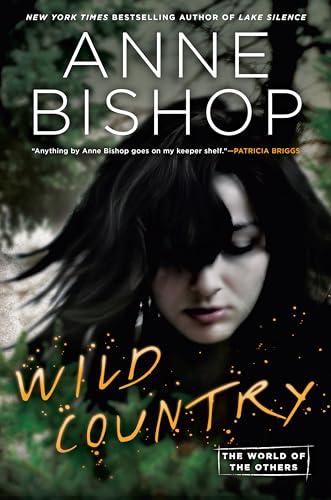
Anne Bishop
Mentioned 1 year ago
Ep. 588: Game On, Suckers! MeatEater Trivia CXXVI
Jack Olsen
Mentioned 1 year ago
Ep. 585: Game On, Suckers! MeatEater Trivia CXXV
The book was mentioned in a discussion about botulism; the characters in the story discovered home-canned goods, but chose to leave them untouched due to the risk of botulism.
And in Cormac McCarthy's The Road, they're in a house looking for food and he finds some jarred some home canned goods on a shelf. And even though everybody's starving to death and ha...
— Episode: Ep. 340: Game On, Suckers! MeatEater Tri...
The book was mentioned in a discussion about botulism; the characters in the story discovered home-canned goods, but chose to leave them untouched due to the risk of botulism.
And in Cormac McCarthy's The Road, they're in a house looking for food and he finds some jarred some home canned goods on a shelf. And even though everybody's starving to death and has resorted to cannibalism, he finds them and leaves them.
The book was referenced when discussing the limits of human anxiety and the idea that there might not be new levels of anxiety to come, even with increasing environmental challenges.
I think even if Cormac McCarthy's The Road, right? There's only so much anxiety to go around.
The podcast host recommended reading Cormac McCarthy to understand the strict moral code that governs his world, particularly for those who make a decision and try to live as if they hadn't.
As you think about your married life, read the works of Cormac McCarthy and look in there for the strict moral code that governs the world of Cormac McCarthy.
Because you'll find that the people that he's most severe with are people who make a decision to do something and then later try to live a life in which they hadn't made that decision.
If you're just flat out evil, Cormac McCarthy doesn't hurt you. He hurts people who dabble in evilness.
The book *Moby Dick* was mentioned in relation to the similarities between the character Quint from *Jaws* and Captain Ahab from *Moby Dick*, including their obsessive personalities and sea-faring enemies. The original *Jaws* screenplay even included a scene of Quint watching *Moby Dick* in a movie theater, but it was cut due to copyright issues.
It's believed that Quint was based on Captain Ahab from Moby Dick.
— Episode: Ep. 462: Game On, Suckers! MeatEater Tri...
The book *Moby Dick* was mentioned in relation to the similarities between the character Quint from *Jaws* and Captain Ahab from *Moby Dick*, including their obsessive personalities and sea-faring enemies. The original *Jaws* screenplay even included a scene of Quint watching *Moby Dick* in a movie theater, but it was cut due to copyright issues.
It's believed that Quint was based on Captain Ahab from Moby Dick.
Some of the similarities include that they're both obsessive captains with enemies that live in the sea and they both die after getting pulled under water.
Spielberg's original screenplay actually included Quint watching Moby Dick in a movie theater, but they couldn't use the scene because of copyright laws.
An audible recording of this book was listened to during a boat trip, although it was noted as being unsoothing during a rough sea voyage.
so i had my phone with me and i had an audible recording of Moby Dick so i put on Moby Dick which really in retrospect was the stupidest thing to do because it's completely unsoothing you know so they have
Essays (Picador Modern Classics)
It was referenced in relation to people rebelling against readily available information by clinging to rumors and myths, giving them a sense of special knowledge.
she talks about a way in which people, and this is, she's writing pre internet. Okay. So she wrote this before the internet came out, but she's talking about a way in which people rebel against inform...
— Episode: Ep. 146: Bigfoot
It was referenced in relation to people rebelling against readily available information by clinging to rumors and myths, giving them a sense of special knowledge.
she talks about a way in which people, and this is, she's writing pre internet. Okay. So she wrote this before the internet came out, but she's talking about a way in which people rebel against information.
there's people who as information becomes so available and we know about so much and we can find out about so much. There's a way to rebel against information by like tenaciously grabbing onto rumors and myths and conspiracies because it gives you a sense of knowing something that everyone else just can't see.
The podcast mentioned Joan Didion's "Slouching Towards Bethlehem" in the context of discussing how people are overwhelmed by information and often prefer simplified narratives over seeking the truth.
You know, in Joan Didion's book, she wrote two books about the 60s. One was called The White Album and one was called Slouching Towards Bethlehem.
It was mentioned in relation to the amount of information available leading people to crave secret stories, particularly those who consume a lot of marijuana. The book's relevance to the podcast discussion was tangential, used as an example of a cultural phenomenon.
This is writer Joan Didion and she has a book called slouching toward Bethlehem or maybe it was she has another book called the white album.
![A River Runs Through It and Other Stories, Twenty-fifth Anniversary Edition [Deluxe Edition] 1st (first) edition Text Only Cover](https://media.podcastbookpicks.com/books/2255.jpg)
The book was made into a movie in 1992 and heavily featured fly fishing in Montana. The movie was filmed in 1991 and was set in Missoula, Montana.
What 1976 novel became a 1992 movie that heavily featured fly fishing in Montana?
— Episode: Ep. 492: Fishing and Films with Rob Lowe
The book was made into a movie in 1992 and heavily featured fly fishing in Montana. The movie was filmed in 1991 and was set in Missoula, Montana.
What 1976 novel became a 1992 movie that heavily featured fly fishing in Montana?
River runs through it. That is correct.
River Runs Through It was filmed in 1991 and was set in Missoula, Montana.
What film was Rob Lowe filming in 1991... Give me a second. ...that starred an actor who was born in Missoula, Montana?
This book was mentioned among other books that the speaker recommends to their children to help them understand the different perspectives on hunting in children's literature.
That's why you got to read your kids light in the forest, hatchet my side of the mountain.
This book was mentioned as another example of a fishing book that explores deeper themes beyond the sport itself, similar to "The Old Man and the Sea."
And then River Runs Through It, it's like supposed to be about fishing, but it's about fatherhood, brotherhood. What are your obligations to the people that love you?
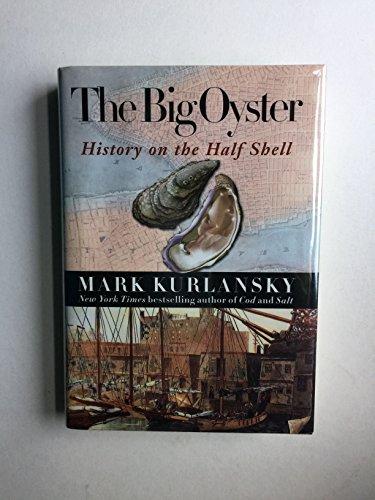
History on the Half Shell
This was mentioned as one of the author's books, alongside Cod, Salt, and 1968.
Also the author of 1968, The Big Oyster, A World Without Fish.
— Episode: Ep. 217: Mark Kurlansky on Saving Salmon
This was mentioned as one of the author's books, alongside Cod, Salt, and 1968.
Also the author of 1968, The Big Oyster, A World Without Fish.
How Trump's America First Agenda will Stop the Unraveling of America & Guarantee Him a Second Term in the White House (Feeding Patriots Series Book 1)
During an episode focused on saving the Everglades, Kelly Ralston highly recommended a book referred to simply as The Swamp. The book was described as a "really great book" that provided a "fabulous history" of the region, offering crucial context regarding historical land development and its long-term impacts on the ecosystem.
It was described as a book that gives a fabulous history of the Everglades and was mentioned in relation to the mentality of land development in Florida in the past.
There's a really great book on this subject by the way called the swamp
It was described as a book that gives a fabulous history of the Everglades and the mentality of development with little thought to long-term impacts.
There's a really great book on this subject by the way called the swamp. Okay, that kind of gives a fabulous history of the Everglades.
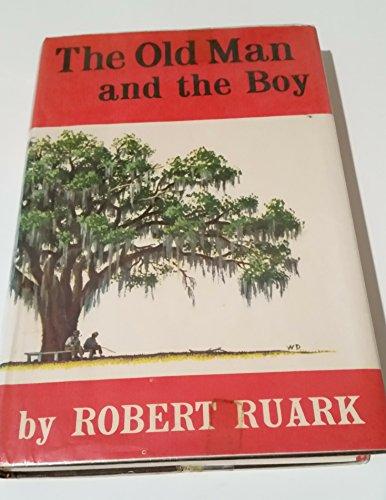
It was mentioned as the most famous piece written by Robert Ruark. The book was read by Spencer in his early twenties and influenced his interest in the outdoors.
You should read that, Spencer.
— Episode: Ep. 567: Game On, Suckers! MeatEater Tri...
It was mentioned as the most famous piece written by Robert Ruark. The book was read by Spencer in his early twenties and influenced his interest in the outdoors.
You should read that, Spencer.
Okay. Yeah. Everybody should.
I read that and Ruark's Use Enough Gun, which is about his time spent in Africa on safari in my early twenties.
And they were both extremely influential and stoked my fire for the outdoors.
This book, while not solely focused on hunting, offers insights into hunting, safety, and general life lessons within the context of personal stories. It was appreciated for its avoidance of a strict how-to approach while still conveying valuable knowledge.
Robert Ruark, you mentioned him, right? The Old Man and the Boy. Great book.
This book by Robert Roo-Ark was discussed as his best work. The speaker stated it was not the author's best book.
That's not his best book. His best book is The Old Man and the Boy, is Roo-Ark.
It was described as a masterpiece of war reporting. The book also talked about the author's experience coming home from the Vietnam War and having a difficult time reintegrating into society.
One of the best books about the Vietnam War is called Dispatches.
— Episode: Ep. 549: Musky Scandals and Governor's T...
It was described as a masterpiece of war reporting. The book also talked about the author's experience coming home from the Vietnam War and having a difficult time reintegrating into society.
One of the best books about the Vietnam War is called Dispatches.
And Dispatches was written by a guy named Michael Hare.
His book that he wrote about is called Dispatches.
In the book Dispatches, he even talks about coming home and having a hard time getting,
And that's always stuck with me.
The book was referenced in relation to how soldiers in Vietnam kept uppers and downers in their pockets; the speaker used this as an analogy for keeping mouth calls and milkweed in his pockets.
In Michael Harris' book, Dispatches, he talks about the Lerps, the long range reconnaissance patrollers in Vietnam. He talks about how they always kept uppers in the right pocket of their tiger suit and downers in the left pocket of their tiger suit.
It was mentioned in relation to the podcast hosts' discussion about luck and near-death experiences; a journalist covered the Vietnam War and wrote about a soldier from Miles City who kept checking casualty lists to see if anyone else from their hometown was killed.
And he meets a kid in the book. He meets a kid from Miles City. And every day, or not every day, but whenever he gets a list of fatalities and when they're in the military publication, he's always looking in there, hoping to see someone from Miles City on the list.
And Michael Herr goes, well, why do you want to see someone from Miles City on the list? He goes, because what are the chances two guys from Miles City are going to get killed in this war?
The book 'The Big Sky' by A.B. Guthrie Jr. was mentioned as a source of inspiration for the book's focus on outdoor cooking methods, particularly those used by mountain men.
There's a novel by ab guthering it's like a mountain man novel called The big sky
— Episode: Ep. 544: The Great MeatEater Outdoor Coo...
The book 'The Big Sky' by A.B. Guthrie Jr. was mentioned as a source of inspiration for the book's focus on outdoor cooking methods, particularly those used by mountain men.
There's a novel by ab guthering it's like a mountain man novel called The big sky
And after The big sky came out someone actually wrote someone from the tourism board in montana actually wrote ab guthering and asked them if they could use The big sky in a in a highway campaign promoting like taking highway trips in montana
and ab guthering the novelist said oh it's fine and that's where big sky country came from in The big sky he talks there's a lot of cooking that happens in this mountain man novel The big sky
and then he takes a rabbit and bones out a rabbit and sticks the pieces to a rock and tips the rock up facing the flame and that's the first meal in The big sky
later in The big sky his favorite meal becomes varying a deer head in the ash
A book in which a mountain goat saves the life of the main character. It was mentioned as a good book that coined the phrase "The Big Sky".
You ever read the book, The big sky? I have not. A mountain goat saves his life.
I mean, he shoots the mountain goat and eats it, but it saves his life. Oh, perfect. In the end, The big sky.
It was mentioned that a mountain goat plays a role in saving the protagonist's life in this book. The speakers expressed interest in reading it.
You ever read the book, The big sky? I have not. A mountain goat saves his life. Say what? I mean, he shoots the mountain goat and eats it, but it saves his life. Oh, perfect. In the end, The big sky.
The Educational Little Tree was written by a person who also wrote Wallace's segregation now segregation forever speech under a pseudonym. Clint Eastwood bought the rights to the book and made the movie Outlaw Josie Wales.
So it could have been that if he had done Jeremiah Johnson, it wouldn't have like changed, but you gather, I don't really know. I have, I feel like when you watch Jeremiah Johnson, I feel a little bit...
— Episode: Ep. 492: Fishing and Films with Rob Lowe
The Educational Little Tree was written by a person who also wrote Wallace's segregation now segregation forever speech under a pseudonym. Clint Eastwood bought the rights to the book and made the movie Outlaw Josie Wales.
So it could have been that if he had done Jeremiah Johnson, it wouldn't have like changed, but you gather, I don't really know. I have, I feel like when you watch Jeremiah Johnson, I feel a little bit like, I sense an ad-libbing quality to it.
So the author of The Educational Little Tree. Who, as we now know, as it became, this wasn't revealed until the nineties, the author of The Educational Little Tree had written Wallace's segregation now segregation forever speech, but had this like wrote novels under a pseudonym.
Clint Eastwood didn't even know it. Wow. Clint Eastwood wasn't aware when he did outlaw Josie Wales, but outlaw Josie Wales was, has the same tonality to it.
Clay Newcomb's Bear Grease podcast episodes on this book were mentioned, suggesting a discussion of its content and themes.
listen to Clay's Bear Grease episodes on The Education of Little Tree
It was discussed as a book with many dark twists and turns. Clay Newcomb's podcast series covering this book was mentioned and recommended.
Listen to Clay's Bear Grease episodes on The Education of Little Tree
We did a series on Asa Carter. A book called Education of the Little Tree. Lots of twists and turns. Dark twists and turns.
The Shaking of an All-American City, A Voice That Held It Together
The book "This is Chance" focuses on Jeannie Chance, a radio reporter who became influential during the chaos of a major Alaskan earthquake in 1964, providing a crucial source of information amidst the uncertainty.
Tell everybody your other books...Did we do a show about This is Chance? I think so. Like we focus on that specifically?
— Episode: Ep. 340: People Getting Confused By Anim...
The book "This is Chance" focuses on Jeannie Chance, a radio reporter who became influential during the chaos of a major Alaskan earthquake in 1964, providing a crucial source of information amidst the uncertainty.
Tell everybody your other books...Did we do a show about This is Chance? I think so. Like we focus on that specifically?
John Muallem, like moo, like a cow, Allum, not like Allen...New book is Serious Face, author of This is Chance,
This is Chance was about the biggest earthquake to ever strike...In America. Alaska earthquake. Yeah. Good Friday earthquake.
The book tells the story of the Great Alaska Earthquake of 1964, focusing on the first three days in Anchorage and the human response to the disaster. It highlights the resilience and cooperation of individuals in the face of overwhelming chaos.
Yeah, I've been working on this book. You were working on your book that became This Is Chance.
This Is Chance is a book about the Great Alaska earthquake in 1964.
And the book basically tells the story in pretty intimate detail, just the narrative of these first three days in the city of Anchorage.
One of the biggest earthquakes in US history, right? Yeah, that's correct. The second most powerful one ever measured and the most powerful one in the US.
The book is called This Is Chance The Shaking of an All-American City and a voice that held it together and it just came out in paperback from fine people at Random House Books and you can buy it with your money
This book, written by John Mualim and mentioned in the podcast, discusses the 1964 earthquake in Anchorage.
I was just reading this book about the - what year did the big earthquake hit Anchorage? 64. I read a book about the - John Mualim, who's been on this show, just wrote a book called This is Chance. And it's about the 64 earthquake in Anchorage.
The Pioneer Call of Emerging Voices from the Wilderness to the Frontlines
The podcast mentioned Jon Mooallem's book "Wild Ones," which explores the complex relationships between humans and animals.
author of what was the candid, not the creatures? Wild Ones.
— Episode: Ep. 340: People Getting Confused By Anim...
The podcast mentioned Jon Mooallem's book "Wild Ones," which explores the complex relationships between humans and animals.
author of what was the candid, not the creatures? Wild Ones.
More about all about animals. All about animals. Well, people. All about people going wacky about animals.
It was discussed three years prior on the podcast. The book focuses on America's relationship with wildlife throughout history, from the desire to kill all bears to efforts to prevent their extinction.
Last time I was here talking about a book called Wild Ones, which was about endangered species conservation. That's the most boring way to put it.
And the more interesting way to put it is it's sort of about how America has treated and thought about its wildlife throughout its history.
So, you know, why are we a country that at the beginning of one century we want to kill all the bears and at the end of another century we want to make sure that the bears don't go extinct?
It explores conservation and endangered species, examining the perspectives of those with limited direct experience with these issues and how people's perception of animals, especially among children, shapes conservation efforts. The author discusses shifting baselines and the challenges of defining conservation success.
So the book's called Wild Ones. The subtitle is a sometimes dismaying, weirdly reassuring story about looking at people looking at animals in America.
And it's a book about, basically it's a book about conservation and endangered species.
I think it shuts a lot of people down.
And so the book was really about trying to reconcile those two worlds.
What are these animals doing for us? Maybe not in the physical plane, but just emotionally?
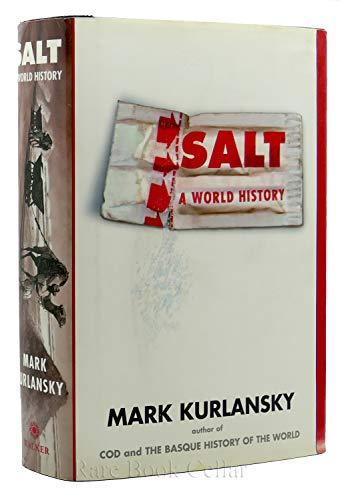
This book was mentioned as being widely popular and appearing on many bookshelves and coffee tables.
In my world, for sure, being familiar with Mark's book Cod and his book Salt, which seemed to make its way onto every coffee table and bookshelf in the country.
— Episode: Ep. 217: Mark Kurlansky on Saving Salmon
This book was mentioned as being widely popular and appearing on many bookshelves and coffee tables.
In my world, for sure, being familiar with Mark's book Cod and his book Salt, which seemed to make its way onto every coffee table and bookshelf in the country.
This book was described as having made its way onto many coffee tables and bookshelves across the country. It was mentioned alongside the author's book on cod.
Being familiar with Mark's book, Cod and his book Salt, which seemed to make its way onto every coffee table and bookshelf in the country.
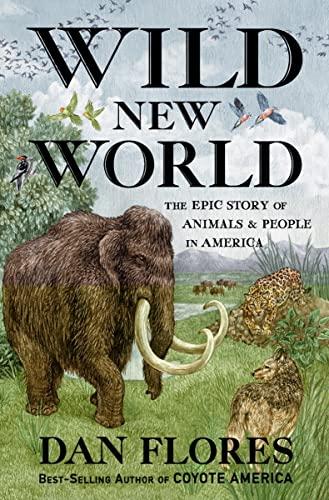
The Epic Story of Animals and People in America
Dan Flores' new book, "Wild New World," was mentioned in a conversation about the need to explain the evolution of a thought when discussing certain historical topics.
I recently interviewed Dan Flores about his new book Wild New World
— Episode: Ep. 472: The American Buffalo with Ken B...
Dan Flores' new book, "Wild New World," was mentioned in a conversation about the need to explain the evolution of a thought when discussing certain historical topics.
I recently interviewed Dan Flores about his new book Wild New World
It was mentioned in relation to a discussion about the surprisingly small number of bird species with a global population exceeding one billion.
I read it in a book called Wild New World by the historian Dan Flores.
An ecological history of the continent, starting with the Chicxulub asteroid impact and covering the Audubon Society and its namesake's complicated legacy.
I just read uh Dan Flory's very great book Wild New World which is a ecological history of well he came on the damn show so he wrote an ecological history of the continent where where do you begin he began with the Chicxulub strike which is the asteroid that collided with uh into the Gulf of Mexico off of uh tells that place over there off the Yucatan Peninsula at a angle that he described very eloquently
It was mentioned as one of the speaker's favorite books of all time and was on the New York Times bestseller list for 10 weeks. The speaker also discussed its influence on their decision to pursue a history of the Great Lakes.
Author of probably arguably when I make lists of my favorite books of all time, usually at the top of the list is the book Great Plains.
— Episode: Ep. 432: Hit 'Em Where They Ain't with I...
It was mentioned as one of the speaker's favorite books of all time and was on the New York Times bestseller list for 10 weeks. The speaker also discussed its influence on their decision to pursue a history of the Great Lakes.
Author of probably arguably when I make lists of my favorite books of all time, usually at the top of the list is the book Great Plains.
Great Plains was on the bestseller list for 10 weeks. New York times bestseller.
largely motivated by Great Plains and what a phenomenal job you did with that book about the American Great Plains.
The podcast mentioned how Ian Frazier wrote a profile on a steelhead fishing guide who later killed himself; the book was mentioned as something that everyone should read.
There's a writer, Ian Frazier, who's a wonderful writer. You should read, everybody should read his book, Great Plains.
Steven Rinella mentioned this book by Ian Frazier, describing it as phenomenal.
He wrote a book called Great Plains, A History of the American Great Plains. Okay. It's a phenomenal book.
A True Story of Myth, Madness, and Greed
It was described as a book that will 'curl your hair', suggesting a captivating and perhaps unsettling narrative. The author also wrote a book about a man hunting tigers.
That same author though wrote The Golden Spruce. That's right. You want book that'll curl your hair
— Episode: Ep. 421: Wolverines
It was described as a book that will 'curl your hair', suggesting a captivating and perhaps unsettling narrative. The author also wrote a book about a man hunting tigers.
That same author though wrote The Golden Spruce. That's right. You want book that'll curl your hair
One of the podcasters highly recommended this book, describing it as a well-written story about a giant golden spruce and the man who cut it down.
Really, you know what? You want to read a real book, read his book The Golden Spruce. I have not read that one. That's a writing some bitch right there, man. He's good. But there's certain books that come out. It's like Malcolm Gladwell writes a book then for the next six months you got to have people tell you stuff that they read in there and act like that they didn't read it there. You know what actually way to think about that is and you learn later like where it's all coming from. But since that book came out I've had 50 people tell me that about tigers. Not to take away from it because he's a hell of a writer. What was his name again? John Valant, I think. Yeah, we've emailed. V-A-I-L-L-A-N-T. Dude, The Golden Spruce is about a giant golden spruce and the man who sawed it down and why he sawed it down and he did not saw it down for the reasons you think he would have sawed it down. It's about an act of eco-terrorism. It's a good ass book.
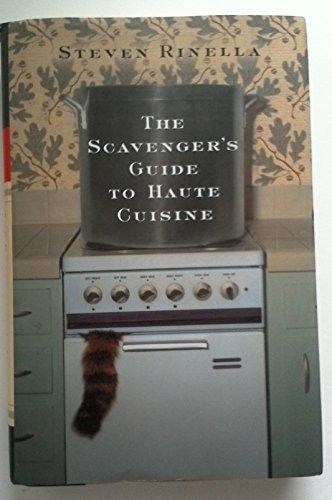
A signed copy of this book was offered as a prize to the listener who submitted the winning question of the week.
Phil is going to get a signed copy of The Scavenger's Guide to Haute Cuisine.
— Episode: Ep. 374: Game On, Suckers! MeatEater Tri...
A signed copy of this book was offered as a prize to the listener who submitted the winning question of the week.
Phil is going to get a signed copy of The Scavenger's Guide to Haute Cuisine.
It was mentioned in passing that the author was working on this book, which is about a French chef, Escoffier, and the wild game he cooked. The book's relation to ketchup and its history was also discussed.
When I was working on my book, my first book called The Scavenger's Guide to Haute Cuisine it was about this French chef, Scoffier and all the wild game he would cook.
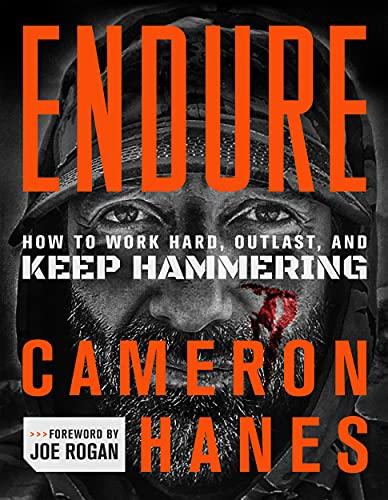
How to Work Hard, Outlast, and Keep Hammering
One contestant read Cameron Hanes' book to gain an advantage in the trivia contest.
I read Cam's book because I have such a strong desire to beat you. And I learned from his book.
— Episode: Ep. 334: Game On, Suckers! MeatEater Tri...
One contestant read Cameron Hanes' book to gain an advantage in the trivia contest.
I read Cam's book because I have such a strong desire to beat you. And I learned from his book.
Cam Hanes's new book, Endure, discusses how hard work, perseverance, and dedication can lead to success, regardless of one's background. It was his first time working with a New York publisher.
Cam's new book, Endure, is out!
Cam Haines' new book, Endure. How's that going?
So it's, you know, you meet with the publishers as you know, and they make a pitch for the advance and all that. And so make a decision.
it doesn't matter how you come up, what your upbringing is. If you follow your passion, whatever that is, you can have whatever success you dream of essentially.
if you wish you could run farther or shoot straighter, this book is for you.
The podcast mentioned that Cameron Haynes wrote a book that included information about paying someone to pack out a bull from the backcountry.
We were talking about trail cams and how for a while, we're talking about trail cams. And my feeling that even though I use them, my feeling that at some point we're going to wind up needing to have a reckoning with trail cameras the same way we had to have a reckoning with drones.
he had a guy on call. He paid to pack his bulls out of the back country.
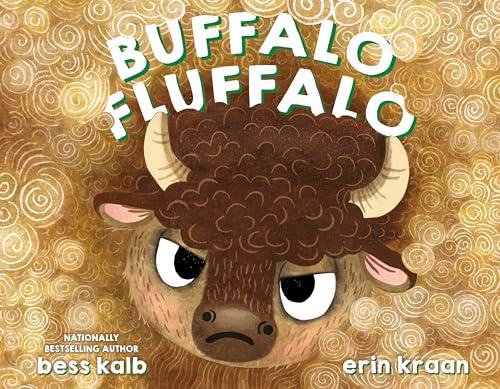
While discussing common Yellowstone injuries, a guest mentioned referencing a "Buffalo book" during research. No further details were provided about the book.
When I was researching my Buffalo book, it was talking about a very common, very common animal related injury.
— Episode: Ep. 122: Live from Denver
While discussing common Yellowstone injuries, a guest mentioned referencing a "Buffalo book" during research. No further details were provided about the book.
When I was researching my Buffalo book, it was talking about a very common, very common animal related injury.
The author mentioned working on his book about buffalo and attending an international bison conference where the potential for bison recovery and the impact of a border wall on bison populations were discussed.
I remember years ago when I was working on my Buffalo book, I went to a sort of an international bison conference, which means it had people from Mexico.
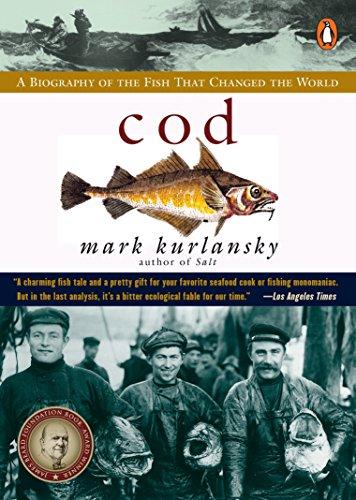
A Biography of the Fish that Changed the World
It was published in 1997 and discussed the problems of overfishing and the collapse of the northern stock in the Grand Banks, prompting serious public consideration of commercial fisheries regulation. The author later realized that overfishing was only a minor issue compared to more complex problems.
In 1997 I came out with my book on Cod. And this was as the northern stock in the Grand Banks was collapsing.
— Episode: Ep. 217: Mark Kurlansky on Saving Salmon
It was published in 1997 and discussed the problems of overfishing and the collapse of the northern stock in the Grand Banks, prompting serious public consideration of commercial fisheries regulation. The author later realized that overfishing was only a minor issue compared to more complex problems.
In 1997 I came out with my book on Cod. And this was as the northern stock in the Grand Banks was collapsing.
And people were really for the first time seriously thinking about the problems of overfishing and regulating commercial fisheries. I mean, the general public was.
It's become clear to me that overfishing and regulating fisheries is a minor problem.
It was published in 1997 and discussed the problems of overfishing and regulating commercial fisheries, a topic the author revisited in his later book on salmon.
In 1997 I came out with my book on Cod. And this was as the northern stock in the Grand Banks was collapsing. And people were really for the first time seriously thinking about the problems of overfishing and regulating commercial fisheries.
When my Cod book came out it came out at the same time as Sebastian Younger's Perfect Storm and we did a TV show together in Rhode Island
It was published in 1997, at the time of the collapse of the northern cod stock in the Grand Banks, and discussed overfishing and the regulation of commercial fisheries. The author used it to monitor fisheries and subsequent events, which led to his new book about salmon.
In 1997, I came out with my book on Cod. And this was as the northern stock in the Grand Banks was collapsing.
Note: The book recommendations on this page are discovered automatically from podcast transcripts, and may be incorrect or incomplete.
Podcast Name