The Millionaire Next Door
Thomas J. Stanley Ph.D.
Mentioned 7 months ago
Evening Edition: Could 'Trump Accounts' Spark An American Baby Boom?

The FOX News Rundown is the place to find in-depth reporting on the news that impacts you. Each morning, Mike Emanuel, Dave Anthony, Lisa Brady, Jessica Rosenthal, and Chris Foster take a deep dive into the major and controversial stories of the day, tapping into the massive reporting resources of F...
Recently mentioned
Thomas J. Stanley Ph.D.
Mentioned 7 months ago
Evening Edition: Could 'Trump Accounts' Spark An American Baby Boom?
Samuel M. Katz
Mentioned 7 months ago
Evening Edition: The Mossad's Role in Shaping Global Espionage
Natalie Brunell
Mentioned 7 months ago
Business Rundown: What's Behind The Bitcoin Selloff?
David Marcus
Mentioned 7 months ago
The President Doubles Down On His Deportation Push
B. Li
Mentioned 7 months ago
Extra: Change Is Hard. What Lies Ahead For A Post-Penny America
Walter Isaacson
Mentioned 7 months ago
From Washington: Is Congress Capable of Regulating AI?
Walter Isaacson
Mentioned 7 months ago
From Washington: Is Congress Capable of Regulating AI?
Walter Isaacson
Mentioned 7 months ago
From Washington: Is Congress Capable of Regulating AI?
Walter Isaacson
Mentioned 7 months ago
From Washington: Is Congress Capable of Regulating AI?
Albert Einstein
Mentioned 7 months ago
From Washington: Is Congress Capable of Regulating AI?
Robert Pelton
Mentioned 7 months ago
Extra: Faith, Free Markets And America's Early Settlers
William Bradford
Mentioned 7 months ago
Extra: Faith, Free Markets And America's Early Settlers
The Covid Lies That Crushed A Nation
The book was repeatedly referenced when David Marcus appeared on the show, where he introduced himself as the author and described the title as an examination of COVID‑related misinformation and its effects on the nation, tying it to the current political climate. The hosts treated it as a relevant recent work rather than offering a strong endorsement.
David Marcus spoke about his book 'Charade: The COVID Lies That Crushed A Nation' and how it explains the lies surrounding COVID-19 and their impact on the nation.
I'm David Marcus, author of Charade: The COVID Lies That Crushed A Nation.
It was mentioned as the title of a book written by David Marcus, which is titled 'Charade: The Covid Lies That Crushed a Nation'.
I'm David Marcus, author of Charade the COVID lives that crushed a nation.
David Marcus, the author of the book, reflects on the second assassination attempt on Donald Trump and the desensitization of such events in the context of widespread distrust and misinformation.
This desensitization of murder attempts against political opponents is a danger that cannot be overstated.
This book was mentioned as David Marcus's recent work, suggesting it covers political topics related to the current national climate and COVID-19.
I'm David Marcus, Fox News digital columnist and author of Charade, The COVID Lies That Crush the Nation.
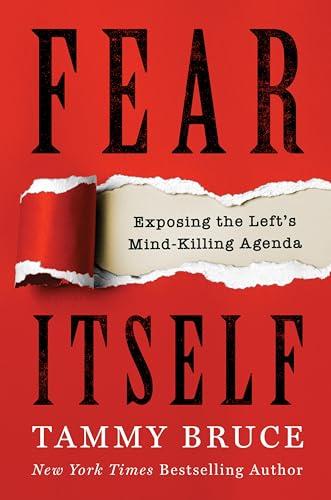
Exposing the Left's Mind-Killing Agenda
The book was highlighted several times as Tammy Bruce's upcoming title, with her describing it as a commentary on the Left's agenda and its societal impact. It was mentioned in passing during discussions and promotional segments, without strong endorsement from the hosts.
It was mentioned as the name of the author's new book, scheduled for release on July 23rd.
My new book, Fear Itself, is released on July 23rd.
The book, 'Fear Itself: Exposing the Left's Mind-Killing Agenda', is a commentary on the recent protests and other events, suggesting that the Left's agenda is to incite fear and disrupt society.
My new book, Fear Itself, Exposing the Left's Mind-Killing Agenda, is released on July 23rd.
Tammy Bruce's book, "Fear Itself," was mentioned in the context of her commentary on the Fox News Rundown, discussing the left's political agenda and its impact on society.
Tammy Bruce with your Fox News commentary coming up...
I'm Tammy Bruce, this column originally appeared at amac.us, I'm a Fox News contributor and my new book is called Fear Itself
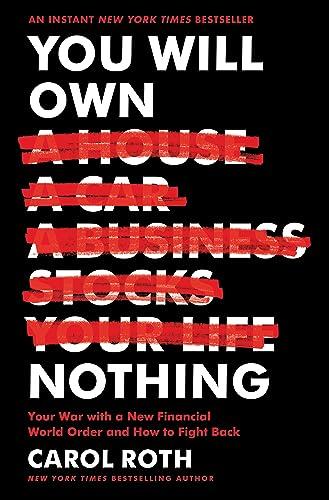
Your War with a New Financial World Order and How to Fight Back
Carol Roth appeared on multiple episodes to discuss the book, using it to frame her criticism of the Biden administration’s economic policies and warning about government moves to tax citizens’ wealth. She highlighted the title as a key element of her perspective on the legacy of Trump and the future financial landscape. The mentions were promotional and aligned with her broader commentary on inflation, deficits, and price controls.
The author, Carol Roth, mentioned her book "You Will Own Nothing" during her commentary segment, as she stated her opinion about what she considered to be the one piece of Trump's legacy that haunts Biden.
I'm Carol Roth with the one piece of Trump's legacy That haunts Biden
My latest is you will know nothing
Carol Roth, a former investment banker, discussed her book 'You Will Own Nothing' in the context of the government's potential to tax citizens' wealth and assets, warning against this trend.
I'm Carol Roth, best-selling author of You Alone Nothing.
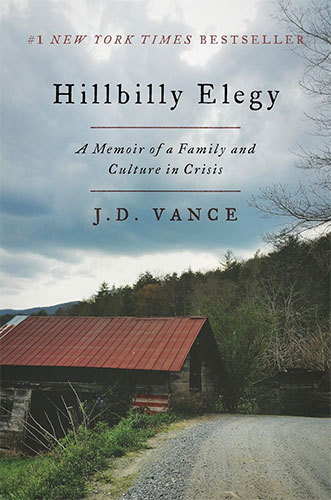
The title was brought up in three episodes to contextualize J.D. Vance's public image and appeal to the white working class. Hosts referenced the book when describing his background as a poor Appalachian upbringing and how that narrative resonated with voters, especially in contrast to his elite education and ties to Silicon Valley. The discussion highlighted the book as a symbol of Vance's connection to rural America rather than evaluating its literary merits.
J.D. Vance was praised for being the representative of the working class and his experiences growing up in a poor family in Appalachia.
J.D. will do a great job. I'm extremely excited about the pick of Senator Vance to be vice president. He will be a great ally with President Trump in pushing President Trump's policies and priorities.
J.D. Vance is the representative of the working class. He grew up in a very poor family in Appalachia. His grandmother raised him. His mother had a drug addiction problem. He has experienced in his lifetime on how he was raised with so many Americans, whether it's in the Ozarks where I come from, Appalachia, whether it's the Rust Belt. These are Americans that a lot of times feel like in Washington that they are viewed as flyover country. And he's going to be such a strong voice for them. And I think you'll see that tonight in his speech. So I'm extremely, extremely excited about Donald Trump, Donald Trump's selection of J.D. Vance.
J.D. Vance is the representative of the working class. He grew up in a very poor family in Appalachia. His grandmother raised him. His mother had a drug addiction problem.
J.D. Vance's book was mentioned in the context of his background and how it relates to his appeal to the white working class, which was also a core demographic for Donald Trump.
Like all regular people I grew up with in the heartland, J.D. studied at Yale, had his career funded by Silicon Valley billionaires, and then wrote a bestseller trashing that community. Come on!
And that's what his book was about. And that's always been Donald Trump's bailiwick.
J.D. Vance does speak to sort of the sort of white working class.
I think, you know, Van circa 2016, when he was sort of a a new voice speaking for rural America and the sort of white working class and the sort of forgotten element of American society.
The book was mentioned in reference to JD Vance's public image before the VP debate, where he was characterized as the author of this work.
he had very high unfavorable ratings, only a 39% approval rating that's largely built off the image and the brand people had painted of him as being this America first nationalist cat lady hating Ivy League at one time, Hillbilly Elegy author
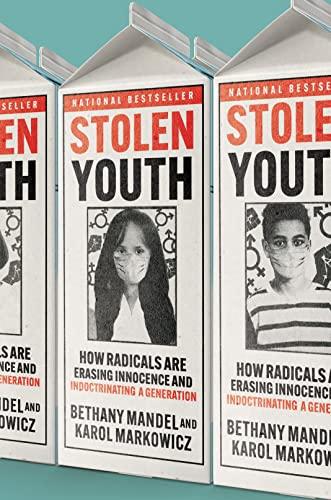
How Radicals Are Erasing Innocence and Indoctrinating a Generation
The book was cited primarily to identify Karol Markowicz, a New York Post columnist who contributed commentary to the episodes. His role as co‑author was mentioned in passing across the three shows, without any detailed discussion of the book’s arguments or a recommendation. The references served only to establish his credentials for the topics covered.
The book was mentioned as being written by Karol Markowicz, a New York Post Columnist who provided commentary on the podcast.
Plus, commentary from New York Post Columnist and author of Stolen Youth, Karol Markowicz.
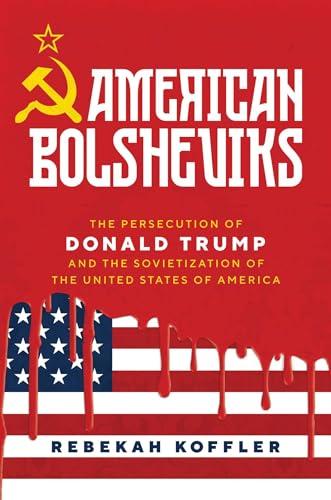
The Persecution of Donald Trump and the Sovietization of the United States of America
The book was highlighted by guest Rebecca Koffler, who described it as a warning about the persecution of Donald Trump and a parallel to Soviet‑era censorship and totalitarianism in the United States. She emphasized that it draws on her experience growing up in Soviet Russia to argue that voting for Democrats could lead America toward a USSR‑like future. The discussion presented the title as a crucial alert for Americans concerned about political oppression.
Rebecca Koffler described the book as a parallel to her upbringing in Soviet Russia and the direction that America is going, highlighting censorship, persecution, and a totalitarian shift.
The new book is called American Bolsheviks, the Persecution of Donald Trump and the Sovietization of America. And basically what I described there is, as you know, I was born and raised in Soviet Russia. And I've been here more than 30 years.
And I'm just simply horrified at the direction of where our country is going. Because with the censorship, with the persecution of the primary political opponent, the silencing of the conservative voices, religious voices, disarming the people by themselves, they're protecting with forcing the COVID vaccine. And it's totalitarianism.
And so that's what the book is about, is drawing parallels of how I was growing up in Soviet Russia and what's happening and how my children, American born children are growing up here. And if we don't stop this trend, this country will basically transform into a USSR 2.0.
And I don't want it. I love America. I want it to be America based on the principles founded by our founding fathers.
It was mentioned that the book discusses the persecution of Donald Trump and the Sovietization of America, with a publication date of November 12, 2024.
Our guest is Rebecca Koffler, a former defense intelligence agency officer, as well as a published author on the effect of the Ukrainian military making an incursion into Russia proper in its ongoing war.
You're also an author. Your forthcoming book due out soon, American Bolsheviks, the Persecution of Donald Trump and the Sovietization of America.
It was described as detailing the persecution of Donald Trump and the sovietization of America, warning Americans that voting for Democrats is like signing America's death sentence.
Yes, it's called American Bolsheviks, the persecution of Donald Trump and the Sovietization of America.
And now one is basically about what's going on in my adopted homeland. They came to America from Soviet Russia. And what I'm observing now is all the censorship and all the radicalization of the Democratic Party who is trying to establish total government control in this society.
It's giving me flashbacks back into Soviet Russia that I fled. And so it is warning Americans how the story ends.
And in truth, socialism has been trying many, many times in many, many places and every single time it failed and it only destroyed the country. And I wanted to warn my fellow Americans that voting for Democrats is basically signing America's death sentence.
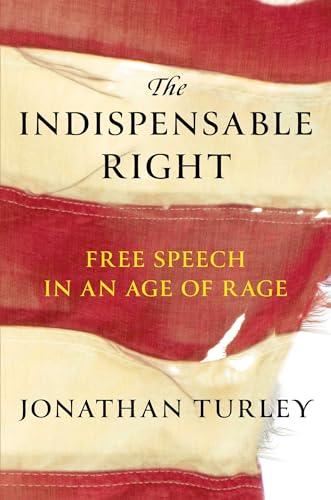
Free Speech in an Age of Rage
The author highlighted the book as a comprehensive look at the history and current challenges to free speech, arguing that today’s climate of anger and coordinated censorship by government, corporations, media, and academia represents a dangerous period. He explained that the work traced past “rage rhetoric,” examined key cases and personalities, and offered an optimistic view that the public still resists censorship. The discussion conveyed strong endorsement of the title.
This book explores the history of free speech in the United States, analyzing the challenges and triumphs, and arguing that free speech is a fundamental human right.
I think this is the most dangerous anti-free speech period in our history. We've never seen an alliance like this of the government, corporations, media, and academia all allied against free speech.
The book actually talks about the characters and the cases that helped shape free speech in the United States.
One of the things that I discuss in The Indispensable Right is that we've gone through anti-free speech periods in this country.
We're at another election crossroad. And I think that the book has within it a well-based sense of optimism. The public remains opposed to censorship.
I think that puts it well. The interesting thing about the book is this book was 30 years in the making, and I didn't want to finish the book until I had a complete and comprehensive view of free speech, not just how we got to where we are and what we can do about it, but also why it is we're still struggling with free speech.
The author discusses why he wrote the book about the importance of free speech, particularly in times of national anger and rage. The book looks at the historical perspective of free speech in America and how the government, academia, and social media are censoring free speech in the modern day.
The book does actually deal with some of the attacks on the Supreme Court. And the reason the subtitle is Free Speech in an Age of Rage is this isn't our first age of rage. We've gone through various periods where our anger and our fears have led us to attack each other and often attack free speech.
And the problem has often been what I call rage rhetoric in the book, that this country was born in rage. That's what the Boston Tea Party was.
But the problem is we've always struggled with how to deal with rage rhetoric, particularly when it becomes state rage, when the government responds by cracking down on free speech. So the book looks at the personalities and the periods that shaped our views of free speech and tries to answer why we're still grappling with free speech, why we have still this difficult time in dealing with things like rage rhetoric.
And the reason it took so long is I didn't want to finish the book until I could answer that question. And ultimately, I did. One of the conclusions I made is that at the beginning of our republic, we had a short period of clarity as to what free speech really means.
And that was embodied in the First Amendment, that many of the framers believe that free speech was a natural right. It did not come from the government. It came from God. It came from being human, that you need free speech to be fully human.
The Surprising Secrets of America's Wealthy
Gary Kaltbaum recommended the book, noting that it explained why individuals who amassed millions often went broke while those earning modest incomes became millionaires through disciplined saving and money management. He highlighted the contrast between high earners and modest earners, emphasizing the practical financial habits that lead to wealth.
This book was recommended as it explained how people who accumulated millions went broke, contrasting them with those earning modest incomes who became millionaires solely based on how they managed and saved their money.
I always tell people go get the book millionaire next door. It is a book that explains how people that made millions went broke and people that made 50,000 a year, uh, became millionaires just because of how they treated their money and saving their money.
The book was recommended as it explained how people who made millions went broke, while others earning $50,000 a year became millionaires just by managing and saving their money correctly.
I always tell people go get the book millionaire next door. It is a book that explains how people that made millions went broke and people that made 50,000 a year, uh, became millionaires just because of how they treated their money and saving their money.
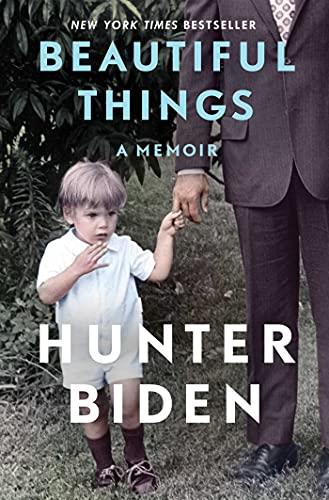
A Memoir
The book was cited in two episodes as part of the legal discussion surrounding Hunter Biden, with the hosts noting that it contains his own accounts of drug use that the prosecution leveraged to portray his addiction. David Spunt and Rich Edson referenced the memoir to illustrate how Biden publicly acknowledges his struggles, though they also pointed out the lack of direct evidence linking those admissions to specific drug transactions. The discussion treated the title as a factual source rather than a recommendation.
Hunter Biden's book, 'Beautiful Things', was referenced when discussing the prosecution's use of quotes from the book in their case against Hunter Biden. It was mentioned that the book contained quotes from Hunter about his struggles with addiction and his experiences with drugs.
Hunter Biden in his own book talked about, you know, going and dealing drugs at the 7-11 or purchasing drugs at that local 7-11.
And there's no actual proof that he was, you know, buying drugs at that 7-11.
They believed that he was essentially doing a drug deal because Hunter said so in his book.
The prosecution painted a picture of Hunter Biden's drug addiction, which they said he acknowledged in the book he wrote, "Beautiful Things."
And so it's really prosecution is really driving home this picture of Hunter Biden, which, quite frankly, he paints himself publicly in the book that he wrote.
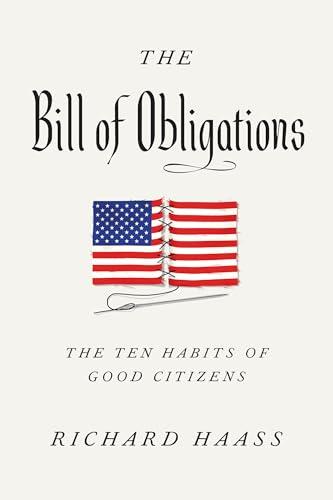
The Ten Habits of Good Citizens
In two episodes, Jessica Rosenthal introduced the book and Richard Haass discussed its argument that America’s rights‑focused democracy is faltering without a renewed emphasis on civic obligations. They highlighted the author’s call to restore the social compact by balancing individual rights with responsibilities to one another, the country, and the government. The conversation framed the title as a timely and important contribution to the discussion of civic engagement, especially around July 4th.
Haass argues that the US is facing a decline in civic engagement and trust in institutions, suggesting that a rights-based democracy is failing due to a lack of emphasis on obligations to the country and each other. He emphasizes the need to restore the social compact and promote civic responsibility.
In his new book, Bill of Obligations, former diplomat Richard Haass addresses America's growing political divide and how we can move beyond that to become better citizens.
You write in this book about our obligations to each other and to our own country, but also to our governments, our government's obligations to us.
And my argument is that's necessary. Indeed, what Lincoln and others have talked about, the unfinished work of America, is to square these rights with reality.
So I'm not anti-rights in any way, obviously, but I do think that we've lost this notion of obligations.
It's a timely conversation for July 4th.
The book discusses the obligations that Americans have to each other, to their country, and to their government. It also argues that America's rights-based democracy is failing and that the founders' emphasis on rights needs to be balanced with a focus on obligations.
Again, there's some variation for political reasons, but that's the larger message. The idea that plus or minus only half of Americans are feeling proud, and I think that's a reflection.
It's a perfect segue into talking about your book, The Bill of Obligations, which is a timely conversation for July 4th. You write in this book about our obligations to each other and to our own country, but also to our government's obligations to us.
Absolutely. Don't get me wrong. Rights are central to any democracy, particularly this one. As you correctly say, rights were central, first of all, to the fact we became independent.
My argument is that's necessary. Indeed, what Lincoln and others talked about, the unfinished work of America, is to square these rights with reality. That remains a goal.
My point is that we need to, yes, keep our rights, even expand them. But we also need to introduce, as you said, this notion of obligations--the two of us to one another, and both of us to the country, to government.
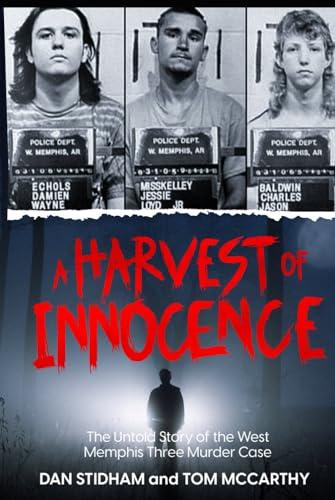
The Untold Story of the West Memphis Three Murder Case
The podcast highlighted the title as a deep dive into the West Memphis Three case, presented by former defense attorney Dan Stidham, who appeared as a guest. The hosts noted that the book offered insider perspective on the wrongful convictions of Jesse Miskelley, Jason Baldwin, and Damien Echols. The discussion conveyed strong endorsement of the work as essential insight for listeners interested in the case.
The book, "A Harvest of Innocence," is about the case of Jesse Miskelley, Jason Baldwin, and Damian Eccles, who were convicted of the murders of three young boys in West Memphis, Arkansas in 1993. It was mentioned in the context of the podcast host discussing the podcast's guest, Dan Stidham, who was Jesse's defense attorney.
Judge Dan Stidham served as Jesse's defense attorney and joins me with a look at his new book, "A Harvest of Innocence," available now on Apple, Spotify and foxnewspodcasts.com.
How Classical Writers on Virtue Inspired the Lives of the Founders and Defined America
In two episodes, the hosts discussed the book, noting that it traced how classical writers on virtue shaped the founders' understanding of the pursuit of happiness and American democracy. Dana Perino expressed admiration and curiosity, while Jeffrey Rosen summarized its core argument that happiness means self‑mastery and character improvement. The conversation presented the title as a valuable insight into the philosophical roots of the nation.
It explored the lives of influential founders like Benjamin Franklin, George Washington, and Alexander Hamilton, and how their understanding of 'the pursuit of happiness' was shaped by classical writers on virtue.
In his new book, The Pursuit of Happiness, how classical writers on virtue inspired the lives of the founders and defined America, explores the lives of some of our most influential founders including Benjamin Franklin, George Washington and Alexander Hamilton.
And what those words, The Pursuit of Happiness, actually meant to them.
I feel intimidated by your book, to be honest.
I didn't know that these documents were the foundation of the founding either.
And it's my job to know.
It explored what the pursuit of happiness meant to the founding fathers, such as Washington, Hamilton, and Franklin, and how it influenced American democracy. The author's personal journey of discovering these classic texts was also discussed.
It's absolutely central and the basic idea of the takeaway is that happiness is self-mastery, self-improvement, character improvement, being your best self so that you can use your talents to the best of your ability and serve others.
I just noticed that both Ben Franklin and Thomas Jefferson had offered for their definition of happiness a quotation from a book by Cicero I'd never heard of called The Tusculin Disputations that said, without virtue, happiness cannot be.
In the book, The Pursuit of Happiness, the reader has given a deeper look at the profiles of Washington, Hamilton, Franklin, and more. It explores what The Pursuit of Happiness actually meant to each of these gentlemen and what impact this crucial phrase had on our system of democracy.
And then I found this amazing reading list that Thomas Jefferson would send out to kids who were going to law school and wanted to know how to be an educated person.
It had on it Cicero and these other works of classical Greek and Roman moral philosophy that I'd never read before.
Inside the Radical Left’s Tragic Destruction of Our Cities
The author appeared on two episodes to discuss the book, arguing that progressive criminal‑justice reforms and police defunding sparked a dramatic rise in city crime and that radical‑left activism, including movements like Antifa and BLM, threatened societal stability. He criticized Democrats for downplaying these effects and used his own experiences to illustrate the alleged destruction. The podcast presented his perspective without counterargument, effectively endorsing his viewpoint.
Jason Rantz, the author of "What's Killing America", argues that progressive criminal justice reforms and police defunding have caused a surge in crime rates in major cities, particularly during the COVID-19 pandemic. He also criticizes Democrats for their attempts to minimize the impact of these policies.
As I write in my book, "What's Killing America? Inside the Radical Left's Tragic Destruction of Our Cities," the result was an unmitigated disaster.
As police departments were defunded, the nationwide murder rate surged 30% in 2020, making it the largest single year increase in over a century.
The next time Democrats want to celebrate a Biden administration official for dunking on Fox News on Fox News, it would behoove them to have a grasp on the facts, not left-wing talking points better suited to the left-wing echo chamber that is MSNBC.
I'm Jason Rantz, author of "What's Killing America? Inside the Radical Left's Tragic Destruction of Our Cities."
It was discussed in the context of the author's insights into the radical left's activism and its potential destructive impact on society, particularly focusing on recent protests and their connection to previous movements like Antifa and BLM.
I know these people I could write the script for how the next several weeks or months will unfold in my new book what's killing America inside the radical lefts tragic destruction of our cities I detail my experiences infiltrating and Tifa
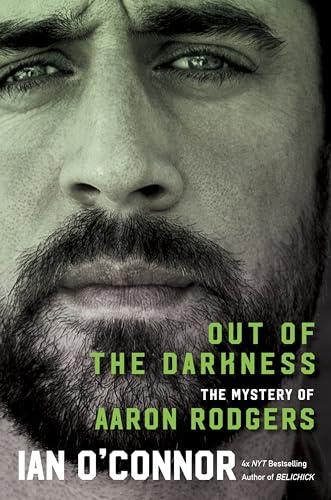
The Mystery of Aaron Rodgers
The book was brought up to illustrate Aaron Rodgers' challenging recovery from his Achilles injury and the mental hurdles he faced, including doubts about his future with the Jets. Ian O'Connor, the author, described the dark nights and the quarterback's determination to return, while Dave Anthony highlighted the recurring theme of overcoming external skepticism. The discussion emphasized the quarterback's willpower and suggested he still has a few good seasons ahead.
The book discussed Aaron Rodgers' career, public image, and the difficult recovery from his Achilles injury, which initially caused him to contemplate retirement, with some dark moments.
It was tough at first. I don't want to say he almost gave up. But in the early hours of his recovery after Achilles surgery, his personal trainer who moved in with him, Aaron Alexander, told me there were some dark nights and moments where Aaron didn't know if he could ever play again.
He wasn't even sure if the New York Jets wanted him back. He felt like he had let the entire market down, millions of people.
And he got through that. He fought through it. And towards the end of last season, he actually wanted to play and told his trainer that if the Jets win on December 17th at Miami, I'm playing Christmas Eve against Washington.
Not as disappointed as the 49ers will be that they did not draft me.
This guy was handed nothing. He made a Hall of Fame career just by the singular force of his will.
It discussed Aaron Rodgers's recovery from an Achilles injury and his journey with the New York Jets, including overcoming doubts about his abilities to lead a team.
It was tough at first. I don't want to say he almost gave up, but in the early hours of his recovery after Achilles surgery, his personal trainer who moved in with him, Aaron Alexander told me there were some grim dark nights and moments where Aaron didn't know if he could ever play again.
He wasn't even sure if the New York Jets wanted him back. He felt like he had let the entire market down, millions of people and he got through that.
He fought through it and I do think he's got a couple of good seasons left in him. I don't know about MVP level.
One theme throughout your book when you go through the Aaron Rodgers story is overcoming other people's doubts about his ability to lead a team and be successful from high school through college.
100% Dave and he still has a chip on his shoulder, which is now a boulder.
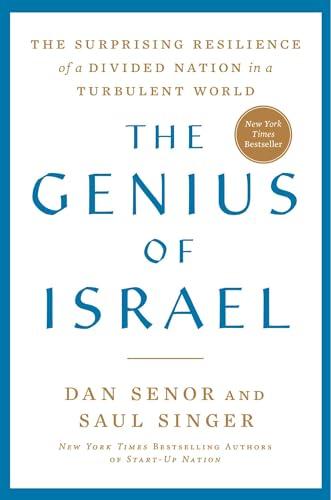
The Surprising Resilience of a Divided Nation in a Turbulent World
The hosts highlighted the book as evidence of Israel's surprising resilience amid ongoing conflict, with Dan Senor sharing his on‑the‑ground observations. Dana Perino referenced the broader narrative of Jewish prosperity, framing the title as a compelling illustration of the nation's durability. The discussion positioned the work as a strong endorsement of Israel’s ability to thrive despite adversity.
The book, written by Dan Senor, was discussed as a testament to Israel's resilience in the face of adversity, specifically during the ongoing war and its history.
The title of the podcast, which was hard for me to write, was the end of a Jewish golden age, meaning we've, we Jews have thrived in America.

The title was highlighted as a key source that shaped Jefferson's and other founders' ideas about happiness, grief, and virtue, with Jeffrey Rosen noting its central role in their thinking. He explained that the book served as a manual for dealing with tragedy and achieving a tranquil mind through virtue, and was cited as influential for both Thomas Jefferson and John Quincy Adams.
It was discussed as a source that influenced Jefferson's and other founders' perspectives on happiness and dealing with grief, emphasizing tranquility of mind and virtue.
I just noticed that both Ben Franklin and Thomas Jefferson had offered for their definition of happiness a quotation from a book by Cicero I'd never heard of called The Tusculent Disputations that said without virtue happiness cannot be.
It was mentioned as a source for the founders' understanding of happiness, particularly related to dealing with grief and achieving tranquility of mind through virtue. It was a significant book for both Thomas Jefferson and John Quincy Adams.
You know it's so incredible how central it was this was Cicero's manual on grief and how to deal with great tragedy and his daughter Tulia had just died he'd just been exiled from Roman politics.
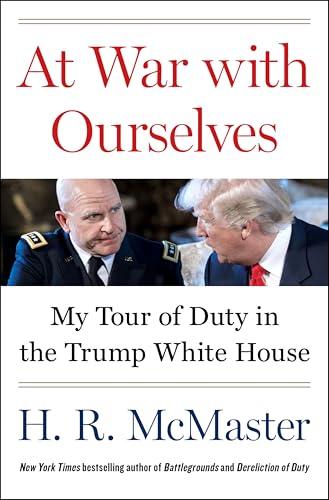
My Tour of Duty in the Trump White House
The book was highlighted by former National Security Advisor H.R. McMaster, who explained that it examined the difficulty of enacting major foreign‑policy shifts, the inertia of the bureaucracy, and the three categories of officials who serve in an administration. He also used his experience in the Trump White House to critique how unelected officials can undermine constitutional authority. The discussion presented the title as an insightful account of internal challenges, conveying a positive endorsement.
McMaster's book discusses the challenges of enacting significant changes in foreign policy and national security, highlighting bureaucratic inertia and the different types of people serving in administrations. It also details his time as National Security Advisor under President Trump and his criticisms of the Trump administration.
it's one of the stories that I tell At War with Ourselves is how hard it is to affect big changes in the area of foreign policy and national security.
there are three types of people who serve, I think, in any administration, right? The first type of person is somebody who's maybe served across their career in the State Department or an intelligence official or a military officer, and they recognize that hey, it's not their job to make policy. It's the elected president's job to make policy. And what your job is is to get that president best advice and multiple options.
So I think that you don't want that second or third group of people to be serving in the White House because hey, nobody elected them. And not only are they not serving the elected president well, they're actually undermining the Constitution in the United States because in our country sovereignty lies with the people and the people elected the president, not the National Security Advisor, members of the cabinet, like the Secretary of State or Defense.
if you could go back to the December 2017 national security strategy of the United States the President Trump signed, approved every part of it and it's a document that is hard to take exception to today it really lays out what our priorities were then and what they should be now it emphasized the need to pursue peace through strength
H.R. McMaster discussed his new book, "At War With Ourselves," which details his time as National Security Advisor under President Trump and the challenges of implementing significant changes in foreign policy and national security. He also touched upon bureaucratic inertia and the different types of people serving in administrations.
And one of the themes in the book is that there are three types of people who serve, I think, in any administration, right? The first type of person is somebody who's maybe served across their career in the State Department or an intelligence official or a military officer, and they recognize that hey, it's not their job to make policy. It's the elected president's job to make policy. And what your job is is to get that president best advice and multiple options.
There's a second group of people though who are not there to help the president make his or her own decisions. They're actually there to manipulate decisions consistent with their agenda.
And then a third group of people, I think we saw this in the Trump administration, but in other administrations too, they define their role as saving the country and the world from the president.
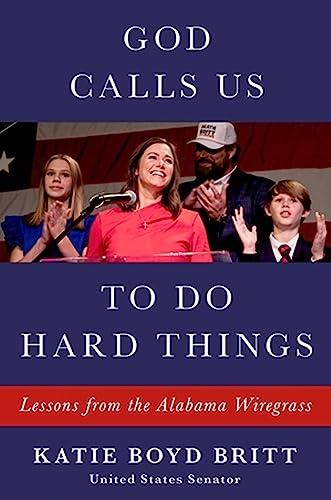
Lessons from the Alabama Wiregrass
Senator Katie Britt discussed the book during two episodes, highlighting its focus on faith, family, leadership, and overcoming struggles, and noting its recent paperback release. The hosts emphasized her personal stories and the lessons drawn from her experiences, presenting it as an inspiring guide for listeners.
It was discussed as a book about overcoming struggles and learning lessons. Katie Britt, a senator, mentioned it was now available in paperback.
Her book about overcoming struggles and learning lessons along the way is called God Calls Us to Do Hard Things.
It's out now in paperback.
Well, Senator, it was great to talk to you on the book now out in paperback. God Calls Us to Do Hard Things. Lessons from the Alabama winegrass from Katie Boyd Britt, United States Senator.
Senator Katie Britt discussed her book, which details lessons of faith, family, and leadership. It was released last year and is now available in paperback.
Her book, God Calls Us to Do Hard Things, lessons from the Alabama winegrass came out last year, now in paperback.
And that's a story that I open the book with, because still this very day, I am I have such a grateful heart about that experience.
And in the book, I talk about, you know, my daughter, you know, weeks later, saying to me, you know, mama, where did Jesus go?
But ultimately, you know, and I talk about it in the book. She's like, no, mommy, he was here and he went bye bye. And I want him to come back, tell him to come back.
Well, Senator, it was great to talk to you on the book now out in paperback. God Calls Us to Do Hard Things. Lessons from the Alabama winegrass from Katie Boyd-Britt,
A Novel
The host highlighted the book as a detailed account of Winnie Ruth Judd's life and crimes, noting its availability on the podcast platform and referencing an interview with the author. It was presented as a resource for listeners rather than being strongly recommended.
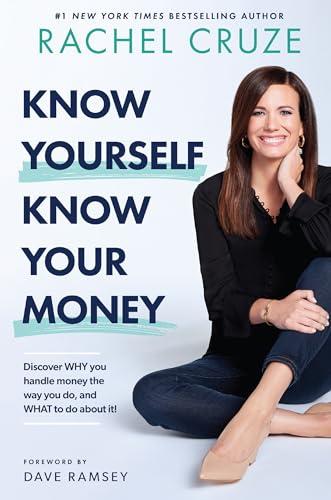
Discover WHY you handle money the way you do, and WHAT to do about it!
This book was mentioned as Rachel Cruze's latest work, exploring the connection between personal finances and individual behaviors. It offers guidance on understanding one's financial habits and taking corrective actions.
Her latest book is, Know Yourself, Know Your Money. Discover why you handle money the way you do and what to do about it.
— Episode: Evening Edition: Parents Feel Inflation'...
This book was mentioned as Rachel Cruze's latest work, exploring the connection between personal finances and individual behaviors. It offers guidance on understanding one's financial habits and taking corrective actions.
Her latest book is, Know Yourself, Know Your Money. Discover why you handle money the way you do and what to do about it.
Note: The book recommendations on this page are discovered automatically from podcast transcripts, and may be incorrect or incomplete.
Podcast Name