The Avoidable War
Kevin Rudd
Mentioned 1 week ago
What Xi Jinping Wants
Ezra Klein invites you into a conversation on something that matters. How do we address climate change if the political system fails to act? Has the logic of markets infiltrated too many aspects of our lives? What is the future of the Republican Party? What do psychedelics teach us about consciousne...
Recently mentioned
Kevin Rudd
Mentioned 1 week ago
What Xi Jinping Wants
Joseph Torigian
Mentioned 1 week ago
What Xi Jinping Wants
Ian Johnson
Mentioned 1 week ago
What Xi Jinping Wants
Rebecca Solnit
Mentioned 1 week ago
The Very Good and Very Bad News on Climate
Bill McKibben
Mentioned 1 week ago
The Very Good and Very Bad News on Climate
Terry Tempest Williams
Mentioned 1 week ago
The Very Good and Very Bad News on Climate
Leah C. Stokes
Mentioned 1 week ago
The Very Good and Very Bad News on Climate
Amy Westervelt
Mentioned 1 week ago
The Very Good and Very Bad News on Climate
Bashir Bashir
Mentioned 2 weeks ago
A Radical Vision for Israelis and Palestinians
Stanley Cohen
Mentioned 2 weeks ago
A Radical Vision for Israelis and Palestinians
Hussein Agha
Mentioned 2 weeks ago
A Radical Vision for Israelis and Palestinians
Becky Chambers
Mentioned 2 weeks ago
A Radical Vision for Israelis and Palestinians
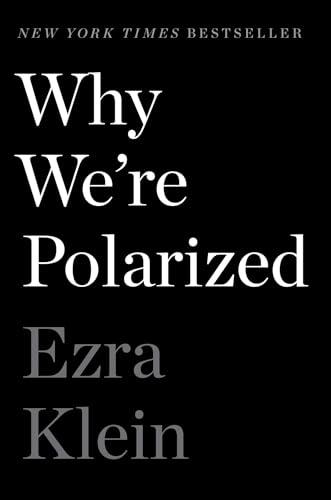
The book was brought up when the host recalled being on its tour while discussing historical political divisions, and another guest mistakenly claimed to have authored it, citing its concluding argument about realism and past divisions. Both references were brief and did not include a strong endorsement.
Klein recalled that he had been on the book tour for this title while discussing historical political divisions.
I remember when I was on the Why We're Polarized book tour.
Spencer Cox said he had published his first book in 2020 titled Why We're Polarized and noted its concluding argument about realism and historical divisions.
You know, in 2020, I published my first book, which is called Why We're Polarized. And the final paragraphs of that book are this argument that I make about realism, that as polarized, as divided as things feel, I mean, you can look back in our history and see it much worse.
Klein said the book had resurfaced in his mind over the last few months and that it examined how the parties shifted from broad coalitions to narrow, ideologically coherent groups.
I feel my personal experience of that book is that it has roared back into focus for me in the past four or five months. So Why We're Polarized is about the way that the highly regionalized, ideologically diverse political parties of the 20th century ... collapsed into much more ideologically narrow and coherent groups.
When I was writing that book, I was treating that sorting of the parties into these much more coherent units as an inevitability of media, of technology, of politics.
I will say the thing that Why We're Polarized did not talk about enough in the new versions is an afterward talking about it. It did not talk enough about educational polarization, which as a decisive form of polarization the Democratic Party was sorting into the higher educated coalition, the Republican Party moving into a less educated structure.
Klein recalled that the book was central to a column piece and explained that it analyzes how U.S. parties shifted from broad coalitions to ideologically narrow groups, arguing the thesis remains relevant but noting its weaker treatment of educational polarization.
And a big part of that piece was kind of a callback to your first book, Why We're Polarized, which tees up a question from Mark S., who's a college professor who assigns Why We're Polarized to his students.
Why We're Polarized is about the way that the highly regionalized, ideologically diverse political parties of the 20th century, where you had very liberal and very conservative Democrats, very liberal and very conservative Republicans, how those parties collapsed or transformed into much more ideologically narrow and coherent groups by the end of the 20th century and coming into the 21st century.
I will say the thing that Why We're Polarized did not talk about enough in the new versions is an afterward talking about it. But it did not talk enough about educational polarization. That that as a decisive form of polarization, the Democratic Party was sorting into the higher educated coalition, the Republican Party moving into a less educated structure.
The host mentioned that he had authored a book titled Why We're Polarized.
If you'd like to read about it, I wrote a whole book called Why We're Polarized.
The host said he had published a book analyzing the causes and dynamics of political polarization in the United States.
I published a whole book about political polarization. It was called Why We're Polarized.
Ezra Klein said he had written the book, which was published in 2020, and noted that it argues the country is polarized but the key is over what it is polarized about.
I wrote a book on it that came out in 2020, Why We're Polarized. And one of the points of that book is that to say a country is polarized doesn't actually give you that much information. The question is what is it polarized over?
Klein said his first book, Why We're Polarized, had been an incredibly lonely experience to write.
He's been on Bookly first due to his schedule and then I'm going on. One of the reasons I wanted to cowrite this book is I found writing my first book, Why We're Polarized, to be an incredibly lonely experience.
Ezra Klein referred to his own book while discussing political polarization and its impact on society.
I wrote my book, Why We're Polarized, about polarization and the way it has locked people in place.
At the close of the episode, Ezra's own book was mentioned as the author's title alongside his column.
Your book is Why We're Polarized and your column is at the New York Times.
Krastev mentioned his own book, stating that its main theme was being discussed in the conversation.
This is a big theme of my book, Why We're Polarized.
It was mentioned as the author's own book that deals with the drivers of political polarization.
This is a big theme of my book, Why We're Polarized.
He noted that the paperback includes a new afterword where he admitted his biggest mistake was not believing the book's thesis enough and reflected on how the pandemic and political events fit his analysis.
So one fun thing about the paperback, a reason to run out and buy it is there is an afterword in the paperback, a new afterword about what I think the book got right and what I wish I had done differently in it.
the single biggest mistake I made was not believing the book's thesis enough.
Ezra explained that the paperback includes a new afterword where he reflected on the book's thesis and admitted his biggest mistake was not believing it enough.
Aura asks, has anything changed in how you view Why We're Polarized since its publication?
So one fun thing about the paperback, a reason to run out and buy it is there is an afterword in the paperback, a new afterword about what I think the book got right and what I wish I had done differently in it.
Klein said the paperback's new afterword admitted his biggest mistake was not fully believing the book's thesis and reflected on how the pandemic and 2020 election largely confirmed his original arguments.
So one fun thing about the paperback, a reason to run out and buy it is there is an afterword in the paperback, a new afterword about what I think the book got right and what I wish I had done differently in it.
I say this in the afterword, the single biggest mistake I made was not believing the book's thesis enough.
One of the things I said in the book is that we are creating a political system through polarization that is almost immune to new evidence, where there is very little accountability because very little can change minds.
George said he wrote the book about the political divide and its rational underpinnings.
I wrote this book, Why We're Polarized, which is very much all about why it is on some basic level rational for even a Republican who didn't like Donald Trump on a personal level to have voted for him.
Klein noted that his book on polarization was currently available in paperback, and he said it was heavily influenced by Mason's Uncivil Agreement.
I wrote a book on polarization, Why We're Polarized, out in paperback now. My book is very influenced by Mason's book.
Klein highlighted that his book was a key theme of the discussion and announced the release of a new paperback edition with an afterword.
This was a key theme of my book, Why We're Polarized. Although I should say right now, quick plug, that the paperback with the brand new afterword just came out last week.
Ezra reminded the audience that his own book had addressed the very topic they were discussing.
you've read my book on this, Why We're Polarized.
Introduction by Samantha Power
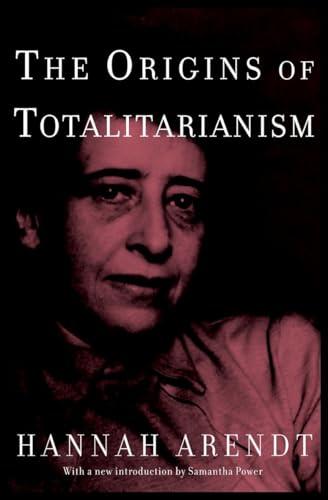
The book was highlighted as essential reading for understanding the historical roots of authoritarian regimes, with Pippa Norris urging listeners to read it and a passage being quoted to illustrate how totalitarian systems favor loyal fools over talent. The hosts treated the work as a classic authority on the subject.
Pippa Norris suggested reading the classic The Origins of Totalitarianism to understand the historical roots of authoritarian regimes.
And the last book is a classic. It's not a modern study. But I think we now need to read Hannah Arendt. And we need to read The Origins of Totalitarianism.
A passage from Arendt's classic was quoted to illustrate how totalitarian regimes replace talent with loyal fools, highlighting the dangers of authoritarian loyalty tests.
Hannah Arendt wrote in The Origins of Totalitarianism, another one of these books that when you begin quoting it, you know things are not going great. "Totalitarianism in power invariably replaces all firstrate talents, regardless of their sympathies, with crackpots and fools whose lack of intelligence and creativity is still the best guarantee of their loyalty."
Pippa noted it as a classic work that helps understand the historical roots of totalitarian regimes.
The last book is a classic; we need to read The Origins of Totalitarianism and reflect on the developments of the 20s and 30s and how those regimes came to power.
The classic work was recommended as essential reading to understand the historical roots of totalitarian regimes and the development of antisemitism and fascism.
The last book is a classic... we need to read The Origins of Totalitarianism and reflect on the developments of the 20s and 30s and how those regimes came to power.
Norris suggested revisiting the classic work to understand the historical roots of totalitarian regimes.
The last book is a classic. It's not a modern study. But I think we now need to go back to read Hannah Arendt, and we need to read The Origins of Totalitarianism and reflect on the developments of the 20s and the 30s and the nature of how these regimes came to power.
Thomas recommended rereading Arendt's classic, noting its relevance to discussions of federalism and totalitarianism today.
third book I would recommend, which, you know, I was also very impressed by actually rereading a book by, you know, Anna Arendt and, you know, the rise of totalitarianism, which I did not realize how much she was also talking about the issue of federalism and democratic federalism.
if people are interested in the Arendt book, The Origins of Totalitarianism, a couple weeks ago on the show, I had on an Applebomb for discussion all about that book and what it teaches us today.
The book was highlighted as a classic that explains why societies become vulnerable to totalitarian takeover, and its sections on mass movements were called revelatory.
That's how Anne Applebaum, the Pulitzer Prizewinning historian and journalist at The Atlantic, begins her introduction to a new edition of Hannah Arendt's 1951 classic, The Origins of Totalitarianism. Why do people keep going back to this book?
I certainly had that experience reading Arendt for this, but I think like you do that her description and discussion of loneliness is really quite important.
She says towards the end that what makes a society vulnerable to takeover is loneliness.
The third thing I recommend is Hannah Arendt's Origins of Totalitarianism. If you haven't read it, it's a very long book. You don't have to read all of it. But the sections in the second part that focus on mass movements and propaganda and dictatorship, you'll find them revelatory because they sound so much like things that are happening today.
The book was mentioned as the source of the quotation that inspired the title of Pomerantsev's work, linking it to the discussion of totalitarian logic.
which of course is a quotation from Hannah Arendt, Origins of Totalitarianism, which I will just make then book number two because Arendt is very good at getting inside the kinds of logics that we've talked about.
Arendt's classic analysis of totalitarian regimes was cited while discussing how such systems manipulate stability and instability.
And this is something Hannah Arendt wrote about, right? That totalitarian regimes hold out the carrot of stability while constantly manufacturing instability.
Public Discourse in the Age of Show Business
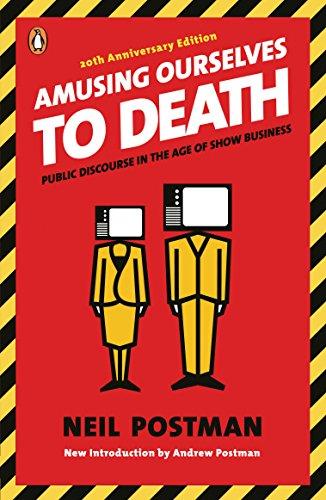
The book was highlighted as a classic that still holds up, with its early chapters eerily predicting current political dynamics. Chris Hayes introduced it and later hosts recommended it as an indictment of television’s effect on news and politics. The discussion conveyed strong endorsement of its relevance for understanding modern media.
It was presented as a classic that still holds up, with the host noting its early chapters eerily predicted modern political dynamics.
So, first, I'll start with a classic, which is Neil Postman's Amusing Ourselves to Death. The Goat. The Goat. In this discourse, I think it still totally holds up. The first chapter, which is... Somewhat predicts Donald Trump.
The discussion described Postman's critique of TV, noting that his book indicts television's impact on news and politics.
And this is the way Neil Postman, who wrote Amusing Ourselves to Death, put it.
I have to recommend Neil Postman, Amusing Ourselves to Death.
I mean, his book is a kind of indictment of TV.
The speaker cited Postman's argument that television turns politics into entertainment, warning of its cultural impact.
In Neil Postman's great book, Amusing Ourselves to Death, where he says that the thing television is going to do to politics is make us believe politics should always be entertaining.
The host mentioned it as a prophetic work warning that media would turn everything into entertainment, drawing a parallel to current attentioneconomy concerns.
We see a lot more discussion of the good, of virtues, of ... Neil Postman's Amusing Ourselves to Death, roughly will eventually happen is that we will think everything must be entertainment.
The book was described as Postman's indictment of TV, noting how television turned news and politics into entertainment and linked the medium to the message.
And this is the way Neil Postman, who wrote Amusing Ourselves to Death, put it. His book is a kind of indictment of TV, but he actually loved junk TV. He thought it was very entertaining.
I have to recommend Neil Postman, Amusing Ourselves to Death. Postman is at least incredibly clear and accessible, and it's a very good way into media ecology as a way of seeing and thinking about the world.
Ezra said he had been rereading Postman and called the book a classic that is more relevant to today's world than almost anything being written now.
I've been rereading some Neil Postman for partially a project I'm doing, but partially because I think he's so unbelievably brilliant and prescient. The place to begin there is Amusing Ourselves to Death. And if you just haven't read it, it is not just a classic, but it is much more relevant to our world today than almost anything being written today.
Ezra Klein cited Postman's argument that television turns politics into entertainment, calling the book a great and frequently recommended work.
Just a straightforward argument in Neil Postman's great book, Amusing Ourselves to Death, where he says that the thing television is going to do to politics is make us believe politics should always be entertaining. And that's going to make politics a space dominated by entertainers.
The host praised Postman's work, saying he gives the book to everyone and it profoundly impacted him.
I give that book to everybody all the time. It blew my mind.
An Economic History of the Twentieth Century
The book was highlighted as a newly released, widely reviewed work that offers a sweeping economic history of the long twentieth century, emphasizing 1870 as a pivotal turning point. Adam Tooze urged listeners to check it out in two episodes, and Ezra Klein recommended it as essential for understanding how the world changed. The hosts presented it as a must‑read for anyone interested in economic history.
He urged listeners to check out Slouching Towards Utopia, noting its recent publication and wide reviews.
you should check out Brad DeLonge's Slouching Towards Utopia, which came out recently and has been very widely reviewed.
He recommended checking out Slouching Towards Utopia, noting it had recently been released and widely reviewed.
you should check out Brad DeLonge's Slouching Towards Utopia, which came out recently and has been very widely reviewed.
Klein recommended the book as a history of the long twentieth century, emphasizing its explanation of 1870 as a pivotal year.
first off, Brad DeLong, my friend and economist and historian, has this wonderful book called Slouching Towards Utopia, which is a history of what he calls the long 20th century. And if you just want to understand how the world changed from... He says that 1870 was the pivot point of history. You've got to read that book.
DeLong described his new book as an ambitious, strange account of economic growth from 1870 to 2010 that left listeners with many unexpected insights.
He is the author of a big important new book called Slouching Towards Utopia.
And this book is about the wave of economic growth that transformed the world from 1870 to 2010. I have a lot to say about this book. It is ambitious, and it is strange, and it will leave you with lots of interesting thoughts and stories you didn't know you want to know.
He described it as a broadbased history of economic growth throughout the 20th century and said it was really, really good.
Brad DeLong's book called Slouching Toward Utopia, which is a kind of a broad-based history of economic growth over the course of the long 20th century, is really, really good.
The guest suggested listeners check out the book for its recent release and wide review, encouraging them to form their own opinion.
you should check out Brad DeLong's Slouching Towards Utopia, which came out recently and has been very widely reviewed and make up your own mind.
Summers praised DeLong's book as a remarkable economic history that places the 20th century in perspective and highlights the power of science and markets.
Brad DeLong's Slouching Towards Utopia, which is I think a really remarkable and powerful placing of all of economic history in perspective that gives a sense that at some level I have known but never appreciated of how profoundly different the 20th century was than all other centuries and points towards the combined power of science and markets to change the world profoundly in sometimes in some ways for good and sometimes in some ways for ill.
Brain, Mind, and Body in the Healing of Trauma
Ezra Klein highlighted the title as a long‑standing bestseller that dramatically reshaped his view of trauma, emphasizing that trauma is embodied rather than merely mental. He described it as a searing, professionally oriented work that illuminated how the mind can hide trauma while the body retains it, and noted its cultural impact and prolonged presence on bestseller lists. The overall tone was strongly positive, treating the book as a must‑read phenomenon.
Ezra Klein described it as a bestseller that clearly shows trauma and emotions are embodied, not just in the head.
the other book is The Body Keeps the Score Bessel van der Kolk it's been a bestseller for a very long time for a reason again it shows us unequivocally trauma and emotions again don't just live in the head
Ezra described it as a searing, widelyread work on trauma that had been on the paperback nonfiction bestseller list for 147 weeks, and he noted how the book changed his understanding of how trauma lives in the body and mind.
The Body Keeps a Score, which is a book about trauma from 2014, was back up near the top of the New York Times list. It's number one as I write this, the book's 147th week on the paperback nonfiction list.
The Body Keeps a Score, it is a searing read about the way trauma disconnects our minds and our bodies. It's pretty clearly written with a professional audience in mind.
The Body Keeps a Score is one of those books people have told me to read for a long time, but I thought I knew what it was about.
So The Body Keeps Score has, I mean, as a book, it's a phenomenon, as a social meme, it's a phenomenon.
It was astonishing to me reading some of the stories in the book.
Ezra noted that the 2014 trauma book had topped the NewYorkTimes paperback nonfiction list for its 147th week and described it as a searing, professionalfocused read. He later said the book was a cultural phenomenon that revealed how the mind hides the trauma score while the body keeps it.
The Body Keeps a Score, which is a book about trauma from 2014, was back up near the top of the New York Times list. It's number one as I write this, the book's 147th week on the paperback nonfiction list.
The Body Keeps a Score, it is a searing read about the way trauma disconnects our minds and our bodies. It's pretty clearly written with a professional audience in mind.
The Body Keeps Score has, I mean, as a book, it's a phenomenon, as a social meme, it's a phenomenon.
But then when I read it, what really struck me about it is how much of the book is about not just how the body keeps a score, but how and why the mind hides the score.
Ezra described the book as a searing read that explains how trauma disconnects mind and body and noted its long run on the paperback nonfiction bestseller list.
The Body Keeps a Score, which is a book about trauma from 2014, was back up near the top of the New York Times list. It's number one as I write this, the book's 147th week on the paperback nonfiction list.
The Body Keeps a Score, it is a searing read about the way trauma disconnects our minds and our bodies. It's pretty clearly written with a professional audience in mind.
The Body Keeps a Score is one of those books people have told me to read for a long time, but I thought I knew what it was about.
The Body Keeps Score has, I mean, as a book, it's a phenomenon, as a social meme, it's a phenomenon.
Vessel van der Kolk, your book is The Body Keeps the Score. It's remarkable.
Ezra described it as a searing, widelyread nonfiction work that has dominated bestseller lists and reshaped thinking about how trauma lives in the body and mind.
The Body Keeps a Score, which is a book about trauma from 2014, was back up near the top of the New York Times list. It's number one as I write this, the book's 147th week on the paperback nonfiction list.
The Body Keeps a Score, it is a searing read about the way trauma disconnects our minds and our bodies. It's pretty clearly written with a professional audience in mind.
The Body Keeps a Score is one of those books people have told me to read for a long time, but I thought I knew what it was about. I'd heard it discussed so many times and I'd read it written about.
So The Body Keeps Score has, I mean, as a book, it's a phenomenon, as a social meme, it's a phenomenon.
This was a real epiphany for me in reading your book because you read about cases like this, you read about false memories...
The book was highlighted as a bestselling, searing read on how trauma disconnects mind and body, and the host admitted he had not read it until recently, discovering its insights about the mind hiding the trauma.
The Body Keeps a Score, which is a book about trauma from 2014, was back up near the top of the New York Times list. It's number one as I write this, the book's 147th week on the paperback nonfiction list.
The Body Keeps a Score, it is a searing read about the way trauma disconnects our minds and our bodies.
The Body Keeps a Score is one of those books people have told me to read for a long time, but I hadn't read it.
The Body Keeps Score has, I mean, as a book, it's a phenomenon... I felt like I knew what it said, even though I hadn't read it until recently.
But then when I read it, what really struck me about it is how much of the book is about not just how the body keeps a score, but how and why the mind hides the score.
A Novel
The host highlighted the novel for its vivid portrayal of Appalachia, saying it offered a nuanced window into rural America. Both the host and the author praised the title as a beautiful, wrenching, Pulitzer‑winning work that serves as a mirror for readers. The discussion emphasized its power to deepen listeners’ understanding of rural complexity.
He praised it as a novel set in Appalachia that helps listeners understand the nuance and complexity of rural America.
Barbara Kingsolver's book, Demon Copperhead... she writes this book that's, you know, really based in Appalachia and just really helps people to understand much more the nuance and complexity of what's going on in one place in rural America.
The novel was described as a Pulitzerwinning, beautiful and wrenching work that let Kingsolver finally tell the most Appalachian story she could, aiming to be both a window and a mirror for readers.
today I want to share one of my favorite conversations ... about her amazing book, Demon Copperhead, which won the Pulitzer Prize for Fiction
In 2023, the Pulitzer Prize for Fiction was won by ... Demon Copperhead by Barbara Kingsolver.
It's a beautiful book. It's a wrenching book. I routinely had to stop reading because I was so fused with the character and the story.
It was finally with Demon Copperhead that I could tell the most Appalachian story I've ever told.
Demon Copperhead is my attempt to speak to people. I wanted it to be a window and a mirror, as they say books can be.
He recommended the novel, noting it was a recent Pulitzerwinning book loosely based on David Copperfield, beautifully written and containing strong political insights.
My second recommendation would be Demon Copperhead by Barbara Kingsolver, which came out a couple of years ago and I think won the Pulitzer. And it's a beautiful novel that's loosely based or sort of an update of David Copperfield that I think, besides being extraordinarily written, has some tremendous political insights in it as well.
Dara noted that it was the only novel she read twice in the previous year.
Demon Copperhead was the only novel I read twice last year.
The novel won the 2023 Pulitzer Prize for Fiction and was described as a beautiful, wrenching story that aimed to give Appalachian people a voice.
In 2023, the Pulitzer Prize for fiction was won by two novels, Trust by Hernn Daz and Demon Copperhead by Barbara Kingsolver.
It's a beautiful book. It's a wrenching book. It's a book that I routinely had to stop reading because I was so fused with the character and so fused with the story.
Demon Copperhead is my attempt to speak to people.
She said she loved the fiction novel Demon Copperhead by Barbara Kingsolver, which she read over the summer.
A fourth fiction book that I loved this summer is Demon Copperhead by Barbara Kingsolver.
What Racism Costs Everyone and How We Can Prosper Together
The book was highlighted as a groundbreaking work that explained how racism imposes costs on everyone and offered a vision for collective prosperity. Ezra Klein and guests such as Ai‑jen Poo and Louise Seamster repeatedly praised it as essential reading and strongly recommended it. The discussion emphasized its relevance to topics like care costs, debt inequality, and identity politics, illustrating its broad applicability.
The book was highlighted as a remarkable, groundbreaking work that the speakers highly recommended and described as essential reading on racism and its costs.
Heather McGhee is the author of the remarkable book, The Sum of Us, What Racism Costs Everyone and How We Can Prosper Together.
When I was traveling the country for what would become my book, The Sum of Us, I spent a lot of time talking to people about aspects of their lives that they're experiencing as increasingly unaffordable private costs.
There's this really incredible groundbreaking book called The Sum of Us that I really highly recommend.
The book was highlighted as a remarkable work that explains how racism costs everyone and how the country can prosper together.
Heather McGhee is the author of the remarkable book, The Sum of Us, What Racism Costs Everyone and How We Can Prosper Together.
When I was traveling the country for what would become my book, The Sum of Us, I spent a lot of time talking to people about aspects of their lives that they're experiencing as increasingly unaffordable private costs.
There's this really incredible groundbreaking book called The Sum of Us that I really highly recommend.
Louise recommended Heather McGhee's "The Sum of Us" as a book that offers a powerful perspective on inequality.
Marissa Baradaran's book, Color of Money, Alexis Harris's book, Pound of Flesh, and Heather McGee's The Sum of Us.
During the conversation Klein referenced McGhee's The Sum of Us as an example of how identitybased politics can manifest in extreme ways, likening it to a concretefilled swimming pool that harms its own community.
the most important part of this is Heather McGhee's in her book, The Sum of Us, right? Her opening example of people filling the swimming pool with concrete rather than desegregating the swimming pool.
Kendi highlighted McGhee's book as showing how structural racism harms all groups, including white Americans, and recommended it as a mustread.
Heather McGee recently demonstrated in her new book, The Sum of Us, that structural racism has not just harmed people of color. It's also harmed white people.
I would recommend Heather McGee's The Sum of Us.
The host described the book's central metaphor of a drained public pool and said it argued that racism costs everyone, urging readers to move beyond zerosum thinking.
The metaphor at the center of the book is this idea of the drained public pool.
I wrote this book because I think it's important to talk about the benefits of moving beyond drained pool politics for all people, including white people.
And your book, of course, is The Sum of Us. And everybody, including Joe Biden, should read it. It's really fantastic.
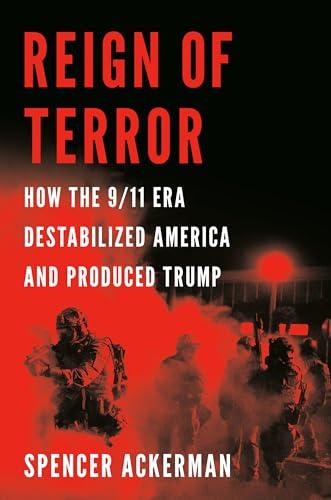
How the 9/11 Era Destabilized America and Produced Trump
Ezra Klein highlighted the title as the premier work on how the post‑9/11 era destabilized America and set the stage for later political shifts. He praised it as the best analysis of how 9/11 deranged the nation’s politics, noting its insightful take on the manipulation of context. The discussion conveyed strong endorsement of the book’s relevance and depth.
Spencer Ackerman was described as the author of the post9/11 politics book Reign of Terror.
author of the great book on post911 politics Reign of Terror
The host said Spencer Ackerman's Reign of Terror was, in his view, the best book on how 911 deranged America.
I've been thinking lately about something that Spencer Ackerman, author of the book Reign of Terror, which is I think the best book by far on how 911 deranged America, something that he said, which is that the essence of the politics of 911 was, quote, to make scandalous the presentation of context.
He referenced the book as providing receipts on how terrorists rationalize their actions and as a cautionary perspective on U.S. foreign policy.
Spencer Ackerman, who was on the show a few weeks ago, gets it in his book Reign of Terror, which is a tremendous prohibition in the American foreign policy conversation about taking seriously the things said and the rationales given by those who attack us.
He cited Ackerman's work as illustrating how U.S. foreignpolicy discussions often ignore the perspectives of those who attack America.
Spencer Ackerman, who was on the show a few weeks ago, gets it in his book Reign of Terror, which is there is a tremendous prohibition in the American foreign policy conversation about taking seriously the things said and the rationales given by those who attack us.
The book was mentioned as illustrating the tendency to ignore terrorist grievances, noting a "tremendous prohibition" in U.S. foreignpolicy conversations about taking those concerns seriously.
Spencer Ackerman, who was on the show a few weeks ago, gets it in his book Reign of Terror, which is there is a tremendous prohibition in the American foreign policy conversation about taking seriously the things said and the rationales given by those who attack us.
The book argued that the policies and politics of the 911 era fundamentally reshaped America and helped create the conditions for Donald Trump's rise.
But now he's out with a new book, his first book, Reign of Terror, How the 911 Era Destabilized America and Produced Trump.
Spencer Ackerman, your book is Reign of Terror.
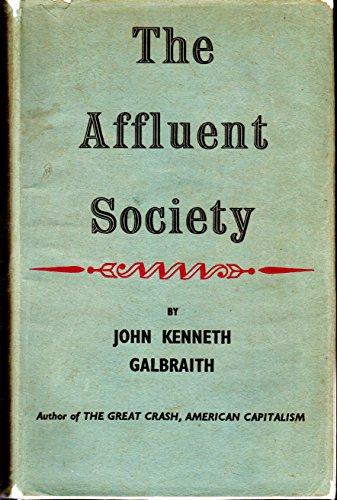
The guests referred to the book as a classic critique of a wealthy society, noting how it examines the erosion of meaning in an age of abundance. They highlighted its continued relevance to discussions of consumer capitalism, advertising, and the attention economy. Both episodes presented the work as an important perspective on the challenges of affluence without explicitly endorsing it.
The guest referred to the classic work that critiques the problems of a society with abundant wealth and examines the implications for a fulfilling life.
John Kenneth Galbraith, one of the great economists of the New Deal era, writing The Affluent Society, which is all about the problems of the society where now there is much more plenty, but what makes life worth living has been eroded.
It was cited as a classic critique of midcentury consumer capitalism that remains relevant to discussions about advertising and attentioneconomy politics.
You can read The Affluent Society by John Kenneth Galbraith, and he's very interested in this question.
Ezra Klein mentioned that he still liked John Kenneth Galbraith's The Affluent Society because it captured how consumer wants are shaped by capitalism.
I still like John Kenneth Galbraith The Affluent Society a lot in part for these reasons.
John Kenneth Galbraith's The Affluent Society warned that postwar abundance could generate new desires and scarcity through advertising, critiquing the cultural impacts of consumerism.
When Galbraith wrote that book The Affluent Society around 1950 it effectively warned that America was squandering its newfound wealth by manufacturing desire.
I'm always thrilled when a podcast gets back into The Affluent Society - I love John Kenneth Galbraith.
He said he still liked John Kenneth Galbraith's The Affluent Society a lot for its insights on the role of advertising and consumer wants in capitalism.
I still like John Kenneth Galbraith's The Affluent Society a lot in part for these reasons.
Klein praised John Kenneth Galbraith's The Affluent Society for its insight into how consumer wants are manufactured under capitalism.
I still like John Kenneth Galbraith's The Affluent Society a lot in part for these reasons.
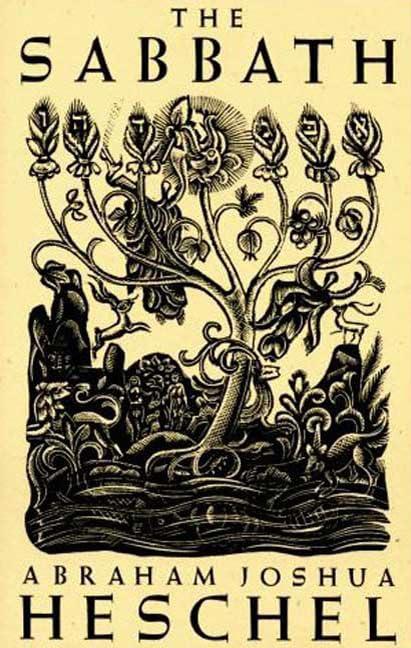
The host recalled receiving the book from a rabbi in college and said he had read it dozens of times, praising it as a classic that reshaped his understanding of time, work, and the modern obsession with space. He highlighted Heschel's argument that society dominates the world six days and the self on the seventh, and he explicitly recommended listeners read it. The overall tone was enthusiastic endorsement.
The host recalled receiving the book from a rabbi in college and praised it, noting he had read it many times and that its arguments critique modern society's obsession with space and time.
When I was in college, a rabbi I knew, he gave me Abraham Joshua Heschel's book, The Sabbath.
And I love that book. I've probably read it a dozen times since.
Heschel's argument is that the modern world is obsessed with questions of space.
Six days a week, we seek to dominate the world. On the seventh day, we try to dominate the self.
And I want to pull in Abraham Joshua Heschel here, who wrote this classic book, The Sabbath, many, many years ago now, decades ago.
Ezra said he loved the book and had read it a dozen times, calling it a classic that shaped his view of time and work, and he later recommended it to listeners.
When I was in college, a rabbi I knew, he gave me Abraham Joshua Heschel's book, The Sabbath. And I love that book. I've probably read it a dozen times since.
I want to pull in Abraham Joshua Heschel here, wrote this classic book, The Sabbath, many, many years ago now, decades ago.
I recommend Heschel. You should all read The Sabbath.
Ezra Klein said he was an unbelievably big fan of the book and had probably read it a dozen times.
I'm an unbelievably big fan of Abraham Joshua Heschel's book, The Sabbath, which I've probably read a dozen times and Judith Shulevitz's book, The Sabbath World, I think it's called.
It was praised as a beautiful piece of biblical commentary and a case for observing the Sabbath.
He wrote a book called The Sabbath, which is just one of the most beautiful pieces of biblical commentary that I've ever come across
The guest described it as one of his favorite books, noting that it links the concept of the Sabbath to a glimpse of eternity and frames prayer as a form of the Sabbath breaking throughout the week.
I've been reading this book by Abraham Joshua Heschel on prayer. And he writes, ...
One of my favorite books of all time is The Sabbath by Rabbi Heschel.
It was highlighted as one of the speaker's favorite books, noted for its reflections on prayer and the Sabbath as a glimpse of eternity.
One of my favorite books of all time is The Sabbath by Rabbi Heschel.
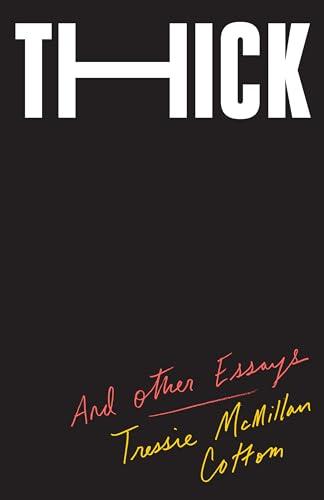
And Other Essays
Ezra Klein referenced the title in three episodes, noting that it was a National Book Award nominee and part of Tressie McMillan Cottom's bibliography. The mentions highlighted its critical recognition but did not provide an in‑depth endorsement.
Ezra described Thick as a National Book Awardnominated work by Tressie McMillan Cottom.
She is the author of Lower Ed, The Troubling Rise of ForProfit Colleges in the New Economy and the National Book Award nominee, Thick.
Ezra highlighted that Cottom's *Thick* was a National Book Award nominee and mentioned it as part of her bibliography.
she is the author of Lower Ed, The Troubling Rise of ForProfit Colleges in the New Economy, and the National Book Award nominee, Thick.
The essay collection was highlighted as a National Book Award finalist and part of Tressie's body of work.
She's author of the National Book Award finalist, Thick, and other essays.
Ezra Klein noted that Cottom's 2019 collection, Thick and Other Essays, offered a series of firstperson essays that reconceptualize 'thick' as an analytical category beyond its colloquial use.
A book that has come off the shelf and onto my desk is Tressie McMillan Cottom's Thick and Other Essays.
The host and the guest referenced Thick several times, describing it as a challenging essay collection that explores beauty and status.
She's the author of the book Lower Ed and then the wonderful essay collection Thick, which was a National Book Award finalist in 2019.
One of the really challenging essays from Thick, one that I still think about having read it now, I guess a couple of years ago is in the name of beauty...
It was described as an essay collection that earned a National Book Award finalist nod and later referenced for its challenging essays.
She's the author of the book Lower Ed and then the wonderful essay collection Thick, which was a National Book Award finalist in 2019.
One of the really challenging essays from Thick, one that I still think about having read it now, I guess a couple of years ago is in the name of beauty and attractiveness...
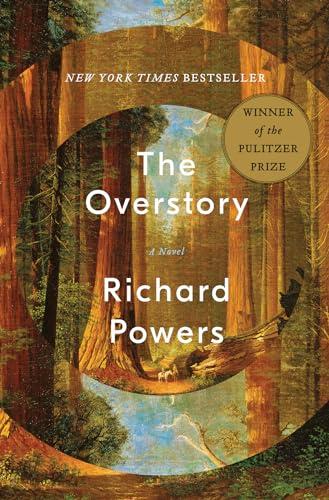
A Novel
The book was highlighted as a striking example of how literature can immerse readers in forest experiences, with Ezra noting it changed the way he walks through woods and citing Barack Obama’s endorsement. Kim Stanley Robinson referenced it as a model for conveying deep natural settings, and the author himself echoed the sentiment that readers never see a forest the same way again. Overall, the hosts praised the title as a must‑read for anyone interested in the natural world.
The novel was referenced as an example of how literature can convey the deep experience of being in a forest, linking it to the themes of the conversation.
that's in many ways a point of Richard Powers' The Overstory
Ezra Klein said he loved The Overstory and that it changed how he walked through forests. Barack Obama also recommended it, noting it changed how he thought about the earth.
The Overstory... I loved The Overstory. I loved it. I've never walked through a forest the same way again.
Barack Obama recommended The Overstory and he said, quote, it changed how I thought about the earth and our place in it.
I don't think anybody who reads The Overstory ever looks at a forest quite the same way again.
Ezra referenced Richard Powers' The Overstory while discussing how largescale natural settings influence storytelling.
There's something about Richard Powers' The Overstory being in big mountains, right?
Ezra Klein said he loved The Overstory and that it changed the way he walked through a forest forever. He also noted that former President Barack Obama endorsed the novel, saying it altered his view of the earth.
I loved The Overstory. I loved it. I've never walked through a forest the same way again.
Barack Obama recommended The Overstory and he said, quote, it changed how I thought about the earth and our place in it.
Ezra Klein recommended The Overstory, saying it changed how he thought about the earth and that it marked a book worth reading.
A book I just read, The Overstory by Richard Powers. It's about trees and the relationship of humans to trees. And it's not something I would have immediately thought of, but a friend gave it to me and I started reading it and it changed how I thought about the earth and it changed how I see things.
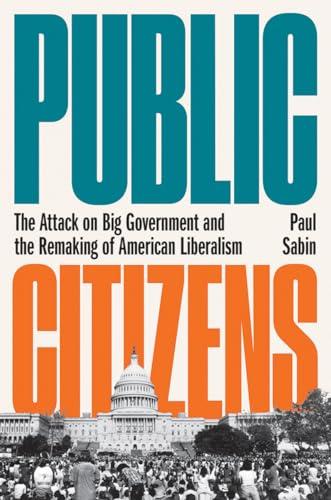
The Attack on Big Government and the Remaking of American Liberalism
Ezra Klein highlighted the book as a major influence on his research, noting that it traced the emergence of the public‑interest movement in the 1960s and 70s and examined figures like Ralph Nader. He referenced it when discussing liberalism, governance, and public policy, emphasizing its relevance to understanding the shift in American liberal thought. The host consistently presented it as essential reading for anyone interested in the history of big‑government politics.
Klein cited Paul Saban's book Public Citizens as a key influence on his historical research for Abundance.
I ended up being very influenced by Paul Saban's book, Public Citizens.
Ezra Klein said the book charts the rise of the publicinterest movement in the 1960s and 70s, focusing on figures like Ralph Nader.
Paul Sabin's Public Citizen. Sabin is a historian at Yale and the book charts the rise of the public interest movement in the 1960s and 70s. It really focuses on Ralph Nader but shows how Nader's skepticism about government came to be so firmly embedded in our national political and legal culture on both the left and the right.
Ezra referred to Paul Sabin's book while discussing liberalism and governance, noting that Sabin talks about it in the context of public policy.
Paul Sabin talks about it in Public Citizen.
Ezra Klein called it a great new book that discusses the liberal paradox of biggovernment progressivism.
It's a great new book on this called Public Citizens by Paul Sabin.
The host described it as a great new book that examined the history of progressive politics and its impact on public policy.
It's a great new book on this called Public Citizens by Paul Sabin.
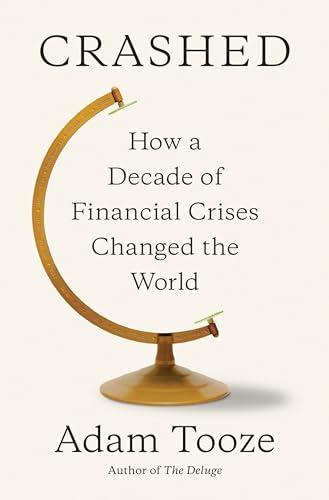
How a Decade of Financial Crises Changed the World
The book was highlighted across several episodes for its clear explanation of how economic decisions intertwine with global events and for its detailed look at the legal structures behind financial instruments. Hosts and guests repeatedly praised it as the best historical account of the 2008 financial crisis, recommending it as essential reading for understanding the era’s economic turmoil.
He recommended Tooze's work for its clear explanation of how the economy is linked to global events.
The third is one actually that you brought to my attention, which is the book Crash by Adam Tooze, which I think should open the aperture for people about how our economy, all of these decisions are connected to the world in a way that makes everything make a lot more sense.
The book was recommended as a great read on the financial crisis that delves into the legal structures of CDOs and CDSs.
I would also in terms especially the financial crisis that we talked about a lot I would name Adam Tooze's Crashed which I think is a great book that also goes into some length into the legal structures of CDOs and CDSs.
Ezra Klein said the book was, for his money, the single best history of the 2008 financial crisis.
He's the author of the book Crashed, which for my money is the single best history of the financial crisis, and now of Shutdown, How COVID Shook the World's Economy.
The host described it as the single best history of the 2008 financial crisis.
He's the author of the book Crashed, which for my money is the single best history of the financial crisis
The host noted that Tooze had authored Crashed, a book analyzing how a decade of financial crises reshaped the world.
He's written a number of books about moments when systems fall apart and new orders emerge, among them Crashed. How a decade of financial crises changed the world.
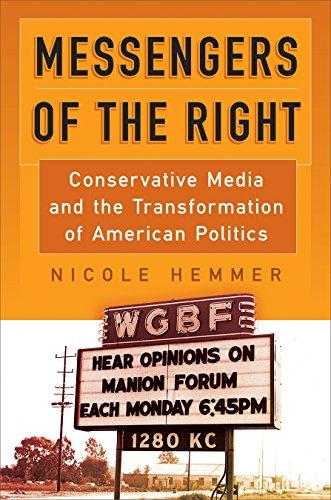
Conservative Media and the Transformation of American Politics (Politics and Culture in Modern America)
Ezra Klein highlighted the book across several episodes as a leading analysis of conservative media and its role in reshaping American politics. He introduced Nicole Hemmer as an expert on the right‑wing media ecosystem and repeatedly praised the work as a great, highly recommended study of the conservative movement. The discussions emphasized its relevance for understanding the transformation of the Republican Party and the broader political landscape.
The host highlighted the book as one of two great works by Hemmer on the conservative movement and recommended it.
She's the author of two great books about conservative movement, Messengers of the Right and her new one, Partisans, which I highly recommend.
The book was highlighted as a great work about the conservative movement and was strongly recommended.
She's the author of two great books about the conservative movement, Messengers of the Right and her new one, Partisans, which I highly recommend.
The host introduced Nicole Hemmer as the author of this book that examines conservative media and its impact on American politics.
Nicole is the author of Messengers of the Right, Conservative Media, and the Transformation of American Politics.
She was introduced as the author of this book, highlighting her expertise on rightwing media and its impact on American politics.
This week, it is Nicole Hammer. Nicole is the author of Messengers of the Right, Conservative Media, and the Transformation of American Politics.
Hemmer's book examined the rise of conservative media and its impact on American politics.
She's the author of the great book on the rise of conservative media, Messengers of the Right, Conservative Media and the Transformation of American Politics.
She's the author of the great book on the rise of conservative media, Messengers of the Right, Conservative Media and the Transformation of American Politics.
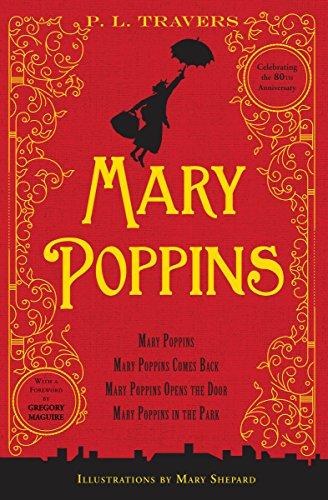
Mary Poppins, Mary Poppins Comes Back, Mary Poppins Opens the Door, and Mary Poppins in the Park
Ezra Klein recounted his nine‑year‑old grandson asking to read a chapter, and he noted that the later installments were far better than the film, describing them as stranger, surreal and darker. He highlighted how the series revealed a more complex version of the character, suggesting it was worth reading.
Ezra described his nineyearold recalling Mary Poppins, saying the book is far better than the movie and praising later titles like Mary Poppins in the Park.
my nineyearold ... said could we read a chapter from Mary Poppins ... the book is so much better than the movie ... especially the later ones like Mary Poppins in the Park.
Ezra described how his nineyearold grandson wanted to read Mary Poppins, noting that the later books like Mary Poppins in the Park are much stranger, weirder, and darker than the film version.
My nineyearold ... said could we read a chapter from Mary Poppins ... the later ones like Mary Poppins in the Park ... are a much stranger, weirder, darker figure than Julie Andrews.
Ezra explained that his nineyearold loved reading Mary Poppins, noting that the later books like Mary Poppins in the Park are stranger and darker than the film version.
my nineyearold ... said, could we read a chapter from Mary Poppins? ... when you actually read the Mary Poppins books, especially the later ones, like Mary Poppins in the Park ... Mary Poppins is a much stranger, surreal set of adventures that the children are having.
Ezra explained that reading Mary Poppins books, especially Mary Poppins in the Park, reveals a stranger, darker version of the character than the movie.
My nineyearold ... could we read a chapter from Mary Poppins? ... when you actually read the Mary Poppins books, especially the later ones, like Mary Poppins in the Park and Mary Poppins Opens the Door, Mary Poppins is a much stranger, surreal figure.
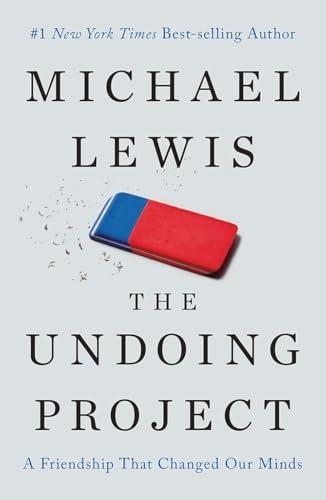
A Friendship That Changed Our Minds
The hosts praised the book as a profound and compelling story about the partnership of Daniel Kahneman and Amos Tversky and its impact on behavioral economics. Natasha Surin highlighted how the narrative revealed the evolution of the field, while Ezra Klein recommended it for its insightful portrayal of the duo's foundational contributions. Overall, the episode discussions presented the title as a highly recommended read.
She praised it as a great story about the relationship between Daniel Kahneman and Amos Tversky that was profound and insightful.
The Undoing Project ... about the relationship between Danny Kahneman and Amos Tversky, but also the ways in which the field evolved that I think is, like, pretty profound and a great story.
The book was recommended for its compelling story about the partnership of Kahneman and Tversky and its insights into behavioral economics.
The Undoing Project by Michael Lewis. This book describes the friendship between Kahneman and Tversky, two researchers who've made foundational contributions to the field of behavioral economics.
Lewis's book explored the collaboration between Daniel Kahneman and Amos Tversky and how their work reshaped psychology and economics.
The Undoing Project by Michael Lewis - I love this book because it relates one of the greatest collaborations in the history of psychology between Daniel Kahneman and Amos Tversky, describing their personalities, conflicts, and the insights that emerged.
Ezra Klein praised The Undoing Project for illuminating the collaboration and tensions between Daniel Kahneman and Amos Tversky that produced groundbreaking insights in psychology.
My second recommendation is The Undoing Project by Michael Lewis.
I love this book because it relates one of the greatest collaborations in the history of psychology between Daniel Kahneman and Amos Tversky, showing how their friendship and conflicts led to major insights.
The Original 1818 Unabridged and Complete Edition (A Mary Shelley Classics
The book was highlighted as a masterpiece that explores the god‑like role of creators, with Patti Smith recommending it alongside Pinocchio. Ezra Klein noted that listening to it served as a powerful exercise in cognitive empathy, urging listeners to view situations through the monster’s eyes and complicate moral judgments. Both hosts presented it as a highly valued work.
The speaker recommended this masterpiece alongside Pinocchio as a work dealing with creators who fashioned life, describing it as a take on being almost a god figure.
And Frankenstein. There's two creators who have created life. Geppetto creates the naughty puppet who redeems himself and then Mary Shelley writes Frankenstein, truly a masterpiece.
He said he listened to the novel and found it a powerful exercise in cognitive empathy that complicates moral assessment.
I listened to the novel Frankenstein by Mary Shelley. It's a great exercise in cognitive empathy, hugely complicating a moral assessment of the situation by looking at things from the eyes of a monster.
He said listening to the novel helped him practice cognitive empathy by viewing the situation through the eyes of a monster, complicating moral assessment.
I listened to the novel Frankenstein by Mary Shelley... it's a great exercise in cognitive empathy... it hugely complicates a moral assessment of the situation by looking at things from the eyes of a monster.
The classic novel was highlighted as a powerful exercise in cognitive empathy, helping listeners view the world from the perspective of a monster and complicate moral assessments.
I listened to the novel Frankenstein by Mary Shelley. It's a great exercise in cognitive empathy... it hugely complicates a moral assessment of the situation by looking at things from the eyes of a monster.
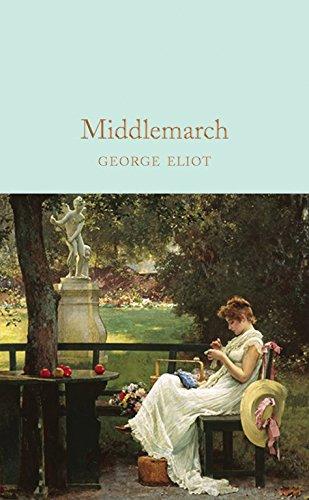
Matt Yglesias praised the book as possibly the greatest English‑language novel, noting its low cost as a public‑domain ebook and its usefulness for practicing long sentences. The host also highlighted it as George Eliot's most famous novel while discussing her earlier work. Both mentions conveyed strong admiration for the title.
Matt praised it as possibly the greatest Englishlanguage novel, noting it is cheap to get as a publicdomain ebook and useful for learning to read long sentences.
Middlemarch is, by many people's estimate, the greatest English language novel ever written. You can get it for like 20 cents on an ebook version. Public Domain is lovely.
The host mentioned it as the author's most famous novel while discussing her earlier work, Adam Bede.
And her most famous novel, you've probably heard of it, is Middlemarch.
When pressed about his favorite book, the guest admitted that Middlemarch was his beloved classic.
Middlemarch is your favorite book.
The classic was mentioned humorously as a favorite that the guest had failed to mention earlier, underscoring its personal significance.
Middlemarch is your favorite book
A Caldecott Award Winner
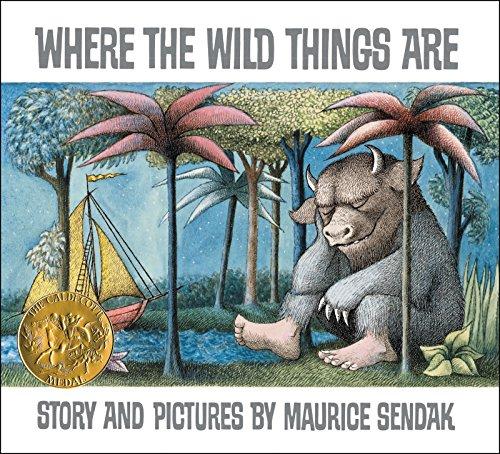
Ezra Klein mentioned the title when his five‑year‑old grandson asked to read it, noting that it still captivated young children. He described the book as a fantastic and wonderful read, highlighting its lasting appeal for younger audiences.
Ezra relayed his fiveyearold grandson recalling the book and asking to read it, confirming its lasting appeal for young children.
my fiveyearold grandson ... said you mean Where the Wild Things Are ... could we read that book at your house.
Ezra recounted how his fiveyearold grandson asked for the book, confirming its lasting appeal and he praised it as a fantastic, wonderful read for younger children.
My fiveyearold grandson ... said you mean Where the Wild Things Are ... that's it the one with the wild things ... that's a fantastic wonderful book.
Ezra recounted that his fiveyearold grandson asked for Where the Wild Things Are, confirming the book's lasting appeal with children.
my fiveyearold grandson ... said, you know, that book that you have at your house with the little boy who has like this white suit and he goes to the island with the monsters on it... you mean Where the Wild Things Are? He said, that's it, the one with the wild things with the monsters.
Ezra recounted his fiveyearold grandson asking for the book, confirming its lasting appeal to children.
My fiveyearold grandson ... you mean Where the Wild Things Are? ... He said, that's it, the one with the wild things with the monsters. Do you still have that book?
Note: The book recommendations on this page are discovered automatically from podcast transcripts, and may be incorrect or incomplete.
Podcast Name