Podcast
Behind the Bastards
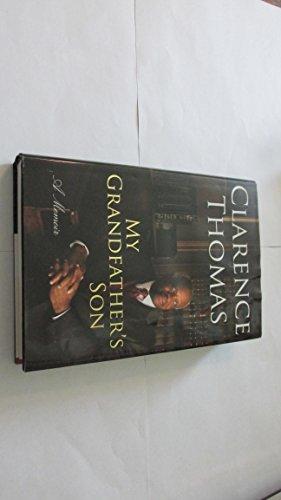
It was mentioned as a book written by Clarence Thomas, and excerpts from the book were read about his relationship with his grandfather, including the harshness of his upbringing.
Anderson wouldn't let Thomas or his brother wear work gloves on the family farm as they cut sugarcane or helped butcher livestock. He never praised the boys or showed them affection. He feared the evi...
— Episode: Part One: The Clarence Thomas Story
Episode: Part One: The Clarence Thomas Story
It was mentioned as a book written by Clarence Thomas, and excerpts from the book were read about his relationship with his grandfather, including the harshness of his upbringing.
Anderson wouldn't let Thomas or his brother wear work gloves on the family farm as they cut sugarcane or helped butcher livestock. He never praised the boys or showed them affection. He feared the evil consequences of idleness Thomas wrote in my grandfather's son and so made sure that we were too busy to suffer them in his presence. There was no play no fun and little laughter.
Episode: Part One: The Clarence Thomas Story
Clarence Thomas's memoir was referenced several times in the podcast. It was used to provide insights into his views on his upbringing and his relationship with his grandfather, among other things.
I saw him only twice when I was young. The first time was when my mother called her parents with whom my brother Myers and I then lived and told them that someone at her place wanted to see us. They called a cab and then sent us to our housing project apartment where my father was waiting. I am your daddy. He told us in a firm, shameless voice that carried no hint of remorse for his inexplicable absence from our lives.
He said nothing about loving or missing us, and we didn't say much in return. It was as though we were meeting a total stranger, but he treated us politely enough and even promised to send us a pair of Elgin watches with flexible bands, which were popular at the time. Though we watched the mail every day, the watches never came. And when a year or so had gone by, my grandparents bought them for us instead. My father had broken the only promise he ever made to us.
For years, my brother and I would ask ourselves how a man could show no interest in his own children. I still wonder.
I don't understand how it is that people today are getting worse educations than I received in the segregated schools of Savannah.
I've been angry enough in my life and there are some points where I'm sure my attitudes approached black nationalism.
Episode: Part One: The Clarence Thomas Story
It was referenced in the context of Thomas's upbringing under his grandfather, mentioning the strict and harsh environment he was raised in.
Anderson wouldn't let Thomas or his brother wear work gloves on the family farm as they cut sugarcane or helped butcher livestock. He never praised the boys or showed them affection. He feared the evil consequences of idleness Thomas wrote in my grandfather's son and so made sure that we were too busy to suffer them in his presence. There was no play no fun and little laughter.
Episode: Part One: The Clarence Thomas Story
It was mentioned as a source for the quotes about his upbringing, especially his relationship with his grandfather. It was mentioned during the discussion of his upbringing and experiences.
I saw him only twice when I was young. The first time was when my mother called her parents with whom my brother Myers and I then lived and told them that someone at her place wanted to see us. They called a cab and then sent us to our housing project apartment where my father was waiting. I am your daddy. He told us in a firm, shameless voice that carried no hint of remorse for his inexplicable absence from our lives.
He said nothing about loving or missing us, and we didn't say much in return. It was as though we were meeting a total stranger, but he treated us politely enough and even promised to send us a pair of Elgin watches with flexible bands, which were popular at the time. Though we watched the mail every day, the watches never came. And when a year or so had gone by, my grandparents bought them for us instead. My father had broken the only promise he ever made to us. After that, we heard nothing more from him, not even a Christmas or birthday card.
For years, my brother and I would ask ourselves how a man could show no interest in his own children. I still wonder.
I don't understand how it is that people today are getting worse educations than I received in the segregated schools of Savannah.
work twice as hard to get half as far.