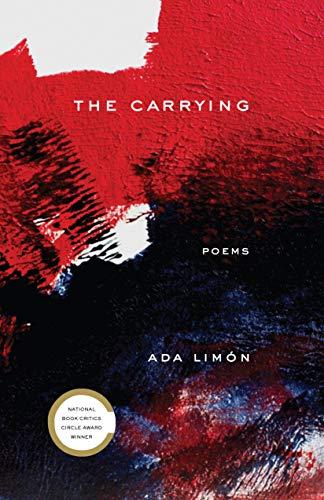
The Carrying
Ada Limón
Mentioned 2 years ago
“The End of Poetry” by Ada Limón
Wisdom to replenish and orient in a tender, tumultuous time to be alive. Spiritual inquiry, science, social healing, and poetry. Conversations to live by. With a 20-year archive featuring luminaries like Mary Oliver, Thich Nhat Hanh, and Desmond Tutu, each episode brings a new discovery about t...
Recently mentioned
Ada Limón
Mentioned 2 years ago
“The End of Poetry” by Ada Limón
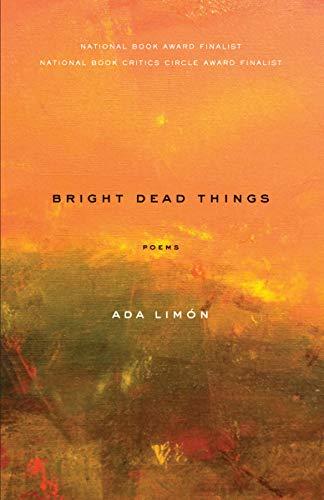
Ada Limón
Mentioned 2 years ago
“The End of Poetry” by Ada Limón
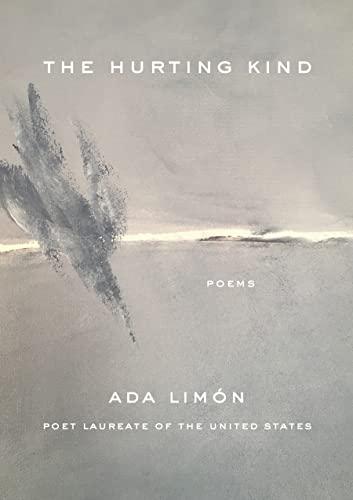
Ada Limón
Mentioned 2 years ago
“The End of Poetry” by Ada Limón
David Nicholls
Mentioned 2 years ago
“The End of Poetry” by Ada Limón
Atul Gawande
Mentioned 2 years ago
Atul Gawande — On Mortality and Meaning
Cixin Liu
Mentioned 2 years ago
Atul Gawande — On Mortality and Meaning

Royce Josiah
Mentioned 2 years ago
Atul Gawande — On Mortality and Meaning
Atul Gawande
Mentioned 2 years ago
Atul Gawande — On Mortality and Meaning
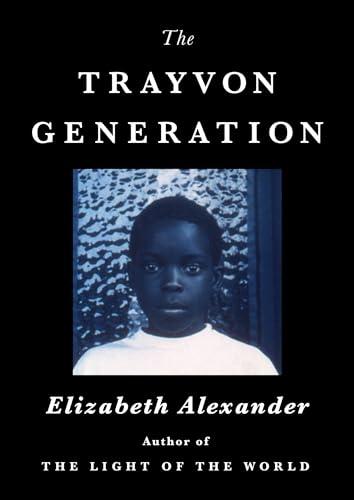
Elizabeth Alexander
Mentioned 2 years ago
“Ars Poetica #100: I Believe” by Elizabeth Alexander
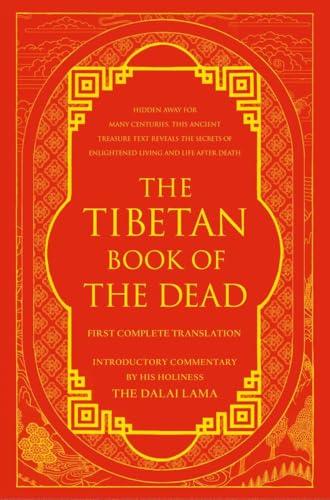
Padmasambhava
Mentioned 2 years ago
Luis Alberto Urrea — On Our Belonging to Each Other
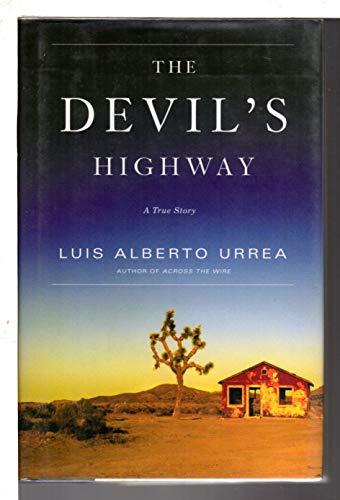
Luis Alberto Urrea
Mentioned 2 years ago
Luis Alberto Urrea — On Our Belonging to Each Other
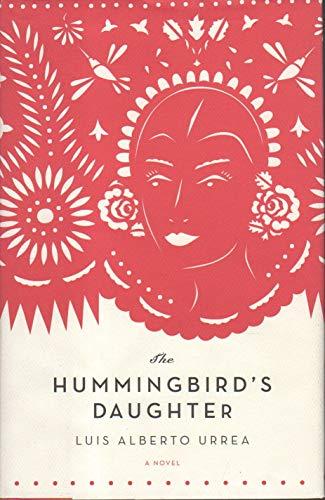
Luis Alberto Urrea
Mentioned 2 years ago
Luis Alberto Urrea — On Our Belonging to Each Other

Its History and Place in Muslim Life
Ingrid Mattson's book about the history of the Quran and its place in Muslim life was mentioned. It was described as a new book.
She's recently published a book about the history of the Quran and its place in Muslim life.
— Episode: Ingrid Mattson — A New Voice for Islam
Ingrid Mattson's book about the history of the Quran and its place in Muslim life was mentioned. It was described as a new book.
She's recently published a book about the history of the Quran and its place in Muslim life.
her new book is the story of the caron its history and place in muslim life
Ingrid Mattson's book, exploring the history of the Quran and its significance in Muslim life, was mentioned as a recently published work.
She's recently published a book about the history of the Quran and its place in Muslim life.
her new book is the story of the caron its history and place in muslim life
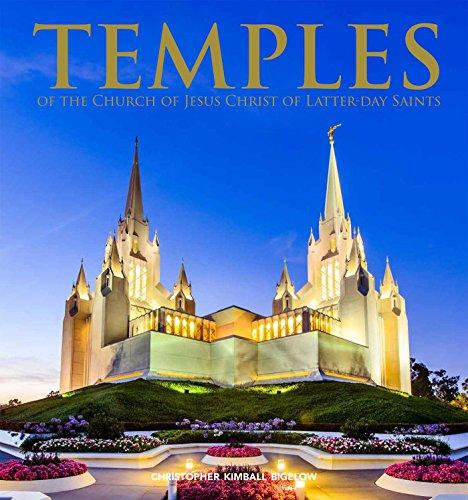
This book by Robert Millet was mentioned as one of his publications, exploring the figure of Christ within Latter-day Saint beliefs.
and The Christ of the Latter Day Saints
— Episode: Robert Millet — Inside Mormon Faith
This book by Robert Millet was mentioned as one of his publications, exploring the figure of Christ within Latter-day Saint beliefs.
and The Christ of the Latter Day Saints
A Study in Ethics and Politics
This 1932 book applied Niebuhr's analysis of human nature to societies and nations; it posited that individuals may strive for morality, but collectively humans are prone to immorality and evil. His ideas were discussed extensively in the podcast.
Individuals, he said, may strive to be moral, but collectively human beings are compromised and prone to immorality, even evil.
— Episode: Paul Elie, Jean Bethke Elshtain, and Rob...
This 1932 book applied Niebuhr's analysis of human nature to societies and nations; it posited that individuals may strive for morality, but collectively humans are prone to immorality and evil. His ideas were discussed extensively in the podcast.
Individuals, he said, may strive to be moral, but collectively human beings are compromised and prone to immorality, even evil.
The irony of American history as Niebuhr explained it is that our virtues and our vices are inextricably joined.
Our virtues and our vices are inextricably joined. It's a religious insight that's being applied in a political situation.
politics is the art of finding approximate solutions to basically insoluble problems working for a certain amount of justice, a certain amount of order, but it will never be utopian.
the New Testament does not envisage a simple triumph of good over evil in history. It sees human history involved in the contradictions of sin to the end.
This 1932 book applied Niebuhr's analysis of human nature to societies and nations; it posited that individuals may strive to be moral, but collectively humans are prone to immorality.
man has always been his own most vexing problem
our virtues and our vices are inextricably joined
the irony of American history as Niebuhr explained it is that our virtues and our vices are inextricably joined
the very idealism that has animated so many good things in the history of this country also lead us to be arrogant, lead us to be insensitive to the cultures of other peoples, lead us to overestimate the ability to get things to go our way.
civilization depends upon the vigorous pursuit of the highest values by people who are intelligent enough to know that their values are qualified by their interests and corrupted by their prejudices
Revised Edition
Sister Joan Chittister recounts a story from her second grade, where she learned that her Protestant father would go to hell, prompting her to question the teachings and challenge religious dogma at a young age. This anecdote was mentioned as being included in one of her books.
In one of my books called In Search of Belief
— Episode: [Unedited] Sister Joan Chittister With K...
Sister Joan Chittister recounts a story from her second grade, where she learned that her Protestant father would go to hell, prompting her to question the teachings and challenge religious dogma at a young age. This anecdote was mentioned as being included in one of her books.
In one of my books called In Search of Belief
Sister Joan Chittister mentioned this book as containing a story from her second grade, where she learned that her Protestant father would go to hell. She recounts the impactful conversation she subsequently had with her mother about this.
I was in second grade...that day somehow or other in in religion class sister taught that Protestants don't go to heaven.
I can remember when I retell that story the terrible shock that went through my system. I mean I was seven and a half or eight years old and I knew we were in trouble.
today I learned that Protestants don't go to heaven.
I I think that's wrong
because sister doesn't know daddy

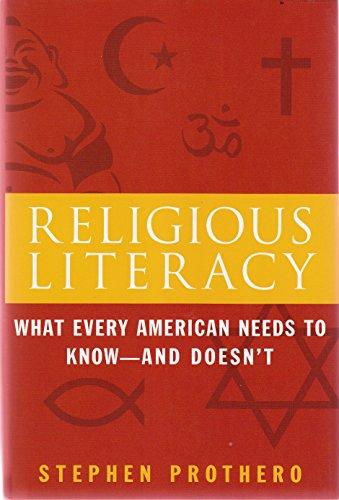
What Every American Needs to Know--And Doesn't
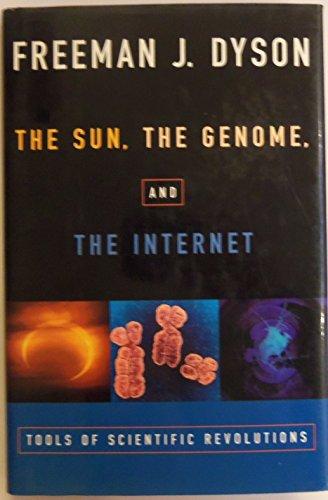
Tools of Scientific Revolutions (New York Public Library Lectures in Humanities)
This book was mentioned in the context of a discussion about the internet and what Einstein might have thought of it. The speaker asked Freeman Dyson about Einstein's potential reaction to the internet.
his most recent book is the Sun, the genome and the internet. And I asked him what he thought Einstein would think of the internet when I think you also just gave me an approach to that question.
— Episode: [Unedited] S. James Gates with Krista Ti...
This book was mentioned in the context of a discussion about the internet and what Einstein might have thought of it. The speaker asked Freeman Dyson about Einstein's potential reaction to the internet.
his most recent book is the Sun, the genome and the internet. And I asked him what he thought Einstein would think of the internet when I think you also just gave me an approach to that question.
This book was mentioned in the context of discussing what Einstein might have thought about the internet. The speaker mentions asking Dyson his thoughts on the topic.
his most recent book is the Sun, the genome and the internet. And I asked him what he thought Einstein would think of the internet
The book explores the nature of money, its purpose, and its role in people's lives. It was referenced as a starting point for the speaker's own reflections on the intersection of money and values.
What would Jesus say about church's complicity or even just complacence about turning the holiday that is Jesus' birthday that we're moving towards turning that into this consumer fest?
— Episode: Nathan Dungan — Money and Moral Balance
The book explores the nature of money, its purpose, and its role in people's lives. It was referenced as a starting point for the speaker's own reflections on the intersection of money and values.
What would Jesus say about church's complicity or even just complacence about turning the holiday that is Jesus' birthday that we're moving towards turning that into this consumer fest?
Jacob Needleman really, I think, focuses a lot on this issue in his book Money and the Meaning of Life is whole notion about what is money about, what's it for, what is the role that it plays in our life?
The book explores the nature of money, its purpose, and its role in people's lives. It was mentioned in relation to pondering the intersection of money, values, and culture.
What would Jesus say about church's complicity or even just complacence about turning the holiday that is Jesus birthday that we're moving towards turning that into this consumer fest?
Jacob Needleman really, I think, focuses a lot on this issue in his book Money and the Meaning of Life is whole notion about what is money about, what's it for, what is the role that it plays in our life?
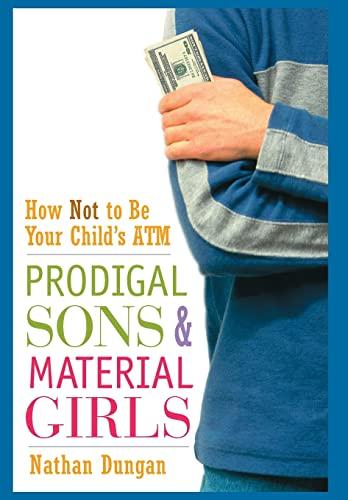
How Not to Be Your Child's ATM
The book, written by the podcast guest, offers advice on how not to be your child's ATM. It was mentioned as one of his works.
Nathan Duncan is president and founder of ShareSave Spend and author of Prodegal Sons and Material Girls, How Not to Be Your Child's ATM.
— Episode: Nathan Dungan — Money and Moral Balance
The book, written by the podcast guest, offers advice on how not to be your child's ATM. It was mentioned as one of his works.
Nathan Duncan is president and founder of ShareSave Spend and author of Prodegal Sons and Material Girls, How Not to Be Your Child's ATM.
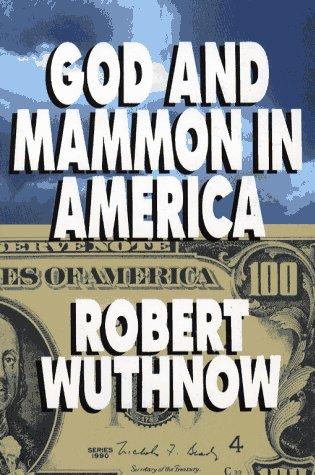
The book, a national study by a Princeton sociologist, examined the complex relationship between Americans' spiritual commitments and their financial lives. It was discussed in relation to the questions it raised about modern consumerism.
In a 1994 book, God and Maman in America, Princeton Sociologist Robert Withno described his major national study of the ambiguous relationship between Americans professed spiritual commitments and the...
— Episode: Nathan Dungan — Money and Moral Balance
The book, a national study by a Princeton sociologist, examined the complex relationship between Americans' spiritual commitments and their financial lives. It was discussed in relation to the questions it raised about modern consumerism.
In a 1994 book, God and Maman in America, Princeton Sociologist Robert Withno described his major national study of the ambiguous relationship between Americans professed spiritual commitments and the lives of work and money that we lead.
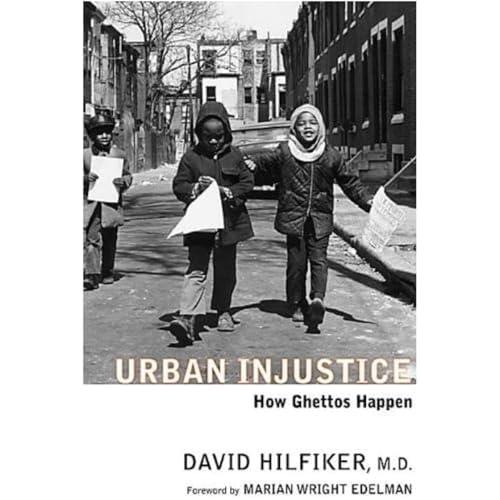
How Ghettos Happen
It traces the history of urban poverty in America and how it is carried forward across generations; it is straightforward but rich with irony, highlighting how federal programs, while intending to alleviate poverty, often unintentionally disadvantaged poor African Americans.
In his 2002 book, Urban and Justice, how ghettos happen, David Hilfiger traces the history of urban poverty in America and how it is carried forward across generations.
— Episode: David Hilfiker — Seeing Poverty After Ka...
It traces the history of urban poverty in America and how it is carried forward across generations; it is straightforward but rich with irony, highlighting how federal programs, while intending to alleviate poverty, often unintentionally disadvantaged poor African Americans.
In his 2002 book, Urban and Justice, how ghettos happen, David Hilfiger traces the history of urban poverty in America and how it is carried forward across generations.
It traces the history of urban poverty in America and how it is carried forward across generations, highlighting how seemingly beneficial programs unintentionally disadvantaged African Americans.
In his 2002 book, Urban and Justice, how ghettos happen, David Hilfiger traces the history of urban poverty in America and how it is carried forward across generations.
A Doctor's Journey With the Poor
It details the author's experiences living and working with homeless men, describing the challenges and rewards of creating solidarity with the poor, and the impact on his family.
You also talk about there was a loss of jobs that paid a living wage.
— Episode: David Hilfiker — Seeing Poverty After Ka...
It details the author's experiences living and working with homeless men, describing the challenges and rewards of creating solidarity with the poor, and the impact on his family.
You also talk about there was a loss of jobs that paid a living wage.
You do describe in your books, especially your book, Not All of Us Are Saints which is a lot about your experiences in those years as a doctor living in that neighborhood living together with homeless men.
Here's a passage from one of your books you out my daily experience of a dreadfully fallen world makes it important to demystify this love of neighbor business.
I don't think I had anybody spit in my face but yeah there's a story that I wrote about in the book actually of a young guy was actually a white man we very few were white homeless men in Washington but he was a young white man who was severely addicted to methamphetamine we think and he was exceedingly manipulative and got to know my son actually and took my son to there was wonderful with my son I mean he we trusted him completely with my son took him down to the pet shop and go off for walks in that kind of thing but when it came to working with social workers or me as his physician he was exceedingly manipulative and over time he'd just sort of betrayed us in so many ways at least we felt betrayed and so in the end what I came to is that I didn't need to like him I didn't I don't like him I didn't like him but I wanted the best for him and it seems so obvious to me now I'm having a difficult time explaining why would we not want the best for for anyone even if they have heard us in some way and not that I was deeply hurt by poor people but but it just seems sort of obvious to me that what we should want is the best for everyone else
It details the author's experiences living and working with homeless men, including challenges faced by his family while living in close proximity to poverty and violence.
you also talk about there was a loss of jobs that paid a living wage.
you do describe in your books, especially your book, Not All of Us Are Saints which is a lot about your experiences in those years as a doctor living in that neighborhood living together with homeless men.
Here's a passage from one of your books you out my daily experience of a dreadfully fallen world makes it important to demystify this love of neighbor business.
I don't think I had anybody spit in my face but yeah there's a story that I wrote about in the book actually of a young guy was actually a white man we very few were white homeless men in Washington but he was a young white man who was severely addicted to methamphetamine we think and he was exceeding the manipulative and got to know my son actually and took my son to there was wonderful with my son I mean he we trusted him completely with my son took him down to the pet shop and go off for walks in that kind of thing but when it came to working with social workers or me as his physician he was exceeding the manipulative and over time he'd just sort of betrayed us in so many ways at least we felt betrayed and so in the end what I came to is that I didn't need to like him I didn't I don't like him I didn't like him but I wanted the best for him and it seems so obvious to me now I'm having a difficult time explaining why would we not want the best for for anyone even if they have heard us in some way and not that I was deeply hurt by poor people but but it just seems sort of obvious to me that what we should want is the best for everyone else
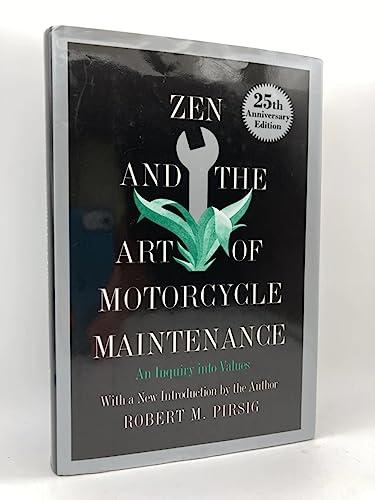
An Inquiry into Values
It was mentioned as a book that was not loved, though the word Mu, a Buddhist concept, was appreciated.
I've been reading Henry Nowan and I thought when I read Zen and the Art of Motorcycle Maintenance, I will become as wise as Henry Nowan. And then I read the book and I was like, I'm b...
— Episode: [Unedited] Pádraig Ó Tuama with Krista...
It was mentioned as a book that was not loved, though the word Mu, a Buddhist concept, was appreciated.
I've been reading Henry Nowan and I thought when I read Zen and the Art of Motorcycle Maintenance, I will become as wise as Henry Nowan. And then I read the book and I was like, I'm bored. Partly because I don't understand motorcycles. So I suppose that was the beginning. I should have paid attention to that.
The New Science of a Lost Art
This book is a personal reflection on raising Black sons in America. It explores the challenges and joys of motherhood while addressing the complexities of race and identity. Passages were read from the book during the interview, providing intimate insights into the author's experiences and thoughts.
Mothers like me once had no recourse. No power to hold off the lash, to hold on indefinitely, to fight back when they crushed your heart and life.
— Episode: Imani Perry — More Beautiful
This book is a personal reflection on raising Black sons in America. It explores the challenges and joys of motherhood while addressing the complexities of race and identity. Passages were read from the book during the interview, providing intimate insights into the author's experiences and thoughts.
Mothers like me once had no recourse. No power to hold off the lash, to hold on indefinitely, to fight back when they crushed your heart and life.
there is still a future as harrowing as it might be to face of this every bit of sweetness to indulge and to spoil to delight.
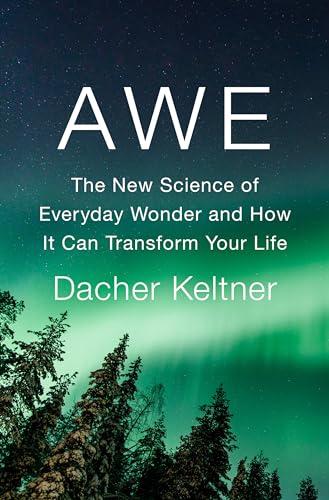
The New Science of Everyday Wonder and How It Can Transform Your Life
The book explains how awe, which can be found in experiences such as witnessing acts of kindness, experiencing collective effervescence in a group setting, or being surrounded by nature, is a powerful force for promoting well-being and transforming lives. The author highlights the neurophysiological evidence for these claims, demonstrating how awe affects the brain and body in positive ways.
I've been in a conversation of friendship and shared curiosity with Dacher Keltner for years, and I'm so happy to bring this conversation to you as he has now translated his studies into a book,
— Episode: Dacher Keltner — The Thrilling New Scien...
The book explains how awe, which can be found in experiences such as witnessing acts of kindness, experiencing collective effervescence in a group setting, or being surrounded by nature, is a powerful force for promoting well-being and transforming lives. The author highlights the neurophysiological evidence for these claims, demonstrating how awe affects the brain and body in positive ways.
I've been in a conversation of friendship and shared curiosity with Dacher Keltner for years, and I'm so happy to bring this conversation to you as he has now translated his studies into a book, Awe, the New Science of Everyday Wonder and How It Can Transform Your Life.
You know, I have the feeling when I read what you write about it, that actually that you learn things that you hadn't known before, that it took you that much deeper in some way.
And I have to say to you that I had a bit of an epiphany here, which is number eight. Number eight. Eighth wonder of life.
There is almost nothing better to do for the state of your mind and body than go get some Awe.
And I feel like also I've watched some of your talks with your students at Berkeley and it's just clear to me that even bringing, like we crave this, right? As you've been telling along, we crave this as creatures and we know we want mystery and we know it's real and we know our imaginations are longing to engage. I feel like you really embody this effervescence as much as you teach about it.
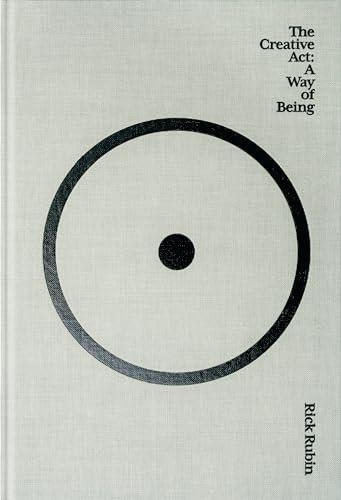
A Way of Being
It was his first book, and he had been working on it for seven to eight years. He described the book as a process of noticing and capturing fleeting things that he recognized in that moment, similar to how he records everything in a recording studio.
This is my first book.
— Episode: Rick Rubin — Magic, Everyday Mystery, an...
It was his first book, and he had been working on it for seven to eight years. He described the book as a process of noticing and capturing fleeting things that he recognized in that moment, similar to how he records everything in a recording studio.
This is my first book.
It was a long journey for me to get to understand what's in the book, because I can't say that it's things that I know. It's things that I notice.
And the things that we notice are fleeting. So it'll come up and I'll make notes on the things that I'm noticing and they'll work their way into the book.
And that's, I'll say, that's similar to what happens in the recording studios. We tend to record everything because often it happens when you don't know what's happening.
Yes, that's how it happened for me. And I was shocked. It remains shocking, but I'm excited that it's there and now I can use it as a reference tool.
The book was about a three-sun planetary system and how a message from this system affects Earth, as well as the consequences of that message. The book explores the extinction of humanity, but the continuation of life in other forms.
So I just, I finished recently this three book series by a Chinese science fiction writer named Liu Cixin. It begins with a book called The Three-Body Problem.
— Episode: Atul Gawande — On Mortality and Meaning
The book was about a three-sun planetary system and how a message from this system affects Earth, as well as the consequences of that message. The book explores the extinction of humanity, but the continuation of life in other forms.
So I just, I finished recently this three book series by a Chinese science fiction writer named Liu Cixin. It begins with a book called The Three-Body Problem.
I tried to read those books and I couldn't get into them. Did you love them? You know what I'm talking about. Oh my God. I totally fell into it. I mean, the characters- I love the title, The Three-Body Problem. I was really drawn to that. Right.
The characters are unbelievably cardboard. Like, you know, they have no depth whatsoever. But part of what was, it has this extraordinary scale of time, partly because, you know, yes, The Three-Body Problem is this other planetary system which has three suns and this planet is captured by the gravity of each of those suns. And so every day you're never sure when the sun is going to come up, what the temperature is going to be, whether it's going to be, you know, 300 degrees or minus 300 degrees, and how long the day will last, all those things. And will it be a habitable climate or not? And the creatures will dehydrate, you know, when it becomes terrible. And then when water appears again, they rehydrate and then continue civilization.
But the span of this book, because it's all about the idea that a message passes from this three-body planetary system to Earth and what the consequences of that are. But, you know, even our earthling lives in that book, they unfold over thousands of years. And he describes what happens over those thousands of years.
And it pushes the questions because what he's imagining is the extinction of human beings, but the continuance of other forms of life and how wide our imaginations go towards bringing those in and making them feel that they are part of our chain of being. Can you have a chain of being that feels connected to people, not even people, these sentient creatures that can communicate with you who are in the fourth dimension or look nothing like us? And, you know, can we have a chain of being that goes on 15 billion years that go beyond, you know, Earth is extinguished and humanity is extinguished, but we still feel there's spirit in some way. I don't know. It made me think of that.
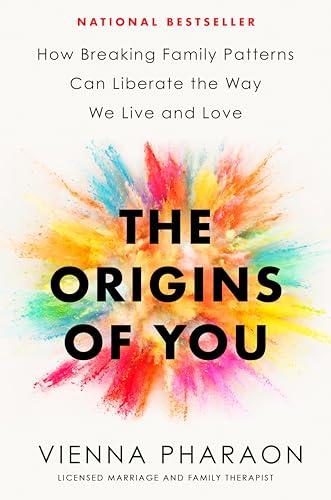
How Breaking Family Patterns Can Liberate the Way We Live and Love
The book, The Origins of You, was mentioned as being about wounds and how we process and move forward through them, which ultimately defines who we are.
I love this book, The Origins of You, that's all about these wounds.
— Episode: Kerry Washington — Acting as a Devotiona...
The book, The Origins of You, was mentioned as being about wounds and how we process and move forward through them, which ultimately defines who we are.
I love this book, The Origins of You, that's all about these wounds.
Right? Like we have these wounds and how we process those wounds and move forward through them is who we are.
Note: The book recommendations on this page are discovered automatically from podcast transcripts, and may be incorrect or incomplete.
Podcast Name