
Podcast
On Being with Krista Tippett
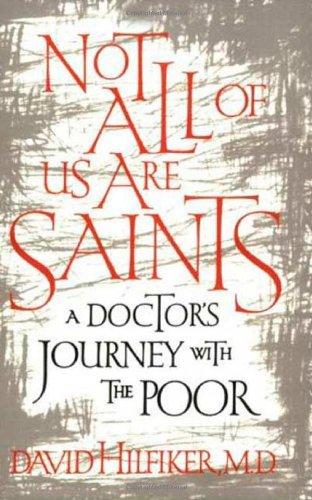
It details the author's experiences living and working with homeless men, describing the challenges and rewards of creating solidarity with the poor, and the impact on his family.
You also talk about there was a loss of jobs that paid a living wage.
— Episode: David Hilfiker — Seeing Poverty After Ka...
Episode: David Hilfiker — Seeing Poverty After Katrina
It details the author's experiences living and working with homeless men, describing the challenges and rewards of creating solidarity with the poor, and the impact on his family.
You also talk about there was a loss of jobs that paid a living wage.
You do describe in your books, especially your book, not all of us are saints which is a lot about your experiences in those years as a doctor living in that neighborhood living together with homeless men.
Here's a passage from one of your books you out my daily experience of a dreadfully fallen world makes it important to demystify this love of neighbor business.
I don't think I had anybody spit in my face but yeah there's a story that I wrote about in the book actually of a young guy was actually a white man we very few were white homeless men in Washington but he was a young white man who was severely addicted to methamphetamine we think and he was exceedingly manipulative and got to know my son actually and took my son to there was wonderful with my son I mean he we trusted him completely with my son took him down to the pet shop and go off for walks in that kind of thing but when it came to working with social workers or me as his physician he was exceedingly manipulative and over time he'd just sort of betrayed us in so many ways at least we felt betrayed and so in the end what I came to is that I didn't need to like him I didn't I don't like him I didn't like him but I wanted the best for him and it seems so obvious to me now I'm having a difficult time explaining why would we not want the best for for anyone even if they have heard us in some way and not that I was deeply hurt by poor people but but it just seems sort of obvious to me that what we should want is the best for everyone else
Episode: David Hilfiker — Seeing Poverty After Katrina
It details the author's experiences living and working with homeless men, including challenges faced by his family while living in close proximity to poverty and violence.
you also talk about there was a loss of jobs that paid a living wage.
you do describe in your books, especially your book, not all of us are saints which is a lot about your experiences in those years as a doctor living in that neighborhood living together with homeless men.
Here's a passage from one of your books you out my daily experience of a dreadfully fallen world makes it important to demystify this love of neighbor business.
I don't think I had anybody spit in my face but yeah there's a story that I wrote about in the book actually of a young guy was actually a white man we very few were white homeless men in Washington but he was a young white man who was severely addicted to methamphetamine we think and he was exceeding the manipulative and got to know my son actually and took my son to there was wonderful with my son I mean he we trusted him completely with my son took him down to the pet shop and go off for walks in that kind of thing but when it came to working with social workers or me as his physician he was exceeding the manipulative and over time he'd just sort of betrayed us in so many ways at least we felt betrayed and so in the end what I came to is that I didn't need to like him I didn't I don't like him I didn't like him but I wanted the best for him and it seems so obvious to me now I'm having a difficult time explaining why would we not want the best for for anyone even if they have heard us in some way and not that I was deeply hurt by poor people but but it just seems sort of obvious to me that what we should want is the best for everyone else