
Podcast
Modern Wisdom
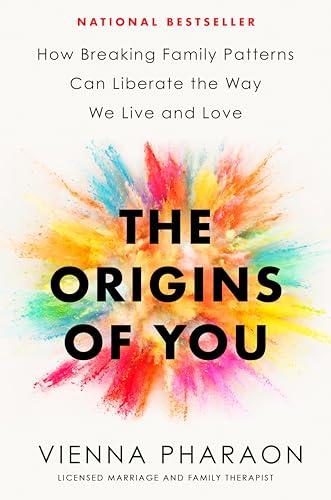
Vienna shared that she uses the word wounds in her book instead of focusing strictly on trauma. She explained that she uses the term wounds because she feels it brings to mind a physical wound in childhood, like a scraped knee, which can be healed but will sometimes reopen. She shared a story about a client who only dated women that he had been friends with for a long period of time because, in fifth grade, a girl he had a crush on told him that she would find him cute if he were taller. This impacted his view of his self-worth and caused him to feel like he needed justification and verification that women liked him. Vienna explained that we often miss the subtle moments in our lives that can impact us and that we shouldn't get caught up in comparing wounds with others. She emphasized that these moments, however small, need to be acknowledged and honored. She shared that in the book, she talks about five wounds: worthiness, belonging, prioritization, trust, and safety. She explained that these wounds can be formed explicitly or implicitly, through observation, or through experience, and that they shape the way we see the world, other people, and ourselves.
But in the book I talk about five wounds, the worthiness wound, belonging, prioritization, trust, and safety.
— Episode: #790 - Vienna Pharaon - How To Overcome...
Episode: #790 - Vienna Pharaon - How To Overcome A Difficul...
Vienna shared that she uses the word wounds in her book instead of focusing strictly on trauma. She explained that she uses the term wounds because she feels it brings to mind a physical wound in childhood, like a scraped knee, which can be healed but will sometimes reopen. She shared a story about a client who only dated women that he had been friends with for a long period of time because, in fifth grade, a girl he had a crush on told him that she would find him cute if he were taller. This impacted his view of his self-worth and caused him to feel like he needed justification and verification that women liked him. Vienna explained that we often miss the subtle moments in our lives that can impact us and that we shouldn't get caught up in comparing wounds with others. She emphasized that these moments, however small, need to be acknowledged and honored. She shared that in the book, she talks about five wounds: worthiness, belonging, prioritization, trust, and safety. She explained that these wounds can be formed explicitly or implicitly, through observation, or through experience, and that they shape the way we see the world, other people, and ourselves.
But in the book I talk about five wounds, the worthiness wound, belonging, prioritization, trust, and safety.
And I do feel like these five really do honor the human experience
That's why I use the word wounds in my book instead of focusing strictly on trauma.
I think when we think of the word wound, at least for me, it brings me back to my childhood, scraping my knee, I fall, I've got a cut, there's a little bit of blood, someone cleans it up, puts a band-aid over it, tells me to air it out, take the band-aid off, the scab's there. I bump up against it on the table and boom, it starts to bleed again and that's similar in our emotional experiences as well that there is something.
And I share that story because I think sometimes we miss the subtle moments in our lives, the things that we might throw away, the things that we might say, oh, that's nothing compared to someone who's gone through an abusive childhood and it's so important that we don't hang out in that comparison space because what winds up happening is that one, is a distraction away from our own pain and our own experiences and two, it is simply just invalidating and minimizing and distorting of what our experience in this world is.