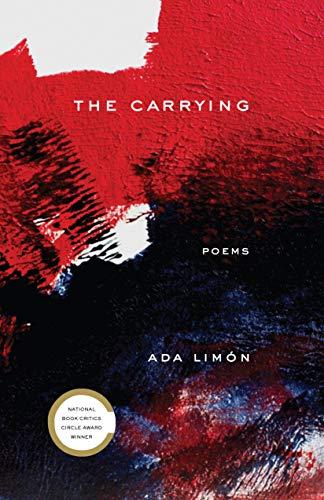
The Carrying
Ada Limón
Mentioned 2 years ago
“The End of Poetry” by Ada Limón
Wisdom to replenish and orient in a tender, tumultuous time to be alive. Spiritual inquiry, science, social healing, and poetry. Conversations to live by. With a 20-year archive featuring luminaries like Mary Oliver, Thich Nhat Hanh, and Desmond Tutu, each episode brings a new discovery about t...
Recently mentioned
Ada Limón
Mentioned 2 years ago
“The End of Poetry” by Ada Limón
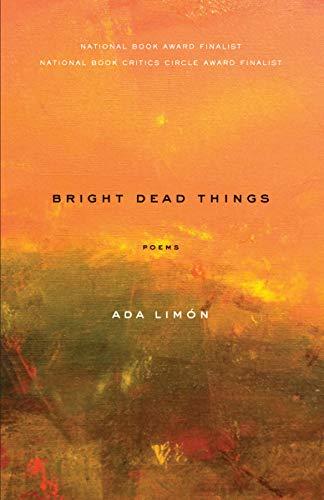
Ada Limón
Mentioned 2 years ago
“The End of Poetry” by Ada Limón
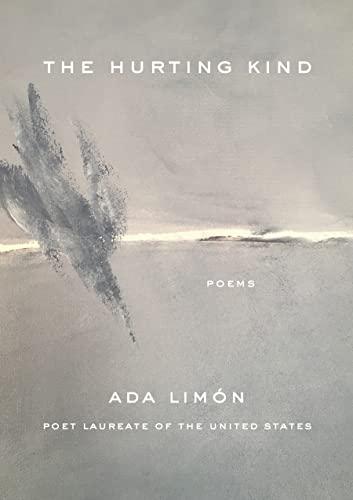
Ada Limón
Mentioned 2 years ago
“The End of Poetry” by Ada Limón
David Nicholls
Mentioned 2 years ago
“The End of Poetry” by Ada Limón
Atul Gawande
Mentioned 2 years ago
Atul Gawande — On Mortality and Meaning
Cixin Liu
Mentioned 2 years ago
Atul Gawande — On Mortality and Meaning
Royce Josiah
Mentioned 2 years ago
Atul Gawande — On Mortality and Meaning
Atul Gawande
Mentioned 2 years ago
Atul Gawande — On Mortality and Meaning
Elizabeth Alexander
Mentioned 2 years ago
“Ars Poetica #100: I Believe” by Elizabeth Alexander
Padmasambhava
Mentioned 2 years ago
Luis Alberto Urrea — On Our Belonging to Each Other
Luis Alberto Urrea
Mentioned 2 years ago
Luis Alberto Urrea — On Our Belonging to Each Other
Luis Alberto Urrea
Mentioned 2 years ago
Luis Alberto Urrea — On Our Belonging to Each Other
Innovation Inspired By Nature
Janine Benyus's classic work, Biomimicry, explores the concept of taking the natural world as a teacher and mentor, emulating its genius in solving problems and performing miracles.
Janine Benyus's classic work is Biomimicry, innovation inspired by nature.
— Episode: Janine Benyus and Azita Ardakani Walton...
Janine Benyus's classic work, Biomimicry, explores the concept of taking the natural world as a teacher and mentor, emulating its genius in solving problems and performing miracles.
Janine Benyus's classic work is Biomimicry, innovation inspired by nature.
Janine Benyus's classic work is *Biomimicry: Innovation Inspired by Nature*.
It was published in 1997 and introduced the idea of biomimicry as a field of study, encouraging people to learn from nature's solutions.
She launched this way of seeing and imagining as a field with her 1997 book, Biomimicry, Innovation Inspired by Nature.
This is from the Biomimicry book, which was published in was it 1998, 97.
When you say the first paper you collected, the first-
That I collected for the book.
And I started in 1990. And the thing was that I didn't know how we made our world.
50th Anniversary Edition
Clint Smith spoke about how reading this book by Paulo Freire helped him as a young high school English teacher. It helped his students understand that the world was a social construct that could be reconstructed.
Yeah I mean you know I think your spot on being a high school English teacher it helps shape everything for me I feel very lucky to read and write and think and for a living but man like sitting in a...
— Episode: Clint Smith — What We Know in the "Marro...
Clint Smith spoke about how reading this book by Paulo Freire helped him as a young high school English teacher. It helped his students understand that the world was a social construct that could be reconstructed.
Yeah I mean you know I think your spot on being a high school English teacher it helps shape everything for me I feel very lucky to read and write and think and for a living but man like sitting in a high school classroom with a bunch of teenagers and just talking about books was it was the best job I ever had it was so fulfilling it was so remarkable to sit with a group of 15 and 16 year olds talking about the way that a book is in conversation with the various facets of their own lives and to see that that could serve as an entry point for them to understand the way that their lives are in conversation with one another in ways that might have never been possible without that text in ways that might have never been possible without that one sentence and that one paragraph that one student pointed out in a way that illuminated something for everybody else in that classroom those specific moments of magic were so i mean that there's nothing like it and paul of fray you know he is a a Brazilian scholar an educator who as you say was incredibly formative for me I read his book perhaps his most popular text Pedagogy of the Oppressed and the essence of that book is thinking about how part of the role of education is to help people who have been subjected to violence who have been subjected to oppression who has been subjected to despair how how education can be a way to help them understand that the world is social construction that can be reconstructed and deconstructed and made into something new and that once you understand that you know part of what fray talks about is it helps disabuse you of the idea that your station in life is something that is sort of inevitably a facet of who you are and for me that idea is so freeing it's so profound because I remember I remember being a kid growing up in new orlands in the 80s and 90s and just being inundated with messages about all the things that were wrong with black people and that you know the reason new orlands had so much crime and so much poverty and so much violence and so many people in prison were because of things that were wrong with black people and things that black people had failed to do and I knew it was wrong but I didn't know how to say it was wrong I didn't have the language I didn't have the toolkit I didn't have the historical context with which to push back against it there was a sense of paralysis almost and I wanted to I knew the way that books had freed me in that way and I wanted to bring that to my students to the extent that I could I taught in printed churches county merlin you know a school that was predominantly black and latino school that was predominantly students on free and reduced lunch students who were undocumented students who were in and out of the criminal legal system and I wanted the conversations we had on our class to help them understand that the reason their communities looked the way that they did again we're not inevitable but we're the result of decisions that people had made and also I just I feel like what's coming through here is you know language has more than mere words right language as power right to have the language to to name something or not to have it is also about how one can move through the world and move the world you've written and spoken about an interesting kind of transition you made following on how you know that that approach you were taking to seeing the world that your students inhabited and how it constricted them and you've talked about how you for a while you know you wanted to go head on to the issues to these societal problems and these societal constructions and you started to find that that actually wasn't the way or the only way for them to do the work to actually step into that agency like you've talked about you found that you had to actually draw out their identities would you say some more about that?
This book by Paulo Freire, a Brazilian scholar and educator, was incredibly formative for Clint Smith. The essence of the book is about how education can be a tool for liberation, helping people understand that the world is a social construct and can be reshaped.
I read his book, perhaps his most popular text, Pedagogy of the Oppressed.
And the essence of that book is thinking about how part of the role of education is to help people who have been subjected to violence, who have been subjected to oppression, who has been subjected to despair or resource extraction at the hands of the state.
At the hands of their government, how education can be a way to help them understand that the world is social construction.
And thus can be reconstructed and deconstructed and made into something new and that the reality of the world around us is not an inevitability.
And I wanted to, I knew the way that books had freed me in that way. And I wanted to bring that to my students to the extent that I could.
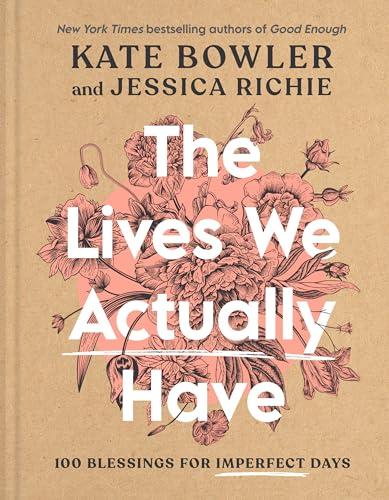
100 Blessings for Imperfect Days
This book, Kate Bowler's most recent publication, is a collection of blessings for imperfect days.
Kate Bowler's beloved books include Everything Happens for a Reason (And Other Lies I've Loved) and most recently, The Lives We Actually Have: 100 Blessings for Imperfect Days.
— Episode: Kate Bowler — On Being in a Body
This book, Kate Bowler's most recent publication, is a collection of blessings for imperfect days.
Kate Bowler's beloved books include Everything Happens for a Reason (And Other Lies I've Loved) and most recently, The Lives We Actually Have: 100 Blessings for Imperfect Days.
And I mean, would you just say a little bit about how you understand, how you understand, and I'm going to have you as we close them. And I have you read one of them and you've written these together with Jessica Ritchie, who's here somewhere. Devotionals for a life of imperfection, blessings for The Lives We Actually Have.
Kate Bowler is an associate professor of American religious history at Duke University Divinity School. Her books include Everything Happens for a Reason and Other Lies I've Loved, Blessed, a History of the American Prosperity Gospel, and most recently, The Lives We Actually Have, 100 Blessings for Imperfect Days.
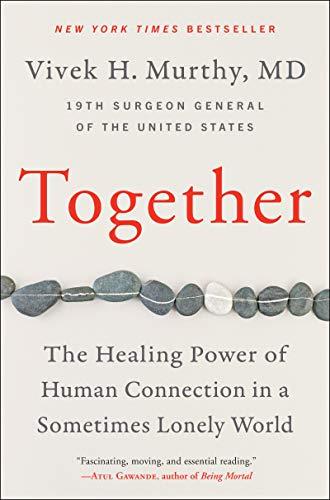
The Healing Power of Human Connection in a Sometimes Lonely World
Vivek Murthy spoke about his book, "Together: The Healing Power of Human Connection in a Sometimes Lonely World" and how it stemmed from his own experience with loneliness and his work as Surgeon General. He spoke about the book's central message of the importance of human connection, especially in a world that often isolates us.
And I will say also that ending up in Miami, where I grew up, is what happens when two parents who grew up in the sunny part of South India spend two years in Newfoundland in the icy cold.
— Episode: [Unedited] Vivek Murthy with Krista Tipp...
Vivek Murthy spoke about his book, "Together: The Healing Power of Human Connection in a Sometimes Lonely World" and how it stemmed from his own experience with loneliness and his work as Surgeon General. He spoke about the book's central message of the importance of human connection, especially in a world that often isolates us.
And I will say also that ending up in Miami, where I grew up, is what happens when two parents who grew up in the sunny part of South India spend two years in Newfoundland in the icy cold.
And I'm so glad you underscored it, because it is different from fixing.
And I worry about this because I have two small children, myself, five and six. And I'm thinking often about the world that they're growing up in.
But we all know people who have all three of those, who are wealthy, powerful and famous and profoundly unhappy, who don't feel whole.
And I worry that many of our kids are being led down a path that will not make them whole or fulfilled. I think to truly feel whole is it's not about acquiring something that we don't have. It's about remembering who we fundamentally are.
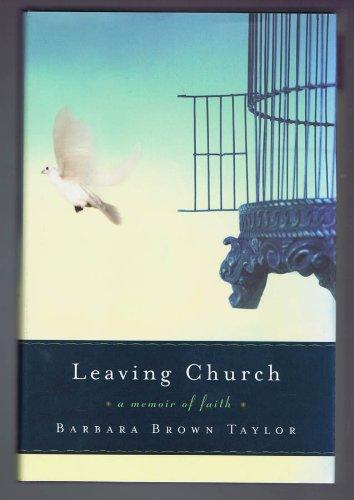
A Memoir of Faith By Barbara Tayler
The book discussed her decision to leave her life of congregational ministry in 2006, as well as the decision to move from being a solo pastor to a college religion teacher in 1997. The book's three parts, finding, losing, and keeping, were considered a good framing for this kind of journey, both hers and the one our culture is on.
She wrote Leaving Church about her decision to leave her life of congregational ministry, finding other ways to stay, as she's written, alive and alert to the holy communion of the hu...
— Episode: Barbara Brown Taylor — “This Hunger for...
The book discussed her decision to leave her life of congregational ministry in 2006, as well as the decision to move from being a solo pastor to a college religion teacher in 1997. The book's three parts, finding, losing, and keeping, were considered a good framing for this kind of journey, both hers and the one our culture is on.
She wrote Leaving Church about her decision to leave her life of congregational ministry, finding other ways to stay, as she's written, alive and alert to the holy communion of the human condition, which takes place on more altars than anyone can count.
And, you know, your book Leaving Church is one that a lot of people read.
I like the structure of that book, which is in three parts, finding, losing, and keeping, which also feels like a good framing for this kind of journey, not just that you've been on, but that we're on as a culture.
The book was structured into three parts: finding, losing and keeping, which felt like a good framing for both the author's journey and that of the wider culture.
And your book, Leaving Church is one that a lot of people read. And I like the structure of that book, which is in three parts, finding, losing and keeping, which also feels like a good framing for this, for this kind of journey, not just that you've been on, but that we're on as a culture.
You were an ordained minister, you were a priest. When I first heard about you when I was in Divinity School in the early nineties, you were this famous preacher, like the greatest preacher. And you were still in parish ministry at that time.
One of the things that intrigued me that you wrote about leaving parish ministry in 1997, then you became a college religion teacher.
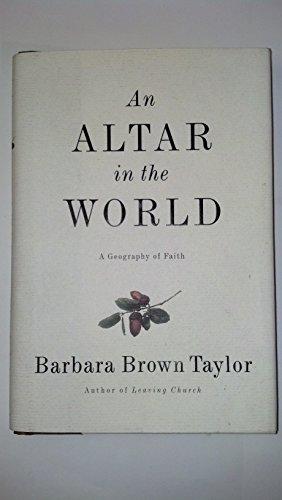
A Geography of Faith
It was mentioned as a book she wrote that contained a chapter on incarnation titled "The Practice of Wearing Skin".
She's written other books since, with titles like An Altar in the World,
— Episode: Barbara Brown Taylor — “This Hunger for...
It was mentioned as a book she wrote that contained a chapter on incarnation titled "The Practice of Wearing Skin".
She's written other books since, with titles like An Altar in the World,
In your book, Alter in the World, you titled the chapter about incarnation, The Practice of Wearing Skin.
You had a chapter on prayer in Altar and the World, and I noted that in the first few pages you said you wrote these different things.
The book featured a chapter on incarnation titled 'the practice of wearing skin.' The author also wrote about the daily practice of incarnation and that God speaks the language of flesh.
In your book, Alter in the World, you titled the chapter about incarnation, the practice of wearing skin.
You've talked about the daily practice of incarnation, of being in the body with full confidence that God speaks the language of flesh.
It was mentioned as a book she wrote, along with "An Altar in the World" and "Holy Envy".
She's written other books since, with titles like An Altar in the World, Learning to Walk in the Dark, and Holy Envy, Finding God in the Faith of Others.
— Episode: Barbara Brown Taylor — “This Hunger for...
It was mentioned as a book she wrote, along with "An Altar in the World" and "Holy Envy".
She's written other books since, with titles like An Altar in the World, Learning to Walk in the Dark, and Holy Envy, Finding God in the Faith of Others.
Finding God in the faith of others
It was mentioned as a book she wrote, along with "An Altar in the World" and "Learning to Walk in the Dark".
She's written other books since, with titles like An Altar in the World, Learning to Walk in the Dark, and Holy Envy, Finding God in the Faith of Others.
— Episode: Barbara Brown Taylor — “This Hunger for...
It was mentioned as a book she wrote, along with "An Altar in the World" and "Learning to Walk in the Dark".
She's written other books since, with titles like An Altar in the World, Learning to Walk in the Dark, and Holy Envy, Finding God in the Faith of Others.
The Pastoral Observations of One Ignorant American Who Loves to Walk Outside
Nick Offerman discussed his most recent book and how it relates to his love of the natural world and reverence for the farmer-poet Wendell Berry. He also discussed his previous two books, "Paddle Your Own Canoe" and "Good Clean Fun", which were mentioned as being enjoyable reads by Krista Tippett.
Your most recent book is Where the Deer and the Antelope Play. And I've read that but I also in getting ready to talk to you, you know, I'm interested in the whole sweep of your kind...
— Episode: Nick Offerman — Working with Wood, and t...
Nick Offerman discussed his most recent book and how it relates to his love of the natural world and reverence for the farmer-poet Wendell Berry. He also discussed his previous two books, "Paddle Your Own Canoe" and "Good Clean Fun", which were mentioned as being enjoyable reads by Krista Tippett.
Your most recent book is Where the Deer and the Antelope Play. And I've read that but I also in getting ready to talk to you, you know, I'm interested in the whole sweep of your kind of meanderings and writing and thinking and living and I also just really loved your first two books, I think Paddle Your Own Canoe and Good Clean Fun.
And I just feel like you, you learn so much about life through woodworking. Whenever you perform as a humorist, you encourage the audience to find something to make with their hands. What's that about?
And it's so, it's one of the hardest things I've ever had to do because first of all, Wendell is a very scholarly and erudite writer.
And so I, I wrote him a letter basically asking him if I could adapt some of his work. And he said, he wrote me back and he said, I like you. And I like your letter. Uh, the answer is no.
I mean, I'm so glad you pulled that out. I just love the idea of you, you finish, you know, I love reading to the end of the last word of any book that I love.
It was mentioned as the speaker's most recent book and he said that he couldn't imagine not having become a pastor after reading it.
And, you know, in your most recent book, The Pastor, you write that you can't imagine now not having become that.
Truth, Courage, and Solutions for the Climate Crisis
It was recommended because it offered truth, courage, and solutions for the climate crisis. It was specifically mentioned for its title which suggests collective action rather than individual effort.
She co-edited this beautiful climate anthology, which I had not discovered until now, and I so recommend it, All We Can Save, Truth, Courage and Solutions for the Climate Crisis.
— Episode: Ayana Elizabeth Johnson — What If We Get...
It was recommended because it offered truth, courage, and solutions for the climate crisis. It was specifically mentioned for its title which suggests collective action rather than individual effort.
She co-edited this beautiful climate anthology, which I had not discovered until now, and I so recommend it, All We Can Save, Truth, Courage and Solutions for the Climate Crisis.
People mistitle that book all the time as All You Can Save, and I'm like, you've already entirely missed the point of the book.
The book, 'All We Can Save', was highly recommended for its exploration of truth, courage, and solutions to the climate crisis. It was described as a beautiful climate anthology that celebrates the 'we' in our shared mission to save the planet.
She co-edited this beautiful climate anthology, which I had not discovered until now and I so recommend it, All We Can Save, Truth, Courage and Solutions for the Climate Crisis.
I love how you stress in the description of that work that you're nurturing the we in that All We Can Save. People mistitle that book all the time as All You Can Save, and I'm like, you've already entirely missed the point of the book.
I think a lot about what I call the generative narrative, the generative landscape of our time, which I know as a person in media is just not covered as well, is not investigated with as much sophistication as we have to investigate everything that's failing and catastrophic.
It was Dr. Katherine Wilkinson, co-editor of All We Can Save, who introduced me to Eunice.
And unfortunately because sexism is rampant we didn't put 40 essays by brilliant climate women on the cover. I'm not going to read on that. But the back lists all these incredible researchers and activists and journalists and it's sort of, the list is long.
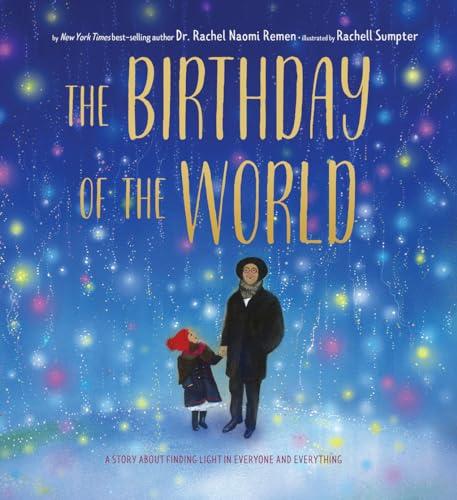
A Story About Finding Light in Everyone and Everything
The Birthday of the World is a children's book by Rachel Naomi Remen, which is being published in September 2022.
And as we produce this, I am thrilled to announce that Rachel Naomi Remen is publishing her first book for children in September 2022 and it is called The Birthday of the World, a sto...
— Episode: Rachel Naomi Remen – How We Live With Lo...
The Birthday of the World is a children's book by Rachel Naomi Remen, which is being published in September 2022.
And as we produce this, I am thrilled to announce that Rachel Naomi Remen is publishing her first book for children in September 2022 and it is called The Birthday of the World, a story about finding light in everyone and everything.
Rachel Naomi Remen's book, "The Birthday of the World", tells the story of the creation as she heard it from her grandfather, a Jewish mystic. The story is about the holy light being scattered into fragments and the human capacity to find and restore these fragments.
You recount this idea of the Kabbalah which I had known but I don't think maybe because you're a storyteller it was very vivid for me. This idea that at the beginning of the creation the holy was broken up right?
The story of The Birthday of the World. Is that how he told it to you?
So this is the story of The Birthday of the World. In the beginning there was only the holy darkness, the einsaf, the source of life. And then in the course of history at a moment in time this world, the world of a thousand thousand things emerged from the heart of the holy darkness as a great ray of light.
Now according to my grandfather the whole human race is a response to this accident.
We are here because we are born with the capacity to find the hidden light in all events and all people.
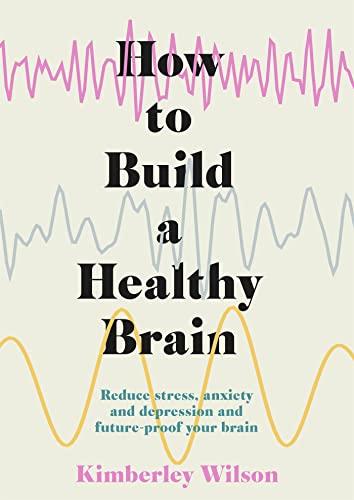
Practical steps to mental health and well-being
It was mentioned as a book published by Kimberley Wilson, and the first sentence was described as "arresting". It was said to be very helpful for understanding mental health due to the author's own family history of mental illness and neurogenerative disease.
I grew up with an intimate knowledge of mental illness and neurogenerative disease, multiple sclerosis, epilepsy, schizophrenia, motor neuron disease, Guillain-Barre syndrome, borderline personality d...
— Episode: Kimberley Wilson — Whole Body Mental Hea...
It was mentioned as a book published by Kimberley Wilson, and the first sentence was described as "arresting". It was said to be very helpful for understanding mental health due to the author's own family history of mental illness and neurogenerative disease.
I grew up with an intimate knowledge of mental illness and neurogenerative disease, multiple sclerosis, epilepsy, schizophrenia, motor neuron disease, Guillain-Barre syndrome, borderline personality disorder, antisocial personality disorder, and depression all run in my immediate family.
There's a very arresting, I believe this is the first sentence of your book, which is so helpful. I grew up with an intimate knowledge of mental illness and neurogenerative disease, multiple sclerosis, epilepsy, schizophrenia, motor neuron disease, Guillain-Barre syndrome, borderline personality disorder, antisocial personality disorder, and depression all run in my immediate family. Taking a big breath. So I mean, I've also seen you say that you knew you wanted to be a psychologist when you were 16, which makes sense to me with that sentence in mind.
The book was described as helpful and arresting, particularly its first sentence which outlines the author's personal experience with mental illness and neurodegenerative disease within her family.
I grew up with an intimate knowledge of mental illness and neurodegenerative disease, multiple sclerosis, epilepsy, schizophrenia, motor neuron disease, Guillain-Barre syndrome, borderline personality disorder, antisocial personality disorder and depression all run in my immediate family.
I knew I wanted to be a psychologist when I was 16.
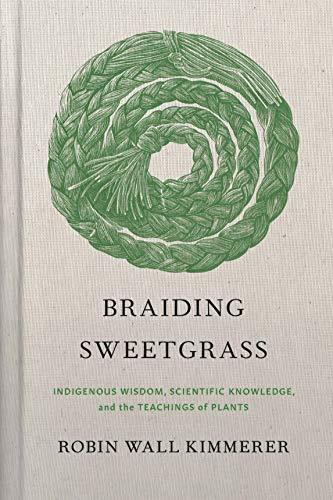
Indigenous Wisdom, Scientific Knowledge and the Teachings of Plants
It was described as being eagerly passed from hand to hand, and was the subject of a podcast episode in 2015. It was noted for combining indigenous wisdom, scientific knowledge, and the teachings of plants.
Few books have been more eagerly passed from hand to hand with delight in these last years than Robin Wall Kimmerer's Braiding Sweetgrass.
— Episode: Robin Wall Kimmerer — The Intelligence o...
It was described as being eagerly passed from hand to hand, and was the subject of a podcast episode in 2015. It was noted for combining indigenous wisdom, scientific knowledge, and the teachings of plants.
Few books have been more eagerly passed from hand to hand with delight in these last years than Robin Wall Kimmerer's Braiding Sweetgrass.
She writes books that join new scientific and ancient indigenous knowledge including gathering moss and Braiding Sweetgrass.
In your book Braiding Sweetgrass, there's this line, it came to me while picking beans, the secret of happiness.
The podcast host mentions that it was quickly becoming a popular book, as Robin's voice was rising in common life. The book has indigenous wisdom, scientific knowledge and teachings about plants.
Few books have been more eagerly passed from hand to hand with delight in these last years than Robin Wall Kimmerer's Braiding Sweetgrass.
Robin Wall Kimmerer is the State University of New York Distinguished Teaching Professor at the SUNY College of Environmental Science and Forestry in Syracuse. She is founding director of the Center for Native Peoples and the Environment.
Her books include Gathering Moss: A Natural and Cultural History of Mosses and Braiding Sweetgrass: Indigenous Wisdom, Scientific Knowledge, and the Teachings of Plants.
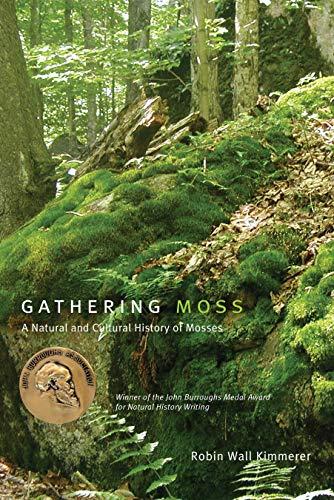
A Natural and Cultural History of Mosses
A book about the history and cultural significance of mosses. The speaker described the book as a beautiful book about mosses. The book inspired a novel about a botanist.
She writes books that join new scientific and ancient indigenous knowledge including Gathering Moss and braiding sweetgrass.
— Episode: Robin Wall Kimmerer — The Intelligence o...
A book about the history and cultural significance of mosses. The speaker described the book as a beautiful book about mosses. The book inspired a novel about a botanist.
She writes books that join new scientific and ancient indigenous knowledge including Gathering Moss and braiding sweetgrass.
Here's something beautiful that you wrote in your book Gathering Moss just as an example.
And I learned that your work with moss inspired Elizabeth Gilbert's novel The Signature of All Things which is about a botanist.
Her books include Gathering Moss, A Natural and Cultural History of Mosses, and Braiding Sweetgrass, Indigenous Wisdom, Scientific Knowledge, and the Teachings of Plants.
The book is about the natural and cultural history of mosses. The host mentions a story about rocks and the slow conversation that mosses and rocks have with each other.
Her books include Gathering Moss: A Natural and Cultural History of Mosses and Braiding Sweetgrass: Indigenous Wisdom, Scientific Knowledge, and the Teachings of Plants.
Here's something beautiful that you wrote in your book Gathering Moss, just as an example. The rocks are beyond slow, beyond strong and yet yielding to a soft green breath as powerful as a glacier.
The moss is wearing away their surfaces grain by grain, bringing them slowly back to sand. There is an ancient conversation going on between mosses and rocks, poetry to be sure, about light and shadow and the drift of continents.
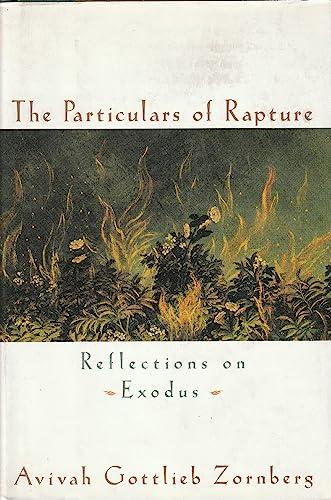
Reflections on Exodus
The book focuses on the details of the Exodus story, highlighting the complexity of the Israelite experience and the fact that redemption often comes with a sadness and tension.
The Particulars of Rapture is the title that you gave to your book about Exodus.
— Episode: Avivah Zornberg — Human Becoming, Betwee...
The book focuses on the details of the Exodus story, highlighting the complexity of the Israelite experience and the fact that redemption often comes with a sadness and tension.
The Particulars of Rapture is the title that you gave to your book about Exodus.
So we'll try to touch on both.
It seems to me that it's a kind of story-book story, that Cecil B. DeMille story, in which there are the bad guys and the good guys and the bad guys get it. They get their comeuppance and the good guys rejoice.
And somehow it doesn't seem to me to be a, that's not a story for adults.
So The Particulars of Rapture, that wonderful line from a poem by Wallace Stevens, I had in mind the subtleties and the complexities of all the many stories, like the stories that are hidden within the apparent grand narrative.
The author likens the exodus story to a forceps birth, highlighting the suffering and pressure experienced by both the Israelites and God in the process of liberation.
And you use an image in your book. And the book is called The Particulars of Rapture. And we'll talk about that some more as we keep speaking. But you use an image there of this being kind of a forceps birth.
Yes, exactly. Yes. That's exactly what I would like to say. That there is such a thing as the body of the mother refusing to let go. That would be Egypt. And the embryo refusing to, the fetus, the child refusing to emerge from the body. And then what does the midwife do?
The Particulars of Rapture is the title that you gave to your book about Exodus.
It seems to me that it's a kind of storybook story, that Cecil B. DeMille story, in which there are the bad guys and the good guys, and the bad guys get it. They get their comeuppance, and the good guys rejoice. Somehow, it doesn't seem to me to be a, that's not a story for adults.
Yes, the whole purpose of, it's one of the extraordinary recursive references in the story. Over and over again, God says to Moses, Moses says to the people, all this is happening so that you shall tell the story.
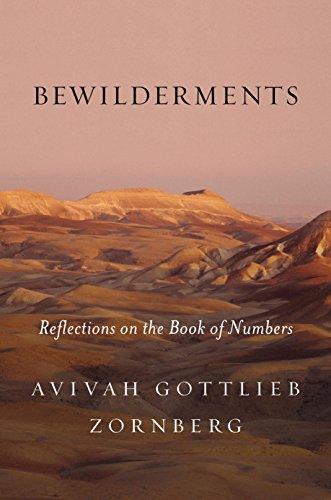
Reflections on the Book of Numbers
The book explores the book of Numbers, focusing on the theme of bewilderment and the complex nature of human experience.
She's also the author of The Beginning of Desire about the book of Genesis, Bewilderments about the book of Numbers and most recently, The Hidden Order of Intimacy, Reflections on the...
— Episode: Avivah Zornberg — Human Becoming, Betwee...
The book explores the book of Numbers, focusing on the theme of bewilderment and the complex nature of human experience.
She's also the author of The Beginning of Desire about the book of Genesis, Bewilderments about the book of Numbers and most recently, The Hidden Order of Intimacy, Reflections on the Book of Leviticus.
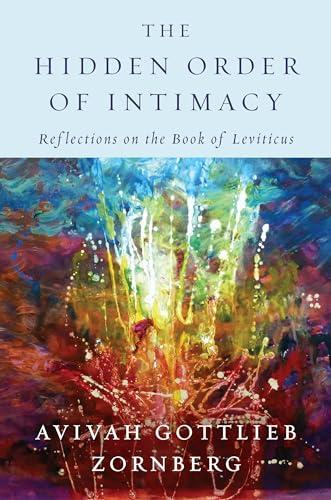
Reflections on the Book of Leviticus
The book explores the book of Leviticus, focusing on the themes of intimacy and the hidden order of life.
She's also the author of The Beginning of Desire about the book of Genesis, Bewilderments about the book of Numbers and most recently, The Hidden Order of Intimacy, Reflections on the...
— Episode: Avivah Zornberg — Human Becoming, Betwee...
The book explores the book of Leviticus, focusing on the themes of intimacy and the hidden order of life.
She's also the author of The Beginning of Desire about the book of Genesis, Bewilderments about the book of Numbers and most recently, The Hidden Order of Intimacy, Reflections on the Book of Leviticus.
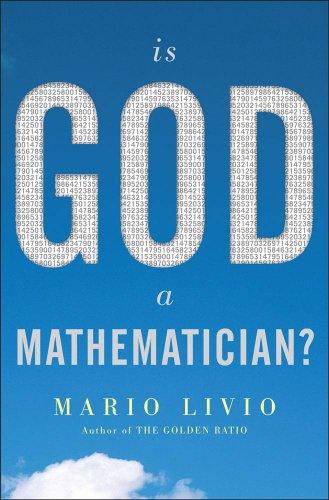
This question, the title of the book, is very intriguing to Mario Livio because it deals with the power of mathematics in explaining the universe and the question of whether mathematics is discovered or invented.
This question that is the title of your book, Is God a Mathematician? I want to honor the fact that the point you make that the question itself is what's most fascinating to you. And...
— Episode: Mario Livio — Mathematics, Mystery, and...
This question, the title of the book, is very intriguing to Mario Livio because it deals with the power of mathematics in explaining the universe and the question of whether mathematics is discovered or invented.
This question that is the title of your book, Is God a Mathematician? I want to honor the fact that the point you make that the question itself is what's most fascinating to you. And I'd like to dwell on that. What is interesting? What does this question mean to you? And how do you find it arising? Kind of take us there.
So the question was phrased after there was a physicist called James Jeans in the last century and he once used phrases such as, you know, God is a mathematician and so on. And I phrased the question based on his words more or less. And the meaning of the question really is how come that mathematics is as powerful as it is in explaining almost everything in the universe? That's one part of the question. And the second part, which is equally intriguing, is, is mathematics discovered? Namely, you know, mathematics is out there and we are just discovering the truths of mathematics. Or is it an invention of the human mind? And it really has no existence outside the human mind. So these are the two main questions that I try to deal with in this book.
And, you know, my colleague, Roger Penrose, whom I don't know if you've ever interviewed him. I haven't, but I know his work. Yeah. So he's a very famous mathematical physicist. So he once said that there are these three worlds and three mysteries.
So the three worlds are, one is the physical world. You know, this is the world where we exist. There are chairs, tables, there are stars, there are galaxies, and so on. Then there is a second world, which is the world of our consciousness, if you like, our mental world, the world where this is where we love, where we hate, you know, and so on. All our thoughts are there and so on. And then there is the third world, which is this world of mathematical forms. This is the world where all of mathematics is there, you know, the theorem of Pythagoras and so on and so forth, all these imaginary numbers and all that.
And now come these three mysteries. One mystery is that somehow out of the physical world, our world of consciousness has emerged. That's one mystery. Right. A second mystery is that somehow our world of consciousness or mental world gained access to this world of mathematical forms, you know, that we were able to invent and discover all these mathematics. And third and maybe most amazing mystery is that we find that this world of mathematics provides the explanations for the physical world.
The book explored the deep relationship between mathematics and the universe, questioning whether mathematics is discovered or invented and whether it points towards a divine order. The book's title is a question that the author posed, prompting readers to ponder the profound connections between mathematics, the universe, and possibly a higher power.
Mario Livio is the author of seven books, including ...Is God a Mathematician?
So the question, you know, was phrased after there was a physicist called James Jeans in the last century. And he once used phrases such as, you know, God is a mathematician and so on.
And I phrased the question, you know, based on his words more or less. And the meaning of the question really is how come that mathematics is as powerful as it is, you know, in explaining, you know, almost everything in the universe?
So let's talk first of all, about just the tease out the idea of the power of mathematics. I mean, you and other scientists use words to describe mathematics that are also words that are used to describe the divine, right? Omnipresence and omnipotence.
And you give some examples of that in your writing.
And you know, like the, the question is got a mathematician, the longer you think about this question of whether mathematics is invented or discovered, you find that just the act of asking the question itself is so rich, right? I mean, and you, and you, and you end up with all these puzzles or mysteries that, that feel to me that they're verging on the philosophical and the theological as well, right? By implication.
So, so you can say that our minds give rise to mathematics, but then, then mathematics are found to explain the physical world.
And that's the same sense of, you know, the question Is God a Mathematician? Nearly how come mathematics is as powerful as it is in explaining the universe?
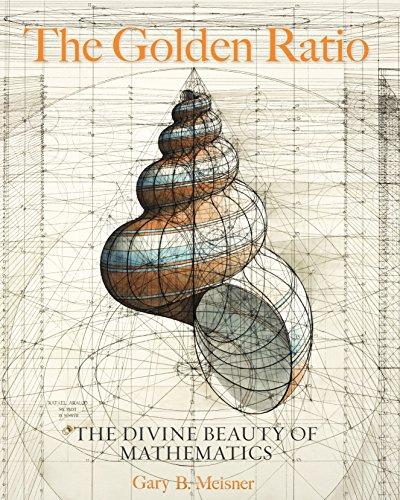
The Divine Beauty of Mathematics
This book explores group theory, the language of symmetry in mathematics, and connects mathematics to beauty in art and nature.
I would like to talk about group theory, the language of symmetry, which is something else you've worked on in your book, The Equation That Couldn't Be Solved, which does tease out an aesthetic connec...
— Episode: Mario Livio — Mathematics, Mystery, and...
This book explores group theory, the language of symmetry in mathematics, and connects mathematics to beauty in art and nature.
I would like to talk about group theory, the language of symmetry, which is something else you've worked on in your book, The Equation That Couldn't Be Solved, which does tease out an aesthetic connection between mathematics and art and nature. Would you tell that story a little bit, sort of introduce that subject?
The book focused on the Golden Ratio, a fascinating number found throughout mathematics, art, and nature.
Mario Livio is the author of seven books, including ...The Golden Ratio,
Note: The book recommendations on this page are discovered automatically from podcast transcripts, and may be incorrect or incomplete.
Podcast Name