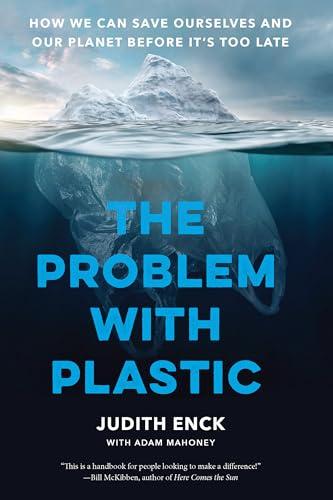
The Problem with Plastic
Judith Enck
Mentioned 7 months ago
Small businesses pull back on hiring
Every weekday, host Kai Ryssdal helps you make sense of the day's business and economic news — no econ degree or finance background required. "Marketplace" takes you beyond the numbers, bringing you context. Our team of reporters all over the world speak with CEOs, policymakers and regular people ju...
Recently mentioned
Judith Enck
Mentioned 7 months ago
Small businesses pull back on hiring
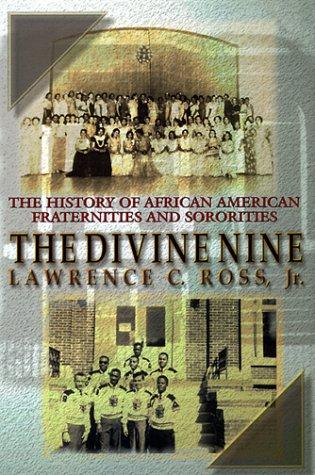
Lawrence C. Ross Jr.
Mentioned 1 year ago
Disposable income growth chugs along
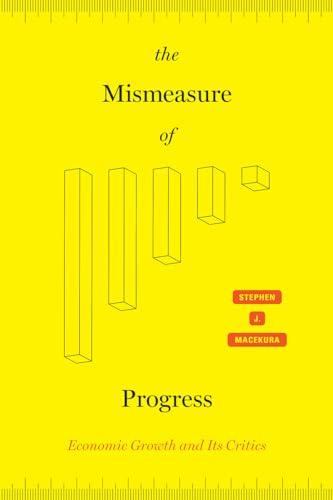
Stephen J. Macekura
Mentioned 1 year ago
Who’s still hiring?
Stephanie Baker
Mentioned 1 year ago
Who can get Ozempic?

Deuki Hong
Mentioned 1 year ago
A turning point for the “vibecession”?

Deuki Hong
Mentioned 1 year ago
A turning point for the “vibecession”?

Cliff May
Mentioned 1 year ago
Hey, it’s still job growth

Andrew R Chow
Mentioned 1 year ago
Has the Fed ever met its 2 goals?
Alison Espach
Mentioned 1 year ago
Making more stuff without working more hours
General Press
Mentioned 1 year ago
Where’s the AI spending payoff?

Naomi Alderman
Mentioned 1 year ago
Where’s the AI spending payoff?
Paco De Leon
Mentioned 1 year ago
Where’s the AI spending payoff?
Economic Growth and Its Critics
The book was cited in an episode discussing the United States' historical adoption of GNP as its official economic measure, noting that this shift was driven by limited international investment at the time. The hosts used it to illustrate critiques of how economic progress has been measured.
The History of African-American and Sororities in America
The episode highlighted Tamara Brown, a university provost and Delta Sigma Theta member, who had co‑edited a work on the history of African‑American fraternities and sororities. It noted her involvement with the title as part of her professional and sororal background. The hosts presented the reference without strong endorsement, simply mentioning its relevance to her expertise.
How We Can Save Ourselves and Our Planet Before It’s Too Late
In the episode, host Kai Rizdahl highlighted the book while discussing the rapid growth of plastic production, noting that half of all plastic has been made since 2007. The author explained that the problem is largely political and that existing alternatives such as paper, cardboard, metal, and glass are affordable and viable. She also pointed out that only 5–6% of plastics are recycled because most are designed not to be, conveying a strong endorsement of the book’s practical perspective.
The book discussed the severe and recent nature of the plastic problem, noting that half of all plastic was created since about 2007. The author argued that the issue is more political than scientific, emphasizing that alternatives like paper, cardboard, metal, and glass exist and are often not substantially more expensive.
And her new book on the subject at hand is called The Problem with Plastic.
I was struck to read in the opening pages of this book, actually, that half of all the plastic we have on this planet right now has been created since like 2007 or something.
We can have ease and affordability and not have plastic. We don't need to wait for a big space-age breakthrough. We can rely on paper, cardboard, metal, glass.
Only 5% to 6% of plastics actually get recycled. It's not because we're not all trying. It's because by design, most plastics are not recyclable.
Judith Enk is most recently the author of a book called The Problem with Plastic.
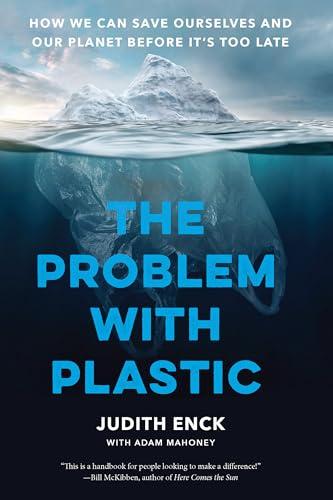
How We Can Save Ourselves and Our Planet Before It’s Too Late
The book was highlighted during a discussion on the rapid rise of plastic production since 2007 and the possibility of solving the issue with existing alternatives. Host Kai Rizdahl introduced the title and quoted author Judith Enk, who emphasized that powerful lobbying by chemical and fossil‑fuel companies blocks effective regulation despite consumer demand for better options. The conversation presented the work as a useful framework for understanding the political obstacles to addressing plastic waste.
The book discussed the massive increase in plastic production since 2007 and argued that since it is a relatively new problem, it is solvable with known alternatives. The discussion focused on the political science aspects of regulation, noting that powerful lobbying from chemical and fossil fuel companies impedes action, even though consumers generally do not have good alternatives to plastic packaging.
And her new book on the subject at hand is called The Problem with Plastic.
I was struck to read in the opening pages of this book, actually, that half of all the plastic we have on this planet right now has been created since like 2007 or something.
Yeah, this is a recent serious problem. . . which says to me, we can solve the problem. It's a new problem. And we know that there are alternatives.
The enormous political strength of chemical companies, fossil fuel companies, and consumer brand companies are what's standing in the way of protecting our health and our environment.
Judith Enk is most recently the author of a book called The Problem with Plastic.
Note: The book recommendations on this page are discovered automatically from podcast transcripts, and may be incorrect or incomplete.
Podcast Name