
Podcast
Marketplace
In the episode, host Kai Rizdahl highlighted the book while discussing the rapid growth of plastic production, noting that half of all plastic has been made since 2007. The author explained that the problem is largely political and that existing alternatives such as paper, cardboard, metal, and glass are affordable and viable. She also pointed out that only 5–6% of plastics are recycled because most are designed not to be, conveying a strong endorsement of the book’s practical perspective.
Episode: Small businesses pull back on hiring
The book discussed the severe and recent nature of the plastic problem, noting that half of all plastic was created since about 2007. The author argued that the issue is more political than scientific, emphasizing that alternatives like paper, cardboard, metal, and glass exist and are often not substantially more expensive.
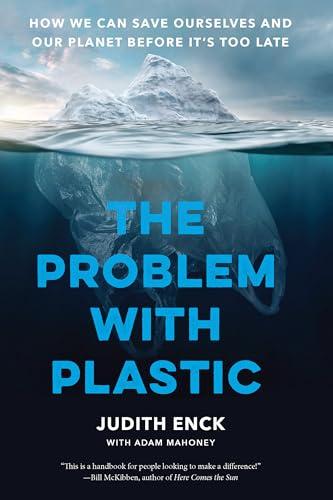
And her new book on the subject at hand is called The Problem with Plastic.
I was struck to read in the opening pages of this book, actually, that half of all the plastic we have on this planet right now has been created since like 2007 or something.
We can have ease and affordability and not have plastic. We don't need to wait for a big space-age breakthrough. We can rely on paper, cardboard, metal, glass.
Only 5% to 6% of plastics actually get recycled. It's not because we're not all trying. It's because by design, most plastics are not recyclable.
Judith Enk is most recently the author of a book called The Problem with Plastic.