
Podcast
Marketplace
The hosts highlighted the title as a statement that broadened Korean cuisine beyond barbecue, noting it offered new recipes and stories not repeated from their earlier work. Matt Rodbard explained that the authors aimed to expand the culinary conversation and hoped it would help Korean food achieve the same regional recognition as other cuisines. The discussion was enthusiastic and framed the book as a valuable addition to the Korean food narrative.
Episode: A turning point for the “vibecession”?
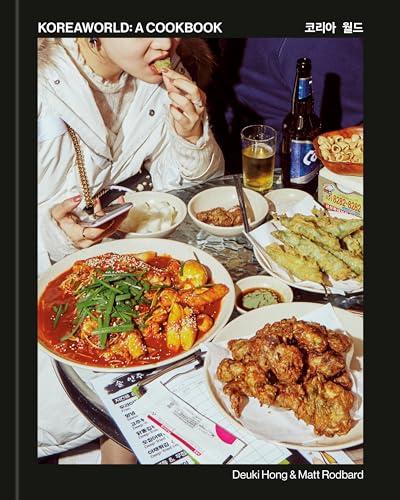
It was the second cookbook from the authors and expanded the universe of Korean food beyond barbecue, including recipes and stories that were not repeated from their first book, 'Koreatown'.
When the title of your cookbook is Korea World, you're kind of making a statement.
So with Koreatown we wanted to smash that perception and so we were covering all sorts of, we had a whole section about tongs and chigues which are soups and stews. We called it Beyond Barbecue.
I don't know if we put that phrase geology in the first book, like Korean food can't just be good barbecue which nothing wrong with good barbecue but really expanding that conversation and I think with Koreatown we got the opportunity to do that as first-time authors.
We thought that this was a story that needed to be told and we really challenged ourselves with many things. We didn't repeat recipes, we didn't repeat stories and we landed on Korea world which just expanded the universe of Korean food.
Hopefully kind of like oh there's Sicilian restaurants here, you can go to a Sheshwan restaurant like regional so many cuisines have established that. Maybe Korean food gets to that point where we're like okay we're going to go to this Jeju restaurant. That'd be a nice little moment in Korean food.