Podcast
Marketplace
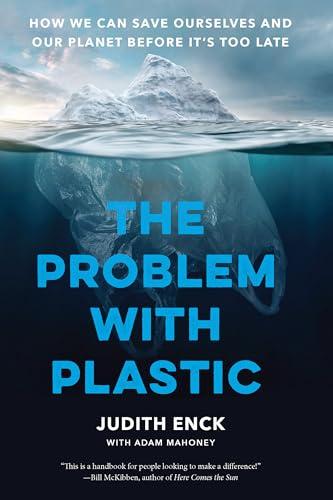
The book was highlighted during a discussion on the rapid rise of plastic production since 2007 and the possibility of solving the issue with existing alternatives. Host Kai Rizdahl introduced the title and quoted author Judith Enk, who emphasized that powerful lobbying by chemical and fossil‑fuel companies blocks effective regulation despite consumer demand for better options. The conversation presented the work as a useful framework for understanding the political obstacles to addressing plastic waste.
Episode: Small businesses pull back on hiring
The book discussed the massive increase in plastic production since 2007 and argued that since it is a relatively new problem, it is solvable with known alternatives. The discussion focused on the political science aspects of regulation, noting that powerful lobbying from chemical and fossil fuel companies impedes action, even though consumers generally do not have good alternatives to plastic packaging.
And her new book on the subject at hand is called The Problem with Plastic.
I was struck to read in the opening pages of this book, actually, that half of all the plastic we have on this planet right now has been created since like 2007 or something.
Yeah, this is a recent serious problem. . . which says to me, we can solve the problem. It's a new problem. And we know that there are alternatives.
The enormous political strength of chemical companies, fossil fuel companies, and consumer brand companies are what's standing in the way of protecting our health and our environment.
Judith Enk is most recently the author of a book called The Problem with Plastic.