Common Sense
Thomas Paine
Mentioned 8 months ago
192: A Conversation with Ken Burns and Sarah Botstein: The American Revolution and WWII
HTDS is a bi-weekly podcast, delivering a legit, seriously researched, hard-hitting survey of American history through entertaining stories. To keep up with History That Doesn’t Suck news, check us out htdspodcast.com or follow on Facebook and Instagram: @Historythatdoesntsuck. Become a premium memb...
Recently mentioned
Thomas Paine
Mentioned 8 months ago
192: A Conversation with Ken Burns and Sarah Botstein: The American Revolution and WWII
H.G. Wells
Mentioned 9 months ago
191: Halloween Special V: “The War of the Worlds” on the Radio
Orson Welles
Mentioned 9 months ago
191: Halloween Special V: “The War of the Worlds” on the Radio
Robert O. Paxton
Mentioned 9 months ago
190: An Epilogue to US Pre-WW2 Turn from Isolationism to Interventionism and the Influential Americans in London Who Brokered the FDR-Churchill Bromance
Lynne Olson
Mentioned 9 months ago
190: An Epilogue to US Pre-WW2 Turn from Isolationism to Interventionism and the Influential Americans in London Who Brokered the FDR-Churchill Bromance
Michael Ford
Mentioned 10 months ago
187: From the Rhineland to Poland (1935–1939): Annexation, Appeasement, & the Start of World War II
Mary Howitt
Mentioned 10 months ago
187: From the Rhineland to Poland (1935–1939): Annexation, Appeasement, & the Start of World War II
Joyce Carol Oates
Mentioned 10 months ago
186: From Czardom to Stalinism: Building the USSR & the Ascent of Joseph Stalin
Sholem Alekhem
Mentioned 11 months ago
The Early Holocaust: From the “Jewish Question” to Kristallnacht

Theodor Herzl
Mentioned 11 months ago
The Early Holocaust: From the “Jewish Question” to Kristallnacht
Collectif
Mentioned 11 months ago
The Early Holocaust: From the “Jewish Question” to Kristallnacht

Archbishop Carlo Maria Vigano
Mentioned 11 months ago
The Early Holocaust: From the “Jewish Question” to Kristallnacht
The Epic Story of the Deadliest Plague in History
John Berry wrote this book and he was interviewed on The Road To Now podcast. He talked about the cases he examined where people were experiencing the mental gymnastics they had to go through as they were watching people die from the flu, and then seeing those who lived come back with such high fevers that they were not the same person.
This was brought up by John Berry who wrote the book, The Great Flu.
— Episode: 154: An Epilogue Discussion with Ben Saw...
John Berry wrote this book and he was interviewed on The Road To Now podcast. He talked about the cases he examined where people were experiencing the mental gymnastics they had to go through as they were watching people die from the flu, and then seeing those who lived come back with such high fevers that they were not the same person.
This was brought up by John Berry who wrote the book, The Great Flu.
And he talked about the cases that he looked at where people were absolutely like the mental gymnastics people had to go through where they were watching people die from this flu and they were watching people who lived get such high fevers that they, when they came back, they weren't the person they were before.
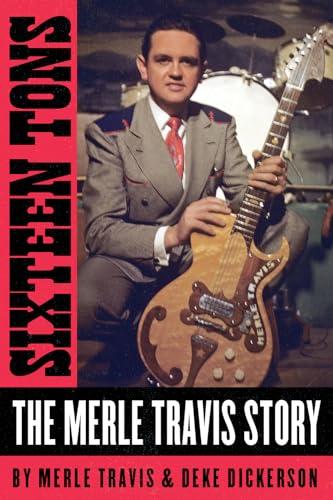
The song was referenced as a metaphor for the miners' hardship of working in coal mines and being paid in company script, which they could only spend at the company store.
He loads 16 tons, What do you get? Another day older And deeper in debt
— Episode: 153: West Virginia’s Mine Wars: From Tro...
The song was referenced as a metaphor for the miners' hardship of working in coal mines and being paid in company script, which they could only spend at the company store.
He loads 16 tons, What do you get? Another day older And deeper in debt
St. Peter, don't you call me, Cause I can't go, I owe my soul to the company store
With a Preface written in 1892
This book argued that industrialization was more harmful than beneficial to workers and was well-received by Karl Marx.
In a sentence, this book argues that industrialization is more harmful than beneficial to workers.
— Episode: 151: The First Red Scare - Bombings, The...
This book argued that industrialization was more harmful than beneficial to workers and was well-received by Karl Marx.
In a sentence, this book argues that industrialization is more harmful than beneficial to workers.
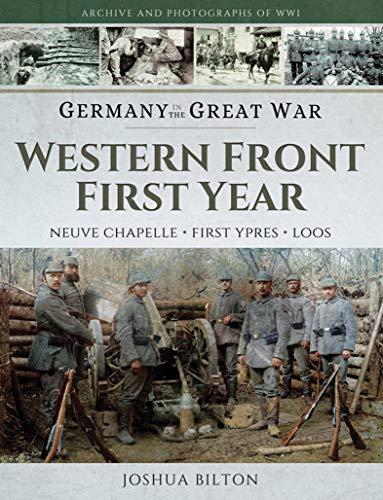
Neuve Chapelle, First Ypres, Loos (Archive and Photographs of WWI Book 2)
The author, Sir Arthur Conan Doyle, describes the Christmas Truce of 1914 as a 'human episode' amid all the atrocities of World War I.
one human episode amid all the atrocities which have stained the memory of the war.
— Episode: 148: Tales of Christmas from World War I...
The author, Sir Arthur Conan Doyle, describes the Christmas Truce of 1914 as a 'human episode' amid all the atrocities of World War I.
one human episode amid all the atrocities which have stained the memory of the war.
World War I
The idealistic President Woodrow Wilson was ready to pitch his 14 points to everyone, including the American people, and he wanted their blood sacrifice to mean something. This war must be, to borrow a phrase recently coined by English author H.G. Wells, the war to end all wars.
This war must be, to borrow a phrase recently coined by English author H.G. Wells, The War to End All Wars.
— Episode: 146: The Armistice of November 11, 1918
The idealistic President Woodrow Wilson was ready to pitch his 14 points to everyone, including the American people, and he wanted their blood sacrifice to mean something. This war must be, to borrow a phrase recently coined by English author H.G. Wells, the war to end all wars.
This war must be, to borrow a phrase recently coined by English author H.G. Wells, The War to End All Wars.
In Search of a Lost Icon
It was described as a sort of biography of the American bison, or the buffalo as they are more commonly known. It tells the story of an animal intimately connected to indigenous peoples and the white Europeans who overspread the continent.
The fact is we would only know of Buffalo's from history books if it weren't for a collective effort to save this species from the brink of extinction around the turn of the 20th century.
— Episode: 144: A Conversation with Ken Burns - Sto...
It was described as a sort of biography of the American bison, or the buffalo as they are more commonly known. It tells the story of an animal intimately connected to indigenous peoples and the white Europeans who overspread the continent.
The fact is we would only know of Buffalo's from history books if it weren't for a collective effort to save this species from the brink of extinction around the turn of the 20th century.
And the relationship with the Buffalo for six hundred generations, and it's really then becomes many more substories It's of course in a positive sense a parable of de-extinction.
There were thirty thirty five million at the beginning of the 19th century in 1800 and by 1885 There were fewer than a thousand. Nobody could find any wild and free outside of Yellowstone and maybe there were two dozen there.
We don't know and the rest were in zoos or in private collections And so this was a really perilous moment, but we brought it back from that This is also this it connects us to all the various corners of American history particularly the most pernicious myths that we suffer from the superficial ones about Manifest destiny without ever considering the consequences, you know, it's the Marlboro man dying of cancer It's a very complex sure story
It's interesting enough. I think focusing on the Buffalo was liberating in some ways it got us to decenter Hmm everything else right right and in the decentering it allows you to kind of reset or recalibrate a relationship to say a dominant white American culture or even to Privilege in some sort of reverse Thing kind of just knee-jerk revisionism native culture So it permitted through the act of seeing it through the eyes of the Buffalo I don't know if you've ever been in proximity of a Buffalo.
His Own Life Story and War Diary
Alvin York writes about his experiences in the war, including his hunting skills and his capture of 132 German prisoners in the Argonne Forest, in his own local dialect.
I teched off the sixth man first, then the fifth, then the fourth, then the third, and so on. That's the way we shoot wild turkeys at home.
— Episode: 143: The Meuse-Argonne Offensive (pt.2)...
Alvin York writes about his experiences in the war, including his hunting skills and his capture of 132 German prisoners in the Argonne Forest, in his own local dialect.
I teched off the sixth man first, then the fifth, then the fourth, then the third, and so on. That's the way we shoot wild turkeys at home.
You see, we don't want the front ones to know that we're getting the back ones and then they keep on coming until we get them all.
Of course, I hadn't time to think of that. I guess I just naturally did it.
I just couldn't help thinking of the boys that only the day before was alive and like me. I would never see them again.
I would never share the same blanket with Corporal Savage. We'd never read the Bible together again.
General Douglas MacArthur reflects on his experiences in the war, including his command of the 84th Brigade and his pursuit of victory in the face of heavy casualties, in his memoirs.
rolling hills, heavily wooded valleys of death between the endless folds of ridges
— Episode: 143: The Meuse-Argonne Offensive (pt.2)...
General Douglas MacArthur reflects on his experiences in the war, including his command of the 84th Brigade and his pursuit of victory in the face of heavy casualties, in his memoirs.
rolling hills, heavily wooded valleys of death between the endless folds of ridges
steaming black coffee, strong enough to blister the throat
Give me Chateaune, MacArthur. Give me Chateaune or a list of 5,000 casualties.
All right, General, we'll take it, or my name will head the list.
Officers fell and sergeants leaped to the command. At the end, Major Ross had only 300 men and six officers left out of 1,450 men and 25 officers. That is the way Cotechattion fell. And that is the way those gallant citizen soldiers so far from home won the approach to final victory.'
Richard Slotkin argued in his book "Lost Battalions" that Jim Europe made the case that the most distinctively American music is African-American music.
Jim quote made the case that the most distinctively American music is African-American music close quote.
— Episode: 138: The 15th New York/369th or The Harl...
Richard Slotkin argued in his book "Lost Battalions" that Jim Europe made the case that the most distinctively American music is African-American music.
Jim quote made the case that the most distinctively American music is African-American music close quote.
A Novella
It was mentioned in the context of the German army crumbling and Prince Max of Baden's anxiety about the war situation in September 1918. It was said that 'a book every morning was the anxious question, what has happened?'
a book every morning was the anxious question, what has happened?
— Episode: 137: The First Battle of the First Ameri...
It was mentioned in the context of the German army crumbling and Prince Max of Baden's anxiety about the war situation in September 1918. It was said that 'a book every morning was the anxious question, what has happened?'
a book every morning was the anxious question, what has happened?
This book tells the story of the German Spring Offensive, a series of attacks launched by Germany in 1918 in an attempt to break through the Allied lines and win the war. The book was mentioned as a recommendation to learn more about the German Spring Offensive, particularly the events leading up to and including the Second Battle of the Marne.
go deep into episode bibliographies and book recommendations
— Episode: 136: The German Spring Offensive’s End,...
This book tells the story of the German Spring Offensive, a series of attacks launched by Germany in 1918 in an attempt to break through the Allied lines and win the war. The book was mentioned as a recommendation to learn more about the German Spring Offensive, particularly the events leading up to and including the Second Battle of the Marne.
go deep into episode bibliographies and book recommendations
A Complete History
John Keegan's book, "The First World War", was briefly mentioned as an additional source of information about the Second Battle of the Marne and the German Spring Offensive.
It's one of the best general histories of The First World War. I highly recommend it, especially if you are just getting started.
— Episode: 136: The German Spring Offensive’s End,...
John Keegan's book, "The First World War", was briefly mentioned as an additional source of information about the Second Battle of the Marne and the German Spring Offensive.
It's one of the best general histories of The First World War. I highly recommend it, especially if you are just getting started.
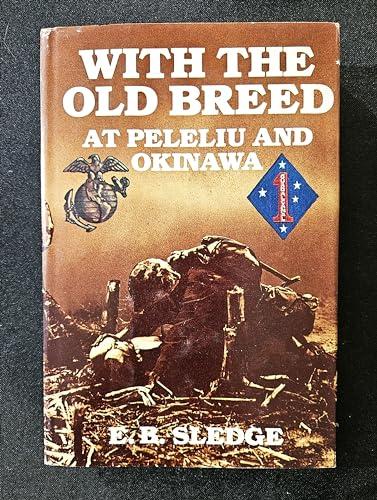
At Peleliu and Okinawa
This book details Eugene Sledge's experience in the Pacific Theater during World War II, emphasizing the 'old breed' of Marines who were seasoned veterans from the European theater, including the Battle of Belleau Wood.
So let me recommend a book by Eugene Sledge called With the Old Breed.
— Episode: 135: Belleau Wood – A Cut Deeper with Ca...
This book details Eugene Sledge's experience in the Pacific Theater during World War II, emphasizing the 'old breed' of Marines who were seasoned veterans from the European theater, including the Battle of Belleau Wood.
So let me recommend a book by Eugene Sledge called With the Old Breed.
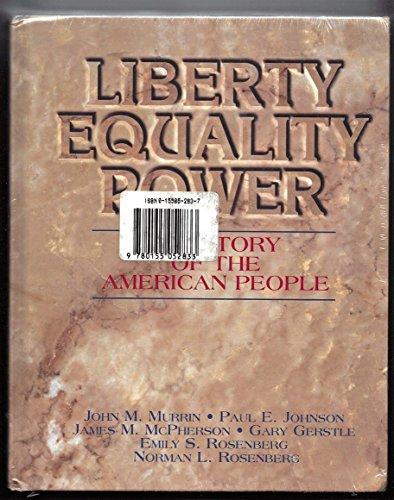
The textbook "Liberty, Equality, Power" was used to describe the submarine "Unterseeboot" as the first militarily effective submarine.
the first militarily effective submarine
— Episode: 132: The US Enters WWI (RMS Lusitania, B...
The textbook "Liberty, Equality, Power" was used to describe the submarine "Unterseeboot" as the first militarily effective submarine.
the first militarily effective submarine
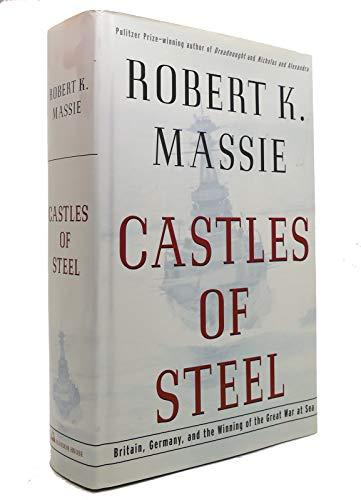
Britain, Germany, and the Winning of the Great War at Sea
The book "Castles of Steel" was cited as a source for the number of munitions on board the RMS Lusitania and the munitions type, including 1,248 cases of three-inch artillery shells and 4,927 boxes of rifle ammunition.
1,248 cases of three-inch artillery shells and 4,927 boxes of rifle ammunition each case containing 1,000 rounds
— Episode: 132: The US Enters WWI (RMS Lusitania, B...
The book "Castles of Steel" was cited as a source for the number of munitions on board the RMS Lusitania and the munitions type, including 1,248 cases of three-inch artillery shells and 4,927 boxes of rifle ammunition.
1,248 cases of three-inch artillery shells and 4,927 boxes of rifle ammunition each case containing 1,000 rounds
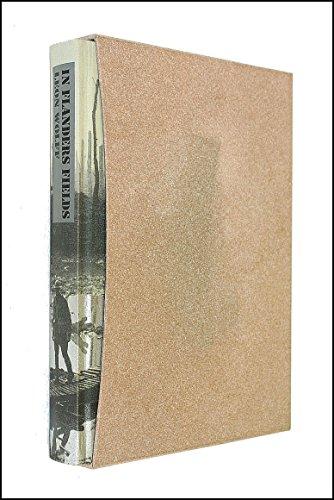
The poem 'In Flanders Fields' by John McCrae was mentioned. It was related to the Tower of London art exhibition 'Blood Swept Lands and Seas of Red,' which featured ceramic poppies representing every British soldier who died in World War I.
I talked about the poppy. I mentioned John McCrae's poem.
— Episode: 131: Epilogue on World War 1 before the...
The poem 'In Flanders Fields' by John McCrae was mentioned. It was related to the Tower of London art exhibition 'Blood Swept Lands and Seas of Red,' which featured ceramic poppies representing every British soldier who died in World War I.
I talked about the poppy. I mentioned John McCrae's poem.

The book was mentioned as a way to illustrate the post-revolutionary conditions of Russia, with the overcrowding in palatial homes due to a lack of living space for city workers.
Some of your listeners may have watched Dr. Zhivago where he comes back to the city and there are multiple people living in these old palatial homes.
— Episode: 130: Russia: From the Great War to Revol...
The book was mentioned as a way to illustrate the post-revolutionary conditions of Russia, with the overcrowding in palatial homes due to a lack of living space for city workers.
Some of your listeners may have watched Dr. Zhivago where he comes back to the city and there are multiple people living in these old palatial homes.
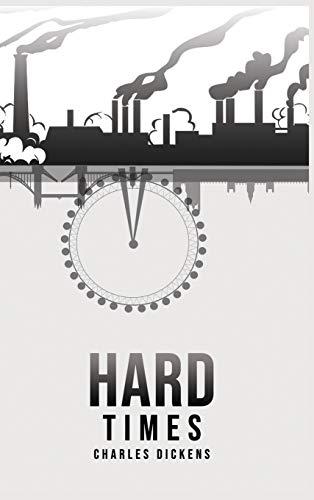
The book was mentioned as Jacob Rees's carrying it when he was approached about a reporter job. The man chuckled and said 'I guess so' while poking the book.
I guess they won't make you rich. Now how would you like to be a reporter if you have got nothing better to do?
— Episode: 126: Christmas Special 6: Jacob Riis’ “I...
The book was mentioned as Jacob Rees's carrying it when he was approached about a reporter job. The man chuckled and said 'I guess so' while poking the book.
I guess they won't make you rich. Now how would you like to be a reporter if you have got nothing better to do?
Books? I guess they won't make you rich. Now how would you like to be a reporter if you have got nothing better to do?
I guess so.
Note: The book recommendations on this page are discovered automatically from podcast transcripts, and may be incorrect or incomplete.
Podcast Name