
Podcast
History That Doesn't Suck
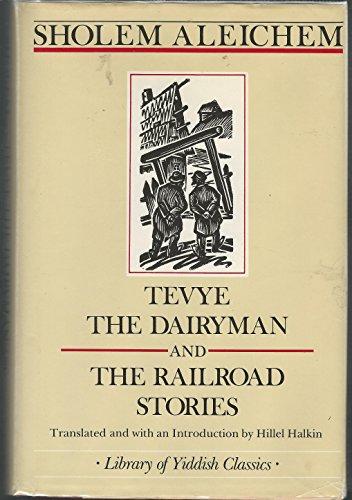
This classic collection of tales was used to illustrate the struggles Eastern European Jews faced balancing traditional adherence to Judaism with the demands of the modern world around the turn of the 20th century. The biographer described the work as ironically juxtaposing the past with the changing present, including elements of playfulness and self-reference.
Perhaps the best way to wrap our heads around late 19th century Eastern European Jewish life is by experiencing a fictionalized shtetl world created by Solomon Rabinovich, or Shalom Aleichem, to use h...
— Episode: The Early Holocaust: From the “Jewish Qu...
Episode: The Early Holocaust: From the “Jewish Question” to...
This classic collection of tales was used to illustrate the struggles Eastern European Jews faced balancing traditional adherence to Judaism with the demands of the modern world around the turn of the 20th century. The biographer described the work as ironically juxtaposing the past with the changing present, including elements of playfulness and self-reference.
Perhaps the best way to wrap our heads around late 19th century Eastern European Jewish life is by experiencing a fictionalized shtetl world created by Solomon Rabinovich, or Shalom Aleichem, to use his better-known Yiddish pseudonym, which he shares with us in his classic collection of tales, Tevye the Dairyman and the Railroad stories.
According to his biographer, Jeremy Dauber, Shalom uses this work to, quote, ironically juxtapose the past in changing present and, for good measure, include doses of playfulness, disruption, along with the occasional self-referential or autobiographical excursion. Close quote.