The Scarlet Letter
Nathaniel Hawthorne
Mentioned 7 months ago
Fall River

Criminal is the first of its kind. A show about people who’ve done wrong, been wronged, or gotten caught somewhere in the middle. Hosted by Phoebe Judge. Named a Best Podcast of 2023 by the New York Times. Part of the Vox Media Podcast Network.
Recently mentioned
Nathaniel Hawthorne
Mentioned 7 months ago
Fall River
Kate Winkler Dawson
Mentioned 7 months ago
Fall River

Catherine Read Williams
Mentioned 7 months ago
Fall River
Brandt Goldstein
Mentioned 1 year ago
A Land Without Law
Zay N. Smith
Mentioned 1 year ago
The Mirage
Sarah Lewis
Mentioned 1 year ago
A Murder in the Forest
Doug Holt
Mentioned 1 year ago
A Murder in the Forest
Wayne Worcester
Mentioned 1 year ago
Into the Vault
Eric Hoffer
Mentioned 1 year ago
Ana
Jim Popkin
Mentioned 1 year ago
Ana
Max Marshall
Mentioned 1 year ago
Millions of Pills
Lynn Painter
Mentioned 2 years ago
State of North Carolina v. Joan Little
Revenge, Drama, and Death in Nineteenth-Century America
The author, Nigel Cliff, wrote a book about the rivalry between Edwin Forrest and William Charles McCready, describing Forrest's actions as a 'cheerful rivalry between equals'.
Nigel Cliff writes in his book The Shakespeare Riots that Forrest most likely saw the whole thing as a quote, cheerful rivalry between equals.
— Episode: The Hiss
The author, Nigel Cliff, wrote a book about the rivalry between Edwin Forrest and William Charles McCready, describing Forrest's actions as a 'cheerful rivalry between equals'.
Nigel Cliff writes in his book The Shakespeare Riots that Forrest most likely saw the whole thing as a quote, cheerful rivalry between equals.
Gender and the Practices of Domination
Carl Cappola's book explores the performance of masculinity on the American stage during a specific time period, mentioning Edwin Forrest's insecurities about his social standing.
Karl Kapola writes that Forrest dislike of high society partially came from his own insecurities.
— Episode: The Hiss
Carl Cappola's book explores the performance of masculinity on the American stage during a specific time period, mentioning Edwin Forrest's insecurities about his social standing.
Karl Kapola writes that Forrest dislike of high society partially came from his own insecurities.
The Dark Story of America's Shining Women (Thorndike Press Large Print Popular and Narrative Nonfiction)
The book describes the story of women working in a watch dial factory in the early 1920s, who were unknowingly exposed to radium, which led to their illness and death. It highlights the lack of awareness about the dangers of radium at the time and how the company tried to cover up the truth. The book tells the story of the women's fight for justice and how their case led to the establishment of OSHA.
Kate Moore's book is called The Radium Girls: The Dark Story of America's Shining Women.
— Episode: The Dial Painters
The book describes the story of women working in a watch dial factory in the early 1920s, who were unknowingly exposed to radium, which led to their illness and death. It highlights the lack of awareness about the dangers of radium at the time and how the company tried to cover up the truth. The book tells the story of the women's fight for justice and how their case led to the establishment of OSHA.
Kate Moore's book is called The Radium Girls: The Dark Story of America's Shining Women.
We're hearing from author Kate Moore.
Kate Moore says that in the early 1920s, radium was everywhere.
Kate Moore says the case helped lead to the establishment of OSHA, the Occupational Safety and Health Administration.
Kate Moore is the author of Radium Girls, the dark story of America's shining women.
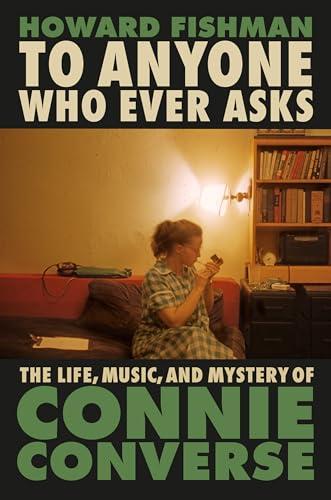
The Life, Music, and Mystery of Connie Converse
Howard Fishman, a writer and musician, wrote about the life, music and mystery of Connie Converse, a musician who disappeared in 1974. Fishman stated he spent about a dozen years researching Connie Converse's life and story, trying to understand her background and her life, especially the nine months between her dropping out of Mount Holyoke and her appearance in New York.
Given the quality of the music, I Robert Forster called Connie Converse Life a drama so sprawling with the denouement so unexpected that Hollywood can only gaze and wonder. And in Howard got there, he...
— Episode: If I’m Long Unheard From
Howard Fishman, a writer and musician, wrote about the life, music and mystery of Connie Converse, a musician who disappeared in 1974. Fishman stated he spent about a dozen years researching Connie Converse's life and story, trying to understand her background and her life, especially the nine months between her dropping out of Mount Holyoke and her appearance in New York.
Given the quality of the music, I Robert Forster called Connie Converse Life a drama so sprawling with the denouement so unexpected that Hollywood can only gaze and wonder. And in Howard got there, he realized it wasn't just a handful of letters. It was a little bit of an out-of-body experience just because of the quantity and depth of what she left behind
I mean, I spent about a dozen years researching this woman's story.
I could never pin her to any location in the nine months following her dropping out of Mount Holyoke and then popping up in New York.
He said to me on many occasions, because he would, some that are well known from true crime history, like the Golden State Killer and the Heaven's Gate Cult, and others that you might not have even heard about before.
They're very funny, and Karen does a very good impression of me. I've been on the show a couple of times, talking about stories that I've come across that I think are really interesting,
Unexpected Sisterhood, Healing, and Redemption in the Wake of Life-Altering Choices
Toby Doar wrote a book about her story in 2022, detailing her experience with the prison dog program and her subsequent involvement in John Maynard's escape.
Toby Doar wrote a book about her story in 2022.
— Episode: Off Leash
Toby Doar wrote a book about her story in 2022, detailing her experience with the prison dog program and her subsequent involvement in John Maynard's escape.
Toby Doar wrote a book about her story in 2022.

True Crime from Texas Monthly
Skip Hollandsworth wrote about Peggy Jo Talis for Texas Monthly in 2005, describing her interactions with a psychologist who was both charmed and intrigued by her.
Check out Skip Hollandsworth's Texas Monthly article, "The Last Ride of Cowboy Bob."
— Episode: Cowboy Bob
Skip Hollandsworth wrote about Peggy Jo Talis for Texas Monthly in 2005, describing her interactions with a psychologist who was both charmed and intrigued by her.
Check out Skip Hollandsworth's Texas Monthly article, "The Last Ride of Cowboy Bob."
Skip Holland's Worth is a writer for Texas Monthly, a man with a beard wearing a cowboy hat and a brown leather jacket walked into a bank in Irving, Texas in May of 1991.
Skip Hollinsworth says this robber was smart. He knew to keep his head down, so security cameras would have a hard time getting a picture of his face. He didn't fidget while he waited for the teller to hand over the money.
Skip Hollinsworth wrote about her for Texas Monthly in 2005. He reported that a psychologist named Richard Schmidt sat down with Peggy J. Tallis.
Skip Hollinsworth says Peggy Jo Talis smoked a cigarette. He says she could have picked up the 357 Magnum she kept under her pillow, but instead she picked up a toy pistol.

The Fire That Changed America
Martin Abramowitz discovered information about his father, Isadore Bromowitz, in this book. The book mentions that the fire started in Isadore's trash can.
And I was wondering through a bookstore on my lunch hour at work and just went to the index.
— Episode: The Ninth Floor
Martin Abramowitz discovered information about his father, Isadore Bromowitz, in this book. The book mentions that the fire started in Isadore's trash can.
And I was wondering through a bookstore on my lunch hour at work and just went to the index.
And there is a Bromowitz's door and he has this central role.
And there's a very pregnant pause in the transcript.
He doesn't answer the question.
And I think he must have been an emotional pause.
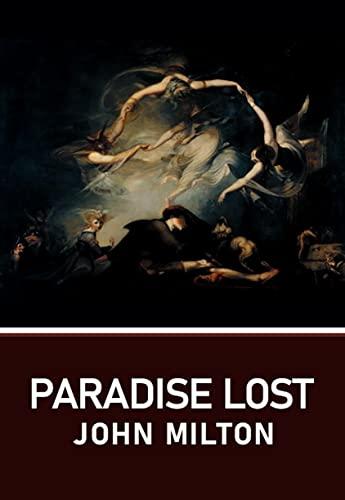
The speaker mentioned an illustration for John Milton's Paradise Lost, comparing the image of Lucifer to an onion. It was described as a dramatic and somewhat broken painting of Lucifer with blue eyes and a crying expression.
I think it's an illustration for John Milton's Paradise Lost, like that painting, the really dramatic, uh, I want to say broke painting of Lucifer with like a blue eyes. He's like cry...
— Episode: The Gargoyle Cat, the Taylor Swift Goat,...
The speaker mentioned an illustration for John Milton's Paradise Lost, comparing the image of Lucifer to an onion. It was described as a dramatic and somewhat broken painting of Lucifer with blue eyes and a crying expression.
I think it's an illustration for John Milton's Paradise Lost, like that painting, the really dramatic, uh, I want to say broke painting of Lucifer with like a blue eyes. He's like crying. He's just being cast out of heaven. Onions like that. He's so beautiful.
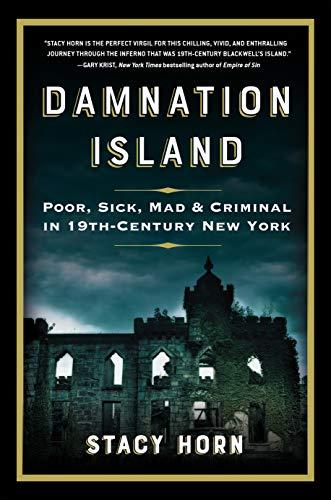
Poor, Sick, Mad, and Criminal in 19th-Century New York
The book focuses on the history of Blackwell's Island, later known as Roosevelt Island, in the 19th century, and its various institutions, including the asylum, prison, and workhouse. It describes the transition from moral treatment to harsh, inhumane conditions, highlighting the overcrowding and the lack of resources.
It was beautiful the way it's described it just sounds like this lovely adilic pastoral retreat.
— Episode: Send Her to the Island
The book focuses on the history of Blackwell's Island, later known as Roosevelt Island, in the 19th century, and its various institutions, including the asylum, prison, and workhouse. It describes the transition from moral treatment to harsh, inhumane conditions, highlighting the overcrowding and the lack of resources.
It was beautiful the way it's described it just sounds like this lovely adilic pastoral retreat.
It was supposed to be one woman per room and she would have a window in a nice bed and what ended up happening is they would put anywhere from four to six women in a room that was meant for one and they started using interior rooms um so none of those rooms had windows and another thing um they saw they would never have is windows in the door so you can look in the room something that prisons have because they felt you know the women would feel like you know they were on view like being in a zoo
They really did see it as a sanctuary as a retreat you know to take these people away from Manhattan and all its temptations and dangers and give them a chance to rehabilitate it they're sick will help them get better if they have mental illnesses we'll try to cure them and if their convicts will try to rehabilitate them I mean they really were proud when they began they felt you know we're going to do this right and we're going to show the whole world.
It didn't really have any effect on the conditions there. It was just not enough to even be a blip in their lives. Exposey after exposey would come out about the lunatic asylum and the other institutions and the public will go, oh this is terrible. The city would make some sort of effort to address the situation and it was always enough to get the outrage people to go, okay good something's happening something's going to get better but it never really got very much better.
Stacey Horan says unlike prison inmates who received a sentence the women at the asylum had no idea how long they would have to stay and if they would ever go home. One report showed that a majority of patients had been at the asylum somewhere between 10 and 30 years.
The Untold Story of Harm Reduction and the Future of Addiction
The book explores the concept of harm reduction in the context of drugs and addiction. It was mentioned by the podcast host as an example of how harm reduction is changing the future of drug policy.
Maia Salovitz is a journalist in the US.
— Episode: The Liverpool Exchange
The book explores the concept of harm reduction in the context of drugs and addiction. It was mentioned by the podcast host as an example of how harm reduction is changing the future of drug policy.
Maia Salovitz is a journalist in the US.
Maya Salovitz is a journalist in the US.
Maya Salovitz's book is Undoing Drugs, how harm reduction is changing the future of drugs and addiction.
The book, published in 1987, featured a quote from a young person who described the sudden and widespread emergence of smokable heroin in Liverpool.
In the 1987 book The New Heroin Users, Geoffrey Pearson quotes one young person saying the next minute it was everywhere, like it just sort of took Liverpool by storm.
— Episode: The Liverpool Exchange
The book, published in 1987, featured a quote from a young person who described the sudden and widespread emergence of smokable heroin in Liverpool.
In the 1987 book The New Heroin Users, Geoffrey Pearson quotes one young person saying the next minute it was everywhere, like it just sort of took Liverpool by storm.
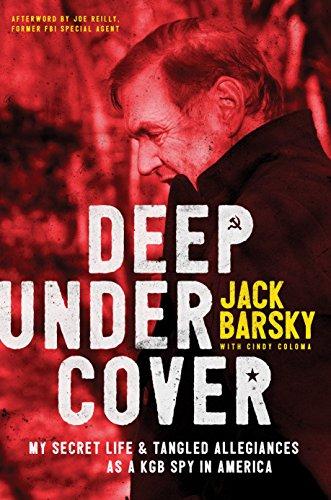
My Secret Life and Tangled Allegiances as a KGB Spy in America
Jack Barsky, the former KGB spy, wrote a book about his experiences living undercover in America. He detailed the training, the secret missions, and the challenges of maintaining his cover identity for years.
Jack Barsky wrote a book about his life. It's called Deep Undercover: My Secret Life and Tangled Allegiances as a KGB Spy in America.
— Episode: The Spy
Jack Barsky, the former KGB spy, wrote a book about his experiences living undercover in America. He detailed the training, the secret missions, and the challenges of maintaining his cover identity for years.
Jack Barsky wrote a book about his life. It's called Deep Undercover: My Secret Life and Tangled Allegiances as a KGB Spy in America.
Jack Barsky wrote a book about his life. It's called Deep Undercover my secret life and tangled allegiances as a kgb spy in america
The speaker mentioned that Kate Winslet's performance in the movie adaptation of Sense and Sensibility is burned into their mind. The speaker owns the movie poster and soundtrack, as well as a printed book of the screenplay.
Kind of Withering Heights, Sense and Sensibility, the best Jane Austen book ever. And movie.
— Episode: Jiminy Crickets
The speaker mentioned that Kate Winslet's performance in the movie adaptation of Sense and Sensibility is burned into their mind. The speaker owns the movie poster and soundtrack, as well as a printed book of the screenplay.
Kind of Withering Heights, Sense and Sensibility, the best Jane Austen book ever. And movie.
Kate Winslet soaking wet on that hill in the movie of Sense and Sensibility is burned into my mind.
Oh, how about the soundtrack that I had? I also owned the soundtrack. I also owned a printed book of the screenplay. I own the movie poster. On the wall? Oh my God. What was on the poster? I can't remember who's Emma Thompson.
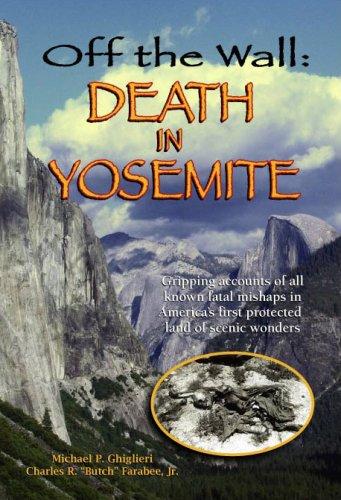
Death in Yosemite
It was mentioned as an album Michael Jackson had that featured him standing on a wall, so Travel could associate him with the music he heard.
And you know, she had albums of, I don't know if you remember the Michael Jackson Off the Wall album where he was standing on the wall.
— Episode: The Confession, Part 1
It was mentioned as an album Michael Jackson had that featured him standing on a wall, so Travel could associate him with the music he heard.
And you know, she had albums of, I don't know if you remember the Michael Jackson Off the Wall album where he was standing on the wall.
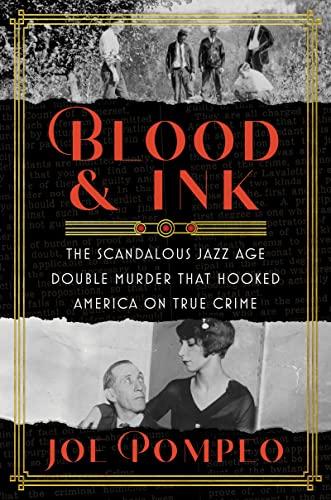
The Scandalous Jazz Age Double Murder That Hooked America on True Crime
The book delves into the scandalous double murder of Reverend Edward Hall and Eleanor Mills during the Jazz Age, highlighting how the case captivated America and ignited its fascination with true crime.
Joe Pompeo's book is called Blood and Ink, the scandalous jazz age double murder that hooked America on true crime.
— Episode: Under the Crabapple Tree
The book delves into the scandalous double murder of Reverend Edward Hall and Eleanor Mills during the Jazz Age, highlighting how the case captivated America and ignited its fascination with true crime.
Joe Pompeo's book is called Blood and Ink, the scandalous jazz age double murder that hooked America on true crime.
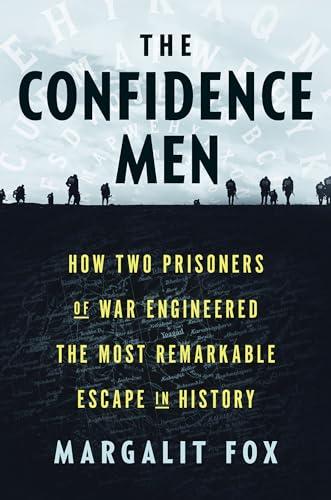
How Two Prisoners of War Engineered the Most Remarkable Escape in History
The Confidence Men is a non-fiction book about how two prisoners of war, Harry Jones and Cedric Hill, used a Ouija board and a sham insanity plan to escape captivity.
You can see them at thisiscriminal.com, where we'll also have a link to Margalit Fox's book. It's called The Confidence Men, How Two Prisoners of War Engineered the Most Remarkable Es...
— Episode: The Séances
The Confidence Men is a non-fiction book about how two prisoners of war, Harry Jones and Cedric Hill, used a Ouija board and a sham insanity plan to escape captivity.
You can see them at thisiscriminal.com, where we'll also have a link to Margalit Fox's book. It's called The Confidence Men, How Two Prisoners of War Engineered the Most Remarkable Escape in History.
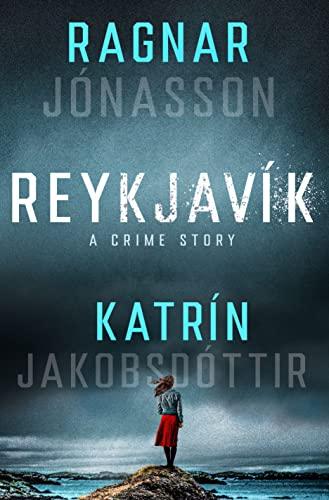
A Crime Story
The prime minister co-wrote the novel with Ragnar Jnasson, a bestselling crime writer. It's about a young girl who goes missing in the 1950s from a remote island called Videy, off the coast of Reykjavik.
The prime minister's book is called Reykjavik. It's about a young girl who goes missing in the 1950s from a remote island called Videy, off the coast of Reykjavik.
— Episode: Iceland Noir
The prime minister co-wrote the novel with Ragnar Jnasson, a bestselling crime writer. It's about a young girl who goes missing in the 1950s from a remote island called Videy, off the coast of Reykjavik.
The prime minister's book is called Reykjavik. It's about a young girl who goes missing in the 1950s from a remote island called Videy, off the coast of Reykjavik.
And I think that's something that Icelanders relate very strongly to, because even though we don't have a lot of crime, we often have people disappearing simply because of the very tough natural circumstances. We have the ocean around us where people disappear.
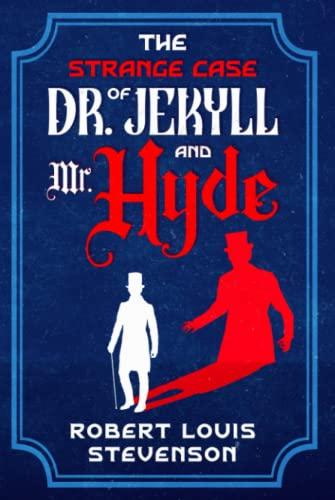
The Strange Case of Dr. Jekyll and Mr. Hyde was the most recent book read on the podcast, Phoebe Reads a Mystery.
Our latest book is The Strange Case Of Dr. Jekyll And Mr. Hyde.
— Episode: Iceland Noir
The Strange Case of Dr. Jekyll and Mr. Hyde was the most recent book read on the podcast, Phoebe Reads a Mystery.
Our latest book is The Strange Case Of Dr. Jekyll And Mr. Hyde.
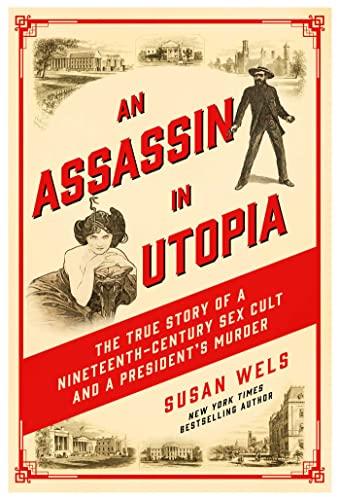
The True Story of a Nineteenth-Century Sex Cult and a President's Murder
Susan Wells is a historian and author of the book *An Assassin in Utopia*. She mentions the book in reference to John Humphrey Noyes's life, where she details that he was born in Brattleboro, Vermont, in 1811. She also mentions Noyes's family history, including his father's position as a former congressman and his mother's name, Polly Hayes.
Susan Wells is a historian and author of the book *An Assassin in Utopia*.
— Episode: The Perfectionists
Susan Wells is a historian and author of the book *An Assassin in Utopia*. She mentions the book in reference to John Humphrey Noyes's life, where she details that he was born in Brattleboro, Vermont, in 1811. She also mentions Noyes's family history, including his father's position as a former congressman and his mother's name, Polly Hayes.
Susan Wells is a historian and author of the book *An Assassin in Utopia*.
Susan Wells writes that growing up, Garfield hated working outside. He preferred books.
Susan Wells writes that before they buried Trod, James Garfield asked a photographer to take a memorial family portrait.
Susan Wells writes that he was stunned and tried to protest the votes, but was interrupted by cheers and people chanting his own name.
Susan Wells writes, many called it depraved, but Noyce fostered for more than three decades the most successful utopian experiment in American history.
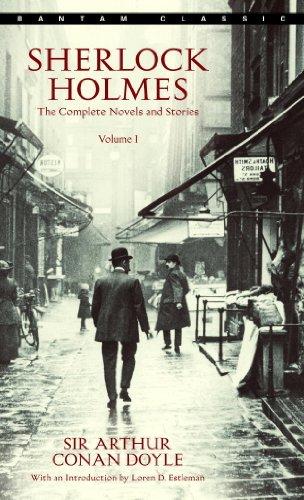
The Complete Novels and Stories Volume I (Sherlock Holmes The Complete Novels and Stories Book 1)
The speaker mentioned that Arthur Conan Doyle was famous for writing Sherlock Holmes novels, and published four Sherlock Holmes story collections.
Arthur Conan Doyle, who was most famous for writing Sherlock Holmes novels and stories,
— Episode: A Glamour and a Mystery
The speaker mentioned that Arthur Conan Doyle was famous for writing Sherlock Holmes novels, and published four Sherlock Holmes story collections.
Arthur Conan Doyle, who was most famous for writing Sherlock Holmes novels and stories,
He'd been planning a series of stories called The Uncharted Coast about the paranormal, about poltergeists and ghosts and fairies was one of the things that he was writing an article about.
So he was in the middle of researching this article about fairies when he got contacted by the editor of Light Magazine, which is a big spiritualist magazine, saying have you heard about these photographs that Edward Gardner's showing at the Theosophical Institute?
And he's sort of signed and his address at the bottom. So it's all kind of given like sworn testimony almost.
There's an element in which he's drawing on the kind of Sherlock Holmes-ian persona to build his credibility.
There was a famous cartoon in Punch magazine where with his head in the clouds and manacled to him at the ankle was Sherlock Holmes looking very annoyed and there's a poem that went underneath it about how Conan Doyle had turned his back on science and Sherlock Holmes was clearly saddled with this guy and his book
Note: The book recommendations on this page are discovered automatically from podcast transcripts, and may be incorrect or incomplete.
Podcast Name