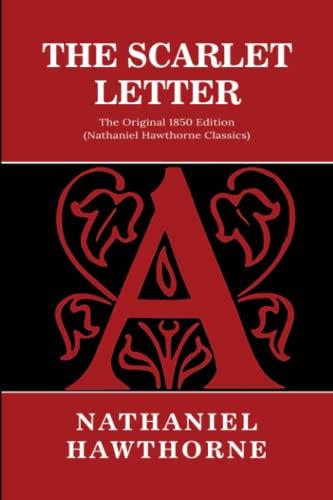
The Scarlet Letter
Nathaniel Hawthorne
Mentioned 7 months ago
Fall River

Criminal is the first of its kind. A show about people who’ve done wrong, been wronged, or gotten caught somewhere in the middle. Hosted by Phoebe Judge. Named a Best Podcast of 2023 by the New York Times. Part of the Vox Media Podcast Network.
Recently mentioned
Nathaniel Hawthorne
Mentioned 7 months ago
Fall River
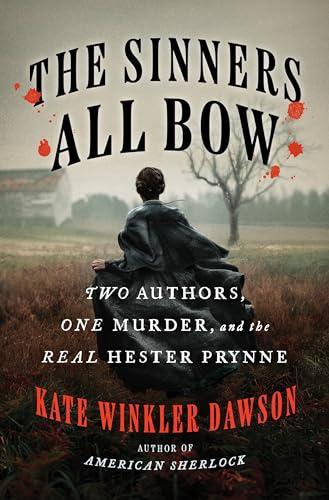
Kate Winkler Dawson
Mentioned 7 months ago
Fall River
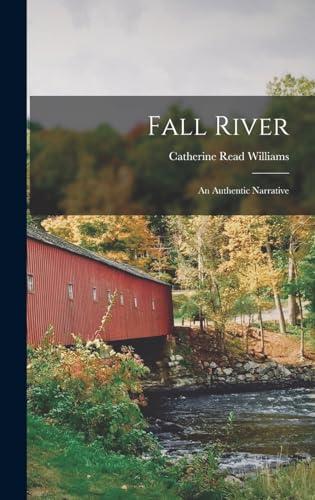
Catherine Read Williams
Mentioned 7 months ago
Fall River
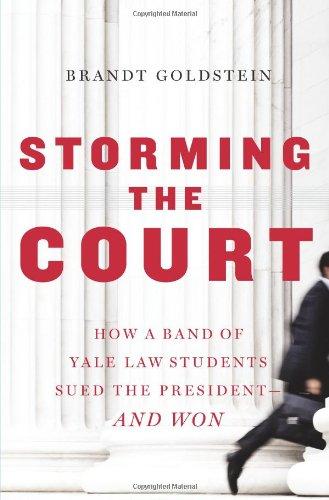
Brandt Goldstein
Mentioned 1 year ago
A Land Without Law
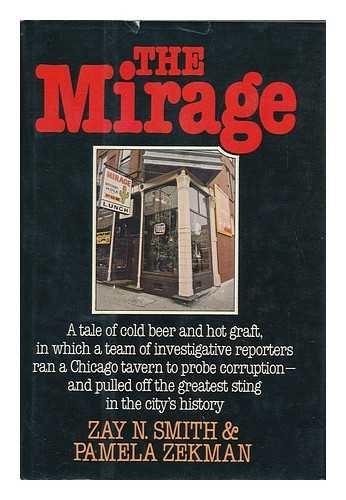
Zay N. Smith
Mentioned 1 year ago
The Mirage
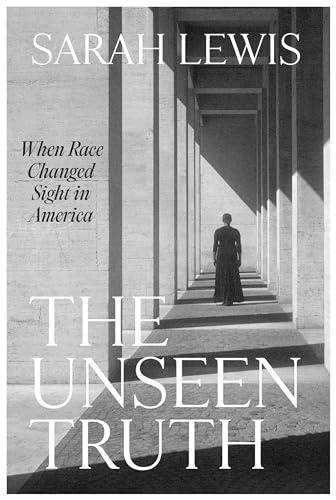
Sarah Lewis
Mentioned 1 year ago
A Murder in the Forest
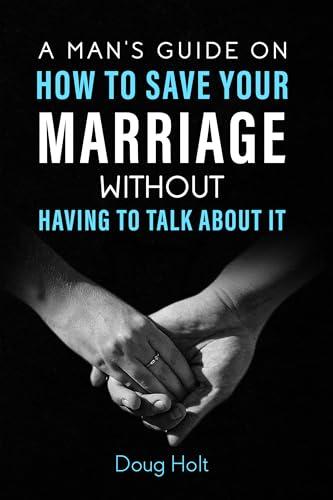
Doug Holt
Mentioned 1 year ago
A Murder in the Forest
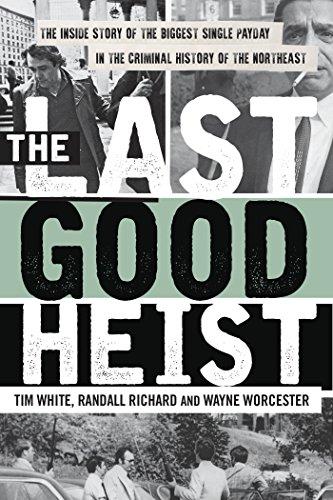
Wayne Worcester
Mentioned 1 year ago
Into the Vault
Eric Hoffer
Mentioned 1 year ago
Ana
Jim Popkin
Mentioned 1 year ago
Ana
Max Marshall
Mentioned 1 year ago
Millions of Pills
Lynn Painter
Mentioned 2 years ago
State of North Carolina v. Joan Little
The Original 1850 Edition (Nathaniel Hawthorne Classics)
In one episode, the host explained that the title, published in 1850, appeared to have heavily inspired the real‑life story of Sarah Cornell, noting clear parallels between the fictional Hester Prynne and Cornell's tragic fate. In another episode, a thief’s interest in works by the same author was mentioned, causing the bookstore owner unease given the thief’s criminal background. The discussions treated the book as a historical reference rather than a recommendation.
The thief was seen browsing for books by this author at a bookshop, which made the shop owner nervous given his past criminal activity.
He kind of started opening up these cases like that. And was your head just exploding?
He said, I want to look at Nathaniel Hawthorne.
Nathaniel Hawthorne published this book in 1850, 18 years after Sarah Cornell's death, about a charitable woman who has an affair with a minister, becomes pregnant, and is publicly condemned for adultery, showing strong parallels to Sarah Cornell's story.
In 1849, he started working on a book about a woman who was known to be good at sewing and very charitable, who has an affair with a minister. She becomes pregnant and is publicly condemned for adultery.
He published The Scarlet Letter in 1850, 18 years after Sarah Cornell's death.
When you then read The Scarlet Letter and read Hester Prynne and see the parallels between Sarah Maria Cornell and Hester Prynne, it seems really clear that she was at least a very large inspiration, if not the main inspiration, for The Scarlet Letter.
The hosts referenced the 2012 crime novel and its film adaptation to illustrate how reporters and investigators were comparing the real kidnapping case to a story where a wife fakes her own disappearance. They explained the plot details and noted that an FBI agent even asked the victim's lawyer if they had seen the movie, using it as a shorthand for the alleged hoax scenario. The discussion highlighted the book's relevance as a cultural reference rather than a recommendation.
It was mentioned as a 2012 crime novel that was compared to the events of Denise and Aaron's case. The movie version (2014) was also referenced by the FBI.
As early as March 26th, one day after the kidnapper had released his daughter, the kidnapper had released Denise, reporters began to compare her to the fictional character in the 2012 crime novel by Gillian Flynn. The movie version was released in 2014 with Ben Affleck and Rosamund Pike.
In Gone Girl, a man is the primary suspect in the disappearance of his wife. It then comes out that the wife staged her own disappearance and made her husband look guilty in order to get back at him for cheating on her.
At one point, an FBI agent asked Denise's lawyer, have you ever watched the movie Gone Girl? It'll explain a lot.
It wasn't just a popular narrative in the press. At one point, an FBI agent asked Denise's lawyer, have you ever watched the movie Gone Girl? It'll explain a lot.
Their conclusions were based off of fictional stories. They want to say our case was too strange to be believed.
It was mentioned in the context of the police's initial belief that Denise and Aaron's kidnapping might have been a hoax, similar to the plot of the book, where a wife fakes her kidnapping.
As early as March 26th, one day after the kidnapper had released Denise, reporters began to compare her to the fictional character in the 2012 crime novel by Gillian Flynn.
In Gone Girl, a man is the primary suspect in the disappearance of his wife. It then comes out that the wife staged her own disappearance and made her husband look guilty in order to get back at him for cheating on her.
It wasn't just a popular narrative in the press. At one point, an FBI agent asked Denise's lawyer, have you ever watched the movie Gone Girl? It'll explain a lot.
They want to say our case was too strange to be believed.
I think it's unbelievable that they're basing the thing off a movie, a novel. That's shocking to me.
Even people Denise thought were her friends were sharing stories on Facebook with headlines like, Real Life Gone Girl Allegedly Staged Her Own Insane Fake Kidnapping.
He also told Misty that his car had been stolen very close to the time when a woman named Denise Huskins had been kidnapped, and that the Vallejo police had dismissed it as a Gone Girl hoax.
My face, my name was Gone Girl, you know?
And supposedly I was replicating something I didn't know anything about.
But when I did watch the movie, I mean, before that I would kind of go back and forth. I should have done this. I should have fought back. So then I'd have bruises.
So they would believe me. And I just kept battling with myself about it until I watched that movie.
I realized it didn't matter what I did or said if I had more gruesome injuries because she hit herself in the face with a hammer.
She was very dramatic when she's released, and I was told I was too calm.
So it was clear that they had decided before I was even released that they didn't believe me.
And so it didn't matter how I acted.
The book was highlighted as a relevant resource for understanding the flaws in bite‑mark evidence, with the host directing listeners to a link on the podcast’s website. It was mentioned in the introduction and conclusion of the episode as a useful reference for the case discussed.
Chris Fabricant's book, 'Junk Science and the American Criminal Justice System', was mentioned as relevant to the case discussed, specifically regarding the use of bite mark evidence and its flaws.
You can also find a link to Chris Fabricant's book, Junk Science and the American Criminal Justice System.
A Black Prosecutor's Fight for Fairness
The hosts highlighted the book as a powerful account of a Black prosecutor's experience, emphasizing how race shapes legal policy and the moral dilemmas faced in the justice system. They praised its honest portrayal of both extraordinary triumphs and harsh realities, noting its potential to help listeners see themselves reflected in real moments and to inspire a more equitable system.
It detailed the experiences of a Black prosecutor in the criminal justice system, covering the challenges, triumphs and moral dilemmas she faced while working as a prosecutor.
In it, she writes, As a prosecutor, I never had the luxury of wearing sociological blinders, and I never wanted to. Race prominently stands at every intersection in America.
It shapes our legal policy, our charging decisions.
I think there is power in people seeing themselves in moments that are real.
And I think there's power and fertile soil based on that experience to be the nation we say we are on paper and to have our legal system really be that justice system.
So I hope that people are able to experience it and read it. And there are moments of extraordinary triumph and extraordinary acts of humanity and beauty that makes you feel good. And there are moments that make you feel aware. And both are necessary for us to go into this eyes wide open and walking the walk and talking the talk of justice.
Laura Coates's book, 'Just Pursuit,' detailed her experiences as a Black prosecutor in the US Attorney's Office, highlighting the challenges and injustices she faced within the system.
In it, she writes, as a prosecutor, I never had the luxury of wearing sociological blinders, and I never wanted to.
Race prominently stands at every intersection in America. It shapes our legal policy, our charging decisions.
I think there is power in people seeing themselves in moments that are real.
And I think there's power and fertile soil based on that experience to be the nation we say we are on paper and to have our legal system really be that justice system.
So I hope that people are able to experience it and read it. And there are moments of extraordinary triumph and extraordinary acts of humanity and beauty that makes you feel good.
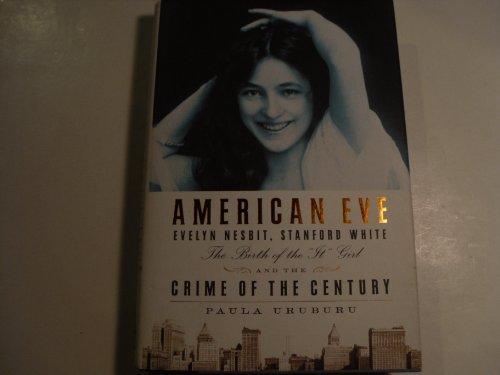
Evelyn Nesbit, Stanford White
It was mentioned as a source of further information about the Harry Thaw and Stanford White case, particularly regarding Evelyn Nesbit's life and the events surrounding the trial.
For more information, check out Paula Uruburu's book, American Eve.
— Episode: Dementia Americana
It was mentioned as a source of further information about the Harry Thaw and Stanford White case, particularly regarding Evelyn Nesbit's life and the events surrounding the trial.
For more information, check out Paula Uruburu's book, American Eve.
You can learn more about Evelyn Nesbitt and Paula Uribeiru's book American Eve.
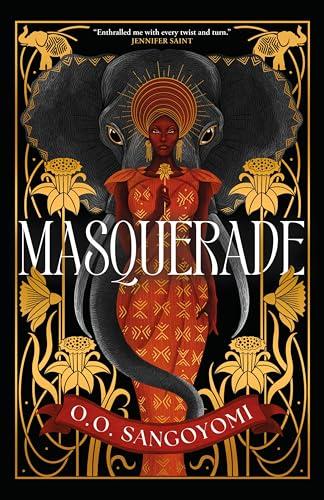
It was a children's book with a real-life treasure hunt, where a gold hare sculpture was buried somewhere in Britain, and readers had to solve clues within the illustrations to find it.
In 1979, a children's book was published called Masquerade.
— Episode: Masquerade
It was a children's book with a real-life treasure hunt, where a gold hare sculpture was buried somewhere in Britain, and readers had to solve clues within the illustrations to find it.
In 1979, a children's book was published called Masquerade.
The title page reads, to solve the hidden riddle you must use your eyes and find the hare in every picture that may point you to the prize.
The book was created by a British artist named Kit Williams.
The back cover of the book had a photo of the actual gold hare pendant that was hidden somewhere in Britain for the reader to find.
It's five and a half inches long, hanging from a chain.
It was a children's book with a real-life treasure hunt, where readers had to solve clues within the illustrations to find a hidden jeweled hare in England. The hunt was eventually solved, but the winner's identity remained mysterious for many years.
The title page reads, to solve the hidden riddle you must use your eyes and find the hare in every picture that may point you to the prize.
I thought I must have some way in which once they open that book, they look and they look again and they look again to really get them involved. And the puzzle was really a device to do that, to make them really look at the pictures.
It must really be a real wonderful bit of treasure.
It's five and a half inches long, hanging from a chain. He said, I felt I was doing something for my own childhood.
And inscribed on the ceramic casket are the words, I am the keeper of the jewel of Masquerade, which lies waiting safe inside me for you or eternity.
It tells the story of Nancy and Dan Brophy, who were married for 25 years. Dan was a chef and Nancy wrote romance novels. In 2018 Dan was found dead and Nancy became the main suspect. Investigators tried to determine whether Nancy was researching her next novel or planning a murder.
Follow Happily Never After Dan and Nancy on the Wondry app or wherever you get your podcasts. You can listen to all episodes of Happily Never After Dan and Nancy earl...
— Episode: State of North Carolina v. Joan Little
It tells the story of Nancy and Dan Brophy, who were married for 25 years. Dan was a chef and Nancy wrote romance novels. In 2018 Dan was found dead and Nancy became the main suspect. Investigators tried to determine whether Nancy was researching her next novel or planning a murder.
Follow Happily Never After Dan and Nancy on the Wondry app or wherever you get your podcasts. You can listen to all episodes of Happily Never After Dan and Nancy early and ad-free right now by joining Wondry Plus.
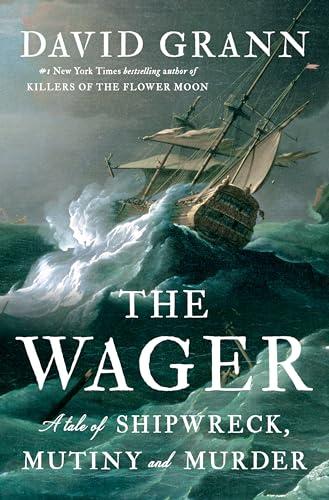
A Tale of Shipwreck, Mutiny and Murder
The Wager recounts the true story of five British warships on a mission to steal a Spanish treasure ship. The story follows the expedition's perilous journey around Cape Horn, the subsequent shipwreck of the Wager, and the struggles of the crew on a desolate island, culminating in mutiny, murder, and eventual trials.
David Grann's book is The Wager: A Tale of Shipwreck, Mutiny and Murder.
— Episode: Shipwrecked
The Wager recounts the true story of five British warships on a mission to steal a Spanish treasure ship. The story follows the expedition's perilous journey around Cape Horn, the subsequent shipwreck of the Wager, and the struggles of the crew on a desolate island, culminating in mutiny, murder, and eventual trials.
David Grann's book is The Wager: A Tale of Shipwreck, Mutiny and Murder.
David Grann says it's possible some were as young as six years old.
David Gran says that Captain Cheap was starting to feel like he was losing control over the men on the island.
David Gran says the story of The Wager went on to inspire Herman Melville, who called it a remarkable and most interesting narrative.
David Gran's book is The Wager, a tale of shipwreck, mutiny and murder.
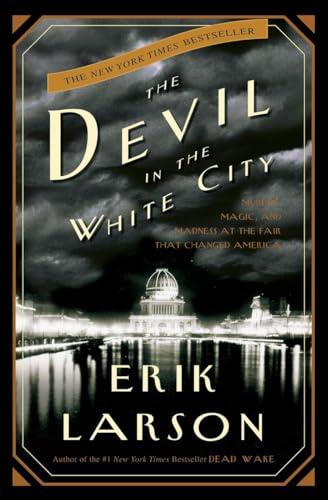
Murder, Magic, and Madness at the Fair That Changed America
It was mentioned as an example of a crime book that the speaker reads.
I read a lot. I do. I'm a very avid reader. And I do read crime. I read a lot of crime Devil in the White City. And I mean, you know, all those kinds of things.
— Episode: Bonus: The Liberal Arts Club
It was mentioned as an example of a crime book that the speaker reads.
I read a lot. I do. I'm a very avid reader. And I do read crime. I read a lot of crime Devil in the White City. And I mean, you know, all those kinds of things.
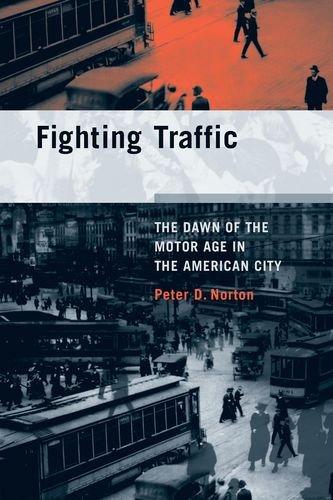
The Dawn of the Motor Age in the American City (Inside Technology)
The book discusses the history of jaywalking and the car industry's influence on pedestrian laws in the United States.
Peter Norton is an associate professor of history at the University of Virginia.
— Episode: Right of Way
The book discusses the history of jaywalking and the car industry's influence on pedestrian laws in the United States.
Peter Norton is an associate professor of history at the University of Virginia.
Peter Norton says that in the 1920s, traffic engineers began to organize city streets.
Why Successful Societies Welcome Newcomers
Charles Gouteau, who had previously copied John Humphrey Noyes's ideas and used them in his own failed ventures, had also written a book called *The Truth*, which he published while traveling and using his religious affiliation to avoid paying for lodging.
He'd tried for a while to be a traveling preacher. He wrote a book called *The Truth*, which copied all of John Humphrey Noyes' ideas.
— Episode: The Perfectionists
Charles Gouteau, who had previously copied John Humphrey Noyes's ideas and used them in his own failed ventures, had also written a book called *The Truth*, which he published while traveling and using his religious affiliation to avoid paying for lodging.
He'd tried for a while to be a traveling preacher. He wrote a book called *The Truth*, which copied all of John Humphrey Noyes' ideas.
The speaker described the audio of the podcast as having a 'Jane Eyre-esque' feel due to the ambient noise of crickets and rain.
Some call it sound escaping. It was very kind of Jane Eyre-esque, I thought.
— Episode: Jiminy Crickets
The speaker described the audio of the podcast as having a 'Jane Eyre-esque' feel due to the ambient noise of crickets and rain.
Some call it sound escaping. It was very kind of Jane Eyre-esque, I thought.
The Original 1818 Unabridged and Complete Edition (A Mary Shelley Classics
Stephen Volk, a horror movie writer, was interested in the way novels like Frankenstein are constructed, as they are often presented as non-fiction with letters and journal entries.
And it struck me that many, many literary ghost stories that you read begin... I'm going to tell you something that's quite unbelievable, but I really want you to know this really, really happened to...
— Episode: Ghostwatch
Stephen Volk, a horror movie writer, was interested in the way novels like Frankenstein are constructed, as they are often presented as non-fiction with letters and journal entries.
And it struck me that many, many literary ghost stories that you read begin... I'm going to tell you something that's quite unbelievable, but I really want you to know this really, really happened to me.
And it struck me, well, what they would do in TV if they told a ghost story is just put a camera in someone's face and the person would tell you, this really happened to me.

It was a first edition copy that was used as bait in a trap set for the book thief, John Charles Gilkey.
asked to buy a $7,500 first edition of The Grapes of Wrath.
— Episode: Ex Libris
It was a first edition copy that was used as bait in a trap set for the book thief, John Charles Gilkey.
asked to buy a $7,500 first edition of The Grapes of Wrath.
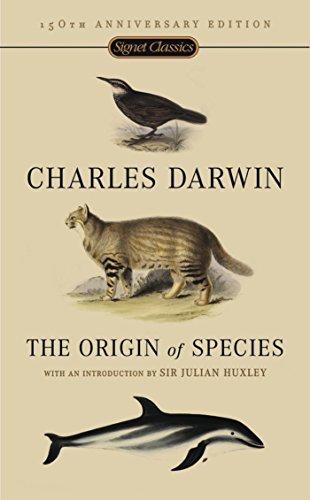
150th Anniversary Edition
The publication of *The Origin of Species* in 1859 led to a growing materialist philosophy and a crisis of belief in mid-Victorian England.
The publication of Charles Darwin's *The Origin Of Species* in 1859 and so there was there was a great sort of crisis of belief in mid-Victorian England amongst philosophers and intel...
— Episode: The Hammersmith Ghost
The publication of *The Origin of Species* in 1859 led to a growing materialist philosophy and a crisis of belief in mid-Victorian England.
The publication of Charles Darwin's *The Origin Of Species* in 1859 and so there was there was a great sort of crisis of belief in mid-Victorian England amongst philosophers and intellectuals and and religious people and people decided to look more closely into claims of the supernatural what we today call typically the paranormal
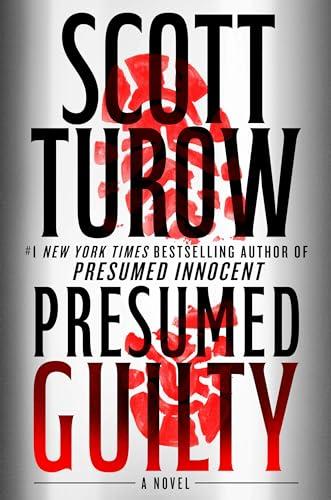
The book was written by reporters Catherine Huddle and Joe Dugan about the Beatrice Six, published in 2009 by the Lincoln Journal Star.
We've got a link to it on our website.
— Episode: The Six
The book was written by reporters Catherine Huddle and Joe Dugan about the Beatrice Six, published in 2009 by the Lincoln Journal Star.
We've got a link to it on our website.
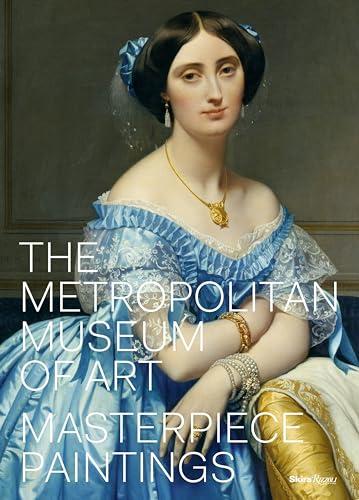
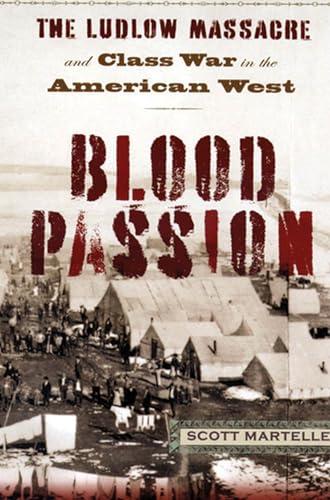
The Ludlow Massacre and Class War in the American West
The book discussed the Ludlow Massacre and class war in the American West, focusing on the event and the individuals involved in it, particularly Lamont Bowers, the man in charge of the Colorado mines, and his role in the tragic events.
He was a hard driver of men, a racist, hopefully disdainful of the miners who are working for them.
— Episode: The Strike
The book discussed the Ludlow Massacre and class war in the American West, focusing on the event and the individuals involved in it, particularly Lamont Bowers, the man in charge of the Colorado mines, and his role in the tragic events.
He was a hard driver of men, a racist, hopefully disdainful of the miners who are working for them.
He was in a large way responsible, if not for making conditions bad, for not doing anything to make conditions better.
So he knew full what life was like on those coal mines and on those coal camps, and that was perfectly fine with him.
Scott Martell describes it as an underground bunker, which was meant to be a safe place for the camp's pregnant women to give birth.
The sheriff expressed a quote, growing sense of helplessness in maintaining the peace.
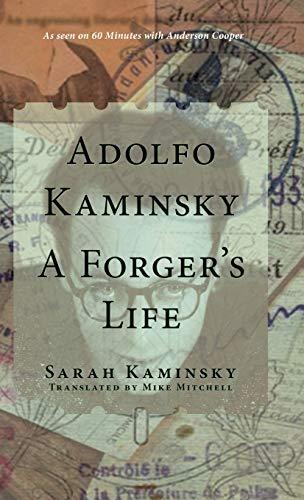
A Forger's Life
The book tells the story of Adolfo Kaminsky, a forger who helped save thousands of lives during World War II and beyond. It details his fascinating work, his motivations and how his past impacted him throughout his life.
Sarah Kaminsky's book is Adolfo Kaminsky: A Forger's Life.
— Episode: Indelible Ink
The book tells the story of Adolfo Kaminsky, a forger who helped save thousands of lives during World War II and beyond. It details his fascinating work, his motivations and how his past impacted him throughout his life.
Sarah Kaminsky's book is Adolfo Kaminsky: A Forger's Life.
Sarah Kaminsky's book is Adolfo Kaminsky, a forger's life.
Note: The book recommendations on this page are discovered automatically from podcast transcripts, and may be incorrect or incomplete.
Podcast Name