Podcast
Behind the Bastards
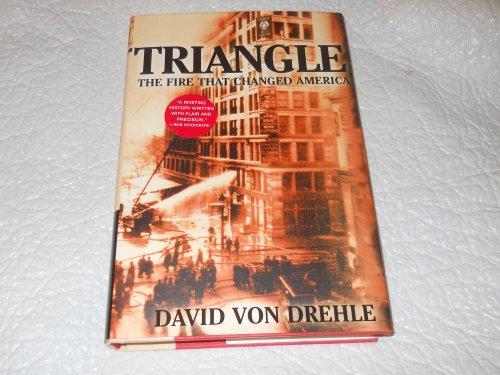
The book was quoted several times during the episode, specifically for its details about the Triangle Shirtwaist Factory Fire and its effect on the garment industry and labor laws, as well as its description of the early sweatshop era.
Today, the word sweatshop describes any crowded factory of poorly paid workers. But in the late 1800s, the meaning was more specific and more dismal. Sweatshops were generally dim and claustrophobic t...
— Episode: The Triangle Shirtwaist Fire
Episode: The Triangle Shirtwaist Fire
The book was quoted several times during the episode, specifically for its details about the Triangle Shirtwaist Factory Fire and its effect on the garment industry and labor laws, as well as its description of the early sweatshop era.
Today, the word sweatshop describes any crowded factory of poorly paid workers. But in the late 1800s, the meaning was more specific and more dismal. Sweatshops were generally dim and claustrophobic tenement rooms where independent contractors sweated greenhorns, that is the newest immigrants, by working them more and more hours for less and less pay.
The end of feudalism and of the papal states in the 19th century put millions of acres of Italian land in private hands. Nearly every new owner made the same decision. To cut down the trees, hoping to sell the lumber and expand the fields.
They could not put sprinklers in their factory if they thought it might need to burn sometime. And they might think that instituting fire drills in a world where few factories had them would make them look suspiciously conscious of the issue.
Blanc and Harris were perfect examples of the skewed system. Few factory owners paid higher rates than they did, and as a result, they commanded the loyalty of the most powerful brokerage in town.
The factory Investigating Commission, which lobbies for stronger safety measures and makes sure factories are meeting certain minimum safety standards.
Episode: The Triangle Shirtwaist Fire
The book was referenced several times throughout the episode, particularly to detail the conditions of the garment industry and the sweatshops before the Triangle Shirtwaist Fire. It was also quoted to describe the nature of sweatshops.
Today, the word sweatshop describes any crowded factory of poorly paid workers. But in the late 1800s, the meaning was more specific and more dismal. Sweatshops were generally dim and claustrophobic tenement rooms where independent contractors sweated greenhorns, that is the newest immigrants, by working them more and more hours for less and less pay.
The end of feudalism and of the papal states in the 19th century put millions of acres of Italian land in private hands. Nearly every new owner made the same decision. To cut down the trees, hoping to sell the lumber and expand the fields.
The pogroms flared anew each spring at Easter when local priests reminded their flocks that the Jews killed Christ just as they had killed the czar. And rumors circulated afresh that the matzo of Passover was seasoned with the blood of slain Christian children.
They could not put sprinklers in their factory if they thought it might need to burn sometime. And they might think that instituting fire drills in a world where few factories had them would make them look suspiciously conscious of the issue.
Blanc and Harris were perfect examples of the skewed system. Few factory owners paid higher rates than they did, and as a result, they commanded the loyalty of the most powerful brokerage in town.
Episode: The Triangle Shirtwaist Fire
The book was referenced several times during the episode, especially regarding the Triangle Shirtwaist fire and the conditions of early sweatshops. It was used to highlight the context of the era, labor conditions and the role of insurance in the tragedy.
Today, the word sweatshop describes any crowded factory of poorly paid workers. But in the late 1800s, the meaning was more specific and more dismal. Sweatshops were generally dim and claustrophobic tenement rooms where independent contractors sweated greenhorns, that is the newest immigrants, by working them more and more hours for less and less pay.
The end of feudalism and of the papal states in the 19th century put millions of acres of Italian land in private hands. Nearly every new owner made the same decision. To cut down the trees, hoping to sell the lumber and expand the fields.
Blanc and Harris were perfect examples of the skewed system. Few factory owners paid higher rates than they did, and as a result, they commanded the loyalty of the most powerful brokerage in town.
They could not put sprinklers in their factory if they thought it might need to burn sometime. And they might think that instituting fire drills in a world where few factories had them would make them look suspiciously conscious of the issue.
The manager attempted to use the fire hose to extinguish it, but was unsuccessful as the hose was rotted and its valve was rusted shut.