The Clash of Civilizations and the Remaking of World Order
Samuel P. Huntington
Mentioned 5 months ago
It Could Happen Here Weekly 220
There’s a reason the History Channel has produced hundreds of documentaries about Hitler but only a few about Dwight D. Eisenhower. Bad guys (and gals) are eternally fascinating. Behind the Bastards dives in past the Cliffs Notes of the worst humans in history and exposes the bizarre realities of th...
Recently mentioned
Samuel P. Huntington
Mentioned 5 months ago
It Could Happen Here Weekly 220
Robert D. Kaplan
Mentioned 5 months ago
It Could Happen Here Weekly 220
Elizabeth J. Perry
Mentioned 5 months ago
It Could Happen Here Weekly 220

J.R.R. Tolkien
Mentioned 5 months ago
Part One: How Jeffrey Epstein Helped Build the Modern World

Joshua Green
Mentioned 5 months ago
Part One: How Jeffrey Epstein Helped Build the Modern World

Professor Gilles Deleuze
Mentioned 5 months ago
It Could Happen Here Weekly 219

Madoka Kishi
Mentioned 5 months ago
It Could Happen Here Weekly 219
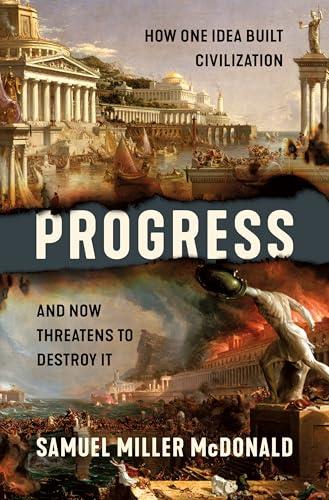
Samuel Miller McDonald
Mentioned 5 months ago
It Could Happen Here Weekly 219

Klaus Mann
Mentioned 5 months ago
It Could Happen Here Weekly 219
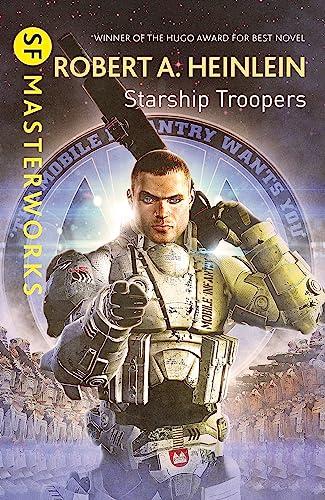
Mentioned 5 months ago
The Greg Bovino Episode Extravaganza!
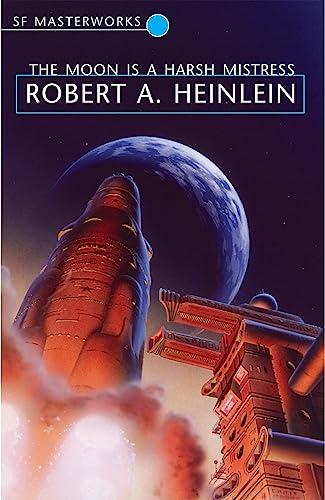
Robert A. Heinlein
Mentioned 5 months ago
The Greg Bovino Episode Extravaganza!

John Lindsay-Poland
Mentioned 5 months ago
It Could Happen Here Weekly 218

Philosophy and Ecology after the End of the World (Posthumanities Book 27)
This book explores the concept of 'hyperobjects', massive entities that transcend our normal perception of time and space, like climate change. It argues that hyperobjects directly cause us to reflect on our place on Earth and in the cosmos.
Consider raindrops. You can feel them on your head, but you can't perceive the actual raindrop in itself. You can only ever perceive your particular anthropomorphic translation of the raindrops. Isn't...
— Episode: It Could Happen Here Weekly 18
This book explores the concept of 'hyperobjects', massive entities that transcend our normal perception of time and space, like climate change. It argues that hyperobjects directly cause us to reflect on our place on Earth and in the cosmos.
Consider raindrops. You can feel them on your head, but you can't perceive the actual raindrop in itself. You can only ever perceive your particular anthropomorphic translation of the raindrops. Isn't this similar to the rift between weather, which I can feel falling on my head, and global climate? Not the older idea of local patterns of weather, but the entire system. I can think of and compute climate in this sense, but I can't directly see or touch it. The gap between the phenomenon and the thing yawns wide open, disturbing my sense of presence and being in the world.
...light itself is the most viscous thing of all, since nothing can surpass its speed.

Philosophy and Ecology after the End of the World (Posthumanities Book 27)
The author recommended this book to listeners interested in learning more about hyperobjects. It was described as an academic read, but not too bad, and a good place to start for those looking to explore this concept further.
Quoting from Morton's book, Hyperobjects, The Philosophy and Ecology After the End of the World, quote, Consider raindrops. You can feel them on your head, but you can't perceive the...
— Episode: It Could Happen Here Weekly 18
The author recommended this book to listeners interested in learning more about hyperobjects. It was described as an academic read, but not too bad, and a good place to start for those looking to explore this concept further.
Quoting from Morton's book, Hyperobjects, The Philosophy and Ecology After the End of the World, quote, Consider raindrops. You can feel them on your head, but you can't perceive the actual raindrop in itself. You can only ever perceive your particular anthropomorphic translation of the raindrops. Isn't this similar to the rift between weather, which I can feel falling on my head, and global climate? Not the older idea of local patterns of weather, but the entire system. I can think of and compute climate in this sense, but I can't directly see or touch it. The gap between the phenomenon and the thing yawns wide open, disturbing my sense of presence and being in the world.
Again, I'll quote from the book Hyperobjects, quote, Light itself is the most viscous thing of all, since nothing can surpass its speed. Radiation is Sartre's jar of honey par excellence, a luminous honey that reveals our bone structure as it seeps around us. Again, it's not a matter of making some suicidal leap into the honey, but discovering that we are already inside it. This is it, folks! This is the ecological interconnectedness! Come in and join the fun! But I see that you're already here. Unquote.
I would recommend picking it up if you want to learn more about these things.

A Year of Green Wisdom for Pagans & Wiccans
This book covers poisonous plants that can be cultivated in gardens.
Another another plant book that I just got for somebody that I really like. I think it's called Wiccan plants It's about all the poisonous plants that you can get And the ones all they're like the poi...
— Episode: It Could Happen Here Weekly 16
This book covers poisonous plants that can be cultivated in gardens.
Another another plant book that I just got for somebody that I really like. I think it's called Wiccan plants It's about all the poisonous plants that you can get And the ones all they're like the poison plants you can cultivate in your own garden and that's been a lovely read And I do hope to set up a decent poison garden here in the spring

America's Hottest Sex Therapist Answers the Hottest Questions About Sex
It was described as a 2005 book that explored Ben Shapiro's views on sexuality and American society, with a focus on his concerns about promiscuity and the sexualization of culture.
It's called Generation Sex: Exploding the Full Frontal Assault on American Innocence.
— Episode: Ben Shapiro Knows Less About Sex Than An...
It was described as a 2005 book that explored Ben Shapiro's views on sexuality and American society, with a focus on his concerns about promiscuity and the sexualization of culture.
It's called Generation Sex: Exploding the Full Frontal Assault on American Innocence.
It's 320 pages published by Thomas Nelson Inc.
American society, according to Ben Shapiro, is a sex machine from movies to sitcoms, rap to rock, teen mags to porno rags.
American culture has become a pusher of promiscuity and perversion, and in this sharp, audacious, fearless book, Shapiro, the most prominent young conservative in the nation, reveals the gross sexualization of our society and how it targets youth culture.
He talks about how the kids being exposed to, I'm guessing, Janet Jackson's boobs at the Super Bowl are being sexually assaulted.

A Novel
It was used as a source by Ben Shapiro, arguing that children should not be treated as small adults when it comes to sexuality, with concerns about the impact of social interference on their development; it was referenced in the context of discussions on sex education.
Who is the author of a book called Ready or Not: Why Treating Children as Small Adults Endangers Their Future and Ours.
— Episode: Ben Shapiro Knows Less About Sex Than An...
It was used as a source by Ben Shapiro, arguing that children should not be treated as small adults when it comes to sexuality, with concerns about the impact of social interference on their development; it was referenced in the context of discussions on sex education.
Who is the author of a book called Ready or Not: Why Treating Children as Small Adults Endangers Their Future and Ours.
Marital breakdown is not rampant across the land. It is concentrated among low-income and black couples.
Americans seem to have a lot of trouble grasping this fact, probably because so much public space is taken up by politicians, celebrities, and journalists with marriage on the skids.
She argues that like divorces declining among well-educated white people and that couples are happier than ever, which I don't think the evidence suggests.
He cites Kay Heimowitz's book Ready or Not: What Happens When We Treat Children as Small Adults.
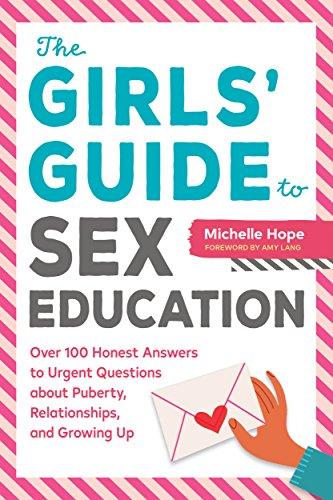
Over 100 Honest Answers to Urgent Questions about Puberty, Relationships, and Growing Up
It was quoted by Ben Shapiro in "Porn Generation", expressing concerns about sex education's focus on topics considered taboo, including abortion, condoms, masturbation, oral sex, and homosexuality.
The liberal sexual agenda underlies the teaching of sex education as David Campos, author of Sex, Youth, and Sex Education: A Reference Handbook, proclaims to achieve a sexually healthy lifestyle, you...
— Episode: Ben Shapiro Knows Less About Sex Than An...
It was quoted by Ben Shapiro in "Porn Generation", expressing concerns about sex education's focus on topics considered taboo, including abortion, condoms, masturbation, oral sex, and homosexuality.
The liberal sexual agenda underlies the teaching of sex education as David Campos, author of Sex, Youth, and Sex Education: A Reference Handbook, proclaims to achieve a sexually healthy lifestyle, youth must acquire a positive and comfortable attitude about sex.

The book is about the Montpellion Society and its origins in Chile and is a historical account of how the neoliberal movement spread in the country.
I'm going to read a section from the road to Mount Pellion describing Virginia School Titan James M Buchanan's work quote Ineffectual consequences in the political marketplace were blamed solely on th...
— Episode: It Could Happen Here Weekly 14
The book is about the Montpellion Society and its origins in Chile and is a historical account of how the neoliberal movement spread in the country.
I'm going to read a section from the road to Mount Pellion describing Virginia School Titan James M Buchanan's work quote Ineffectual consequences in the political marketplace were blamed solely on the fallacies of political decision-making
Here's wrote wrote about Pellon again. The Constitution was not only named after Hayek's book, the Constitution of Liberty
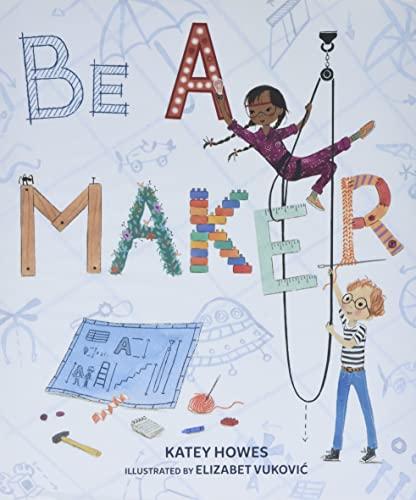
The book was written in 2008 and is about the future of 3D printing and its potential to disrupt and change various industries.
This is where I do my my Woody Allen uh you know nothing of my work uh shtick because I I had this novel maker makers in 2009 I haven't read makers yet 2008 it's it's why uh uh brie pettis went out an...
— Episode: It Could Happen Here Weekly 14
The book was written in 2008 and is about the future of 3D printing and its potential to disrupt and change various industries.
This is where I do my my Woody Allen uh you know nothing of my work uh shtick because I I had this novel maker makers in 2009 I haven't read makers yet 2008 it's it's why uh uh brie pettis went out and founded makerbot uh and it's you know credited with like kickstarting the homebrew 3D printed revolution blah blah blah blah and um and it was a very bullish novel about 3D printing I um you know the reality hasn't lived up to the hype yet it may just be that we're in the long trough of despair as the the gartner hype cycle model has it uh but you know I think that the problem with um 3D printing was that uh the patents had been concentrated into the hands of two large firms that had bought all their competitors including makerbot and um when those patents finally expired the big one was the the laser centering of of powder patent expired there just wasn't a big bang and I think it's because the supply chain for it still had a lot of proprietary elements and so producing the the powder and producing the the components that allowed for that uh powder printing remained a very high bar and so we just didn't see the kind of new industry emerge that we would have hoped for and you know it's like seven years since those patents expired or five years since those patent expired now we're seeing a few more of those powder printers you get a lot more like uv cured epoxy printers because those came off patent earlier and they have a less complicated supply chain um but still I mean mostly when we talk about printers we're talking about filament and just filaments just not a great technology it's been pushed in ways that you wouldn't even believe and people have figured out how to do absolutely incredible things with it but it's not it's not something that you would make aerospace components for you know it's it's it's something that you make um novelty dungeons and dragons dice out of yeah which is an important industry to disrupt don't get me wrong but I'm I'm with you I'm with you I can remember paying 30 bucks for a set of dice as a kid and thinking somebody's gotta fix this scam I can I can produce some for christmas Robert thank you garrison and you know now I I own a uh I bought a comic-con a couple of years ago I bought a tiny little d20 made out of meteoric ore oh I have a sky metal d20 oh now that's yeah that's that's classy
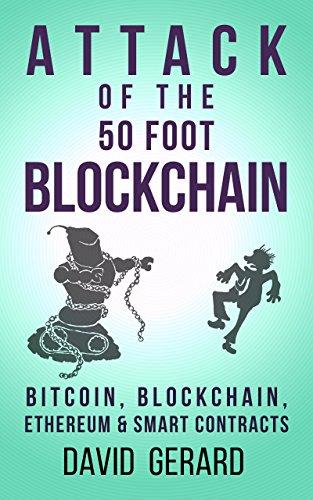
Bitcoin, Blockchain, Ethereum & Smart Contracts
It was recommended as a way to understand how NFTs and cryptocurrency are often used in scams and money laundering. It was also described as very readable and not boring, unlike many other cryptocurrency explanations.
I do really recommend attack of the 50-foot blockchain as a book if you actually want to like Understand all this stuff more and what a giant scam it is because I'm definitely getting it.
— Episode: Part Two: Let's Talk About Cryptocurrenc...
It was recommended as a way to understand how NFTs and cryptocurrency are often used in scams and money laundering. It was also described as very readable and not boring, unlike many other cryptocurrency explanations.
I do really recommend attack of the 50-foot blockchain as a book if you actually want to like Understand all this stuff more and what a giant scam it is because I'm definitely getting it.
It's very readable, it's very like as dry as a lot of crypto stuff is David does a very good job of like making you understand what's happening and how ridiculous it is without it being boring.
Slightly better than having your husband explain crypto to you because he spent your life savings on a JPEG.
Question number one: Should I buy bitcoins? Answer: No. But I keep seeing all this stuff in the news about them and how... Answer: No. Tech journalism is uniformly terrible, always remember this.
But if you just want to continue to be like, yeah Bitcoin seems stupid as shit, I'm not gonna get involved, that's also fine.
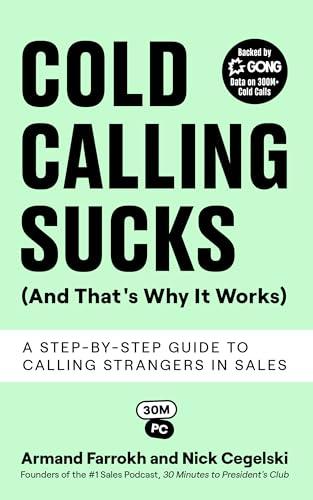
A Step-by-Step Guide to Calling Strangers in Sales
This book was mentioned as a good resource for anti-work ideas, and was said to be referenced often in the anti-work subreddit.
Crime think has a really good book just called "Work" which is another another one that gets referenced a lot even in the subreddit.
— Episode: It Could Happen Here Weekly 11
This book was mentioned as a good resource for anti-work ideas, and was said to be referenced often in the anti-work subreddit.
Crime think has a really good book just called "Work" which is another another one that gets referenced a lot even in the subreddit.
A Step-by-Step Guide to Calling Strangers in Sales
The book "Work" by Crime Think was mentioned as an anti-work book frequently referenced in the anti-work subreddit.
Crime Think has a really good book just called Work, which is another another one that gets referenced a lot, even in the subreddit and also Bullshit Jobs by David Graber.
— Episode: It Could Happen Here Weekly 11
The book "Work" by Crime Think was mentioned as an anti-work book frequently referenced in the anti-work subreddit.
Crime Think has a really good book just called Work, which is another another one that gets referenced a lot, even in the subreddit and also Bullshit Jobs by David Graber.


Bosnia, Kosovo and Macedonia 1992–2001 (Elite Book 146)
The Brutal Truth About Violence, Death, & Mayhem You Must Know to Survive

Bosnia, Kosovo and Macedonia 1992–2001 (Elite Book 146)
The book provides a Marxist perspective on the breakup of Yugoslavia.
I always recommend... "Bosnia, Kosovo and Yugoslavia" by... Mike Karadzicis. It's the Marxist perspective on the breakup of Yugoslavia.
— Episode: It Could Happen Here Weekly 9
The book provides a Marxist perspective on the breakup of Yugoslavia.
I always recommend... "Bosnia, Kosovo and Yugoslavia" by... Mike Karadzicis. It's the Marxist perspective on the breakup of Yugoslavia.

The book was written by Alija Izetbegovi when he was 18 and it was cited as a basis for Islamophobic propaganda.
They would target like these... villages where they were like Bosnians and Serbs... living together... so they would like target them specifically with... the... radio and instead of like the big citi...
— Episode: It Could Happen Here Weekly 9
The book was written by Alija Izetbegovi when he was 18 and it was cited as a basis for Islamophobic propaganda.
They would target like these... villages where they were like Bosnians and Serbs... living together... so they would like target them specifically with... the... radio and instead of like the big cities... they worked up to the big cities but they really started in like specific sort of areas like in eastern Bosnia especially because there was like a lot of I think majority Muslim like villages in that area that would also have like nearby Serb villages... there was that there was... sort of taking over all the radio stations and kind of going full force... they think like in the sort of early days of the war... we're talking April May of 1992 they... would get... people like pretending that they were Bosnians they were actually Serbs and they would like talk about how they went to... kill all Serbs or something like that... they were like having people in concentration camps where they thought like started kind of putting them in those concentration camps initially they would make the victims in the concentration camps the Muslims basically... say that oh they're just there as a refugee and the Serbian army is like protecting them and they're making them feel really welcome and stuff... like that so it was right at the beginning between especially 89 to like 92 the propaganda was so visible and it really escalated and it was like suddenly everywhere and you would hear Karadzic and Milosevic talk about... the Muslims and the things that we wanted and... the things that the goals that we had which after all were not... nobody was saying it there wasn't like a single person that was saying these things that they were attributing... to us but that didn't matter what they were just doing was instilling enough fear and enough doubt in the population to eventually get them to take up arms when the time comes and unfortunately that's precisely what happened when the time came... a lot of people did take up arms whether or not they wanted to they had enough of that doubt and fear sewed in their minds over the course of... several years that they ended up feeling like I have to protect myself... they would like target them specifically with... like the... radio... and instead of like the big cities... they worked up to the big cities but they really started in like specific sort of areas like in eastern Bosnia especially because there was like a lot of I think majority Muslim like villages in that area that would also have like nearby Serb villages... there was that there was... sort of taking over all the radio stations and kind of going full force... they think like in the sort of early days of the war... we're talking April May of 1992 they... would get... people like pretending that they were Bosnians they were actually Serbs and they would like talk about how they went to... kill all Serbs or something like that... they were like having people in concentration camps where they thought like started kind of putting them in those concentration camps initially they would make the victims in the concentration camps the Muslims basically... say that oh they're just there as a refugee and the Serbian army is like protecting them and they're making them feel really welcome and stuff... like that so it was right at the beginning between especially 89 to like 92 the propaganda was so visible and it really escalated and it was like suddenly everywhere and you would hear Karadzic and Milosevic talk about... the Muslims and the things that we wanted and... the things that the goals that we had which after all were not... nobody was saying it there wasn't like a single person that was saying these things that they were attributing... to us but that didn't matter what they were just doing was instilling enough fear and enough doubt in the population to eventually get them to take up arms when the time comes and unfortunately that's precisely what happened when the time came... a lot of people did take up arms whether or not they wanted to they had enough of that doubt and fear sewed in their minds over the course of... several years that they ended up feeling like I have to protect myself... talking about Islamization talking about Ali Azebegovic's book he wrote when he was like I don't know 18 or or whatever like... and you know you know talking about World War II... everybody knows that there was a period in World War II where... a lot of Serbs were killed by the Ustasa and by the... Nazi collaborationist and I think obviously that's a real fear for... for a certain group of people who went through that so there was a lot of that as well... that's going to happen again... meanwhile there was no grand plan there was never even talks of... committing violence or even... talks of... seceding from Yugoslavia or anything it was all it was all set in motion by the Serbian leadership... and I think that's what people don't understand the Bosnian leadership while not perfect were simply reacting to what the Serbian leadership was in many ways making them do... they kind of push you and push you and push you until they're able to get... some sort of rise out of you or response out of you or or get you on that sort of offensive where you have to defend yourself you have to defend your identity you have to defend who you are you have to justify it... the you know this sort of propaganda campaign got there was... obviously the funny things were like things like they're going to make you wear the hijab but it was also very insidious because they would target like these... villages where they were like Bosnians and Serbs... living together and they're quite small but they knew that like in the village obviously usually have a gun or you know shotgun because of the animals or you know working or whatever so they would like target them specifically with... like the... radio... and instead of like the big cities... they worked up to the big cities but they really started in like specific sort of areas like in eastern Bosnia especially because there was like a lot of I think majority Muslim like villages in that area that would also have like nearby Serb villages... there was that there was... sort of taking over all the radio stations and kind of going full force... they think like in the sort of early days of the war... we're talking April May of 1992 they... would get... people like pretending that they were Bosnians they were actually Serbs and they would like talk about how they went to... kill all Serbs or something like that... they were like having people in concentration camps where they thought like started kind of putting them in those concentration camps initially they would make the victims in the concentration camps the Muslims basically... say that oh they're just there as a refugee and the Serbian army is like protecting them and they're making them feel really welcome and stuff... like that so it was right at the beginning between especially 89 to like 92 the propaganda was so visible and it really escalated and it was like suddenly everywhere and you would hear Karadzic and Milosevic talk about... the Muslims and the things that we wanted and... the things that the goals that we had which after all were not... nobody was saying it there wasn't like a single person that was saying these things that they were attributing... to us but that didn't matter what they were just doing was instilling enough fear and enough doubt in the population to eventually get them to take up arms when the time comes and unfortunately that's precisely what happened when the time came... a lot of people did take up arms whether or not they wanted to they had enough of that doubt and fear sewed in their minds over the course of... several years that they ended up feeling like I have to protect myself...

Bosnia, Kosovo and Macedonia 1992–2001 (Elite Book 146)
The book provides a Marxist perspective on the breakup of Yugoslavia.
If you want to learn about the conflict from a leftist perspective, I always recommend and I don't know where it's going now, but I always recommend 'Bosnia, Kosovo and Yugoslavia' by Mike Karadzic. I...
— Episode: It Could Happen Here Weekly 9
The book provides a Marxist perspective on the breakup of Yugoslavia.
If you want to learn about the conflict from a leftist perspective, I always recommend and I don't know where it's going now, but I always recommend 'Bosnia, Kosovo and Yugoslavia' by Mike Karadzic. It's the Marxist perspective on the breakup of Yugoslavia.

A History of the Most Controversial Motion Picture of All Time
This is an anarchist utopian book that tells the story of war and its horrors.
I have a book coming out from AK Press. It's a reissue of my anarchist utopian book, "A Country of Ghosts".
— Episode: It Could Happen Here Weekly 7
This is an anarchist utopian book that tells the story of war and its horrors.
I have a book coming out from AK Press. It's a reissue of my anarchist utopian book, "A Country of Ghosts".
Book One of the Craft Wars Series
The speaker, Margaret Kiljoy, discussed her anarchist utopian book "A Country of the Dead", which features war stories about how war is horrible.
I have a book coming out from AK Press. It's a reissue of my anarchist utopian book, "A Country of the Dead".
— Episode: It Could Happen Here Weekly 7
The speaker, Margaret Kiljoy, discussed her anarchist utopian book "A Country of the Dead", which features war stories about how war is horrible.
I have a book coming out from AK Press. It's a reissue of my anarchist utopian book, "A Country of the Dead".
If you like my very, I like writing war stories, but I specifically like writing war stories that are actually sad and how about how war is horrible.
Note: The book recommendations on this page are discovered automatically from podcast transcripts, and may be incorrect or incomplete.
Podcast Name