The Big Short
Michael Lewis
Mentioned 7 months ago
Holiday Spending Surge, Fed Chair Future, and Melania's Production Company
With great power, comes great scrutiny. Every Tuesday and Friday, journalist Kara Swisher and NYU Professor Scott Galloway offer sharp, unfiltered insights into the biggest stories in tech, business, and politics. They make bold predictions, pick winners and losers, and bicker and banter like no one...
Recently mentioned
Michael Lewis
Mentioned 7 months ago
Holiday Spending Surge, Fed Chair Future, and Melania's Production Company
Christopher S. Mackay
Mentioned 1 year ago
Hurricane Helene Aftermath, Trump’s Federal Election Case, and OpenAI’s Valuation
![Sapiens [Tenth Anniversary Edition]: A Brief History of Humankind cover](https://media.podcastbookpicks.com/books/33658.jpg)
Yuval Noah Harari
Mentioned 1 year ago
Hurricane Helene Aftermath, Trump’s Federal Election Case, and OpenAI’s Valuation
Russ Buettner
Mentioned 1 year ago
OpenAI Shake-Ups, Harris’s Economic Vision, and Meta's Big Show
Kate Conger
Mentioned 1 year ago
Nike's CEO Shake-up, Trump's "Deranged" Messaging, and Guests Kate Conger and Ryan Mac

Melania Trump
Mentioned 1 year ago
Instagram's Teen Accounts, Fed Rate Cut, and Guest Justin Theroux
Scott Galloway
Mentioned 1 year ago
Google Antitrust Redux, Debate Predictions, and Guests Sue Bird and Megan Rapinoe
Steven Levy
Mentioned 1 year ago
Zuck Under Pressure, Presidential Debate Rules, and New Covid Vaccines
Adam Grant
Mentioned 1 year ago
The Politics of Joy, Telegram CEO Arrested, and Guest Host Adam Grant
Emily Chang
Mentioned 1 year ago
The Politics of Joy, Telegram CEO Arrested, and Guest Host Adam Grant
Anupreeta Das
Mentioned 1 year ago
The Politics of Joy, Telegram CEO Arrested, and Guest Host Adam Grant
Ben Mezrich
Mentioned 1 year ago
The Politics of Joy, Telegram CEO Arrested, and Guest Host Adam Grant
Notes on the Pursuit of Success, Love, and Meaning
The book was highlighted across several episodes as a daily source of insight for the hosts, with one co‑host noting he quoted it like the Bible and another recommending it at the close of a show. Its themes about meaningful relationships, fearlessness, and societal happiness were discussed, and it was praised for its quirky short‑story format, even receiving a glowing remark from Oprah. The hosts also pointed to its strong sales performance, noting high rankings on Apple and Amazon lists.
It was mentioned as a book Louie Swisher reads and quotes like the Bible; he carries it with him every day.
Oh, there's not a moment I go without his influence. I think I carry it with me. I carry The Algebra of Happiness on me every day. I read it. I quote it like the Bible.
While researching this book, the speaker learned that seven of the ten happiest countries are in Northern Europe and that happiness is related to meaningful relationships and the absence of fear.
When I was researching my book, The Algebra of Happiness, trying to understand happiness as it relates to societies, the happiest societies, seven of the 10 happiest countries are in Northern Europe. And happiness is not only a function of what you have and your relationships. The number one thing is deep and meaningful relationships, but also an absence of fear of something being taken from you or an absence of fear of something terrible happening creates happiness. And that's something that many Europeans have or an absence of that unfortunately we have is that if you find out your wife in America, if you find out your wife has lung cancer, there's probably a one in three chance you've also found out you're going bankrupt.
The podcast host mentioned that their book, "Algebra of Happiness," was ranked number 13 on Apple Hardcover Nonfiction.
And by the way, speaking of rankings, hold on. Apple created a new category called News Commentary and who was number one for a good 36 hours last week? You and I.
And by the way, speaking of rankings, hold on. Apple created a new category called News Commentary and who was number one for a good 36 hours last week? You and I. That's right. It's not one dog. It's not one cat. It's a kennel and it's the best kennel in the world. Okay. That's right. Number one. That's our tire now.
I'm on a ton of podcasts. I'm on all the touchy feeling once now because of this book, Algebra of Happiness, number 13 on Apple Hardcover Nonfiction by Angry Depressed, professors with erectile dysfunction.
Scott Galloway had a book party for his book, where he ranted in front of Washington's power elite about tech companies and the lack of responsibility from those in power. The book's content seems to be related to happiness.
It was a nice book party for The Algebra of Happiness.
But you had a rant. You ranted in front of the power elite of Washington.
And then you talked about happiness, how they can be happy, which was...
Angry to press professor on happiness.
I felt very American and I felt loved and affirmed, which I need all of those things.
Cara Swisher recommended Scott Galloway's book, mentioning it towards the end of the podcast.
Read Scott Galloway's book. It's called The Algebra of Happiness.
The podcast host, Scott Galloway, mentioned his book, which was ranked number 30 on Amazon at the time of the recording. He discussed its ranking in relation to other books on the bestseller list.
Number three on Amazon as of today.
One behind Melinda Gates. Cure malaria, curing malaria, blah, blah, blah. Let me talk about happiness.
No, no, I'm sorry. Number 30. I'm number 30 on Amazon.
I'm number 30. But anyway, I always turn this back to me.
Everybody got by The Algebra of Happiness by Scott Galloway.
Oprah Winfrey described it as a "wonderfully weird collection of short stories". The book was discussed in the context of its reception and Oprah's review.
Oprah called my new book, The Algebra of Happiness, a wonder, a wondrously weird collection of short stories.
The podcast hosts mentioned receiving a copy of the book. One host described feeling emotionally vulnerable after the interview.
We got your book, The Algebra of Happiness.
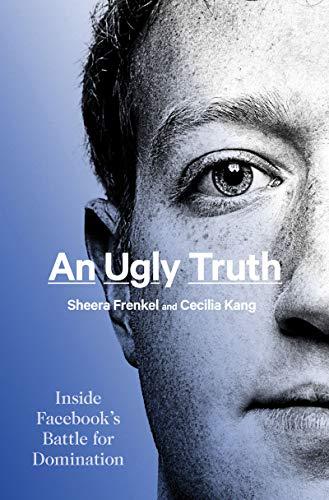
Inside Facebook's Battle for Domination
The podcast repeatedly highlighted the book as a deep dive into Facebook’s internal power struggles, leadership decisions, and regulatory challenges, often citing insights from its co‑authors during interviews. Hosts and guests used it to illustrate concerns about the company’s impact on teens, its role in political meddling, and predictions of increased congressional scrutiny. They also noted that the revelations were causing unease among Facebook executives, suggesting the book’s importance for anyone following the platform’s future.
The book, co-authored by Cecilia Kang, was mentioned in relation to a discussion about Sheryl Sandberg's future and the transition period at Facebook. The podcast briefly touched upon Sandberg's potential future actions, considering her past and the implications of her departure from Facebook.
Hi, Cara and Scott, it's Cecilia Kang of the New York Times and co-author with Shira Frankel of An Ugly Truth Inside Facebook's Battle for Nomination.
The book "An Ugly Truth" was mentioned in relation to a discussion about Andrew Bosworth's promotion at Facebook. The hosts had previously interviewed the authors of the book on their podcast.
having recently read An Ugly Truth, the authors of which you had in your podcast.
It was mentioned in relation to a prediction about Mark Zuckerberg spending more time in Washington D.C. due to increased Congressional interest in Facebook's harm to teens, as discussed in the book.
Hey, Karen Scott, Shira Frankel. My prediction is the next year is likely going to mean a lot of time spent in Washington for Mark Zuckerberg, who as we know from people close to him has always joked that he is allergic to the nation's capital to Washington, D.C. But lawmakers seem incredibly energized by the recent reports from the Wall Street Journal regarding the harm that Facebook causes to teens.
The book was referenced during a discussion about an interview with Sheryl Sandberg. It was noted that Sandberg may have expected a friendlier environment during the interview.
I'm reading An Ugly Truth right now and she expected it to be a friendly environment but you know you can't really have all those things going on around you and not anticipate really tough questions
The book delves into Facebook's internal battles and how the leadership, particularly Mark Zuckerberg and Sheryl Sandberg, handled issues such as Russian meddling in the 2016 election. It details how warnings were ignored and PR concerns often outweighed fixing actual problems.
Oh fuck. How did we miss this?
We assess, the summary read, with moderate to high confidence that Russian state-sponsored actors are using Facebook in attempt to influence the broader political discourse via the deliberate spread of questionable news articles, the spread of information from data breaches intended to discredit and actively engage with journalists to spread said stolen information.
Mark Zuckerberg is the most dangerous person in the world.
If power equals danger then there may be truth to what you said Mark Zuckerberg is one of the most powerful people in the world because he's created a company in which there's no real oversight of his power.
I would go out I would say your problem's not facebook your problem is social media your problem is that Americans don't know how to use the internet despite probably we should be better than any other country we should be able to teach our kids media literacy we should be able to teach Americans how to find valid sources of information online we're not doing that there are countries all over the world including Singapore Estonia that are doubling down and saying our democracy is going to break down unless we start teaching people media literacy America's not doing any of that and I would tell the no way right and I would tell the Biden administration you this is not a Facebook problem this is a problem that is going to persist it's going to get worse deep fakes and AI are going to make it worse for all of us and unless you do something now where does democracy sit in 20 years 30 years time very good how you what the Biden administration is telling themselves actually which is that we've done a lousy job as a federal government of enforcing our own laws and there are so many examples of violations from facebook and other companies but let's just stick on Facebook for a second they say that you know the privacy settlement of 2019 was so long overdue there are so many other examples of violations I mean this is what I'm hearing from people in Washington is that there needs to actually be a real cop on the beat I mean they've the federal government allowed more than a thousand mergers by big tech companies over the last decade and they never challenged any of them so I think that what I'm hearing from them themselves is that we actually have to be bolder
The podcasters mentioned an upcoming book about Facebook, expressing concern about its potential negative impact on Facebook executives. They anticipated that the book's revelations would cause some high-level departures from the company.
There's a book coming out by Shira Franklin, Cecilia Kang of The New York Times called An Ugly Truth Inside Facebook's Battle for Domination.
They're very worried at Facebook internally about it. They're worried about the book?
The Hidden DNA of Amazon, Apple, Facebook, and Google
The book was highlighted when Scott Galloway talked about its upcoming TV adaptation and how it had been used by his publicist to secure podcast appearances. Kara Swisher and the hosts praised its smart, engaging presentation and noted that Galloway had shifted from a love‑letter tone to a cautionary view of big tech. They also discussed how its content had been crawled by generative AI, underscoring its relevance to current creator concerns.
The author mentioned his book, "The Four," which was about to be adapted into a scripted series for television. He expressed excitement about its upcoming adaptation and the process of selling it to Hollywood.
I've been jonesing since I wrote my book The Four, available now on Amazon in 2017.
One of Galloway's books was mentioned in the context of having been "crawled" by AI for its content. The podcast hosts discussed how this impacts creators and their intellectual property.
And I have my books, The Four and The Altar of Happiness have been crawled by generative AI.
Galloway's publicist used it to get him on podcasts, including Recode, and it is described as having an interesting presentation style.
My first book, The Four, my publicist called around to try and get me on big podcasts.
I did like your book itself. I thought it was an interesting way to put it. I thought it was very smart.
The guest's partner was reading it and had some thoughts about the book's content, specifically, how tough the author was on certain topics.
He's reading The Four. He kept talking at me.
He thought you were tough on them.
I know you said you weren't tough enough on it.
He wants to talk to you about it. He wants some thoughts.
It was initially written as a love letter to big tech companies but later turned into a cautionary tale as the author's understanding of these companies deepened. The book details the author's concerns about these companies' potential negative impacts on society.
When I started writing that book, it was a love letter. I was...People don't remember this, but I used to literally be the biggest evangelist in the world for these firms. I thought they were just incredible. And by the way, they say you were talking, to kind of decade and review asked me what I was doing in 2008. I literally got run over by the recession
And by the end of the book, after really understanding them, the book as you know, turned into a cautionary tale.
A Simple Formula for Financial Security
Scott Galloway discussed his new title across several episodes, explaining that the book explored the behaviors, relationships and generosity that distinguish true wealth from merely a good income, and clarified that it was not a debt‑reduction manual. Host Kara Swisher expressed excitement about reading it, and the show also noted plans to feed its content into a generative AI for real‑estate queries. The overall tone was enthusiastic and supportive of the book’s perspective.
The Algebra of Wealth offers a unique perspective on achieving financial security, focusing on the behaviors and strategies that differentiate making a good living from becoming truly wealthy. It emphasizes building strong relationships and cultivating a sense of generosity, both personally and professionally, as key factors in accumulating wealth.
So you know that study that five people who hang out together become each other. They become the same body mass, same political party, same income. That's true.
I'm trying to suss out what are the behaviors and attributes and strategies for the difference between making a good living and being wealthy. This isn't a book about getting out of debt or cutting up your credit cards.
I do think that America becomes more like itself every day and that is it's a loving, generous place for people who are wealthy and it's a rapacious place for people who are poor.
I spent a lot of time trying to understand the behaviors, assets and strategies that people end up wealthy.
The fastest way to snatch financial insecurity from the jaws of financial security is divorce and not only personal divorce but professional divorce.
Scott Galloway states that he is looking forward to reading his new book 'The Algebra of Wealth' which was recently published.
And I did the whole cast of The Morning Show, which you like and I like on stage at the Paley Center. Who's the biggest surprise there in terms of how interesting they are in terms of the character?
And also, Superstar Reese Witherspoon is a good run of corporation. Boy, she knows a lot about AI and not fake knowing, actual knowing.
So anyway, how are you doing? Really well. Weekend of football, I went to this place called Mizan Manor with...
This is Algebra of Wealth, a simple formula for financial security.
I'm very excited to read it. I'm very excited. It's for your boys. You're done. You don't need to read it. You're done. It's for your boys. I'm going to read it to Alex in a second once I look through it. But I'm excited to look at it. I'm excited for your book and I'm excited to talk about your book. I know you have a lot of events and I will probably be attending one of your events as opposed to someone else who didn't communicate super with me.
It was the working title for the author's next book, on achieving financial security. The publisher thought the title was too 'wonky' and suggested alternative titles.
My publisher came back and said we talked to the sales team and we didn't like it.
And they didn't like it. They feel like it's too wonky.
And they showed me all these books, and all these books are basically like how to get rich.
And I'm like, I just don't want to be that straightforward. I don't like that. I feel that feels very douchebaggy.
And the title, the working title right now is The Algebra of Wealth, Achieving Economic Security.
The book was mentioned as a source of information to feed into a generative AI model; the speaker intended to use it in conjunction with other property podcasts to create an AI that could answer questions about real estate.
I will take we're talking about, and this is going to be scary about starting something called prop, you know, the original AI prop G and feed in my book, my most recent book on wrote something called The Algebra of Wealth feed in every transcript from every property podcast and create a generative AI that could potentially answer questions.
The book, written by Scott Galloway, focuses on how to build wealth slowly and thoughtfully; it emphasizes the importance of revenue generation, enduring value, and avoiding get-rich-quick schemes.
And I'm writing, you know, I'm writing this book, Algebra of Wealth.
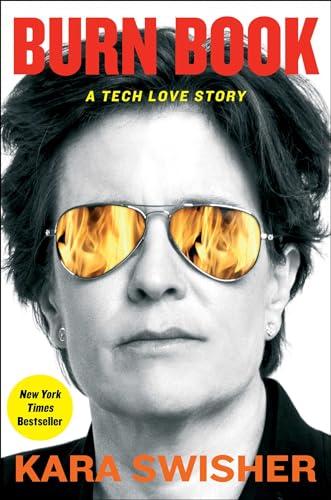
A Tech Love Story
The hosts referenced the memoir across several episodes, noting its entertaining behind‑the‑scenes stories from Silicon Valley and its relevance to discussions about AI and Elon Musk. Scott Galloway mentioned it as an example of a cautionary tech book, while Kara Swisher highlighted its release and included an excerpt describing a quirky tech event. Overall, the book was mentioned in a neutral, informational tone rather than being strongly endorsed.
Scott Galloway recommended a book about the dangers of AI, referencing the book "Burn Book" as an example of what someone concerned about AI could do.
Well then go on a board, go on a, you know, go to Stanford and become a high profile naysayer of these things or write a book like Burn Book, right?
Scott Galloway mentioned the title of his book "Tech Love Story" and suggested that the tech industry should use their better qualities to improve things.
I do believe in great possibilities and I hate what they've done to the place, so why don't they use the better parts of their nature to do things, which is I'm glad to hear you saying it's not gonna be some demented smart city.
Kara's memoir, "Burn Book", was released and included fascinating and entertaining stories from her reporting days in Silicon Valley.
Kara's memoir "Burn Book" is hitting the shelves, featuring fascinating and entertaining stories from her reporting days in Silicon Valley.
It was mentioned as a book about Elon Musk, specifically detailing his behavior, and the author mentioned that it would be coming out in three weeks.
There was only a book that was coming out in three weeks that talked about this in detail.
Burn Book from Carol Swisher.
I'm not really interested in the book.
A book excerpt was read, describing Scott Galloway's wacky presentation at a tech event in Germany, where he wore a wig and lip-synced to George Michael's Freedom 90. The author also mentioned having more content about Scott in the book.
In 2017, I attended a tech event in Germany called DLD, Digital Life Design.
I watched as Scott Galloway, an NYU Stern business professor of brand strategy and digital marketing, delivered what was a wacko presentation that included him donning a wig and lip syncing to George Michael's Freedom 90 for way too long.
While Scott's casual arrogance was familiar to me, his insights were fresh and new. I invited him to join me on Rico Decode and he said yes.
Oh my God, my nipples are hard.
I have a lot more about you in there.
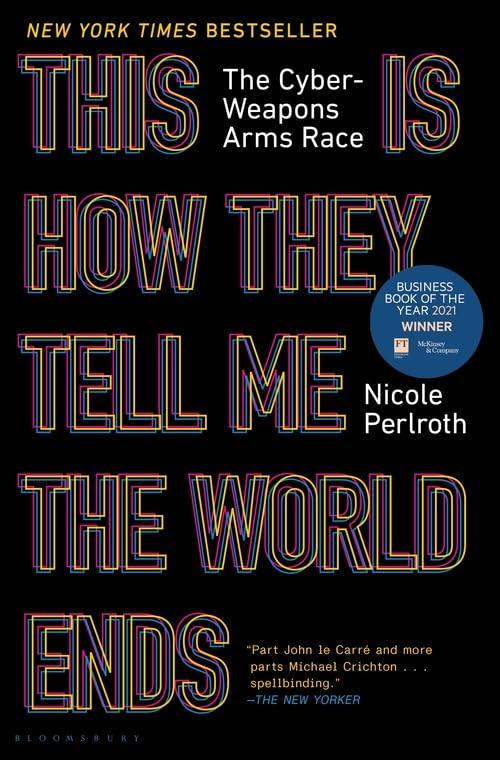
The Cyberweapons Arms Race
The author appeared on several episodes to discuss the book, which traced the history of cyber weapons from World War II to present threats such as Russian attacks and the Pegasus scandal, and warned that the United States remains vulnerable to escalating cyber‑attacks. Hosts repeatedly recommended listening to the interview and reading the title, noting that it would leave listeners terrified but better informed about the limits of regulation and the stakes of the cyber‑arms race. The consensus highlighted the book’s relevance to current incidents like the Colonial Pipeline ransomware attack and its value for understanding the broader cybersecurity landscape.
Nicole Perlroth, the author, discussed her book, which covers the history of cybersecurity and digital espionage from World War II to the present day. She expressed concern about the potential for cyber escalation and the vulnerability of American infrastructure.
I'm not very good.
I think from what I've covered over the last 10 years, you know the potential for a cyber escalation here is very high.
prepare don't panic
This Is How They Tell Me the World Ends
It's a really great history to understand this right now because it will be escalating over over time
The book, about the cyber weapons arms race, was recommended as relevant to the discussion of the Pegasus spyware scandal and the broader issue of global surveillance and hacking.
I would recommend listening to the interview we did with Nicole Perlroth. Her book is called This Is How They Tell Me the World Ends: The Cyber Weapons Arms Race and that's what it is, that's really what it is.
It was mentioned that reading this book would leave the reader terrified; it was referenced in relation to the vulnerability of the US to cyber attacks.
Read Nicole Perlwals book and you'll be terrified.
It covers the cyber weapons race and explores the incentive models that drive vulnerabilities in software. The author explains why regulation alone is insufficient to address the issue.
So, the short answer is I had been covering these major attacks, and I kept seeing my name in the footnotes of other people writing books.
And I crammed everything in from the last seven to ten years of reporting.
And then I sent it in, and then this giant SolarWinds attack happened.
So in some ways it's the prelude to SolarWinds.
And so I was fascinated by this idea that our own government would preserve a vulnerability in Microsoft Windows so it could spy on Iran or so it could get into Iran centrifuges and take them out one day.

The book was referenced several times, with Kara Swisher noting its discussion of strong male role models and the author’s background, while Mike Birbiglia said he liked the title but later questioned the author’s current stance. It was also mentioned in relation to the Ohio Senate race and growing political polarization. Overall, the podcast treated the book as a notable cultural reference rather than a strong endorsement.
His book was referenced in the context of J.D. Vance's views on strong male figures, particularly his own father, and how that might influence his interactions with Tim Walz, who is seen as a 'good dad' figure.
J.D. Vance has an issue with men and strongmen and the need to have them around.
You know what I mean? Like because and he's written about it in his book.
So I'm not like going off on a limb here because of his own father and everything else.
He's talked about it rather significantly in that book.
And you could see that like the need for a strong male figure in his life.
Mike Birbiglia expressed a fondness for the book in the past, but later found himself questioning the author's current persona compared to the book's tone.
I like this book.
And then when I watch J.D. Vance now, I don't feel like I'm watching the same person who wrote that book.
I don't understand where he's coming from.
The weird word has worked beautifully.
It's actually weird as funny versus deplorables or any other word that's a Hillary use and stuff, which who wasn't funny?
Mike Birbiglia expressed a liking for the book, but found that J.D. Vance's current persona seemed to differ from the one he perceived from the book's content.
I like this book.
And then when I watch J.D. Vance now, I don't feel like I'm watching the same person who wrote that book.
I don't understand where he's coming from.
It's funny that that special, it's called 'The New One', and it's all about how I never wanted to have a child and all the reasons why you, no one should ever want to have a child and why I was right and then ultimately why I was wrong.
The reason the couch joke arrived was that one night I was doing a show at Princeton and it was all mostly students and I, and it didn't have the couch joke in it that you just played and it was all about having kids and I've never looked at an audience that has been more disinterested in the topic that I'm discussing.
![Sapiens [Tenth Anniversary Edition]: A Brief History of Humankind Cover](https://media.podcastbookpicks.com/books/563.jpg)
A Brief History of Humankind
The hosts repeatedly highlighted the book as a source of deep insight, with Scott Galloway noting Harari's comparison of AI to an evolving amoeba and praising his talent for linking instinct to human behavior. One episode described reading the work several times to internalize its lessons, while another mentioned sharing it with a teenage listener during a college tour. Overall, the podcast treated the title as a highly valuable reference for understanding humanity and technology.
The author of the book compares AI to amoebas, which eventually evolved to Tyrannosaurus Rexes, taking billions of years. He thinks that AI is now an amoeba and will get to Tyrannosaurus Rex in about ten years.
At some point it was just amoebas and then eventually these amoebas evolved to Tyrannosaurus rexes and it took billions of years he said what AI now is an amoeba but it'll get to T rex in about 10 years and I think he's right
The podcast mentioned Harari's ability to connect instinct with human behavior and predict the future; it was posited that with AI, he could produce even more insightful content for his next book(s).
I like you've all know Hari, the guy who wrote Sapiens. Yeah, Harari. Him with armed with AI, his next books, I can't even imagine the kind of content he's going to be able to produce because the way his mind works, his ability to connect instinct with human behavior and what the future might look like. I just don't think any AI can come up with that, but what he'll be able to do is say, all right, give me a history of homo sapiens in this era and what happened.
The speaker mentioned listening to the book with their 13-year-old during a college tour. No further details or opinions about the book were shared.
I had to listen to you all Harari with my 13 year old for hours on this college tour.
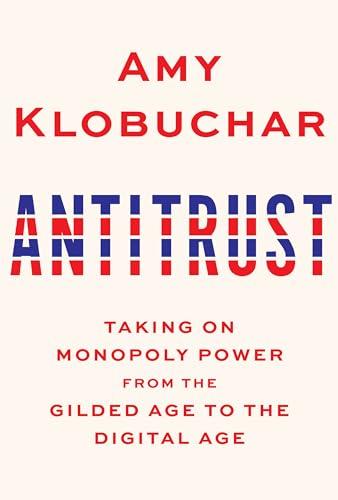
Taking on Monopoly Power from the Gilded Age to the Digital Age
The book was highlighted across several episodes as a substantial work covering monopoly power from the Gilded Age to the digital age, with hosts and guests such as Scott Galloway, Kara Swisher, and Preet Bharara noting its length and relevance. They emphasized its focus on shifting from traditional antitrust to a broader competition policy and praised the author's analysis of key antitrust issues. Overall, the podcast presented it as an important, though hefty, resource for listeners interested in competition policy.
It was described as a big book, covering monopoly power from the Gilded Age to the digital age. The author discussed the importance of shifting the focus from "anti-trust" to "competition policy" to promote a more forward-looking and optimistic approach.
This is a big book, Senator.
I bought your book and I'm going to take that in the streaming or the video of the Irishmen and take three months and get through both.
It's a long book, Senator. It's a long book.
I think that people assume that everyone's following it every little detail. And most people aren't.
I start my book out with the story of a baby's heart valve drug that was 85 bucks per treatment for years and years and years.
Preet Bharara mentioned interviewing Amy Klobuchar about her book, "Antitrust," describing it as a "giant book" and commenting on its length. He joked about its size compared to typical political memoirs.
I'm interviewing Amy Klobuchar, Senator Klobuchar on her book. Giant book. Called, called, this is very long. Antitrust.
You can tell a poodle with it is what I told her.
Kara Swisher mentioned reading Senator Klobuchar's book this weekend, describing it as very big and thick and praising the author's work on antitrust issues.
I'm reading her book. I read her book this weekend, anti-trust. It's very big. It's very thick. She's fantastic.
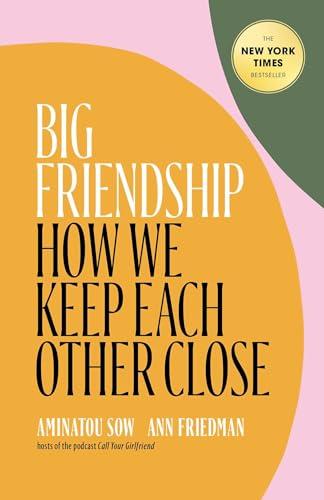
How We Keep Each Other Close
The book was highlighted as a bestselling title and noted for its insights on maintaining close relationships, especially among women in leadership. Host and guest Aminatou Sow discussed it across episodes, describing it as a notable work on female friendships and empowerment. The podcast consistently presented it as a valuable resource for listeners.
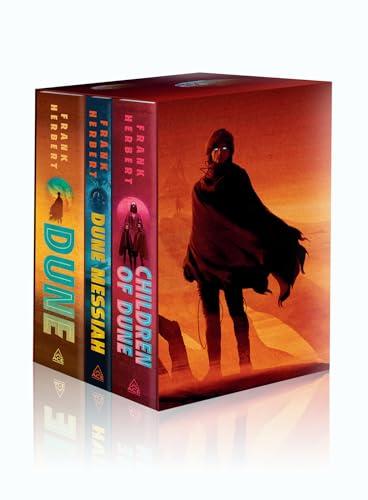
Dune, Dune Messiah, and Children of Dune
The title was highlighted as a standout work from the 1980s that skillfully blended politics and science fiction, earning praise from multiple hosts. It was also mentioned casually as a recent purchase from a local store, underscoring its continued popularity among listeners.
A listener mentioned that they had bought a copy of the book "Dune" along with some other items after having gone to Carl's Pharmacy.
And a Clark bar and the book Dune
It was described as one of the great books of the 1980s, a fantastic book that brought together politics and science fiction. The movie adaptation was mentioned, but deemed not great enough to get people into theaters; it was suggested that releasing it as a miniseries would have been more successful.
First off, one of the great books of, I think it was the 80s, Frank Herbert, a fantastic book that brought together politics and science fiction. The movie, okay, maybe even good, not great, not enough to get people to go into the movie theaters. If they had taken most of the edits and strung it out into eight 40 minute episodes, it would have been the talk of the water cooler or the virtual water cooler for eight weeks running, either how bad it was or how good it was.
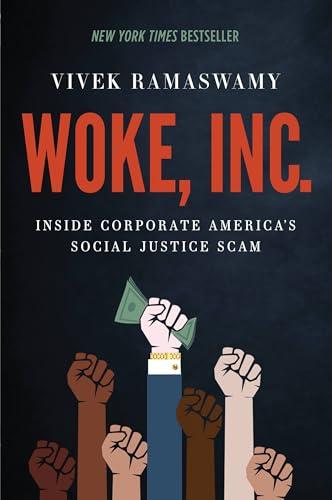
Inside Corporate America's Social Justice Scam
The hosts repeatedly referenced the title as a critique of ESG and corporate social‑justice branding, noting that its author had written a whole book on the subject. Cara Swisher and Scott Galloway discussed it across the episodes, describing the premise as a scam and even calling it "horseshit." Their comments highlighted the book’s focus on exposing what they saw as a deceptive corporate narrative.
The book, "Woke, Inc. Inside Corporate America's Social Justice Scam" was referenced and its subject matter was said to be about ESG.
Vivek's book is called woke Inc inside corporate America's social justice scam. It's all about ESG.
It was mentioned that Ramaswamy wrote a whole book about how ESG investing was a scam.
Ah, thanks Vivek Ramaswamy. Is that Ramaswamy?
Yeah, he does. It's one of his books. Anyway, it's a version of that.
That hurt.
But that's what he is. That's what he was wrote a whole book about. But go ahead.
Vivek Vivek's book is called Woke Inc. Inside Corporate America's Social Justice Scam. It's all about ESG.
It was described as Vivek Ramaswani's branding thing, and the podcast hosts did not seem to have a positive opinion of it.
He wrote the book Woke Inc., which is his branding thing.
This is horseshit, I'm sorry Vivek, it's just horseshit.
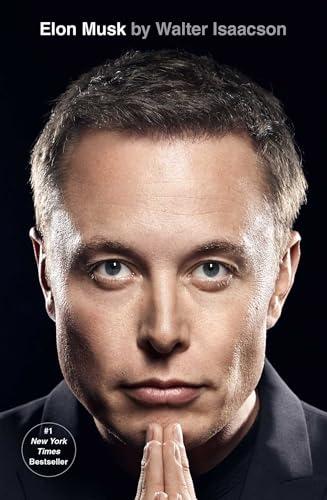
The hosts examined the biography, noting its reference to a proposed glass house and questioning the author's seemingly uncritical stance toward Musk's controversial actions. Kara Swisher led the discussion, challenging Walter Isaacson on the book's omission of alleged racist, sexist, and anti‑Semitic behavior and its lack of clear conclusions about Musk's character. While the book was praised for its insight into Musk's achievements, the overall view was that it fell short by idolatrously excusing his flaws.
The podcast speakers discussed the book's mention of Elon Musk's plans for a glass house, which was later denied by Musk on Twitter, but the book indicates that there were indeed plans for such a house at one point.
But then Walter Isaacson book actually mentions a glass house and then says Elon put off building it.
The podcast included a discussion of Isaacson's biography of Elon Musk, focusing on criticisms regarding the author's perceived lack of critical analysis of Musk's behavior and actions. The conversation included debate about Isaacson's approach and whether he sufficiently addressed Musk's flaws.
I asked him a lot of things. I was questioned some of his sourcing of trusting Elon so much. I asked him all the questions about why he left out all the racist, sexist, misogynist, anti-Semitic stuff. I asked him about that and what he thought.
Scott Galloway calls an idolatry of innovators that excuses cruelty, that excuses anti-Semitism, excuses misogyny, excuses being, quite frankly, not an ideal father, as long as you're really fucking rich.
I think he stuck to his guns on a lot of stuff. He did cop a plea, he said, on a number of things that he got wrong, including the Starlink stuff.
And I did manage to get him to admit that he has an opinion about Elon Musk, which was one of my issues with the book.
I think, of course, last night, right before he was about to drop, Elon did another anti-George Soros thing, which was crazy. A crazy tweet about that. And I sent it to Walter. I go, Walter, he's not a Shakespearean actor. He's just, you know, just a really terrible person.
It was reviewed as both insightful and frustrating, detailing Musk's accomplishments while also highlighting his erratic behavior and questionable decisions. The reviewer felt the author did not offer sufficient conclusions about Musk's character or actions.
Sad and smart son solely morphs into mentally abusive father. He abhors except for with rockets, cars and more money. Often right, sometimes wrong. Petty jerk always might be crazy in a good way, but also a bad way.
Pilo babies, not Steve Jobs.
He wants to have it both ways. Walter does as a writer.
It's a pleasing concept, an impulse control button that could diffuse Musk's tweet as well as his dark impulsive actions. So impulse, impulse. There's no editor around. And the demon mode eruptions that leave rubble in its wake.
Walter is engaging in our favorite pastime right now, and that's an idolatry of innovators that excuses cruelty, that excuses anti-Semitism, excuses misogyny, excuses being, quite frankly, not an ideal father. As long as you're really fucking rich.

Homosexuality in the Movies
The host recommended the book and its documentary to illustrate why people develop negative attitudes toward gay people, noting its long‑standing relevance. Another co‑host highlighted how it exposed early, insidious portrayals of gay men in media, and later the show described it as an amazing, powerful reminder of stereotypical depictions. The discussion conveyed strong approval of the title as essential viewing.
The podcast host recommended this book and documentary to understand why people dislike gay people. It was mentioned in the context of the controversy surrounding Dave Chappelle's Netflix special and the harm caused by media.
I would recommend people seeing a movie called The Celluloid Closet.
Oh yeah, it's been around forever. It was a book by Vito Russo. It's the Documentaries Narrated by Lily Tomlin.
Scott Galloway mentioned this book in relation to how the media portrays gay men, highlighting how insidious such portrayals can be from a young age.
you talked about I figured out the professor who was sort of the evil guy of the show And you really said oh you mean the gay guy and you had brought up a few weeks ago this this movie I haven't seen called The Celluloid Closet talking about how media watch it. I haven't seen it I want to hear it. I will see it
It was described as an amazing documentary about the depiction of gay people in media. The speakers felt it was a powerful reminder of how media portrays and influences perceptions of LGBTQ+ individuals.
It's such a powerful reminder like basically lesbians always committed suicide
Grant try the dark-haired lesbian always tried to grab the blonde lady and then get that has to die
And then the silly either the silly gay man or the conniving gay man
And it just it goes on and on and it just really does make you understand where these images come from
And why have people have feelings and how powerful Media is and what's astonishing about it?
The Power of Knowing What You Don't Know
The book was brought up during episodes featuring Adam Grant, who highlighted it as an example of his work and explained its core message about questioning one’s own assumptions and adopting a more scientific, psychologically strong approach to thinking. It was noted as a New York Times bestseller that encourages listeners to move beyond preacher‑like rhetoric and consider evidence before forming conclusions. The overall tone was enthusiastic, positioning the title as a valuable resource for improving decision‑making.
Adam Grant mentioned his book, *Think Again*, as an example of the kind of work he does as an organizational psychologist at Wharton.
And the author of *Think Again* and so many other books.
The book discusses how to think outside your opinion bubble and how to improve your thinking process by adopting a more scientific mindset. It was described as a New York Times bestseller.
The overall idea is that we spend way too much of our time thinking and talking like preachers, prosecutors, and politicians.
I don't always want you to be psychologically safe, I want you to be psychologically strong.
I think the reason that I'm comfortable...I'm not dunking on college students here, I'm making a case that we're not doing a good job...
I want to know whether you would accept the results of a study before you know what it shows.
I want people to respect and admire me. I want to feel loved because in 30 years I'm going to be dead.
The Five Factors Driving the Growing Epidemic of Unmotivated Boys and Underachieving Young Men
Cara Swisher mentioned her book 'Adrift' during a discussion about her recent appearances on Fox News. She noted that the discussions on the show focused on specific parts of her book.
I was on Fox twice last week. Were you? You and Stacey Abrams, Stacey Adams as they call her on Fox News. I got so many people emailing me. It's so weird. You find out who is closeted Fox watchers. I...
— Episode: Ye's Parlay, Rupert's Reunion, and Guest...
Cara Swisher mentioned her book 'Adrift' during a discussion about her recent appearances on Fox News. She noted that the discussions on the show focused on specific parts of her book.
I was on Fox twice last week. Were you? You and Stacey Abrams, Stacey Adams as they call her on Fox News. I got so many people emailing me. It's so weird. You find out who is closeted Fox watchers. I get so many texts. Great, Hey, saw you on Fox. It's like, you watch Fox? Oh, wow. I mean, so many people are closeted Fox watchers. Oh, and what were you talking about? Adrift? What do you think I was talking about? Adrift, your book. That's right. Adrift in American 100 Shards. Yes, that's right. And it was zeroed on the parts.
Kara Swisher mentioned her book, "Adrift: America in 100 Charts," during a conversation about her appearance on Stephanie Ruhle's show. She noted that Stephanie Ruhle was supportive and even included a picture of Swisher's book when she was sick.
Oh, Adrift. America in 100 Charts.
Did you see her picture of her sick and she managed to slip in my book?
Cara Swisher's book, Adrift, was mentioned; Scott Galloway stated that he had not finished reading it but was showing Clara and Alex through it.
How many of my books have you read? All of them. I just finished Adrift. Yes, I have. Yes, I have it. I haven't. I'm showing Clara through it. Yes, I am. And I made Alex read it. Yes, I do.
The Fight for a Human Future at the New Frontier of Power
The book was brought up by Kara Swisher to illustrate the shift toward shareholder‑centric power and the way Big Tech is hijacking everyday life, echoing similar warnings from Scott Galloway. Across the episodes, it was cited as a key source for dire predictions about the future of surveillance capitalism.
The podcast mentioned Zuboff's book, comparing its message about companies hijacking everything to Scott Galloway's message about Big Tech as invasive species. The book was referenced in relation to dire predictions about the future.
She has a book called Surveillance Capitalism where she has exactly the same messages, the hijacking of everything by these companies.
From Crisis to Opportunity
The hosts highlighted the book as a timely analysis of how the pandemic reshaped markets, education, and society, emphasizing a shift toward more empathetic capitalism. Scott Galloway explained that it was assembled from his blog posts and podcast transcripts, noted its strong debut on bestseller lists, and urged listeners to purchase it. The overall tone was enthusiastic promotion, indicating a strong recommendation.
One of the podcast hosts mentioned their upcoming book, focusing on the transition from crisis to opportunity in a post-Corona world.
I imagine we'll talk about my book, Post-Corona from Crisis to Opportunity.
It was created by printing out all of the author's blog posts and podcast transcripts, identifying common themes (markets, education, and society), and then writing them into prose. The book focuses on the need for a more empathetic capitalism and increased camaraderie, particularly among allies.
It's called Post Corona from crisis to opportunity.
It's orange, so you'll notice it when you go and buy it and buy it online.
I worked with Maria Petrova and Jason Stavros and a bunch of smart people on my team and my agent Jim Levine and tried to do this a different way.
If I'm a young man or woman trying to figure out what I do with my most precious capital and that's my human capital. Like what industries, what would be my approach to trying to create economic security for me and my family?
I think the biggest... It's interesting because today, Joe Biden gave a speech or yesterday, was pretty like that, just what you're talking about.
Galloway's book, released the same week as the podcast, discussed the opportunities arising from the post-corona crisis. The podcast hosts discussed its release and Galloway's position on Amazon's bestsellers list.
It's coming out this week. Everybody buy it. We're going to talk about it full show on Thursday.
it's dropping tomorrow.
I'm number two in hot new releases and economics. But you know who's number one? Jeff fucking Bezos is number one.
It's called laundering and investing or whatever. It should so be called Feel My Midlife Crisis.
Post Corona crisis to opportunity.
The book explores the relationship between money and happiness.
I'm a big fan of his books, "Thinking, Fast and Slow." Kind of like it was one of those books.
— Episode: Disney's Victory Lap, Online Privacy, an...
The book explores the relationship between money and happiness.
I'm a big fan of his books, "Thinking, Fast and Slow." Kind of like it was one of those books.
The podcast host mentioned misquoting Kahneman's book in a previous episode. They discussed the concepts of "fast" and "slow" thinking in relation to the encryption debate and the importance of using slow thinking for nuanced decision-making.
I want to apologize to the Daniel Kahneman fans or disciples. The Nobel Prize winner talked about wrote this great book around fast and slow thinking. And I misquoted him last week saying that people were subject to slow thinking. Slow thinking is actually the good part when you rely on the better notions of your instincts or your brain to slow down and really think through stuff and offer some nuance.
I think that it's really interesting. I think from an optic standpoint, we have Trump tweeting last week that, you know, Apple should kind of get on board and help the government. And then it's kind of like the right hand, maybe not knowing what the left hand is doing. The other side of the government working closely with Apple.
It's just again, going back to Daniel Kahneman, we need to we need to think this through.
An American Fight Against Fascism
Kara mentioned that she is reading Rachel Maddow's book, "Prequel", which is about the influence of Germany and propaganda on the US and America First. She highly recommends the book and says it is insightful and provides good context to the present day.
I'm reading her book Prequel.
— Episode: Biden on the Defensive, Trump's Threats,...
Kara mentioned that she is reading Rachel Maddow's book, "Prequel", which is about the influence of Germany and propaganda on the US and America First. She highly recommends the book and says it is insightful and provides good context to the present day.
I'm reading her book Prequel.
Prequel is great, but the two podcasts are... I got to tell you, I know she's a great broadcaster, but she's an excellent podcaster. The story is so great. You would love it, Scott Galloway. I was thinking of you the whole time.
I'm listening to season two and I'm listening to part of season one, but I'm going to go back and re-listen to season one. And it's all about Germans, America first, fascism. It takes place a lot in Germany, which is interesting.
Her book on fascism Prequel, she's talking about 20s and 30s Germany. Not just that, it's insightful. It's your insights to today. We talked a lot about that. We talked about a lot of things. She's very funny actually. You know what I mean?
The podcast briefly mentioned Rachel Maddow's book, "Prequel," in the context of discussing the America First movement and its historical parallels.
Rachel Maddow has a book called Prequel about this
Note: The book recommendations on this page are discovered automatically from podcast transcripts, and may be incorrect or incomplete.
Podcast Name