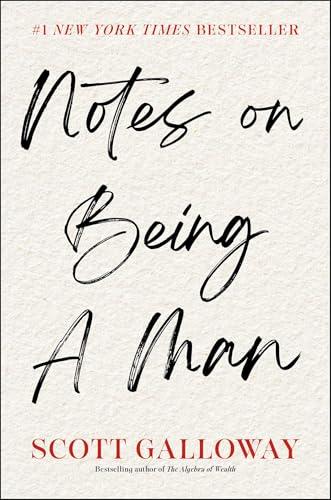
Notes on Being a Man
Scott Galloway
Mentioned 5 months ago
Scott Galloway: Time to Send a Message to the CEOs
Tim Miller and guests discuss the latest political news for the flagship podcast of the Never Trump movement and the reality-based community. Every weekday we provide insightful analysis, political hot-takes, an unabashed defense of liberal democracy and long-form interviews that cut through the "bo...
Recently mentioned
Scott Galloway
Mentioned 5 months ago
Scott Galloway: Time to Send a Message to the CEOs
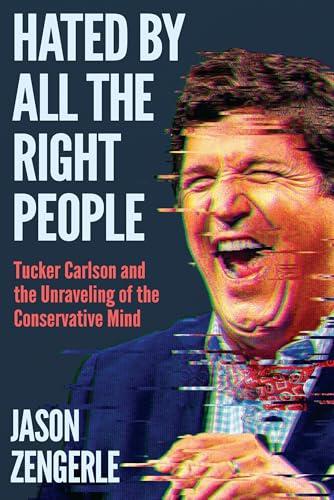
Jason Zengerle
Mentioned 5 months ago
Gov. Tim Walz and Jason Zengerle: The Assault on Minnesota
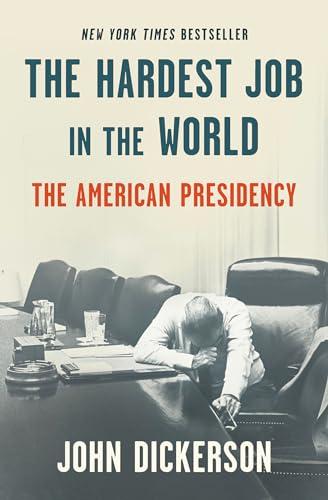
John Dickerson
Mentioned 1 year ago
John Dickerson: Hero Story
Markus Zusak
Mentioned 1 year ago
Jim Messina and Michael Weiss: Midwestern Nice
Lis Smith
Mentioned 1 year ago
Lis Smith: Go After the Weird Angle
Dr. Rufus O. Jimerson
Mentioned 1 year ago
Amanda Carpenter: Get With the Program, Already
Dana Milbank
Mentioned 1 year ago
Dana Milbank: Fools on the Hill
Michael Medved
Mentioned 1 year ago
Michael Medved: America Is No Accident
Michael Medved
Mentioned 1 year ago
Michael Medved: America Is No Accident
Michael Medved
Mentioned 1 year ago
Michael Medved: America Is No Accident
Neil King
Mentioned 1 year ago
Peter Hamby: Living the Racist Porn Message Board Life
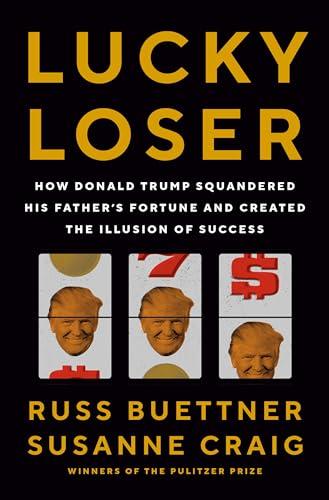
Russ Buettner
Mentioned 1 year ago
Sam Stein and Susanne Craig: Look Beyond the Polls
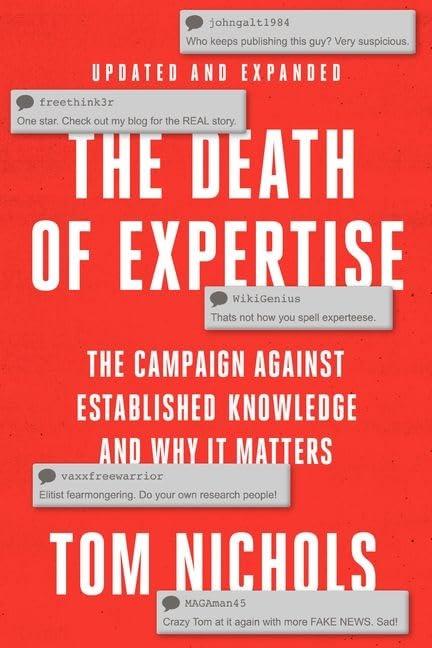
The Campaign against Established Knowledge and Why it Matters
The hosts repeatedly introduced Tom Nichols by noting his book and its upcoming updated edition, using it as a credential to frame discussions about the erosion of expertise in politics and academia. While they referenced the title’s relevance to current events, they did not explicitly endorse or critique it, treating it as a background reference.
The Death of Expertise, which now has an updated and expanded edition, was discussed as a book relevant to the conversation regarding Joe Biden's debate performance.
His books include The Death of Expertise, which now is an updated and expanded edition.
And the other one is just, I feel like we've earned this. Like, despite the madness around us and the badness, there is something happening today that we can enjoy. Steve Bannon is going to jail.
One of them is just right in your wheelhouse for The Death of Expertise.
The book was updated and expanded, and book plates were available for purchase. Tom Nichols was described as a curmudgeonly wise man and was referred to as the author of The Death of Expertise.
He's the author of the Atlantic Daily Newsletter. His books include The Death of Expertise, which now is an updated and expanded edition. And you can get book plates. The book plates are available.
And you can get book plates. The book plates are available.
The Death of Expertise has an updated and expanded edition coming out in April. The book was mentioned in the context of the host introducing Tom Nichols.
His books include The Death of Expertise, which has an updated and expanded edition. Lots of fodder for that coming in April.
The Death of Expertise
The Death of Expertise was mentioned as a book written by Tom Nichols and it has an updated edition.
His books include The Death of Expertise, which has an updated edition.
The speaker mentioned referencing this book in the new edition to discuss Tessier Levine at Stanford and the inability to lead after academic misconduct. The speaker also noted they wrote about the book previously, discussing the collapse of standards in education.
And I wrote about this look out book plug coming in the new edition of The Death of Expertise.
I talked about this in The Death of Expertise that students graduate from college saying, well, I had an A minus average at a university.
The book was mentioned as one of Tom Nichols' works, and an update for it was anticipated to be released that winter.
and author of The Atlantic Daily Newsletter. And his books include The Death of Expertise, which I am told has an update coming this winter.
This book was mentioned in the context of Tom Nichols' background as an author whose work informs his analysis on current events, suggesting it discusses the decline of trust in expertise.
Tom Nichols, staff writer at The Atlantic and professor emeritus at the Naval War College and his books include, as you know, The Death of Expertise and our own worst enemy.
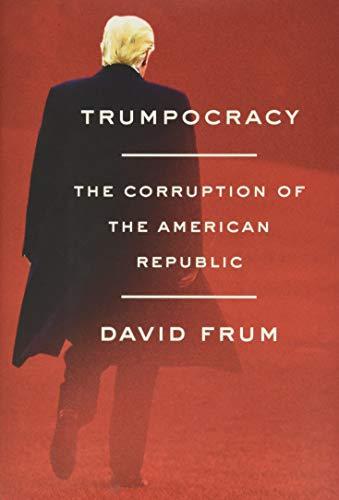
The Corruption of the American Republic
The book was repeatedly cited as one of David Frum's most recent titles during several episodes, often mentioned alongside his other recent work, Trumpocalypse. Hosts such as Tim Miller and Charlie Sykes referenced it when introducing Frum or discussing his commentary on Trump, but no detailed analysis of its content was provided. The mentions served mainly to highlight Frum's latest publications rather than evaluate the book itself.
David Frum has written ten books, most recently *Trumpocalypse* and *Trumpocracy*, and he had a conversation with Tim Miller about his commentary on Trump.
It's David Frum. Author of 10 books, most recently Trumpocalypse and Trumpocracy.
This book was listed among David Frum's recent writings when he joined the podcast discussion.
author of 10 books, most recently Trumpocalypse and Trumpocracy.
This was mentioned as one of David Frum's most recent books.
David Frum, a staff writer at The Atlantic, the author of 10 books most recently, Trumpocalypse and Trumpocracy.
David Frum is a staff writer at The Atlantic author of 10 books. Most recently, Trumpocalypse and Trumpocracy.
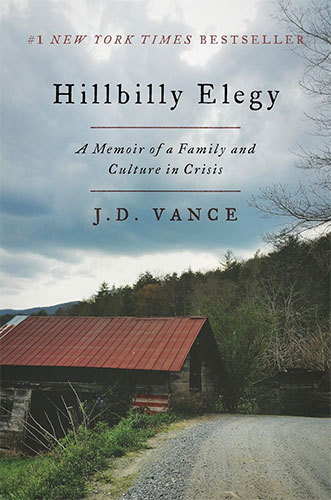
The book was repeatedly cited as a reference point for criticizing J.D. Vance’s shift from discussing cultural responsibility in Appalachia to embracing Trump-aligned rhetoric. Hosts highlighted how the memoir, once used to portray the struggles of the white working class, was now mocked as a thinly veiled political tool and described Vance as insincere and unappealing. Overall, the discussion framed the title as evidence of Vance’s contradictory and questionable evolution.
It was mentioned that J.D. Vance wrote a book that was read by white liberals in New York about poor white folks, but not necessarily by the people it was about. It was suggested that Vance's book was a reason he was chosen as the vice presidential candidate because it could help them in Rust Belt states.
J.D. Vance performed way worse than Mike DeWine in Ohio in the midterms. It was more of a Trump and Trump.
So maybe they've convinced themselves of that. I think more likely it is a pick of we feel comfortable with this person. I think that they feel that J.D. has shown enough loyalty despite all this horrible rhetoric about Trump in 2016 because he's gone there on all of Trump's worst things.
J.D. Vance went whole hog on vaccine conspiracies, whole hog on January 6th, overturning the election. Thanks, Mike Pence didn't have the courage. Whole hog on the Ukraine. It's Joe Biden's fault that Vladimir Putin invaded Ukraine. Right. So on all of these things.
J.D. Vance has said far more inflammatory things about Donald Trump than I ever have and ever will. The comparison to Hitler, I wouldn't say that. I actually find that offensive. That is going too far.
It was a range. Not a great, not a very positive range. But you know, I think my big takeaway and you may appreciate this because we talked through your book and I think you've kind of been a friend and a sounding board in my evolution is I was a firebrand earlier and early in my career.
It was mentioned that Vance mused that Trump might be America's Hitler, but is now his biggest fan. It was said that he is a slick, unappealing person.
JD Vance, who thought, who mused that Trump might be America's Hitler, right? And is now his biggest fan.
And I think the JD Vance that America met at the RNC is a bit lighter than the dark JD Vance that you're going to see a lot more of now that the RNC performance is over.
I don't know what it was. I didn't read it. I didn't really look at the inter... I just, I watched like a couple clips of them. And I was like, this guy's a douchebag.
I just made a snap judgment. I think this person is a douchebag.
He's real douchey.
The book is about J.D. Vance's life experiences and views on the world and was used as a source to mock him during this podcast.
JD Vance, the way he demeans and mocks childless cat ladies can probably take a little mocking on his own.
The book was about the cultural rot in Appalachia and how people needed to take responsibility for their lives, a message that Vance has now flipped on, blaming Joe Biden and the elites for the problems in Appalachia.
And like the fucking theme of the book is that there is some cultural rot in Appalachia and people need to take responsibility for their lives. These are good people, but like they should take some ownership of their lives and you know, you can achieve.
Like his message last night was that Joe Biden and the elites are the reason why Appalachia is bad. And they're the victims. And J.D. Vance will help them. Big Daddy J.D. will help them.
Like so his whole shtick has flipped. It's all totally phony.
This book was mentioned in the context of J.D. Vance's prior status as an intellectual on the right before he transformed his views to align with Trumpism.
He was once considered kind of an intellectual on the right, you know, wrote the book, you know, Hillbilly Elegy was published in The New York Times.
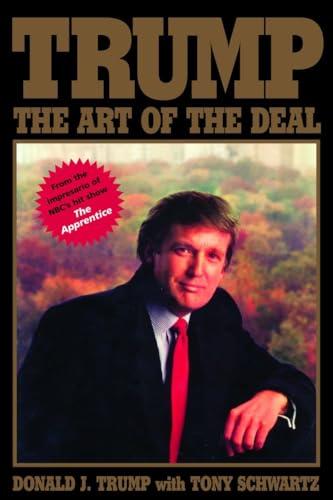
The Art of the Deal
The podcast repeatedly cited the 1987 title as a way to illustrate Trump's deal‑making style, with George Conway saying it helped him write an extensive Atlantic piece, while Charlie Sykes used it to argue that Trump's success was rooted in fraud. Maggie Haberman and others also invoked its themes to suggest Trump behaved like a confidence man. Overall the hosts treated the work as a critical lens rather than a recommendation.
The podcast referenced The Art of the Deal, which is a 1987 book that details the business strategies and experiences of Donald Trump. George Conway states that while reading about this personality type, he wrote an 11,000 word article for The Atlantic about Donald Trump's personality traits.
I got so into reading about this once I understood it and realized, okay, now I understand Donald Trump, that I wrote an 11,000 word article. It was originally like 17,000 words for The Atlantic.
Donald Trump was suggested to have the skills to negotiate an end to the Civil War using the approach from this book, implying he would have negotiated with Jefferson Davis.
If Donald Trump had been president, he would have sat down with Jefferson Davis and it would have been the art of the deal.
It was suggested that the core of Donald Trump's success, or the 'throne of fraud,' was always based on the swindle described in this book.
the art of the deal was always based on this swindle. It was always based on this fraud.
The book's title, Confidence Man, was edgy, and the speaker noted that 'Confidence Man' could be read two ways: one where he exudes confidence, and another referencing the textbook definition of a confidence man who uses persuasive abilities to take things from other people, referencing Trump University and other scams.
And then the title of your book is Confidence Man. Talk to me about that because basically you're saying this is a con man.
Confidence Man can be read two ways, you know, and I think and I think is. And one is that he is indeed somebody who exudes confidence. There's no question about that, you know, and that's what he tries to affix to everything he does.
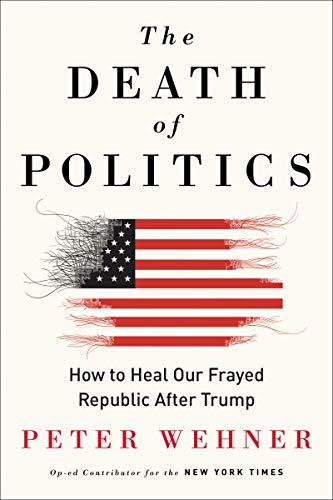
How to Heal Our Frayed Republic After Trump
The book was repeatedly referenced during episodes featuring Peter Wehner, where hosts noted it among his published works and implied it addressed the current political decay. No detailed analysis or endorsement was given, and the mentions served mainly to identify the guest’s bibliography.
The Death of Politics was written by Peter Wehner. It was mentioned as a book that Wehner had written, but no details were given about the book itself.
His books include The Death of Politics, How to Heal Our Freed Republic After Trump.
This book was mentioned as one of Peter Wehner's published works. The discussion suggested its themes relate to current political decay.
The New York Times whose books include The Death of Politics, How to Heal Our Frayed Republic After Trump.
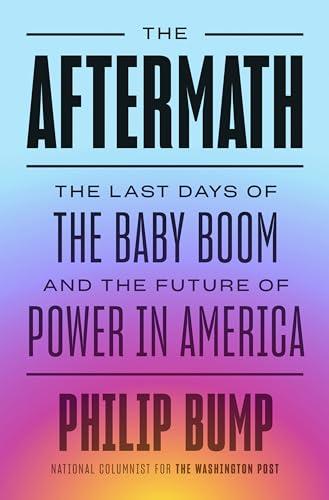
The Last Days of the Baby Boom and the Future of Power in America
The book was highlighted across several episodes as Philip Bump's recent, highly anticipated work that examines the generational shift as the Baby Boom era ends and how that will reshape power, wealth, and politics in America. Charlie Sykes and Sonny Bunch both referenced it as a sweeping assessment that challenges common misunderstandings about the Baby Boom generation’s scale and influence. The discussion conveyed strong enthusiasm for its insights and relevance to current political dynamics.
This book was mentioned as Philip Bump's recent work, which focuses on the last days of the Baby Boom generation and the future of power in America.
Also the author of the recent book, The Aftermath, The Last Days of the Baby Boom and the Future of Power in America.
The book, which was described as new-ish, was highly anticipated around The Bulwark offices. It was mentioned in the context of the shifting demographics of the Republican party and its stance on entitlements like Social Security and Medicare.
He also writes the weekly newsletter, How to Read This Chart, and is the author of the new-ish book, The Aftermath, The Last Days of the Baby Boom, and The Future of Power in America.
Great, exciting book around the Bulwark offices, as some folks know.
And again, the name of your book, which you can get on Amazon, The Aftermath, Last Days of the Baby Boom and the Future of Power in America.
The book, mentioned in relation to his appearance, looked at the generational shift in American politics and the increasing presence of older, more conservative arrivals in Arizona. He also wrote this book which discusses the last days of the baby boom and the future of power in America.
And I think the last time I was on this podcast, I was talking about my book, which looks at the shift, the generational shift in American politics.
The Aftermath, the last days of the baby boom in the future of power in America.
He's also the author of the book, The Aftermath, The Last Days of the Baby Boom and the Future of Power in America.
The book offered a sweeping assessment of how the Baby Boom generation created modern America and detailed where power, wealth, and politics would shift as the boom concluded. The discussion highlighted that a key point of the book was that the Baby Boom generation is broadly misunderstood, with its scale leading to negative perceptions among other Americans.
The book is The Aftermath of last days of the Baby Boom and the future of power in America.
The book is The Aftermath. The Aftermath is a sweeping assessment of how the Baby Boom created modern America and where power, wealth and politics will shift as the boom ends.
I think that one of the points of the book is that the Baby Boom generation broadly is misunderstood. And its scale alone leads to sort of negative perceptions among rest Americans.
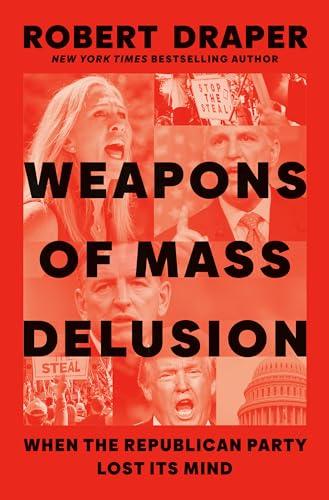
When the Republican Party Lost Its Mind
The book was brought up several times as a recent, well‑received account of the Republican Party’s shift after January 6, with hosts noting its deep dive into figures like Marjorie Taylor Greene and the broader disinformation campaign surrounding Donald Trump. Adam Kinzinger, Karen Tumulty and Charlie Sykes all praised it as a compelling, urgent read that captures an 18‑month pivot toward MAGA‑centric politics. The consensus was that it was a very good, highly engaging work.
Adam Kinzinger mentioned just finishing this recent book by Robert Draper, noting it was very good and involved a deep dive into Marjorie Taylor Greene. He expressed mild regret over having to learn that much about her influence.
I just actually finished Robert Draper's recent book I'm trying to think of the exact title but it's really good book actually it's called the Weapons of Mass Delusion
The host mentioned he was in the middle of reading Robert Draper's book, which discussed the disinformation campaign and the role of figures like Donald Trump.
I talked with Robert Draper about his book yesterday that you know the Weapons of Mass Delusion and all of that and and the and the role that people like Donald Trump play but but that I think that this sort of bottom up lack of of belief that the system actually works or that anyone in the system actually should be held to any sort of moral standard that strikes me as a much more fundamental problem here
I am in the middle of reading Draper's book it is very very good and it's not just Trump I mean there are so many Trump wannabes who are coming into the system who are playing on that exact same expectation of voter tolerance
The book focused on the pivot point in the Republican Party since January 6th, 2021, capturing an 18-month period of the party doubling down on embracing MAGA-centricity. The author started reporting for the book on the morning of January 6th, 2021, inside the Capitol, which drastically changed the book's intended direction.
I love this blurb from his new book, Weapons of Mass Delusion, When the Republican Party Lost Its Mind.
So the Weapons of Mass Delusion, there have been so many books written about the various history of the Republican Party losing its mind.
And see this book, Weapons of Mass Delusion, covers the 18 months since January 6th, what you called the pivot point between this is not normal to this is dangerous and it's not going away.
The book is Weapons of Mass Delusion when the Republican party lost its mind it is an incredible riveting urgent immediate read.
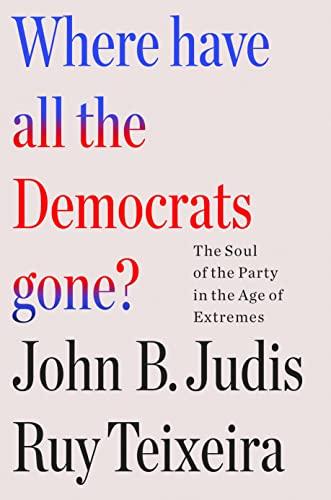
The Soul of the Party in the Age of Extremes
Charlie Sykes highlighted the book during several episodes, noting that Ruy Teixeira co‑authored it to examine why the Democratic Party was losing its white working‑class base and to question earlier assumptions about a Democratic majority. The discussion framed the title as a forthcoming analysis of the party’s cultural and economic shifts and the need for a strategic reset. The hosts treated it as a relevant but not strongly endorsed contribution to the conversation about the party’s future.
This new book by Rui Teixeira, co-authored with John Judas, analyzed why Democrats were losing working-class voters by examining economic policy failures and cultural radicalism within the party. The book was considered conventional wisdom after the 2016 election, forcing the authors to rethink their earlier thesis about an emerging Democratic majority.
also the author of the new book, Where Have All the Democrats Gone? For those of you who are watching us on YouTube, here is the cover. Where Have All the Democrats Gone? The soul of the party in the age of extremes where you are continuing to try to have Democrats. Look in the mirror.
We were dead wrong about the Democrats' ability to hold onto the white working class.
And so you write, we were dead wrong about the Democrats' ability to hold onto the white working class. What did you get wrong, do you think, Ruli?
The book is Where Have All the Democrats Gone? The Soul of the Party in the Age of Extremes by Rui Teixeira and John Judas.
This book is forthcoming and was mentioned as a recent work by Ruy Teixeira. The context suggested it relates to the erosion of support for the Democratic party among working-class voters.
Rui is senior fellow at the American Enterprise Institute and you can read his work on the liberal patriot on Substack. He's also coauthor of the forthcoming book, Where Have All the Democrats Gone?
This book is forthcoming, and the speakers discussed the need for Democrats to recover their connection with working-class voters to secure the political future.
He's also co-author of the forthcoming book, Where Have All the Democrats Gone?
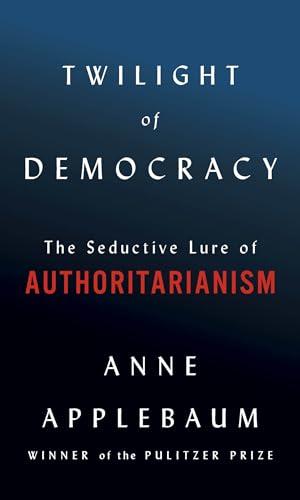
The Seductive Lure of Authoritarianism
The hosts referenced the title as Anne Applebaum's most recent work, noting that it examines the seductive allure of authoritarianism. They highlighted it in discussions about current political dynamics and its relevance to the topics they were covering. The book was presented as a noteworthy addition to her body of work without explicit endorsement.
This book covers the seductive lore of authoritarianism.
Her books include Red Famine, Stalin's war on Ukraine, the Pulitzer Prize winning Gulag, a history and most recently Twilight of Democracy, the seductive lore of authoritarianism, all very uplifting pieces of writing.
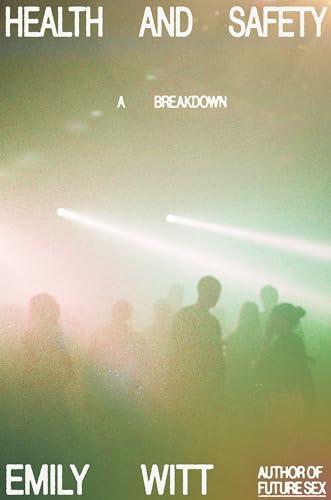
A Breakdown
The title was highlighted across three episodes as a noteworthy new memoir, with Ezra Klein praising it as an astonishing account of raving and drug culture and recommending it as escapist reading. Tim Miller also noted its relevance, acknowledging its compelling first part about drugs but warning that later sections address political events like George Floyd and COVID, making it less of a pure escape. Overall, the hosts presented the book as a strong recommendation despite its mixed thematic focus.
It was mentioned as a book recommendation from Ezra Klein, who had pre-read it before its publication.
Ezra Klein at the end of that podcast on Wednesday gave a book rec. He said the name of the book rec wrong so now everybody's questioning Ezra's mental acuity. The actual book is called Health and Safety, a Breakdown by Emily Witt but here's the bad news. It's not published until September 17th and Ezra is just showing off his coastal elite access to the publishers that he pre-read a book before it's even out in the public.
I guess I'll give you one. I really liked Homegoing recently I read by, I'm going to butcher her name probably, Yaa Gyasi I believe is how you pronounce her name. So you can read that one this weekend. On September 17th you can read Health and Safety, a Breakdown as recommended by Ezra Klein.
It was described as an astonishing memoir about raving and drug culture, with a darker turn that the speaker did not want to spoil. It was recommended as an escape read.
Health and Wellness by Emily Witt.
It is the most astonishing memoir about raving and drug culture. Like I did not know anybody could write about this this way ever.
Now there's a darker turn it takes at some point. I'm not going to ruin it for me. This is my escapism.
Health and Wellness a Breakdown I think it's called by Emily Witt. Wonderful.
It was recommended as an escape from the political world, but the first part talks about doing drugs, the second part is about George Floyd, COVID, and a relationship breaking down during the Trump era.
He recommended *Health and Safety* by Emily Witt, which is not out yet, it's out in September, you can pre-order.
The book was great, Emily Witt writes for the *New Yorker*, she's awesome, but I gotta tell you, it's not an escape.
The first third of the book's about doing drugs, that was a nice escape. The second part of it is about, like, George Floyd and COVID and a relationship breaking down during the Trump era.
I'm going, Ezra, I needed a real escape. I need, I need something, you know, I need like a book about a coming-of-age story in the 1700s, you know, I need like a young Mozart, like give me, give me something totally different, totally away.
Health and Safety I still recommend, but not if you're looking for an escape from politics.
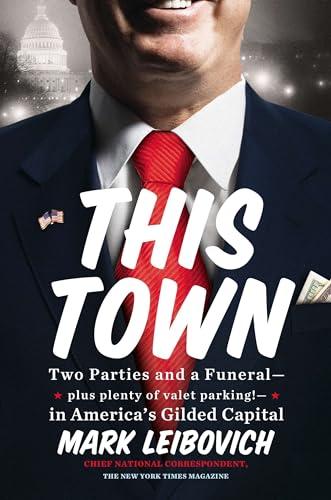
Two Parties and a Funeral--Plus Plenty of Valet Parking!--in America's Gilded Capital
The hosts highlighted the book when Mark Leibovich appeared on the show, noting it as the only political title they had enjoyed in a century. They praised its insight into Washington and referenced Leibovich’s method of organizing the narrative, which the host found particularly helpful. The discussion framed the title as a standout work among the author’s five books and underscored its relevance to the podcast’s political focus.
This book was mentioned as the only political book the podcast host had read in the last 100 years and liked. The host also mentioned that Mark Leibovich created a diagram of how to organize a book for him while they were at an Indian restaurant together.
And the only political book I've read that I've liked in the last hundred years is This Town by Mark Leibovich.
And he's like, well, there you go. So you have one model to work for.
And then he gave me five other books that I should read. So now I have to read political books all the time.
It's the burden of this job. And even with that model I had for you, I still struggled until we sat at an Indian restaurant together. I forget the name of it. You'll know because you wrote This Town and you did a diagram on the table for me of how you organize a book.
You can organize it however the fuck you want, and the readers will go along with you because you are the god of the book.
It was mentioned as one of the five books authored by Mark Leibovich. The podcast host expressed excitement to have Leibovich on the show.
He's the author of five books, including This Town.
This book was mentioned as one of Mark Leibovich's other works, specifically noting he was the former chief national correspondent for The New York Times magazine when he wrote it.
and his other books include The Classic, This Town.
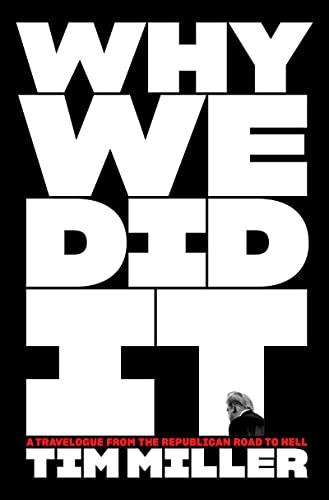
A Travelogue from the Republican Road to Hell
The book was brought up in three episodes as a candid account of the author’s involvement with the alt‑right and the internal contradictions of Republican operatives. Mark Leibovich highlighted it as an excellent read he owned and promoted, while Tim Miller referenced it to explain why campaign staffers privately disagreed with Trump yet pursued his agenda. The discussion emphasized the book’s insight into behind‑the‑scenes political maneuvering and was presented as a strongly recommended resource.
The podcast host mentioned this book as a reason he loves the Bulwark. He also mentioned that he has the book. It is described as an excellent book.
I'm a huge, huge evangelist for not only Tim, but also for your book, Why We Did It. Why We Did It. I have it right here.
Tim Miller's book, "Why We Did It", was briefly mentioned and discussed in the context of his past experiences and regrets, particularly regarding his involvement with Charles C. Johnson.
I know Charles C. Johnson very well.
Back in the day, back when I was an oppo man, we used to kind of trade tips, trade material.
He was deep, deep in the alt-right, maybe before alt-right was even a popularized term in Bannon world.
At the time I was kind of a moderate Republican working for more moderate candidates.
And so occasionally we would have common foes in Republican intraparty fights or sometimes Democrats. And so Charles and I had a relationship for a while where we would trade info and give him stuff for his crazy fucking blog.
This book was mentioned as being relevant to understanding why political consultants who privately disagree with Donald Trump sometimes follow strategies that seem to support him.
There's a really good book about this called Why We Did It. It's about how basically all these assholes that work on all these campaigns all agree with us on everything in private, basically.
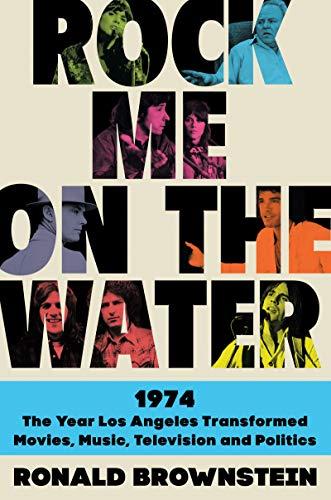
1974-The Year Los Angeles Transformed Movies, Music, Television, and Politics
The author discussed the book as a deep dive into 1974, when Los Angeles reshaped its music, movies, television, and politics, highlighting the release of Chinatown as a pivotal moment and drawing parallels to modern political figures. It was highlighted in two episodes by the author and the host, and a purchase link was shared in a third episode, indicating strong endorsement.
Ron Brownstein, a senior editor for the Atlantic, talked about his book 'Rock Me on the Water', which details the year 1974 in Los Angeles, when the city transformed its music, movies, television, and politics.
Ron Brownstein senior editor of the Atlantic senior political analyst for CNN his most recent book Rock Me on the Water
You know in my mind when I think about you know Rock Me on the Water and like having groupies
Ron Brownstein spoke about his book "Rock Me on the Water," a look at 1974 and the year Los Angeles transformed music, movies, television and politics. He mentioned that the book touched on the release of the film "Chinatown" and referenced it being a pivotal moment in the book.
Most recent book, Rock Me on the Water, 1974, the year Los Angeles transformed music, movies, television and politics.
My most recent book, "Rock Me on the Water."
And who would have thought that 50 years later America would turn its lonely eyes to essentially Noah Cross, which was the bad guy played by John Houston and who had many things in common with Donald Trump as their savior?
A link to purchase the book on the HarperCollins website was provided in the show notes.
https://www.harpercollins.com/products/rock-me-on-the-water-ronald-brownstein?variant=39387579023394
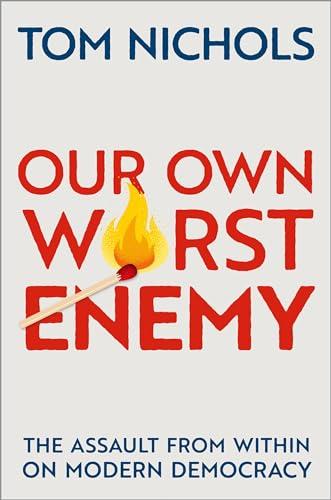
The Assault from within on Modern Democracy
The hosts referenced the title while outlining Tom Nichols' body of work, noting that it examined how a long stretch of peace and prosperity can make people perceive conditions as worse than they are. Tom Nichols himself highlighted this theme in the discussion, and Charlie Sykes mentioned it alongside his other books. The overall tone was neutral, treating the book as a notable contribution rather than a strong endorsement.
It was mentioned that Tom wrote about a long stretch of peace and prosperity in his book 'Our Own Worst Enemy.'
But in Our Own Worst Enemy, I said, you know, this has been such a long stretch of peace and prosperity and rapidly achieving living standards, that it's easy to convince people that things are terrible just by showing them stuff constantly.
This book was mentioned alongside 'The Death of Expertise' as one of Tom Nichols' works, implying it covers themes related to self-defeating behaviors in contemporary society.
Tom Nichols, staff writer at The Atlantic and professor emeritus at the Naval War College and his books include, as you know, the death of expertise and Our Own Worst Enemy.
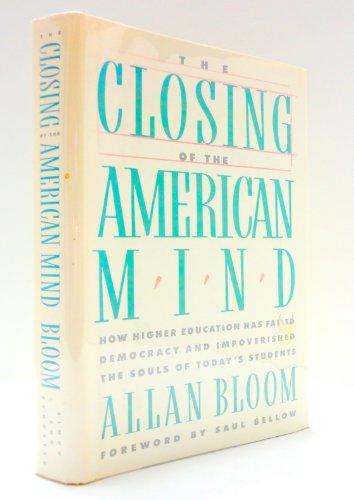
Charlie Sykes highlighted the book as a seminal conservative work that warned against moral relativism and nihilism, arguing that the denial of truth and suppression of reason threatened civilization. He noted that its critique of the new left and the loss of shared goals made it especially relevant today. The discussion framed the title as a highly influential and prescient analysis for conservatives.
The speaker referenced a book by conservatives about moral relativism to contrast past beliefs with current Republican abandonment of those standards.
if I can read The Closing of the American Mind, what conservatives thought about moral relativism, you know, and right and wrong and how that's been completely upended.
This book, published in 1987, was described as having electrified conservatives over the previous 50 years for warning about the dangers of moral relativism and nihilism.
one of the books that most electrified conservatives over the last 50 years was Ellen Bloom's, The Closing of the American Mind, which was published in 1987.
The Closing of the American Mind, warned of the dangers posed by moral relativism and nihilism of accepting everything and denying reasons power.
And Bloom argued that the denial of truth and the suppression of reason were leading to a crisis of civilization, and that that was the fault of the new left.
The haunting question raised by Alan Bloom is more relevant now than it was when he first posed it. When there are no shared goals or a vision of the public good, is the social contract any longer possible?
This book, published in 1987, was discussed as having electrified conservatives by warning against the dangers of moral relativism and nihilism, arguing that denying truth and suppressing reason led to a crisis of civilization; its themes are now considered more relevant than ever.
one of the books that most electrified conservatives over the last 50 years was Ellen Bloom's, The Closing of the American Mind, which was published in 1987.
The Closing of the American Mind, warned of the dangers posed by moral relativism and nihilism of accepting everything and denying reasons power.
Bloom argued that the denial of truth and the suppression of reason were leading to a crisis of civilization, and that that was the fault of the new left.
The haunting question raised by Alan Bloom is more relevant now than it was when he first posed it. When there are no shared goals or a vision of the public good, is the social contract any longer possible?
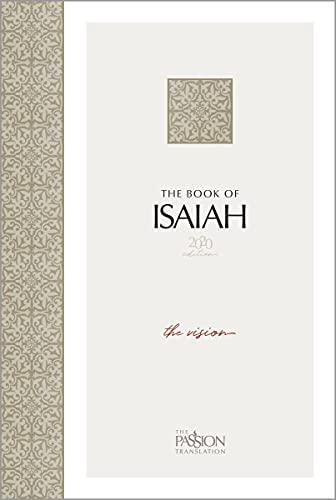
The Vision (The Passion Translation (TPT))
The speaker wrote a book about how frustrating it was that none of the Republicans would stand up to Donald Trump.
This has been the thing that is, I know I wrote a book about this, I'm supposed to know, and I'm supposed to be the one that the experts, but it's the thing that's most flummoxed me.
— Episode: The Bulwark: Live from New Orleans
The speaker wrote a book about how frustrating it was that none of the Republicans would stand up to Donald Trump.
This has been the thing that is, I know I wrote a book about this, I'm supposed to know, and I'm supposed to be the one that the experts, but it's the thing that's most flummoxed me.
The speaker mentioned a poet named Maggie Smith whose book was on the bestseller list at the time of the conversation.
I did one with Maggie Smith, who is a poet whose book is on the bestseller list right now.
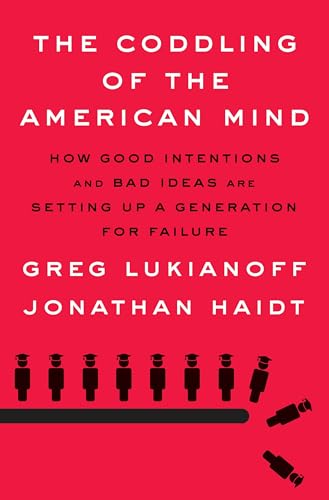
How Good Intentions and Bad Ideas Are Setting Up a Generation for Failure
This earlier book, co-authored with Jonathan Haidt, was mentioned as preceding "The Canceling of the American Mind" and focused more on social science aspects, examining how good intentions led to bad ideas concerning child-rearing and safety.
This book is a follow up to a book that you wrote with Jonathan Haidt back in 2018, The Coddling of the American Mind.
— Episode: Greg Lukianoff: The Canceling of the Ame...
This earlier book, co-authored with Jonathan Haidt, was mentioned as preceding "The Canceling of the American Mind" and focused more on social science aspects, examining how good intentions led to bad ideas concerning child-rearing and safety.
This book is a follow up to a book that you wrote with Jonathan Haidt back in 2018, The Coddling of the American Mind.
Well, in some ways it's good to read Coddling in the American Mind and Canceling of the American Mind together, or it's helpful to have read Coddling because we in that one we do more of a social science.
And buying on learning liberty and freedom of speech. So, of course, anyway, so Coddling in the American Mind spends more time on figuring out how this happened.
Well, also, when you begin talking about speech in terms of violence and harm, you know, that speech is a harm and that that if this person is allowed to be in that room saying these words, that it makes me feel unsafe. So let's just talk about what's canceled culture and when is it justifiable? Stories in the news today involving the fallout from Gaza. Your organization has jumped headfirst into this. Some of these campus conflicts. We always talk about this NYU law student, Rena Workman, who wrote in a student bulletin that Israel bore full responsibility for the attack on October 7th. I mean, this was got a lot of attention. New York Times reported that she wrote this regime, Israel, of state sanctioned violence created the conditions that made resistance necessary. I will not condemn Palestinian resistance by which people read Hamas. That same day, major law firm Winston and Strawn withdrew its offer of employment from her. Was that canceled culture? And don't they have the right to do that?
This book, written with Jonathan Haidt, was published earlier than the current discussion's focus book. It covered social science aspects and explored how parental instincts to protect children from emotional difficulty can disempower them.
And Charlie, you were actually one of the first people to point this out in your books in the late 80s and early 90s.
This book is a follow up to a book that you wrote with Jonathan Haidt back in 2018, The Coddling of the American Mind.
I'm a parent myself. I am a protective, anxious parent, and I get the instinct to protect your kids no matter what and keep them from harm or difficulty.
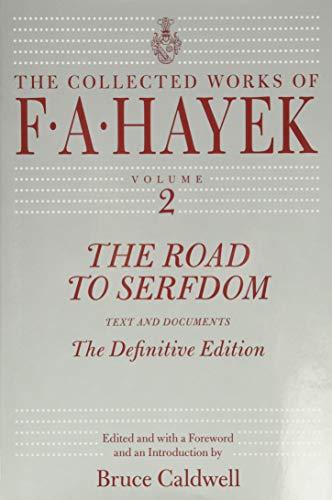
Text and Documents--The Definitive Edition (The Collected Works of F. A. Hayek, Volume 2)
The book's resurgence on Amazon charts was mentioned in the context of the early Tea Party movement, suggesting an initial interest in Austrian school economics and fiscal responsibility.
the Hayek's road to serfdom I do jumped back up the Amazon charts as all of a sudden people were learning more about you know Austrian school economics
— Episode: David French: Our Religious Freedoms Are...
The book's resurgence on Amazon charts was mentioned in the context of the early Tea Party movement, suggesting an initial interest in Austrian school economics and fiscal responsibility.
the Hayek's road to serfdom I do jumped back up the Amazon charts as all of a sudden people were learning more about you know Austrian school economics
The book saw a surge in popularity among Tea Party members early on, as they explored Austrian school economics and constitutionalism.
the Hayek's road to serfdom I do jumped back up the Amazon charts as all of a sudden people were learning more about you know Austrian school economics and pocket constitutions were handed out everywhere at Tea Party gatherings
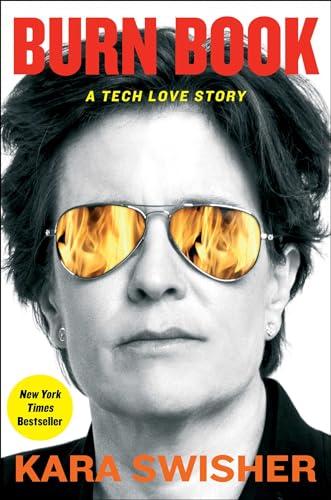
A Tech Love Story
Kara Swisher's forthcoming book was mentioned, noting that its release date had been moved up to February.
and has a forthcoming book Burn Book. A Tech Love Story. Yeah, we'll be out in March. Kara Swisher February now. John February actually right now. They moved it up. They moved up.
— Episode: Kara Swisher: Jim Jordan, Legislative Te...
Kara Swisher's forthcoming book was mentioned, noting that its release date had been moved up to February.
and has a forthcoming book Burn Book. A Tech Love Story. Yeah, we'll be out in March. Kara Swisher February now. John February actually right now. They moved it up. They moved up.
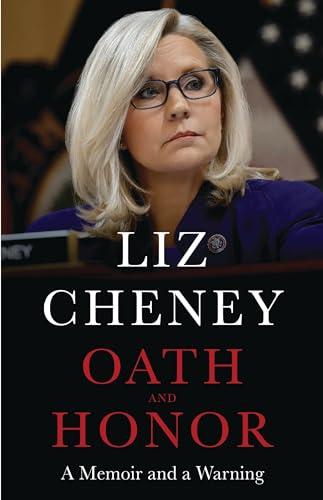
A Memoir and a Warning
Strongly recommended by AB Stoddard, it was described as amazing, gripping and quick to read, and was still on the bestseller list a few weeks after release.
Oath and Honor which is still on the bestseller list and I really urge everybody to read this book or listen to it on audio please and tell everyone you know too it is amazing and it'...
— Episode: A.B. Stoddard: Liz Cheney Groupie
Strongly recommended by AB Stoddard, it was described as amazing, gripping and quick to read, and was still on the bestseller list a few weeks after release.
Oath and Honor which is still on the bestseller list and I really urge everybody to read this book or listen to it on audio please and tell everyone you know too it is amazing and it's gripping and it goes really quickly for a few weeks after that was released Tim she didn't remember she was like I don't know if I'm going to run for president I think I was just gonna sell more books but she shut it down pretty quickly and ever since then she's made it clear like she said about bad policy we can live with bad policy we can't live with Trump destroying the constitutional order so she's been very clear about that and I think it's so so energizing not only for us but I think it's gonna break through to people in ways that you know we can't really even count yet we can't like you know quantify it I think it's amazing
This was described as a new, bestselling memoir and warning detailing the events leading up to and following January 6th, including graphic details and naming key players. The speaker noted that despite having lived through the events, the book provided new insights by naming names and reconstructing how close the country came to losing its democracy.
She is out now with a new book, a bestselling book. . . Her book is at the top of the Amazon bestsellers list. And I have to tell you, this book, Liz Cheney's Oath and Honor, a memoir and a warning.
This is the story of the moment, she writes, when American democracy began to unravel. It is the story of the men and women who fought to save it and of the enablers and collaborators whose actions ensured that the threat would grow and metastasize.
The subtitle is A Memoir and a Warning, but the story is the warning, isn't it? As you go through in detail, I have to say when I picked up the book, I was not sure that I was going to learn a lot of new things, but you name names and you put it in detail.
My regret is that I ever supported Donald Trump.
The book is Oath and Honor, a Memoir and a Warning by Liz Cheney, national bestseller again.
Note: The book recommendations on this page are discovered automatically from podcast transcripts, and may be incorrect or incomplete.
Podcast Name