True Grit
Charles Portis
Mentioned 5 months ago
Ep. 833: Game On, Suckers! MeatEater Trivia CCIII
Building on the belief that a deeper understanding of the natural world enriches all of our lives, host Steven Rinella brings an in-depth and relevant look at all outdoor topics including hunting, fishing, nature, conservation, and wild foods. Filled with humor, irreverence, and things that will sur...
Recently mentioned
Charles Portis
Mentioned 5 months ago
Ep. 833: Game On, Suckers! MeatEater Trivia CCIII
Jamie Holmes
Mentioned 5 months ago
Ep. 832: Osceola, Native American Slavery, and The Seminole Wars
Jamie Holmes
Mentioned 5 months ago
Ep. 832: Osceola, Native American Slavery, and The Seminole Wars
John U. Bacon
Mentioned 5 months ago
Ep. 826: Like Nuts on a Cat
Stanley P. Young
Mentioned 5 months ago
Ep. 826: Like Nuts on a Cat
Clifford Geertz
Mentioned 1 year ago
Ep. 607: MeatEater Radio Live! Whitetail Buck Beds, Deer Sex, and Mauled By a Black Bear
Danielle Prewett
Mentioned 1 year ago
Ep. 604: MeatEater Radio Live! An Alaska Moose Hunt, Utah Wants Your Land, and Buffalo Scapulas
Stephen E. Ambrose
Mentioned 1 year ago
Ep. 597: Game On, Suckers! MeatEater Trivia CXXIX
Steven Rinella
Mentioned 1 year ago
Ep. 594: Game On, Suckers! MeatEater Trivia CXXVIII
Steven Rinella
Mentioned 1 year ago
Ep. 598: MeatEater Radio Live! A Salmon Smokehouse, Killer Jerky, and the 6th Biggest Yukon Moose
Anne Bishop
Mentioned 1 year ago
Ep. 588: Game On, Suckers! MeatEater Trivia CXXVI
Jack Olsen
Mentioned 1 year ago
Ep. 585: Game On, Suckers! MeatEater Trivia CXXV
Simple Recipes for Hunters and Gourmets
It was mentioned that the cookbook contains creative ways to prepare wild game, and a recipe for backstrap with cauliflower puree was specifically recommended for Thanksgiving.
You have our wild game cookbook?
— Episode: Ep. 198: Hunting with the Home Run King
It was mentioned that the cookbook contains creative ways to prepare wild game, and a recipe for backstrap with cauliflower puree was specifically recommended for Thanksgiving.
You have our wild game cookbook?
Yeah, I mean. Very, very Thanksgiving-y. Perfect.
I think you should make that because it's a very, it's like you're going to have your wife's family over?
And that's a way to kind of, I'm not saying like, kind of put like an elegant twist on something from the field. And that's why I wanted to get the book.
The Real-Life Adventures of David Crockett
It was described as a biography that explored the mythos of Davy Crockett, including his controversial life and legacy. The podcast host discussed details from the book, including Crockett's childhood, political career, and death at the Alamo.
In today's dollars, three billion in 19, I think it was like in 1955 and today's dollars would have been $3 billion. Like his name.
— Episode: Ep. 197: Eating Folks in the Arctic
It was described as a biography that explored the mythos of Davy Crockett, including his controversial life and legacy. The podcast host discussed details from the book, including Crockett's childhood, political career, and death at the Alamo.
In today's dollars, three billion in 19, I think it was like in 1955 and today's dollars would have been $3 billion. Like his name.
You know how in the end of your Crockett book, you step back and look at the mythos of Crockett.
Salt the cow to catch the calf.
Crockett was the first American to be famous for being famous.
You gotta root hog or die.
The Incredible Science of Toxins, Venom, Fangs, and Stingers (National Geographic Kids)
The podcast mentioned a book by entomologist Justin Schmidt about insect toxins. It was referenced in the context of how young scientists make great discoveries because they are less concerned with established opinions.
he has a early in his book, he has a thing he's pointing out like this is no offense to you because the reason all the great discoveries are made by young scientists is because they don't give a shit...
— Episode: Ep. 196: A Sea of Bones
The podcast mentioned a book by entomologist Justin Schmidt about insect toxins. It was referenced in the context of how young scientists make great discoveries because they are less concerned with established opinions.
he has a early in his book, he has a thing he's pointing out like this is no offense to you because the reason all the great discoveries are made by young scientists is because they don't give a shit about what everybody thinks. And then you come up with something and then most of them then spend the rest of their life trying to defend their initial idea and encircle their initial idea because they're really reluctant to be that they were wrong.
A Story of Modern War
The book was mentioned in relation to a discussion about flip-flops; specifically, the author describes tensions within military ranks in Somalia, with one point of contention being the wearing of flip-flops while on guard duty.
You remember that book Blackhawk Down? You might be able to give some perspective on this.
— Episode: Ep. 189: Boxing With the Last Grizzly
The book was mentioned in relation to a discussion about flip-flops; specifically, the author describes tensions within military ranks in Somalia, with one point of contention being the wearing of flip-flops while on guard duty.
You remember that book Blackhawk Down? You might be able to give some perspective on this.
I read the book Blackhawk Down and in it, the author Mark Bowden talks about some developing tensions within the ranks of people in Somalia. And one point of contention was that certain guys on this base were allowed to wear flip-flops while on guard duty.
This book explores global security and includes a chapter on the topic of killing, according to the author.
And then the second book is called Worth Dying For, which talks about security throughout the world, talk about my experiences on the battlefield. I have a whole chapter on killing, w...
— Episode: Ep. 189: Boxing With the Last Grizzly
This book explores global security and includes a chapter on the topic of killing, according to the author.
And then the second book is called Worth Dying For, which talks about security throughout the world, talk about my experiences on the battlefield. I have a whole chapter on killing, which is one of my favorite chapters.
A Practical Guide, Second Edition
This documentary film explores the complex issue of elk feeding grounds in Wyoming, discussing the historical context, ecological consequences, and political challenges associated with this practice.
It's called Feeding the Problem.
— Episode: Ep. 189: Boxing With the Last Grizzly
This documentary film explores the complex issue of elk feeding grounds in Wyoming, discussing the historical context, ecological consequences, and political challenges associated with this practice.
It's called Feeding the Problem.
That's a very leading title, man.
Restoring Life to a Black Hills Ranch
The book was mentioned in relation to the guest's bison ranch and the natural harvesting and butchering process of the animals.
He wrote Buffalo for the Broken Heart.
— Episode: Ep. 188: Yvon Chouinard on Belonging to...
The book was mentioned in relation to the guest's bison ranch and the natural harvesting and butchering process of the animals.
He wrote Buffalo for the Broken Heart.
![By Luke Jennings Blood Knots: A Memoir of Fathers, Friendship, and Fishing (1st First Edition) [Hardcover] Cover](https://media.podcastbookpicks.com/books/28299.jpg)
A Memoir of Fathers, Friendship, and Fishing (1st First Edition) [Hardcover]
This book from 1974 was discussed as the origin point of a paradigm shift in deer management, moving away from simply protecting and recovering deer populations to managing for deer health and habitat health.
There was a book, um, named producing quality whitetails. That's the title of the book.
— Episode: Ep. 184: Managing Bambi
This book from 1974 was discussed as the origin point of a paradigm shift in deer management, moving away from simply protecting and recovering deer populations to managing for deer health and habitat health.
There was a book, um, named producing quality whitetails. That's the title of the book.
One Scientist's Journey of Adventure and Discovery
This book, written by Doug Emlen, was described as a narrative nonfiction aimed at teenagers aged 10-14. It tells the story of his journey and research into beetle battles.
And it's aimed at teenagers, sort of 10 to 12, 12 to 14 year old kids. It's narrative nonfiction. It's called Beetle Battles, One Scientist's Journey of Adventure and Discovery. And i...
— Episode: Ep. 180: Teeth, Horns, and Claws
This book, written by Doug Emlen, was described as a narrative nonfiction aimed at teenagers aged 10-14. It tells the story of his journey and research into beetle battles.
And it's aimed at teenagers, sort of 10 to 12, 12 to 14 year old kids. It's narrative nonfiction. It's called Beetle Battles, One Scientist's Journey of Adventure and Discovery. And it comes out in December.
How Special Operations Game Wardens Are Reclaiming America's Wildlands From The Drug Cartels
It focuses on the hidden war against illegal pot growers on public lands, detailing the dangers faced by game wardens and the environmental damage caused by cartel-backed operations. The author discussed the use of toxic pesticides and booby traps by the growers.
Reading that book, man, I was reading the book over the weekend. People are going to figure out what the book is about because we're going to talk about a bunch, but it's about like the Hidden...
— Episode: Ep. 179: The Weed Warden
It focuses on the hidden war against illegal pot growers on public lands, detailing the dangers faced by game wardens and the environmental damage caused by cartel-backed operations. The author discussed the use of toxic pesticides and booby traps by the growers.
Reading that book, man, I was reading the book over the weekend. People are going to figure out what the book is about because we're going to talk about a bunch, but it's about like the Hidden War is the war against illegal pot growers on public lands.
Even otherwise, just around. Reading it, I had like a hundred questions come up and I want to get into some background on you and stuff, but the main question I think that needs to be dispatched right away is like you're retired now. Game warden, Lieutenant. Right.
But you're a game warden. Right. You came out of like busting people for not having their fishing license, having too many trout on the old stringer. How in the world did it become your guys' responsibility to like take on like cartel backed illegal growers?
And you know, like all of us at the table here in the studio, I grew up loving to hunt fish. The outdoors were kind of the spiritual cornerstone of where I was at.
And as we get further into it and Hidmore really goes into what we learned later on since my first book, War in the Woods of how easy it is for them to get here, how, you know, involved business wise, the infrastructure of the cartel organizations are and how many are really spread out through not only California, the epicenter of the weed part of what they do, but the methamphetamine production nationally, human trafficking, you know, the synthetic heroin fentanyl that's poisoning a lot of people and killing them.
Combating the Marijuana Cartels on America's Public Lands
The book tells the story of George McJunkin, who discovered the Folsom site, and details the process of understanding the site and its significance. It highlights how the initial focus was on large bones, and later discoveries revealed valuable insights about the environment and daily life of the people.
In your book, you tell the story of George McJunkin.
— Episode: Ep. 178: Hunting Mammoths
The book tells the story of George McJunkin, who discovered the Folsom site, and details the process of understanding the site and its significance. It highlights how the initial focus was on large bones, and later discoveries revealed valuable insights about the environment and daily life of the people.
In your book, you tell the story of George McJunkin.
One of the things you get at in your book Folsom is you talk about the Folsom type site and what the people who first dug it were looking for.
This book was mentioned among other books that the speaker recommends to their children to help them understand the different perspectives on hunting in children's literature.
That's why you got to read your kids light in the forest, hatchet My Side of the Mountain.
— Episode: Ep. 175: If Cabbages Had Legs I’d Hunt T...
This book was mentioned among other books that the speaker recommends to their children to help them understand the different perspectives on hunting in children's literature.
That's why you got to read your kids light in the forest, hatchet My Side of the Mountain.
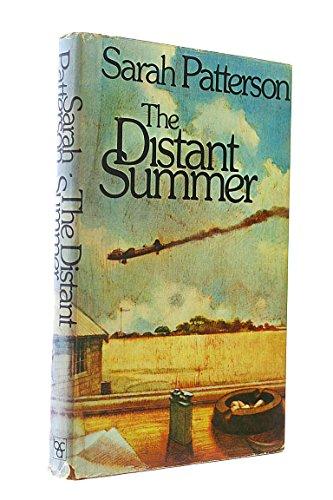
It is a travelogue detailing the author's experiences in Northern Canada during the 1930s, and it was mentioned that the book details how the Chippewan Indians would nickname white people based on their appearance.
He was reading a book, Distant Summers, which is there's this, there's this explorer, PJ down, PG downs. And he has a travel log about being in Northern Canada in the 1930s doing rive...
— Episode: Ep. 169: Gut You Like A Fish
It is a travelogue detailing the author's experiences in Northern Canada during the 1930s, and it was mentioned that the book details how the Chippewan Indians would nickname white people based on their appearance.
He was reading a book, Distant Summers, which is there's this, there's this explorer, PJ down, PG downs. And he has a travel log about being in Northern Canada in the 1930s doing river trips. And he talks about the Chippewan Indians would make up names for white people based on visual attributes.
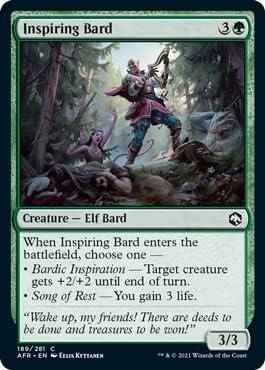
The speaker expressed their intention to write a book-length essay about the acceptability of disliking Shakespeare after retiring from their current job.
I want to write a book called in defense of not loving the bard and it'll be like like a Book-length essay about how it's okay to dislike Shakespeare
— Episode: Ep. 164: It Shall Be Delicious
The speaker expressed their intention to write a book-length essay about the acceptability of disliking Shakespeare after retiring from their current job.
I want to write a book called in defense of not loving the bard and it'll be like like a Book-length essay about how it's okay to dislike Shakespeare
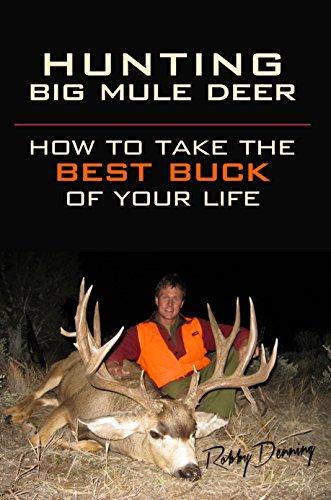
How to Take the Best Buck of Your Life
The podcast mentioned Geist's book on mule deer, particularly his theory about their evolution as a recent hybridization event between white-tailed and black-tailed deer, approximately 10,000 years ago. His ideas, though sometimes considered unconventional, sparked discussion and further research on the topic.
I remember someone saying that he will kind of like light a fuse and then leave the room by tossing something in.
— Episode: Ep. 162: Landscape of Fear
The podcast mentioned Geist's book on mule deer, particularly his theory about their evolution as a recent hybridization event between white-tailed and black-tailed deer, approximately 10,000 years ago. His ideas, though sometimes considered unconventional, sparked discussion and further research on the topic.
I remember someone saying that he will kind of like light a fuse and then leave the room by tossing something in.
Yeah, I've read Val Geist's book and there was a...he talks about basically it mule deer were crossed between black tail and white tail deer.
So under Geist theory they're basically been around 10,000 years.
And when I read that I instantly thought well I was skeptical. Also as within anything with science there's usually some counterpoints and I got digging around and there's other theories of maybe glaciers separated deer and then they evolved into those different species that we know today.
So it's a Pleistocene-Holocene transition.
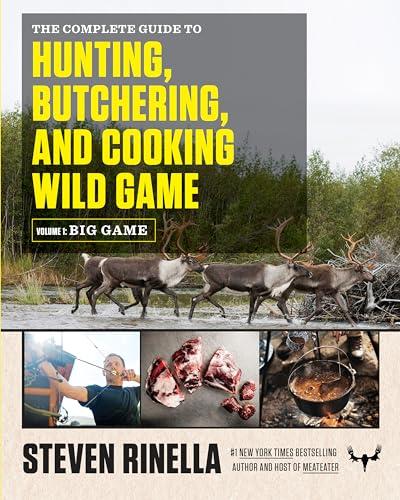
Volume 1
Note: The book recommendations on this page are discovered automatically from podcast transcripts, and may be incorrect or incomplete.
Podcast Name