The Avoidable War
Kevin Rudd
Mentioned 1 week ago
What Xi Jinping Wants

Ezra Klein invites you into a conversation on something that matters. How do we address climate change if the political system fails to act? Has the logic of markets infiltrated too many aspects of our lives? What is the future of the Republican Party? What do psychedelics teach us about consciousne...
Recently mentioned
Kevin Rudd
Mentioned 1 week ago
What Xi Jinping Wants
Joseph Torigian
Mentioned 1 week ago
What Xi Jinping Wants
Ian Johnson
Mentioned 1 week ago
What Xi Jinping Wants
Rebecca Solnit
Mentioned 1 week ago
The Very Good and Very Bad News on Climate
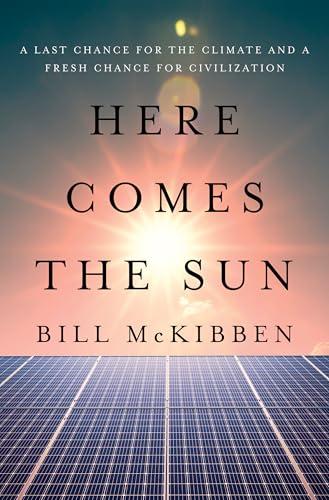
Bill McKibben
Mentioned 1 week ago
The Very Good and Very Bad News on Climate
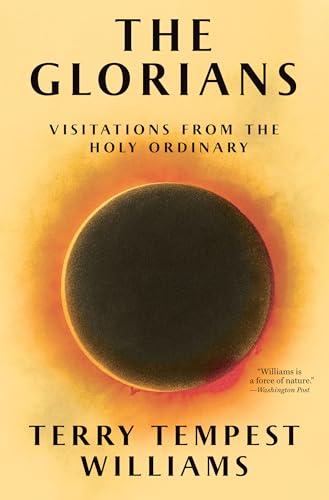
Terry Tempest Williams
Mentioned 1 week ago
The Very Good and Very Bad News on Climate
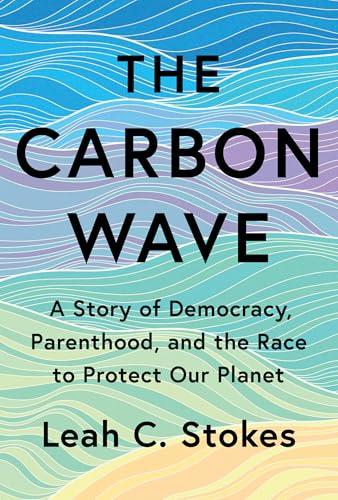
Leah C. Stokes
Mentioned 1 week ago
The Very Good and Very Bad News on Climate
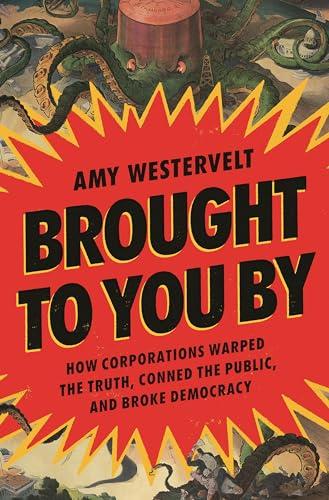
Amy Westervelt
Mentioned 1 week ago
The Very Good and Very Bad News on Climate
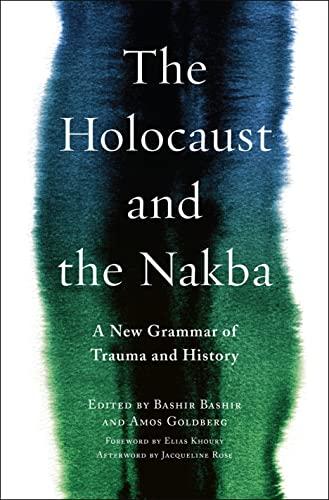
Bashir Bashir
Mentioned 2 weeks ago
A Radical Vision for Israelis and Palestinians
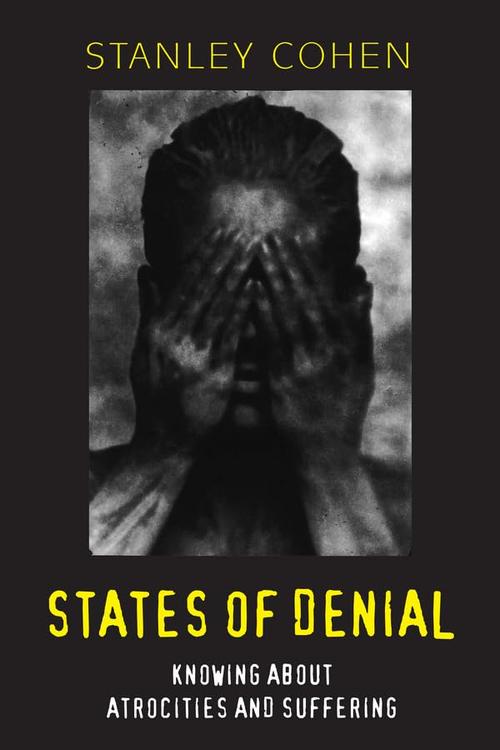
Stanley Cohen
Mentioned 2 weeks ago
A Radical Vision for Israelis and Palestinians
Hussein Agha
Mentioned 2 weeks ago
A Radical Vision for Israelis and Palestinians

Becky Chambers
Mentioned 2 weeks ago
A Radical Vision for Israelis and Palestinians
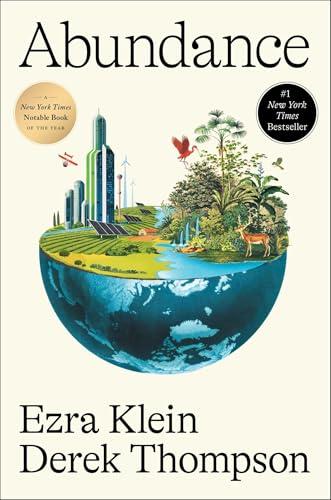
Ezra Klein discussed the book as a left‑wing proposal that advocates a politics of plenty, arguing that government should ensure sufficient housing, clean energy, and infrastructure. He framed it as a vision for a politics of abundance that addresses what people truly need by coordinating government and markets. The host presented it positively, highlighting its relevance to progressive policy goals.
Klein described the book as a leftwing project that argues for a politics of plenty, emphasizing government provision of housing, clean energy and infrastructure.
The answer to a politics of scarcity is a politics of Abundance, a politics that asks what it is that people really need and then organizes government and markets to make sure there is enough of it.
I mean, my view is that Abundance is best understood as a fairly left wing project, which is to say that there are certain things that liberals and I think in this case also leftists want government to deliver.
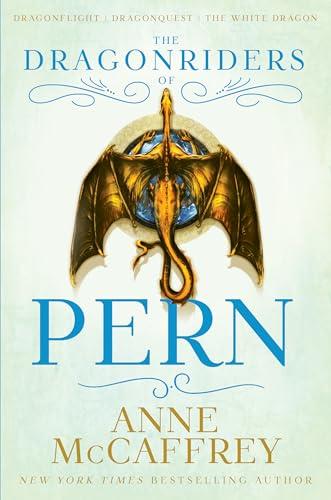
The Dragonriders of Pern)
In the episode, Ezra Klein reflected that the book had been his favorite growing up and that he still kept copies of it in his house. He expressed enduring affection for the series, highlighting its lasting impact on him.
Klein recalled that the fantasy series was his favorite book growing up and that he still keeps copies of it in his house.
My favorite book growing up, and which I still have a lot of love for and keep in my house, was Anne McCaffrey's The Dragon Riders of Pern trilogy.
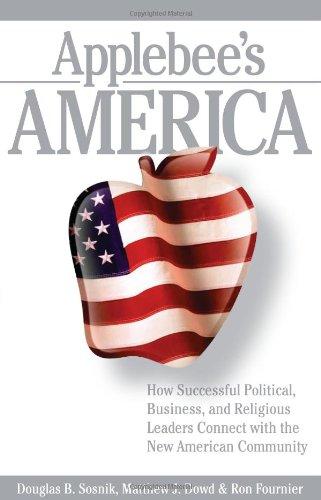
How Successful Political, Business, and Religious Leaders Connect with the New American Community
The host noted they had been reading the title and described it as a cultural observation about appearing less pretentious. It was mentioned while reflecting on recent reading choices, and no strong endorsement was given. The overall tone was neutral, simply bringing up the book in passing.
The speaker said they had been reading Applebee's America and described it as a book about cultural observations tied to appearing less pretentious. It was mentioned in the context of reflecting on recent reading choices.
I was reading books about going to Applebee's, Applebee's America. It was all about, you know, it was about appearing less frank.
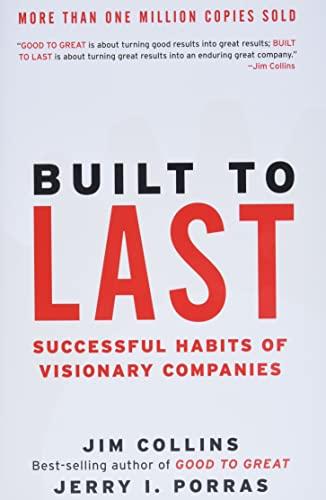
Successful Habits of Visionary Companies
In the episode, the guest highlighted the book as one of the most influential works in his life, noting that it shaped his approach to both business and politics. He strongly recommended it to listeners, emphasizing its impact on his mindset.
The guest identified Built to Last as one of the most influential books in his life, noting it shaped his mindset both in business and politics. He recommended it strongly to listeners.
I'd say, look, my favorite book, one of the most influential books interesting in my life is called Built to Last. It's about the tyranny of war versus the genius of and.
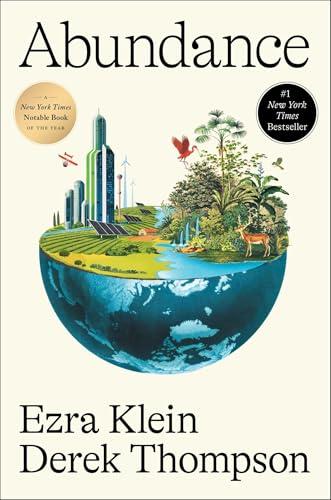
The host described the title as a left‑leaning proposal that government should deliver abundant resources such as affordable housing, clean energy, and infrastructure, and noted its mixed reception among progressives and conservatives. He also mentioned criticism that the book sometimes downplays the goal of breaking corporate power.
Klein described the book as a leftleaning project arguing that government should provide enough resources for people, discussed its reception among progressives and conservatives, and noted criticism that it sometimes downplays powerbreaking goals.
And your book with Derek Thompson, Abundance, came out. For folks who haven't read the book, we handily adapted a part of it into audio and video.
I mean, my view is that Abundance is best understood as a fairly left wing project, which is to say that there are certain things that liberals and I think in this case also leftists want government to deliver. Housing and a lot more of it, particularly a lot more affordable housing, clean energy, and capable state capacity, the ability to build things like public infrastructure, high speed rail, roads, rapidly.
There are certainly places where I would like to break the power of corporations, break the power of billionaires, tax them more, regulate them more. But then also, if we're going to decarbonize the economy and build all this clean energy infrastructure, corporations are going to do a lot of it.
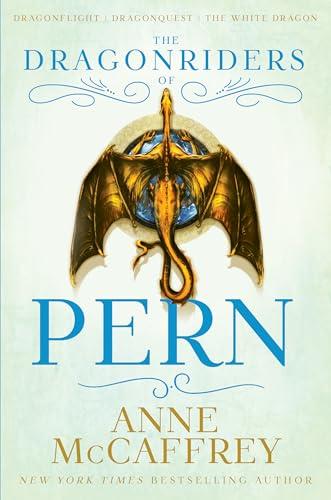
The Dragonriders of Pern)
Ezra Klein recalled that the title was his favorite book growing up and that he still kept it in his house, expressing enduring affection for the fantasy series. He noted that this might surprise listeners given his usual topics, highlighting his personal connection to the work rather than a formal recommendation.
Klein mentioned that his favorite childhood series was the Dragon Riders of Pern trilogy, noting it might surprise listeners that he was into fantasy novels.
My favorite book growing up, and which I still have a lot of love for and keep in my house, was Anne McCaffrey's The Dragon Riders of Pern trilogy. Maybe that won't surprise people that I was very into a fantasy novel.
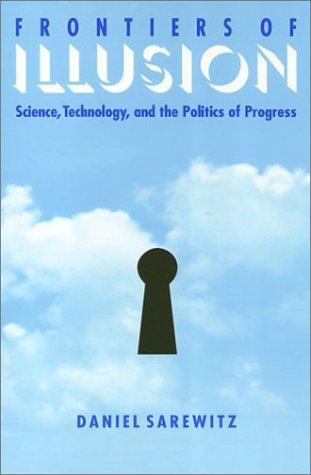
Science, Technology, and the Politics of Progress
In the episode, Jane Flagle highlighted the book as a brilliant analysis that exposed common myths about science and offered recommendations for strengthening the link between scientific research and societal outcomes. She praised its clear insight into science and technology policy, suggesting it was especially valuable for understanding how to improve science‑society relationships.
Jane said the book does a great job exposing myths about science and showing how to improve sciencesociety outcomes.
The second one is Frontiers of Illusion by Daniel Sarewitz, a brilliant thinker around science and technology policy who does a great job laying out the myths we believe about science and how we need to enhance the relationship of science to social outcomes.
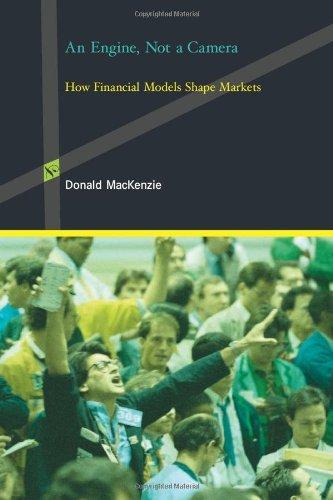
How Financial Models Shape Markets
In the episode, Jane highlighted the book as a brilliant analysis of how economic and financial models drive markets, especially regarding climate and environmental policy. She recommended it for its insight into the role of models in shaping policy outcomes.
Jane praised the book for its brilliant analysis of how economic models shape markets and their impact on climate policy.
And then the last one is Donald MacKenzie's An Engine, Not a Camera, a brilliant analysis of the role of economic models and finance theory as drivers of markets, especially in the context of climate and environmental policy.
A Reckoning
The host cited the book to illustrate that self‑determination concerns the individual rather than a group's right to control others, emphasizing that collective rights cannot override individual rights. He used the author’s argument as a framework for discussing divisions among American Jews, treating the title as a useful reference for his point.
The host referenced Beinart's book to illustrate his point about selfdetermination, noting that it argues collective rights cannot override individual rights.
In his book, Being Jewish After the Destruction of Gaza, Peter Beinart writes, Self-determination means determination of the self, not others. Just as one person cannot invoke their individual right to self-determination to control another person, one group of people cannot invoke their collective right to control another group.
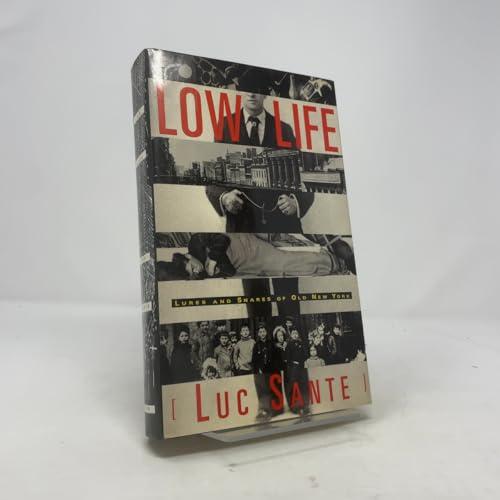
Lures and Snares of Old New York
In the episode, Will Sommer highlighted the title as a vivid history of organized crime and the seedy characters that shaped New York over the centuries. He framed it as a worthwhile read for listeners interested in the city's darker past, recommending it as a solid choice. The overall tone was enthusiastic and the book was presented as highly recommended.
Will Sommer concluded his recommendations with Lucy Sante's Low Life, describing it as a history of organized crime in New York.
And then finally, I would say Lucy Sante's book Low Life about the history of organized crime and kind of skeezy characters in New York over the centuries is always a good one to visit.
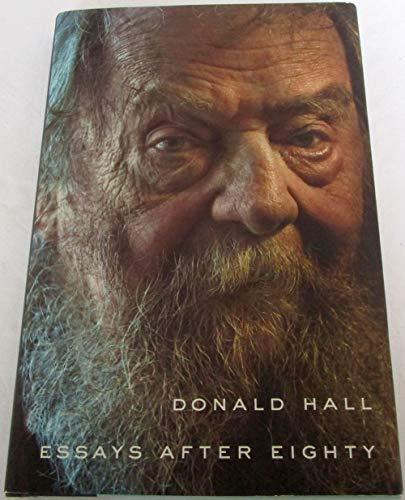
In the episode, Mark Epstein highlighted the book as an inspiring collection of essays that showcased a cohesive voice reflecting on a full life, penned from Hall's New Hampshire farmhouse. He noted that the essays were incredible and offered a sense of a well‑lived, unified narrative. The discussion conveyed strong admiration for the work.
Mark described Hall's essays as an inspiring, cohesive voice reflecting on a full life, written from his New Hampshire farmhouse.
Donald Hall, the poet, Essays After 80.
The essays are incredible about having lived a whole life... It just gives a sense of someone who has a cohesive life and a wonderful voice.

In the episode, Mark Epstein recommended the book as a compelling German novel that explored Berlin's history through a cross‑generational love story. He highlighted its narrative depth and cultural relevance, presenting it as a noteworthy read for listeners.
He presented it as a compelling German novel about Berlin's history and a crossgenerational love story.
And the third book I would say to recommend is a novel called Kairos, K-A-I-R-O-S, by Jenny Erpenbeck.
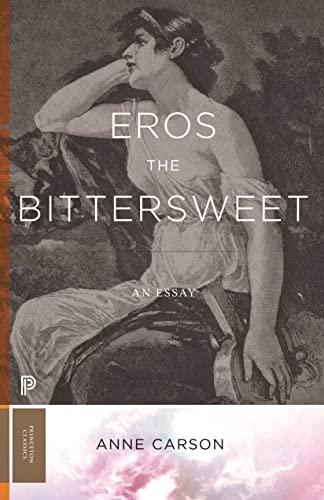
An Essay (Princeton Classics)
In the episode, Mark referenced the title while quoting a passage about love's paradoxical sweetness and bitterness, describing it as a beautiful book. The mention highlighted its poetic exploration of love’s mixed emotions.
Mark referenced it while quoting a passage about love's paradoxical sweetness and bitterness.
And in that book, I quoted the poet Anne Carson, who has a beautiful book called Eros, the Bittersweet.
The Life and Times of Rodeo Champion Jack Roddy
The host referenced Barthes' essay The World of Wrestling to illustrate how politics can resemble staged performance.
There's this great essay by Roland Barthes that I always talk about, but it's called The World of Wrestling. And he talks about how they're always in character.
— Episode: How the Attention Economy Is Devouring G...
The host referenced Barthes' essay The World of Wrestling to illustrate how politics can resemble staged performance.
There's this great essay by Roland Barthes that I always talk about, but it's called The World of Wrestling. And he talks about how they're always in character.
How One Ancient Language Went Global
Matt Iglesias recommended the book during the episode, noting that it explained how the ancient Proto‑Indo‑European language spread worldwide. He highlighted that the title provided a clear narrative of the language's rise and its historical impact. The discussion conveyed strong endorsement of the book.
Matt Iglesias recommended it, noting it explained the rise of the ProtoIndoEuropean language.
Laura Spinney's book, Proto, How One Ancient Language Went Global, about the rise of the ProtoIndoEuropean language.
Obamacare and the Unfinished Crusade for Universal Coverage
In the episode titled "The Disaster That Just Passed the Senate," Matt Iglesias recommended the book as a way to understand the Obama Obamacare era, noting that it chronicled the ten‑year struggle over the law. His suggestion framed the title as a useful resource for listeners seeking deeper insight into the policy’s history.
Matt Iglesias suggested reading it to understand the Obama Obamacare era.
If you read Jonathan Cohn's book about The Ten Year War, about Obama's Obamacare, right?
How Attention Became the World's Most Endangered Resource
The book was highlighted as a key framework for understanding how social media shapes political attention, especially in analyzing the Mamdani campaign. Ezra Klein invited Chris Hayes, who explained the book’s relevance to modern electoral strategies. The discussion praised the work as a phenomenal analysis of attention in politics.
Chris Hayes discussed his book about how social media shapes political attention, using it as a framework for analyzing the Mamdani campaign. He highlighted its relevance to modern electoral strategies.
I asked my friend Chris Hayes, an MSNBC anchor and the author of a phenomenal book on attention to politics, The Siren's Call, to join me.
You just wrote a book about political attention.
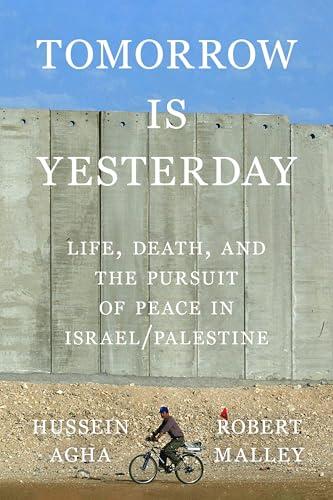
Life, Death, and the Pursuit of Peace in Israel/Palestine
Chris Hayes highlighted the book as an incredible upcoming title, praising its beautiful writing and the distinct perspectives of its two authors on the Israeli-Palestinian conflict. He listed it as the second recommendation in the episode.
An upcoming book, read as an advanced copy, was praised for its beautiful writing and the distinct perspectives of its two authors on the IsraeliPalestinian conflict. It was listed as the second recommendation.
The second one is an incredible book that is not out yet that I am able to read an advanced reader copy of. It's by Rob Malley and Hussein Agha. It's called Tomorrow's Yesterday.
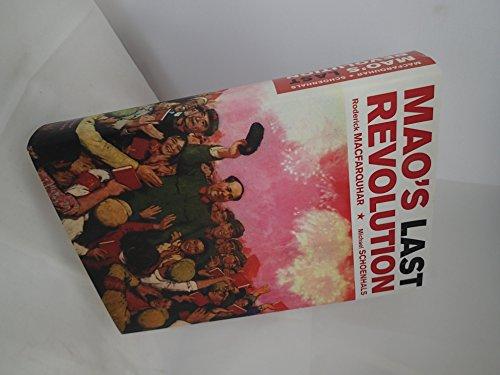
Chris Hayes recommended the book as a final suggestion for listeners seeking perspective beyond the current political climate, describing it as an amazing yet suffocating immersion into the Cultural Revolution. He highlighted its intense portrayal of that era, noting how it conveys the overwhelming atmosphere of the time.
The history of the Cultural Revolution was recommended as a way to escape the current political climate, with the speaker noting its intense and suffocating portrayal of that era. It was the final book suggestion.
The last book is a history of the Cultural Revolution called Mao's Last Revolution by Michael Schoenhaus and Roderick McFarquhar. I read--that book's amazing, although, I mean, my God. Sort of suffocating in some ways to be inside that universe.
Aaron David Miller said he would recommend the book as a lesson on successful Middle East diplomacy.
I have two books on how to do successful Middle East diplomacy. Since that's kind of what we're talking about. Martin Indig's Master of the Game, Henry Kissinger in the Art of Middle...
— Episode: A New Middle East?
Aaron David Miller said he would recommend the book as a lesson on successful Middle East diplomacy.
I have two books on how to do successful Middle East diplomacy. Since that's kind of what we're talking about. Martin Indig's Master of the Game, Henry Kissinger in the Art of Middle East Diplomacy, and Peter Baker in Sudden Glasser's Masterful, The Man Who Ran Washington, The Life and Times of James Baker. Those are two books I would recommend about--there are real lessons there-- about how to do successful diplomacy.
Note: The book recommendations on this page are discovered automatically from podcast transcripts, and may be incorrect or incomplete.
Podcast Name