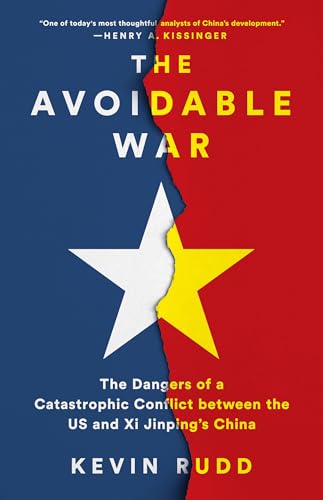
The Avoidable War
Kevin Rudd
Mentioned 1 week ago
What Xi Jinping Wants

Ezra Klein invites you into a conversation on something that matters. How do we address climate change if the political system fails to act? Has the logic of markets infiltrated too many aspects of our lives? What is the future of the Republican Party? What do psychedelics teach us about consciousne...
Recently mentioned
Kevin Rudd
Mentioned 1 week ago
What Xi Jinping Wants
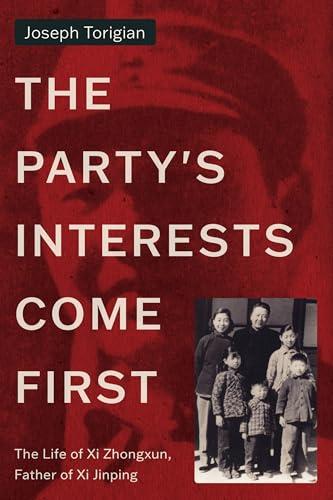
Joseph Torigian
Mentioned 1 week ago
What Xi Jinping Wants
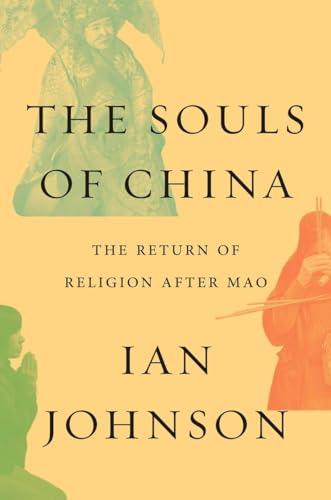
Ian Johnson
Mentioned 1 week ago
What Xi Jinping Wants
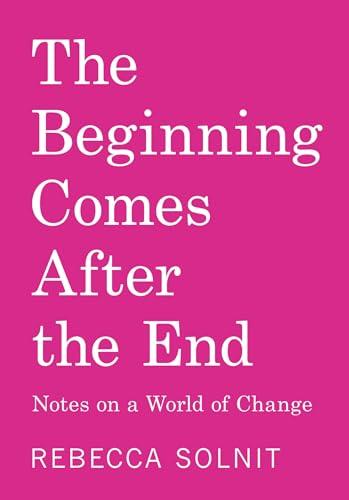
Rebecca Solnit
Mentioned 1 week ago
The Very Good and Very Bad News on Climate
Bill McKibben
Mentioned 1 week ago
The Very Good and Very Bad News on Climate
Terry Tempest Williams
Mentioned 1 week ago
The Very Good and Very Bad News on Climate
Leah C. Stokes
Mentioned 1 week ago
The Very Good and Very Bad News on Climate
Amy Westervelt
Mentioned 1 week ago
The Very Good and Very Bad News on Climate
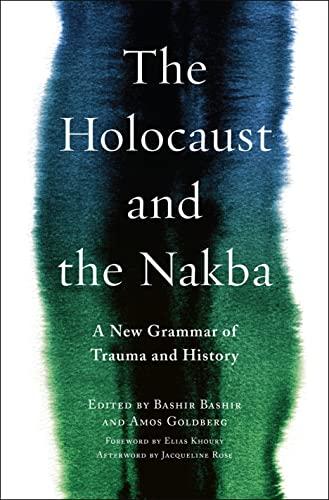
Bashir Bashir
Mentioned 2 weeks ago
A Radical Vision for Israelis and Palestinians
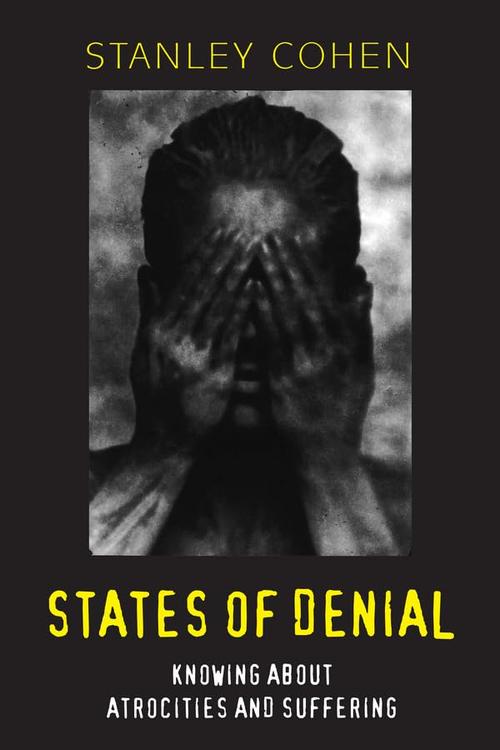
Stanley Cohen
Mentioned 2 weeks ago
A Radical Vision for Israelis and Palestinians
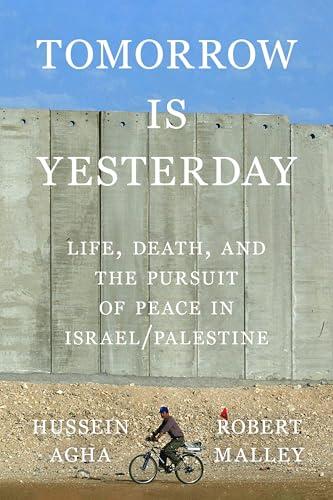
Hussein Agha
Mentioned 2 weeks ago
A Radical Vision for Israelis and Palestinians
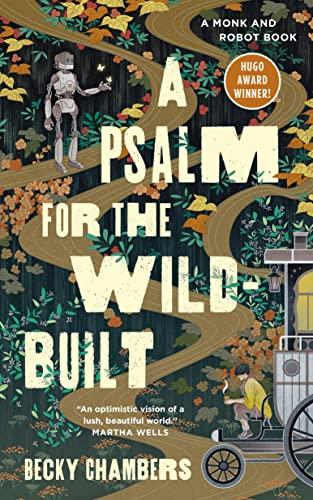
Becky Chambers
Mentioned 2 weeks ago
A Radical Vision for Israelis and Palestinians
New Research Blows the Lid Off How We Really Burn Calories, Lose Weight, and Stay Healthy
Ezra recommended Burn as a wellwritten, entertaining book that uncovers a striking discovery about the relationship between human energy expenditure and physical activity.
The first one I want to recommend is Herman Pontzer's book, Burn. It's a really great book on several levels. First of all, it's really wellwritten, really entertaining. And second of...
— Episode: Our Brains Weren’t Designed for This Kin...
Ezra recommended Burn as a wellwritten, entertaining book that uncovers a striking discovery about the relationship between human energy expenditure and physical activity.
The first one I want to recommend is Herman Pontzer's book, Burn. It's a really great book on several levels. First of all, it's really wellwritten, really entertaining. And second of all, as opposed to a lot of nutrition books ... this book actually does have an incredible discovery about the human body. And it relates to the relationship between our energy expenditure and our physical activity level.
The host described The MANIAC as a fictionalized biography of John vonNeumann that imaginatively explores the origins and possible consequences of the AI revolution.
The MANIAC, which is a sort of fictionalist biography of John von Neumann, but also a very imaginative and powerful exploration of the origins of the AI revolution and of the potentia...
— Episode: Yuval Noah Harari on the Mistake Strongm...
The host described The MANIAC as a fictionalized biography of John vonNeumann that imaginatively explores the origins and possible consequences of the AI revolution.
The MANIAC, which is a sort of fictionalist biography of John von Neumann, but also a very imaginative and powerful exploration of the origins of the AI revolution and of the potential consequences of it.
Toddler Discipline Without Shame
Ezra noted that Janet Lansbury is the author of the parenting book No Bad Kids.
She's the author of the parenting book, No Bad Kids.
— Episode: Relationships Are Hard. This Unusual Par...
Ezra noted that Janet Lansbury is the author of the parenting book No Bad Kids.
She's the author of the parenting book, No Bad Kids.
The Science of Who We Trust and What We Believe
Gurri noted this work explores why people are rarely persuaded by oratory rhetoric, showing that belief systems are more resistant to manipulation than often thought.
Third, Hugo Mercier. It's Not Born Yesterday. And it's about what we talk about right now is, can somebody like Donald Trump talk to you, a fairly liberal human being, and through the...
— Episode: A Theory of Media That Explains 15 Years...
Gurri noted this work explores why people are rarely persuaded by oratory rhetoric, showing that belief systems are more resistant to manipulation than often thought.
Third, Hugo Mercier. It's Not Born Yesterday. And it's about what we talk about right now is, can somebody like Donald Trump talk to you, a fairly liberal human being, and through the magic of his disinformation, suddenly you walk away thinking, I will vote for that man? It shows people tend not to be persuaded by oratory rhetoric and tend to believe what they believe.
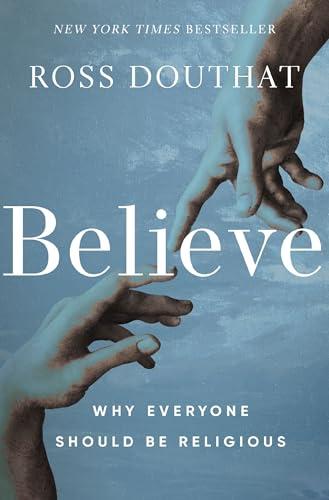
Why Everyone Should Be Religious
Ezra Klein said he enjoyed the book very much, even though he had some questions about it. The book was presented as the author's argument for why people should be more religious.
He's the author of Believe, Why Everyone Should Be Religious, a book I enjoyed very much, even though quite a bit of it I had some questions about.
— Episode: Ross Douthat on Trump, Mysticism and Psy...
Ezra Klein said he enjoyed the book very much, even though he had some questions about it. The book was presented as the author's argument for why people should be more religious.
He's the author of Believe, Why Everyone Should Be Religious, a book I enjoyed very much, even though quite a bit of it I had some questions about.
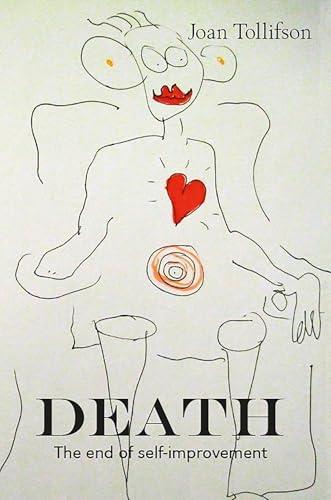
The End of Self-Improvement
Burkeman highlighted it as a strikingly titled memoir about confronting death and serious illness, praising its honest immersion in difficult experiences.
a book by a spiritual teacher called Joan Tollefson which has the remarkable title Death the end of self-improvement
— Episode: Burned Out? Start Here.
Burkeman highlighted it as a strikingly titled memoir about confronting death and serious illness, praising its honest immersion in difficult experiences.
a book by a spiritual teacher called Joan Tollefson which has the remarkable title Death the end of self-improvement
what I really appreciated about this book was how unlike a lot of books in this space which claim to be about showing up for the present moment but then when you look at the present moments in question they all seem to be looking at the beauty of nature or appreciating the beautiful taste of a glass of water or whatever it might be she's really applying this idea to some grueling experiences
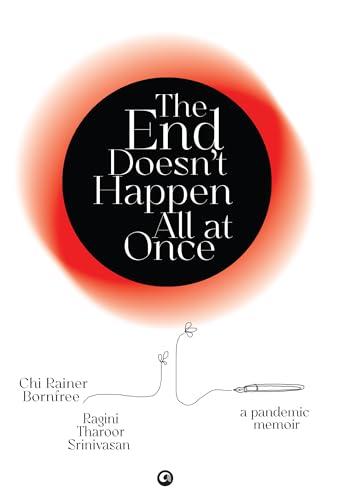
A Pandemic Memoir
In the episode, host David Wallace‑Welles recommended the title, describing it as an epistolary memoir that recorded the early years of the pandemic through letters exchanged between two friends. He praised its moving and deeply personal tone, noting that the back‑and‑forth format made the experience feel intimate. The overall sentiment was strongly positive.
David WallaceWelles described it as an epistolary, very moving and personal account of the first years of the pandemic written by two friends.
I also wanted to recommend a book called The End Doesn't Happen All at Once by Ki Rainer, Born Free, and Raghuny Thor Srinivasan, which is an epistolary account of the first couple of years of the pandemic. Very moving, very personal, two friends writing back and forth through the experience.

Why Parents Reject Vaccines
Rachel Bedard noted it is an ethnography and history of the antivax movement that she found incredibly useful and illuminating.
Calling the Shots, which is a book by the sociologist Jennifer Reich that was published in 2016. And it's an ethnography and a history of the antivax movement that I found incredibly...
— Episode: MAHA Is a Bad Answer to a Good Question
Rachel Bedard noted it is an ethnography and history of the antivax movement that she found incredibly useful and illuminating.
Calling the Shots, which is a book by the sociologist Jennifer Reich that was published in 2016. And it's an ethnography and a history of the antivax movement that I found incredibly useful and illuminating and helping me think about this.
Rachel Bedard highlighted the book as an unbelievably beautiful memoir that explored grief, resilience, and optimism after the loss of her entire family in the 2004 Sri Lankan tsunami. She praised it as the best thing she had ever read on those themes, emphasizing its powerful and hopeful perspective.
Rachel Bedard called it an unbelievably beautiful memoir about grief, resilience, and optimism after the loss of her entire family in the 2004 Sri Lankan tsunami.
And then a book called Wave by Sonali Deraniyagala, who is an economist. It's a memoir that she wrote. She lost her entire family in the 2004 Sri Lankan tsunami. Her husband, her two children, and her parents all at once. It is an unbelievably beautiful book, and it is the best thing I've ever read about grief and resilience and optimism after hard things have happened.
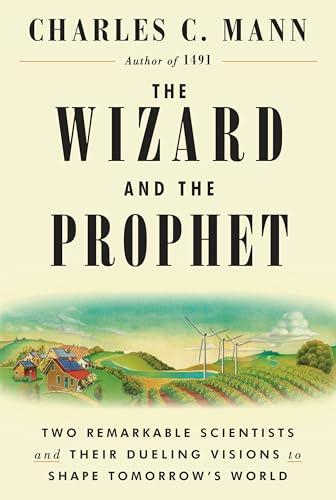
Two Remarkable Scientists and Their Dueling Visions to Shape Tomorrow's World
Rachel Bedard highlighted the book as a great work that traced the split between technocratic wizards and prophetic thinkers in how we approach environmental challenges. She noted that it illuminated how wizards favor technological fixes while prophets argue humanity has outgrown its wisdom, making the title especially relevant for listeners interested in environmental problem‑solving.
Rachel Bedard praised the book for tracking the divide between technocratic wizards and prophetic thinkers in environmental problemsolving.
I'm a big fan of this book by a writer named Charles Mann. And the book is called Wizards and Prophets. Great book. The book is tracking this divide in ways we think about environmentalism and solving environmental problems. Wizards want to sell them technologically, prophets argue mankind has grown beyond its wisdom.
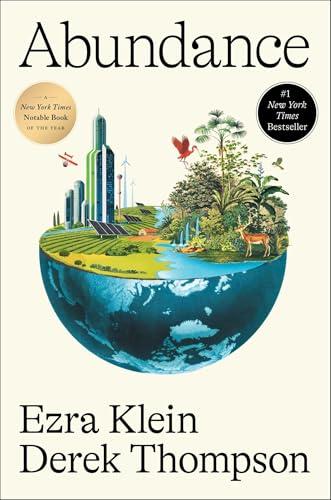
David Wallace‑Welles referenced the title as a way to help avoid repolarization, noting that it includes two chapters on the bureaucratization of science. He mentioned the book in passing to illustrate a point about how scientific work is organized, without offering a full endorsement.
David WallaceWelles mentioned hoping not to repolarize by referring to the book Abundance, noting it contains two chapters on bureaucratization of science.
One way I hope we don't repolarize is part of the Abundance book out of Derek Thompson. I mean, we have two chapters in that book. It's fundamentally about the bureaucratization of science.
In the episode, the guest highlighted the book as one of her all‑time favorites, describing it as an engaging read that inspired optimism about tax‑reform possibilities. She emphasized how the narrative left listeners hopeful about future reform efforts.
The guest described it as one of her alltime favorite books and a great read that left her hopeful about the possibility of taxreform efforts.
Showdown at Gucci Gulch is one of my, like, all-time favorites and a great read, and will leave you hopeful for the possibility of this type of reform effort.
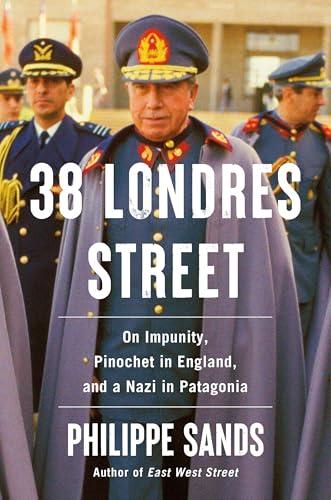
On Impunity, Pinochet in England, and a Nazi in Patagonia
The book was noted as an upcoming sequel to East West Street that explored the relationship between Augusto Pinochet and a Nazi who managed a king‑crab cannery in Chile, and it was presented as a noteworthy continuation of the author’s work. The discussion highlighted its focus on historical accountability and the surprising connections it uncovers.
It was mentioned as a forthcoming sequel to East West Street that investigates the relationship between Augusto Pinochet and a Nazi manager of a crab cannery.
I'm publishing shortly called 38 Londres Street which is a sequel to East West Street and examines the relationship between Augusto Pinochet and a Nazi who became the manager of a king crab cannery in Punta Arenas in Chile.
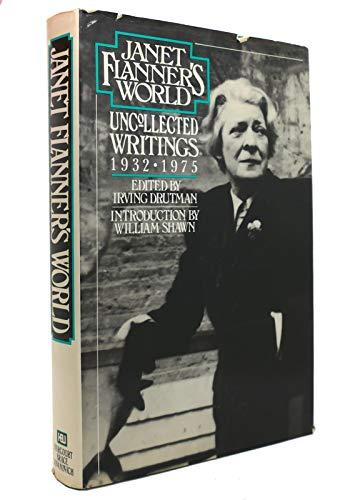
Uncollected Writings 1932-1975
The host recommended the title as a collection of Janet Flanner's uncollected letters from Europe between 1932 and 1975. They highlighted that Flanner, the New Yorker’s European correspondent, wrote extraordinary pieces on events such as Nuremberg, which were deemed highly pertinent to the episode’s discussion of genocide. The overall tone was enthusiastic, framing the book as a valuable historical resource.
It was recommended as a collection of Janet Flanner's letters from Europe, spanning 1932 to 1975.
Janet Flanner's World, uncollected writings 1932 to 1975, Janet Flanner was the New Yorker correspondent in Europe and she wrote extraordinary letters from Europe including on Nuremberg and they are so pertinent for what we've been talking about today.
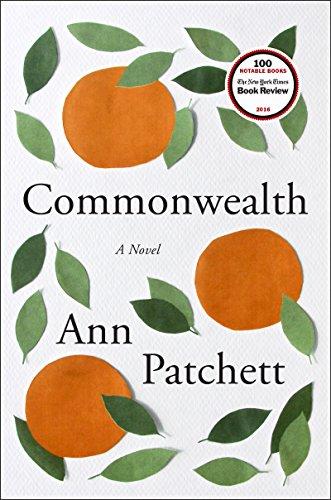
The episode praised the book as a wonderful novel that linked personal relationships to broader political themes. The host noted how the narrative resonated by weaving intimate stories with larger societal issues. Overall, it was highlighted as a standout recommendation.
It was praised as a wonderful novel that connects personal relationships with broader political themes.
Commonwealth by Ann Patchett is a wonderful book that draws the connections between the personal and the broader political in a way that really resonated with me.
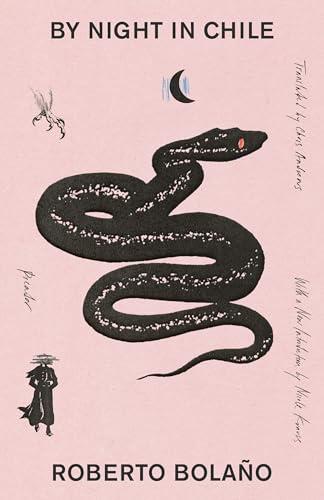
In the episode, the host highlighted the book as a fictionalized account of central Chilean tales that tied into his own forthcoming work. He noted that the narrative offered insight into the country's history and culture, positioning it as a relevant read for listeners interested in that context.
It was highlighted as a fictionalized account by Roberto Bolao about central tales in Chile.
By Night in Chile by Roberto Bolao is a fictionalized account of tales that are central to a book I'm publishing shortly called 38 Londres Street.
![[( The Question of Palestine )] [by: Edward W. Said] [Feb-2003] Cover](https://media.podcastbookpicks.com/books/39879.jpg)
Edward W. Said] [Feb-2003]
In the episode, Mahmoud Khalil highlighted the title as a classic from the late 1970s that offers a clear glimpse into Palestinian perspectives on Zionism, describing it as a valuable source for understanding Palestinian thought. He presented it as an insightful read for anyone interested in the topic.
He described it as a classic from the late 1970s that gives a good glimpse into Palestinian thought on Zionism.
The second book is Edward Said's The Question of Palestine. That was actually published like in, I think, late 70s before Hamas was founded. And it's a good glimpse into the Palestinian thought when it comes to Palestine and Zionism from the perspective of Palestinians.
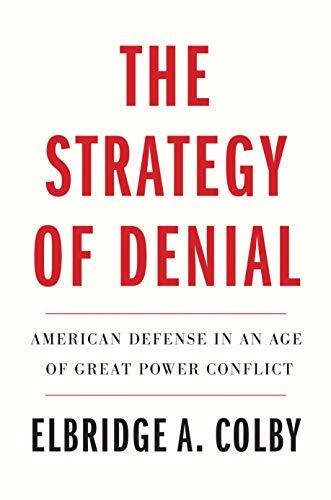
American Defense in an Age of Great Power Conflict
The hosts presented the book as a readable explanation of the central foreign‑policy questions surrounding the Trump administration, noting that it directly addressed whether Trump was an isolationist, interventionist, or liberal internationalist. They highlighted that the work offered a perspective that diverged from the prevailing media narrative and recommended it for its insightful analysis.
They presented The Strategy of Denial as a readable explanation of the key foreignpolicy questions surrounding the Trump administration.
The second book I thought to recommend is Bridge Colby's Strategy of Denial. It answers the key question the media keep asking, is Trump an isolationist or an interventionist or a liberal internationalist? When you open this book, you find something very different from the media narrative.
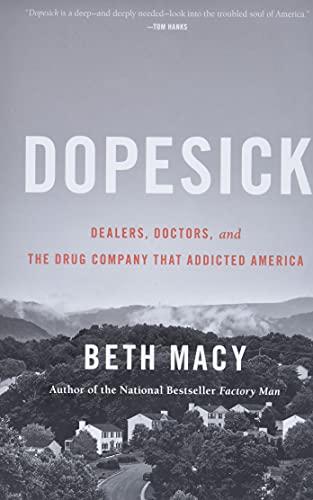
Dealers, Doctors, and the Drug Company that Addicted America
In the episode, Barbara Kingsolver highlighted the book as a richly detailed and fantastic portrayal of the opioid crisis, citing it as a valuable source for understanding the issue. She recommended it to listeners seeking an in‑depth look at the topic.
Kingsolver referenced Beth Macy's nonfiction book Dope Sick as a source that richly portrayed the opioid crisis.
Beth Macy among them with her fantastic book, Dope Sick.
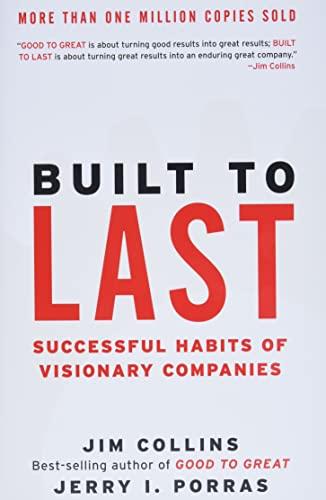
Successful Habits of Visionary Companies
In the episode, the guest described the book as a highly influential work that shaped his mindset in both business and politics, noting that it introduced him to concepts about what makes companies endure. He mentioned reading it early in his career while aspiring to be a small business owner and highlighted its focus on research into successful, lasting firms. The discussion emphasized the book's impact on his personal and professional outlook.
He described Built to Last as a highly influential book that shaped his mindset both in business and politics.
My favorite book, one of the most influential books interesting in my life is called Built to Last. It's about the tyranny of war versus the genius of and. It changed my mindset and my outlook, political terms, not just in business terms.
I wasn't joking about Built to Last. It's so interesting to have a book that shaped me early on. I was aspiring to be a small business person and read the book Built to Last. It was about a Stanford academic that was studying what works, what makes companies endure.
Note: The book recommendations on this page are discovered automatically from podcast transcripts, and may be incorrect or incomplete.
Podcast Name