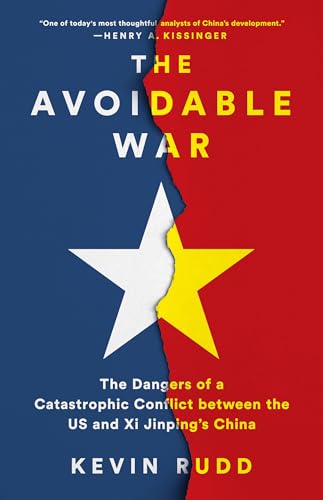
The Avoidable War
Kevin Rudd
Mentioned 1 week ago
What Xi Jinping Wants
Ezra Klein invites you into a conversation on something that matters. How do we address climate change if the political system fails to act? Has the logic of markets infiltrated too many aspects of our lives? What is the future of the Republican Party? What do psychedelics teach us about consciousne...
Recently mentioned
Kevin Rudd
Mentioned 1 week ago
What Xi Jinping Wants
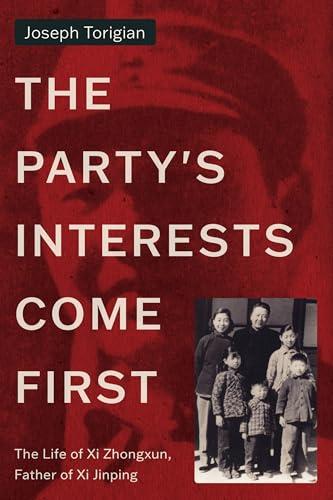
Joseph Torigian
Mentioned 1 week ago
What Xi Jinping Wants
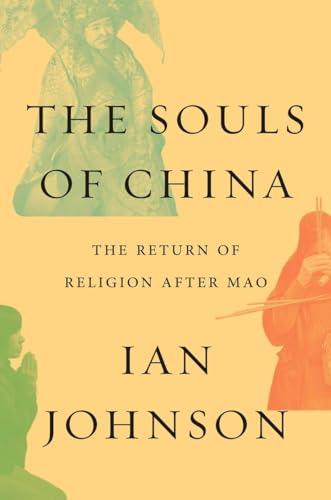
Ian Johnson
Mentioned 1 week ago
What Xi Jinping Wants
Rebecca Solnit
Mentioned 1 week ago
The Very Good and Very Bad News on Climate
Bill McKibben
Mentioned 1 week ago
The Very Good and Very Bad News on Climate
Terry Tempest Williams
Mentioned 1 week ago
The Very Good and Very Bad News on Climate
Leah C. Stokes
Mentioned 1 week ago
The Very Good and Very Bad News on Climate
Amy Westervelt
Mentioned 1 week ago
The Very Good and Very Bad News on Climate
Bashir Bashir
Mentioned 2 weeks ago
A Radical Vision for Israelis and Palestinians
Stanley Cohen
Mentioned 2 weeks ago
A Radical Vision for Israelis and Palestinians
Hussein Agha
Mentioned 2 weeks ago
A Radical Vision for Israelis and Palestinians
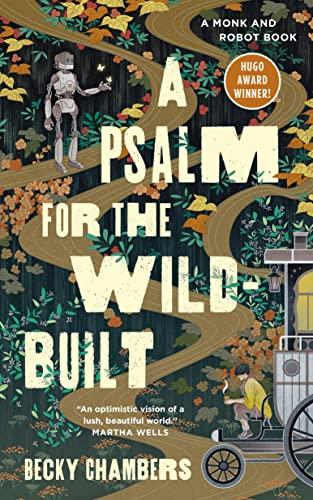
Becky Chambers
Mentioned 2 weeks ago
A Radical Vision for Israelis and Palestinians
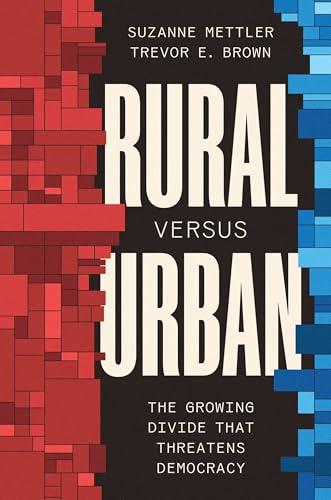
The Growing Divide That Threatens Democracy
Ezra Klein recommended this book as the best starting point for understanding the escalating political divide between rural and urban areas in America. He praised the work of political scientists Suzanne Mettler and Trevor Brown for providing a comprehensive foundation for analyzing how this geographic tension impacts modern democracy.
The host said the book was the best place to start understanding the growing ruralurban divide in American politics.
Rural vs. Urban, a new book by the political scientists Suzanne Mettler and Trevor Brown, is the best place I've found to start.
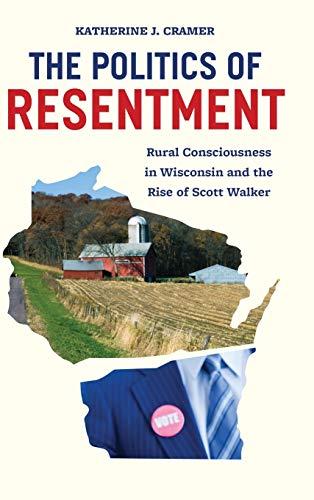
Rural Consciousness in Wisconsin and the Rise of Scott Walker (Chicago Studies in American Politics)
Ezra Klein recommended Katherine J. Cramer's The Politics of Resentment as a deep, insightful study of rural Wisconsin politics and the rise of Scott Walker, noting that the book was based on years of fieldwork in conversation groups across the state. He highlighted its relevance for understanding rural consciousness and its impact on broader political dynamics.
He recommended the book as a deep, insightful study of rural Wisconsin politics and the rise of Scott Walker.
Catherine Kramer's book, The Politics of Resentment, Rural Consciousness in Wisconsin, and the Rise of Scott Walker. This book came out several years ago in 2016 and is based on years of her going to all sorts of conversation groups around rural Wisconsin.
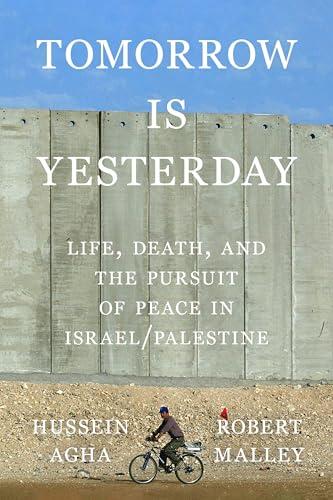
Life, Death, and the Pursuit of Peace in Israel/Palestine
Ezra Klein highlighted that co‑author Hussein Agha had produced a "fantastic" new book, Tomorrow Is Yesterday, which offered an up‑close, personal history of Israeli‑Palestinian negotiations and explained why past peace initiatives repeatedly collapsed. Rob Malley echoed the praise, noting the book’s focus on the repeated cycles of failed talks. The episode presented the work as a crucial insight into the enduring challenges of achieving peace in the region.
The guests said they had coauthored a new history called *Tomorrow Is Yesterday* that examined why past peace efforts repeatedly failed.
The two of them together have written a fantastic new book called Tomorrow Is Yesterday. It is a very upclose and personal history of how these negotiations played out and why they have failed over and over and over again.
We titled the book Tomorrow's Yesterday has in part to do with what you're saying not only there's a big picture but Israel is back of more power and if mowing the lawn isn't enough their own philosophy where you mow the lawn every time a thread appears now you're going to mow everything including dirt and earth you're not going to let anything grow.
Detailed Summary, Analysis and Reading Guide (BrightSummaries.com)
Rob Malley mentioned The Just Assassins by Albert Camus in the episode "Can the Israel-Hamas Deal Hold?" and paired it with Dirty Hands as a complementary work that reflected the episode's subtext. He highlighted the thematic connection between the two books without offering a full endorsement.
Rob paired *The Just Assassins* with *Dirty Hands* as a complementary play that speaks to the episode's subtext.
The Just Assassins by Albert Camus.
During the episode on the Israel-Hamas deal, Hussein Agha suggested rereading Thucydides' History of the Peloponnesian War to illustrate how the ancient work captures timeless dynamics of democracy and power that mirror contemporary events. He highlighted the book's relevance for understanding current political processes, presenting it as a valuable lens for listeners.
Hussein suggested rereading Thucydides' *The History of the Peloponnesian War* to understand the timeless dynamics of democracy and power.
Thucydides' The Peloponnesian Wars that explain to you really very accurately very much of the processes that are taking place now.

A Sort of Introduction and Pseudo Reality Prevails
Hussein Agha recommended The Man Without Qualities in the episode, noting that its satirical style captured and crystallized the themes and issues of contemporary life. He highlighted the book’s ability to reflect modern concerns through Musil’s incisive prose, presenting it as a valuable read for listeners interested in a sharp cultural critique.
Hussein recommended *The Man Without Qualities* for its satirical take that crystallizes contemporary themes.
The Man Without Qualities by Robert Musil. The beauty of that book is it's a satire that crystallizes all the themes and the issues of today.
Why Superhuman AI Would Kill Us All
The hosts highlighted the newly released coauthored title as a warning about the dangers of uncontrolled AI development. They used the book to underscore concerns about an AI apocalypse.
The hosts noted that Yudkowsky had just released this new coauthored book, using it to warn the public about the dangers of uncontrolled AI development.
He just released a new book, cowritten with Nate Soares, called If Anyone Builds It, Everyone Dies.
Ezra Klein recalled that the book had profoundly shaped his early thinking about space resources and human ambition, noting its influence on his perspective as a child. He highlighted it as an early science‑fiction work that left a lasting impression on his worldview.
Ezra Klein recalled that this early sciencefiction work had profoundly shaped his thinking about space resources and human ambition.
One thing that shaped me as a little tiny person of like age nine or so was a book by Jerry Pournelle called A Step Farther Out.
Heuristics and Biases
In the episode, Ezra Klein noted that the edited volume had a huge influence on his understanding of human reasoning and cognitive biases, shaping his view of where humans sit on the cognitive chain of existence. His remarks conveyed a strong endorsement of the title.
Klein said this edited volume had a huge influence on his understanding of human reasoning and cognitive biases.
Book two, Judgment under Uncertainty, an edited volume by Kahneman, Tversky, and I think Slovik, had a huge influence on how I ended up thinking about where humans are on the cognitive chain of existence.
The Logic of Science
In the episode, Ezra Klein highlighted the title as his first real encounter with formal methods for quantifying uncertainty and improving reasoning, noting its impact on his thinking. He presented it as a foundational text that introduced a better way to approach probability and logic. The discussion conveyed strong endorsement of its value for anyone interested in rigorous thinking about uncertainty.
Klein described this text as his first real encounter with formal approaches to quantified uncertainty and better reasoning.
Book three, I'll name Probability Theory, The Logic of Science, which was my first introduction to There Is a Better Way.
How a Band of Visionaries and a Million Dollars Upended America
Jon Favreau referenced the title in a discussion about progressive history, noting that it examines a 1920s philanthropist whose massive donations helped set the stage for New Deal-era policies. He presented the book as a forthcoming work that sheds light on the origins of modern progressive reforms.
Favreau described it as a forthcoming book about a 1920s philanthropist whose massive donations helped lay the groundwork for many New Dealera progressive policies.
John Fabian Witt, The Radical Fund, How a Band of Visionaries and a Million Dollars Upended America about a very wealthy philanthropist who decided to donate all of his money to progressive causes back in the 1920s and sort of ceded the ground for a lot of the most progressive policies that we saw we would end up seeing in the New Deal.
The Origins of Power, Prosperity, and Poverty
In the episode, the guest highlighted the book as his absolute top recommendation, explaining that it argued inclusive political systems create inclusive economies while extractive systems lead to failure. He emphasized that the work supports the idea that democracy benefits capitalism and overall economic success. The discussion presented the title as a key insight into why nations prosper or falter.
The guest listed Why Nations Fail as his top recommendation, explaining that it argues inclusive political systems foster inclusive economies while extractive systems lead to failure.
My absolute top recommendation is Why Nations Fail by Darren Asamoglu and James Robinson. The essential theme of the book is that inclusive political systems create inclusive economic systems. Exclusive political systems create extractive economic systems, which basically to boil it down is saying that democracy is good for capitalism and markets and actually people's economic success.
How Attention Became the World's Most Endangered Resource
The host recommended the title, emphasizing that it examined how attention functions as a critical resource in politics, shaping leaders' ability to persuade and set agendas. He highlighted that the book argues the most important element of politics is the public’s willingness to listen, making attention an endangered resource.
He recommended The Siren's Call, noting that it focuses on how political attention shapes leaders' ability to persuade and guide the public.
Siren's Call by Chris Hayes. And here it's very slightly different. But I think the thing and you've talked a lot about this. The most important element of politics is attention. We talk a lot in politics about political leaders' biography and geography and their ideology. But, like, fundamentally, their ability to convince people of their position and what they--where they want to take the country and defend against attacks and have a vision for the future all depend on, you know, how much people want to hear and listen and be led by them.
An Unfinished Theory
Ezra highlighted that the author had just released a new title, describing it as a delightful exploration of the role of art. The author explained the book's premise and why the question it addresses needed answering. The discussion conveyed a positive view, presenting the book as a thoughtful contribution for listeners.
Ezra highlighted that Eno had just released the new book What Art Does, describing it as a delightful new title exploring the role of art. Brian explained the book's premise and why he felt the question needed answering.
And he's got this really delightful new book out, What Art Does, An Unfinished Theory ...
So, your new book is called What Art Does.
In the episode, Brian Eno recalled that the book had been very important to him, arriving at the right moment in his career. He explained that it shaped his view of artistic practice as a spiritual discipline. The discussion highlighted its influence on his creative philosophy, indicating a strong endorsement.
Brian recalled that John Cage's book Silence had been very important to him, shaping his view of artistic practice as a kind of spiritual discipline.
Cage with his book Silence was very important for me. That came along at just the right time for me.
Ezra Klein highlighted the book as a beautifully produced catalogue that surveyed the most influential works in the Western canon, tracing their impact from the Gutenberg Bible onward. He noted that it originated from a 1963 British Museum exhibition and served as a compelling overview of key literary milestones. The discussion conveyed strong enthusiasm for its design and breadth.
Ezra described Printing and the Mind of Man as a beautifully produced catalogue that surveys the most influential books in the Western canon, from the Gutenberg Bible onward.
One of the books is called Printing and the Mind of Man. It was the catalogue of an exhibition at the British Museum in 1963 ... it's about the most important books in the Western canon and the impact they had when they were released.

Ezra Klein highlighted the book as a brilliant diary that blended humor, deep feeling, and the chaotic reality of postwar Naples, calling it the most fabulous diary he'd ever read. He noted its hilariously funny tone, moving insights, and confusing yet compelling narrative, indicating strong admiration for the work.
Ezra praised Naples '44 as a brilliant diary that blends humor, deep feeling, and the chaotic reality of postwar Naples, calling it the most fabulous diary he'd ever read.
My third one is Naples '44 by Norman Lewis ... this is the most fabulous diary you'll ever read. It's hilariously funny, deeply moving and totally confusing.
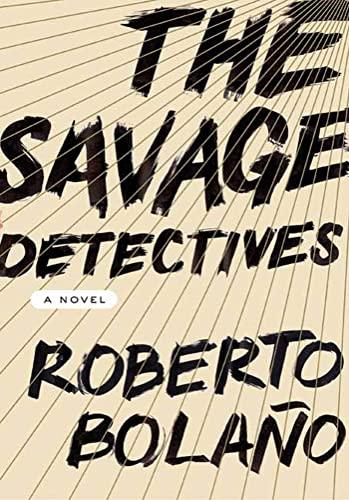
A Novel
In the episode, Brian Eno noted that he had not read the novel but acknowledged it as a beautiful work of fiction he had heard of. His comment was a brief, appreciative mention rather than a recommendation.
Brian mentioned he had not read the Roberto Bolao novel The Savage Detectives, acknowledging it as a beautiful fiction work he'd heard of.
You've read the Roberto Bolao book, The Savage Detectives? No. It's a beautiful fiction book.
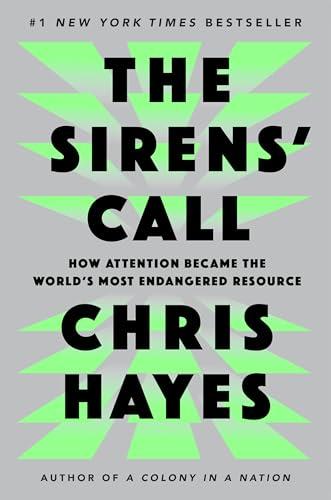
How Attention Became the World's Most Endangered Resource
Ezra Klein highlighted the book as a useful lens for understanding today's debates over social‑media influence and the growing problem of distraction. He noted that the title offered insight into how attention has become a scarce resource in the digital age. The discussion positioned the book as a relevant and informative contribution to the conversation.
Klein said the book explains current conversations about socialmedia influence and distraction.
The third one is our mutual friend Chris Hayes' book, Siren's Call, which I think, in fact, actually tells us a lot about the conversation that we're having today, you know, and the influence of social media screens and distraction.
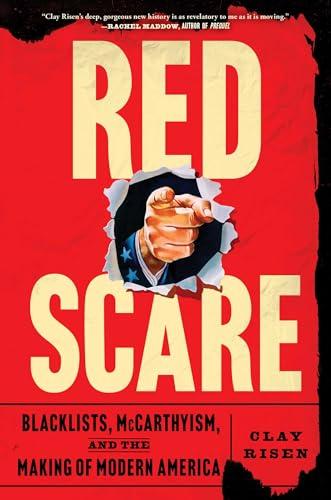
Blacklists, McCarthyism, and the Making of Modern America
In the episode, the host highlighted the book as an excellent source that greatly expanded their understanding of the historical Red Scare, using it to add texture and nuance to the discussion of past anticommunist waves. The recommendation was presented as a strong endorsement of its value for listeners interested in that era.
The book was cited as an excellent source that taught the speaker a great deal about the historical Red Scare. It was used to provide texture and nuance to the discussion of past anticommunist waves.
I was reading Clay Risen's excellent book, Red Scare, which taught me a lot.
And again I'm taking this from Clay Rison's book.
Note: The book recommendations on this page are discovered automatically from podcast transcripts, and may be incorrect or incomplete.
Podcast Name