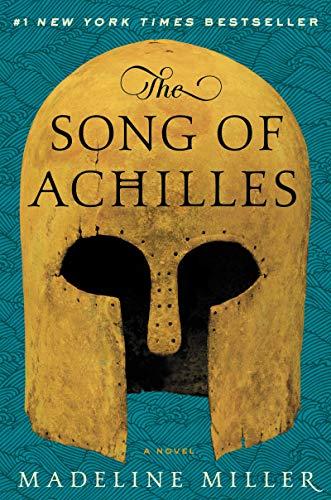
The Song of Achilles
Madeline Miller
Mentioned 1 week ago
What’s Epic About the ‘Odyssey’? Everything.

This is what the news should sound like. The biggest stories of our time, told by the best journalists in the world. Hosted by Michael Barbaro, Rachel Abrams and Natalie Kitroeff. Twenty minutes a day, six days a week, ready by 6 a.m. Subscribe today at nytimes.com/podcasts or on Apple Podcasts an...
Recently mentioned
Madeline Miller
Mentioned 1 week ago
What’s Epic About the ‘Odyssey’? Everything.
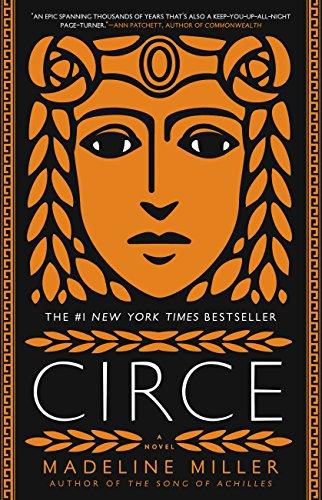
Madeline Miller
Mentioned 1 week ago
What’s Epic About the ‘Odyssey’? Everything.
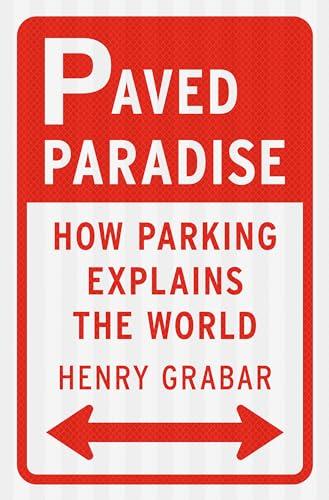
Henry Grabar
Mentioned 2 weeks ago
The Most American Episode of The Daily, Ever.
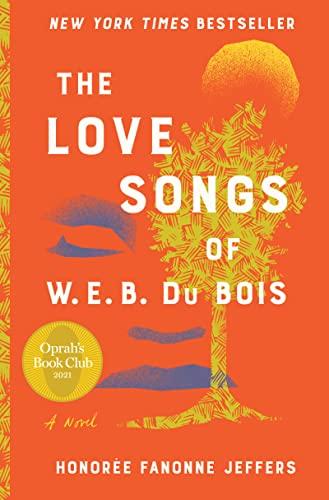
Honoree Fanonne Jeffers
Mentioned 2 weeks ago
The Most American Episode of The Daily, Ever.
August Wilson
Mentioned 2 weeks ago
The Most American Episode of The Daily, Ever.
Maggie Haberman
Mentioned 3 weeks ago
Robby Hoffman Will Always Feel Poor, No Matter How Rich She Gets
LAVINIA JUNIOR JACOBSON
Mentioned 4 weeks ago
R.F.K. Jr.’s Newest Mission: Getting Us Off Antidepressants
Tom Junod
Mentioned 1 month ago
Can a Bad Man Be a Good Father?
Cormac McCarthy
Mentioned 1 month ago
A Gen Z Revolution at the Movies
Dennis Prager
Mentioned 1 month ago
Do Aliens Exist? Steven Spielberg Believes They Do
H. G. Wells
Mentioned 1 month ago
Do Aliens Exist? Steven Spielberg Believes They Do
Lawrence Wright
Mentioned 1 month ago
Seth Rogen Is 44, Often Stoned and on a Roll
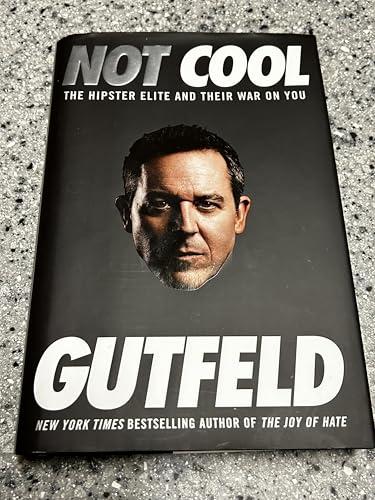
The Hipster Elite and Their War on You
In the episode, the host highlighted two personal anecdotes from the title that illustrated the author's experiences of exclusion and racial tension, using them to discuss the broader theme of the hipster elite’s impact. The discussion focused on how these stories served as a lens for the book’s critique rather than endorsing it as a must‑read. Overall, the book was referenced for its illustrative value rather than being strongly recommended.
The interviewer mentioned two formative anecdotes from this book: one about being excluded by the 'Sharks' in the fifth grade, and another about a childhood friend, James, who stopped associating with him due to race.
There were two stories in a book you wrote called Be Cool that stood out for me. And - Or Not Cool. Not Cool. Not Cool. I'm sorry. I have the specific title because the whole title really - Yes, yes. Not Cool. The Hipster Elite and Their War on You.
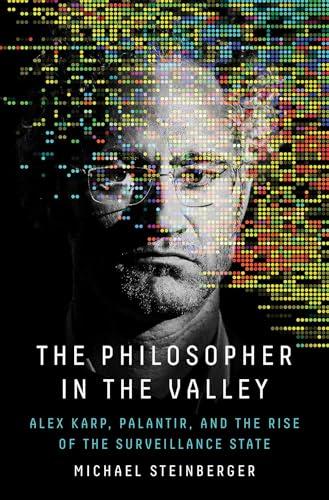
Alex Karp, Palantir, and the Rise of the Surveillance State
The book examined Palantir and its CEO Alex Karp, drawing on years of interviews to detail the company's role in government programs and Karp's political evolution.
You just published this book. It's called The Philosopher in the Valley, about Palantir and its CEO, Alex Karp.
— Episode: Inside the Tech Company Powering Trump’s...
The book examined Palantir and its CEO Alex Karp, drawing on years of interviews to detail the company's role in government programs and Karp's political evolution.
You just published this book. It's called The Philosopher in the Valley, about Palantir and its CEO, Alex Karp.
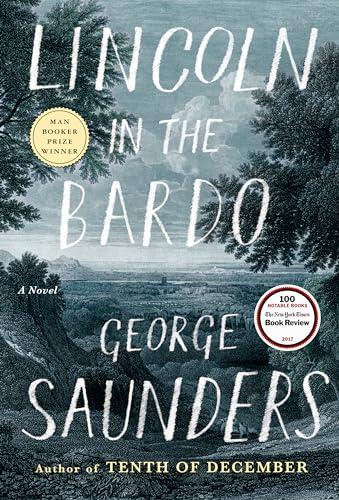
A Novel
The 2017 Booker Prizewinning novel was cited as part of Saunders' literary rsum and later mentioned when the host compared it to his new book Vigil.
the 2017 Booker Prizewinning novel, Lincoln in the Bardo
— Episode: 'The Interview': George Saunders Says Di...
The 2017 Booker Prizewinning novel was cited as part of Saunders' literary rsum and later mentioned when the host compared it to his new book Vigil.
the 2017 Booker Prizewinning novel, Lincoln in the Bardo
Just because you mentioned Lincoln and the Bardo, which is about figures in the afterlife. You know, when I started reading Vigil, the new novel, and there were more figures from the afterlife sort of shepherding someone along, I thought he's doing angels again.
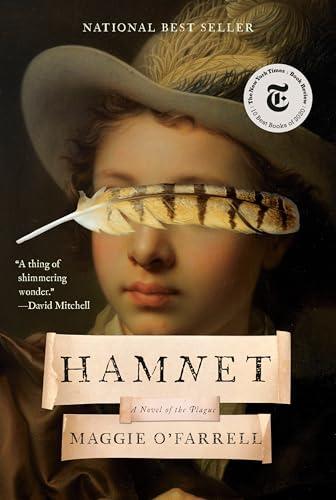
The book was highlighted as a heart‑wrenching historical novel about the loss of Shakespeare's son and the resulting grief of his parents. Chloé Zhao explained that the story resonated with her personal struggles and even helped her through a difficult period, while the host noted its powerful emotional impact. Both speakers praised its portrayal of grief and its relevance across time.
This historical novel, which Chlo Zhao adapted into a film, was about the death of Shakespeare's young son from the plague and the grief experienced by his parents. The author of the book stated that she does not believe the grief experienced from losing a child is any less now than it was in Shakespeare's time. Chlo Zhao mentioned that making the film adaptation of this book saved her in many ways while she was going through a difficult personal period.
And her latest is last fall's heart-wrenching drama, Hamnet, an adaptation of Maggie O'Farrell's historical novel about the death of Shakespeare's young son from the plague and the grief his parents experienced after.
Maggie said that she doesn't believe it's possible that the grief is any less.
And Hamnet, by the way, was what saved me in many ways, to have that film during that time.
And if you see in Hamnet, Will couldn't express his grief. But he could write a play about it. And then create such an intimate environment for people to grieve together. But he himself maybe hoping through the act of doing that, he himself could grieve.
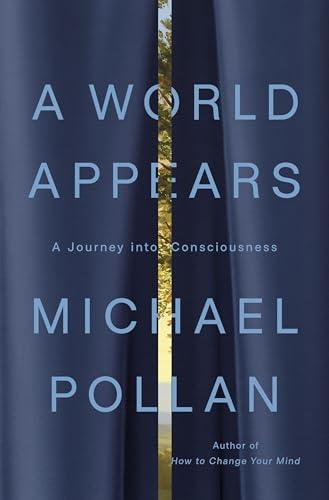
A Journey into Consciousness
The host introduced the book as Michael Pollan's new, highly personal exploration of human consciousness, noting that it delved into profound, mind‑bending questions about what consciousness is, where it comes from, and its purpose for making sense of our lives. The discussion highlighted the book’s ambitious scope and its upcoming release, conveying strong enthusiasm for its insights.
This was described as Michael Pollan's new book and a highly personal exploration into human consciousness, covering what it is, where it comes from, and what the different answers to those questions might mean for making sense of our lives. The book was mentioned to get into profound and mind-bending territory concerning consciousness.
Now, with his new book, A World Appears, A Journey Into Consciousness, he's jumped into the deep end.
The book is a highly personal exploration of human consciousness, what it is, where it comes from, what it's for, and what the different answers to those questions might mean for how we can make sense of our lives.
His book gets into some pretty profound, even mind-bending territory, as I think did our interview.
That's Michael Pollan. His new book, A World Appears, A Journey Into Consciousness, will be published on February 24th.
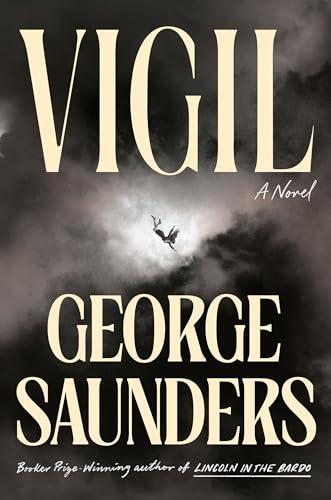
A Novel
His new novel, released that month, centers on a cantankerous oil tycoon on his deathbed and was discussed repeatedly throughout the interview.
He also has a new novel out this month called Vigil, about a cantankerous oil tycoon on his deathbed.
— Episode: 'The Interview': George Saunders Says Di...
His new novel, released that month, centers on a cantankerous oil tycoon on his deathbed and was discussed repeatedly throughout the interview.
He also has a new novel out this month called Vigil, about a cantankerous oil tycoon on his deathbed.
When I started reading Vigil, the new novel, and there were more figures from the afterlife sort of shepherding someone along, I thought he's doing angels again.
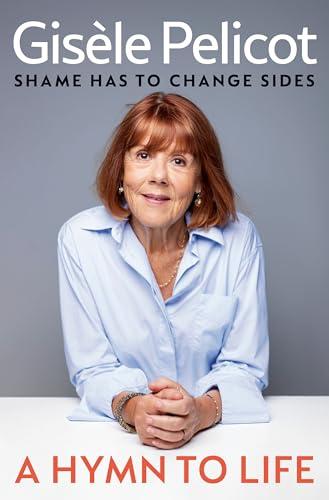
Shame Has to Change Sides
During the interview, the host praised the book as gripping, heartbreaking, and beautifully written, noting that the author intended it to be useful and a means of introspection after her trauma. The discussion highlighted how the memoir allowed the author to examine her marriage, confront lingering shame, and begin rebuilding her life from the ruins. The overall tone was strongly positive, positioning the title as a highly recommended read.
This memoir detailed the author's experience surviving years of secret abuse by her husband and how she found peace afterward. She stated that writing the book allowed her to look inward, take stock of her life, and attempt to rebuild herself from the ruins. The author intended the book to be useful to others.
Your book is gripping. It is heartbreaking. It is beautifully written. And this is the first time that people will be able to have heard from you personally, your own words, your own story.
When I wrote this book, I wanted it to be useful. It also allowed me to look inward at myself, to take stock of my life and to try to rebuild myself from the ruins.
A lot of this book seems to be an attempt to understand who you actually married and also what you actually felt during that time.
You write that a wave of shame swelled up inside of me after this revelation. Can you talk me through why you felt shame at that moment?
If the last 50 years of my life were taken away from me, it would be as if I had never existed, I range, but it's a lot like grieving. You grieve for the life you had. And I couldn't erase all of the good memories because otherwise I'd lose everything. My existence would be void.
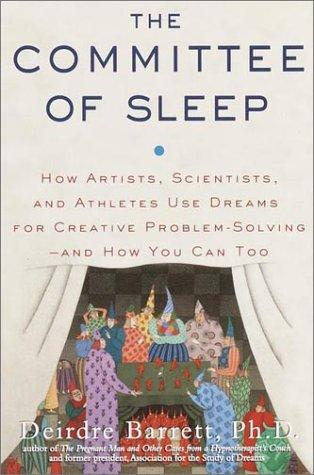
How Artists, Scientists, and Athletes Use Dreams for Creative Problem-Solving-- and How You Can Too
The host introduced the book as a follow‑up that explored how dreams fuel creative breakthroughs, citing examples such as Jasper Johns' Flag, the plot of Frankenstein, and a Beatles song. They highlighted the range of artistic and scientific achievements attributed to dream inspiration, presenting the title as a compelling look at the power of sleep for problem‑solving. The discussion conveyed a strong endorsement of its insights for anyone interested in the link between dreaming and creativity.
The host described the book as a followup work that examined how dreams contributed to creativity, citing examples like Jasper Johns' Flag and the origin of Frankenstein.
A subsequent book, The Committee of Sleep, examined the role of dreams in creativity, noting that dreams were credited as the direct origin of, to name a few examples, Jasper Johns' Flag, the character Stuart Little and the plot of Frankenstein, The Beatles' Song Yesterday, the first ironclad battleship, the scientific breakthrough that earned researchers the 1936 Nobel Prize in Medicine, and, though this one may be apocryphal, the structure of the periodic table.
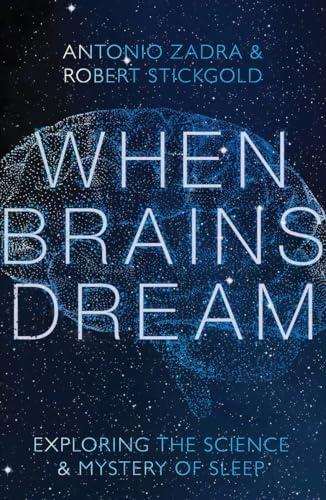
Exploring the Science and Mystery of Sleep
The host highlighted the title, noting that its authors argued for moving beyond mystical interpretations of dreaming toward a biological understanding, especially in the context of changes in dreaming during Covid. The discussion referenced the book as a source for this perspective.
The host referenced the book When Brains Dream, noting that Stickgold and McCarley wrote in it about moving beyond mystical views of dreaming toward a biological understanding.
when ... wrote in their book When Brains Dream, No longer was dreaming just a mystical mental phenomenon that seemed to come from nowhere, except maybe the hidden resources of our psyche. Suddenly there was a biology of dreaming.
The book was cited as a key ethnography on Harley culture, identifying four factors that shape the spiritual experience of motorcycle riding.
In the famed Harley ethnography, Subcultures of Consumption, John W. Schutten and James H. McAlexander identify four factors they believe contribute to the spirituality of the motorcycle riding experi...
— Episode: The Sunday Read: ‘I Fell in Love With Mo...
The book was cited as a key ethnography on Harley culture, identifying four factors that shape the spiritual experience of motorcycle riding.
In the famed Harley ethnography, Subcultures of Consumption, John W. Schutten and James H. McAlexander identify four factors they believe contribute to the spirituality of the motorcycle riding experience.
Quote, the increased closeness to nature, the heightened sensory awareness, the mantric throbbing of the engine, the constant awareness of risk, and the co-committent mental focus.
The title was referenced when Sam Anderson highlighted Laurie Anderson's opera that was based on the classic novel, noting its cultural reach from NASA to the Sydney Opera House. He mentioned the book primarily as the source material for the performance rather than recommending it to listeners.
Sam Anderson noted that Laurie Anderson had created an opera based on the classic novel Moby-Dick.
She helped design an Olympics opening ceremony, served as the official artist-in-residence for NASA, made an opera out of Moby-Dick, and played a concert for dogs at the Sydney Opera House.
A Novel (1) (The Red Sparrow Trilogy)
The hosts referenced the title as a classic spy story, noting how it portrayed American agents in Moscow trying to evade the KGB or FSB. They highlighted the novel's depiction of elaborate tradecraft used to lose a tail and go "black" in CIA terminology. The discussion was descriptive rather than a strong endorsement.
The hosts referenced the Red Sparrow novels as classic spy stories that depict American agents in Moscow trying to evade the KGB or FSB.
Let's think back to classic spy movies or classic spy novels. You know, the Red Sparrow novels, they talk about American spies in Moscow going to meet a source, spending hours trying to elude the KGB or FSB tail, and that they were just doing all these elaborate moves to lose the tail, to go black in the parlance of the CIA.
The book was brought up during a discussion of the Supreme Court's political role, noting that Justice Stephen Breyer was promoting it on a book tour and that it directly addresses the topic. The hosts highlighted its relevance to the conversation but did not elaborate further.
The book was mentioned as being on a topic related to the Supreme Court's role in politics, and it was noted that Justice Stephen Breyer was promoting it on a book tour.
Justice Stephen Breyer, one of the court's liberal members, is on a book tour. And his book is actually on this topic. It's called The Authority of the Court in the Peril of Politics.
With a New Preface
Emily Bazelon referenced the title, noting that the author’s 1979 work helped establish the limitations of human memory, underscoring its significance for legal and psychological discussions. The book was highlighted for its influential contribution to understanding eyewitness testimony.
She noted that ElizabethLoftus wrote her 1979 book Eyewitness Testimony, which helped establish the limitations of human memory.
she wrote in her 1979 book Eyewitness Testimony
And Other Paradoxes of Our Broken Legal System
Emily Bazelon referenced the title to point out that the book argues modern science reveals eyewitness testimony is often unreliable in ways jurors cannot readily evaluate, underscoring challenges in the legal system and the difficulty of freeing prisoners. The discussion used this insight to highlight systemic paradoxes without explicitly endorsing the work.
He wrote in his recent book Why the Innocent Plead Guilty and the Guilty Go Free that modern science suggests much eyewitness testimony is inherently suspect.
writes in his recent book Why the Innocent Plead Guilty and the Guilty Go Free, modern science suggests that much of such testimony is inherently suspect but not in ways that jurors can readily evaluate from their own experience
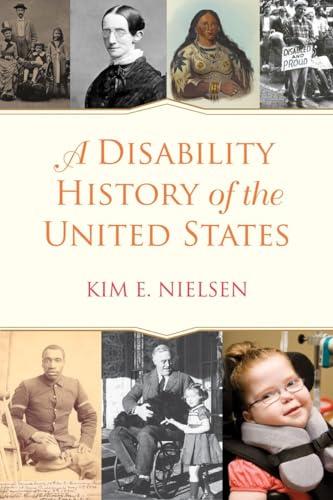
The host highlighted that the title argued disabilities clash with the American myth of rugged individualism, often portraying disabled people as a societal drain. It was introduced while discussing a man who filed more than 180 disability lawsuits, and the book’s perspective was presented without strong endorsement. The mention was neutral and informational.
The host noted that Nielsen's book argues disabilities clash with the American myth of rugged individualism, often portraying disabled people as a societal drain.
Disabilities, Kim E. Nielsen writes in A Disability History of the United States, rub up against the American value of individualistic, selfsufficient grit. People with disabilities are thus often cast as a drain.
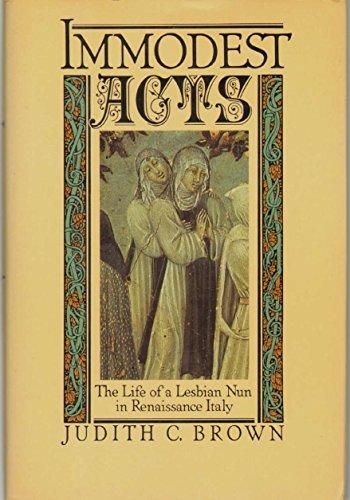
The Life of a Lesbian Nun in Renaissance Italy
Katja mentioned that she was reading the book while she was unemployed, noting that it explored the lives of lesbian nuns in the Renaissance. The discussion was brief and informational, without a strong endorsement.
She mentioned that she was reading the book while on unemployment, noting it was about lesbian nuns in the Renaissance.
I'm reading Immodest Acts, which is a book about lesbian nuns in the Renaissance.
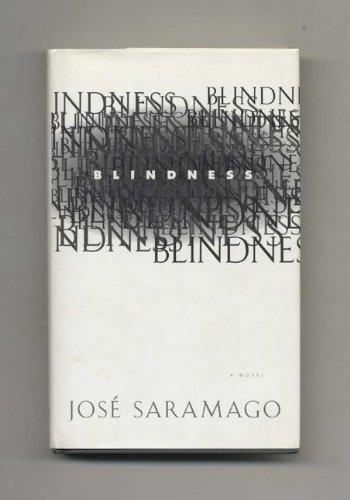
The episode examined the novel's depiction of an epidemic of sudden blindness that triggers societal breakdown, likening it to a zombie scenario and observing that both the book and its 2008 film adaptation portray blind people as monsters. The hosts presented this portrayal as a critique rather than a recommendation.
The episode referenced the 2008 film adaptation of Jos Saramago's novel Blindness, noting that both the book and movie depict an epidemic of sudden blindness that leads to societal collapse and portray blind people as monsters.
In the Dark, most recently in 2008 with the release of Fernando Meireles' adaptation of Jos Saramago's novel Blindness. It argued that the film and the novel about an epidemic of sudden blindness that leads to a societal breakdown, which is in its broad strokes not unlike a zombie movie, portrayed blind people as monsters.
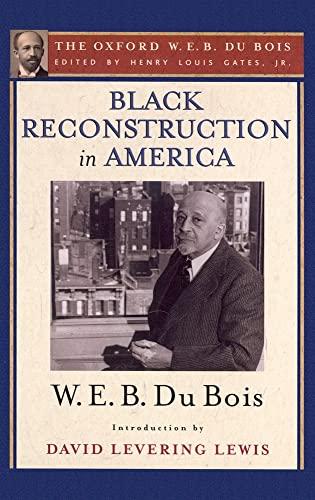
An Essay Toward a History of the Part Which Black Folk Played in the Attempt to Reconstruct Democracy in America, 1860-1880
In the episode, the title was highlighted as essential reading for all Americans, with Ta-Nehisi Coates urging listeners to engage with it to better understand the nation's history. The discussion framed the work as a crucial perspective on the role of Black people in reconstructing democracy after the Civil War.
The book was recommended as essential reading for every American.
I think everybody in America should read Black Reconstruction by W.E.B. Du Bois
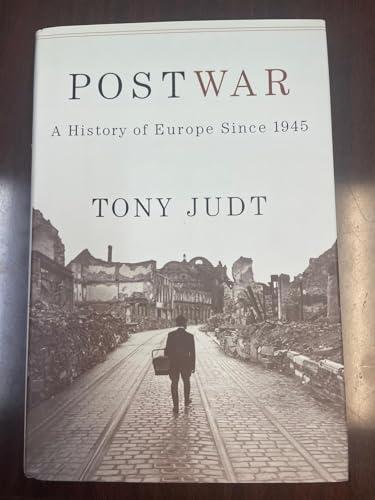
A History of Europe Since 1945
In the episode, Ta-Nehisi Coates praised the title as a beautifully written, sharp history that helped him confront and articulate difficult aspects of America. He highlighted its depth and literary quality, describing it as a magnificent work despite its length.
The work was praised for its sharp, beautifully written history that helped the speaker reconcile how to talk about America.
Tony Judt in his magnificent, magnificent history, Postwar. It's a thick book, but it's a beautifully written book. It is a sharp history and a sharp confrontation with some acts of just straight up evil.
Note: The book recommendations on this page are discovered automatically from podcast transcripts, and may be incorrect or incomplete.
Podcast Name