The Song of Achilles
Madeline Miller
Mentioned 1 week ago
What’s Epic About the ‘Odyssey’? Everything.

This is what the news should sound like. The biggest stories of our time, told by the best journalists in the world. Hosted by Michael Barbaro, Rachel Abrams and Natalie Kitroeff. Twenty minutes a day, six days a week, ready by 6 a.m. Subscribe today at nytimes.com/podcasts or on Apple Podcasts an...
Recently mentioned
Madeline Miller
Mentioned 1 week ago
What’s Epic About the ‘Odyssey’? Everything.
Madeline Miller
Mentioned 1 week ago
What’s Epic About the ‘Odyssey’? Everything.
Henry Grabar
Mentioned 2 weeks ago
The Most American Episode of The Daily, Ever.
Honoree Fanonne Jeffers
Mentioned 2 weeks ago
The Most American Episode of The Daily, Ever.
August Wilson
Mentioned 2 weeks ago
The Most American Episode of The Daily, Ever.
Maggie Haberman
Mentioned 3 weeks ago
Robby Hoffman Will Always Feel Poor, No Matter How Rich She Gets
LAVINIA JUNIOR JACOBSON
Mentioned 4 weeks ago
R.F.K. Jr.’s Newest Mission: Getting Us Off Antidepressants
Tom Junod
Mentioned 1 month ago
Can a Bad Man Be a Good Father?
Cormac McCarthy
Mentioned 1 month ago
A Gen Z Revolution at the Movies
Dennis Prager
Mentioned 1 month ago
Do Aliens Exist? Steven Spielberg Believes They Do
H. G. Wells
Mentioned 1 month ago
Do Aliens Exist? Steven Spielberg Believes They Do
Lawrence Wright
Mentioned 1 month ago
Seth Rogen Is 44, Often Stoned and on a Roll
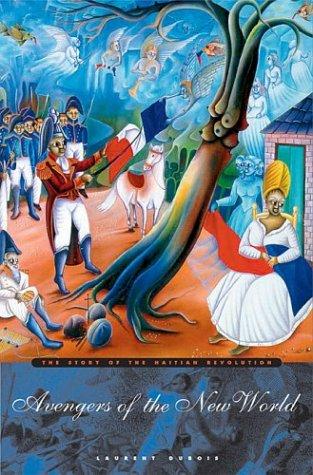
The Story of the Haitian Revolution
The book was praised as a beautiful work of history about the Haitian Revolution, with Ta-Nehisi Coates noting its impact. He highlighted it as a standout title in discussions of how America’s story is told. The episode presented it as a highly recommended read.
The book was highlighted as a beautiful work of history about the Haitian Revolution.
the second book that I think about a lot similarly is Laurent Du Bois' History of the Haitian Revolution, Avengers of the New World. What a beautiful, beautiful, beautiful work of history that really, really...
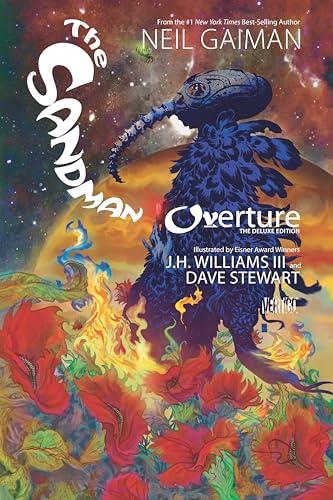
Overture Deluxe Edition
The book was highlighted for its exceptional artwork and a story that exceeded even psychedelic experiences. Ta‑Nehisi Coates, a guest on the episode, expressed that it featured the best art he had ever seen in a graphic novel and left him completely blown away. The discussion conveyed strong enthusiasm and a clear endorsement of the title.
The graphic novel was praised for its outstanding art and being a fantastic story that surpassed even psychedelic experiences.
Sandman Overture. I was a fan of the original Sandman comics for years, but I didn't realize that Neil Gaiman had gone back in 2015 and revisited the universe in a book that has, I think, the best art I have ever seen in a graphic novel. I was just totally blown away by it.
A Memoir of the Cuban Missile Crisis
The host noted that Graham Allison had written the definitive history of the Cuban Missile Crisis.
As my friend Graham Allison at Harvard, who wrote the definitive history of the Cuban Missile Crisis, said, if you're going to play poker and you sit down at the table and somebody said, I'm going to...
— Episode: Why Is China Expanding Its Nuclear Arsen...
The host noted that Graham Allison had written the definitive history of the Cuban Missile Crisis.
As my friend Graham Allison at Harvard, who wrote the definitive history of the Cuban Missile Crisis, said, if you're going to play poker and you sit down at the table and somebody said, I'm going to give you a fifth as many poker chips as the guy sitting opposite you, you're going to pick up and walk away.
Boardroom Battles and the Rise of Shareholder Activism – A History of Corporate Governance Through Letters from Warren Buffett and Wall Street Icons
In the episode, the host referenced the book as a 2016 publication that examined boardroom battles and the rise of shareholder activism, citing its author Jeff Graham. The discussion was brief and primarily used the title to provide context for the topic of hedge funds and corporate governance. No strong endorsement or criticism was offered, indicating a casual mention.
The book was referenced as a 2016 publication that examined boardroom battles and the rise of shareholder activism.
said Jeff Graham, author of the 2016 book Dear Chairman, Boardroom Battles and the Rise of Shareholder Activism.
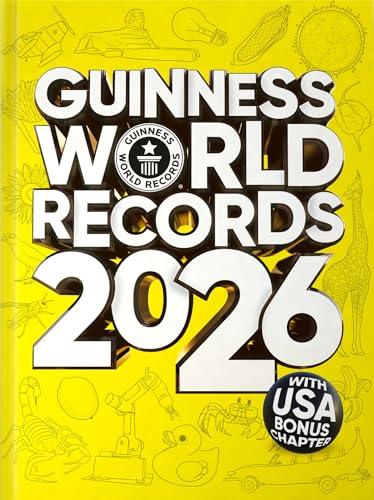
The book was referenced as the definitive record source when Liz Weil discussed Doba’s worry about not earning a spot for his solo, unsupported trans-Atlantic kayak crossing. It was mentioned only to illustrate the significance of achieving a Guinness record.
Liz Weil noted that Doba was concerned about not earning a spot in the Guinness Book of World Records for his solo, unsupported transAtlantic kayak crossing.
he worried that he would not earn a spot in the Guinness Book of World Records for kayaking solo from continent to continent unsupported
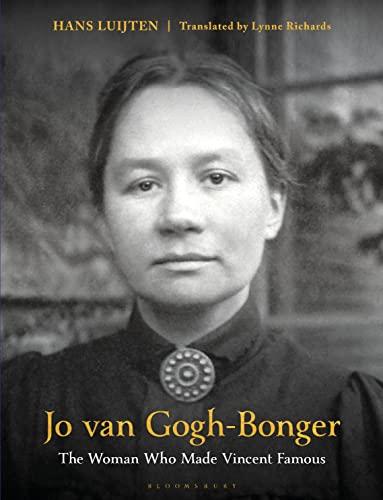
The Woman Who Made Vincent Famous
The host introduced the episode by presenting the title as a story to be read aloud by Orla Cassidy, highlighting the book's focus on the woman who helped make van Gogh famous.
The host introduced the episode as the story "The Woman Who Made Van Gogh" and noted it would be read aloud by Orla Cassidy.
So here's my story, The Woman Who Made Van Gogh, read by Orla Cassidy.
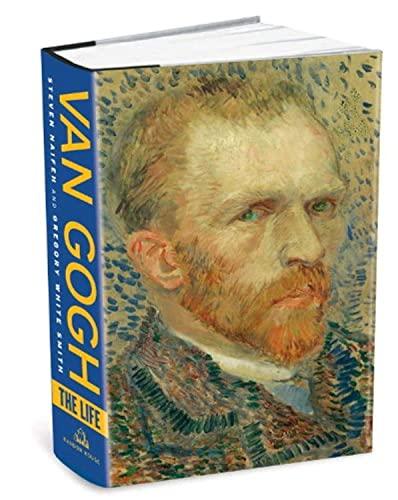
The Life
In a Sunday Read segment, the hosts identified the book as the bestselling 2011 biography co‑written by Stephen Naifeh, noting its prominence without further discussion. The mention was brief and factual.
Stephen Neifey was identified as a coauthor of the bestselling 2011 biography "Van Gogh the Life".
co-author of the bestselling 2011 biography, Van Gogh the Life
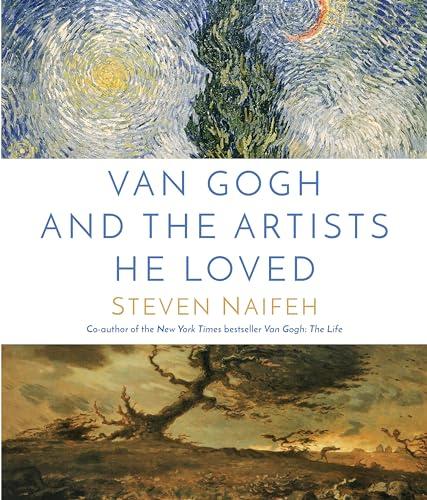
The book was briefly mentioned in the episode as a forthcoming title by the author, with the host noting its upcoming release. No detailed discussion or endorsement was provided.
Stephen Neifey was also noted as the author of the forthcoming book "Van Gogh and the Artists He Loved".
author of the forthcoming Van Gogh and the Artists He Loved
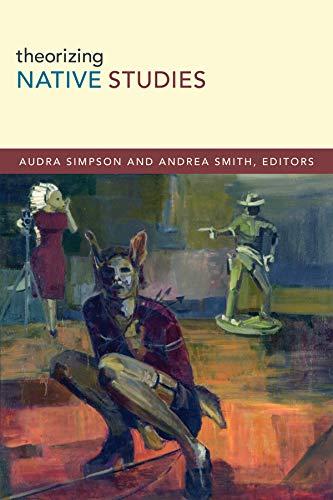
The episode noted the title as a forthcoming collection that Smith was developing with Mohawk scholar Audra Simpson, mentioning it as a new collaborative project. No specific endorsement or critique was offered, merely acknowledging its upcoming release.
The collection was mentioned as a new book project Smith was working on, coedited with Mohawk scholar Audra Simpson.
She turned her attention to a different book project, a collection called Theorizing Native Studies with the Mohawk scholar Audra Simpson.
Sexual Violence and American Indian Genocide
The episode referenced the title as having drawn on accounts of rape and sexual assault shared by Native women while the author was presenting herself as Cherokee. The discussion highlighted concerns about the author's claimed identity and the use of those personal stories. It was presented as a point of critique rather than endorsement.
Smith's first book was referenced as having relied on stories of rape and sexual assault shared by Native women while she claimed Cherokee identity.
Smith's first book Conquest Sexual Violence and American Indian Genocide had relied on stories of rape and sexual assault that native women shared with her while she was identifying as Cherokee.
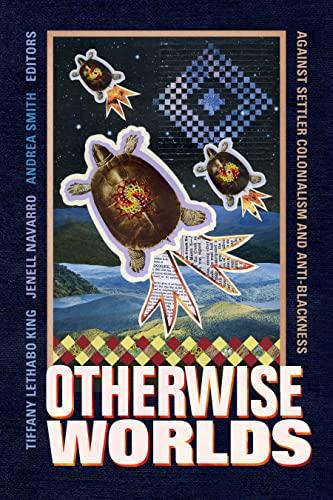
Against Settler Colonialism and Anti-Blackness (Black Outdoors
The hosts highlighted a recent Duke University Press anthology co‑edited by Smith, King, and Navarro, noting that it explores how native studies and black studies can find common ground against settler colonialism and anti‑Blackness. They presented the title as an interesting new contribution to the field.
The anthology, edited by Smith with Tiffani Lethabo King and Janelle Navarro, was described as a recent coedited collection from Duke University Press.
Smith's book edited with tiffani lethabo king and janelle navarro is an anthology called Otherwise Worlds against settler colonialism and anti-blackness that is meant to examine ways that native studies and black studies might find common ground.
Poetry (Arabic Edition)
The host noted that Ralph Solecki had published a book titled Shanadar, The First Flower People, which originally claimed Neanderthals had a spiritual side, but later the idea was discredited.
An archaeologist at the center of this work, Ralph Solecki, published a book called Shanadar, The First Flower People. It was 1971, the age of Aquarius, those flowers he'd go on to write proved that N...
— Episode: The Sunday Read: ‘Neanderthals Were Peop...
The host noted that Ralph Solecki had published a book titled Shanadar, The First Flower People, which originally claimed Neanderthals had a spiritual side, but later the idea was discredited.
An archaeologist at the center of this work, Ralph Solecki, published a book called Shanadar, The First Flower People. It was 1971, the age of Aquarius, those flowers he'd go on to write proved that Neanderthals had soul.
Then again, Solecki's idea was eventually discredited.
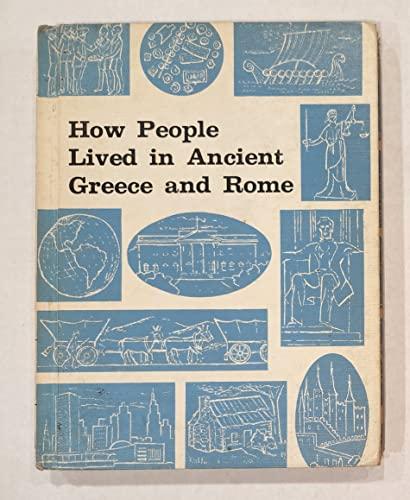
The book was noted by Padija as a slim blue‑and‑white textbook she first encountered in a homeless shelter library, and it was used to illustrate how Western civilization is framed as a union of early Greek wisdom and Roman legal organization. The hosts referenced it to discuss the packaging of classical narratives.
The textbook was described as a slim blueandwhite volume that Padija first encountered in a homeless shelter library, and it framed Western civilization as the union of early Greek wisdom and Roman legal minds.
What he did find was a slim blue and white textbook titled How People Lived In Ancient Greece And Rome. Western civilization was formed from the union of early Greek wisdom and the highly organized legal minds of early Rome.
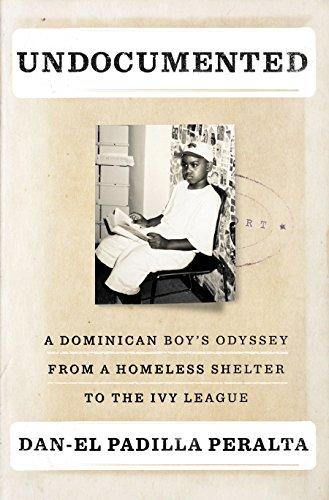
A Dominican Boy's Odyssey from a Homeless Shelter to the Ivy League
The hosts referenced the memoir when discussing the author's experience in a New York shelter, noting how he described the limited library collection and his encounter with an ancient textbook. They highlighted the work as a personal account of his journey from homelessness toward academic achievement.
Padija's 2015 memoir was mentioned as the work in which he reflected on his time in a New York shelter, describing the library's tiny collection and his discovery of the ancient textbook.
At the shelter ... Padija wrote in his 2015 memoir, Undocumented.
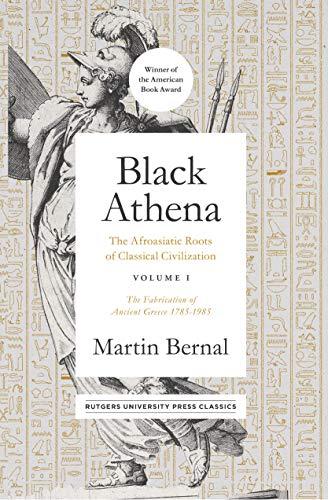
The Afroasiatic Roots of Classical Civilization Volume I
The book was cited as a controversial work that argued for African and Semitic influences on ancient Greek culture, illustrating the resistance among scholars to acknowledging the field's role in whitewashing antiquity.
Bernal's trilogy was cited as a controversial work that argued for African and Semitic influences on ancient Greek culture, illustrating resistance among scholars to acknowledging the field's role in whitewashing antiquity.
Martin Bernal's trilogy positing African and Semitic influence on ancient Greek culture just how resistant some of their colleagues were to acknowledging the field's role in whitewashing antiquity.
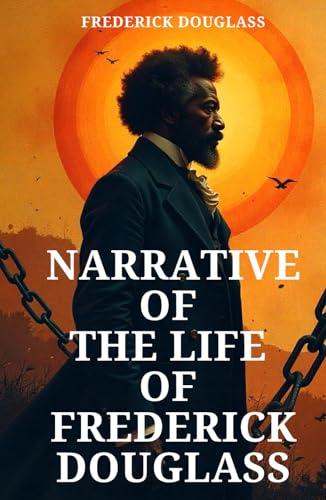
An American Slave
In the episode, the host referenced the autobiography when comparing a character's discovery of a textbook to a scene where Douglass's owner chastised his wife for teaching him to read, underscoring the transformative power of literacy for enslaved people. The discussion highlighted how the book illustrates the impact of reading on personal freedom.
Douglass's autobiography was referenced when Padija compared his discovery of the textbook to a scene from one of Douglass's autobiographies, highlighting the transformative power of reading for enslaved people.
he compares the experience to a scene in one of Frederick Douglass' autobiographies when Mr. Old Douglass' owner in Baltimore chastises his wife for helping Douglass learn to read.
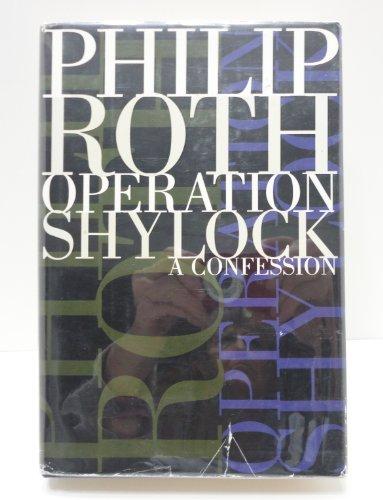
A Confession
The host described the title's metafictional premise, noting that a character named Philip Roth travels to Israel to confront a lookalike who poses as him while pushing Middle East peace plans. The discussion highlighted the novel's unusual plot twist but did not include a strong recommendation.
The host explained that the 1993 novel features a character named Philip Roth who travels to Israel to confront a lookalike, highlighting the book's metafictional premise.
In the 1993 novel Operation Shylock, a character named Philip Roth travels to Israel to confront a lookalike, named Philip Roth, who peddles Middle East peace plans while pretending to be the real Roth.

Government Deceit & Suppression About Brain Damage from Childhood Vaccines
The discussion noted that Roth's 1988 memoir was bracketed with letters to his fictional alter ego, emphasizing its status as one of his few nonfiction works.
He brackets his 1988 memoirs The Facts, one of his few works of ostensible non-fiction, with letters to and from Nathan Zuckerman, his fictional alter ego.
— Episode: The Sunday Read: ‘The Ghost Writer’
The discussion noted that Roth's 1988 memoir was bracketed with letters to his fictional alter ego, emphasizing its status as one of his few nonfiction works.
He brackets his 1988 memoirs The Facts, one of his few works of ostensible non-fiction, with letters to and from Nathan Zuckerman, his fictional alter ego.
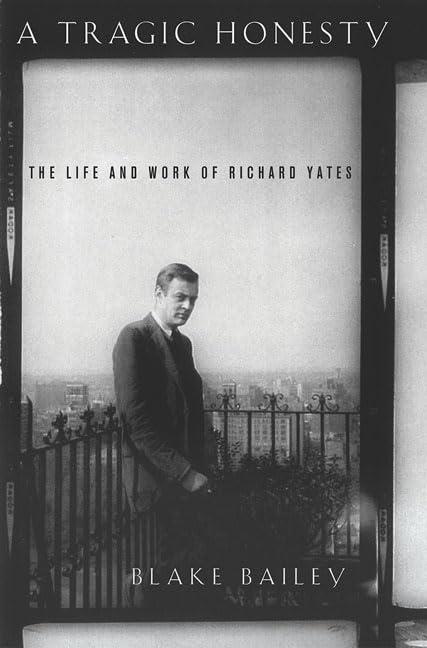
The Life and Work of Richard Yates
The hosts noted that the 2003 biography had played a key role in elevating Richard Yates to broader recognition, rescuing him from obscurity. They highlighted its thorough research and compelling narrative as instrumental in bringing the author of Revolutionary Road the fame that had previously eluded him.
The narration noted that Bailey's 2003 biography of Richard Yates, A Tragic Honesty, helped bring the author of Revolutionary Road to wider fame.
In 2003 he published A Tragic Honesty, The Life and Work of Richard Yates, which helped earn the author of Revolutionary Road the fame that eluded him during a long, poor drunken life.
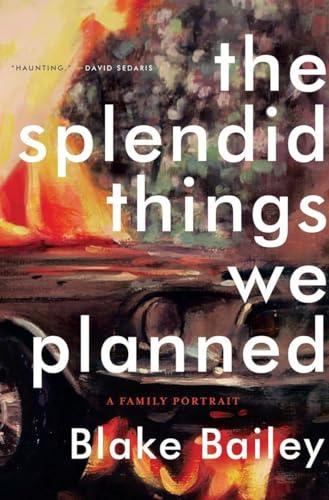
A Family Portrait
The host referenced the memoir to illustrate the author's strong affinity for Frederick Exley and his literary ambitions. They quoted a passage where the author described feeling a kinship with Exley's alcoholism, sports obsession, and contempt for ordinary life. The book was mentioned as a contextual example rather than a recommendation.
Bailey's 2014 memoir, The Splendid Things We Planned, was cited as expressing his affinity for author Frederick Exley and his own literary ambitions.
I was feeling, Bailey writes in his 2014 memoirs, The Splendid Things We Planned, a keen affinity for Exley, with his alcoholism, his morbid interest in sports, his contempt for the workaday world, the whole narcissistic juvenile world.
Note: The book recommendations on this page are discovered automatically from podcast transcripts, and may be incorrect or incomplete.
Podcast Name