Notes on Being a Man
Scott Galloway
Mentioned 5 months ago
Scott Galloway: Time to Send a Message to the CEOs
Tim Miller and guests discuss the latest political news for the flagship podcast of the Never Trump movement and the reality-based community. Every weekday we provide insightful analysis, political hot-takes, an unabashed defense of liberal democracy and long-form interviews that cut through the "bo...
Recently mentioned
Scott Galloway
Mentioned 5 months ago
Scott Galloway: Time to Send a Message to the CEOs
Jason Zengerle
Mentioned 5 months ago
Gov. Tim Walz and Jason Zengerle: The Assault on Minnesota
John Dickerson
Mentioned 1 year ago
John Dickerson: Hero Story
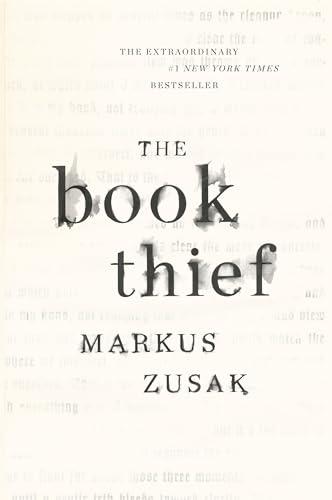
Markus Zusak
Mentioned 1 year ago
Jim Messina and Michael Weiss: Midwestern Nice
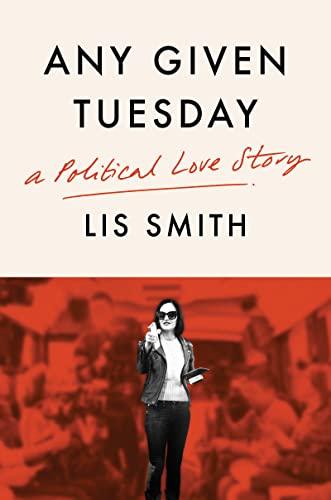
Lis Smith
Mentioned 1 year ago
Lis Smith: Go After the Weird Angle
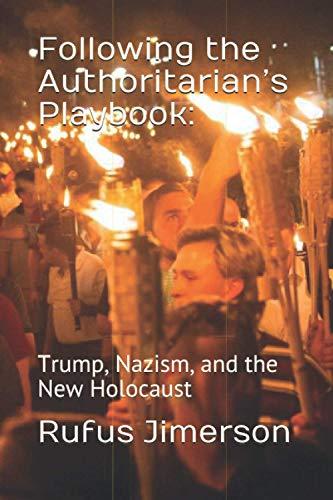
Dr. Rufus O. Jimerson
Mentioned 1 year ago
Amanda Carpenter: Get With the Program, Already
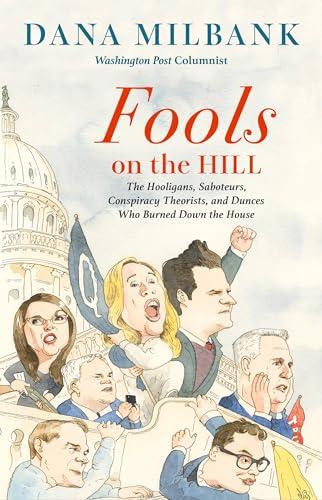
Dana Milbank
Mentioned 1 year ago
Dana Milbank: Fools on the Hill
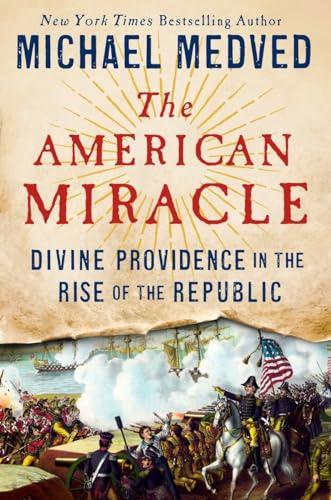
Michael Medved
Mentioned 1 year ago
Michael Medved: America Is No Accident
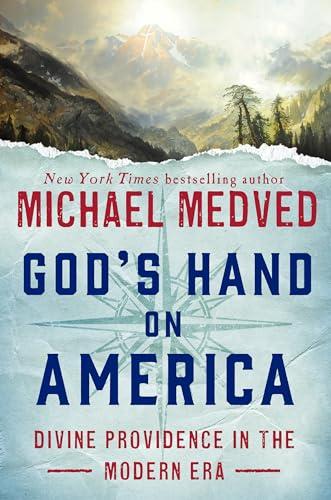
Michael Medved
Mentioned 1 year ago
Michael Medved: America Is No Accident
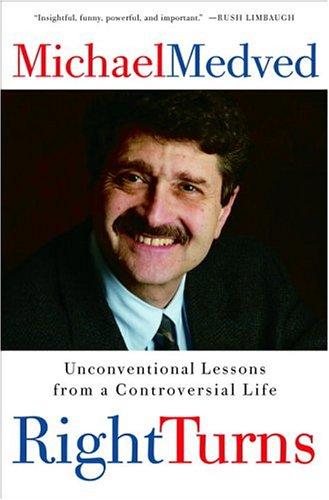
Michael Medved
Mentioned 1 year ago
Michael Medved: America Is No Accident
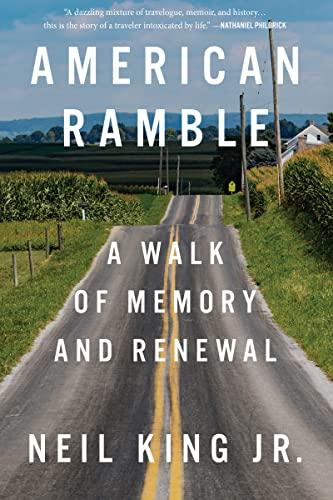
Neil King
Mentioned 1 year ago
Peter Hamby: Living the Racist Porn Message Board Life
Russ Buettner
Mentioned 1 year ago
Sam Stein and Susanne Craig: Look Beyond the Polls
Donald Trump's Washington and the Price of Submission
It was mentioned in the introduction of the podcast. Mark Leibovich, the author, is a former New York Times writer who currently writes for The Atlantic.
His most recent is Thank You for Your Servitude.
— Episode: Mark Leibovich: The Oracle of Washington
It was mentioned in the introduction of the podcast. Mark Leibovich, the author, is a former New York Times writer who currently writes for The Atlantic.
His most recent is Thank You for Your Servitude.
The book was referenced in relation to the MAGA culture and the podcast host's positive surprise regarding a lack of violent backlash after an assassination attempt.
If there anybody that's read, thank you for servitude or why we did it.
The speaker reviewed Walter Isaacson's biography about Elon Musk, finding that the biographer seemed too sympathetic and possibly suffered from sourcing problems by just repeating what Musk or his father said.
What is your thumbnail review of the Walter Isaacson book that came out in the midst of all of this?
— Episode: Kara Swisher: Jim Jordan, Legislative Te...
The speaker reviewed Walter Isaacson's biography about Elon Musk, finding that the biographer seemed too sympathetic and possibly suffered from sourcing problems by just repeating what Musk or his father said.
What is your thumbnail review of the Walter Isaacson book that came out in the midst of all of this?
I basically said. Troubled young man gets a lot of money and decides to take his trauma out on everybody else. Sometimes he's right, sometimes he's wrong. Mostly he just seems crazier and crazier.
It's a doorstop of a book. I think he was a little bit of an amnesis to this guy. He just typed what he said. There's a lot of sourcing problems in the book.
Walter Isaacson, an immensely prestigious author, had been working on a biography of Elon Musk and had an excerpt published recently. There was a public disagreement between Isaacson and Musk regarding a story in The Washington Post about Musk shutting off Starlink access to Ukrainians, with Isaacson later correcting his story.
Walter Isaacson is an immensely prestigious author. He's written a biography of Leonardo da Vinci and of Ben Franklin, a former editor of Time Magazine. And he's been working on a biography of Elon Musk.
We ran an excerpt obviously last week. And I think in this particular case, Elon does a lot of things.
The version 1.0 is Elon Musk found out that the Ukrainians were going to attack the Russian fleet in Crimea and shut down access to his internet platform that they're depending on for targeting and a lot of other things.
The version 2.0 is Starlink was equipped to cover basically the wartime boundaries of Ukraine and that it wasn't covering Crimea.
The Triumph and Tragedy of J. Robert Oppenheimer
The film adaptation was described as a very faithful adaptation of this book, with Christopher Nolan pulling material almost verbatim from its pages.
Yeah. I mean, it's interesting to read this book and then see the movie and see all of the stuff that's pulled almost verbatim out of it.
— Episode: The Drama and Reality of 'Oppenheimer'
The film adaptation was described as a very faithful adaptation of this book, with Christopher Nolan pulling material almost verbatim from its pages.
Yeah. I mean, it's interesting to read this book and then see the movie and see all of the stuff that's pulled almost verbatim out of it.
But this is a very, very faithful adaptation of the book, American Prometheus. Mills By the way, the book itself was tremendously long, I thought.
I mean, like the book is very interesting to me because it is a classic of a very specific sort of history of mid-century America that is written by progressives, by liberals.
And the book goes into this, the movie didn't have time for it, but later after the war, Oppenheimer went through a period, I think of kind of naivete where he thought perhaps there could be an international commission or agency that would control nuclear power and everybody would agree to it.
There's a line in the book, you know, the authors are saying he had become convinced that the military use of the bomb in this war might eliminate all wars.
One speaker planned to read this book before seeing the Oppenheimer movie, suggesting it was the source material for the film.
I'm planning on doing is I have the book, American Prometheus. I think I'm going to try to read it before I even see the movie.
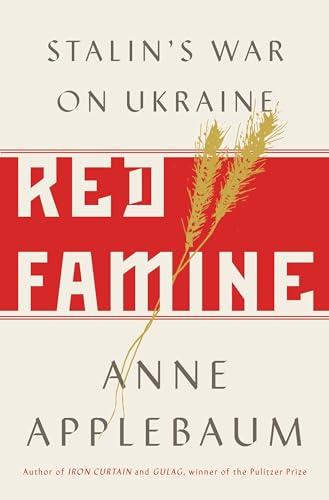
Stalin's War on Ukraine
The hosts referenced the title while discussing Anne Applebaum's body of work, noting that it examined Stalin's war on Ukraine. It was mentioned alongside her other well‑known publications as part of a broader conversation about her contributions to history and politics. The tone was neutral, simply acknowledging the book as one of her notable works.
The book focuses on Stalin's war on Ukraine.
Her books include Red Famine, Stalin's war on Ukraine, the Pulitzer Prize winning Gulag, a history and most recently Twilight of Democracy, the seductive lore of authoritarianism, all very uplifting pieces of writing.
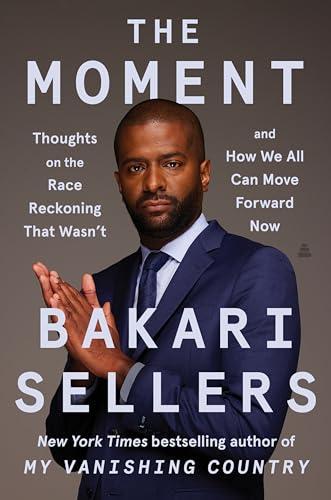
Thoughts on the Race Reckoning That Wasn't and How We All Can Move Forward Now
The book, "The Moment," discussed the race reckoning that didn't happen and ways to move forward.
His latest book, The Moment, thoughts on the race reckoning that wasn't and how we can all move forward now.
— Episode: Bakari Sellers and Elaina Plott Calabro:...
The book, "The Moment," discussed the race reckoning that didn't happen and ways to move forward.
His latest book, The Moment, thoughts on the race reckoning that wasn't and how we can all move forward now.
The book talks about the belief that we were on the brink of a third reconstruction in 2020, but that moment was lost. It touches on topics like the death of George Floyd and the reaction to it, the underlying systems that are still in place, and the current political climate.
I think 2020, 2021 there was a belief that we were on the brink of some third reconstruction.
And I was a proponent of that, a believer in that.
I think that we had a very hot summer with the deaths of Amad, Brianna and George.
We forget that all three of them were murdered within and you see the videos within a matter of moments.
I think COVID played a huge role in George Floyd and the reaction there because we were stuck in our homes.
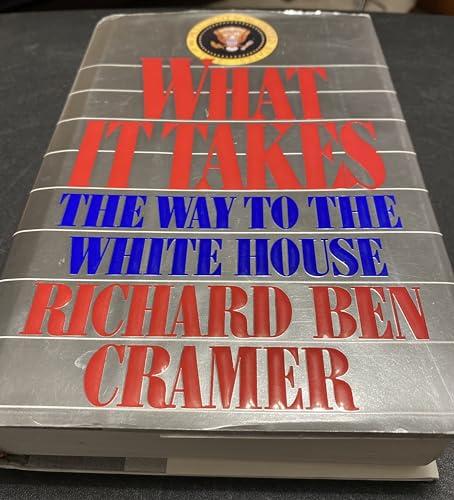
The Way to the White House
It has an amazing portrait of Joe Biden.
So it's What It Takes, which has just an amazing portrait of Joe Biden.
— Episode: Symone Sanders-Townsend: Don't Say We Di...
It has an amazing portrait of Joe Biden.
So it's What It Takes, which has just an amazing portrait of Joe Biden.
Richard Ben Cramer's book, "What It Takes," which was written in the early 90s, was said to be the best account of Joe Biden's mind. Cramer captured something Biden describes of himself, "gaming it out", meaning he could game out things that other people think he cannot do.
That in there he captured something that biden describes of himself where he calls it gaming it out meaning I can game out things that other people think I cannot do
You know, I have the ability to do like any good podcast. I have What It Takes sitting right by my desk
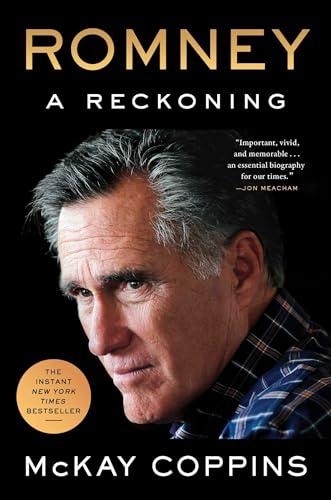
A Reckoning
This book, a biography of Mitt Romney, was mentioned in the podcast. The host, Tim Miller, said that he would be doing some "Mitt Romney psychoanalysis" at the end of the episode, suggesting that McKay Coppins' book provides insight into Romney's personality.
His most recent book, Romney A Reckoning, is a biography of Mitt Romney. We're going to do some Mitt Romney psychoanalysis at the very end.
— Episode: Will Saletan and McKay Coppins: Fear and...
This book, a biography of Mitt Romney, was mentioned in the podcast. The host, Tim Miller, said that he would be doing some "Mitt Romney psychoanalysis" at the end of the episode, suggesting that McKay Coppins' book provides insight into Romney's personality.
His most recent book, Romney A Reckoning, is a biography of Mitt Romney. We're going to do some Mitt Romney psychoanalysis at the very end.
The book chronicled Mitt Romney's political transformation from a Republican standard-bearer to a pariah within his own party over a decade. The author noted that Romney turned over his private notes and journals for the compelling read, which debuted on the New York Times Best Seller list.
It's not always that a book about somebody who lost a presidential election and is retiring from the United States Senate makes the bestseller list.
His journey from presidential nominee and standard bearer of the Republican Party to essentially a pariah in his own party within 10 years felt to me like a pretty interesting story
The easy story to write about Romney today is that of the courageous apostate, the lone Republican senator who voted to convict Donald Trump during the first impeachment trial, the throwback to a vision of a party that barely exists today, fiscally conservative, morally upright, constitutionally conscientious.
I think I recognize now my capacity to rationalize decisions that are in my self-interest.
He wrote out a line from the Yeats poem, The Second Coming, that he felt kind of embodied or captured what the Republican Party in the Trump era was. And he wrote, the best lack all conviction while the worst are filled with passionate intensity.
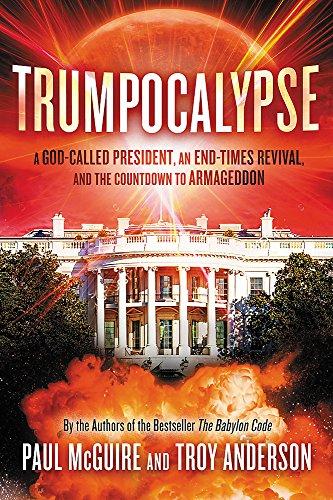
The End-Times President, a Battle Against the Globalist Elite, and the Countdown to Armageddon (Babylon Code)
David Frum has written ten books, most recently *Trumpocalypse* and *Trumpocracy*, and he had a conversation with Tim Miller about his commentary on Trump.
It's David Frum. Author of 10 books, most recently Trumpocalypse and Trumpocracy.
— Episode: David Frum: Complete Chaos
David Frum has written ten books, most recently *Trumpocalypse* and *Trumpocracy*, and he had a conversation with Tim Miller about his commentary on Trump.
It's David Frum. Author of 10 books, most recently Trumpocalypse and Trumpocracy.
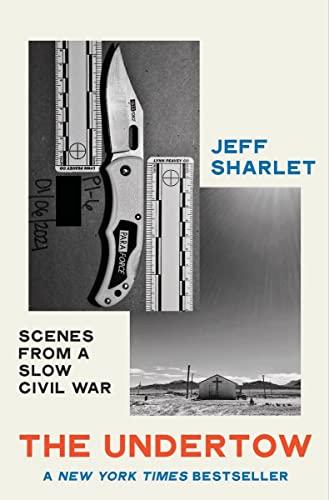
Scenes from a Slow Civil War
Undertow was highly recommended as a book that people need to read and absorb, particularly if Trump wins, but even if he doesn't. The book was described as being similar to Liz Cheney's book about the January 6th insurrection and Tim Alberta's book about evangelicals.
I recommend that everybody read Undertow or listen to it on Audible.
— Episode: Sarah Longwell and A.B. Stoddard: Won't...
Undertow was highly recommended as a book that people need to read and absorb, particularly if Trump wins, but even if he doesn't. The book was described as being similar to Liz Cheney's book about the January 6th insurrection and Tim Alberta's book about evangelicals.
I recommend that everybody read Undertow or listen to it on Audible.
I just think it's like Liz Cheney's book about the entire TikTok of what happened, the insurrection and Tim Alberto's book about evangelicals, the Kingdom, the Power and the...
I think Undertow will teach you things about this country that will blow your mind.
This was described as Jeff Sharlet's latest book, focusing on scenes from a slow civil war in America.
Jeff's book, "The Undertow" Scenes from a Slow Civil War
The Undertow, Scenes from a Slow Civil War. Jeff, thanks for joining me on the podcast today.
The big title essay, the book, The Undertow was the first travel I took.
Carpenter encourages listeners to visit the website "authoritarian playbook 2025.org" to see how Project 2025 and Donald Trump's agenda coalesce, demonstrating how Trump would abuse his power in 2025 to enact an authoritarian agenda.
I prefer in the project I've taken at Protect Democracy in our report about the authority on Playbook 2025 is not to look solely at that document produced by Heritage. What is most concerning is where...
— Episode: Amanda Carpenter: Welcome to Coalition G...
Carpenter encourages listeners to visit the website "authoritarian playbook 2025.org" to see how Project 2025 and Donald Trump's agenda coalesce, demonstrating how Trump would abuse his power in 2025 to enact an authoritarian agenda.
I prefer in the project I've taken at Protect Democracy in our report about the authority on Playbook 2025 is not to look solely at that document produced by Heritage. What is most concerning is where that document has the Venn diagram with the Trump agenda in the middle part where the conservative movement and Republican Party is largely coalescing in authoritarian ways.
I just like the emphasis to be on what he is promising to do, which is what we did with the authoritarian playbook 2025.org. You can go find it where it shows how these things married together, how he would abuse his powers as president in 2025 to enact the authoritarian agenda that Heritage buys into now and is laid out in their own 900 page document.
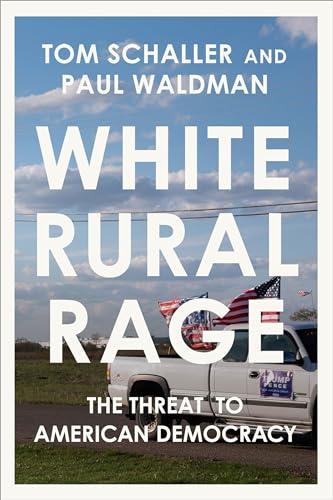
The Threat to American Democracy
The authors, Shaller and Wallach, were accused of misusing the academic research in their book by using the term "rage" when they were actually studying "resentment". The title was admittedly provocative but they pled guilty to the charge of overusing the term "rage" for the sake of readability. They were criticized for the potentially misleading title which may have cost them book sales.
We use the word rage, but we're really talking about the academic and scholarly construct resentment, but white world resentment is a lot of syllables and doesn't really fit neatly vertically, and as...
— Episode: Bill Kristol: Pure Oligarchic Greed
The authors, Shaller and Wallach, were accused of misusing the academic research in their book by using the term "rage" when they were actually studying "resentment". The title was admittedly provocative but they pled guilty to the charge of overusing the term "rage" for the sake of readability. They were criticized for the potentially misleading title which may have cost them book sales.
We use the word rage, but we're really talking about the academic and scholarly construct resentment, but white world resentment is a lot of syllables and doesn't really fit neatly vertically, and as you know, publishers want, you know, one word blink Malcolm Gladwell kind of titles, we couldn't get it down to one or even two words, but we got it down to three words and four syllables, and so we're really talking about resentment.
We have pled guilty, this in public appearances already, the title is a bit provocative, we use the word rage, but we're really talking about the academic and scholarly construct resentment, but white world resentment is a lot of syllables and doesn't really fit neatly vertically and as you know publishers want, you know, one word, blink Malcolm Gladwell kind of titles. We couldn't get it down to one or even two words, but we got it down to three words and four syllables, and so we're really talking about resentment.
If you do a search on the galleys of the book as we've done, the word rage actually appears in the actual text a handful of times.
The authors explore the reasons behind the rise of resentment and anger among white rural voters in the United States, particularly during the Trump era, exploring the factors of economic decline, political disenfranchisement, and demographic change.
We use the word rage but we're really talking about the academic and scholarly construct resentment but white rural resentment is a lot of syllables and doesn't really fit neatly vertically and as you know publishers want you know one word blank Malcolm Gladwell kind of titles we couldn't get it down to one or even two words but we got it down to three words in four syllables and so we're really talking about resentment.
We believe that's the first time in American history that a majority of counties shrunk and 67% of rural counties lost population. There's a massive brain drain as young people are being told 60% of rural adults tell their own children to leave and not come back so these patterns are disemboweling rural America and some of it's you know not their fault. Its late-stage capitalism that replaces coal miners who used to be sent down holes with you know pickaxes and shovels to dig coal out a pound at a time now we have mountain top removal that blows the top off of a coal mine and removes it tons at a time with a shovel you can't go to Congress you could vote against globalization until China and other countries not to hire you know children for pennies on the hour and no environmental protections to outcompete us but they're not going to do that and Trump who said trade wars are easy to win found out the hard way when he posed tariffs on China that they would engage in retaliatory tariffs and had to pass a 23 billion dollar bailout for farmers and you know the suicide rates and dairy farmers in northern Wisconsin and other parts skyrocketed during the Trump administration because his policies backfire so there are some things that are beyond the control of rural America's white or otherwise to try to stand their communities back up because of just the natural movement away from rural farming and extractive economies into the technological age of education and health care and information age economies.
If it were just the disemboweling of rural communities that drove rage then we would see as Paul pointed out that rage would be uniform across both rural whites and non-whites but it is not. Why is it that rural non-whites rural minorities by the way with the exception of gun deaths and opioid deaths suffer economically worse than their white neighbors and experience worse health maladies than their neighbors? Why is it they're not as rageful and resentful? Why is it they're not storming state capitals? Why is it they're not justifying and excusing the people who attack the country and the capital in January 6th? This is a paradox that a lot of white rural scholars and many pundits do not want to engage it because what they're going to find at the end of that inquiry is that this rage is bifurcated between white rural Americans who have been as we call them the essential minority since the rise of Jacksonian democracy part of every governing coalition whether it was the Lincoln party era system from 1860 to 1896 to the McKinley system up until the New Deal in 1932 and certainly part of the rural southern New Deal coalition have now seen their power slip away. They don't like it and so we subscribe to the Ezra Klein belief that what really undergirds this is demographic change and that demographic change is to be fair new-erically moving away from them right the country is becoming less white it is becoming less rural and they feel their power slipping away and their their potency as the rural essential minority dissipating. That's true and so I think it's a revanchist sort of rear-guard action to defend territory and political power in a way that they see slipping away.
It's a fine young newly minted political scientist named Kristen Lundstruhi at the University of South Carolina. I read her dissertation when she wrote about rural white Americans at the University of Minnesota and she finds that there's higher anti-analyse realism among among rural white Americans and it's not a perfect direct through line to the kind of conspiracism in the disinformation that we see that is used by people like Pasoviaq who want to convince this that Hillary Clinton and John Podesta are kidnapping raping and then drinking the blood after killing children in a basement of a pizza shop that doesn't have a basement.
We don't want to talk about critical race theory, we don't want to talk about black lives matter. We want to talk about regulating the Arabian bees because people come from out of town and we want the money but we you know they trash the places and they're too loud and so far we want to keep the lake placid 24 hour emergency room that they want to close for eight hours overnight open so that people are in car accidents or have heart attacks don't have to go to Plattsburg or across the lake lake Champlain to Burlington because all the hospitals are owned by the Vermont system in Adirondex the Champlain Valley Regional Hospital that's what we're worried about. We don't want to talk about library book bans. This is the national ization of local politics and so when you remove the local media and you nationalize the politics and people are shouting at town meetings about critical race theory we've lost something and in the conversations become more course and the discourses become more devoid of real substance and facts and that's how with a peppy dollop of social media that's how you lose your democracy frankly and it's not a explicitly rural white phenomena it's a it's a broader cultural and media phenomena and I think it's very dangerous and I think you know even if rural whites as we argue are the tip of the spear of this movement of the magma movement they're not alone in that fact and we have serious problems with public discourse and a functional democracy that depends on voters being at least minimally informed and engaged.
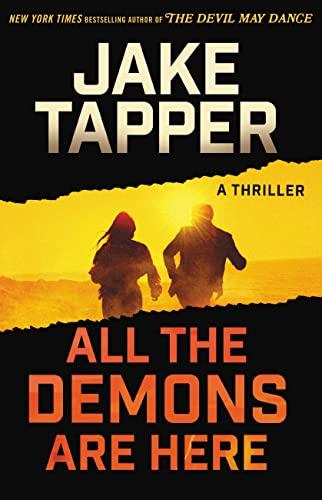
A Thriller (The Charlie and Margaret Marder Mysteries)
This is Jake Tapper's most recent book, and he said it is one of the two most important pieces of journalism he has ever done, with the other being 'The Outpost' about Afghanistan.
His most recent, All the Demons Are Here.
— Episode: Jake Tapper: American Scandal
This is Jake Tapper's most recent book, and he said it is one of the two most important pieces of journalism he has ever done, with the other being 'The Outpost' about Afghanistan.
His most recent, All the Demons Are Here.
I would say one of the two most important pieces of journalism I've ever done the other one being writing the book the outpost about Afghanistan but that was just telling a story this was more this was activism.
This was described as the author's new bestselling thriller and a work of historical fiction set in 1977. The title was inspired by a line from Shakespeare's The Tempest, though the actual line is "hell is empty and all the devils are here." The book featured characters loosely based on Rupert Murdoch and Evel Knievel, exploring themes of media distrust and showmanship.
We are fortunate to be joined today by Jake Tapper, who of course is a CNN anchor but also author of the new bestselling thriller All the Demons Are Here, a work of historical fiction.
Well, it's ripped from Shakespeare. It's a line kind of from The Tempest, but the actual line is, hell is empty and all the devils are here.
And what is interesting is the way you, you actually, you know, create these characters of Max lion who is loosely based or how do you want to describe it? Loosely actually based on Rupert Murdoch.
I started watching some documentaries about Murdoch and I read a couple of books about Murdoch.
Our enemies are getting stronger. And as a country, we are getting weaker like straight out of Donald Trump.
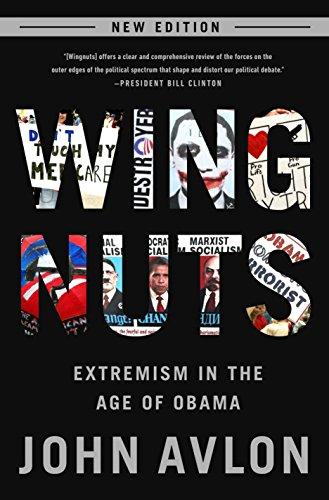
Extremism in the Age of Obama
John Avlon's book, *Wingnuts*, was written about the rise of extremism in politics and provided historical context to the trend.
And I remember when I started the extremist beat as a columnist, Daily Beast and what came into the books Wingnuts.
— Episode: John Avlon: Winning Back the House from...
John Avlon's book, *Wingnuts*, was written about the rise of extremism in politics and provided historical context to the trend.
And I remember when I started the extremist beat as a columnist, Daily Beast and what came into the books Wingnuts.
And the whole point was it was like this is happening. Pay attention, but also look at the history behind this stuff.
The speaker started writing this book in 2009 and it came out in 2010, based on observations of Tea Party activists consciously mirroring Saul Alinsky's tactics.
When I started writing Wingnuts a decade ago, I began writing it in 09, came out in 2010. And it was based on my reporting at then what was sort of this idea of an extremist beat, which hadn't really become a thing yet.
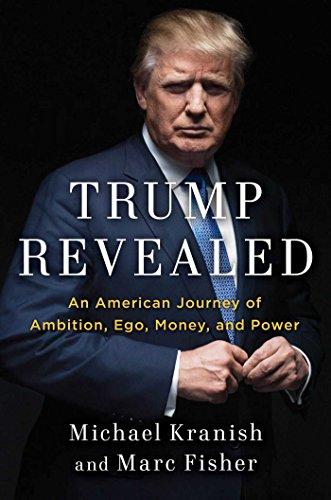
An American Journey of Ambition, Ego, Money, and Power
The book was mentioned as a source used to confirm the helicopter crash incident that involved Trump and Nate Holden, which Trump had been falsely claiming involved Willie Brown.
She was able to confirm this. It actually there's actually a passage in her book.
— Episode: Bill Kristol and Christopher Cadelago: I...
The book was mentioned as a source used to confirm the helicopter crash incident that involved Trump and Nate Holden, which Trump had been falsely claiming involved Willie Brown.
She was able to confirm this. It actually there's actually a passage in her book.
I think she said like the publisher wasn't even crazy about the passage because they were like, who really cares about this?
The co-author of this biography, written before Trump was elected, detailed what Trump had done in business, including his six corporate bankruptcies. The speaker noted having a lot of knowledge about Trump's business history from this book.
We wrote a lot about this in the post biography Trump Revealed before Trump was elected. I'm the co-author of that so I have a lot of knowledge I think about my colleagues about what Trump had done in business
The American Presidency
The book was cited by Tim Miller as providing context for discussions about the obligations and temperament required for the presidency, especially regarding staffing and disaster response. It was used to frame talk about how challenges like FEMA might influence decisions in a potential second Trump term. The hosts treated it as a reference point rather than a recommendation.
The book was referenced as one John Dickerson wrote, which provided context for discussions about the obligations of the presidency, particularly concerning temperament and hiring staff.
In the context of that book, The Hardest Job in the World that you wrote, just I talk a little bit just about FEMA and the challenge that it presents and how that might reflect on who Trump might be looking to to fill those roles in a second term.
The book was mentioned in connection with the discussion about the presidency, particularly concerning the nature of the job and how challenges like disasters might reflect on a potential second Trump term.
But in the context of that book, The Hardest Job in the World that you wrote, just I talk a little bit just about FEMA and the challenge that it presents and how that might reflect on who Trump might be looking to to fill those roles in a second term.
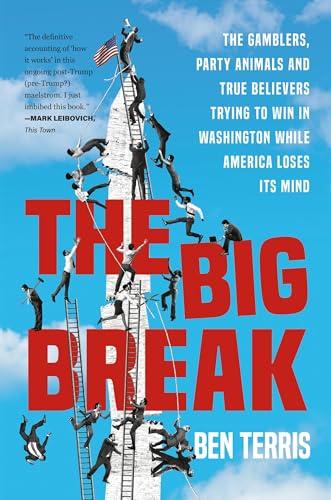
The Gamblers, Party Animals, and True Believers Trying to Win in Washington While America Loses Its Mind
This book explored the idea that things might return to normal after Biden won the presidency, but the author realized upon covering Washington that this was not the case and saw no quick path back to normalcy.
Well this is a big part of what the book project I set out on is a book called The Big Break. You can buy it probably at the bookstore here.
— Episode: Trump Ever After: Live from TribFest
This book explored the idea that things might return to normal after Biden won the presidency, but the author realized upon covering Washington that this was not the case and saw no quick path back to normalcy.
Well this is a big part of what the book project I set out on is a book called The Big Break. You can buy it probably at the bookstore here.
The book was described as a hitchhiker's guide through the backrooms of Washington to show why normal is not coming back after Trump. The author interviewed many interesting, charismatic, and dramatic characters who influence Washington politics to explain why the city is so crazy seeming.
The Gamblers, Party Animals, and True Believers Trying to Win in Washington While America Loses Its Mind.
I wanted to write this kind of hitchhiker's guide through the back rooms of Washington, show people just how weird things are, why they're weird, find the most interesting, charismatic, dramatic, funny sometimes, weirdly funny characters.
The book is The Big Break The Gambler's Party Animals and True Believers Trying to Win in Washington While America Loses Its Mind by Ben Teres
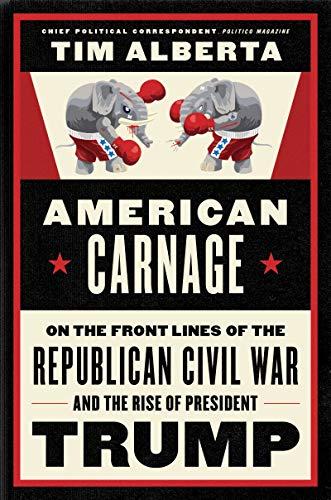
On the Front Lines of the Republican Civil War and the Rise of President Trump
The book was referenced in two episodes where Tim Alberta discussed his work on Trump's impact on the Republican Party. In one episode he noted he was promoting the title, and in the other the host identified him as its author while noting its coverage of the evangelical alliance. The discussion highlighted the book’s focus on the Republican civil war and Trump’s rise, but did not include a specific endorsement.
The speaker mentioned that he was promoting this first book, which was about Trump's takeover of the Republican party, during the interview where he received the news about his father.
I was promoting my first book, American Carnage about Trump's takeover of the Republican party.
Tim Alberta, who was discussing the political poisoning of the Evangelical Church, was mentioned as the author of this book.
Tim is also the author of American Carnage.
I write about this a little bit in my book but it was I think it was largely glossed over by folks you know sort of following the Trump campaign and and even folks who were writing in some detail about his alliance with the evangelical movement
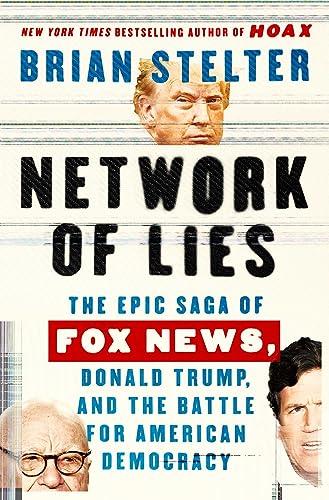
The Epic Saga of Fox News, Donald Trump, and the Battle for American Democracy
The book was highlighted as Brian Stelter's new best‑selling work that built a case against Fox News using discovery materials from the Dominion lawsuit, January 6 depositions, and other public court filings. Charlie Sykes introduced it on the show and praised its thorough documentation, while Stelter explained that previously anonymous sources were now on the record. The discussion emphasized its relevance for understanding Fox’s role in promoting election falsehoods and presented it as essential reading for the audience.
This was described as Brian Stelter's new best-selling book which built the case against Fox News. The book utilized discovery materials from the Dominion lawsuit, January 6th depositions, and other public but hard-to-find court filings to detail the network's role in promoting election falsehoods.
And he's host of his own podcast, Inside the Hive. He's also a producer on Apple TV's The Morning Show, which if you have not binged, I would recommend. That was inspired by his first book, Top of the Morning.
He also wrote Hoax about Fox News and his new book, his new best-selling book, which we're going to be talking about, Network of Lies.
In Network of Lies, Brian Stelter builds the case against Fox News.
The book is Network of Lies. Thank you.
I wrote a book about Fox in 2020. It was mostly anonymously sourced... But the beauty of this book was that all of my anonymous sources are now on the record. And that's why I felt like I had to write it.
The speaker announced he was working on a new book covering Fox after Trump, which he planned to write quickly and release in November, intending to use material from the Dominion legal filings as raw material.
I'm doing a book all about Fox in the post-Trump years called Network of Lies.
Defending Democracy and Liberty in Our Divided Country
The book made the New York Times bestseller list, which the speaker congratulated the author for achieving. The book discussed the kind of culture that leads evangelicals to believe conspiracy theories, stemming from a good against evil, prophecy narrative.
By the way, congratulations on your bookmaking the New York Times bestseller list.
— Episode: Adam Kinzinger: Why Trump 2.0 Will Be Wo...
The book made the New York Times bestseller list, which the speaker congratulated the author for achieving. The book discussed the kind of culture that leads evangelicals to believe conspiracy theories, stemming from a good against evil, prophecy narrative.
By the way, congratulations on your bookmaking the New York Times bestseller list.
I talk about this a lot in Renegade, which is I know what this kind of culture is.
The book is Renegade. Renegade, Defending Democracy and Liberty in Our Divided Country. Adam Kinzinger, New York Times bestseller.
The speaker mentioned that his upcoming book, titled 'Renegade,' was scheduled for release on October 17th. He also noted that he was currently recording the audiobook for it.
Here's an example. Like there's this fire that's burning in, I think it's Pennsylvania. There's like a mine that caught fire 60 years ago. That's still on fire. And every now and then somebody punches a hole and it pops out. So it's like on the politics, it's that there's this underburning fire. And when Trump says something like stand back and stand by the, he's basically punching a hole and allowing that to explode, but the fire still burns.
You have a book coming out this fall, Renegade, My Life and Faith, the Military and Defending America from Trump's Attack on Democracy.
It's coming out October 17th. I'm doing the audio book as we speak. Not like right now, but this week.
Inside the Cutthroat World of Morning TV
This was Stelter's first book, which was released ten years prior to the conversation. It was mentioned that the Apple TV show *The Morning Show* was inspired by this book.
That was inspired by his first book, Top of the Morning.
— Episode: The Bulwark Live, with Brian Stelter
This was Stelter's first book, which was released ten years prior to the conversation. It was mentioned that the Apple TV show *The Morning Show* was inspired by this book.
That was inspired by his first book, Top of the Morning.
Can we then tell people the truth? Which is that when I wrote Top of the Morning ten years ago, it was the worst New York Times book review ever.
This book was listed as one of Brian Stelter's previous authored works.
He's also the author of Top of the Morning and Hoax, Donald Trump, Fox News, and the Dangerous Distortion of Truth.
Note: The book recommendations on this page are discovered automatically from podcast transcripts, and may be incorrect or incomplete.
Podcast Name