Podcast
Stuff You Should Know
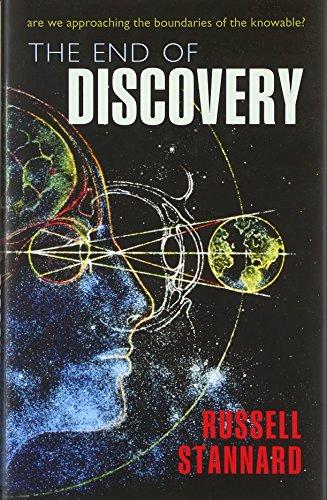
It was discussed that the book suggests that human brains may have limitations in what they can understand and discover, eventually hitting a point where no more discoveries can be made.
And basically he's saying that we're in a transient age of human development, right? Where we're past the point where we figured out you can put a handle on a rock and make it an axe.
— Episode: SYSK Selects: Have all the good ideas al...
Episode: SYSK Selects: Have all the good ideas already been...
It was discussed that the book suggests that human brains may have limitations in what they can understand and discover, eventually hitting a point where no more discoveries can be made.
And basically he's saying that we're in a transient age of human development, right? Where we're past the point where we figured out you can put a handle on a rock and make it an axe.
But we're right before the point where we can no longer make discoveries not because we've understood everything or figured everything out but because we've reached the limits of what is knowable for the human brain.
Episode: SYSK Selects: Have all the good ideas already been...
It was mentioned that the book discusses the idea that humanity may be approaching a point where it can no longer make major scientific discoveries, not due to understanding everything, but rather reaching the limitations of the human brain's capacity to know.
And basically he's saying that we're in a transient age of human development, right? Where we're past the point where we figured out you can put a handle on a rock and make it an axe.
But we're right before the point where we can no longer make discoveries not because we've understood everything or figured everything out but because we've reached the limits of what is knowable for the human brain.
But even that, look at that part of the right hemisphere that developed and allowed us to put the axe handle on. Who's to say that our brain won't, that we won't reach that point where we can't know anything any longer or we can't know everything and then we evolve even further and all of a sudden we're even better at understanding our world.
from the mid-nineteenth century they said that a lot of people in science said you know we've kind of debunked religion and philosophy and all these things with scientific discovery.
But he points out, and I agree, that even if you figure out all the problems of science which will never happen, there's still human life and consciousness and the subjectivity of what goes on inside a person's head. You're never going to solve that's not solvable.
Episode: SYSK Selects: Have all the good ideas already been...
It was discussed as a book that suggests humans have reached the limit of what is knowable by the human brain, implying that there may be no more major discoveries to be made.
And basically he's saying that we're in a transient age of human development, right? Where we're past the point where we figured out you can put a handle on a rock and make it an axe. But we're right before the point where we can no longer make discoveries not because we've understood everything or figured everything out but because we've reached the limits of what is knowable for the human brain.