Careless People
Sarah Wynn-Williams
Mentioned 1 year ago
WATCH: Meet Sarah Wynn-Williams, Facebook’s Highest-Ranking Whistleblower
The most interesting conversations in American life happen in private. This show brings them out of the closet. Stories no one else is telling and conversations with the most fascinating people in the country, every week from *The Free Press*, hosted by former *New York Times* and *Wall Street Journ...
Recently mentioned
Sarah Wynn-Williams
Mentioned 1 year ago
WATCH: Meet Sarah Wynn-Williams, Facebook’s Highest-Ranking Whistleblower
Christopher Caldwell
Mentioned 1 year ago
LISTEN: The Best Reality TV Is Actually in the Oval Office
Tom Holland
Mentioned 1 year ago
How to Find Love in 2025
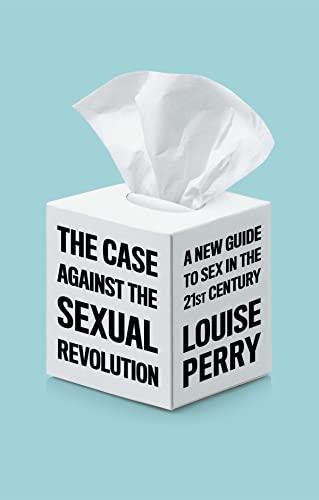
Louise Perry
Mentioned 1 year ago
How to Find Love in 2025
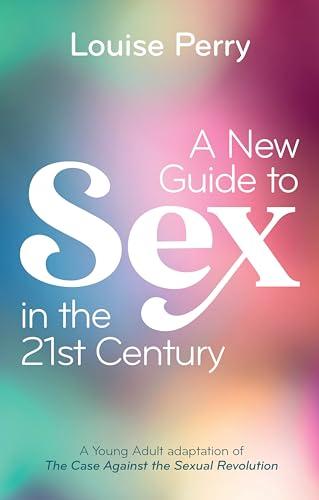
Louise Perry
Mentioned 1 year ago
How to Find Love in 2025
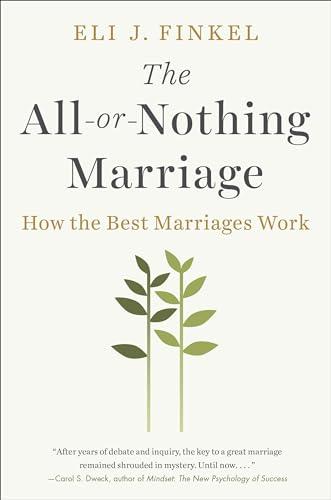
Eli J Finkel
Mentioned 1 year ago
How to Find Love in 2025
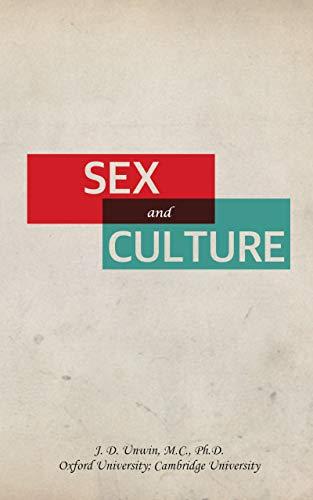
Joseph Daniel Unwin
Mentioned 1 year ago
How to Find Love in 2025
Juli Slattery
Mentioned 1 year ago
How to Find Love in 2025
Geoffrey Cain
Mentioned 1 year ago
Can America Win the AI War with China?
Fyodor Dostoevsky
Mentioned 1 year ago
Can America Win the AI War with China?
Simon Sebag Montefiore
Mentioned 1 year ago
Simon Sebag Montefiore: History Is Not Over
Simon Sebag Montefiore
Mentioned 1 year ago
Simon Sebag Montefiore: History Is Not Over
Reparations for Black Americans in the Twenty-First Century
It was mentioned as a parenting book by Lou Weiss. He said that it was the same thing as Dr. Spock at the beginning, and that you can't push off into the lake from a moving dock, you need a firm dock in order to shove off.
I have a wooden spoon in my purse.
— Episode: Bari and Nellie Are Having Another Baby—...
It was mentioned as a parenting book by Lou Weiss. He said that it was the same thing as Dr. Spock at the beginning, and that you can't push off into the lake from a moving dock, you need a firm dock in order to shove off.
I have a wooden spoon in my purse.
Darity Discipline, which basically, and it's the same thing at the beginning of Dr. Spock, is if you have a child, you can't, a child cannot push off into the lake from a moving dock. They need a firm dock in order to shove off.

Bari Weiss mentioned this book and its message of being free to be yourself. She was worried about the message of free to be you and me being skewed toward a more traditionally masculine view for boys.
Vibe into free to be you and me, but not that way.
— Episode: Bari and Nellie Are Having Another Baby—...
Bari Weiss mentioned this book and its message of being free to be yourself. She was worried about the message of free to be you and me being skewed toward a more traditionally masculine view for boys.
Vibe into free to be you and me, but not that way.
And I worry sometimes that free to be you and me becomes for a boy if me is just like, I'm a masculine dude who likes trucks and competition that in some, in a lot of circles, many of the ones I run in that might be frowned upon a bit.
Salman Rushdie was sentenced to death by the Iranian Ayatollahs in 1989 for writing this novel. He lived under the shadow of a fatwa until two years ago, when he was viciously stabbed on stage. He survived and has recently published a book about it.
Salman Rushdie Sentenced to death by the Iranian Ayatollahs in 1989 for the sin of writing a novel
— Episode: Hello, and Welcome to My TED Talk
Salman Rushdie was sentenced to death by the Iranian Ayatollahs in 1989 for writing this novel. He lived under the shadow of a fatwa until two years ago, when he was viciously stabbed on stage. He survived and has recently published a book about it.
Salman Rushdie Sentenced to death by the Iranian Ayatollahs in 1989 for the sin of writing a novel
He lived under the shadow of a fatwa until two years ago On a stage like this one, he was viciously stabbed But he survived And undaunted this week, of course he published a book about it
A Rogue Reporter vs The American Empire
The book was the culmination of 13 years of investigation into the Matthew Shepard case. It was published in 2009 and revealed a new narrative that Matthew Shepard's murder was not motivated by hate, but by drug dealing and robbery. It was a controversial book, and many people in Laramie felt that it misrepresented the town.
He doesn't have any more information than any of the rest of us but he was able to establish a rapport with the lead prosecutor of the case and this guy eventually lets him in on what he discovered ab...
— Episode: The Story of Matthew Shepard’s Murder Ch...
The book was the culmination of 13 years of investigation into the Matthew Shepard case. It was published in 2009 and revealed a new narrative that Matthew Shepard's murder was not motivated by hate, but by drug dealing and robbery. It was a controversial book, and many people in Laramie felt that it misrepresented the town.
He doesn't have any more information than any of the rest of us but he was able to establish a rapport with the lead prosecutor of the case and this guy eventually lets him in on what he discovered about the role of drugs in the murder and then nine years later Jimenez publishes the book of Matt which is the culmination of like 13 years of investigation into this case.
I sat down with him and he sort of walked me through the real story of what happened.
And that's kind of when she folded told me basically what happened at that point.
So he just couldn't face what actually was true about this kid you know Matt struggled with addiction and was involved in this sort of criminal underworld
You know there's a part in Jimenez's book where a guard says you know what happened with this guy like he just doesn't belong here you know the idea that like they should both be serving the same sentence that Russell Henderson should be serving the same sentence as the guy who actually murdered Matthew is I think pretty troubling
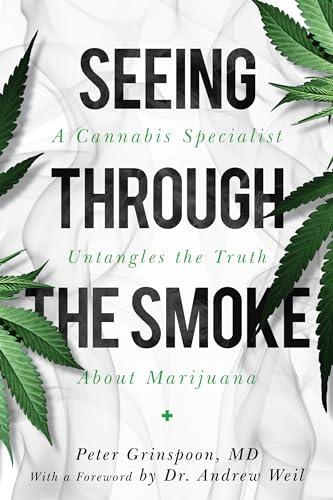
A Cannabis Specialist Untangles the Truth about Marijuana
The book discusses the truth about marijuana and seeks to find common ground in the debate.
I think with cannabis there's a lot more common ground that people think there is.
— Episode: Was Legalizing Weed a Mistake? A Debate.
The book discusses the truth about marijuana and seeks to find common ground in the debate.
I think with cannabis there's a lot more common ground that people think there is.
And that's actually what I discovered in my book.
I think the pro-candabis people tend to idealize it and think it cures everything
I'm sort of a long conversation about like different people different times different agendas different departments But I also think the anti cannabis people need to be a little bit more open-minded
Criminalization is the worst case scenario.
The book highlights the dangers of marijuana legalization and the industry's influence. It discusses the concerns of increased potency and the potential impact on psychosis risk.
Today's marijuana is not woodstock weed. It's not what most baby boomers used in college. It's not what most millennials used and it's been essentially industrialized To be much stronger than it ever...
— Episode: Was Legalizing Weed a Mistake? A Debate.
The book highlights the dangers of marijuana legalization and the industry's influence. It discusses the concerns of increased potency and the potential impact on psychosis risk.
Today's marijuana is not woodstock weed. It's not what most baby boomers used in college. It's not what most millennials used and it's been essentially industrialized To be much stronger than it ever has and I think we're downplaying the negative impacts for example the psychosis risk
It's not about you know, the people wanting to just sink kumbaya and I'm trying to drum circle and smoke some joints. This is about wall street. These are the people that have never smoked marijuana in their life But they have a stock index that they follow every day with the different stocks with the marijuana companies that are operating on it This is about money. This is about corporate capture
But the people selling this the people that are making money. You're not thankfully yet as far as I know selling marijuana That's good. You don't have your own marijuana brand I'm happy about that and I commend you for that because you probably could in massachusetts and make some money I'm glad you're not doing that But the people selling this they want you to use as much of their product as possible because they rely on addicts on people using their product daily For their main profit margins the 80 20 rule the average responsible quote-unquote user is not an important person for them Same thing with alcohol same thing with tobacco same thing with opioids
But sure, of course there are benefits
I don't think that that sort of outweighs the risk to society when you make it more available and accessible
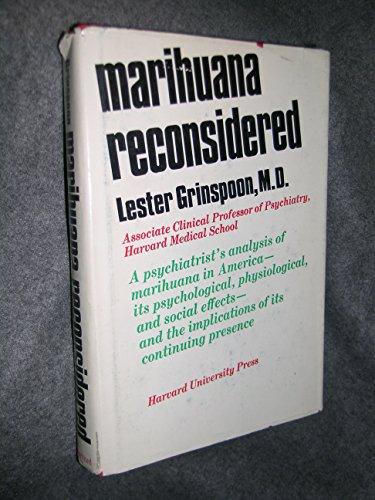
The book, written by Dr. Peter Grinspoon's father, Lester Grinspoon, reconsidered marijuana in 1971, highlighting how much has changed in terms of potency and THC levels.
It's kind of funny when I was growing up and people were debating like a lot of really prominent people debating legalization my living room like the Carl Sagan's of the world and the Allen Ginsberg a...
— Episode: Was Legalizing Weed a Mistake? A Debate.
The book, written by Dr. Peter Grinspoon's father, Lester Grinspoon, reconsidered marijuana in 1971, highlighting how much has changed in terms of potency and THC levels.
It's kind of funny when I was growing up and people were debating like a lot of really prominent people debating legalization my living room like the Carl Sagan's of the world and the Allen Ginsberg and you know one criticism of legalization back then is that you had to smoke a whole joint
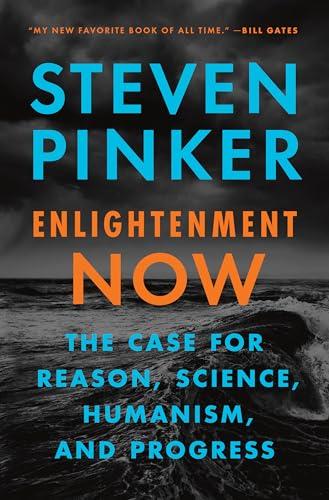
The Case for Reason, Science, Humanism, and Progress
It was mentioned as one of Steven Pinker's nine books and discusses the case for reason, science, humanism and progress.
He's the author of nine books, including Enlightenment Now, The Case for Reason, Science, Humanism, and Progress, and most recently, Rationality, What It Is, Why It Seemed Scarce, and...
— Episode: Steven Pinker: Why Smart People Believe...
It was mentioned as one of Steven Pinker's nine books and discusses the case for reason, science, humanism and progress.
He's the author of nine books, including Enlightenment Now, The Case for Reason, Science, Humanism, and Progress, and most recently, Rationality, What It Is, Why It Seemed Scarce, and Why It Matters.
Since I wrote Enlightenment Now, went to press in 2017, I still try to keep track of trends.
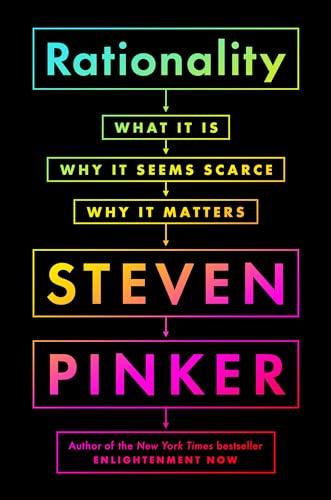
What It Is, Why It Seems Scarce, Why It Matters
It was mentioned as one of Steven Pinker's nine books and discusses rationality, its scarcity and why it matters.
He's the author of nine books, including Enlightenment Now, The Case for Reason, Science, Humanism, and Progress, and most recently, Rationality, What It Is, Why It Seemed Scarce, and...
— Episode: Steven Pinker: Why Smart People Believe...
It was mentioned as one of Steven Pinker's nine books and discusses rationality, its scarcity and why it matters.
He's the author of nine books, including Enlightenment Now, The Case for Reason, Science, Humanism, and Progress, and most recently, Rationality, What It Is, Why It Seemed Scarce, and Why It Matters.
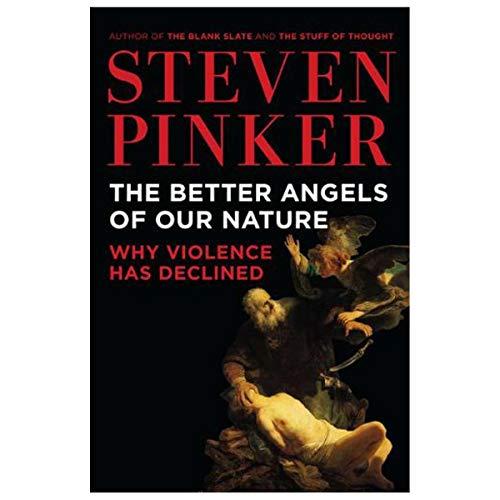
Why Violence Has Declined
It was mentioned as one of Steven Pinker's books and argues that wars are less frequent and less deadly than they've been at any time.
Part of the argument of Enlightenment now and before that better angels of our nature is that over the course of history what we might call Enlightenment values have increased.
— Episode: Steven Pinker: Why Smart People Believe...
It was mentioned as one of Steven Pinker's books and argues that wars are less frequent and less deadly than they've been at any time.
Part of the argument of Enlightenment now and before that better angels of our nature is that over the course of history what we might call Enlightenment values have increased.
This was an argument against your book called Cosmolive Conferency, The Better Angels of Our Nature, which basically says wars are less frequent, less deadly than they've been at any time despite the fact that you think otherwise. Some of the counterarguments, one of which is just that.
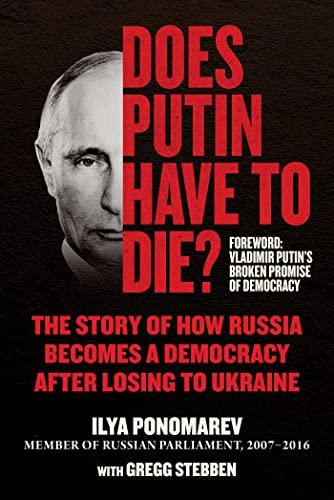
The Story of How Russia Becomes a Democracy after Losing to Ukraine
The book explores the idea of how Russia can become a democracy after losing to Ukraine, and how this can be achieved by overthrowing Putin.
Ponomarev is the author of the provocatively titled book, Does Putin Have to Die? The story of how Russia becomes a democracy after losing to Ukraine
— Episode: The Former Russian Official Calling for...
The book explores the idea of how Russia can become a democracy after losing to Ukraine, and how this can be achieved by overthrowing Putin.
Ponomarev is the author of the provocatively titled book, Does Putin Have to Die? The story of how Russia becomes a democracy after losing to Ukraine
In the book, I mean, you talk about pretty radical solutions And say that sitting around and having interviews only And just little parlor games is not enough I mean, you can't just sit there and do nothing
That's why I think that for once That's why I was writing this book Is actually to design the system beforehand
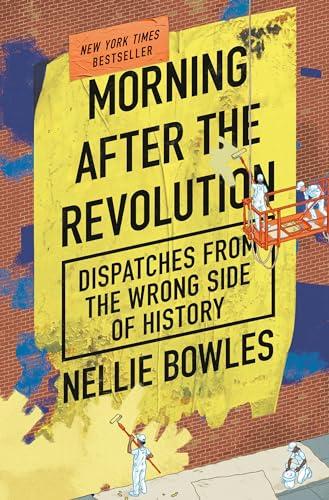
Dispatches from the Wrong Side of History
Nellie Bowles' book was mentioned in a conversation about the Reason magazine and podcast studio.
Our dear friend, Nik Gillespie, who interviewed Nellie Bowles last month about her new book
— Episode: Argentina's President Javier Milei Loves...
Nellie Bowles' book was mentioned in a conversation about the Reason magazine and podcast studio.
Our dear friend, Nik Gillespie, who interviewed Nellie Bowles last month about her new book
The book 'Anarchy, State, and Utopia' was mentioned as an explanation of how the state emerges.
And this you could see very clearly in a wonderful book by Robert Gnossick called anarchy state and utopia which explains how the state emerges but strictly speaking
— Episode: Argentina's President Javier Milei Loves...
The book 'Anarchy, State, and Utopia' was mentioned as an explanation of how the state emerges.
And this you could see very clearly in a wonderful book by Robert Gnossick called anarchy state and utopia which explains how the state emerges but strictly speaking

Ann Coulter mentioned "AudioSamerica" as one of her 13 New York Times bestsellers, which she said was about the left's plan to turn America into a third-world hellhole.
Ann is the author of 13 New York Times bestsellers including AudioSamerica, the left's plan to turn our country into a third world hellhole.
— Episode: Should the U.S. Shut Its Borders? A Live...
Ann Coulter mentioned "AudioSamerica" as one of her 13 New York Times bestsellers, which she said was about the left's plan to turn America into a third-world hellhole.
Ann is the author of 13 New York Times bestsellers including AudioSamerica, the left's plan to turn our country into a third world hellhole.

Sohrab Ahmari mentioned "Tierney, Inc.: How Private Power Crushed American Liberty and What to Do About It" as his latest book. He said he had spent 10 years as an op-ed editor for The New York Post and as a columnist and editor for the Wall Street Journal opinion page.
He is himself an immigrant from Iran and his latest book is Tierney, Inc. How Private Power Crushed American Liberty and What to Do About It.
— Episode: Should the U.S. Shut Its Borders? A Live...
Sohrab Ahmari mentioned "Tierney, Inc.: How Private Power Crushed American Liberty and What to Do About It" as his latest book. He said he had spent 10 years as an op-ed editor for The New York Post and as a columnist and editor for the Wall Street Journal opinion page.
He is himself an immigrant from Iran and his latest book is Tierney, Inc. How Private Power Crushed American Liberty and What to Do About It.
How Woke Media Is Undermining Democracy
It discussed how the media missed the historic event of Donald Trump winning the 2016 election, attributing this to a class divide within the media where journalists primarily came from elite backgrounds and lacked understanding of working-class perspectives.
It's called Bad News, How Won't Media's Under Mining Democracy. Actually, that is my first book and it's all about this. It's all about how the media came to miss this historic event.
— Episode: How the Working Class Became America’s S...
It discussed how the media missed the historic event of Donald Trump winning the 2016 election, attributing this to a class divide within the media where journalists primarily came from elite backgrounds and lacked understanding of working-class perspectives.
It's called Bad News, How Won't Media's Under Mining Democracy. Actually, that is my first book and it's all about this. It's all about how the media came to miss this historic event.
Why Middle-Class Parents Are (Still) Going Broke
It explained how housing affordability is particularly challenging in liberal states and blue areas due to zoning laws that protect the value of homes for wealthier residents but make it difficult to build affordable housing for working-class people.
The best account for why it's so out of reach for them is in Elizabeth Warren's book The Two Income Trap from when she before she was a progressive because the real housing crunch is pretty much locat...
— Episode: How the Working Class Became America’s S...
It explained how housing affordability is particularly challenging in liberal states and blue areas due to zoning laws that protect the value of homes for wealthier residents but make it difficult to build affordable housing for working-class people.
The best account for why it's so out of reach for them is in Elizabeth Warren's book The Two Income Trap from when she before she was a progressive because the real housing crunch is pretty much located in liberal states and blue areas across much of if not most of red America housing is still pretty affordable you can buy a home for two three times your income which is basically kind of a natural place for it to be at in California it's eight times the average income the median income to purchase home which is unaffordable to most people and the reason for that is because these rich liberals pass zoning laws that protect the value of their homes and these laws say basically that a single parcel of land can only have a single family detached home on it so you can't build a duplex or triple-decker which would have been a really nice starter home maybe for your cleaning lady or your nanny instead they say no every parcel of land can only be zoned for single family detached which protects their housing values but makes housing that much more unaffordable
A Mindful Guide to Breaking the Cycle of Reactive Parenting and Raising Kind, Confident Kids
Paranode Parenting, written by a British sociologist, Frank Faradie, highlights how the center of all this is the spectacular collapse of adult solidarity, meaning that adults used to assume they'd help each other out with their kids and that if their kids are in trouble, they'd help them.
So there's a wonderful book, Paranode Parenting by a British sociologist, Frank Faradie.
— Episode: Jonathan Haidt: Smartphones Rewired Chil...
Paranode Parenting, written by a British sociologist, Frank Faradie, highlights how the center of all this is the spectacular collapse of adult solidarity, meaning that adults used to assume they'd help each other out with their kids and that if their kids are in trouble, they'd help them.
So there's a wonderful book, Paranode Parenting by a British sociologist, Frank Faradie.
He says the center of all of this is the spectacular collapse of adult solidarity, which is a fancy way of saying adults used to kind of assume that we'd help each other out with our kids and that if your kids in trouble, you know, and I'm there, I'll help them.
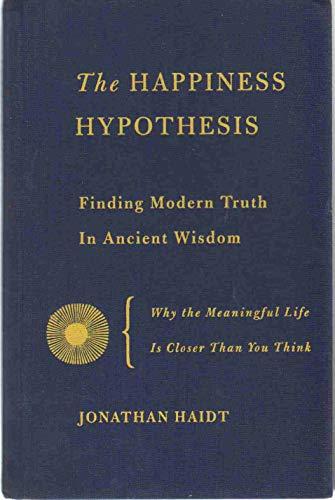
Finding Modern Truth in Ancient Wisdom
The Happiness Hypothesis, Jonathan Haidt's first book, was about ancient wisdom and all that ancient civilizations and societies learned about how to live a good life and have a good society.
My first book was The Happiness Hypothesis it was about ancient wisdom and all that ancient civilizations and societies learned about how to live a good life and have a good society.
— Episode: Jonathan Haidt: Smartphones Rewired Chil...
The Happiness Hypothesis, Jonathan Haidt's first book, was about ancient wisdom and all that ancient civilizations and societies learned about how to live a good life and have a good society.
My first book was The Happiness Hypothesis it was about ancient wisdom and all that ancient civilizations and societies learned about how to live a good life and have a good society.
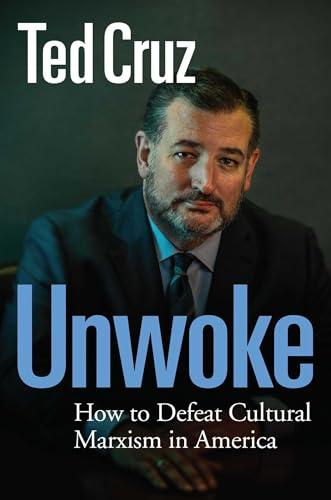
How to Defeat Cultural Marxism in America
This book focused on major institutions captured by the radical left, including colleges and universities, and had an entire chapter dedicated to journalism.
All right, so the last book I wrote is entitled Unwoke, How to Defeat Cultural Marxism in America. By the way, I quote you at length in the book Unwoke.
— Episode: Sen. Ted Cruz on TikTok, China, the Ceas...
This book focused on major institutions captured by the radical left, including colleges and universities, and had an entire chapter dedicated to journalism.
All right, so the last book I wrote is entitled Unwoke, How to Defeat Cultural Marxism in America. By the way, I quote you at length in the book Unwoke.
And there are many chapters on the New York Times, I presume. There is an entire chapter on journalism where I quote your resignation letter at length.
Note: The book recommendations on this page are discovered automatically from podcast transcripts, and may be incorrect or incomplete.
Podcast Name