The Backgammon Chronicles
Robert Wachtel
Mentioned 1 month ago
677. Can Backgammon Save Us from Ourselves?
Freakonomics co-author Stephen J. Dubner uncovers the hidden side of everything. Why is it safer to fly in an airplane than drive a car? How do we decide whom to marry? Why is the media so full of bad news? Also: things you never knew you wanted to know about wolves, bananas, pollution, search engin...
Recently mentioned
Robert Wachtel
Mentioned 1 month ago
677. Can Backgammon Save Us from Ourselves?
Robert H Wachtel
Mentioned 1 month ago
677. Can Backgammon Save Us from Ourselves?
Richard P. Feynman
Mentioned 1 month ago
The Vanishing Mr. Feynman (Update)
Gustave Flaubert
Mentioned 1 month ago
The Vanishing Mr. Feynman (Update)
Richard P. Feynman
Mentioned 1 month ago
The Vanishing Mr. Feynman (Update)
Bernard Suits
Mentioned 2 months ago
675. Has the New York Times Become a Games Company?
Katie Salen Tekinbas
Mentioned 2 months ago
675. Has the New York Times Become a Games Company?

Josef Albers
Mentioned 2 months ago
675. Has the New York Times Become a Games Company?
Adam Smith
Mentioned 2 months ago
674. How Does a Composer Feel After the World Premiere?
Glory M. Liu
Mentioned 2 months ago
674. How Does a Composer Feel After the World Premiere?
Charlotte Bronte
Mentioned 2 months ago
673. What Is Money?
Charles Dickens
Mentioned 2 months ago
673. What Is Money?
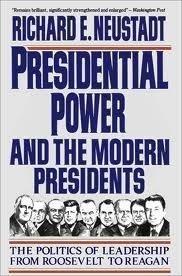
It was discussed as a book about the presidency of the US that highlighted the president's need to persuade people, which is also applicable to CEOs.
There was a man named Richard Neustadt, a professor at Harvard who wrote once a book called The Presidential Power.
— Episode: 322. Extra: David Rubenstein Full Interv...
It was discussed as a book about the presidency of the US that highlighted the president's need to persuade people, which is also applicable to CEOs.
There was a man named Richard Neustadt, a professor at Harvard who wrote once a book called The Presidential Power.
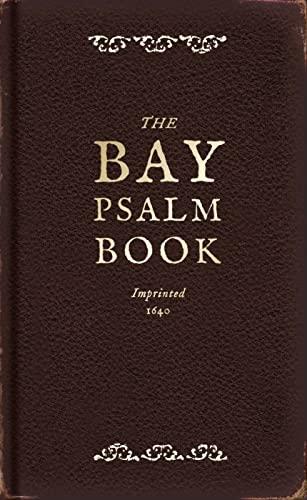
A Facsimile
David Rubenstein bought a copy of the first book printed in the United States, the Bay Psalm Book, for the highest price ever paid for a book, and it's slated for display at the Smithsonian.
I bought the first book ever printed in the United States. It's called the Bay Psalms book, printed in 1640.
— Episode: 320. Letting Go
David Rubenstein bought a copy of the first book printed in the United States, the Bay Psalm Book, for the highest price ever paid for a book, and it's slated for display at the Smithsonian.
I bought the first book ever printed in the United States. It's called the Bay Psalms book, printed in 1640.
One was auctioned off a couple of years ago, and I won it. And I paid the highest price ever paid for a book.
It was a PhD thesis based on structured observations of five CEOs in the Boston area, focusing on their activities, roles, and programs, which was the basis for generating a ton of knowledge about the managerial world.
One of the first people to look at what goes into the activities of a manager is Henry Mintzberg.
— Episode: 314. What Does a C.E.O. Actually Do?
It was a PhD thesis based on structured observations of five CEOs in the Boston area, focusing on their activities, roles, and programs, which was the basis for generating a ton of knowledge about the managerial world.
One of the first people to look at what goes into the activities of a manager is Henry Mintzberg.
Henry Mintzberg's thesis was called 'The Manager at Work, Determining His Activities, Roles and Programs by Structured Observation'.
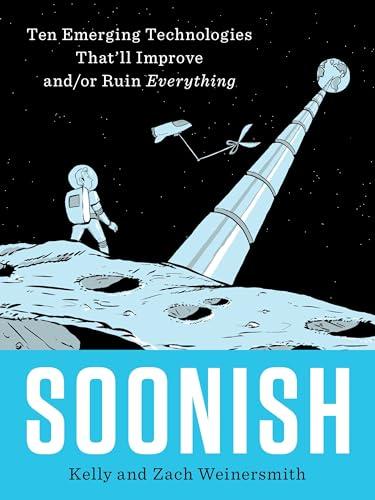
Ten Emerging Technologies That'll Improve and/or Ruin Everything
It was described as a book that predicts the future using emerging technologies, though with a sarcastic tone due to the difficulty of accurate future prediction. The authors discussed a range of technologies and their potential impacts.
This is one of those books where we predict the future. Fortunately predicting the future is pretty easy.
— Episode: 310. Are We Running Out of Ideas?
It was described as a book that predicts the future using emerging technologies, though with a sarcastic tone due to the difficulty of accurate future prediction. The authors discussed a range of technologies and their potential impacts.
This is one of those books where we predict the future. Fortunately predicting the future is pretty easy.
They all almost always still have jobs which is good for those people.
We've been working on it for over 50 years and we still haven't managed to make it power a toaster.
So there's this weird thing where we might destroy our species as we know it while chasing total factor productivity.
The one thing that gives me a little bit of optimism Is I think somewhat famously in the 19th century physics there were a lot of people that thought they had reached the point where we were We were just figuring out the details now We basically got it figured out and then there was Einstein in the quantum revolution.
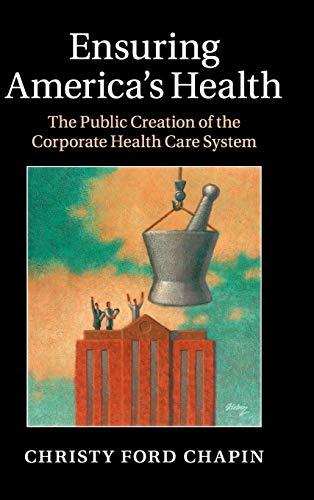
The Public Creation of the Corporate Health Care System
It was discussed as a book that detailed how the AMA played a major role in the development of the US healthcare system, including opposing universal healthcare in the 1940s.
The traditional story about the American Medical Association is just how politically powerful they have been.
— Episode: 309. Nurses to the Rescue!
It was discussed as a book that detailed how the AMA played a major role in the development of the US healthcare system, including opposing universal healthcare in the 1940s.
The traditional story about the American Medical Association is just how politically powerful they have been.
A Novel
It was mentioned as a forthcoming book by A.J. Jacobs, who also shared a fun fact related to Neanderthals from it, which related to their intelligence and voice.
A.J. is the author of five wonderful books, including the forthcoming It's All Relative, Adventures Up and Down the World's Family Tree.
— Episode: Why Is There So Much Ground Beef in the...
It was mentioned as a forthcoming book by A.J. Jacobs, who also shared a fun fact related to Neanderthals from it, which related to their intelligence and voice.
A.J. is the author of five wonderful books, including the forthcoming It's All Relative, Adventures Up and Down the World's Family Tree.
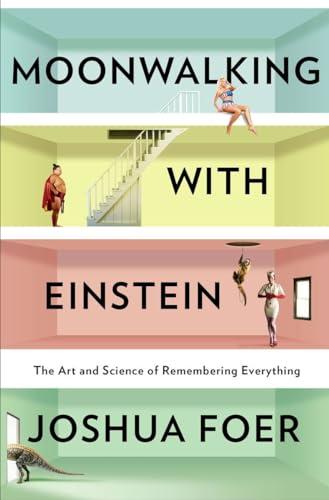
The Art and Science of Remembering Everything
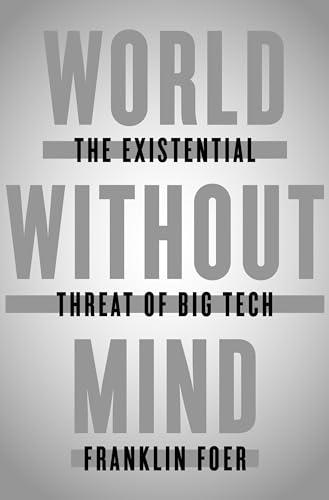
The Existential Threat of Big Tech
It was described as a book partly reflecting on personal experience and partly critiquing the dominance of large tech companies; it explored the existential threat posed by big tech.
For recently published a book called World Without Mind, the existential threat of big tech.
— Episode: 307. Thinking Is Expensive. Who’s Suppos...
It was described as a book partly reflecting on personal experience and partly critiquing the dominance of large tech companies; it explored the existential threat posed by big tech.
For recently published a book called World Without Mind, the existential threat of big tech.
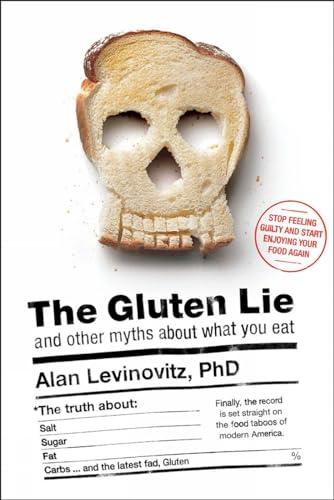
And Other Myths About What You Eat
It was discussed in the context of the gluten-free trend and how it has become a popular dietary choice, despite sometimes lacking scientific backing or evidence.
He's also the author of a book called The Gluten Lie and Other Myths About What You Eat.
— Episode: 305. The Demonization of Gluten
It was discussed in the context of the gluten-free trend and how it has become a popular dietary choice, despite sometimes lacking scientific backing or evidence.
He's also the author of a book called The Gluten Lie and Other Myths About What You Eat.
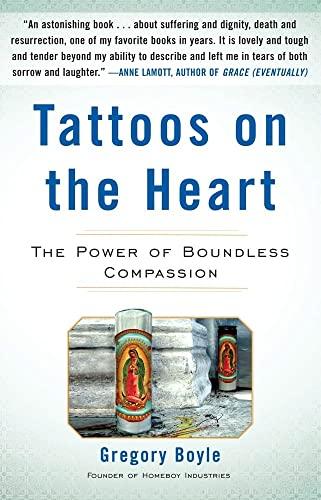
The Power of Boundless Compassion
It was mentioned as a book written by Father Greg Boyle, who founded Homeboy Industries, a gang intervention program in Los Angeles. It was well-received, but the book's content was not discussed further.
The story of Father Boyle and Homeboy Industries is inspiring for sure. He tells it well in a book called Tattoos on the Heart.
— Episode: 295. When Helping Hurts
It was mentioned as a book written by Father Greg Boyle, who founded Homeboy Industries, a gang intervention program in Los Angeles. It was well-received, but the book's content was not discussed further.
The story of Father Boyle and Homeboy Industries is inspiring for sure. He tells it well in a book called Tattoos on the Heart.
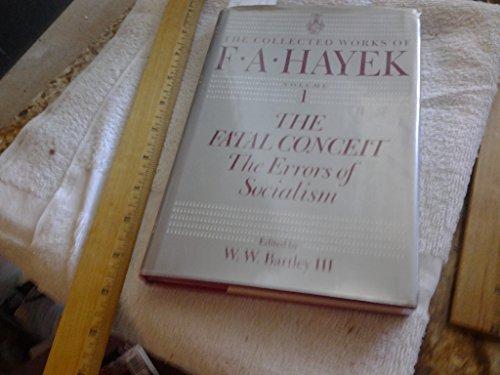
The Errors of Socialism (The Collected Works of F. A. Hayek, Vol. 1) (Volume 1)
The concept of 'fatal conceit' was mentioned in the context of those in power believing they're smarter than the general population and can run society better.
they can run it for us.
— Episode: 293. Why Hate the Koch Brothers? (Part 2...
The concept of 'fatal conceit' was mentioned in the context of those in power believing they're smarter than the general population and can run society better.
they can run it for us.
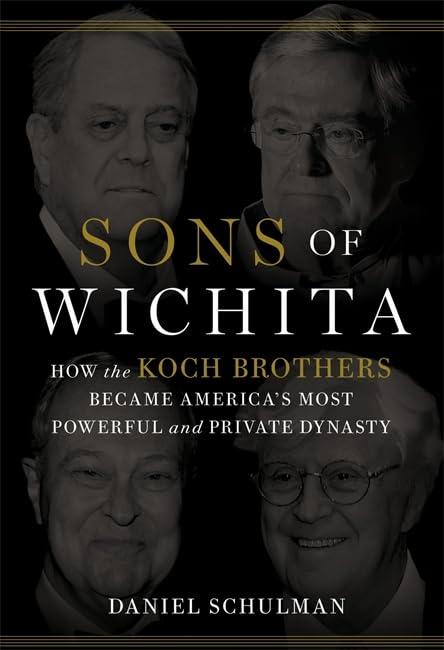
How the Koch Brothers Became America's Most Powerful and Private Dynasty
It was mentioned as a book that details the decades-long, nasty family feuds and billion-dollar settlements within the Koch family, likely relating to the Koch Industries.
If you like really nasty family feuds that last for decades and involve billion-dollar settlements, you might want to read a book called Sons of Wichita,
— Episode: 292. Why Hate the Koch Brothers? (Part 1...
It was mentioned as a book that details the decades-long, nasty family feuds and billion-dollar settlements within the Koch family, likely relating to the Koch Industries.
If you like really nasty family feuds that last for decades and involve billion-dollar settlements, you might want to read a book called Sons of Wichita,
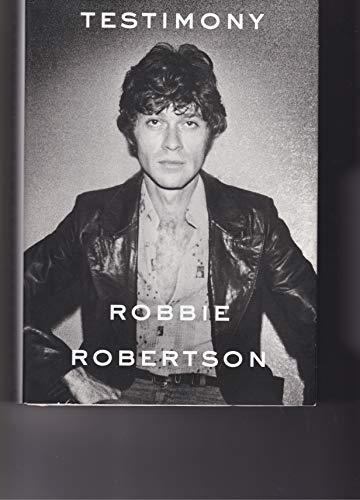
It was mentioned as one of Scott Turow's most recent books.
We know you as the prototype of the lawyer novelist whose books include Presumed Innocent and most recently Testimony.
— Episode: "Tell Me Something I Don't Know" on the...
It was mentioned as one of Scott Turow's most recent books.
We know you as the prototype of the lawyer novelist whose books include Presumed Innocent and most recently Testimony.
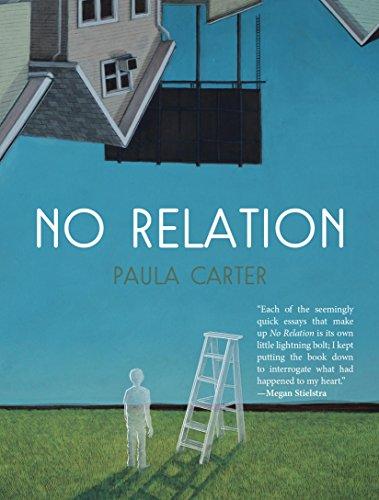
It was mentioned as an upcoming memoir written by Paula Carter, one of the podcast's contestants.
I am a writer and editor and author of the forthcoming memoir No Relation.
— Episode: "Tell Me Something I Don't Know" on the...
It was mentioned as an upcoming memoir written by Paula Carter, one of the podcast's contestants.
I am a writer and editor and author of the forthcoming memoir No Relation.
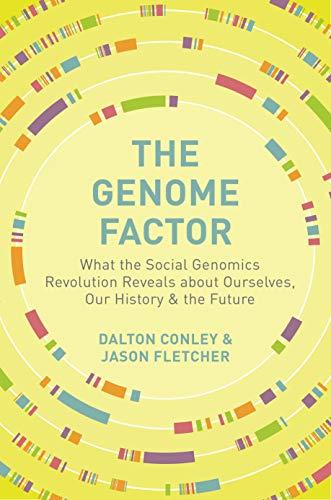
What the Social Genomics Revolution Reveals about Ourselves, Our History, and the Future
It was written by Dalton Conley and discussed the social genomics revolution, exploring how genetic data is being used to understand social and health outcomes, but also raising ethical concerns.
And I'm the co-author of The Genome Factor.
— Episode: 291. Evolution, Accelerated
It was written by Dalton Conley and discussed the social genomics revolution, exploring how genetic data is being used to understand social and health outcomes, but also raising ethical concerns.
And I'm the co-author of The Genome Factor.
So Dalton Conley, the sociologist dad, he's always had a crafty way of thinking about genetic identity.
So Dalton, the subtitle of your book is What the Social Genomics Revolution Reveals about Ourselves, Our History and the Future. Just begin by telling me what do you mean by the social genomics revolution?
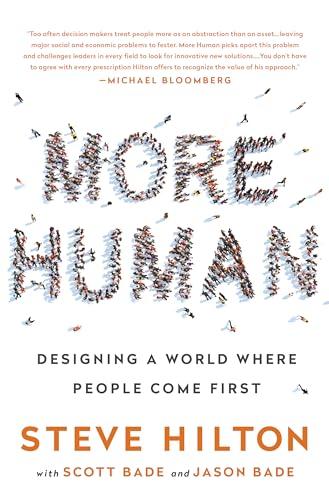
Designing a World Where People Come First
It was described as being about how industrialization and institutionalism, particularly within government, are a drag on humankind, arguing that many aspects of our lives are controlled by distant entities.
We have designed and built a world that is inhuman, he writes.
— Episode: 290. He’s One of the Most Famous Politic...
It was described as being about how industrialization and institutionalism, particularly within government, are a drag on humankind, arguing that many aspects of our lives are controlled by distant entities.
We have designed and built a world that is inhuman, he writes.
In governments the world over, political leaders preside, frustrated and impotent, over vast bureaucratic systems that routinely disappoint and leave citizens enraged that they can't control what affects their lives.
Hilton complains that our food, our education, our health care are, quote, provided by anonymous, distant, industrialized machines.
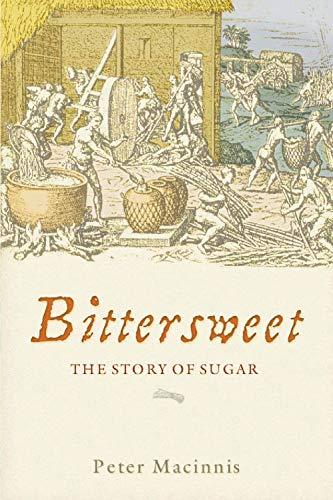
The Story of Sugar
It was mentioned as a book about the history of sugar, including how sugar was once considered medicine and how it became an everyday commodity due to industrialization and the sugar trade.
Sugar started out as a minor commodity that was used for medicine and for spice up until, oh, I would say into the Middle Ages.
— Episode: 285. There’s a War on Sugar. Is It Justi...
It was mentioned as a book about the history of sugar, including how sugar was once considered medicine and how it became an everyday commodity due to industrialization and the sugar trade.
Sugar started out as a minor commodity that was used for medicine and for spice up until, oh, I would say into the Middle Ages.
She says the debate over what sugar is a food, a drug or something in between is not new.
Sir Thomas Aquinas, way back in the 13th century, and he pronounced sugar a medicine.
He said, though nutritious in themselves, sugared spices are nonetheless not eaten with the end in mind of nourishment, but rather for ease in digestion.
Accordingly, they do not break the fast any more than the taking of any other medicine.
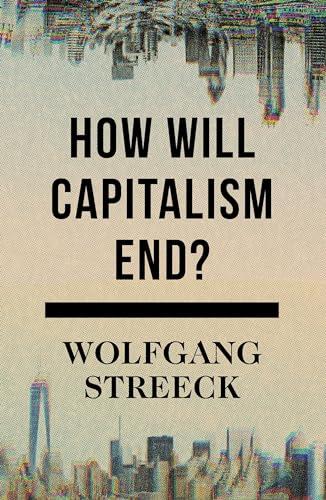
Essays on a Failing System
It was mentioned in the context of rent-seeking and crony capitalism, specifically how these practices could potentially lead to the decline of capitalism.
And, you know, Mancer Olson who was an economist and political scientist, he wrote a very, very wise book about how this would bring down capitalism in the end.
— Episode: 283. What Would Our Economy Look Like? (...
It was mentioned in the context of rent-seeking and crony capitalism, specifically how these practices could potentially lead to the decline of capitalism.
And, you know, Mancer Olson who was an economist and political scientist, he wrote a very, very wise book about how this would bring down capitalism in the end.
Note: The book recommendations on this page are discovered automatically from podcast transcripts, and may be incorrect or incomplete.
Podcast Name