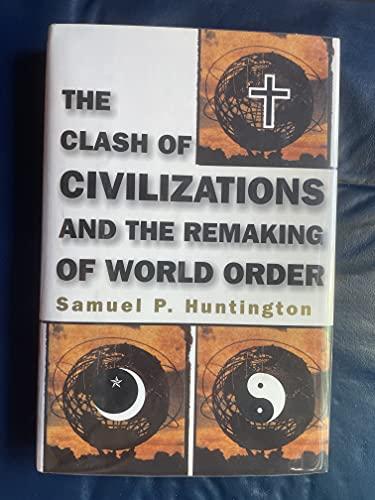
The Clash of Civilizations and the Remaking of World Order
Samuel P. Huntington
Mentioned 5 months ago
It Could Happen Here Weekly 220
There’s a reason the History Channel has produced hundreds of documentaries about Hitler but only a few about Dwight D. Eisenhower. Bad guys (and gals) are eternally fascinating. Behind the Bastards dives in past the Cliffs Notes of the worst humans in history and exposes the bizarre realities of th...
Recently mentioned
Samuel P. Huntington
Mentioned 5 months ago
It Could Happen Here Weekly 220
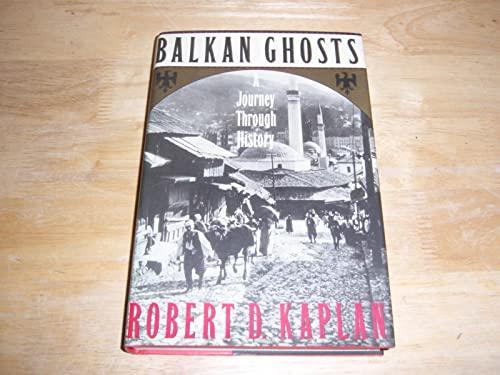
Robert D. Kaplan
Mentioned 5 months ago
It Could Happen Here Weekly 220
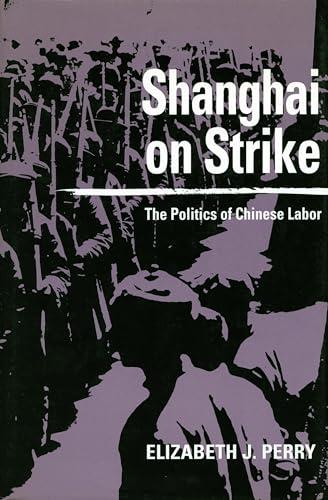
Elizabeth J. Perry
Mentioned 5 months ago
It Could Happen Here Weekly 220

J.R.R. Tolkien
Mentioned 5 months ago
Part One: How Jeffrey Epstein Helped Build the Modern World

Joshua Green
Mentioned 5 months ago
Part One: How Jeffrey Epstein Helped Build the Modern World
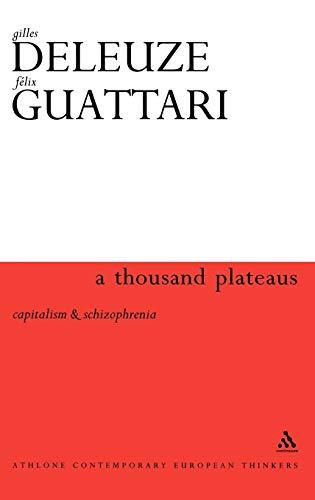
Professor Gilles Deleuze
Mentioned 5 months ago
It Could Happen Here Weekly 219
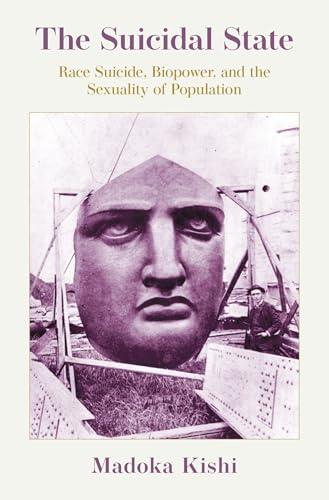
Madoka Kishi
Mentioned 5 months ago
It Could Happen Here Weekly 219
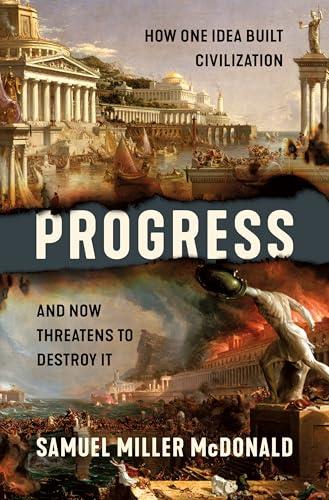
Samuel Miller McDonald
Mentioned 5 months ago
It Could Happen Here Weekly 219

Klaus Mann
Mentioned 5 months ago
It Could Happen Here Weekly 219
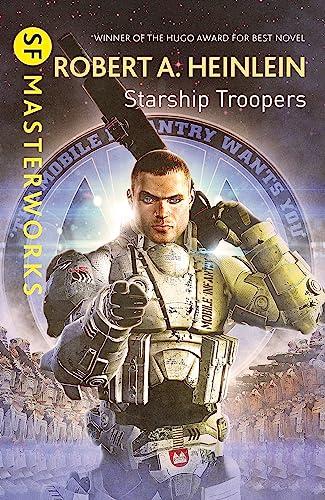
Mentioned 5 months ago
The Greg Bovino Episode Extravaganza!
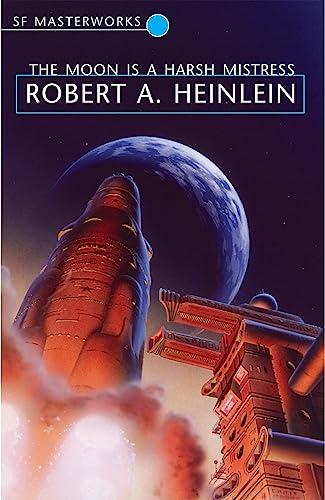
Robert A. Heinlein
Mentioned 5 months ago
The Greg Bovino Episode Extravaganza!
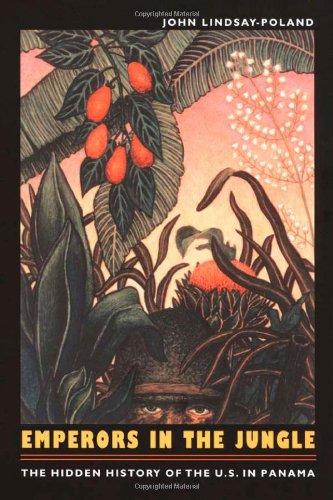
John Lindsay-Poland
Mentioned 5 months ago
It Could Happen Here Weekly 218
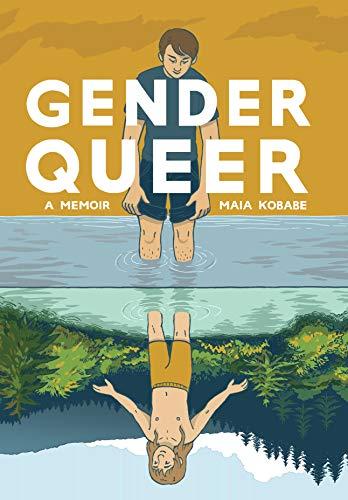
A Memoir
It's an autobiographical book based on the Bay Area non-binary writer and illustrator, and it's been challenged and banned from schools in many states.
Inside the letter, it was specifically targeted towards Maya Kobe's book, Gender Queer, a memoir, which is a Gender Queer graphic novel kind of detailing what it's li...
— Episode: It Could Happen Here Weekly 27
It's an autobiographical book based on the Bay Area non-binary writer and illustrator, and it's been challenged and banned from schools in many states.
Inside the letter, it was specifically targeted towards Maya Kobe's book, Gender Queer, a memoir, which is a Gender Queer graphic novel kind of detailing what it's like to be Gender Queer.
It's definitely popular among kind of the adult, like a young adult kind of age range and is a good resource for kind of gender bending type stuff.
The book, which teaches students about their legal rights, was included on a list of books to be banned from Texas libraries.
It also it includes in this list like titles like The Legal Atlas of the United States teen legal rights.
— Episode: It Could Happen Here Weekly 27
The book, which teaches students about their legal rights, was included on a list of books to be banned from Texas libraries.
It also it includes in this list like titles like The Legal Atlas of the United States teen legal rights.
Christopher Hitchens' book, 'The Trial of Henry Kissinger', was referenced in the context of Kissinger's alleged treasonous actions during the Vietnam War negotiations and the Nixon campaign.
In The Trial of Henry Kissinger, Christopher Hitchens writes, quote, from his seat in the Pentagon, Clifford, who's again the secretary of defense, had actually been able to read the...
— Episode: Part Two: Kissinger
Christopher Hitchens' book, 'The Trial of Henry Kissinger', was referenced in the context of Kissinger's alleged treasonous actions during the Vietnam War negotiations and the Nixon campaign.
In The Trial of Henry Kissinger, Christopher Hitchens writes, quote, from his seat in the Pentagon, Clifford, who's again the secretary of defense, had actually been able to read the intelligence transcripts that picked up and recorded what he terms a secret personal channel between President Thieu in Saigon and the Nixon campaign.
It was more unusual even that he than he acknowledged. Kissinger had until then been a devoted partisan of Nelson Rockefeller, the matchless, the wealthy prince of liberal republicanism. His contempt for the person and policies of Richard Nixon was undisguised.
He had made himself helpful as Rockefeller's cheap foreign policy advisor by supplying French intermediaries with their own contacts in Hanoi.
It was described as a book where the main character is the price of wheat as a commodity. The Mises Institute hosted it online for free, and it was mentioned as being very insufferable.
One of his books is called Satan's Bushel.
— Episode: Part Two: How The Rich Ate Christianity
It was described as a book where the main character is the price of wheat as a commodity. The Mises Institute hosted it online for free, and it was mentioned as being very insufferable.
One of his books is called Satan's Bushel.
What is Satan's Bushel? It is the last bushel that the farmer puts on the market that breaks the price, that is reduces it to the point that wheat farming is no longer profitable.
The puzzle that afflicts the wheat farmers is that they sell their goods when the price is low and have no goods to sell when the price is high.
Withholding goods from the market is one answer, but why should any farmer do that?
What is the answer to this problem? Working from this premise then, as implausible as it may sound, but the central figure in this book is the price of wheat. It is the main source of drama.
How the Greeks Won the War (Step into Reading)
It was mentioned as a book published in 1940 which claimed that communism is a religion that has replaced religious faith with materialism, and warned about a psychological invasion to conquer the American way of life.
These publishes a book in 1940 called The Trojan Horse, in which he claims communism is a religion that has replaced religious faith with materialism.
— Episode: Part One: How The Rich Ate Christianity
It was mentioned as a book published in 1940 which claimed that communism is a religion that has replaced religious faith with materialism, and warned about a psychological invasion to conquer the American way of life.
These publishes a book in 1940 called The Trojan Horse, in which he claims communism is a religion that has replaced religious faith with materialism.
These warns that communists were waging a psychological invasion to conquer the American way of life.
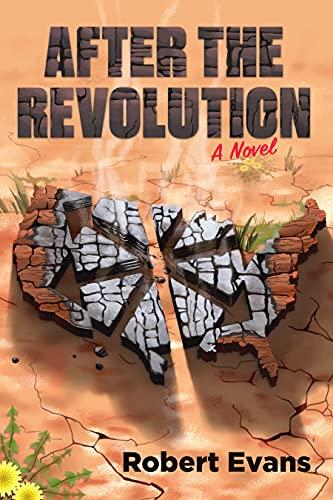
A Novel
The book was published last year as an ebook and podcast series, and it is now being released as a paperback through AK Press.
Well, now it's coming out as a paperback book through AK Press.
— Episode: It Could Happen Here Weekly 23
The book was published last year as an ebook and podcast series, and it is now being released as a paperback through AK Press.
Well, now it's coming out as a paperback book through AK Press.
And if you just Google AK Press After the Revolution, you will be taken to the page where you can preorder it and get a signed copy now.


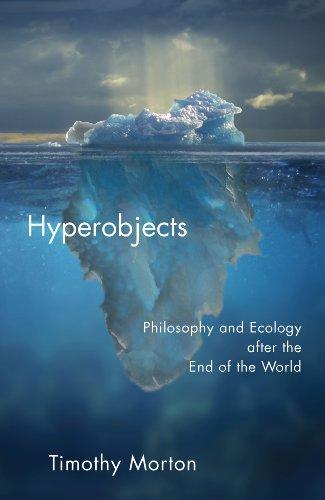
Philosophy and Ecology after the End of the World (Posthumanities Book 27)
Timothy Morton's book, "Hyperobjects", was quoted when discussing climate change as a hyperobject. It described the difficulty in perceiving hyperobjects in their totality, citing the example of raindrops versus global climate.
Consider raindrops. You can feel them on your head, but you can't perceive the actual raindrop in itself. You can only ever perceive your particular anthropomorphic translation of the raindrops. Isn't...
— Episode: It Could Happen Here Weekly 18
Timothy Morton's book, "Hyperobjects", was quoted when discussing climate change as a hyperobject. It described the difficulty in perceiving hyperobjects in their totality, citing the example of raindrops versus global climate.
Consider raindrops. You can feel them on your head, but you can't perceive the actual raindrop in itself. You can only ever perceive your particular anthropomorphic translation of the raindrops. Isn't this similar to the rift between weather, which I can feel falling on my head, and global climate? Not the older idea of local patterns of weather, but the entire system. I can think of and compute climate in this sense, but I can't directly see or touch it. The gap between the phenomenon and the thing yawns wide open, disturbing my sense of presence and being in the world.
...light itself is the most viscous thing of all, since nothing can surpass its speed.
This is it, folks! This is the ecological interconnectedness! Come in and join the fun! But I see that you're already here. Unquote.
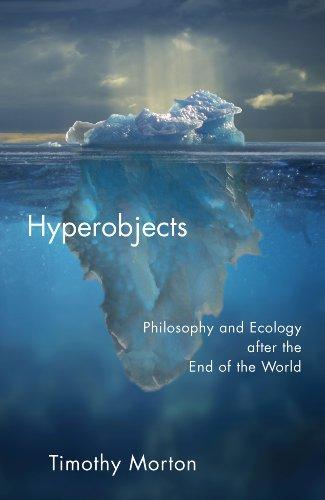
Philosophy and Ecology after the End of the World (Posthumanities Book 27)
The book Hyperobjects: The Philosophy and Ecology After the End of the World was mentioned as an academic read about hyperobjects, which are objects that are so massive they transcend our regular conceptions of physical and temporal reality.
Consider raindrops. You can feel them on your head, but you can't perceive the actual raindrop in itself. You can only ever perceive your particular anthropomorphic translation of the raindrops. Isn't...
— Episode: It Could Happen Here Weekly 18
The book Hyperobjects: The Philosophy and Ecology After the End of the World was mentioned as an academic read about hyperobjects, which are objects that are so massive they transcend our regular conceptions of physical and temporal reality.
Consider raindrops. You can feel them on your head, but you can't perceive the actual raindrop in itself. You can only ever perceive your particular anthropomorphic translation of the raindrops. Isn't this similar to the rift between weather, which I can feel falling on my head, and global climate? Not the older idea of local patterns of weather, but the entire system. I can think of and compute climate in this sense, but I can't directly see or touch it. The gap between the phenomenon and the thing yawns wide open, disturbing my sense of presence and being in the world.
Light itself is the most viscous thing of all, since nothing can surpass its speed. Radiation is Sartre's jar of honey par excellence, a luminous honey that reveals our bone structure as it seeps around us. Again, it's not a matter of making some suicidal leap into the honey, but discovering that we are already inside it. This is it, folks! This is the ecological interconnectedness! Come in and join the fun! But I see that you're already here.
The threat of global warming is not only political but also ontological. The threat of unreality is the very sign of reality itself.

A Year of Green Wisdom for Pagans & Wiccans
Robert Evans mentioned a book about poisonous plants called "Wiccan Plants," which he recently purchased for a friend.
Another another plant book that I just got for somebody that I really like. I think it's called Wiccan plants It's about all the poisonous plants that you can get And the ones all they're like the poi...
— Episode: It Could Happen Here Weekly 16
Robert Evans mentioned a book about poisonous plants called "Wiccan Plants," which he recently purchased for a friend.
Another another plant book that I just got for somebody that I really like. I think it's called Wiccan plants It's about all the poisonous plants that you can get And the ones all they're like the poison plants you can cultivate in your own garden and that's been a lovely read And I do hope to set up a decent poison garden here in the spring
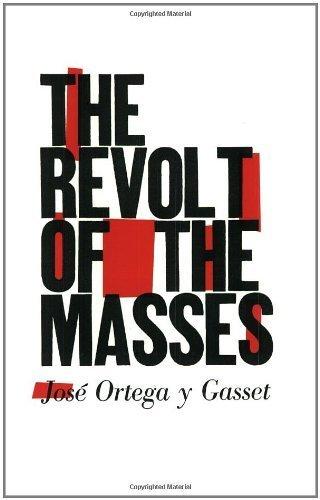
The book Revolt of the Caring Classes was referenced in the context of how people in caring professions often participate in social movements and protests.
Someone who wrote a really cool book that just came out David Graber who was talking about like why is it that we are seeing? all these people who are out in the streets like during occupy who are lik...
— Episode: It Could Happen Here Weekly 15
The book Revolt of the Caring Classes was referenced in the context of how people in caring professions often participate in social movements and protests.
Someone who wrote a really cool book that just came out David Graber who was talking about like why is it that we are seeing? all these people who are out in the streets like during occupy who are like Social workers and nurses and teachers and all this stuff. They're there's something going on here.

A Hands-on Guide to Designing and Making Physical Things
Doctorow's *Makers* is a novel published in 2008 that is bullish about 3D printing.
This is where I do my Woody Allen you know nothing of my work shtick because I had this novel Makers in 2009 I haven't read Makers yet 2008 it's why Brie Pettis went out and founded MakerBot and it's...
— Episode: It Could Happen Here Weekly 14
Doctorow's *Makers* is a novel published in 2008 that is bullish about 3D printing.
This is where I do my Woody Allen you know nothing of my work shtick because I had this novel Makers in 2009 I haven't read Makers yet 2008 it's why Brie Pettis went out and founded MakerBot and it's credited with like kickstarting the homebrew 3D printed revolution blah blah blah blah blah and it was a very bullish novel about 3D printing the reality hasn't lived up to the hype yet it may just be that we're in the long trough of despair as the Gartner hype cycle model has it I think the problem with 3D printing was that the patents had been concentrated into the hands of two large firms that had bought all their competitors including MakerBot and when those patents finally expired the big one was the laser centering of powder patent expired there just wasn't a big bang and I think it's because the supply chain for it still had a lot of proprietary elements and so producing the powder and producing the components that allowed for that remaining a very high bar and so we just didn't see the kind of new industry emerge that we would have hoped for and you know it's like 7 years since those patents expired or 5 years since those patents expired now we're seeing a few more of those powder printers you get a lot more UV cured epoxy printers because those came off patent earlier and they have a less complicated supply chain but still I mean powder printers we're talking about filament and just filament's just not a great technology it's been pushed in ways that you wouldn't even believe people have figured out how to do absolutely incredible things with it but it's not it's not something that you would make aerospace components for you know it's something that you make novelty Dungeons and Dragons dice out of.
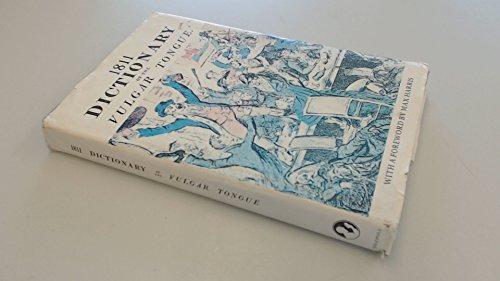
The podcast hosts discussed the book 'The Classical Dictionary of the Vulgar Tongue' which was mentioned as a source that discusses the practice of feeding or feaguing horses.
There in a few copies of this have have feeding. I'm gonna read from one from 1785 it says to feed is to put a live eel up the horses fundament to make him lively and carry his tail.
— Episode: The Ballad of Eel Horse
The podcast hosts discussed the book 'The Classical Dictionary of the Vulgar Tongue' which was mentioned as a source that discusses the practice of feeding or feaguing horses.
There in a few copies of this have have feeding. I'm gonna read from one from 1785 it says to feed is to put a live eel up the horses fundament to make him lively and carry his tail.
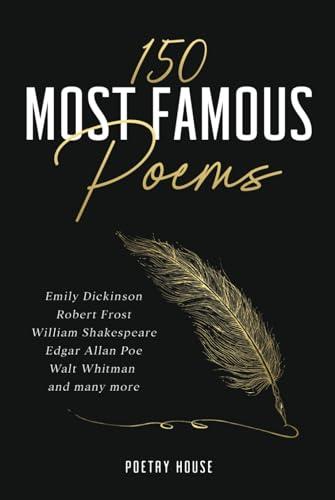
Emily Dickinson, Robert Frost, William Shakespeare, Edgar Allan Poe, Walt Whitman and many more
The book of poems by Thomas Overbury, published in 1616, was mentioned as a source that detailed the habits of an errant horse courser, which included the practice of feeding horses with live eels.
And it included an array of poetic character character sketches of like unsavory types of people written by various anonymous authors one of these poems excellent Excellent One of these poems details...
— Episode: The Ballad of Eel Horse
The book of poems by Thomas Overbury, published in 1616, was mentioned as a source that detailed the habits of an errant horse courser, which included the practice of feeding horses with live eels.
And it included an array of poetic character character sketches of like unsavory types of people written by various anonymous authors one of these poems excellent Excellent One of these poems details the characteristics of an inerrant horse courser And noted that among other unsavory habits The man knows how to cover up diseases and defects of all sorts for pounding his horses arse with quicksilver And giving him suppositories of live eels.

Bosnia, Kosovo and Macedonia 1992–2001 (Elite Book 146)
It is a Marxist perspective on the breakup of Yugoslavia and is recommended for those who want to learn about the conflict from a leftist perspective.
If you want to learn about the conflict from a leftist perspective, I always recommend, and I don't know where it's going now, but I always recommend Bosnia, Kosovo, and Yugoslavia by Mike Karadzicis.
— Episode: It Could Happen Here Weekly 9
It is a Marxist perspective on the breakup of Yugoslavia and is recommended for those who want to learn about the conflict from a leftist perspective.
If you want to learn about the conflict from a leftist perspective, I always recommend, and I don't know where it's going now, but I always recommend Bosnia, Kosovo, and Yugoslavia by Mike Karadzicis.
Note: The book recommendations on this page are discovered automatically from podcast transcripts, and may be incorrect or incomplete.
Podcast Name