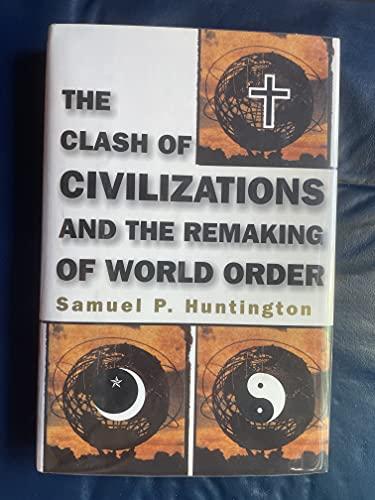
The Clash of Civilizations and the Remaking of World Order
Samuel P. Huntington
Mentioned 5 months ago
It Could Happen Here Weekly 220
There’s a reason the History Channel has produced hundreds of documentaries about Hitler but only a few about Dwight D. Eisenhower. Bad guys (and gals) are eternally fascinating. Behind the Bastards dives in past the Cliffs Notes of the worst humans in history and exposes the bizarre realities of th...
Recently mentioned
Samuel P. Huntington
Mentioned 5 months ago
It Could Happen Here Weekly 220
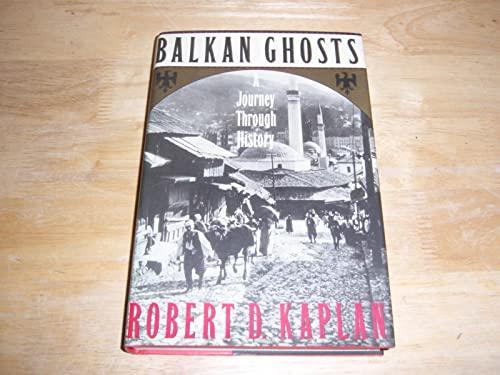
Robert D. Kaplan
Mentioned 5 months ago
It Could Happen Here Weekly 220
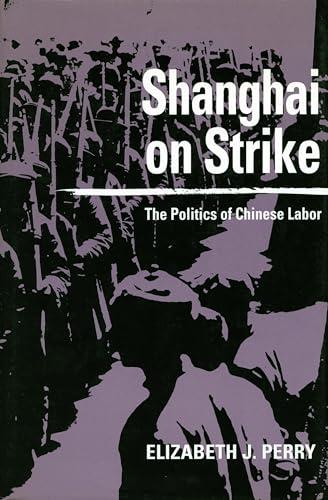
Elizabeth J. Perry
Mentioned 5 months ago
It Could Happen Here Weekly 220

J.R.R. Tolkien
Mentioned 5 months ago
Part One: How Jeffrey Epstein Helped Build the Modern World

Joshua Green
Mentioned 5 months ago
Part One: How Jeffrey Epstein Helped Build the Modern World
Professor Gilles Deleuze
Mentioned 5 months ago
It Could Happen Here Weekly 219
Madoka Kishi
Mentioned 5 months ago
It Could Happen Here Weekly 219
Samuel Miller McDonald
Mentioned 5 months ago
It Could Happen Here Weekly 219
Klaus Mann
Mentioned 5 months ago
It Could Happen Here Weekly 219
Mentioned 5 months ago
The Greg Bovino Episode Extravaganza!
Robert A. Heinlein
Mentioned 5 months ago
The Greg Bovino Episode Extravaganza!
John Lindsay-Poland
Mentioned 5 months ago
It Could Happen Here Weekly 218

It was mentioned as the second best-selling book in Nazi Germany and a significant example of how Blavatsky's ideas were adopted and adapted by the Nazi ideology, particularly regarding the concept of a Hyperborean Atlantis and racial hierarchy.
Alfred Rosenberg's book, The Myth of the 20th Century, which he publishes in 1930, is the second best selling book in Nazi Germany under Mein Kampf.
— Episode: Part Four: Helena Blavatsky: the woman w...
It was mentioned as the second best-selling book in Nazi Germany and a significant example of how Blavatsky's ideas were adopted and adapted by the Nazi ideology, particularly regarding the concept of a Hyperborean Atlantis and racial hierarchy.
Alfred Rosenberg's book, The Myth of the 20th Century, which he publishes in 1930, is the second best selling book in Nazi Germany under Mein Kampf.
And his whole book is a plagiarism of the secret doctrine.
Like he's basically taken the secret doctrine and doing what Blavatsky did with The Coming Race.
He opens the book by restating the myth of a Hyperborean Atlantis and insisting that the existence of a, quote, prehistoric Nordic cultural center was the basis of all Nazi race science.
The Divine Pymander
It was discussed as a text that Helena Blavatsky drew inspiration from for her book ISIS Unveiled, which presented a cosmology that contradicted Darwinian evolution.
Its basic premises are contained in Corpus Hermeticum, a text of unclear origin translated into Italian and popularized in the 15th century by a Renaissance philosopher, Marsilio Fici...
— Episode: Part Three: Helena Blavatsky: the woman...
It was discussed as a text that Helena Blavatsky drew inspiration from for her book ISIS Unveiled, which presented a cosmology that contradicted Darwinian evolution.
Its basic premises are contained in Corpus Hermeticum, a text of unclear origin translated into Italian and popularized in the 15th century by a Renaissance philosopher, Marsilio Ficino.
It was based on the works of Emanuel Swedenborg and became a bestseller at the time, popularising the idea that the physical world is a shadow of a larger spiritual one, and that the dead constantly interact with the living.
Andrew Jackson Davis wrote the divine principles of nature.
— Episode: Part Two: Helena Blavatsky: the woman wh...
It was based on the works of Emanuel Swedenborg and became a bestseller at the time, popularising the idea that the physical world is a shadow of a larger spiritual one, and that the dead constantly interact with the living.
Andrew Jackson Davis wrote the divine principles of nature.
A Novel
It was mentioned as one of Miles Gray's works that listeners could find online on Amazon or the AK Press website.
I have a book called After the Revolution. You can find it anywhere you want to. You can find it on Amazon. You can find it on the AK Press website. You can find links there to a bunc...
— Episode: Part Four: The Clarence Thomas Story
It was mentioned as one of Miles Gray's works that listeners could find online on Amazon or the AK Press website.
I have a book called After the Revolution. You can find it anywhere you want to. You can find it on Amazon. You can find it on the AK Press website. You can find links there to a bunch of local indie book dealers where you can buy it. So go to Google AK Press After the Revolution or get it literally anywhere else.
"Humanoids in Sealed Habitats" (FutureScape)
Robert briefly mentioned a book titled 'Terraforming in Action' by Scott Winkler when browsing bookshop.org. It features an Ottoman Janissary on the cover, but no other details were provided.
It's that guy terraform in action by Scott Winkler, which has what looks like an Ottoman Janissary on the front.
— Episode: Part Two: The World Anti-Communist Leagu...
Robert briefly mentioned a book titled 'Terraforming in Action' by Scott Winkler when browsing bookshop.org. It features an Ottoman Janissary on the cover, but no other details were provided.
It's that guy terraform in action by Scott Winkler, which has what looks like an Ottoman Janissary on the front.
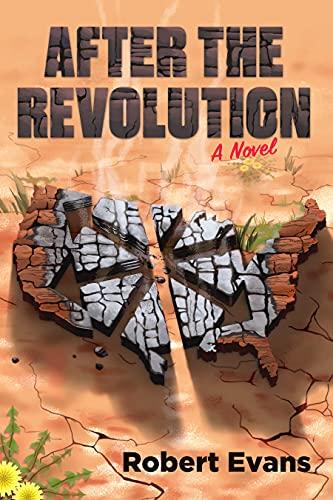
A Novel
It was mentioned as a book by the guest Kaveh Hoda, who also mentioned that a sequel was in progress.
I have a book called After the Revolution if you want to buy it and you're looking where you can get it in an indie bookstore in your area. You can check out this thing. I just learne...
— Episode: Part One: The Father of Gynecology
It was mentioned as a book by the guest Kaveh Hoda, who also mentioned that a sequel was in progress.
I have a book called After the Revolution if you want to buy it and you're looking where you can get it in an indie bookstore in your area. You can check out this thing. I just learned about called bookshop.org.

Stories from Life at the Intersection
The book is a collection of interviews with people who are both transgender and autistic, discussing their experiences with navigating the world, transitioning, and accessing transgender healthcare.
It's sort of a series of interviews with folks. And, you know, I mean, I just asked them like about their lives and what it was like to be trans and what it was like to be autistic and what it's like...
— Episode: It Could Happen Here Weekly 41
The book is a collection of interviews with people who are both transgender and autistic, discussing their experiences with navigating the world, transitioning, and accessing transgender healthcare.
It's sort of a series of interviews with folks. And, you know, I mean, I just asked them like about their lives and what it was like to be trans and what it was like to be autistic and what it's like to, you know, try to transition as an autistic person.
So I'm looking specifically at how trans autistic community groups or grassroots group formations are forming and what their goals are.
I always like to plug Rupe's Walsh's work, which looks at, you know, they do a lot of work in trans autistic stuff too. And they kind of look at why more people may be Trans and Autistic. And one of the things they've found is that it may be that autistic people are both less capable of hiding the fact that they're trans and less capable of caring or caring about hiding it.
Trans and Autistic Stories from Life at the Intersection by Jessica Kingsley Publishers. It was out in 2020, I think. People can find it on Amazon or wherever you buy books. I'm sure Powell's Bookstore over there in Portland has it.
It's a series of interviews with folks who are Trans and Autistic. I sat down with folks and asked them about their life and what's going on and what that looks like. And then I sort of, you know, tried to transcribe that into a text, into a narrative form and put that in a book and here we are.

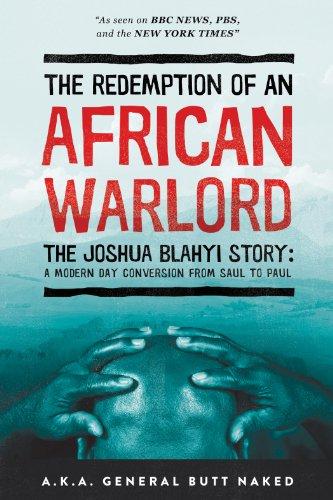
The Joshua Blahyi Story (a.k.a. General Butt Naked)
It was described as a standard redemption narrative, similar to others popular during the satanic panic in the US. It was written after Blahie became a born-again Christian.
He claims to have an engaged from an early age in elaborate nightmare acts of child sacrifice to gain powers.
— Episode: Part Two: General Butt-Naked and the Lib...
It was described as a standard redemption narrative, similar to others popular during the satanic panic in the US. It was written after Blahie became a born-again Christian.
He claims to have an engaged from an early age in elaborate nightmare acts of child sacrifice to gain powers.
He claims that at age 11, he becomes a priest and learns human visits by the devil and start sacrificing people.
He would get involved as a high priest of a secret cult that practiced black magic human sacrificed and worshipped a god called Nyanbe Awe who he believed was actually the devil during this time.
He just made himself into like a superhero villain.
Not since the conversion of Saul of Tarsus on the road to Damascus, have I ever heard a conversation a conversion story more radically compelling.
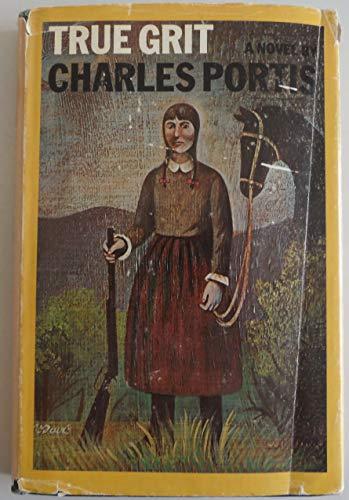
A Novel
It was mentioned as one of John Wayne's best performances, and it is also considered a classic Western film. The podcast discussed its plot, which involved a drunken and hard-nosed US Marshal.
True Grit being maybe the most the one that's most famous today.
— Episode: Part Three: John Wayne: A Dude Who Sucke...
It was mentioned as one of John Wayne's best performances, and it is also considered a classic Western film. The podcast discussed its plot, which involved a drunken and hard-nosed US Marshal.
True Grit being maybe the most the one that's most famous today.
A drunken hard-nosed US Marshal and Texas Ranger helps a stubborn teenager track down her father's murderer.
He was drunken and hard-nosed.
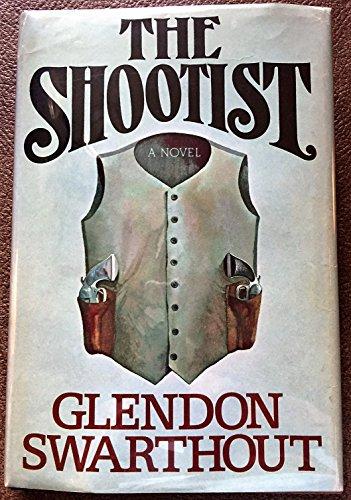
It was mentioned as one of John Wayne's last films, and it was discussed in relation to his declining health and his portrayal of a dying gunfighter. The podcast viewed it as having a touch of self-awareness.
two of his very best performances in his career were filmed really late in it when he's an old guy, the shootest and true grit,
— Episode: Part Three: John Wayne: A Dude Who Sucke...
It was mentioned as one of John Wayne's last films, and it was discussed in relation to his declining health and his portrayal of a dying gunfighter. The podcast viewed it as having a touch of self-awareness.
two of his very best performances in his career were filmed really late in it when he's an old guy, the shootest and true grit,
the basic plot of The Shootist is there's this old gunfighter who's dying of cancer, like Wayne was kind of at the time.
And he wants to engineer a last gunfight to kill himself.
And instead he gets shot in the back and killed, which is like a weirdly, like suggests a weird amount of self-knowledge for John Wayne that like, that's the movie he goes out in
Building Extraordinary Brands Through the Power of Archetypes
It was described as a very negative book about John Wayne, referencing the actor's problematic behaviours, including his treatment of his wife and his teenage mistress.
gave him various Indian remedies for diarrhea.
— Episode: Part Two: John Wayne: A Dude Who Sucked
It was described as a very negative book about John Wayne, referencing the actor's problematic behaviours, including his treatment of his wife and his teenage mistress.
gave him various Indian remedies for diarrhea.
puking and crapping blood for a week
He had to show these self-important actors that he was as manly as they were he drank like crazy which prolonged his dysentery
He demanded his children profess their love to him on a daily basis barely able to sleep Duke awoke every day before dawn and demanded the entire house rise with him. Even if it was a day off for family and friends. He had a litany of rules based upon superstitions, which were a result of a childhood of poverty and emotional abuse by his mother ever convinced that he was destined for ruin Duke insisted that the superstitions be followed or his life would collapse into abject failure.
an underaged prostitute with a smoking body and amazing good looks.
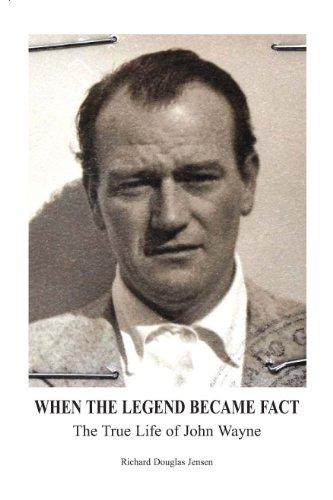
It was mentioned as a source for insights into John Wayne's early life, including his parents' personalities and the difficult circumstances of his childhood.
Biographer Richard Douglas Jensen describes Marion's mother is straight up abusive, probably physically abusive and definitely mentally abusive.
— Episode: Part One: John Wayne: A Dude Who Sucked
It was mentioned as a source for insights into John Wayne's early life, including his parents' personalities and the difficult circumstances of his childhood.
Biographer Richard Douglas Jensen describes Marion's mother is straight up abusive, probably physically abusive and definitely mentally abusive.
Marion became a neurotic kid, unable to sleep normally without nightmares.
Like all children growing up in a household filled with abuse, he internalized the strain of the abuse and blamed himself for their unhappiness.
The movies were his respite from reality.
Duke was a rambunctious kid, athletic and imaginative. He was also restless.

Poems (Test Site Poetry Series)
This book discusses how the centralization of agriculture has been a disaster, and that it took decades to recover from.
And I think that also was at the centralization of agriculture was like a pockle disaster in a lot of ways that took like decades to recover from.
— Episode: It Could Happen Here Weekly 30
This book discusses how the centralization of agriculture has been a disaster, and that it took decades to recover from.
And I think that also was at the centralization of agriculture was like a pockle disaster in a lot of ways that took like decades to recover from.
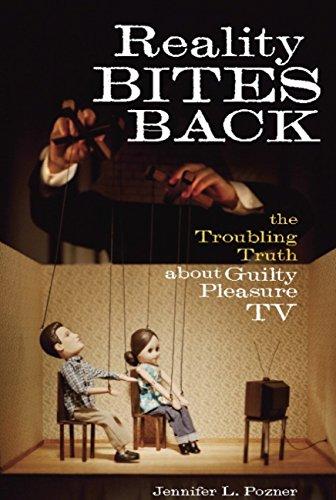
The Troubling Truth About Guilty Pleasure TV
It was mentioned as a book that described the show 'Who Wants to Marry a Multi-Millionaire?' as a hybrid of Miss America and a mail-order bride parade.
In her book Reality Bites Back, Jennifer Posner describes it this way: this special which predated the game-changing Survivor was a hybrid of Miss America and mail order bride parade...
— Episode: Part One: The Bastards of Reality Televi...
It was mentioned as a book that described the show 'Who Wants to Marry a Multi-Millionaire?' as a hybrid of Miss America and a mail-order bride parade.
In her book Reality Bites Back, Jennifer Posner describes it this way: this special which predated the game-changing Survivor was a hybrid of Miss America and mail order bride parade with executive producer Mike Fleiss of next Entertainment.
Note: The book recommendations on this page are discovered automatically from podcast transcripts, and may be incorrect or incomplete.
Podcast Name