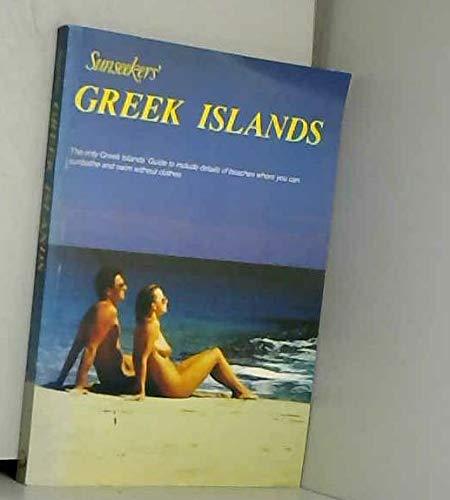
Sunseekers' Greek Islands
sunseekers
Mentioned 1 week ago
Tanning is back

Today, Explained is Vox's daily news explainer podcast. Hosts Sean Rameswaram and Noel King will guide you through the most important stories of the day. Part of the Vox Media Podcast Network.
Recently mentioned
sunseekers
Mentioned 1 week ago
Tanning is back
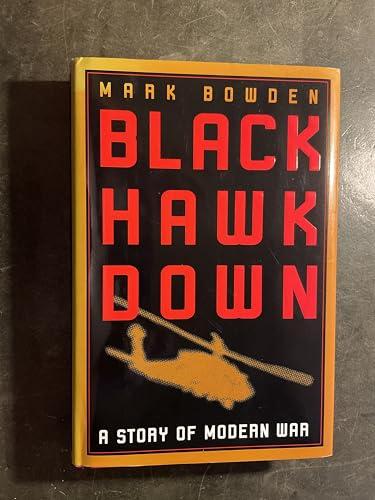
Mark Bowden
Mentioned 2 weeks ago
Trump’s secret war
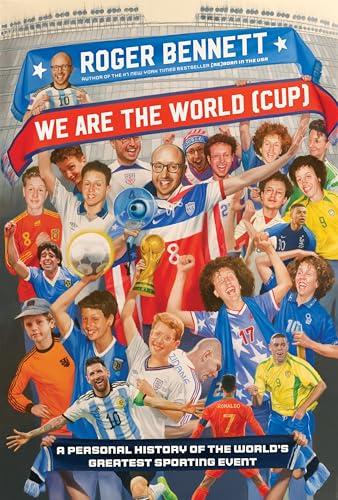
Roger Bennett
Mentioned 3 weeks ago
The World Cup is healing us
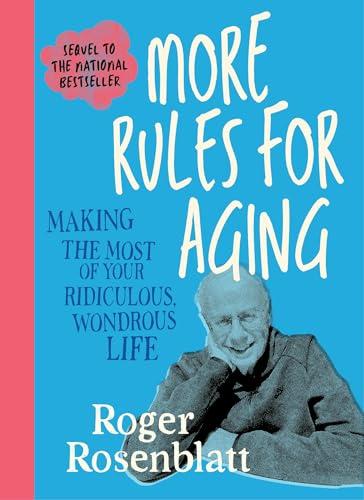
Roger Rosenblatt
Mentioned 3 weeks ago
Can we cheat death?
Anna Fifield
Mentioned 4 weeks ago
North Korea's girl dad dictator

Matthew Avery Sutton
Mentioned 1 month ago
Why the Antichrist is back
M. J. Rymsza-Pawlowska
Mentioned 1 month ago
America's birthday blues
Tim Higgins
Mentioned 1 month ago
AI goes IPO
Esther Perel
Mentioned 1 month ago
Why people cheat

J. K. Rowling
Mentioned 1 month ago
Dating my AI
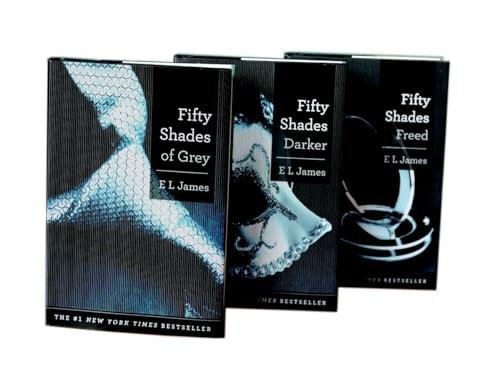
E L James
Mentioned 1 month ago
Dating my AI
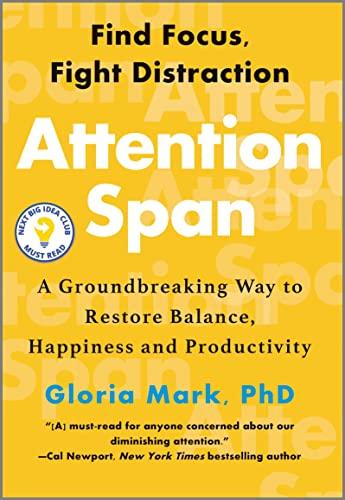
Gloria Mark
Mentioned 1 month ago
Ew, are we post-literate?
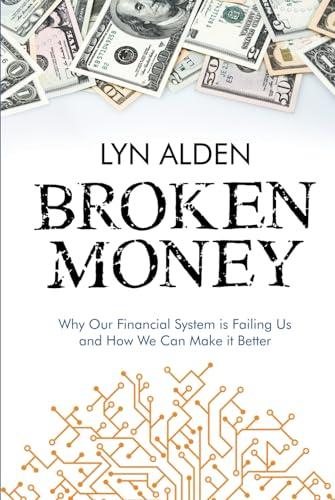
Why Our Financial System is Failing Us and How We Can Make it Better
Author Lyn Alden was featured on the podcast as an independent financial analyst to discuss the themes of her book, Broken Money. The segment treated the book as a key resource, using Alden's expertise to provide listeners with detailed portfolio building advice. The core discussion focused on navigating investment strategies, particularly within the challenging context of a rate-cutting cycle.
The author's book, 'Broken Money', was discussed in relation to portfolio building advice, particularly within a rate-cutting cycle.
This week on Prof G Markets, we speak with Lynn Ulden, independent analyst and the author of Broken Money.
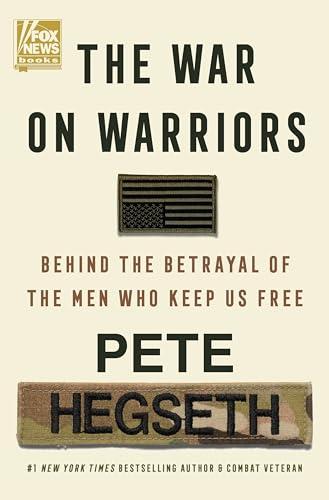
Behind the Betrayal of the Men Who Keep Us Free
The book written by Pete Hegseth prior to taking his position outlined his consistent theme and message about the military needing to get back to basics and stop focusing on social experimentation and politics.
I heard a theme and message that's very consistent with a book that he wrote prior to taking this position that he has touted, continued to tout.
— Episode: Hegseth’s hectic military
The book written by Pete Hegseth prior to taking his position outlined his consistent theme and message about the military needing to get back to basics and stop focusing on social experimentation and politics.
I heard a theme and message that's very consistent with a book that he wrote prior to taking this position that he has touted, continued to tout.
You might say we're ending The War on Warriors. I heard someone wrote a book about that.
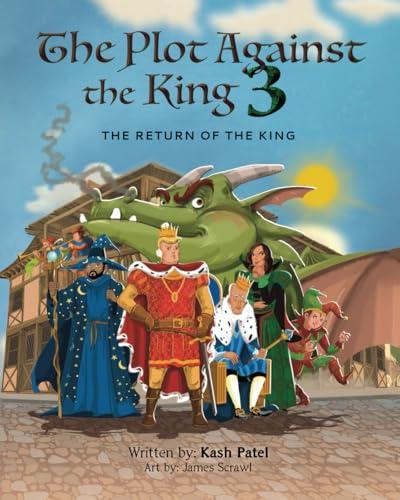
The Return of the King
This was Kash Patel's first children's book, which recounted the story of Russiagate from his perspective with vivid illustrations.
Once upon a time in the land of the free, there lived a wizard called Kash, the distinguished discoverer.
— Episode: The Hunter becomes the pardoned
This was Kash Patel's first children's book, which recounted the story of Russiagate from his perspective with vivid illustrations.
Once upon a time in the land of the free, there lived a wizard called Kash, the distinguished discoverer.
Kash was known far and wide as the one person who could discover anything about anything.
I have discovered that the King, King Donald, is innocent. He did not work with the Russianians, and he did not cheat. You chose him, so he became King fair and square.
A Story of Modern War
The hosts referenced the 1993 Black Hawk Down incident as historical context for U.S. involvement in Somalia.
Somalia has been in effectively a state of civil war since the early 1990s. And the U.S. has been involved almost since the beginning. You know, the Black Hawk Down incident was 1993.
— Episode: Trump’s secret war
The hosts referenced the 1993 Black Hawk Down incident as historical context for U.S. involvement in Somalia.
Somalia has been in effectively a state of civil war since the early 1990s. And the U.S. has been involved almost since the beginning. You know, the Black Hawk Down incident was 1993.

Photography Transformed in the Age of AI
On the podcast, author Fred Ritchin discussed his book, The Synthetic Eye, which examines the profound transformations artificial intelligence is bringing to photography. Ritchin detailed his decades-long concern that the credibility of images as reliable witnesses is breaking down, emphasizing the danger of losing a shared sense of reality if we cannot trust what we see. He warned that in the near future, realistic images may need to be explicitly labeled as fiction or nonfiction to maintain public trust.
Fred Ritchin's book, "The Synthetic Eye," explores the transformative effects of artificial intelligence on photography and the resulting changes in how we perceive and interpret images.
In the not too distant future, realistic looking images will probably have to be labeled like words as either fiction or nonfiction because it may be impossible to tell them apart.
We may have to rely on the image maker and not the image to tell us into which category certain pictures fall.
I began to think that the credibility of photography as a witness was vulnerable at that point.
And what troubled me then and troubles me even more now is if that breaks down, then we really have no shared sense of reality at this point in terms of what's happening outside of our immediate neighborhood, our immediate family, you know, what's happening in other countries.
So I wrote a piece for the New York Times magazine in 1984. I think they printed a million six hundred thousand copies, as I remember, with the idea that if people know in advance, they'll do something about it so that we will be able to preserve the photograph as a credible witness.
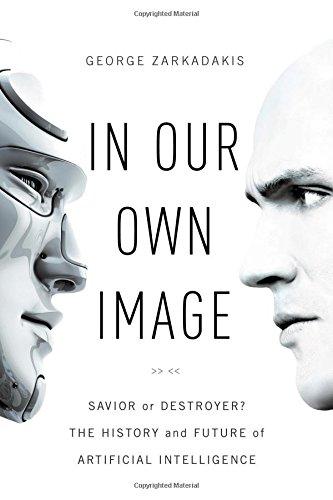
Savior or Destroyer? The History and Future of Artificial Intelligence
Published in 1990, this book by Fred Ritchin anticipated the coming revolution in photography, focusing on how technology would allow individuals to shape their self-image and control the narrative they presented.
The first book I wrote on this was called In Our Own Image, the coming revolution of photography in 1990.
— Episode: We can't trust photos anymore
Published in 1990, this book by Fred Ritchin anticipated the coming revolution in photography, focusing on how technology would allow individuals to shape their self-image and control the narrative they presented.
The first book I wrote on this was called In Our Own Image, the coming revolution of photography in 1990.
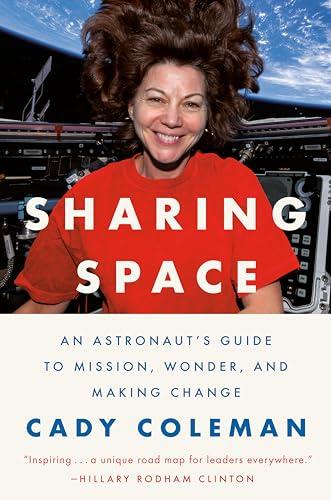
An Astronaut's Guide to Mission, Wonder, and Making Change
Host Sean Rameswaram casually mentioned Cady Coleman’s memoir, Sharing Space: An Astronaut's Guide to Mission, Wonder, and Making Change, at the conclusion of the episode. He directed listeners to the book as a resource where they could read more about the astronaut's experiences, specifically noting its focus on mission, wonder, and making change.
It was mentioned at the end of the podcast as a book written by astronaut Katie Coleman, describing her experience in space, mission, wonder and making change.
You can read all about her space experience in her new book, Sharing Space, an astronaut's guide to mission, wonder and making change.


The book was referenced as a key inspiration for Shantae Joseph's viral article and was discussed for its analysis of straight culture, queer perspectives, and the historical development of heterosexuality.
One of the inspirations behind this piece was a book by Professor Jane Ward. Her book is called The Tragedy of Heterosexuality. And in the book, she has a chapter that is dedicated to the things that...
— Episode: Are boyfriends embarrassing?
The book was referenced as a key inspiration for Shantae Joseph's viral article and was discussed for its analysis of straight culture, queer perspectives, and the historical development of heterosexuality.
One of the inspirations behind this piece was a book by Professor Jane Ward. Her book is called The Tragedy of Heterosexuality. And in the book, she has a chapter that is dedicated to the things that queer people say behind their straight friends' backs.
And Jane, you wrote a book that our last guest, Shantae Joseph, said was a bit of an inspiration for her viral article. The book was called The Tragedy of Heterosexuality.
So, you know, the book has clearly a provocative and playful title. But what got me thinking about this book is that queer people, at least in my orbit, had been having these conversations for decades. About are straight people okay?

This book was recommended as a short read after finishing Anna Karenina, noting it felt summery despite having more serious themes about young people living abroad.
I just finished reading Perfection by Vincenzo Latronico, which is like this book that I'm sure maybe listeners have heard of. But definitely when I finished Anna Karenina, I was like...
— Episode: The summer I turned into a bookworm
This book was recommended as a short read after finishing Anna Karenina, noting it felt summery despite having more serious themes about young people living abroad.
I just finished reading Perfection by Vincenzo Latronico, which is like this book that I'm sure maybe listeners have heard of. But definitely when I finished Anna Karenina, I was like, how about something short? And it feels summery somehow, I think in part because it's like, I don't know, it's about like young people who are living abroad.

Modern Puberty Explained
The podcast featured this book as the central resource for an episode dedicated to the modern experience of puberty. Host Noel King introduced the work by pediatrician Dr. Cara Natterson and educator Vanessa Kroll Bennett, noting that it details how puberty now starts earlier, lasts longer, and involves new factors like technology. The discussion highlighted the book's authoritative insights into the contemporary challenges facing adolescents.
The book, co-authored by pediatrician Dr. Cara Natterson and puberty educator Vanessa Kroll Bennett, explained modern puberty. It explored how puberty starts earlier, lasts longer, and now involves technology like phones.
Together, they wrote the book, This Is So Awkward, Modern Puberty Explained.
Together, they wrote a book called This Is So Awkward. Modern Puberty Explained.
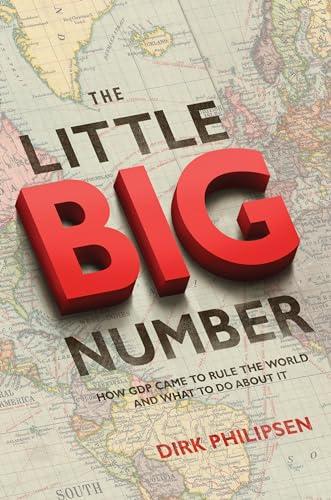
How GDP Came to Rule the World and What to Do about It
During an episode focused on "Degrowing pains," the podcast referenced Dirk Philipsen's The Little Big Number to explain how GDP came to dominate global measurement. Discussed by Noelle King, the book argues that GDP is a profoundly misleading and dangerous metric because it only tracks monetary volume, ignoring crucial elements like the care economy and environmental damage. The segment underscored the author's urgent call for implementing better metrics to guide national economies.
This book, written by economic historian Dirk Philipsen, explained how GDP (Gross Domestic Product) came to dominate global economic measurement. It detailed how GDP emerged after the Great Depression to understand collapsing capitalist economies, but the author argued it is a misleading metric because it only measures volume in monetary terms, ignoring things like the care economy or environmental degradation.
He wrote a book called The Little Big Number, how GDP came to rule the world and what to do about it.
GDP is gross domestic product and it's the sum total of all of the goods and services produced in a country in a single year. Everything.
This is a profoundly misleading and ultimately stupid and dangerous metric. We are in desperate dire need to find much better metrics, much better guidelines for what we do in our respective national economies.
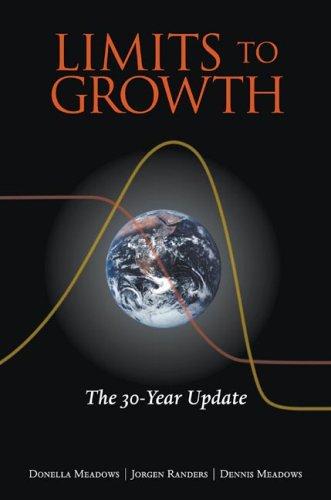
The 30-Year Global Update
The book, or the original Club of Rome report, was highlighted by Noelle King as a foundational and widely read text critical to the degrowth movement. King explained that the 1970s work used computer modeling to warn that continued exponential growth would lead to resource depletion and societal collapse. It was presented as a critical historical warning that the world was in an unstable situation and needed to halt growth to prevent catastrophe.
This report, originating from the Club of Rome in the early 1970s, was discussed as a major historical text in the degrowth movement. It used computer modeling to suggest that exponential growth would lead to resource depletion and societal collapse, predicting the world was in an unstable situation.
chief among them a report by an organization called the Club of Rome that is probably to this very day a text on economics that has been read by more people than any other and that is called the Limits to Growth.
The world is in a completely unstable situation and is likely to fall to pieces if it doesn't stop growing.
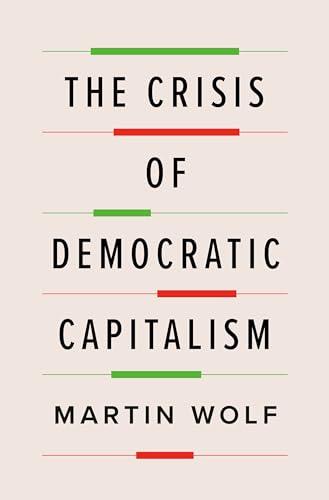
The host recommended this book very highly at the end of the episode. The book was mentioned in a special thanks section to the author.
Special thanks to Martin Wolf of the Financial Times. You should check out his book, The Crisis of Democratic Capitalism. It's really very good.
— Episode: Blame Capitalism: The 99%
The host recommended this book very highly at the end of the episode. The book was mentioned in a special thanks section to the author.
Special thanks to Martin Wolf of the Financial Times. You should check out his book, The Crisis of Democratic Capitalism. It's really very good.

The Last Conservative
Host Noel King highlighted Jennifer Burns' biography, Milton Friedman: The Last Conservative, calling it "this year's hottest book" upon its release. The book served as crucial context for the episode's deep dive into capitalism, focusing on the life and pervasive influence of Friedman's economic philosophies.
This book, released in 2024, was described as this year's hottest book and discussed the life and ideas of Milton Friedman.
Jennifer Burns is a historian and author of this year's hottest book. It's called Milton Friedman, The Last Conservative.
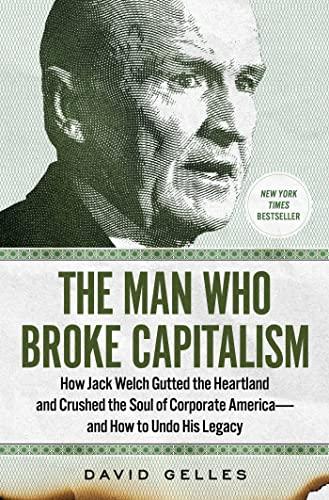
How Jack Welch Gutted the Heartland and Crushed the Soul of Corporate America―and How to Undo His Legacy
This book about Jack Welch was written by David Gellis after he became obsessed with Welch while reporting for The New York Times.
David Gellis wrote a book about Jack Welch called The Man Who Broke Capitalism.
— Episode: Blame Capitalism: Profit over everything
This book about Jack Welch was written by David Gellis after he became obsessed with Welch while reporting for The New York Times.
David Gellis wrote a book about Jack Welch called The Man Who Broke Capitalism.

Senator Bernie Sanders reportedly wrote this book in the year the podcast was referencing, focusing on the topic of capitalism.
Everyone's asking those questions. Senator Bernie Sanders wrote a book this year, It's Okay to be Angry About Capitalism.
— Episode: Blame Capitalism: Souring on the system
Senator Bernie Sanders reportedly wrote this book in the year the podcast was referencing, focusing on the topic of capitalism.
Everyone's asking those questions. Senator Bernie Sanders wrote a book this year, It's Okay to be Angry About Capitalism.

A Sweet Romcom Novella (Sweet Peach Series)
This book, which was coming out in early December, discussed remote work and how people can create boundaries for themselves when working flexibly. The authors addressed how offices are often monocultures and how flexible work can break up that dynamic.
But Ann saw through the scam. She made it out to Montana long before the pandemic and around the time office workers around the world went remote she thought it'd be a good time to write a book about...
— Episode: The Future of Work: OOO
This book, which was coming out in early December, discussed remote work and how people can create boundaries for themselves when working flexibly. The authors addressed how offices are often monocultures and how flexible work can break up that dynamic.
But Ann saw through the scam. She made it out to Montana long before the pandemic and around the time office workers around the world went remote she thought it'd be a good time to write a book about remote work.
The way that my co-author and I, Charlie Wurzel, talk about this in our book that's coming out is that offices are oftentimes monocultures.
As you may have heard, Anne Helen Peterson has a book about remote work coming out with her co-author and life partner, Charlie Warzel. It's called Out of Office and it drops in early December.
A Surfer's Journey
The author, a science writer, wrote this new book after traveling the world to understand toilets, noting that the US sewage system is severely lacking.
I'm a science writer and the author of a new book called Pipe Dreams, The Urgent Global Quest to Transform the Toilet.
— Episode: Our No. 2 problem
The author, a science writer, wrote this new book after traveling the world to understand toilets, noting that the US sewage system is severely lacking.
I'm a science writer and the author of a new book called Pipe Dreams, The Urgent Global Quest to Transform the Toilet.
And if you just can't get enough literature on toilets be sure to check out Pipe Dreams, the urgent global quest to transform the toilet.
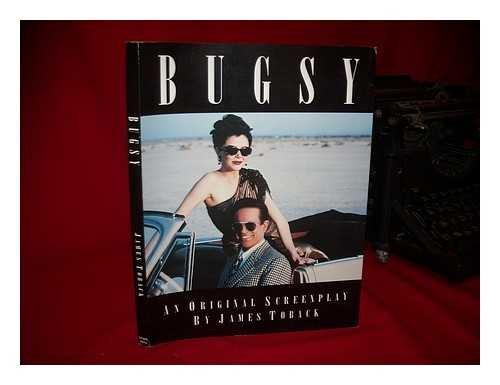
The book, which was mentioned as a movie, detailed the story of gangster Ben Siegel who helped conceptualize the Las Vegas Strip and dreamed of monumental developments there like high-speed rail.
I was at the Hoover Dam at the top of yesterday's show and I want to go back there for a minute, not physically but through a movie from the late 1900s called Bugsy.
— Episode: Why we can’t have nice trains
The book, which was mentioned as a movie, detailed the story of gangster Ben Siegel who helped conceptualize the Las Vegas Strip and dreamed of monumental developments there like high-speed rail.
I was at the Hoover Dam at the top of yesterday's show and I want to go back there for a minute, not physically but through a movie from the late 1900s called Bugsy.
It's about an American gangster named Ben Bugsy-Siegel who helped dream up the Las Vegas Strip.
Note: The book recommendations on this page are discovered automatically from podcast transcripts, and may be incorrect or incomplete.
Podcast Name