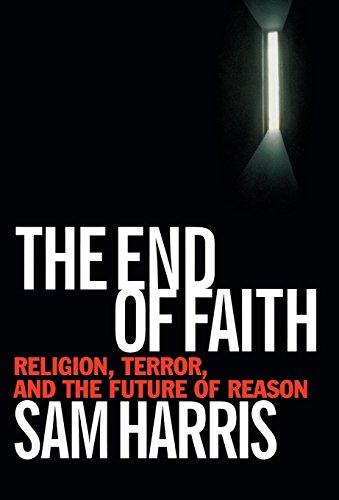
The End of Faith
Religion, Terror, and the Future of Reason
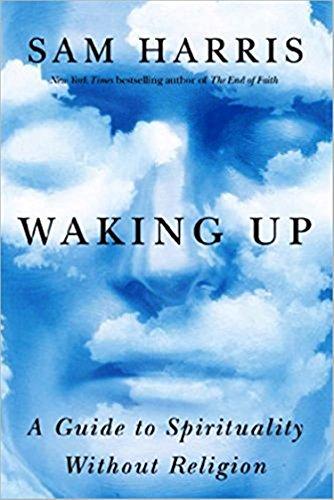
This book, published in 2004, was mentioned as one of Sam Harris's five New York Times best sellers. It is also noted for winning the 2005 PEN Award for Nonfiction, and Harris discussed how it caused him to have many collisions with people regarding his criticism of Islamic extremism, especially on the left.
I was noticing disproportionately on the left, specifically, we've come full circle now to this moment, you know, in the news cycle.
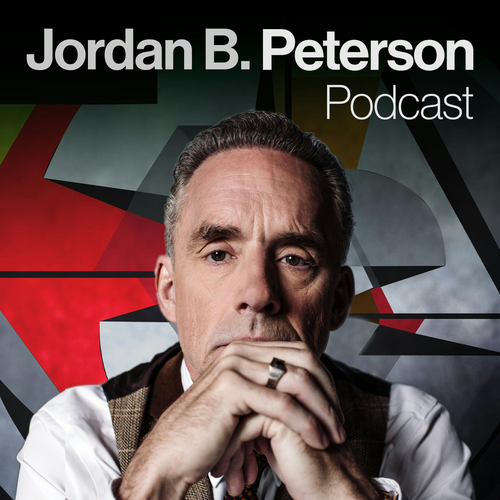
— Episode: 408. Jordan Peterson & Sam Harris Try to...
Episode: 408. Jordan Peterson & Sam Harris Try to Find Some...
This book, published in 2004, was mentioned as one of Sam Harris's five New York Times best sellers. It is also noted for winning the 2005 PEN Award for Nonfiction, and Harris discussed how it caused him to have many collisions with people regarding his criticism of Islamic extremism, especially on the left.
I was noticing disproportionately on the left, specifically, we've come full circle now to this moment, you know, in the news cycle.
But, you know, mostly in response to my criticism of Islamic extremism, and, you know, the kind of the urgency with which I was, I was saying that the Islamic doctrines of martyrdom and jihad are, you know, are sincerely believed by millions of people. And these beliefs have real consequences in the world. And they're not good ones. Right. And we should talk about that.
But, you know, mostly in response to my criticism of Islamic extremism, and, you know, the kind of the urgency with which I was, I was saying that the Islamic doctrines of martyrdom and jihad are, you know, are sincerely believed by millions of people. And these beliefs have real consequences in the world. And they're not good ones. Right. And we should talk about that. Honestly, what I was getting, mostly from the left, was you know, what struck me as pure masochistic delusion, but it was on its own side, a very sophisticated philosophy of postmodernist truth claims about the relativity of everything, which, you know, in the minds of its adherents left us with no solid ground to stand on ever when making claims about right and wrong and good and evil.
So, you know, I mean, the point where it became, and this is something that I, this is actually a scene I wrote verbatim in my third book, The Moral Landscape, which is where I laid out my argument on this topic.