Pastel Snow Scrapbook Paper Craft Pad
Creative Corner
Mentioned 7 months ago
Are We The Universe’s Way of Knowing Itself? With Brian Cox
Science, pop culture, and comedy collide on StarTalk Radio! Neil deGrasse Tyson, astrophysicist and Director of New York's Hayden Planetarium, and his comic co-hosts, guest celebrities, and scientific experts explore astronomy, physics, and everything else there is to know about life in the universe...
Recently mentioned
Creative Corner
Mentioned 7 months ago
Are We The Universe’s Way of Knowing Itself? With Brian Cox
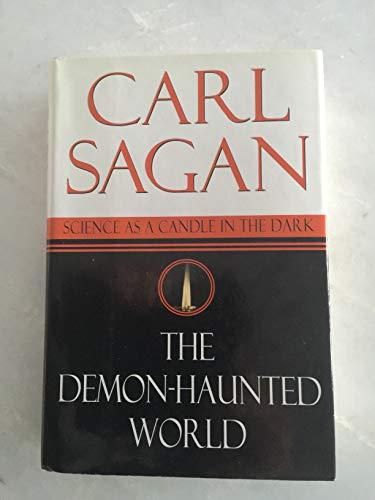
Carl Sagan
Mentioned 7 months ago
Are We The Universe’s Way of Knowing Itself? With Brian Cox
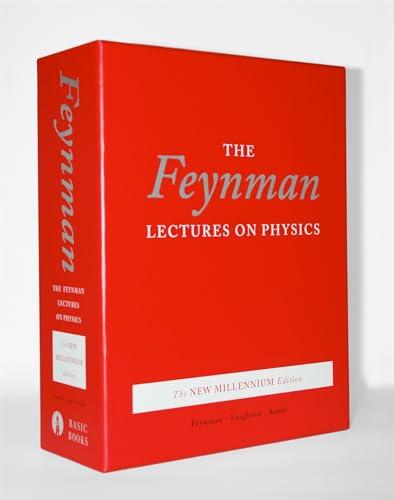
Richard P. Feynman
Mentioned 7 months ago
Are We The Universe’s Way of Knowing Itself? With Brian Cox
Kimberly Arcand
Mentioned 1 year ago
Listening to the Universe with Kimberly Arcand
Daniel J. Levitin
Mentioned 1 year ago
Is Music the Language of the Universe? with Daniel Levitin
Steven Mithen
Mentioned 1 year ago
Is Music the Language of the Universe? with Daniel Levitin
Daniel J. Levitin
Mentioned 1 year ago
Is Music the Language of the Universe? with Daniel Levitin
Daniel J. Levitin
Mentioned 1 year ago
Is Music the Language of the Universe? with Daniel Levitin
Jr. Lyman Spitzer
Mentioned 1 year ago
Dark Comets with Darryl Seligman
Frank H. Shu
Mentioned 1 year ago
Dark Comets with Darryl Seligman
G H Hardy
Mentioned 1 year ago
Our Mathematical Universe with Grant Sanderson (3Blue1Brown)
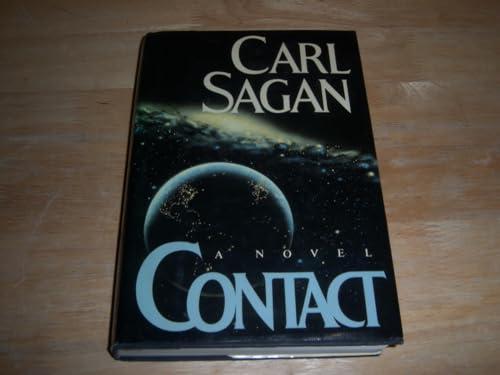
Carl Sagan
Mentioned 1 year ago
Revisiting the Drake Equation with David Grinspoon
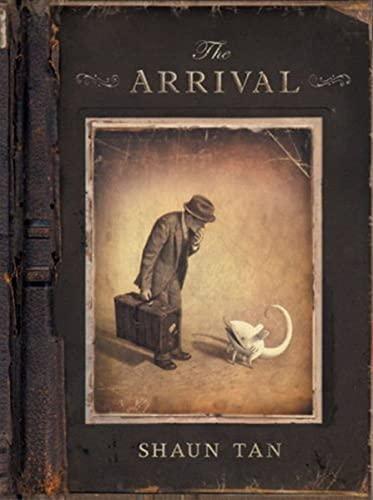
The book was mentioned in the context of time perception. It was said that if you know your future, would you still want to experience it. It was also said that the movie was based on a book.
If there are other dimensions of time that we somehow can't perceive but other creatures can perceive and as a result, the universe's causality proceeds differently from what we see, then you build up...
— Episode: Cosmic Queries – A Ripple in Spacetime w...
The book was mentioned in the context of time perception. It was said that if you know your future, would you still want to experience it. It was also said that the movie was based on a book.
If there are other dimensions of time that we somehow can't perceive but other creatures can perceive and as a result, the universe's causality proceeds differently from what we see, then you build up those cool science fiction ideas like Arrival, for example, which that was the A.B. Adams movie a few years back, I think.
Yeah, not the Charlie Sheen Arrival from decades ago, but the one where they have the linguist and the physicist instead of the astrobiologist and the cryptographer.
Yes, that one. Where the premise was, if you know your future, would you want to experience it anyway?
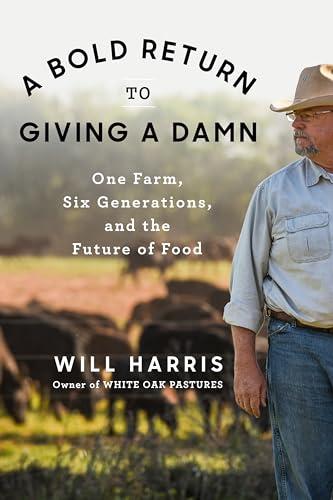
One Farm, Six Generations, and the Future of Food
The book was released in the fall of 2023 and it explores the link between food, health, and climate change. It's about the author's 25 years of turning his farm from a very industrial, monocultural cattle production operation to a very perpetual sort of farming operation that feeds us and does so in a manner that is humane to the animals and improves, not degrades the landscape. It's about a new mindset of agriculture 2.0 or maybe 3.0.
You're the author of Bold Return to Giving a Damn.
— Episode: Healing the Earth Through Regenerative F...
The book was released in the fall of 2023 and it explores the link between food, health, and climate change. It's about the author's 25 years of turning his farm from a very industrial, monocultural cattle production operation to a very perpetual sort of farming operation that feeds us and does so in a manner that is humane to the animals and improves, not degrades the landscape. It's about a new mindset of agriculture 2.0 or maybe 3.0.
You're the author of Bold Return to Giving a Damn.
That's a great title. That's awesome. And that just came out in the fall of 2023. That explores the link between and among food, health, and climate change.
So the book is about my 25 years of returning this farm from a very industrial, monocultural cattle production.
Operation to a very, what I believe is a very perpetual sort of farming operation that feeds us and does so in a manner that is humane to the animals and improves, not degrades the landscape.
So guys, we got to call it quits there. But oh my gosh, I'm delighted to learn from you, Will. Thank you for providing us with authentic food. And that you exist in this world. This is an important cog in a wheel that is being built and slowly being turned. And maybe one day we'll look back on this show and say, oh, he was a pioneer. Now everybody does it. That's kind of what maybe is the arc of progress. I'm very grateful to you all for having me on as your guest. Thank you very much. You're welcome. Well, you can check out Will's book, A Bold Return to Giving a Damn from an authentic farmer. So Gary, Chuck, thanks for being my co-host. Pleasure, Neil. This has been StarTalk Special Edition. All about the future of farming and how to make it sustainable in this world, in this universe. Neil deGrasse Tyson here as always bidding you to keep looking up.
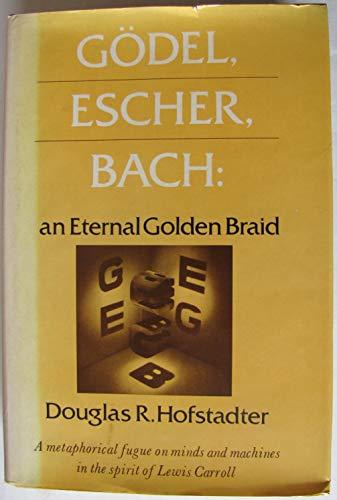
An Eternal Golden Braid
The book discusses consciousness, and the author imagines a thought experiment where Einstein's brain is preserved and asked a question, the signals then travelling through the brain. The author also explores the brain in a vat concept, which dates back to Descartes.
Richard Hofstadter, was that his name? Or Douglas Hofstadter, who wrote Gdel, Escher, Bach, do you remember?
— Episode: Exploring Consciousness with George Mash...
The book discusses consciousness, and the author imagines a thought experiment where Einstein's brain is preserved and asked a question, the signals then travelling through the brain. The author also explores the brain in a vat concept, which dates back to Descartes.
Richard Hofstadter, was that his name? Or Douglas Hofstadter, who wrote Gdel, Escher, Bach, do you remember?
Yes. His last name is Hofstadter. In that book, which I think won a Pulitzer Prize, very thick, very fascinating book, in the end he has a conversation with Einstein's brain.
He imagines, this is like decades before people thought of that we're in a simulation or anything. He imagined removing Einstein's brain but preserving every single neurosynaptic capacity, all the neurosynaptic capacity of that brain. Okay? So it's in a jar.
And so now you ask it a question. You say, Albert, what time does Grand Central Station arrive at the next train? Okay. That'd be like a fun relativity question.
Everything's relative. So you pick a question and then that question goes in through acoustic signals to the, up to the, whatever the acoustic nerves connect with the brain. And you watch it trip circuits throughout the brain.
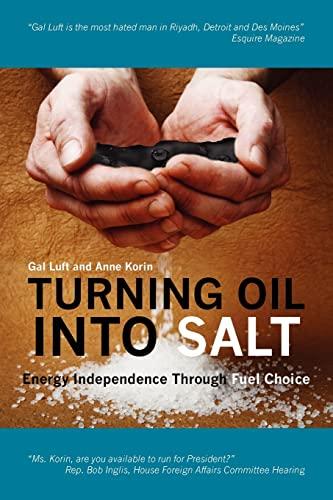
Energy Independence Through Fuel Choice
The authors argued that if cars were no longer dependent on gasoline, oil would become less of a strategic commodity. They suggested that electric cars, which can be powered by various energy sources, would make oil less valuable as it would have to compete with numerous other commodities.
So the thesis of the book was if you have a car that does not depend on gasoline, that could run on 30 different types of fuel, then the gasoline is no longer a strategic commodity.
— Episode: Our Electrified Future with David Reichm...
The authors argued that if cars were no longer dependent on gasoline, oil would become less of a strategic commodity. They suggested that electric cars, which can be powered by various energy sources, would make oil less valuable as it would have to compete with numerous other commodities.
So the thesis of the book was if you have a car that does not depend on gasoline, that could run on 30 different types of fuel, then the gasoline is no longer a strategic commodity.
So the two authors there, I've got Anne Koren and Gail Luft. So they're the two authors of that book, Turning Oil Into Salt.
So the book I read called Turning Oil Into Salt, and I forgot the two authors, co-authors of that, made a fascinating point, which was you have a car that requires oil products, so gasoline, it'll only run on gasoline.
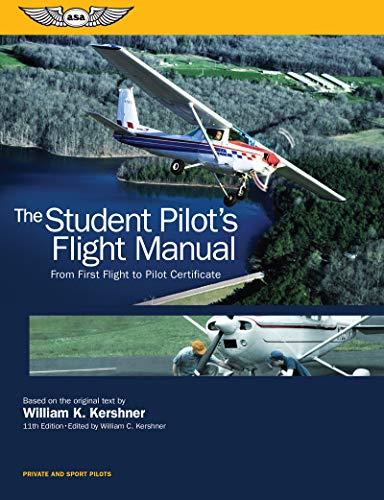
From First Flight to Pilot Certificate (Kershner Flight Manual Series)
This book, subtitled "On Becoming a Rocket Scientist", is a fun introduction to aerospace engineering that encourages and enables the next generation of people interested in science, technology, engineering, and mathematics. It describes the challenges and rewards of becoming an aerospace engineer, including the importance of grit and perseverance in overcoming hurdles.
You know, it's a title that I really like because you're thinking, am I going to learn how to become a pilot with this? No, but you're really going to learn how...
— Episode: Flying Cars & Pilotless Planes with NASA...
This book, subtitled "On Becoming a Rocket Scientist", is a fun introduction to aerospace engineering that encourages and enables the next generation of people interested in science, technology, engineering, and mathematics. It describes the challenges and rewards of becoming an aerospace engineer, including the importance of grit and perseverance in overcoming hurdles.
You know, it's a title that I really like because you're thinking, am I going to learn how to become a pilot with this? No, but you're really going to learn how...
It's clear up front. Very clear up front. But it's a fun introduction to aerospace engineering. And in some places I go into exactly how a plane flies and actually kind of draw, lift and drag and thrust and...
It really covers where I felt like the rubber met the road in becoming an aerospace engineer. And a lot of that was in college where you think, okay, this is fun. This is really cool. This is fascinating. I want to do this.
So it's really to encourage and to enable not just even a current generation or a new generation of people interested in science, technology, engineering and mathematics, but to equip them in these fields.
Exactly. Exactly. How to get through mentally and really even just even like how to even optimize your time when you're swamped, right? With certain things. And how do you make time? I mean, I get the questions like, oh, can I have a life if I do aerospace engineering? Yes.
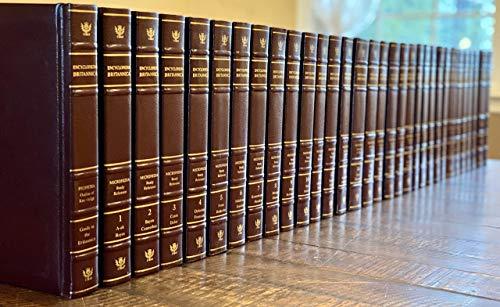
Edwin Moses grew up with a whole basement full of his father's college books, including an Encyclopedia Britannica.
We had a children's encyclopedia. We had the Encyclopedia Britannica.
— Episode: Gold Metal Physics, with Edwin Moses (Re...
Edwin Moses grew up with a whole basement full of his father's college books, including an Encyclopedia Britannica.
We had a children's encyclopedia. We had the Encyclopedia Britannica.
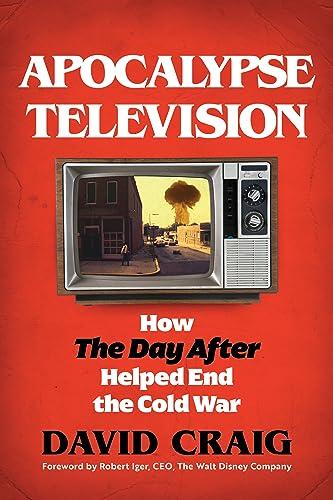
How The Day After Helped End the Cold War
Nicholas Meyer was sent a copy of this book in the mail and read it. It comes out on November 15th.
It's called Apocalypse Television. How the day after helped end the Cold War by David Craig.
— Episode: How Storytelling Prevented Nuclear War
Nicholas Meyer was sent a copy of this book in the mail and read it. It comes out on November 15th.
It's called Apocalypse Television. How the day after helped end the Cold War by David Craig.
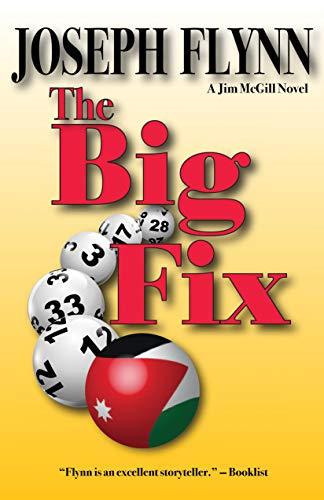
Jim Fix, a running enthusiast, wrote a bestselling book about jogging and running, which was a craze in the 1970s. He died of a heart attack in his 40s or 50s.
There were books on it. It was a guy named Jim Fix, who was a big running enthusiast. He was interviewed everywhere and he wrote a book, a bestselling book, and he dropped dead of a heart attack.
— Episode: Beating Time: Dodging the Number One Kil...
Jim Fix, a running enthusiast, wrote a bestselling book about jogging and running, which was a craze in the 1970s. He died of a heart attack in his 40s or 50s.
There were books on it. It was a guy named Jim Fix, who was a big running enthusiast. He was interviewed everywhere and he wrote a book, a bestselling book, and he dropped dead of a heart attack.
He dropped out of a heart attack like in his 40s or 50s, that his father had heart disease, died very young, and maybe he cheated time at many years beyond his due date for even having died young.
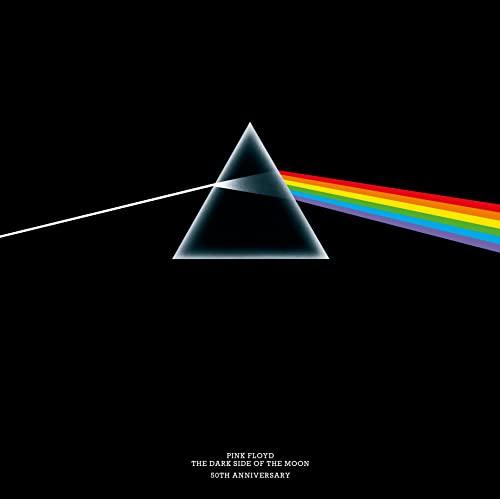
The Dark Side Of The Moon
It was mentioned how the Pink Floyd album titled "The Dark Side of the Moon" had a lasting impact on the public's perception of the moon, causing many to believe that the far side of the moon is always in darkness. Neil deGrasse Tyson discussed his efforts to correct this misconception over the past 50 years.
If people hated the album, my job would have been way easier because no one would have been brainwashed by it.
— Episode: Things You Thought You Knew – The Dark S...
It was mentioned how the Pink Floyd album titled "The Dark Side of the Moon" had a lasting impact on the public's perception of the moon, causing many to believe that the far side of the moon is always in darkness. Neil deGrasse Tyson discussed his efforts to correct this misconception over the past 50 years.
If people hated the album, my job would have been way easier because no one would have been brainwashed by it.
And so I've been spending 50 years, this is the 50th year anniversary, 2023 is the 50th year anniversary of the release of that album.
See, now what you should have done is just, you know, you should have took Pink Floyd out the same way you took out Pluto.
And you listen and it says at the end, there is no dark side of the moon.
So I said, okay, problem solved. People just listened to the song. However, there's a sentence that follows it.
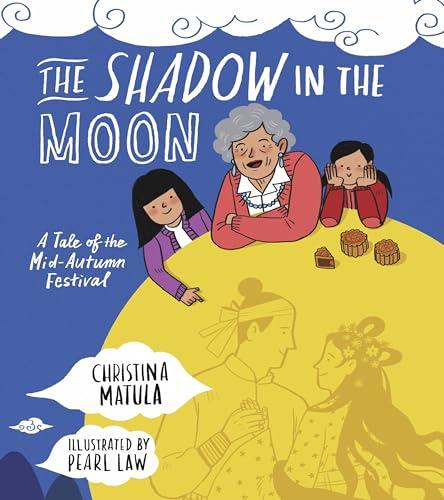
The title was mentioned and joked about, as it sounded like a good title for Joe Rao's book.
Ooh. That's a great title.
— Episode: The Most Famous Eclipse in History with...
The title was mentioned and joked about, as it sounded like a good title for Joe Rao's book.
Ooh. That's a great title.
Minutes in the Shadow of the Moon.
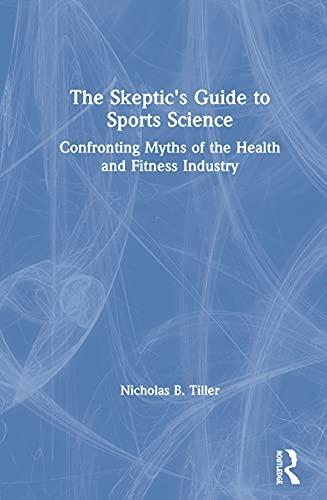
Dr. Tiller's book, "The Skeptic's Guide to Sports Science," was mentioned when Neil deGrasse Tyson was introducing Dr. Tiller and referencing the pseudoscience and misinformation circulating in the sports science community.
And I realized you existed upon seeing the cover of your book, The Skeptic's Guide to Sports Science. So I know there's so much woo-woo and pseudoscience circulating in that community...
— Episode: Miracle Drugs & Quick Fixes with Dr. Nic...
Dr. Tiller's book, "The Skeptic's Guide to Sports Science," was mentioned when Neil deGrasse Tyson was introducing Dr. Tiller and referencing the pseudoscience and misinformation circulating in the sports science community.
And I realized you existed upon seeing the cover of your book, The Skeptic's Guide to Sports Science. So I know there's so much woo-woo and pseudoscience circulating in that community.
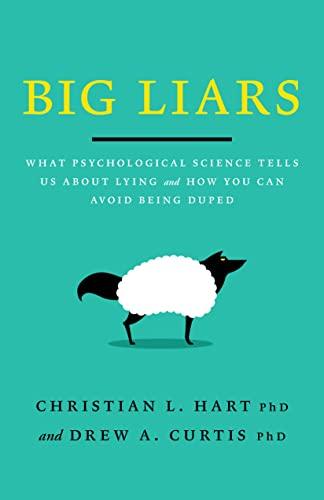
What Psychological Science Tells Us About Lying and How You Can Avoid Being Duped (APA LifeTools Series)
He mentioned writing about human senses and their limitations in a book called "The Biggest Liar", unable to remember where he wrote about the topic.
Well, I wrote about it in a book called The Biggest Liar. I can't recall which one of my many publications where I placed this particular information.
— Episode: Cosmic Queries – Flapjack Galaxy Grab Ba...
He mentioned writing about human senses and their limitations in a book called "The Biggest Liar", unable to remember where he wrote about the topic.
Well, I wrote about it in a book called The Biggest Liar. I can't recall which one of my many publications where I placed this particular information.
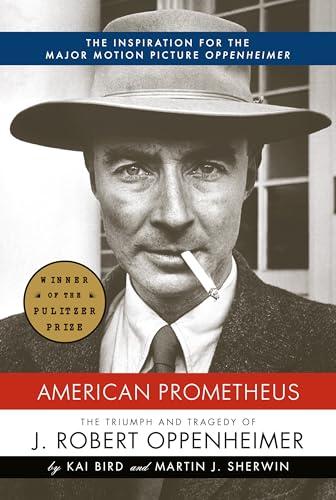
The Triumph and Tragedy of J. Robert Oppenheimer
The book, written by Kai Bird and Martin J. Sherwin, was published in 2005 and won a Pulitzer Prize. The book tells the story of J. Robert Oppenheimer, the father of the atomic bomb, including his rise to prominence as a scientist and the later public humiliation of his trial, as he became a public non-entity. The book's main focus is on the arc of Oppenheimer's life, not just the building of the atomic bomb.
And Marty said that what made it really compelling as a story was the arc, the fact that Oppenheimer in 1945 was hailed as America's most distinguished scientist. His image was on the cover of Time an...
— Episode: Oppenheimer: Birth of the Atomic Age wit...
The book, written by Kai Bird and Martin J. Sherwin, was published in 2005 and won a Pulitzer Prize. The book tells the story of J. Robert Oppenheimer, the father of the atomic bomb, including his rise to prominence as a scientist and the later public humiliation of his trial, as he became a public non-entity. The book's main focus is on the arc of Oppenheimer's life, not just the building of the atomic bomb.
And Marty said that what made it really compelling as a story was the arc, the fact that Oppenheimer in 1945 was hailed as America's most distinguished scientist. His image was on the cover of Time and Life. And then nine years later he's brought down and humiliated in this trial, this kangaroo court proceeding and he becomes a public non-entity.
But Marty said that what made it really compelling as a story was the arc, the fact that Oppenheimer in 1945 was hailed as America's most distinguished scientist. His image was on the cover of Time and Life. And then nine years later he's brought down and humiliated in this trial, this kangaroo court proceeding and he becomes a public non-entity.
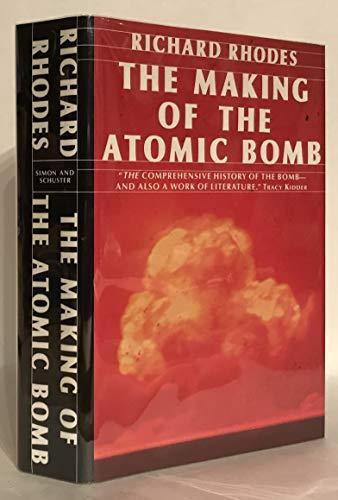
The book, published by Richard Rhodes, is about the building of the atomic bomb, and also won a Pulitzer Prize.
Of course, there's already a book with that title, The Making of the Atomic Bomb by Richard Rhodes.
— Episode: Oppenheimer: Birth of the Atomic Age wit...
The book, published by Richard Rhodes, is about the building of the atomic bomb, and also won a Pulitzer Prize.
Of course, there's already a book with that title, The Making of the Atomic Bomb by Richard Rhodes.
By Richard Rhodes, right. Also a Pulitzer Prize winning book by the way.
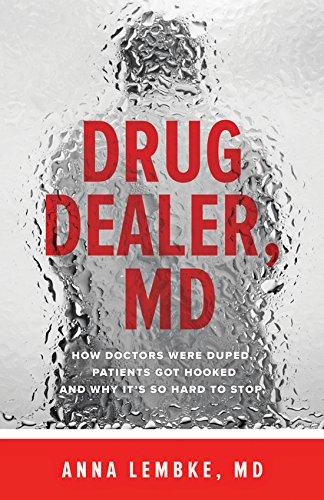
How Doctors Were Duped, Patients Got Hooked, and Why It's So Hard to Stop
Anna Lembke, a professor of psychiatry at Stanford University, is the author of this book, which focuses on the science of addiction, especially the role of dopamine.
Chief of Stanford Addiction Medicine Dual Diagnosis Clinic at Stanford University, author of Drug Dealer MD, and also Dopamine Nation. May I introduce Anna Lemke.
— Episode: This Is Your Brain on Social Media with...
Anna Lembke, a professor of psychiatry at Stanford University, is the author of this book, which focuses on the science of addiction, especially the role of dopamine.
Chief of Stanford Addiction Medicine Dual Diagnosis Clinic at Stanford University, author of Drug Dealer MD, and also Dopamine Nation. May I introduce Anna Lemke.
The first is Johns Hopkins University Press and the Dopamine Nation is published by Dutton Penguin Random House.

This was a suggested book title based on the conversation about black holes and the possibility of a universe existing within a black hole.
So you're going to write a book, The Universe According to Weed. Is that what you're going to do?
— Episode: Cosmic Queries – Wormhole Universe
This was a suggested book title based on the conversation about black holes and the possibility of a universe existing within a black hole.
So you're going to write a book, The Universe According to Weed. Is that what you're going to do?
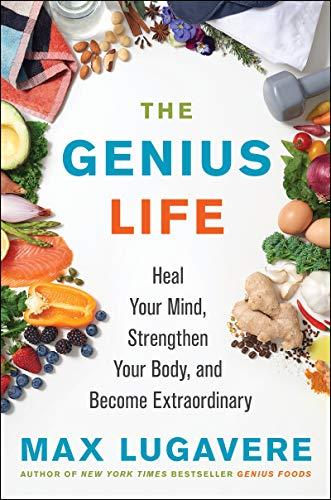
Heal Your Mind, Strengthen Your Body, and Become Extraordinary (Genius Living, 2)
This book was published after "Genius Foods", and explores the relationship between diet and lifestyle.
That was followed by Genius Life and third book, Genius Kitchen.
— Episode: The Gut-Brain Connection with Max Lugave...
This book was published after "Genius Foods", and explores the relationship between diet and lifestyle.
That was followed by Genius Life and third book, Genius Kitchen.
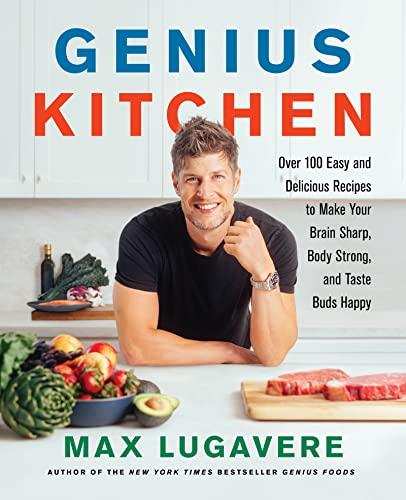
Over 100 Easy and Delicious Recipes to Make Your Brain Sharp, Body Strong, and Taste Buds Happy (Genius Living, 3)
This is the third book by Max Lugavere and focuses on the relationship between diet and lifestyle.
That was followed by Genius Life and third book, Genius Kitchen.
— Episode: The Gut-Brain Connection with Max Lugave...
This is the third book by Max Lugavere and focuses on the relationship between diet and lifestyle.
That was followed by Genius Life and third book, Genius Kitchen.
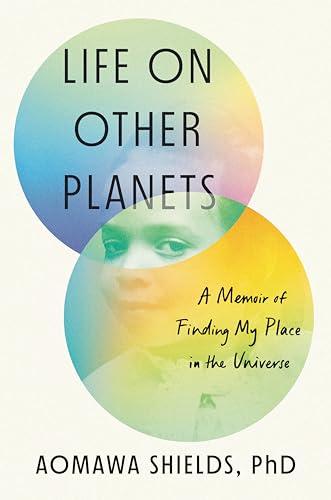
A Memoir of Finding My Place in the Universe
This is a memoir by Aomawa Shields about her journey as a scientist and an actor, and how she reconciled those two seemingly disparate passions in her life. It was an important journey for her, and she shares advice about how to reconcile multiple dreams.
And she's got a new book out. Okay. Now you can react.
— Episode: Cosmic Queries – Life on Other Planets w...
This is a memoir by Aomawa Shields about her journey as a scientist and an actor, and how she reconciled those two seemingly disparate passions in her life. It was an important journey for her, and she shares advice about how to reconcile multiple dreams.
And she's got a new book out. Okay. Now you can react.
And she's got a new book, Life on Other Planets, a memoir of finding my place in the universe.
I have a lot to share. I have a lot of information now.
That would help. That helps.
So yeah, I'm going to say, Omar, you want to read this book.
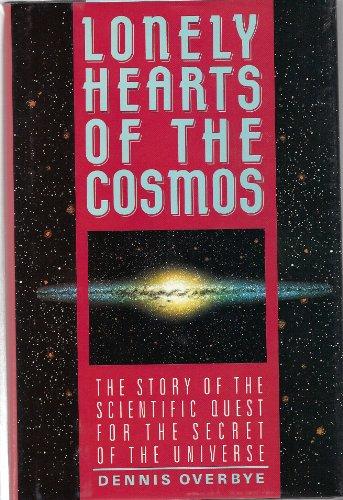
The Scientific Quest for the Secret of the Universe
The book, "The Lonely Hearts of the Cosmos," was about two astronomers searching for the scale of the universe and their experiences observing the night sky. This was mentioned in reference to a science writer and editor who reviewed Brian Greene's book.
I think he wrote a book, The Lonely Hearts of the Cosmos. Which was about two astronomers trying to find the scale of the universe. Was that the book I'm remembering?
— Episode: Cosmic Queries: Until the End of Time, w...
The book, "The Lonely Hearts of the Cosmos," was about two astronomers searching for the scale of the universe and their experiences observing the night sky. This was mentioned in reference to a science writer and editor who reviewed Brian Greene's book.
I think he wrote a book, The Lonely Hearts of the Cosmos. Which was about two astronomers trying to find the scale of the universe. Was that the book I'm remembering?
And you're there at night looking up at the night sky with a telescope and nobody else. Lonely Hearts of the Cosmos. Okay, that sounds about right.
Note: The book recommendations on this page are discovered automatically from podcast transcripts, and may be incorrect or incomplete.
Podcast Name