
Podcast
The Ezra Klein Show
The book was highlighted for its cinematic narrative while delivering an extensive 850-page exploration of physics and the social‑political forces shaping scientific breakthroughs. It was recommended as a must‑read because it draws a detailed parallel between the Manhattan Project and the development of large language models, underscoring its relevance to AI risk discussions. Both guests praised its depth and relevance.
Episode: MAHA Is a Bad Answer to a Good Question
Rachel Bedard said it reads like a blockbuster movie yet provides an 850page deep dive into physics and how scientific breakthroughs are shaped by social and political forces.
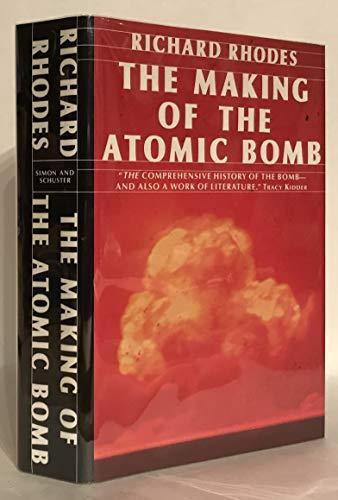
Making of the Atomic Bomb by Richard Rhodes, which I think reads like a blockbuster movie, but it is an 850-page book about physics. All about how scientific breakthroughs and discoveries happen and very much about how they're shaped by social forces, political events, and government priorities.
Episode: Nate Silver on Kamala Harris’s Chances and the Mis...
The book was suggested as a recommended read, noted for its detailed comparison between the Manhattan Project and the development of large language models, highlighting its relevance to discussions on AI risks.
Number two, The Making of the Atomic Bomb by Richard Rhodes. We didn't talk as much about some of the AI stuff today, but at the end of the book there's a pretty long, elaborate comparison between the Manhattan Project and the building of these large language models that some people think could be potentially very dangerous.
Episode: What if Dario Amodei Is Right About A.I.?
It was highlighted as a thick, long book that illustrates how a transformative technology was rapidly developed and the varied reactions of scientists and policymakers.
the first one will be obvious it's a very long book the physical book is very thick but the making of the atomic bomb richard rhodes it's an example of technology being developed very quickly and with very broad implications just looking through all the characters and how they reacted to this and how people who were basically scientists gradually realized the incredible implications of the technology