A Short History of Ancient Rome
Pascal Hughes
Mentioned 6 months ago
Jean-Bédel Bokassa Part 3: A Coronation for the Ages
Real Dictators is the award-winning podcast that explores the hidden lives of history's tyrants. Hosted by Paul McGann, with contributions from eyewitnesses and expert historians. New episodes available a week early for Noiser+ subscribers. You'll also get ad-free listening, early access and excl...
Recently mentioned
Pascal Hughes
Mentioned 6 months ago
Jean-Bédel Bokassa Part 3: A Coronation for the Ages
Robert E. Vardeman
Mentioned 6 months ago
Jean-Bédel Bokassa Part 2: The Power Grab, the Châteaux and the Missing Daughter

Charles Dickens
Mentioned 7 months ago
Introducing: Charles Dickens Ghost Stories - A Christmas Carol
George Orwell
Mentioned 1 year ago
Fidel Castro Part 9: Down With Fidel!
Anthony DePalma
Mentioned 1 year ago
Fidel Castro Part 9: Down With Fidel!
Nicholas Griffin
Mentioned 1 year ago
Fidel Castro Part 8: Miami Vice
Mervyn J. Bain
Mentioned 1 year ago
Fidel Castro Part 6: The Cuban Missile Crisis
Anthony DePalma
Mentioned 1 year ago
Fidel Castro Part 3: The Mountain Guerrillas
Karl Marx
Mentioned 1 year ago
Fidel Castro Part 2: Shipwrecked in the Swamps
Alex Von Tunzelmann
Mentioned 1 year ago
Fidel Castro Part 1: Rise of ‘The Crazy One’
Lillian Guerra
Mentioned 1 year ago
Fidel Castro Part 1: Rise of ‘The Crazy One’
Jonathan M. Hansen
Mentioned 1 year ago
Fidel Castro Part 1: Rise of ‘The Crazy One’
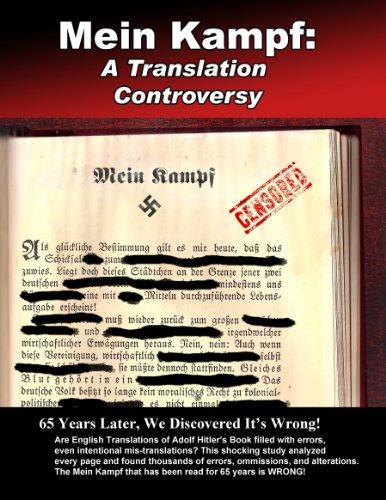
A Translation Controversy
It was mentioned as Hitler's book that detailed his vision for Germany, and he was described as having a dream of Lebensraum. This dream of "living space" for the German people, and a desire to create a German empire in the East, were ultimately dashed due to the defeat at Stalingrad.
The dream of Lebensraum, the dream of Mein Kampf is over.
— Episode: Hitler: The Battle of Stalingrad
It was mentioned as Hitler's book that detailed his vision for Germany, and he was described as having a dream of Lebensraum. This dream of "living space" for the German people, and a desire to create a German empire in the East, were ultimately dashed due to the defeat at Stalingrad.
The dream of Lebensraum, the dream of Mein Kampf is over.
Hitler mentioned his plans to invade the USSR in his book Mein Kampf, which he considered a temporary necessity.
He will still invade the USSR eventually, just as he outlined in Mein Kampf.
Hitler's book 'Mein Kampf' was mentioned. In it, he discussed his desire for a political union, an 'Anschluss,' to incorporate Austria into Germany. This notion was gaining traction, with Austrian National Socialists pushing for the merger.
As we know from Hitler's book Mein Kampf it's been the author's deep-seated ambition to unite the German-speaking peoples into a single realm
Right there in Mein Kampf's opening paragraph Hitler had declared his wish to fold Austria into Germany as a single entity via a political union an Anschluss
Hitler's book, "Mein Kampf", mentioned his plans for rearmament, the conquest of the East, and its ruthless Germanization.
For anyone familiar with his book, Mein Kampf, such things should come as no surprise.
Hitler decided to write this book, "My Struggle", during his time in prison to keep the Nazi flame burning.
To keep the Nazi flame burning, he decides to write a book. Another one. My Struggle. Mein Kampf.
The host noted that Hitler would later reference this book, indicating it would become his manifesto where he discussed himself and his twelve loyal deputies.
Later on, Hitler in Mein Kampf and later would always talk about himself and his 12 loyal deputies, of course.
Hitler's autobiography, in which he detailed his time in the military hospital after a mustard gas attack, claimed to have been overcome with anger at the armistice, and described a moment of political awakening. The book is presented as a coming-of-age story, with the account of his political epiphany possibly being a plot device.
In his autobiography, Mein Kampf, He'll claim that at the moment he receives the news of the armistice, he is overcome with anger.
In his version of events, it is now as he lies weeping that fate speaks to him. This is the moment, so legend has it, that Adolf Hitler decides to enter politics.
Mein Kampf is basically styled as a coming of age text. And the idea of some sort of dramatic, tearful political awakening is probably a plot device more than anything else.
The scene that Hitler paints of this breakthrough moment in the hospital is a clever piece of fiction. It will serve Hitler's story about himself, that he is a figure of destiny.
If we believe the account that Hitler gives in Mein Kampf, and it's a big if, Hitler immediately concludes that the armistice was the greatest felony of the century.
Hitler's book, Mein Kampf, was mentioned; the podcast discussed how Hitler exaggerated his wartime experiences in the book, particularly his time spent in the trenches.
In the days before reliable electronic communications via wire, it was always important to send human couriers from a general to the officers in the field.
And later on in Mein Kampf, he talked about his hard four years as a front soldier, living in the trenches. That's not quite right.
Mein Kampf was cited as one of the wellknown dictator books alongside The Little Red Book.
dictator books that we're all familiar with, Mein Kampf, The Little Red Book, etc.
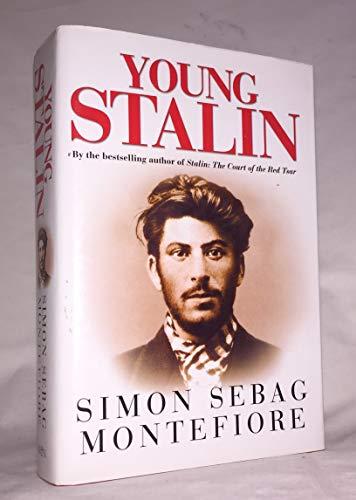
The book was repeatedly cited by historian Simon Sebag Montefiore to illustrate how Stalin learned the meaning of power and ruthlessness during the Russian Civil War, emphasizing the influence of Lenin and the brutal circumstances of the era. Montefiore highlighted specific anecdotes from the title that showed Stalin’s cold calculus about mass death and his role in securing Bolshevik survival. The discussion presented the work as a valuable source for understanding Stalin’s early character and tactics.
Simon Sebag Montefiore was mentioned as the author of Young Stalin.
Simon Sebag Montefiore is an historian and author of the books Young Stalin and the Court of the Red Tsar.
The book was mentioned in context of Stalin's early life and his evolution into a ruthless leader; the author shared insights into Stalin's learning about power and his decision-making during the Russian Civil War.
Stalin really learnt the meaning of power.
Stalin really learnt to be the ruthless Bolshevik that we know from history. It wasn't his cruel father that taught him that lots of people have cruel fathers. It was the circumstances of the Civil War.
Stalin once said to Churchill during the war he said the death of one man is a tragedy the death of a million is a statistic and what he meant by that was as a Marxist history demanded the deaths of millions of people
In this book, historian Simon Sebag Montefiore explores the early life of Stalin. The podcast mentions how Stalin learned about power and ruthlessness during the civil war, influenced by Lenin.
Stalin really learnt the meaning of power. This was a time when these Bolsheviks wearing leather coats and military boots with mouths in their leather holsters were swaggering around. They were very young. They were all in their sort of 30s basically and some of them younger. Stalin was typical of them. They loved making ruthless decisions. They executed hundreds of people. Lenin encouraged them to execute and take reprisals ruthlessly. The Bolsheviks were absolutely struggling to stay in power and so terror was essential to them. It came from the very top. Lenin was really Stalin's teacher in the practice of terror. Stalin really learnt to be the ruthless Bolshevik that we know from history. It wasn't his cruel father that taught him that lots of people have cruel fathers. It was the circumstances of the Civil War.
Stalin once said to Churchill during the war he said the death of one man is a tragedy the death of a million is a statistic and what he meant by that was as a Marxist history demanded the deaths of millions of people great conquerors kill millions of people and Marxism demanded the death of entire classes of people and so this wasn't a matter of personal emotion that would just be bourgeois sentimentality. No, a Bolshevik like Stalin and Stalin prided himself on this could look at things harshly with one eye and the other could look at things harshly with toughness and as he said to Lenin, my hand will not tremble.
It was mentioned as one of Simon Sebag Montefiore's books, in relation to the time period of the Russian civil war, which was described as a time when the Bolshevik revolution was struggling to survive. It was implied that the book provides insights into Stalin's character and actions during this period.
Simon Seyberg Montefiore is an historian and author of the books Young Stalin and The Court of the Red Czar.
This book was mentioned in relation to the time period of the Russian Civil War, described as a time when the Bolshevik revolution was struggling to survive. It was said that Stalin's qualities of extremism, terror, and ruthlessness helped the Bolsheviks survive this period.
Simon Seyberg Montefiore is an historian and author of the books Young Stalin and The Court of the Red Czar.
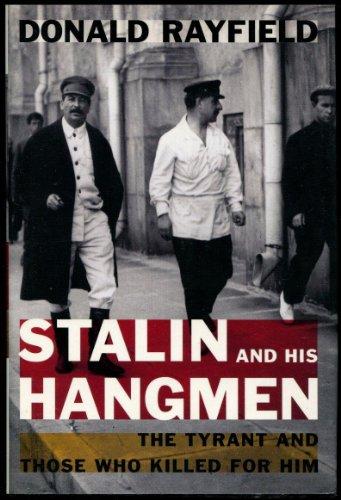
The Tyrant and Those Who Killed for Him
The book was cited in several episodes to provide scholarly context on Stalin's intellect, outsider origins, and ruthless policies, with Professor Donald Rayfield highlighted as its author and an expert on the subject. Hosts referenced it to support their analysis of Stalin's character and actions, treating it as a credible source without overt endorsement.
The host identified Donald Rayfield as the author of this book about Stalin's enforcers.
Professor Donald Rayfield from Queen Mary University of London is author of Stalin and His Hangmen.
This book was referenced when discussing Stalin's intellectual capabilities and the contrasting views of him among his contemporaries; the author highlighted Stalin's surprising knowledge and skills in various areas.
These were the intellectuals, the people who wrote a lot, talked a lot, were good theoreticians who understood Marxism to the core and had a very high opinion of themselves. Trotsky above all.
Stalin was convinced that the Russian peasant was unproductive and could be replaced with tractors. The peasantry had to be enslaved.
He tried to dominate proceedings. He was extremely rude to Lenin's wife. He insisted on reporting things to Lenin,
Authored by Professor Donald Rayfield from Queen Mary University of London, this book delves into the life of Stalin, offering insights into his character and actions. The transcript mentions the author's expertise on Stalin and his understanding of power dynamics.
These were the intellectuals, the people who wrote a lot, talked a lot, were good theoreticians who understood Marxism to the core and had a very high opinion of themselves. Trotsky above all. Trotsky made the greatness stake of snubbing Stalin. Trotsky didn't realize this, he was singled out to be always contradicted and then finally set aside and destroyed.
Stalin was convinced that the Russian peasant was unproductive and could be replaced with tractors. The peasantry had to be enslaved. They couldn't be allowed to own land anymore and do what they liked with it. And that led to the first really murderous acts of Stalin.
He tried to dominate proceedings. He was extremely rude to Lenin's wife. He insisted on reporting things to Lenin, but he might be fatal.
This book, authored by Professor Donald Rayfield, was referenced to support claims about Stalin's origins as an outsider and his manipulative tactics. The author's expertise on Stalin was highlighted.
Professor Donald Rayfield from Queen Mary University of London is author of Stalin and his Hangman.
This book's author, Professor Donald Rayfield, was quoted discussing Stalin's outsider status and his Georgian background, which helped him maintain an air of mystery and deceive others. The book itself wasn't directly discussed.
Professor Donald Rayfield from Queen Mary University of London is author of Stalin and his Hangman.
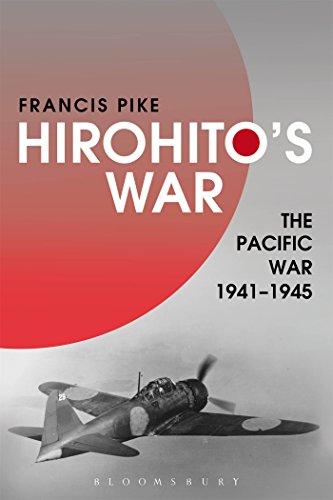
The Pacific War, 1941-1945
The book was repeatedly cited by the hosts as an authoritative source on Japan’s wartime leadership, offering insight into Tojo’s consolidation of power, the empire’s reliance on American oil, Hirohito’s role, and the evolution of the Kempeitai and political assassinations. Historian Francis Pike’s expertise was highlighted in each episode, and the work was used to contextualize strategic decisions and cultural attitudes toward sneak attacks. Overall, the podcast treated the title as a highly recommended reference for understanding the Pacific War.
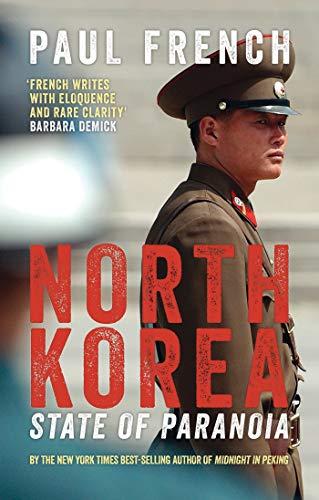
State of Paranoia
Across three episodes, the East Asia analyst Paul French referenced the title as a source of insight into Kim Jong‑il’s lack of military background and the propaganda myths surrounding his birth. He highlighted how the book contextualized the leader’s need to assert authority in a militarized regime and explained the fabricated narratives used by the state. The discussions treated the work as an authoritative reference for understanding North Korea’s modern history.
Paul French, an East Asia analyst and author, discussed Kim Jong-il's lack of military experience and the need to establish himself as a strong leader in a country where the military held significant power. His book provides insight into Kim Jong-il's strategies for consolidating his authority.
the problem from Kim Jong-il really from the day he was born is that as the South Koreans say it has always been a case of the tiger father and the dog son which is a Korean saying
his father Kim Il-sung for all of his dictatorial proclivities and so on was a guerrilla fighter did lead a band of guerrillas in the fight against the Japanese in Korea he did establish the nation
he was a nation builder he was the father of the nation Kim Jong-il is the son and he has no military background he was born in 1942 by the time of the end of the Korean War he was only in his teens he was not a fighter
he did not have a military command around him he did not have a corps of colleagues and comrades around him all he had was his father and that meant that from the start he had to establish himself
anyone who disagrees with the cult of personality anyone who challenges the authority, the legitimacy of the Korean Workers Party and the punishments are extremely harsh right up to of course the well-known large Gulag prison camp system and widespread use of execution
The podcast noted that Paul French had written the book North Korea: State of Paranoia.
Paul French is an East Asia analyst and author of North Korea, State of Paranoia.
Paul French, an East Asia analyst and author of this book, discussed North Korean propaganda and the myths surrounding Kim Jong-il's birth, including a glacier cracking, a double rainbow, and a new star appearing.
North Korean propaganda has always created incredible myths.
What it said, but when Kim Jong-il was born, a glacier on the lake on Mount Paektu, which is the most famous mountain in Korea and supposed to be where the Korean nation and people were founded, cracked, double rainbow appeared in the sky, a new star appeared in the heavens, cranes, which is the national bird of Korea, flew across the sky to announce the birth of his son.
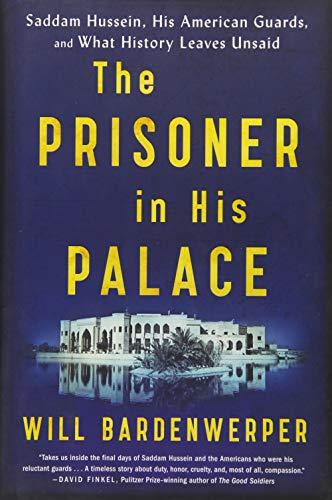
Saddam Hussein, His American Guards, and What History Leaves Unsaid
The book was discussed for its unique perspective on Saddam Hussein's final days, drawing on interviews with the junior American soldiers who guarded him, and for its observations about his pervasive aura and psychopathic tendencies. The author, Will Bardenwerper, was quoted across three episodes, providing insights that the hosts used to illustrate these aspects of Saddam's personality. The podcast used the title as a source of detail rather than a focal recommendation.
The book looked at the final chapter of Saddam's life through his interactions with a dozen of his American jailers, and it was revealed that the interviews were primarily conducted with very junior rank soldiers who had been involved in detaining Saddam, who had been tasked with spending eight-hour shifts, 24 hours a day in his company, often with 18-year-old kids.
Will Badenbear for his book, The Prisoner in His Palace, looks at the final chapter of Saddam's life through his interactions with a dozen of his American jailers.
The interviews that I listened to were conducted primarily with very junior rank in soldiers who had been involved in the detention of Saddam. I would have assumed that they were kind of older and more seasoned veterans, maybe special operations troops. But the people who basically were tasked with spending eight hour shifts, 24 hours a day, in his company. In this case, we're in some cases 18 year old kids that had just graduated basic training.
The book was mentioned in context of Saddam Hussein's aura and the impression he made on people, with the author of the book being noted as saying that just about everyone who interacted with Saddam would comment on his presence, even in simple attire.
Will Bardenwerper author of The Prisoner in His Palace?
Something that you'll hear from just about anyone who interacted with him they will all say that when he came into the room even if he was just wearing a dish dasha and sandals you know he carried himself with a noticeable aura that never went away.
The author suggested that Saddam Hussein displayed several characteristics commonly associated with clinical psychopaths. They believed that Saddam was towards the far end of the spectrum.
Will Barton Vepa is author of The Prisoner in His Palace Saddam Hussein is American gods and what history leaves unsaid.
He certainly did exhibit certain attributes that are commonly found in clinical psychopaths, not all of them but I think you know if there's a spectrum he certainly was towards that end of the spectrum.
The book was highlighted as a key military text that Napoleon carried with him to Egypt, illustrating its lasting impact on strategic thinking. Scholars also noted that Caesar's own account of his campaigns was praised for its modesty and insight, influencing later leaders and historians. Overall, the podcast presented the title as an essential work of military literature.
Napoleon took this book with him to Egypt, along with various other historians.
Napoleon had read very extensively in military history and especially military biography when he was at school and later on. In fact, he took Herodotus to Egypt and various other historians. He took Caesar's Gallic Wars and various other books about Alexander the Great.
Napoleon had read very extensively in military history and especially military biography when he was at school and later on. In fact, he took Herodotus to Egypt and various other historians. He took Caesar's Gallic Wars and various other books about Alexander the Great.
Napoleon had read very extensively in military history and especially military biography when he was at school and later on. In fact, he took Herodotus to Egypt and various other historians. He took Caesar's Gallic Wars and various other books about Alexander the Great.
It was said that Caesar was not just a skilled propagandist, but also a beautiful writer. His series of seven books on the Gallic Wars became an influential work on warfare, lauded by the likes of Napoleon. Caesar was smart enough to realize that there were plenty of men in the field, eyewitnesses to contradict any claim too outlandish.
Whereas people like Pompey his great rival left accounts written by others of charging sword in hand striking down enemy leaders Caesar doesn't he leaves it to your imagination We get some valuable insights
He deliberately makes them quite sort of impersonal and he's incredibly modest about it all
His literary prowess does not go down well with his opponents who now include the great Cicero They object to the fact that Caesar's writings include something deemed unprintable the mention of roman defeats
Great generals have always had their exploits documented Their pet writers in tow to puff them up Caesar by contrast Decides to pen his own appraisal
Though Caesar makes inevitable exaggerations Usually when it comes to numbering the enemy dead
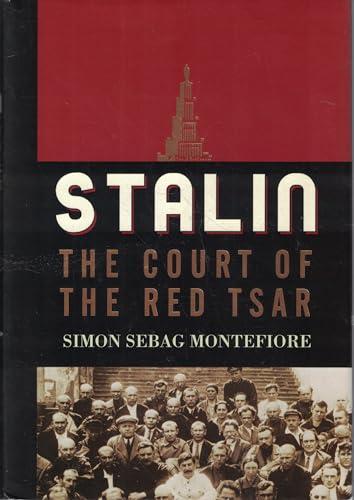
The Court of the Red Tsar
The hosts mentioned the book to give listeners deeper insight into Stalin's rise to power and the inner workings of his court, noting it alongside another biography. They highlighted that the title provided detailed accounts of his ruthless decision‑making and power dynamics. The overall tone was positive, presenting it as a valuable resource for anyone interested in Stalin’s methods.
Simon Sebag Montefiore was also credited with writing the Court of the Red Tsar.
Simon Sebag Montefiore is an historian and author of the books Young Stalin and the Court of the Red Tsar.
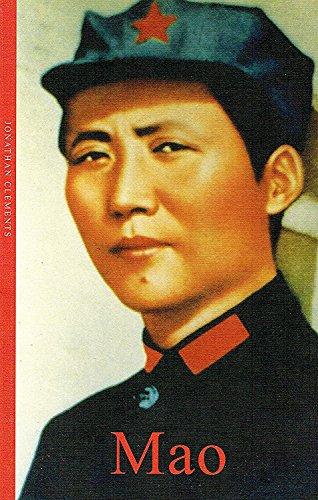
Across three episodes, the host cited the book as a primary source for understanding Mao Zedong’s motivations, childhood influences, and political tactics, noting that its author Jonathan Clements was presented as an East‑Asian expert. It was used to explain Mao’s worries about capitalist influences, his strategic use of contradictions, and how his early experiences foreshadowed his later behavior. The discussion framed the title as a valuable resource for listeners seeking deeper insight into the leader’s life and the Cultural Revolution.
The book was mentioned as a source of information about Mao Zedong's life and times, particularly his concerns about capitalist influences and his belief in the necessity of a harsh self-criticism period within China. It provided insight into his justification for the Cultural Revolution.
Mao was worried about capitalist rodas. He was worried that the Chinese were losing sight of the communist utopia that everyone was aiming for.
This book was mentioned in relation to Mao Zedong's political strategies. The author, an expert on East Asia, highlighted Mao's willingness to utilize contradictions to his advantage.
Jonathan Clements is an expert on East Asia and author of the book Mao Zedong, Life and Times.
It was described as a book that offers insight into Mao's adult life, by examining his childhood and teenage years. The author highlighted how his experiences influenced his later behavior and decisions.
You can see a lot of Mao the adult in his childhood, I think. If you look at the way that he was raised, if you look at the experiences that he had, particularly as a teenager, you can see many things that are going to influence the way that he behaves later on.
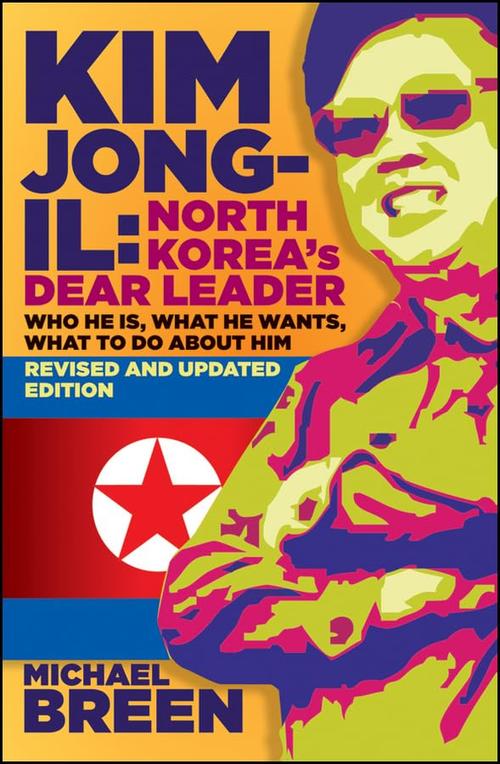
Who He is, What He Wants, What to Do About Him, Revised & Updated Edition
The book was highlighted by the hosts as a valuable source of insight into Kim Jong‑il’s personal life and the early history of North Korea. Both the journalist known as Supreme and author Mike Breen referenced it, noting its vivid comparison of Kim’s marriage to the famed Richard Burton–Elizabeth Taylor partnership and its broader context of Korean colonization and guerrilla origins. The discussion conveyed strong endorsement of its depth and relevance for understanding the regime.
Supreme, a journalist and author, described Kim Jong-il and his wife as the "Richard Burton and Elizabeth Taylor of Korea." The book likely details their relationship and Kim Jong-il's role in shaping North Korea.
Supreme is a journalist and author of Kim Jong-Il, North Korea's Dear Leader. They were seen as sort of Richard Burton and Elizabeth Taylor of Korea.
Mike Breen, a journalist and author of this book, discussed the Japanese colonization of Korea in 1910 and the communist-fueled independence movement, highlighting Kim Il-sung's role as a guerrilla fighter.
The Japanese took control of Korea in 1910. Very unusual for the colonial world, you normally colonize a distant, poor country. But they colonized their neighbor, their immediate neighbor. So they tried to turn Korea into a cousin of Japan, if you like.
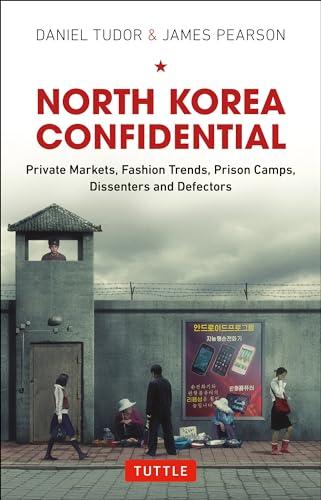
Private Markets, Fashion Trends, Prison Camps, Dissenters and Defectors
The book was brought up by James Pearson, the award‑winning journalist who authored it, as a source of insight into Kim Jong‑il’s personality, rise to power, and his fascination with art, literature and film. Pearson described the leader as a privileged, eccentric figure whose public image contrasted with the logical and diplomatic demeanor reported by those who met him. The discussion highlighted the book’s coverage of private markets, fashion trends, prison camps, dissenters and defectors as context for understanding the regime.
James Pearson, an award-winning journalist and author, offered insights into Kim Jong-il's personality and methods of control. The book explores Kim Jong-il's rise to power and his impact on North Korea.
from the outside if you look at Kim Jong Il he's caused a torus for being quite a comic looking character he wore very high heels and his shoes to try and increase his height
he also had a very sort of large hairstyle to try and achieve the same thing and he is a subject of ridicule for many people in the outside of the country but when you talk to people who actually met him
they describe him as being a very logical reasonable charming for want of a better way of putting it diplomat,
Kim Jong-il just didn't have what his father had his father had some kind of genuine legitimacy
he had been sort of very much supported by the Soviets he had indeed fought the Japanese who had colonized Korea at the time so he had a kind of real legendary history to him and Kim Jong-il was basically a kind of spoiled rich kid
James Pearson, an award-winning journalist and author of this book, described Kim Jong-il's obsession with art, literature, and filmmaking, and how this interest influenced his later role in power.
Kim Jong-il was obsessed with art, literature, filmmaking.
The host mentioned the book twice as a potential Christmas present for listeners, noting it could be found in any good bookshop. No further analysis of its content was given, and the recommendation was brief and practical. The overall tone was light and informal.
The host suggested listeners could purchase a copy ofA Short History of Ancient Romeas a Christmas present, noting it was available in bookshops.
and if you're still on the hunt for Christmas presents, then why not grab a copy of A Short History of Ancient Rome, available in all good bookshops.
This book was mentioned as something listeners could purchase as a Christmas present towards the end of the episode.
And if you're still on the hunt for Christmas presents, then why not grab a copy of A Short History of Ancient Rome, available in all good bookshops.
The hosts suggested it as a Christmas gift, noting it was readily available in bookstores.
Get all of these shows and more early and adfree on Noiser Plus. And if you're still on the hunt for Christmas presents, then why not grab a copy of A Short History of Ancient Rome, available in all good bookshops.
Volume I (Das Kapital series Book 1)
The book was highlighted when the host described Castro's marginal notes, showing he was actively wrestling with its concepts and marking his first meaningful engagement with far‑left theory. It was also used as a point of comparison, noting that the text served communists as another manifesto did for Nazis. The discussion presented the work as a foundational ideological source rather than a direct recommendation.
The host noted that Castro had marginalia in Marx's Capital, indicating he was wrestling with its concepts.
Among the books Nati sends him are the works of Engels, Marx, and Lenin. It's the first time that Castro meaningfully engages with farleft thought.
I have his marginalia for Marx's Capital, in which he's wrestling with the concepts of Marx.
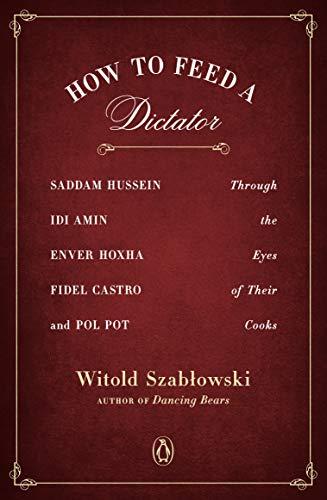
Saddam Hussein, Idi Amin, Enver Hoxha, Fidel Castro, and Pol Pot Through the Eyes of Their Cooks
The hosts highlighted the book as a deep dive into the personal lives of dictators through the eyes of their cooks, noting the author's extensive interviews with Saddam Hussein's former chef and the revealing stories of how these chefs impacted the leaders' moods and decisions. They presented it as a compelling way to understand the intimate, often overlooked side of authoritarian rule.
The author, Fitts Old Shablovsky, had spent many hours talking with Saddam Hussein's former chef, a man called Abu Ali, about his experiences cooking for Saddam, including the time Abu Ali was arrested and the time Saddam made him eat his own spicy cooking.
Fitts Old Shablovsky is the author of How to Feed a Dictator
Fitts Old spent many hours talking as well as cooking with Saddam's former chef, a man called Abu Ali.
And he told me about his first meeting with Saddam. Saddam asked him personally, Abu Ali I heard you're such a great chef.
Would you give me this honor and cook for me? And actually I didn't want to do that like I knew it's going to be a horrible job but he didn't know if this kind of offer from a president is an offer he could refuse.
The Histories
In two segments of the episode about Napoleon's Egyptian campaign, Professor Andrew Roberts noted that Napoleon brought the book with him to Egypt as part of his extensive study of military history and biography. The hosts highlighted its presence alongside works by Caesar and Alexander, emphasizing its relevance to historical strategy but did not offer a formal endorsement.
Napoleon took this book with him to Egypt, along with various other historians.
Napoleon had read very extensively in military history and especially military biography when he was at school and later on. In fact, he took Herodotus to Egypt and various other historians. He took Caesar's Gallic Wars and various other books about Alexander the Great.
Napoleon had read very extensively in military history and especially military biography when he was at school and later on. In fact, he took Herodotus to Egypt and various other historians. He took Caesar's Gallic Wars and various other books about Alexander the Great.
Napoleon had read very extensively in military history and especially military biography when he was at school and later on. In fact, he took Herodotus to Egypt and various other historians. He took Caesar's Gallic Wars and various other books about Alexander the Great.
Growing Up Under the Khmer Rouge
The book was referenced when the author shared vivid memories of her childhood under the Khmer Rouge, describing her mother's fear of the Viet Cong, a superstition about a comet predicting war, and the upheaval of fleeing a bombed home. Her testimony was used to illustrate the personal impact of the Cambodian Revolution during the episode.
The author described their childhood experience under the Khmer Rouge, and how their mother's fear of the Viet Cong foreshadowed the war that would follow.
The tale of the comet, there's old superstition. The folk superstition says something like, when the tale of the comet points to a certain country, Cambodia will be drawn into war with that country.
Suddenly I could see that my mom wasn't excited anymore. She was scared and all that, and I remember asking her, Ma, what does war mean? And of course she didn't answer, and what does country mean? And she didn't want to answer me, and then that was like a precursor to what came next with the Viet Cong.
And I remember my pa told my older sister Chia to get all my siblings to go to the bunker. And I would scream, every bomb exploded. And soon after that, we had to leave that home because the Viet Cong was so close.
We had to leave that home and go to the capital city. Actually, me and my father and my brother came back and the home was destroyed.
Chanrithi Him, author of 'When Broken Glass Floats', remembers the fear and uncertainty inspired by the Viet Cong raids during her childhood.
The tale of the comet, there's old superstition. The folk superstition says something like, when the tale of the comet points to a certain country, Cambodia will be drawn into war with that country. Suddenly I could see that my mom wasn't excited anymore. She was scared and all that, and I remember asking her, Ma, what does war mean? And of course she didn't answer, and what does country mean? And she didn't want to answer me, and then that was like a precursor to what came next with the Viet Cong.
And I remember my pa told my older sister Chia to get all my siblings to go to the bunker. And I would scream, every bomb exploded. And soon after that, we had to leave that home because the Viet Cong was so close.
We had to leave that home and go to the capital city. Actually, me and my father and my brother came back and the home was destroyed.
The hosts referenced the book while debating Gaddafi's political philosophy, noting that they used it to argue that it supports press multiplicity and democratic principles. They also described it as Gaddafi's sacred ideological work in the context of his broader actions. Overall, the discussion treated the title as a historical artifact rather than a recommendation.
The speaker explained that they had to use the Green Book to argue that it supported press freedom and democracy, indicating its role in defending multiplicity of the press.
And in arguing for this kind of view, I had to employ the Green Book itself, saying that my understanding of the Green Book is that it's not against multiplicity of the press because the Green Book espouses and advances the idea of democracy, and this is part of democracy.
And of course, if you look, you know, without taking this out of context today and you read this piece, you would say that Yusuf Sawani was actually advancing Green Book ideas.
Though Yusuf Sawani did not encounter Gaddafi individually, he did have cause to interact with him in an academic capacity. Gaddafi, you know, came to university on many occasions and came to lecture. And he had his own auditorium that was called the Green Auditorium.
The discussion mentioned Gaddafi's ideological work, describing it as his sacred Green Book.
the publication of his sacred Green Book.
The Little Red Book
The book was highlighted as Mao's famously bestselling work and noted as the second‑bestselling book of all time. Hosts described it as a blockbuster collection of Maoist principles that served as a primer for the population, especially youth, during the Cultural Revolution.
The book, a collection of Mao's sayings, was described as a blockbuster and one of the most printed volumes in history. It served as a primer of Maoist principles and was used to influence and control the population, particularly the youth.
As a guide to his thinking, Mao publishes a hold-all primer of Maoist principles. It's called Little Red Book, and it's exactly that. It's Mao's version of Marx's Communist Manifesto.
Shifting over a billion copies, The Little Red Book is a blockbuster. It's one of the most printed volumes in history.
The Little Red Book was mentioned as Mao's famously bestselling work, noted as the secondbestselling book of all time.
Mao's Little Red Book is the second bestselling book of all time, I think.
The Court of the Red Tsar
The hosts referenced the title as another work by Simon Sebag Montefiore, noting it alongside his book Young Stalin to indicate it offers historical context on Stalin's life and rise to power. No further commentary or evaluation was given, so the mention served mainly to highlight the author's broader scholarship on the subject.
This book, also by Simon Sebag Montefiore, was mentioned alongside "Young Stalin", suggesting both offer historical context to Stalin's life and rise to power.
Simon Seyberg Montefiore is an historian and author of the books Young Stalin and The Court of the Red Czar.
This book was mentioned alongside "Young Stalin" as one of Simon Sebag Montefiore's works, but no further details were provided about it within the transcript.
Simon Seyberg Montefiore is an historian and author of the books Young Stalin and The Court of the Red Czar.
The biography of the Fuhrer, his Ascent to Power, and Domination over Nazi Germany as a Dictator (History)
Note: The book recommendations on this page are discovered automatically from podcast transcripts, and may be incorrect or incomplete.
Podcast Name