A Short History of Ancient Rome
Pascal Hughes
Mentioned 6 months ago
Jean-Bédel Bokassa Part 3: A Coronation for the Ages
Real Dictators is the award-winning podcast that explores the hidden lives of history's tyrants. Hosted by Paul McGann, with contributions from eyewitnesses and expert historians. New episodes available a week early for Noiser+ subscribers. You'll also get ad-free listening, early access and excl...
Recently mentioned
Pascal Hughes
Mentioned 6 months ago
Jean-Bédel Bokassa Part 3: A Coronation for the Ages
Robert E. Vardeman
Mentioned 6 months ago
Jean-Bédel Bokassa Part 2: The Power Grab, the Châteaux and the Missing Daughter

Charles Dickens
Mentioned 7 months ago
Introducing: Charles Dickens Ghost Stories - A Christmas Carol
George Orwell
Mentioned 1 year ago
Fidel Castro Part 9: Down With Fidel!
Anthony DePalma
Mentioned 1 year ago
Fidel Castro Part 9: Down With Fidel!
Nicholas Griffin
Mentioned 1 year ago
Fidel Castro Part 8: Miami Vice
Mervyn J. Bain
Mentioned 1 year ago
Fidel Castro Part 6: The Cuban Missile Crisis
Anthony DePalma
Mentioned 1 year ago
Fidel Castro Part 3: The Mountain Guerrillas
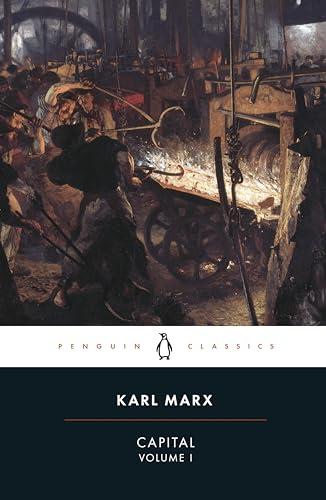
Karl Marx
Mentioned 1 year ago
Fidel Castro Part 2: Shipwrecked in the Swamps
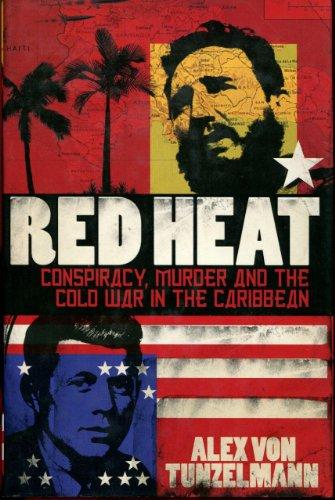
Alex Von Tunzelmann
Mentioned 1 year ago
Fidel Castro Part 1: Rise of ‘The Crazy One’
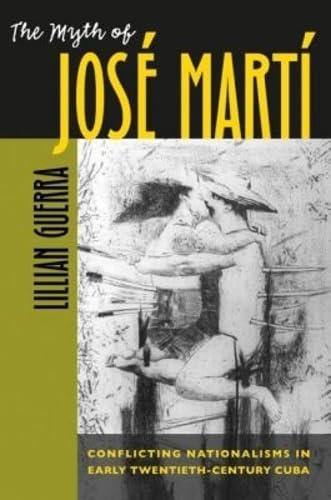
Lillian Guerra
Mentioned 1 year ago
Fidel Castro Part 1: Rise of ‘The Crazy One’
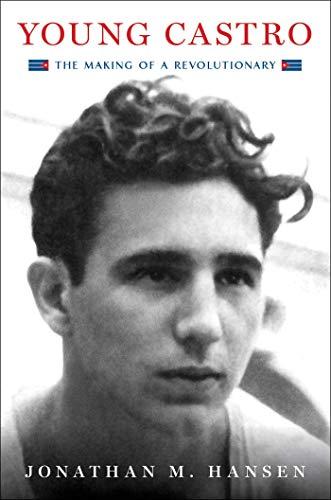
Jonathan M. Hansen
Mentioned 1 year ago
Fidel Castro Part 1: Rise of ‘The Crazy One’
The speaker mentions how Machiavelli's book, *The Prince*, discusses how to achieve and maintain power. The speaker compared the tactics of Herod with the themes explored in Machiavelli's book.
In a way, he sounds almost like he's reading from Machiavelli's *The Prince*, about how to seize and maintain power.
— Episode: Herod the Great Part 1: Ruler of Galilee
The speaker mentions how Machiavelli's book, *The Prince*, discusses how to achieve and maintain power. The speaker compared the tactics of Herod with the themes explored in Machiavelli's book.
In a way, he sounds almost like he's reading from Machiavelli's *The Prince*, about how to seize and maintain power.
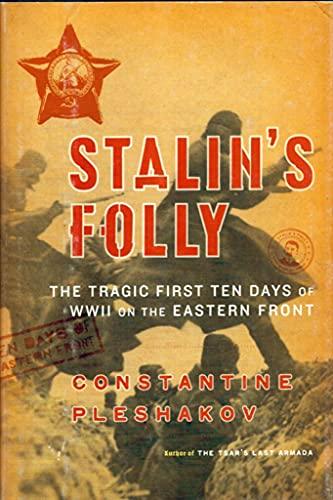
The Tragic First Ten Days of World War II on the Eastern Front
The author discussed Stalin's propaganda techniques and his ability to manipulate public opinion, comparing his skills to those of a top advertising executive. The book is mentioned in relation to Stalin's purges and show trials.
There were still people around who were creating problems for him that were both personal problems but also problems of getting things done They were blocking getting things done And so he needed to g...
— Episode: Joseph Stalin Part 2: The Secretary Beco...
The author discussed Stalin's propaganda techniques and his ability to manipulate public opinion, comparing his skills to those of a top advertising executive. The book is mentioned in relation to Stalin's purges and show trials.
There were still people around who were creating problems for him that were both personal problems but also problems of getting things done They were blocking getting things done And so he needed to get rid of them And the best way to do it is a purge And the best way to do that is to demonstrate that his arch enemies the ones who are the chief obstacles to getting anything done were responsible for the beloved Kirov's death And so that's exactly what he does
Stalin's propaganda was extremely effective and we have accounts of how he would work late into the night developing slogans for this day, for the next day, for the day after and I'll tell you after reading these accounts of the way he would work on the slogans that they were going to export to all of the parties worldwide I came to realize that if Stalin had been born in the United States he would have been a first-class advertising executive because he really understood how to get people to buy what he's selling he was a master at that
Shortlisted for the Baillie Gifford Prize for Non-Fiction 2022
The author mentioned that Oliver Cromwell came from a wealthy family who owned land, went to university, and expected to hold local offices.
One of the fascinating things about Oliver Cromwell is that he wasn't a kind of revolutionary figure by background at all.
— Episode: Oliver Cromwell Part 1: The Rise of Iron...
The author mentioned that Oliver Cromwell came from a wealthy family who owned land, went to university, and expected to hold local offices.
One of the fascinating things about Oliver Cromwell is that he wasn't a kind of revolutionary figure by background at all.
He came from what you call gentries, the sort of people wealthy enough to essentially own land, go to university, educate their children, expect to hold local offices.
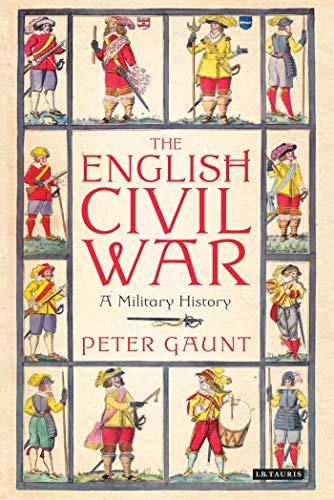
A Military History
The author described Oliver Cromwell's family as one of the leading families of East Anglia, but never at the absolute pinnacle. Several family members were knighted, elected to parliament and had grand properties.
Oliver Cromwell was born into a family that for a time have become one of the leading families of East Anglia.
— Episode: Oliver Cromwell Part 1: The Rise of Iron...
The author described Oliver Cromwell's family as one of the leading families of East Anglia, but never at the absolute pinnacle. Several family members were knighted, elected to parliament and had grand properties.
Oliver Cromwell was born into a family that for a time have become one of the leading families of East Anglia.
They were never at the absolute pinnacle.
They were never peers or aristocrats.
But several members of that family were knighted.
Several members of that family were elected to parliament as MPs and they had quite grand properties in Cambridgeshire and Huntingtonshire.
England Under Siege, 1588-1688
The author mentioned that London became the fastest growing European capital in the 17th century and was a very urban, literate population.
London becomes the fastest-growing European capital in the 17th century.
— Episode: Oliver Cromwell Part 1: The Rise of Iron...
The author mentioned that London became the fastest growing European capital in the 17th century and was a very urban, literate population.
London becomes the fastest-growing European capital in the 17th century.
It's a very urban, literate population.
Oliver Cromwell and the Conquest of Ireland by Dr Micheál Ó Siochrú (4-Jun-2009) Paperback
The author described Ireland in the 17th century as a colony exploited by the English for economic interests. He mentioned the native Irish people remained steadfastly Catholic and were suspect on both ethnic and religious grounds, resulting in a nasty edge to Anglo-Irish relations.
I mean, Ireland in the 17th century is a colony, put it bluntly.
— Episode: Oliver Cromwell Part 1: The Rise of Iron...
The author described Ireland in the 17th century as a colony exploited by the English for economic interests. He mentioned the native Irish people remained steadfastly Catholic and were suspect on both ethnic and religious grounds, resulting in a nasty edge to Anglo-Irish relations.
I mean, Ireland in the 17th century is a colony, put it bluntly.
It's a colony that's exploited by the English in their own economic interests, but it's a highly complex society.
The vast majority of the people are indigenous native Irish people who have remained steadfastly Catholic.
So not only are they suspect, if you like, on ethnic grounds, but they're also suspect on religious grounds.
And it's that combination of ethno-religious hostility, I think that gives a particular nasty edge to Anglo-Irish relations.
The brave, bad man of British history
The author mentioned that the English church was seen as a hybrid of Catholicism and Protestantism, with Protestant ministers wearing Catholic underclothes.
John Morrill is professor of British and Irish history at Selman College, University of Cambridge and author of an upcoming biography, Oliver Cromwell, the brave bad man of British hi...
— Episode: Oliver Cromwell Part 1: The Rise of Iron...
The author mentioned that the English church was seen as a hybrid of Catholicism and Protestantism, with Protestant ministers wearing Catholic underclothes.
John Morrill is professor of British and Irish history at Selman College, University of Cambridge and author of an upcoming biography, Oliver Cromwell, the brave bad man of British history.
It looked Catholic and sounded Protestant.
The worship is a true hybrid, so if you like Protestant ministers wear Catholic underclothes.
In Jane Austen's novel, 'Emma,' Mr. Woodhouse expressed his dislike of the sea, claiming it had nearly killed him once. His opinion was out of step with the public's fascination with seabathing, which had become quite fashionable during the 18th and 19th centuries.
the sea is very rarely of use to anybody. I am sure it almost killed me once.
— Episode: Introducing: The Curious History of Your...
In Jane Austen's novel, 'Emma,' Mr. Woodhouse expressed his dislike of the sea, claiming it had nearly killed him once. His opinion was out of step with the public's fascination with seabathing, which had become quite fashionable during the 18th and 19th centuries.
the sea is very rarely of use to anybody. I am sure it almost killed me once.
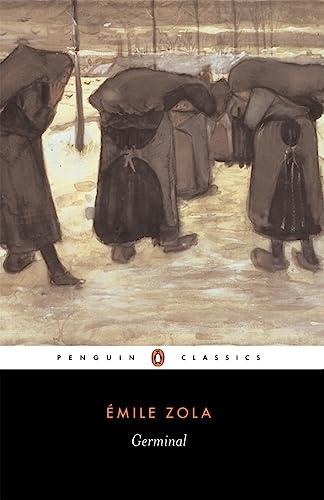
Enver Hoxha's personal library contained many classic works of literature, including "Germinal" by Emile Zola.
These books included the whole library of classics, the library of world literature including Dante and Shakespeare and Zola and Montesquieu and Russo and Diderot.
— Episode: Enver Hoxha Part 2: Stalin’s Shadow, Eur...
Enver Hoxha's personal library contained many classic works of literature, including "Germinal" by Emile Zola.
These books included the whole library of classics, the library of world literature including Dante and Shakespeare and Zola and Montesquieu and Russo and Diderot.
Enver Hoxha's personal library contained many classic works of literature, including "The Spirit of the Laws" by Baron de Montesquieu.
These books included the whole library of classics, the library of world literature including Dante and Shakespeare and Zola and Montesquieu and Russo and Diderot.
— Episode: Enver Hoxha Part 2: Stalin’s Shadow, Eur...
Enver Hoxha's personal library contained many classic works of literature, including "The Spirit of the Laws" by Baron de Montesquieu.
These books included the whole library of classics, the library of world literature including Dante and Shakespeare and Zola and Montesquieu and Russo and Diderot.

What We Know & What We Don't
Enver Hoxha's personal library contained many classic works of literature, including "The Encyclopdie" by Denis Diderot.
These books included the whole library of classics, the library of world literature including Dante and Shakespeare and Zola and Montesquieu and Russo and Diderot.
— Episode: Enver Hoxha Part 2: Stalin’s Shadow, Eur...
Enver Hoxha's personal library contained many classic works of literature, including "The Encyclopdie" by Denis Diderot.
These books included the whole library of classics, the library of world literature including Dante and Shakespeare and Zola and Montesquieu and Russo and Diderot.
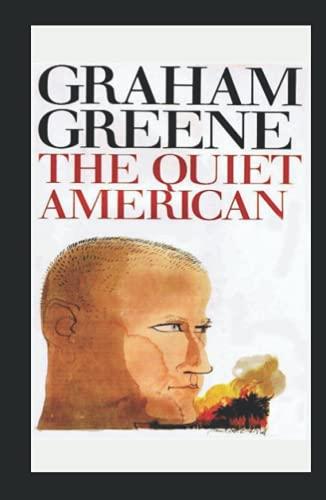
Enver Hoxha's personal library contained a variety of books, including "The Quiet American" by Graham Greene.
It also included books by people like Graham Green and John Lakeret.
— Episode: Enver Hoxha Part 2: Stalin’s Shadow, Eur...
Enver Hoxha's personal library contained a variety of books, including "The Quiet American" by Graham Greene.
It also included books by people like Graham Green and John Lakeret.
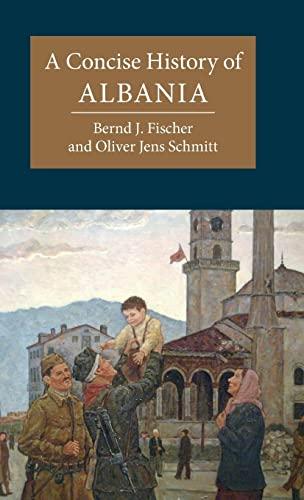
The author, Ben Fischer, is a professor of history at Indiana University and was a former special advisor to the Albanian royal court. This book was cited as a source for the podcast's commentary on Albanian history and politics, specifically during the interwar period.
He was part of the Ottoman Empire until 1912 so the last of the Balkan states to achieve independence.
— Episode: Enver Hoxha Part 1: The Albanian School...
The author, Ben Fischer, is a professor of history at Indiana University and was a former special advisor to the Albanian royal court. This book was cited as a source for the podcast's commentary on Albanian history and politics, specifically during the interwar period.
He was part of the Ottoman Empire until 1912 so the last of the Balkan states to achieve independence.
During the interwar period it was ruled principally by King Zog who was a self-proclaimed king he rose from being one of the major tribal chiefs in the north of Albania.
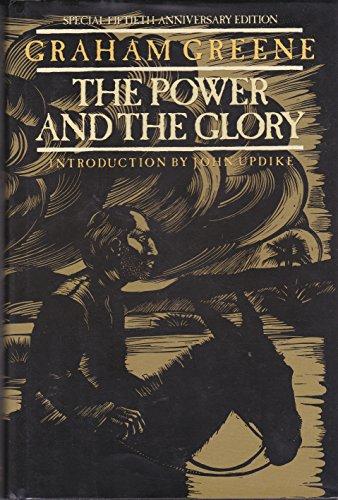
50th Anniversary Edition
Enver Hoxha's personal library contained a variety of books, including "The Power and the Glory" by Graham Greene.
It also included books by people like Graham Green and John Lakeret.
— Episode: Enver Hoxha Part 2: Stalin’s Shadow, Eur...
Enver Hoxha's personal library contained a variety of books, including "The Power and the Glory" by Graham Greene.
It also included books by people like Graham Green and John Lakeret.
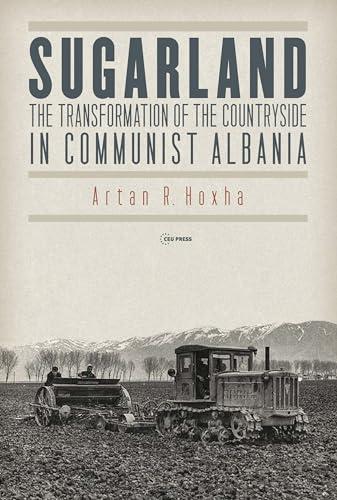
The Transformation of the Countryside in Communist Albania
The author, Dr. Artan Hoxha, is a researcher at the Institute of History in Tirana. This book provided insights on the impact of communist rule on the Albanian countryside, particularly focusing on the transformation of agricultural practices and land ownership.
He goes to study in France in never finished his studies.
— Episode: Enver Hoxha Part 1: The Albanian School...
The author, Dr. Artan Hoxha, is a researcher at the Institute of History in Tirana. This book provided insights on the impact of communist rule on the Albanian countryside, particularly focusing on the transformation of agricultural practices and land ownership.
He goes to study in France in never finished his studies.
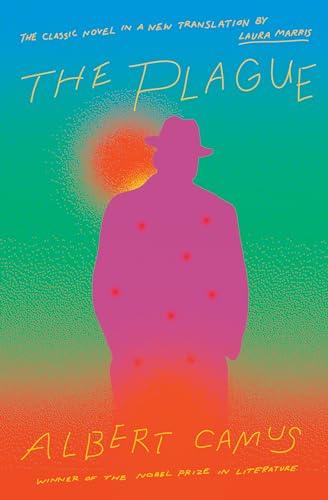
Enver Hoxha's personal library contained a variety of books, including "The Plague" by Albert Camus.
It included books by Sartre and Kamu and the one thing it didn't include was anything written by either Marx or Lenin which one might find surprising.
— Episode: Enver Hoxha Part 2: Stalin’s Shadow, Eur...
Enver Hoxha's personal library contained a variety of books, including "The Plague" by Albert Camus.
It included books by Sartre and Kamu and the one thing it didn't include was anything written by either Marx or Lenin which one might find surprising.
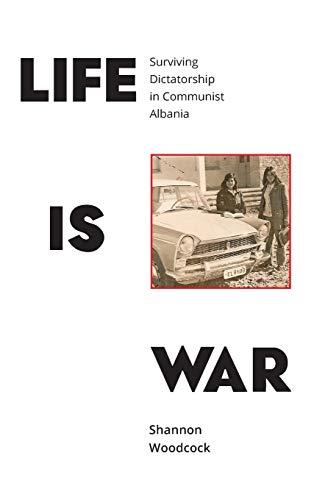
Surviving Dictatorship in Communist Albania
This book, written by Dr. Shannon Woodcock, tells the story of survival under the oppressive regime of Enver Hoxha in communist Albania. The podcast highlighted how the book provides valuable insights into the harsh realities of life under Hoxha's rule.
In a small country, which is already patriarchal and we're a tall man commands attention.
— Episode: Enver Hoxha Part 1: The Albanian School...
This book, written by Dr. Shannon Woodcock, tells the story of survival under the oppressive regime of Enver Hoxha in communist Albania. The podcast highlighted how the book provides valuable insights into the harsh realities of life under Hoxha's rule.
In a small country, which is already patriarchal and we're a tall man commands attention.
He used that alongside his willingness to execute people and execute his own comrades and work with international allies and sacrifice people who were close to him in order to consolidate power.
I think the best way to sum up that time is that Life is War, that's what people told me and that was a common saying at the time Yeta's Luft, Life is War.
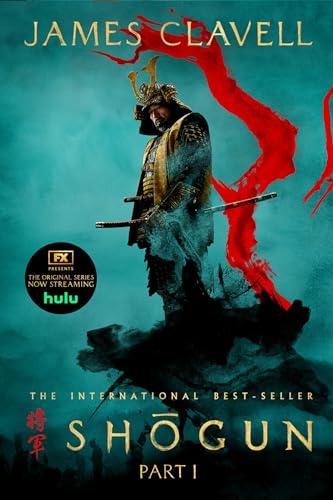
It was based on a best-selling and critically acclaimed novel, set in feudal Japan, which charted the story of two ambitious men from different worlds who collided along with a mysterious female samurai.
Based on the critically acclaimed and best-selling novel, FX's Show Gun is set in feudal Japan and charts the collision of two ambitious men from different worlds, and a mysterious female samurai.
— Episode: Saddam Hussein Part 5: The War on Terror
It was based on a best-selling and critically acclaimed novel, set in feudal Japan, which charted the story of two ambitious men from different worlds who collided along with a mysterious female samurai.
Based on the critically acclaimed and best-selling novel, FX's Show Gun is set in feudal Japan and charts the collision of two ambitious men from different worlds, and a mysterious female samurai.

It was Saddam Hussein's first novel, published in the year 2000. It was supposedly set in the early years of Islam and was a love story, a romance novel. It was made mandatory reading for party members. The book was an allegory and many believe it was about Saddam Hussein himself, his loneliness and isolation.
In the year 2000, he publishes his first novel, Sabiba and the king, supposedly the author wishes to remain anonymous, but if so, his identity is the country's worst-kept secret. It's published by the...
— Episode: Saddam Hussein Part 4: The First Gulf Wa...
It was Saddam Hussein's first novel, published in the year 2000. It was supposedly set in the early years of Islam and was a love story, a romance novel. It was made mandatory reading for party members. The book was an allegory and many believe it was about Saddam Hussein himself, his loneliness and isolation.
In the year 2000, he publishes his first novel, Sabiba and the king, supposedly the author wishes to remain anonymous, but if so, his identity is the country's worst-kept secret. It's published by the ministerial firm formation, and everyone knew about it, and the next day it became a best seller in Iraq. And the worst part of it, it became a textbook for all party members in their cell meetings to be read and discussed. I mean, I always wish someone would do this from my books, that that it would be, you know, mandatory reading for everyone.
So here's this book called Sabiba and the king and it was a kind of like romance novel. It's a love story. It's set in the past in the early years of Islam and there's like a pagan king and I think he goes out writing one day and he sees this beautiful woman Sabiba. When we imagine Saddam Hussein's method of coasting wasn't very elegant. I mean, who knows, but like in in the book, he just falls in love with his woman and then he starts having sort of long conversations about state craft and religion with her and she starts to kind of change his mind about things. You know, there's profound loneliness and I think the loneliness of this king who's like isolated, he's got nobody to talk to and the only person he can really communicate with this is this young woman. And night after night he goes to talk to her. If you want to know what it's like to be a dictator with the power of life and death, but who's also terrified of being assassinated, and he's like looking around and garnering position at any moment. I think Sabiba and the king gives you a reasonable sense of what was going through Saddam's mind when he felt sort of besieged and alone.
You did not need a detective to figure out who was talking about himself, he tells you. So many stories that you can really understand how he felt about himself, about his relationship with his mother, about his connection to the land. He used the material from his own life, but then he changed it as a writer does, and so, you know, in that sense, it's like a proper novel, maybe not a great novel, but he created the novel the same way all novelists do. It's not a good book, but it's the real book.
As he had gotten older he began to fancy himself as a writer and an artist I guess you know according to a number of these senior Iraqi officials he you know in his later years of rule in the country he would disappear for days at a time and kind of lose himself in his writing you know he appeared more focused in some cases on this writing than he did on ruling.
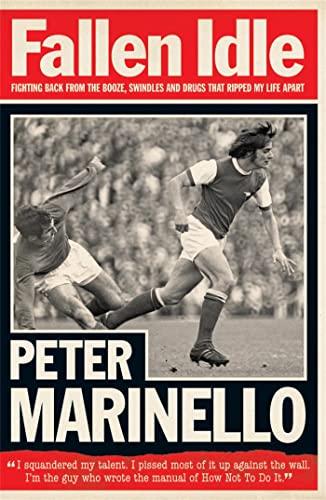
The author, Alex Fontoune, discusses Saddam Hussein's penchant for having statues erected of himself throughout Iraq. He draws a comparison to the personality cult of Joseph Stalin and discusses Saddam's efforts to portray himself as a benevolent leader.
Alex Fontoune's on man is the author of Fallen Idles, 12 statues that made history.
— Episode: Saddam Hussein Part 3: Oil and the Ayato...
The author, Alex Fontoune, discusses Saddam Hussein's penchant for having statues erected of himself throughout Iraq. He draws a comparison to the personality cult of Joseph Stalin and discusses Saddam's efforts to portray himself as a benevolent leader.
Alex Fontoune's on man is the author of Fallen Idles, 12 statues that made history.
Saddam even grew quite a similar moustache to Stalin so you know kind of adopted that look a little bit and very very much bought into that same social tradition of portraying himself as a benevolent uncle as this kind of kindly leader as this big brother without irony.
Note: The book recommendations on this page are discovered automatically from podcast transcripts, and may be incorrect or incomplete.
Podcast Name